
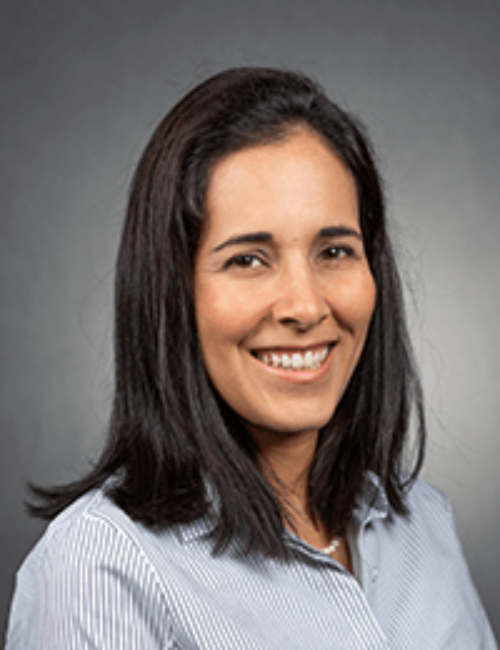
Dr. Angela Maria Gonella-Diaza is an Assistant Professor in Beef Cattle Reproduction at the University of Florida's North Florida Research and Education Center. Born in Colombia, her early exposure to agricultural production shaped her career in veterinary science and reproductive physiology. She earned her DVM from the National University of Colombia, followed by a Master's in Reproductive Physiology and a Ph.D. at the University of São Paulo, Brazil. Her postdoctoral research focused on molecular patterns of reproductive tract receptivity in beef cows. Dr. Gonella-Diaza's work emphasizes improving reproductive efficiency in Bos indicus breeds through molecular, metabolomic, and genetic approaches. Her research interests include heat stress mitigation strategies, embryo transfer optimization, and the role of metabolomics in bovine reproduction. She has developed protocols for estrus synchronization and pregnancy diagnostics, contributing to practical advancements in beef cattle management. Key themes in her work include understanding how environmental factors like temperature and dietary supplements influence reproductive outcomes and offspring health. Dr. Gonella-Diaza has published extensively on topics such as conceptus survival mechanisms, maternal-offspring metabolic interactions, and the application of microRNA profiling to predict placental phenotypes. Her research bridges fundamental biology with applied agricultural solutions, aiming to enhance livestock productivity and sustainability in subtropical climates.
جستوجوی استاد و پژوهشگر
استاد راهنما، استاد دانشگاه یا پژوهشگر مناسب برای مسیر پژوهشیتان را پیدا کنید و با او ارتباط بگیرید.
نمایش ۱۶-۳۰ از ۴۴۶ استاد راهنما
اطلاعات این پروفایلها از صفحات عمومی دانشگاهها جمعآوری شده و ممکن است بهروز نباشد.
Wen Huangمشاهده پروفایل
دانشیار
- Genetics
- Genomics
- Animal Science
- +۵ مورد دیگر
Wen Huang is an Associate Professor at the Michigan State University , affiliated with the BioMolecular Science Gateway Faculty and the Genetics & Genome Sciences Program . His research integrates genetics, genomics, and bioinformatics to study complex traits in Drosophila melanogaster and livestock species. Research Interests : Elucidating genetic architectures of quantitative traits Transposon dynamics and alternative splicing regulation Livestock genomics for agricultural improvement Publication Trends : Recent work focuses on genome-wide association studies (GWAS), telomere-to-telomere assemblies, and multi-omic analyses of gene regulation in pigs and Drosophila . Collaborative Initiatives : Co-leads large-scale projects like FarmGTEx and RT2T Consortium, aiming to improve functional annotation of animal genomes.

Cyril Stephen is a Professor at the School of Agricultural, Environmental and Veterinary Sciences at Charles Sturt University, Australia. He is an active researcher and registered supervisor, with a strong focus on animal reproduction, particularly in beef cattle, sheep, and horses. His work integrates veterinary science, agricultural systems, and reproductive physiology, with significant contributions to understanding the impact of phytoestrogens on fertility and developing innovative technologies like the remote calving alert device. Education: BVSc & AH (Bachelor of Veterinary Science and Animal Husbandry) DVSc (Doctor of Veterinary Science) MANZCVS (Member of the Australian and New Zealand College of Veterinary Scientists) DipACT (Diploma in Animal Clinical Techniques) His research interests center on theriogenology , phytoestrogen effects on livestock fertility , embryo development , and reproductive management in agricultural animals . He investigates how natural compounds in pasture legumes affect conception rates and reproductive outcomes in cattle and sheep, aiming to improve breeding efficiency and animal welfare. The analysis of his recent publications reveals a consistent focus on reproductive challenges in livestock, particularly the influence of environmental and nutritional factors such as phytoestrogens. His work also extends to technological innovations in monitoring calving and improving neonatal survival. A recurring theme is the integration of clinical veterinary practice with agricultural science to solve real-world farming problems. Scientific Contributions and Recognition: Active editorial board member of Clinical Theriogenology Peer reviewer for the Ontario Agri-Food Innovation Alliance Tier 1 Research Program Invited speaker at the International Symposium of the Indian Society for Study of Animal Reproduction (ISSAR) 2021 Featured in multiple media outlets including ABC Southern Queensland for public engagement on calf loss prevention Cyril Stephen supervises both Honours and higher degree research (HDR) students, contributing to the next generation of veterinary and agricultural scientists. He has been involved in grant review responsibilities and collaborative research projects, particularly in the area of fertility control and reproductive technology. His work is supported by institutional and external engagement, reflecting strong interdisciplinary collaboration. He is affiliated with the Gulbali Research Institute at Charles Sturt University, which focuses on agricultural, environmental, and veterinary research. His team works on projects ranging from basic reproductive physiology to applied technology development, including sensor-based monitoring systems for extensive beef systems. Future research directions likely include expanding fertility control methods, refining reproductive technologies, and enhancing pasture management strategies to mitigate phytoestrogen risks.
Earl Creechمشاهده پروفایل
استادیار
- Weed Science
- Agronomy
- Soil Health
- +۳ مورد دیگر
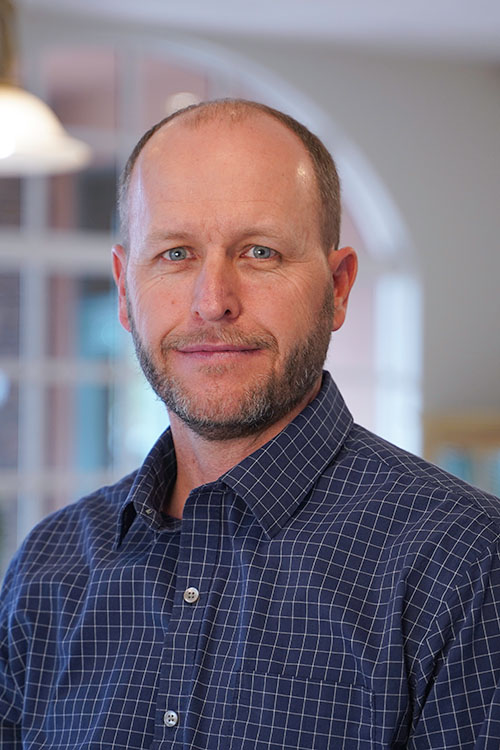
Dr. Earl Creech is an Assistant Professor and Agronomy Specialist at Utah State University's College of Agriculture and Applied Sciences , with a focus on the Department of Plants, Soils, and Climate . He earned his PhD in Weed Science from Purdue University (2007) and an MS in Plant Science from USU (2003). Research interests include: Weed-Soil-Crop Interactions Sustainable Soil Health through Compost and Cover Crops Drought-Tolerant Crop Management Integrated Pest Management (IPM) in Forage and Field Crops Agricultural Extension and Education Publication trends (2025–2021) emphasize herbicide resistance , compost impacts on soil organic matter , nematode-weed interactions , and innovative irrigation strategies for crops like alfalfa and corn in semi-arid environments. Scientific awards include: Extension Specialist Career Award (2024) Graduate Research Mentor of the Year (multiple years) Best Student Paper Advisor (2024, 2021, 2019) Richard L. Chase Scholarship (2003, 2002) He has advised 19 graduate students since 2014 and led extension programs on weed control , soil testing , and cover crop integration across the western U.S.
- Animal Science
- Meat Science
- Muscle Biology
- +۳ مورد دیگر
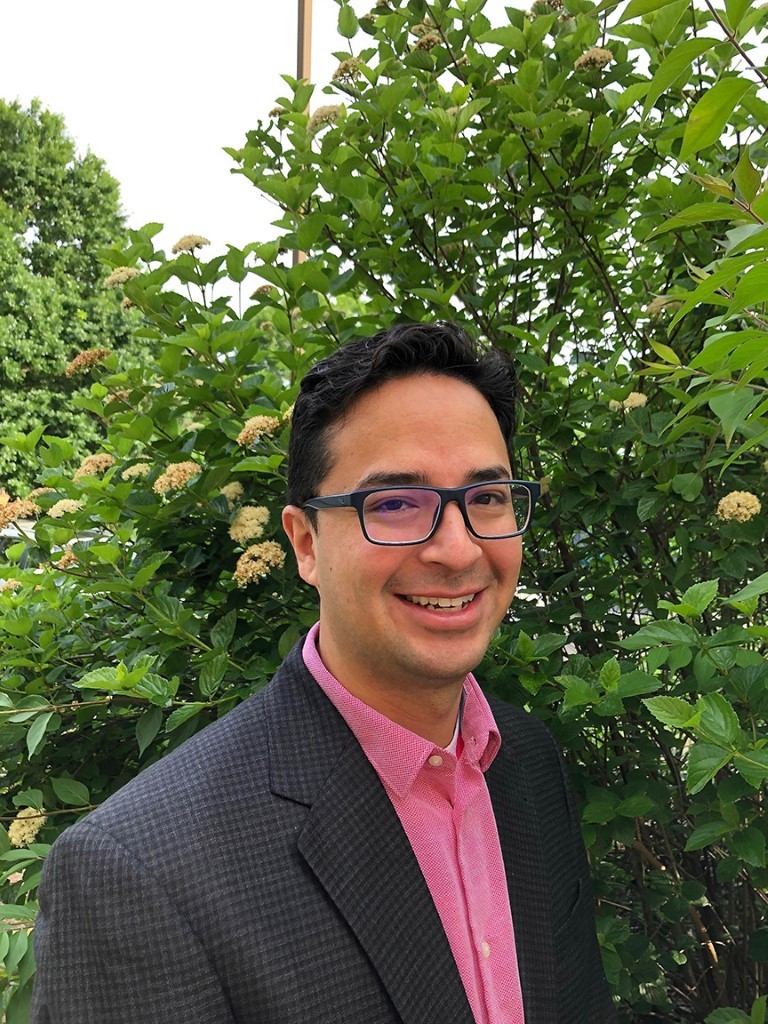
Dr. John Michael Gonzalez is a Professor in the Department of Animal and Dairy Science at the University of Georgia's College of Agricultural & Environmental Sciences. He joined UGA in April 2019 with a 20% teaching and 80% research appointment after serving on the faculty at Kansas State University from June 2011 to March 2019. PhD in Animal Sciences from University of Florida (2008) MS in Animal Sciences from Sul Ross State University (2005) BS in Agricultural Economics from Texas A&M University (2002) Dr. Gonzalez's research program focuses on three main areas: cellular influencers of muscle growth related to meat quality (particularly muscle fiber size/type and collagen crosslinks); novel technologies for manipulating muscle growth through feed additives, management strategies, and breeding; and cellular mechanisms of muscle fatigue during livestock transportation. His work has significant implications for improving meat quality, animal welfare, and production efficiency. His recent publications (2023-2025) show a strong emphasis on nicotinamide riboside supplementation across various species, meat quality assessment, and participation in the National Beef Quality Audit. These works span beef, pork, and poultry production systems with a consistent focus on muscle biology and meat science applications. Student Career Success Influencer Award (2023) Student Career Success Influencer Award (2024) Dr. Gonzalez has secured substantial funding from diverse sources including USDA NIFA, Georgia Commodity Commission for Beef, Huvepharma, Genus PIC, and various industry partners. His research program includes multiple ongoing projects focused on nicotinamide riboside applications, heat stress impacts, vitamin D supplementation, and meat quality analysis. While specific lab details aren't provided in the text, his work involves extensive collaboration with other researchers across multiple institutions as evidenced by his numerous co-authored publications.

Alison Wardمشاهده پروفایل
دانشیار
Alison Ward is an Associate Professor in the Department of Animal and Poultry Science at the University of Saskatchewan, Canada. Her research focuses on nutritional epigenetics, developmental programming, and molecular genetics in livestock, particularly examining how maternal nutrition affects fetal development and long-term health outcomes in beef cattle. She integrates multi-omics approaches, including transcriptomics and metabolomics, to study nutrient-gene interactions and improve precision agriculture practices. PhD (Animal Science), University of Saskatchewan MSc (Animal Science), University of Saskatchewan BSc (Animal Science), University of Saskatchewan Ward’s work bridges molecular biology, physiology, and genomics to address how maternal micronutrient and one-carbon metabolite supplementation during critical gestational periods alter fetal organ development, placental function, and epigenetic gene regulation. Her recent publications emphasize fetal liver programming, mitochondrial function, and transgenerational effects of maternal nutrition, with a strong focus on sustainable livestock production. Her research has been supported by grants from the USDA National Institute of Food and Agriculture, North Dakota Beef Commission, and other agricultural research bodies. She teaches ANSC 313 – Animal Breeding and Genetics, and has received teaching excellence awards from the University of Saskatchewan Students Union. 2024 Open Resources Initiative Award USSU Teaching Excellence Award
Patricia Anthony serves as Associate Professor at Lincoln University's School of Landscape Architecture in New Zealand, where she holds an ORCID identifier 0000-0002-4991-3340. Her academic appointments include Faculty Postgraduate Chair for the Faculty of Environment, Society and Design (2021-2024) and current affiliation with the Centre for Geospatial and Computing Technologies (2025-present). Previously, she served as Head of Department (2016-2017), Department Postgraduate Coordinator (2014-2016), and SHIFT Coordinator (2017-2020). Her educational background comprises a Ph.D. from the University of Southampton, United Kingdom; an M.Sc. from Birkbeck, University of London, United Kingdom; and a BSc (High Honors) from the State University of New York, United States. She is proficient in Malay language, with reading, writing, and speaking capabilities. Dr. Anthony's research centers on agent and multi-agent systems, utilizing artificial intelligence techniques including machine learning, evolutionary computation, and text processing as decision-making strategies for agents. She is recognized as a leading researcher applying intelligent agents across diverse domains such as online auctions, agriculture, education, and social media analysis. Her specialized work in sentiment analysis and emotion identification enables agents to detect emotional states in textual communications, with recent applications in earthquake tweet analysis. Her publication record demonstrates consistent scholarly output with over 130 publications, showing particular strength in applying multi-agent systems to practical challenges. Recent work reveals three major research streams: trust and reputation management in IoT environments (accounting for approximately 30% of recent publications), agricultural technology applications including mastitis detection and water resource management (approximately 40%), and social media analysis focusing on elderly technology adoption and cyber aggression classification (approximately 30%). Adjunct Professor, Hubei University of Technology, Wuhan, China Program Committee/Senior Program Committee member for Pacific Rim International Conferences on Artificial Intelligence (PRICAI) 2016, 2018, 2019 Co-chair for International Carnahan Conference on Security Technology (ICCST) 2014, 2016, 2018, 2020 Member of Institute of Electrical and Electronics Engineers (IEEE) Reviewer for Engineering Applications of Artificial Intelligence, Malaysian Journal of Computer Science, and Adaptive Behaviour Dr. Anthony has supervised numerous postgraduate students across multiple research areas related to multi-agent systems, with completed projects spanning cyber aggression classification, agricultural technology, IoT security, and elderly technology adoption. She serves as an examiner for advanced computing courses including Advanced Database (COMP643), Advanced Programming (COMP642), and Studio Project (COMP639), demonstrating her integration within the university's computing curriculum despite her Landscape Architecture appointment. Her research aligns with Sustainable Development Goal 11 (Sustainable Cities and Communities), reflecting her commitment to applying computational techniques to address real-world challenges in urban and community contexts. She actively collaborates across disciplines through the Centre for Geospatial and Computing Technologies, bridging computational methods with landscape architecture applications.
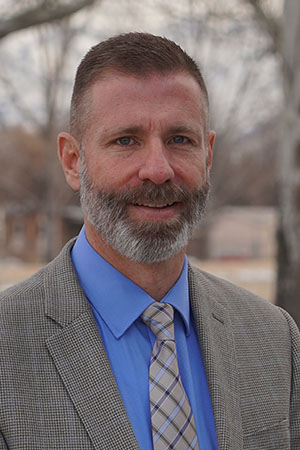
Justen Smith is an Extension Professor and Director of the Agriculture and Natural Resources Department at Utah State University's Davis County Extension Office. He has dedicated his career to international agricultural development, youth education through 4-H programs, and livestock management education, with projects spanning Iraq, Lebanon, and Armenia. His work focuses on post-war recovery, volunteer training, and culturally inclusive educational initiatives. Educational Background: MS in Agricultural Systems Technology (Animal Science and International Agricultural Development), Utah State University, 2000 BS in Animal Science (Minor in Spanish), Utah State University, 1998 Smith’s research emphasizes agricultural extension , 4-H youth programs , and livestock industry education . His publications highlight measurable impacts of extension programs in conflict-affected regions and innovative approaches to urban extension funding. Scientific Awards and Honors: Continued Excellence Award (Epsilon Sigma Phi), 2022 Meritorious Service Award (National Association of Extension 4-H Youth Development Professionals), 2021 Distinguished Service Award (Epsilon Sigma Phi), 2020 International Service Award (National Epsilon Sigma Phi Association), 2015 Distinguished Service Award (National Association of Extension 4-H Agents), 2007 President Award (Utah Association of Extension 4-H Workers), 2008

Scott Lukasمشاهده پروفایل
دانشیار
Scott Lukas is an Associate Professor in the Department of Horticulture at Oregon State University (OSU), holding the Endowed Professorship for Northwest Berry Production and Management. He leads the Berry Program at the North Willamette Research and Extension Center (NWREC) and collaborates with USDA-ARS on cooperative breeding programs. His roles include research, Extension, and teaching focused on berry crop physiology, production systems, and sustainable agriculture. Education: Ph.D. (2015), M.S. (2011), and B.S. (2007) in Horticulture-related fields from the University of Hawaii at Manoa and University of Nevada, Reno. Research Interests: berry crop management (blueberries, strawberries, raspberries), soil health, pest management, irrigation optimization, and agroecology. He emphasizes sustainable practices and has contributed to the development of new berry cultivars like ‘Cascade Legacy’ red raspberry and ‘Thunderhead’ blackberry. Awards and Recognition: Includes the Outstanding Extension Publication Award (2023) and Early Career Scholar Award (2020) from professional societies. His work spans peer-reviewed articles, Extension publications, and collaborative grant-funded projects. Grants: Agricultural Research Foundation, USDA-ARS, Oregon Raspberry & Blackberry Commission. Labs/Teams: North Willamette Research and Extension Center (NWREC), OSU Small Fruits Research Program. Outreach: Develops Extension guides on berry cultivation, soil health, and pest management, including enterprise budgets for hemp and berry crops.
Caroline Jacobson is Professor of Biochemistry and Nutrition and Head of the School of Agricultural Science at Murdoch University. With a background in veterinary science and livestock research, she leads initiatives to translate scientific innovation into practical farming solutions. Her research focuses on livestock disease impacts, production sustainability, and zoonotic disease control. Key research domains include gastrointestinal parasitology in ruminants and equines, reproductive disorders in sheep, antimicrobial resistance in livestock pathogens, and novel diagnostic development. Her work employs advanced molecular techniques and epidemiological approaches to address industry challenges. Recent publications demonstrate strong focus on parasitic disease management in horses, reproductive wastage in sheep flocks, and development of evidence-based guidelines for livestock health. Research frequently involves multi-institutional collaborations and direct industry engagement.

- Genetic Improvement of Animal Health and Performance
- Genetic Evaluations
- Population Structure, Adaptation, and Evolution
- +۱۳ مورد دیگر
Heather J Huson is an Associate Professor of Animal Genetics in the Department of Animal Science at Cornell University's College of Agriculture and Life Sciences (CALS), with joint appointments in the College of Veterinary Medicine's Department of Clinical Sciences and Department of Biomedical Sciences. Her research spans multiple species including working dogs, dairy cattle, musk ox, and small ruminants, focusing on genetic improvement, population structure, adaptation, and genomic tool development. Dr. Huson's educational background includes: Post-Doctoral Researcher at USDA-ARS, Bovine Functional Genomics, Beltsville, MD Doctorate in Molecular Genetics from University of Alaska, Fairbanks, AK; National Institutes of Health Graduate Partnership Program, Bethesda, MD (2011) VTL, Alaska State Veterinary Technician License (2002) Bachelor of Science in Animal Science from Cornell University (1997) Associate of Science, Math and Science from Jefferson Community College, Watertown, NY (1995) Dr. Huson's research program uses genomic tools to investigate ancestry, relatedness, and genetic regulation of traits across domestic and wild species. Her primary focus areas include working dog genetics (particularly sled dogs), dairy cattle health traits, and musk ox conservation. She studies the genetics of athletic performance, behavior, health, and adaptation across species, with specific projects examining the human-canine bond and public perspectives on extreme conformation in dog breeds. In dairy cattle research, she investigates disease genetics, crossbreeding effects, and epigenetic inheritance related to disease and performance. Dr. Huson's recent publications reveal her expertise in comparative genomics across species, with particular emphasis on sled dog evolution, working dog performance genetics, and dairy cattle health traits. Her research bridges historical analysis with modern genomic techniques, identifying connections between genetic variants and phenotypic traits across diverse populations. Dr. Huson has received notable recognition for her work: 2022 CALS Rising Star Faculty Award for demonstrating extraordinary promise early in her career 2017 Atkinson Center Faculty Fellow As an educator and mentor, Dr. Huson directs the Cornell Raptor Program (CRP), which houses approximately 25 resident birds of prey. She teaches courses including ANSC 1130: Introduction to Captive Raptor Husbandry, ANSC 2210/5210: Principles of Animal Genetics, and ANSC 3310/6310: Applied Dairy Cattle Genetics. She mentors post-doctoral, graduate, and undergraduate researchers who learn laboratory techniques, animal handling, and genomic data analysis. Her team collaborates with guide, detection, and assistance dog groups, as well as dairy cattle producers. Dr. Huson leads the Odyssey DNA Lab, which supports her multi-species genomic research. Her background as a sled dog racer (25 years of experience, including professional racing in Alaska for six years) deeply informs her research on working dog genetics, connecting her personal experience with scientific inquiry.
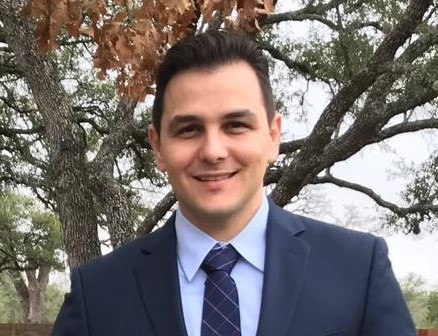
Yuri Calilمشاهده پروفایل
استادیار
Yuri Calil is an Assistant Professor & Extension Specialist at Texas A&M University’s College of Agriculture & Life Sciences, Department of Agricultural Economics. His work focuses on agribusiness challenges, policy analysis, and applied economic research in agriculture. Previously, he held roles as Assistant Professor at Federal University of Itajubá (Brazil), consultant at PwC, and visiting scholar at institutions like the University of Chicago and MIT. Dr. Calil earned a B.S. in Agribusiness from Federal University of Viçosa (Brazil), an M.S. in Applied Economics from University of São Paulo, and a Ph.D. in Managerial Economics and Agribusiness from Texas A&M. He completed a MicroMaster at MIT and attended courses at IMPA and Babson College. His research interests span agricultural economics, financial economics, applied econometrics, and Brazilian agribusiness. Key areas include digital twin technology for farm management, crop-livestock integration systems, and policy impacts on greenhouse gas emissions. He leads Extension programs in the Coastal Bend region, emphasizing data-driven solutions for agribusiness. Notable contributions include studies on UAV-based irrigation efficiency, cattle price modeling under arid conditions, and soybean revenue insurance strategies. His work bridges academic research with practical applications for sustainable agricultural practices and policy development.

Dr. Steven Klose is a Professor and Associate Head for Extension in the Department of Agricultural Economics at Texas A&M University. He holds BS, MS, and PhD degrees in Agricultural Economics from Texas A&M University. As Coordinator of the FARM Assistance program, he provides strategic planning and risk management analysis for agricultural producers, with the program recognized by multiple agricultural economics associations for excellence. His research focuses on farm management, strategic business planning, risk analysis, crop insurance policy, and agricultural finance. He coordinates enterprise budget publications, the Texas Custom Rates project, and contributes to Southern Ag Today. As a member of the Agricultural and Food Policy Center, he analyzes policy impacts on US farms. Recent publications examine COVID-19 impacts on agriculture, drought management strategies, and beef cattle best practices. His work has been recognized with three extension program awards from major agricultural economics associations.
- Agroecology
- Climate Change Mitigation
- Soil Science
- +۳ مورد دیگر
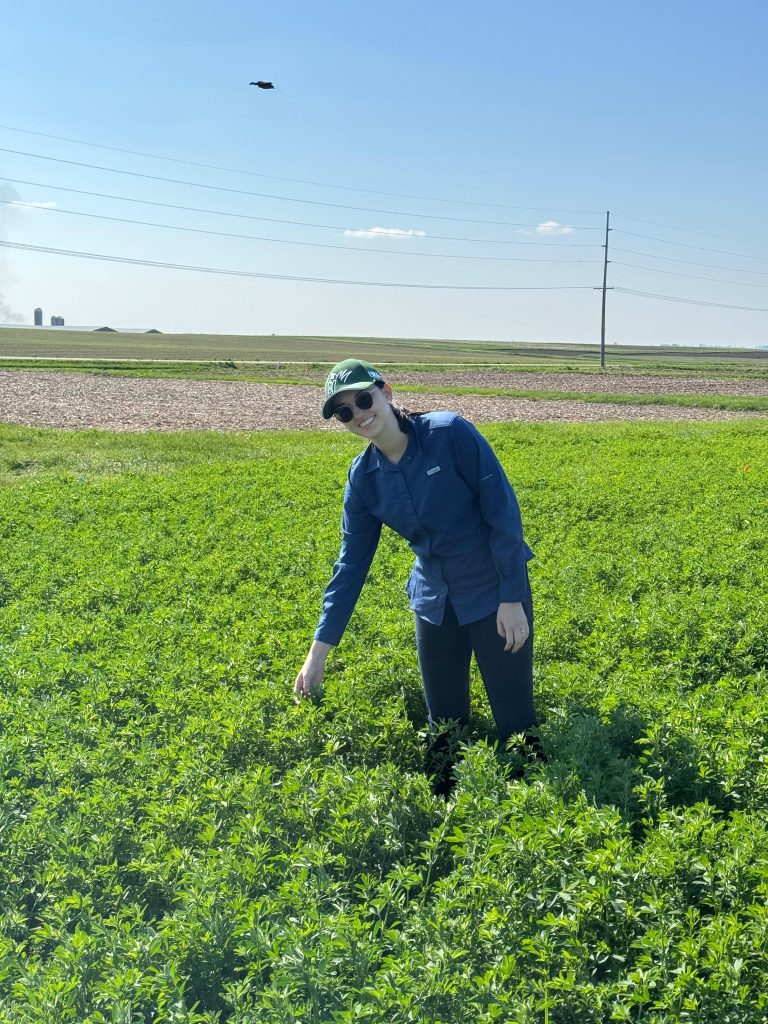
Dr. Beatriz Bizzuti is a researcher with the University of Wisconsin's Forage Extension program, specializing in agroecological systems and climate-smart agriculture. Her work focuses on greenhouse gas emissions, soil carbon sequestration, and sustainable forage management. Previously at the University of São Paulo, she studied silvopastoral systems and nutrient cycling. Currently, she investigates interseeding corn-alfalfa systems and machinery traffic impacts on alfalfa fields. Her research integrates tropical agroecosystems, intercropping strategies, and emission mitigation techniques. Education and professional experience include advanced research roles in Brazil and the U.S., with expertise in static chambers, CRDS analyzers, and fibrolytic enzyme applications. Dr. Bizzuti collaborates with UW's Crop Weed Science, Silage and Biofeedback Breeding Program, and Forage Extension teams. Her studies address global challenges like carbon footprint reduction and sustainable livestock feed production. Publications emphasize tropical systems, with recent work exploring Tithonia diversifolia's role in silvopastoral systems, sun hemp intercropping benefits, and methane mitigation through forage treatments. Though no awards are listed, her contributions advance agricultural sustainability through interdisciplinary approaches.
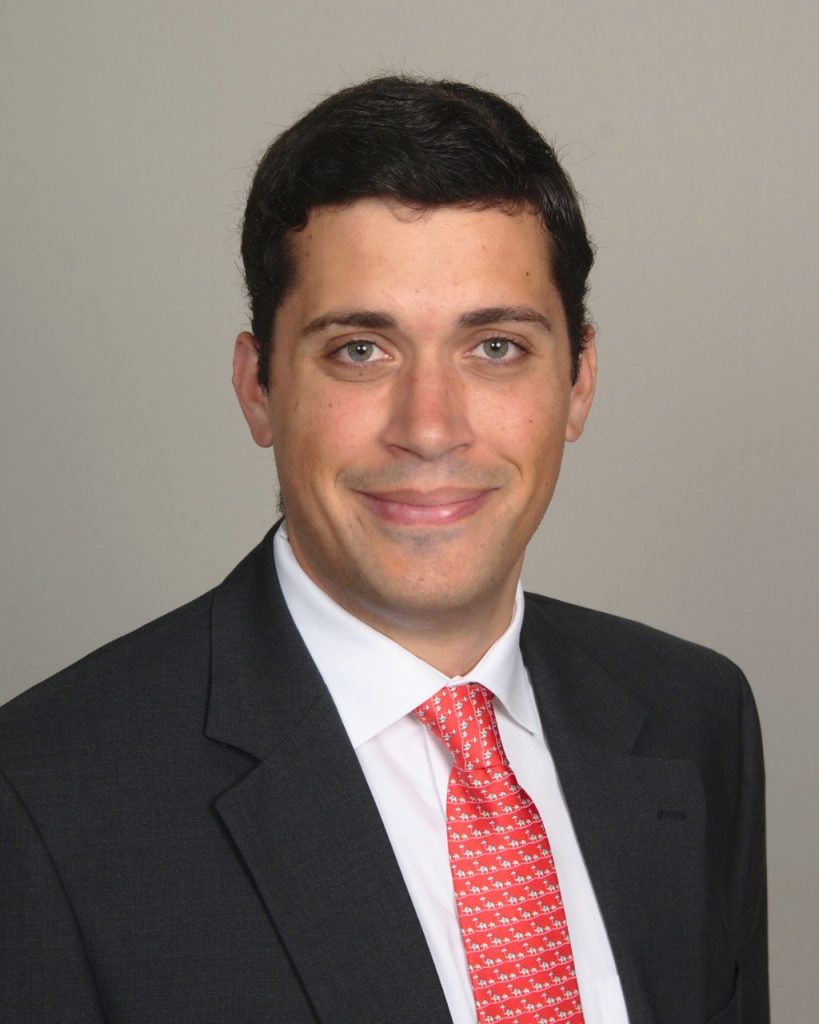
Ford Ramseyمشاهده پروفایل
دانشیار
- Agricultural Economics
- Econometrics
- Crop Insurance
- +۴ مورد دیگر
Ford Ramsey serves as an Associate Professor in the Department of Agricultural and Applied Economics at the University of Georgia's College of Agricultural and Environmental Sciences. Based at Conner Hall in Athens, Georgia, his research program addresses critical challenges in agricultural economics through advanced quantitative methods, with particular focus on risk management systems and market dynamics in food production sectors. Research Focus: Dr. Ramsey's scholarly work spans multiple interconnected domains: Econometric modeling of agricultural risk and insurance mechanisms Labor market volatility in meat processing and food manufacturing Climate change impacts on crop yield stability and adaptation strategies Historical analysis of agricultural market integration and price formation Bayesian statistical applications in yield forecasting and policy evaluation Regulatory impacts on livestock and grain market efficiency His methodological approach frequently combines traditional econometric techniques with machine learning innovations to analyze complex agricultural systems. Publication Trends: Examination of his 2023-2025 publications reveals three dominant research streams: (1) Climate-agriculture interactions, particularly warming effects on wheat production and adaptation through genetic diversity; (2) Supply chain resilience, with emphasis on labor dynamics during disruptions in food manufacturing; and (3) Crop insurance innovation, focusing on Bayesian forecast combination methods and historical weather integration. These strands consistently demonstrate policy relevance through analysis of regulatory impacts, market integration, and risk management solutions for agricultural producers. Professional Activities: While specific advising relationships and grant details aren't documented in available sources, Dr. Ramsey maintains active engagement through the Agricultural & Applied Economics department's research initiatives. His work connects with broader university efforts in agricultural risk management and food system analysis, as evidenced by departmental affiliations and publication themes.