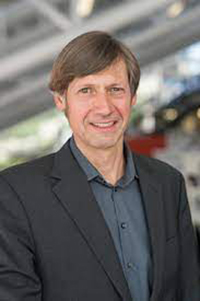
Professor Lei Zhou is a faculty member in the Department of Mechanical Engineering at the University of Wisconsin-Madison, with an affiliate appointment in Electrical & Computer Engineering. His research focuses on Precision Mechatronics, integrating precision mechanical design, electromagnetics, and control engineering to address challenges in electric machines, motion control, and precision systems. He holds a PhD from MIT (2019), an MS from MIT (2014), and a BE from Tsinghua University (2012). Research interests include: High-performance motion systems and electric motor design Control solutions for precision positioning and robotic actuation Magnetic levitation technologies for manufacturing and medical applications Recent work emphasizes magnetic levitation systems (e.g., LevCube nanopositioning stage) and over-actuated precision stages that break traditional performance trade-offs. His publications span 2020-2025, reflecting advancements in motor design, control algorithms, and mechatronics integration. Notable achievements include the 2023 ASPE Early Career Award and Meta Research Award. Teaching includes courses on mechatronics (ME 376), automatic controls (ME 577/ECE 577), and advanced research supervision (ECE 790/ME 890). He leads the FlexLab and LevLab, focusing on portable mechatronics education and precision motion systems. Current research explores lightweight stages for semiconductor manufacturing and magnetic catheter systems for medical treatments.
Martin Bechthold is the Kumagai Professor of Architectural Technology at Harvard University’s Graduate School of Design (GSD), serving concurrently as the GSD’s Academic Dean. He holds affiliations with Harvard’s Paulson School of Engineering and Applied Sciences and the Wyss Institute for Biologically Inspired Engineering. His academic career bridges architecture, materials science, and engineering, with a focus on innovative material systems and design robotics. Bechthold earned a Diplom-Ingenieur in architecture from RWTH Aachen University and a Doctor of Design from Harvard GSD. He previously practiced architecture in Europe with firms like Skidmore, Owings & Merrill and Santiago Calatrava. His research groups, including the Material Processes and Systems (MaP+S) Group and the Design Robotics Group, explore topics like multi-material 3D printing, carbon-negative materials, and biofabrication. He founded the Laboratory for Design Technology to foster industry-academia collaborations. His research interests span structural innovation, architectural ceramics, and the perception of materials. He has authored seminal works such as Innovative Surface Structures and Ceramic Material Systems , and his peer-reviewed papers appear in Nature Reviews and Advanced Functional Materials . He teaches advanced courses on material systems, design methods, and structural design. Bechthold’s work emphasizes sustainable technologies and cross-disciplinary design, with projects like the Concrete Origami and Ceramic Futures exhibitions showcasing experimental material applications. He holds patents in material innovation and has curated influential design exhibitions.
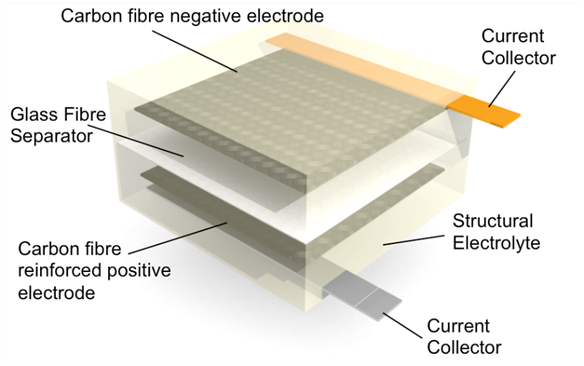
Professor Dan Zenkert is a faculty member at Kungliga Tekniska Högskolan (KTH) in the Department of MATERIAL AND STRUCTURAL MECHANICS. He earned his M.Sc. (Aeronautics) and Ph.D. (Lightweight Structures) from KTH, becoming a docent (D.Sc.) in 1996, associate professor in 1998, and full professor in 2001. His research focuses on multifunctional composite materials, particularly carbon fiber-based systems for energy storage (structural batteries), shape-morphing composites, integrated sensing, and energy harvesting. Collaborations with Electrochemistry and Polymer Chemistry groups drive innovations in structural batteries, where materials simultaneously bear mechanical loads and store energy. He teaches courses on lightweight structures and composite mechanics. Research highlights include structural battery design using laminated carbon fiber electrodes, piezo-electrochemical sensing via Li-ion intercalation, and shape-morphing composites through electrochemical actuation. Recent work explores electrolyte optimization, LiFePO₄-coated electrodes, and long-term performance of multifunctional systems. Publications span over 30 years, with contributions to journals like Composites Science and Technology and Advanced Energy & Sustainability Research . His teaching includes roles as examiner and course responsible for programs like Fibre Composites and Future Sustainable Aviation. Personal interests include fly-fishing, motorcycle riding, and basketball coaching. Scholarly contributions include over 130 peer-reviewed articles and book chapters, with active involvement in conferences like ICCM and ECCM.
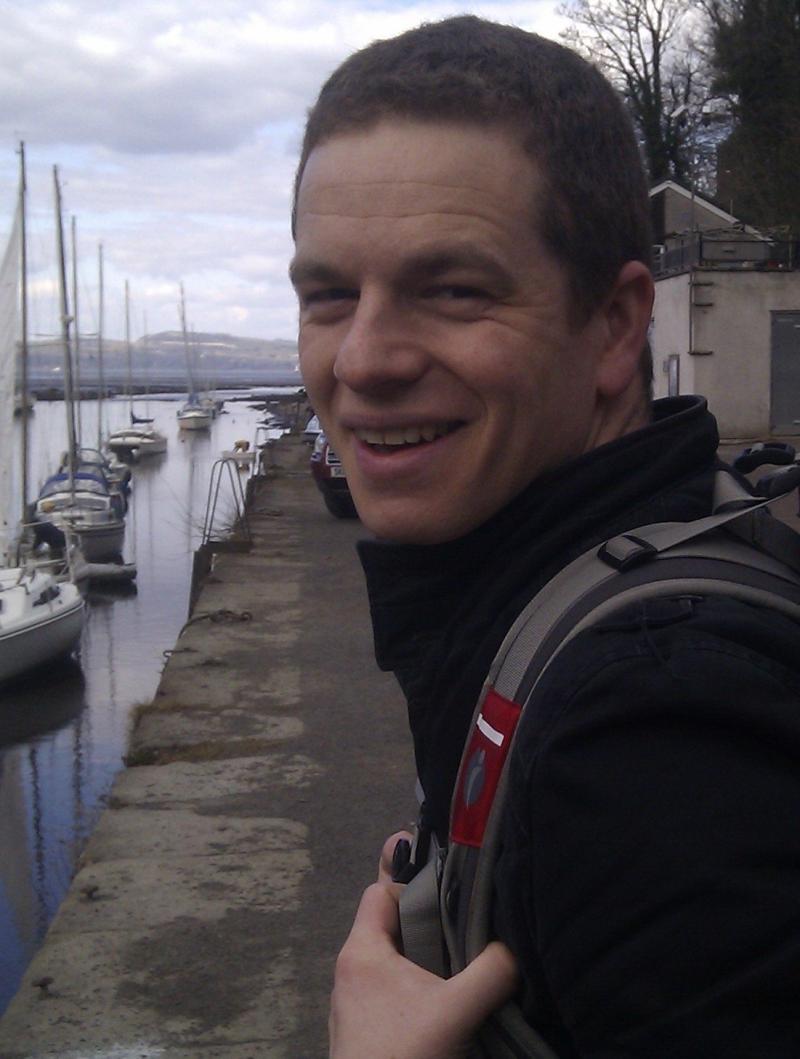
Professor Alasdair McDonald holds the Chair in Renewable Energy Technology at the School of Engineering, University of Edinburgh . His work focuses on the integrated electrical-magnetic-mechanical modeling and design of large electrical machines for offshore renewable energy systems , particularly wind turbine powertrains . He previously served as a Lecturer, Senior Lecturer, and Reader in Wind Turbine Technology at the University of Strathclyde. Education: PhD in Structural Analysis of Low-Speed, High-Torque Generators (University of Edinburgh, 2008) MEng (Hons) in Integrated Electrical & Mechanical Engineering (University of Durham, 2004) Research Interests: Design of permanent magnet electrical machines for wind and marine energy Lightweight generator structures and advanced manufacturing methodologies Condition monitoring using SCADA and vibration data Cost of energy optimization for offshore renewables Projects: STREAM 1: Innovations in Forth/Tay Offshore Wind Clusters (EPSRC, 2025-2029) Wind2DC: Medium Voltage DC Power Take-Off Systems (EPSRC, 2023-2026) PV054: Modular Generators for Floating VAWTs (EPSRC & SeaTwirl AB, 2023) Media Contributions: Quoted in research media about floating hydrogen production systems (2025)
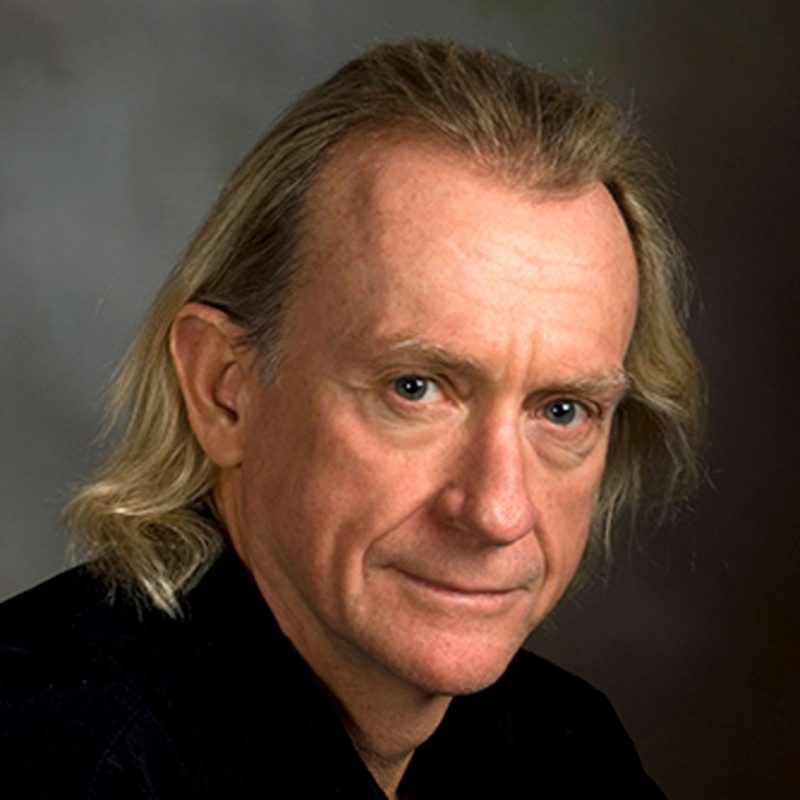
Craig Lee is a Professor of Oceanography at the University of Washington, where he also serves as Senior Principal Oceanographer and Assistant Director for Research at the Applied Physics Laboratory. His work focuses on physical oceanography with emphasis on observational studies and instrument development. Lee leads research programs studying upper ocean dynamics, coastal processes, and high-latitude oceanography across diverse regions including the Arctic, North Atlantic, and South China Sea. Dr. Lee's educational background includes: B.S. in Electrical Engineering and Computer Science from the University of California, Berkeley (1987) Ph.D. in Physical Oceanography from the University of Washington (1995) Lee's primary research interests center on three interconnected areas: (1) upper ocean dynamics, particularly mesoscale and submesoscale fronts and eddies; (2) interactions between biology, biogeochemistry and ocean physics; and (3) high-latitude oceanography in changing Arctic environments. His work often combines field observations with instrument development to address fundamental questions about ocean circulation and its role in climate systems. He has pioneered approaches using autonomous platforms to study difficult-to-access regions like ice-covered waters. Analysis of Lee's recent publications reveals a strong focus on Arctic oceanography, upper ocean mixing processes, and the application of autonomous observing technologies. His research spans multiple ocean basins with particular emphasis on the Arctic, North Atlantic, and western Pacific. A notable trend is the increasing integration of biogeochemical measurements with physical oceanography to understand coupled systems. His work often addresses climate-relevant questions about ocean circulation, heat transport, and ecosystem responses to environmental change. Dr. Lee provides leadership through service on science steering committees for large research programs and advisory panels for U.S. Arctic efforts. He actively supports and advises graduate students while teaching courses on ocean circulation observations and experimental design. His team has developed innovative technologies including autonomous gliders for ice-covered waters, high-performance towed vehicles, and lightweight mooring systems. Lee leads a research team pursuing diverse field programs including Arctic PISCES, Stratified Ocean Dynamics of the Arctic (SODA), and studies of the Kuroshio Current. His group collaborates extensively with institutions worldwide and contributes to major international research initiatives focused on understanding ocean processes and their climate implications.
Chris Fuller, Ph.D., is the Samuel Langley Distinguished Professor of Engineering at the College of Engineering , Virginia Tech. He leads the Vibrations and Acoustics Laboratory (VAL) , focusing on active/passive noise control systems, metamaterials, and their application to aerospace, medical devices, and industrial machinery. Education: Ph.D. (1979) and B.E. (1974) from the University of Adelaide, Australia. Research Interests: Structural acoustics, adaptive materials, machine learning in noise prediction, and biomedical acoustics (e.g., neonatal incubators). Awards: ASME Rayleigh Award (2017), NASA Team Achievement Award (1996), and Fellow of the Acoustical Society of America. Recent Publications: Highlight advancements in drone noise reduction using neural networks, metamaterials for HVAC systems, and poro-elastic materials for low-frequency noise control.
Emin Gün Sirer is an Associate Professor at the Department of Computer Science , College of Engineering , Cornell University . He co-directs the Initiative for Cryptocurrencies and Smart Contracts and leads the Meridian and HyperDex projects. Research in operating systems, networking, and distributed systems Focus on secure operating systems, high-performance cloud infrastructure, and peer-to-peer networks Developed systems like Nexus (secure OS), OpenReplica (Paxos implementation), and Trickles (stateless network protocol) Prominent Projects : Meridian - Lightweight network location service without virtual coordinates Cubit - Decentralized peer-to-peer search Kimera - Network-centric Java verification SPIN - Extensible microkernel for application-specific services Scientific Contributions : Leading work in blockchain security and peer-to-peer systems Patents in executable content rewriting and distributed virtual machines Advising & Collaborations : Advises projects in network positioning and content distribution Collaborates with institutions like Usenix , SIGCOMM , and NSDI Personal Background : Ph.D. and M.S. in Computer Science from the University of Washington B.S.E. in Computer Science from Princeton University High school at Robert College
Dr. Carolin Vollenberg serves as a Post-Doctoral Researcher at the Chair of Information Systems & Transformation Management within the Faculty of Computer Science at the University of Duisburg-Essen (UDE). Her academic journey includes a PhD from the University of Muenster (2021-2025), an M.Sc. in Technical Consulting and Management from Hochschule Hamm-Lippstadt (2018-2020), and a B.Eng. in Biomedical Technology from the same institution (2014-2018). Prior to her current position, she worked as a Research Assistant at South Westphalia University of Applied Sciences and gained industry experience at Zapp Systems GmbH. PhD in Business Informatics (2021-2025), University of Muenster M.Sc. Technical Consulting and Management (2018-2020), Hochschule Hamm-Lippstadt B.Eng. Biomedical Technology (2014-2018), Hochschule Hamm-Lippstadt Research Focus: Vollenberg specializes in the governance of lightweight IT systems, digital transformation in public and healthcare sectors, and process mining applications. Her work bridges technical implementation with organizational behavior, particularly examining resistance to automation in sensitive domains like healthcare. She investigates how organizations navigate unintended consequences of technology adoption, with emphasis on RPA (Robotic Process Automation), omnichannel transformation, and data-driven process optimization. Her research methodology combines ethnographic field studies with quantitative process analysis. Publication Trends: Analysis of her 16 publications (2020-2025) reveals strong focus on healthcare IT (45% of works), public sector digitalization (30%), and foundational process management (25%). Recent output shows increasing emphasis on ethical dimensions of process mining and sustainability applications. Her collaborative work spans multiple European institutions with consistent publication in top IS conferences (ICIS, ECIS, HICSS). Best Paper nomination at HICSS-55 (2022) Associate Editor for General Track at Internationale Tagung Wirtschaftsinformatik (WI) 2025 Professional Engagement: Vollenberg actively contributes to academic discourse through editorial roles and peer review. Her industry collaborations with healthcare providers and public sector entities demonstrate applied research impact. Current projects examine virtual nursing transformations and crisis-responsive RPA implementations, reflecting her commitment to solving real-world operational challenges through information systems innovation.
Anne Staples is an Associate Professor in the Department of Mechanical Engineering at Virginia Tech, leading the Laboratory for Fluid Dynamics in Nature (FINLAB). Her research focuses on fluid mechanics in biological systems, medical fluid dynamics, and bioinspired engineering, leveraging computational modeling and microfluidic technologies to innovate in healthcare and engineering. Education: B.S. in Mechanical and Aerospace Engineering, Cornell University (2000) M.Eng. in Mechanical and Aerospace Engineering, Princeton University (2001) Ph.D. in Mechanical and Aerospace Engineering, Princeton University (2006) Postdoctoral Researcher at the Naval Research Laboratory (2006–2008) Research Interests: Her work spans bioinspired microfluidics, medical device design, and fluid dynamics in biological systems. Notable projects include developing pulse-driven micropumps for drug delivery and studying insect respiratory systems to inform engineering solutions. Publications: Over 50 peer-reviewed articles, focusing on topics like microfluidic systems, insect-inspired flow control, and hemodialyzer modeling. Recent work emphasizes wearable drug delivery and biomechanical innovations. Awards & Service: NIH Trailblazer Award (2024) Virginia Tech Dean’s Fellow (2023–present) Editorial Board Member, PLOS ONE and Scientific Reports (2021–present) Fulbright Scholar (2016) Grants & Collaborations: Leads a NIH-funded project to develop lightweight drug delivery devices. Collaborates with statisticians and biomedical engineers to simulate and optimize prototypes. Active in interdisciplinary teams at Virginia Tech and Georgia Tech. Labs & Teams: Directs the FINLAB, which integrates computational modeling, experimental microfluidics, and biological principles to address challenges in healthcare and environmental engineering.
Jane Howe is an Associate Professor at the University of Toronto with joint appointments in the Department of Materials Science & Engineering and the Department of Chemical Engineering and Applied Chemistry. Her research focuses on in situ microscopy techniques, advanced materials characterization, and energy storage systems. Dr. Howe holds nine US patents related to electron microscopy and materials development, and has been recognized with two R&D 100 Awards for innovations in lithium battery technology and nano-structured carbon materials. Before joining UofT, Jane worked as a Senior Applications Scientist at Hitachi High-Technologies (2012–2017) and served as a Staff Scientist and Principal Investigator at Oak Ridge National Laboratory (2001–2012). She earned her Ph.D. in Ceramic Science from Alfred University in 2001, followed by a postdoctoral fellowship at ORNL. Her expertise spans materials processing, corrosion science, and advanced electron microscopy techniques, including in situ TEM and correlative microscopy. Her research portfolio includes over 100 peer-reviewed publications, with recent work emphasizing nanomaterials for energy storage, corrosion-resistant coatings for nuclear fuel containers, and Bayesian optimization of carbon nanolattices. Jane’s lab also explores microbial interactions in anaerobic cultures and novel catalysts for CO₂ hydrogenation, reflecting her interdisciplinary approach to materials science challenges. Education: Ph.D. in Ceramic Science, Alfred University (2001) Postdoctoral Fellowship, Oak Ridge National Laboratory (2001–2008) Key Awards: R&D 100 Award (2020s): Lithium Battery Technology R&D 100 Award (2020s): Nano-Structured Carbon Materials Grants & Collaborations: Active in Canada’s nuclear fuel container materials research and US-Canada cross-border microscopy partnerships.
Jacob Fish is the Robert A.W. and Christine S. Carleton Professor and Chair of the Department of Civil Engineering and Engineering Mechanics at Columbia University. He directs the Multiscale Science and Engineering Center and leads Columbia's Computational Science and Engineering initiative (iCSE), coordinating 65+ faculty. With 35 years of pioneering research, he specializes in multiscale computational methods bridging aerospace, automotive, and healthcare industries. His research integrates multiscale computational science with applications in: Homogenization and reduced-order methods for complex materials Stochastic modeling of heterogeneous systems Coupled thermo-chemo-electro-mechanical processes Data-physics driven frameworks for industrial processes Recent work emphasizes AI-enhanced modeling for composites, porous media, and environmental systems. His 15 most recent publications (2023-2025) demonstrate strong trends toward: Data-physics integration in manufacturing (e.g., resin transfer molding) Multiscale environmental applications (canopy flows, CO2 mineralization) Advanced numerical methods (discontinuous Galerkin, solver-free homogenization) Digital twin development for composite lifecycle management Scientific Awards & Honors: 2018 JSCES Grand Prize 2010 IACM Computational Mechanics Award 2005 USACM Computational Structural Mechanics Award 2003 Rensselaer Research Award Fellowships: AAM, USACM, IACM Two Best Paper awards He founded the commercial Multiscale Designer software suite (250+ global clients) and secured major grants including an NSF-DFG collaboration on thermoplastic interfaces. His textbooks are used in 200+ universities worldwide. Leads the Multiscale Science and Engineering Center focusing on industrial-scale computational challenges and mentors researchers through Columbia's iCSE initiative. Former President of USACM and current IACM Vice-President for the Americas.
Dr. Goetz Bramesfeld serves as a Professor in the Department of Aerospace Engineering at Toronto Metropolitan University, where he leads research in applied aerodynamics and unconventional flight systems. His expertise spans flight vehicle design, small UAV development, and motorless flight dynamics, with particular emphasis on energy harvesting from atmospheric phenomena. Bramesfeld's educational background includes a PhD (2006) and MS (1999) from The Pennsylvania State University, and a BEng (1998) from Technische Universität Braunschweig. His research interests focus on applied aerodynamics , flight dynamics , and energy-efficient aircraft design , with notable contributions to sailplane optimization, gust energy extraction, and microwave-powered UAV concepts. His work bridges theoretical aerodynamics with practical applications in both terrestrial and planetary exploration contexts. Analysis of his publication record reveals consistent innovation in energy harvesting flight systems, particularly through gust energy extraction and unconventional propulsion methods. His research evolves from traditional sailplane optimization toward cutting-edge concepts like microwave-powered aircraft and planetary exploration gliders, maintaining strong connections between fundamental aerodynamics and real-world flight applications. Bramesfeld actively supervises graduate students through the Applied Aerodynamics Laboratory of Flight (AALF) and maintains significant professional engagement as a Senior Member of the American Institute of Aeronautics and Astronautics (AIAA), member of the Canadian Aeronautics and Space Institute (CASI), Associated Editor for the Technical Soaring Journal, and board member of the Organisation Scientifique et Technique du Vol à Voile (OSTIV).
Ziming Zhang is an Assistant Professor in the Department of Electrical and Computer Engineering at Worcester Polytechnic Institute (WPI) , with additional affiliations in Data Science and Robotics Engineering. He previously held research roles at Mitsubishi Electric Research Laboratories (MERL) and Boston University. PhD in Computing (2013) from Oxford Brookes University , UK MS in Computing Science (2010) from Simon Fraser University , CA BS in Computer Science and Technology (2005) from Northeastern University , China Research interests span computer vision , machine learning , and their applications in point cloud processing , medical imaging , autonomous driving , and IoT . He leads the Vision, Intelligence, and System Laboratory (VISLab) at WPI. Recent publications focus on 3D reconstruction , hyperbolic learning , and robust classifiers . Awards include the R&D100 Award 2018 and NSF funding for data-efficient deep learning. PhD Students: Yecheng Lyu (co-supervised), Guojun Wu (co-supervised), Hangrui Zhang, Xuechu Yu Master's Students: Yun Yue, Yuping Shao Visiting Scholars: Fangzhou Lin His lab partners with industry and academic institutions, focusing on autonomous systems , robotics , and scientific imaging projects.
Heikki Remes serves as Associate Professor in the Department of Energy and Mechanical Engineering at Aalto University's School of Engineering, where he investigates high-performance steel structures for marine environments with emphasis on lightweight ship designs using advanced materials and manufacturing techniques. His research integrates fundamental fatigue and fracture mechanics with practical structural challenges, spanning from crystal-level material behavior to continuum-scale modeling. Key focus areas include welded joint integrity, additive manufacturing defects, and computational analysis of marine structures under extreme conditions. Recent publications reveal strong trends in fatigue assessment methodologies for complex welded geometries, experimental validation of distortion effects, and AI-enhanced damage prediction systems, reflecting his commitment to bridging theoretical mechanics with shipbuilding applications. Scientific Awards: Aalto Education Impact Award (2018) for establishing Marine Technology study programs SNAME Honorable Mention for 2018 Vice Admiral E. L. Cochrane Award Teaching Award of Aalto School of Engineering (2012) for educational tools No specific student advising or grant information appears in available sources, though his active publication record indicates ongoing research leadership. He contributes significantly to the Marine and Arctic Technology research group, driving projects on structural integrity assessment and advanced manufacturing solutions for next-generation marine vessels.
Professor Lyudmila Mihaylova is a distinguished academic at the University of Sheffield's School of Electrical and Electronic Engineering, where she holds the position of Professor of Signal Processing and Control. She has established herself as a leading researcher in the fields of signal processing, Bayesian methods, and autonomous systems, with significant contributions to particle filtering techniques for intelligent transportation systems. Her work bridges theoretical developments with practical applications across multiple domains including transportation, healthcare, and industrial automation. Prof. Mihaylova's research interests center on nonlinear filtering, sequential Monte Carlo methods, statistical signal processing, and sensor data fusion. Her work spans both theoretical advancements and practical implementations, with particular focus on high-dimensional problems including vehicular traffic flow estimation, image processing, and localization in sensor networks. She has extensive experience with various image modalities such as optical, thermal, LIDAR, SAR, and hyperspectral imaging. Her group actively develops novel methods for autonomous intelligent systems focusing on sensing, tracking, decision making, and machine learning applications. Analysis of Prof. Mihaylova's recent publications reveals a strong trend toward uncertainty quantification in machine learning models, particularly for safety-critical applications. Her work increasingly integrates traditional signal processing techniques with modern deep learning approaches, with applications spanning sewer inspection robotics, medical diagnostics (particularly sleep apnea detection), UAV swarm tracking, industrial manufacturing, and autonomous vehicle systems. A significant portion of her recent research focuses on developing robust methods that can handle incomplete or outlier-corrupted data while providing reliable uncertainty estimates. Among her notable professional achievements: President of the International Society of Information Fusion (ISIF) Senior member of the IEEE Signal Processing Society Associate Editor for IEEE Transactions on Aerospace and Electronic Systems Associate Editor for Elsevier Signal Processing Journal Prof. Mihaylova has successfully mentored numerous PhD students and postdoctoral researchers, many of whom have gone on to prominent academic and industry positions. Her research has been supported by major funding bodies including EPSRC, EU, MOD/DSTL, and industry partners, with recent projects including 'Protecting Environments with UAV Swarms' (InnovateUK, 2022-2024), 'ShiRAS: Towards Safe and Reliable Autonomy in Sensor Driven Systems' (NSF-EPSRC, 2019-2023), and 'Confident safety integration for Cobots' (Lloyd's Register Foundation, 2019-2020). Her research group follows a collaborative approach with the philosophy 'We share knowledge, we grow.' Prof. Mihaylova maintains active research collaborations with institutions worldwide and has held previous academic positions at Lancaster University (2006-2013) and University of Bristol (2004-2006), along with research visiting positions at the University of Ghent, Katholic University of Leuven, and the Bulgarian Academy of Sciences.