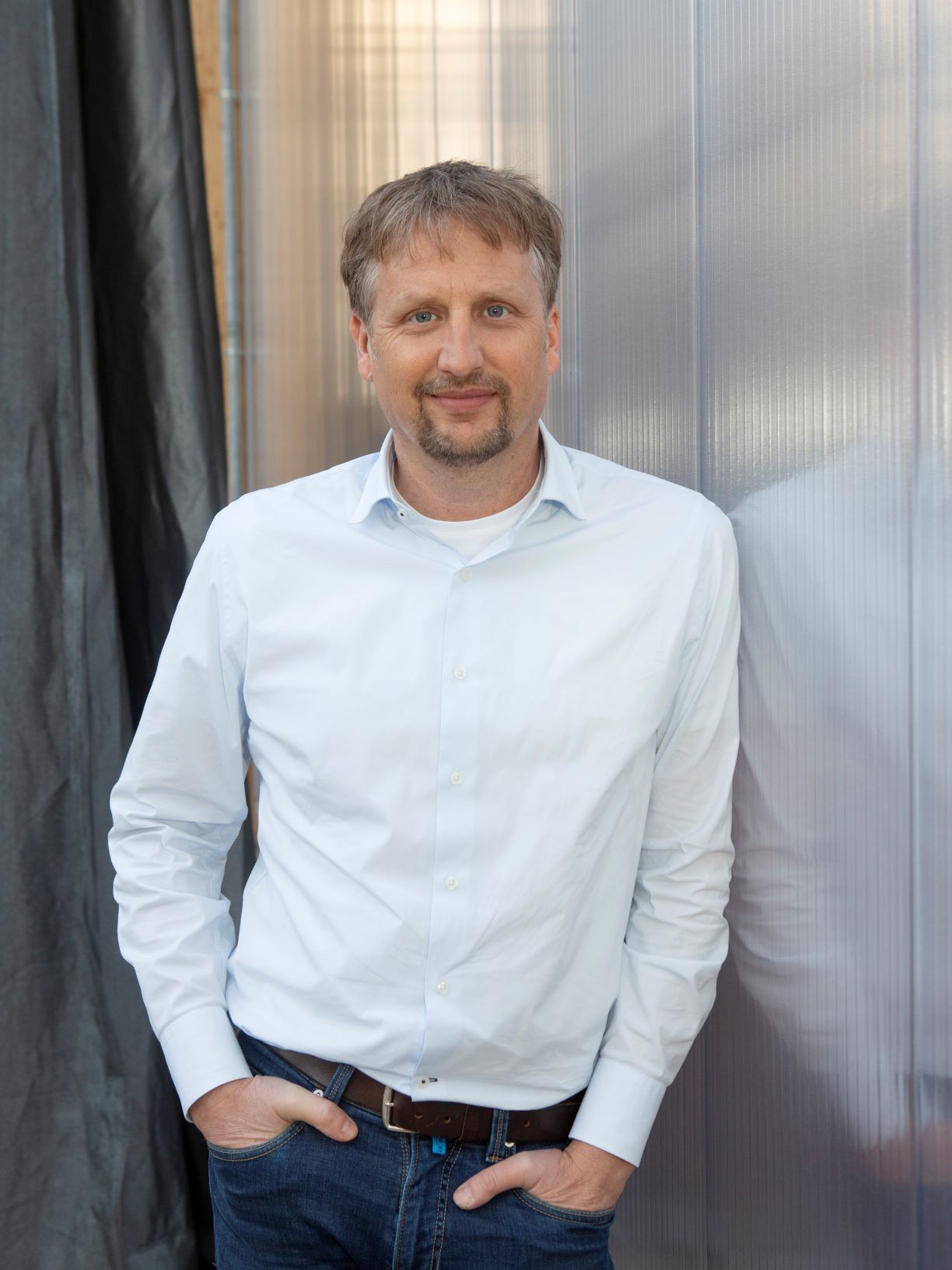
Prof. Alexander Holleitner leads the Chair of Nanotechnology and Nanomaterials at the Department of Physics, Technical University of Munich , under the Walter Schottky Institute. His research focuses on ultrafast optoelectronics, quantum optoelectronics, and excitonic systems in nanoscale circuits. Research Directions : Ultrafast optoelectronics, quantum optoelectronics, excitonic systems, THz time-domain spectroscopy, and nanofabrication of mixed organic/inorganic systems. Publications : Recent work spans hyperbolic polaritons, interlayer excitons, graphene nano-gap dynamics, and defect engineering in 2D materials. Collaborations include interdisciplinary projects with groups studying semiconductor heterostructures and quantum technologies. His lab welcomes students and researchers interested in experimental physics, quantum electronics, and nanofabrication.
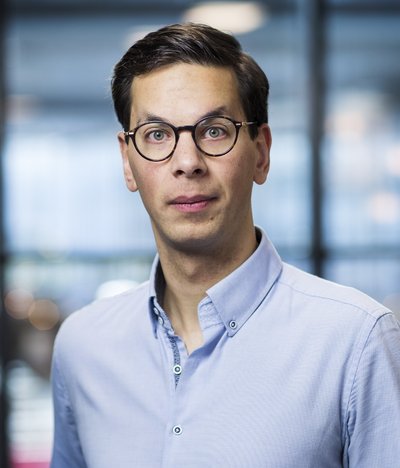
Pim de Vink is a doctoral researcher at Eindhoven University of Technology , affiliated with the Biomedical Engineering department and Chemical Biology group. Supervised by dr. L.-G. Milroy and prof. L. Brunsveld , his work bridges supramolecular chemistry and chemical biology , focusing on host/guest chemistry for protein complex modulation. Education: B.Sc. in Chemistry (2014) from University of Amsterdam M.Sc. in Biomedical Engineering (2016) from TU/e Internship at Max Planck Institute for Molecular Physiology (2016) on gold-catalyzed synthesis Research Themes: His research develops switchable cucurbituril-based systems for light-controlled enzyme activation and artificial signaling networks. Key areas include protein-protein interaction stabilization , thermodynamic modeling , and allosteric nuclear receptor modulation . Publication Trends: Across JACS , Chemical Science , and RSC Chemical Biology , his work from 2017–2023 emphasizes supramolecular tools for biochemical applications. Notable contributions include 100-fold affinity enhancement of 14-3-3 ligands and UV-responsive cucurbituril release mechanisms . Grants: Funded by Netherlands Organization for Scientific Research (NWO) through Gravity program 024.001.035 and VICI grant 016.150.366.
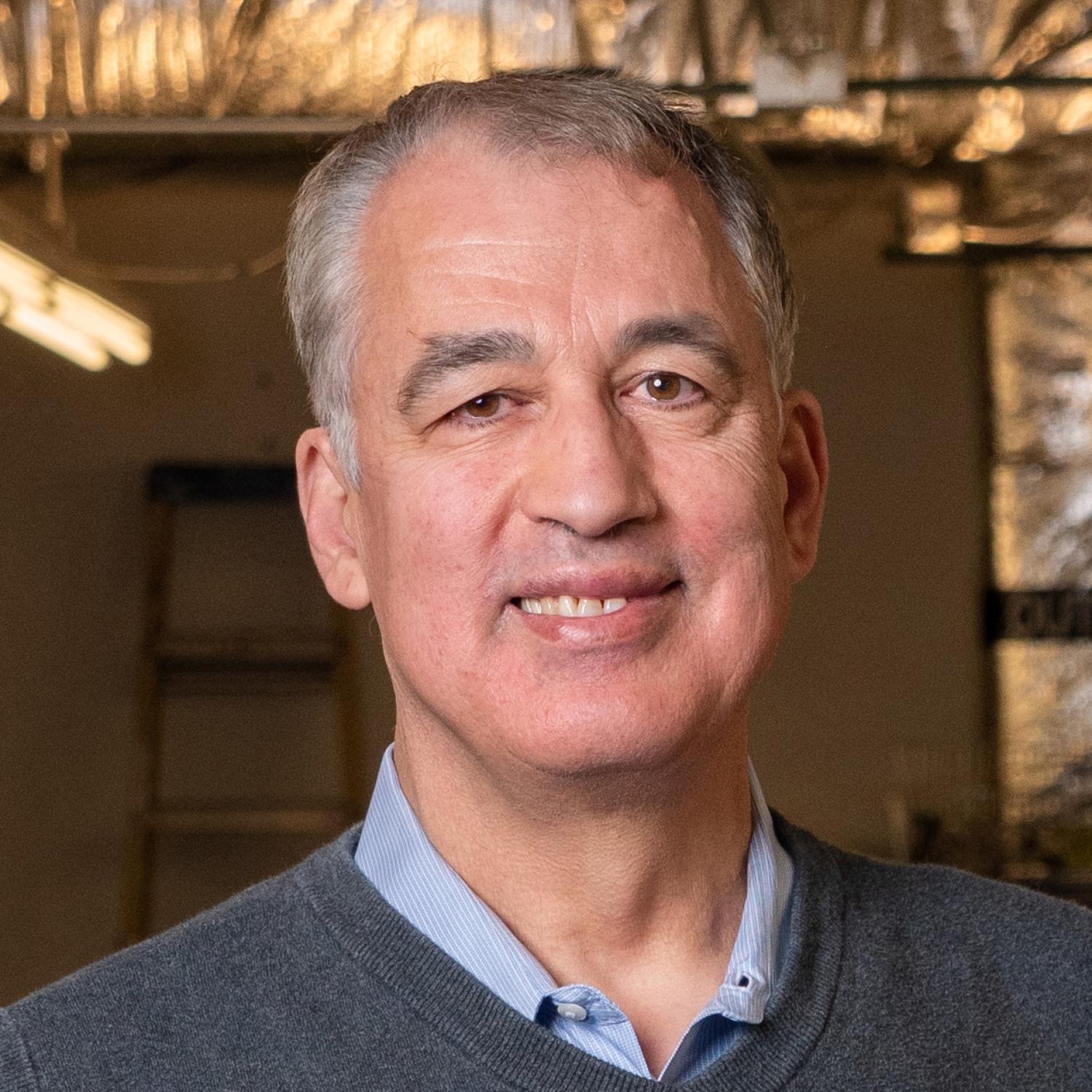
Moncef Krarti is a Professor in the Department of Architectural Engineering at the University of Colorado Boulder, within the College of Engineering and Applied Science. His professional affiliations include roles as a Professional Engineer (PE) and LEED-AP. Krarti holds a Ph.D. (1987), M.Sc. (1985), and two Diplôme d'Ingénieur degrees (France, 1984/1982). His research focuses on evaluating energy efficiency technologies, optimizing building designs, and analyzing renewable energy systems. Key interests include HVAC controls, building retrofit strategies, and multi-benefit energy programs. Krarti has authored influential textbooks like Energy Audit for Building Systems and Energy Efficient Building Electrical Systems . Recent articles emphasize smart glazing systems, dynamic insulation, and geothermal heat pumps. His work addresses global challenges like urban heat islands and net-zero communities. Krarti has received prestigious awards including ASME Fellow (2015) and a 2023 Fulbright U.S. Scholarship. His research spans residential and commercial sectors, with case studies in Saudi Arabia, France, and the U.S.
Prof. Roland A. Fischer is a Full Professor at the Chair of Inorganic and Metal-Organic Chemistry at Technical University of Munich (TUM). Previously, he held a Full Professorship at Ruhr University Bochum (1997–2015). His research focuses on multifunctional metal-organic frameworks (MOFs), clusters, and composites for energy conversion, catalysis, gas storage, and environmental applications. He leads the Catalysis Research Center and has pioneered advancements in MOF-based catalytic systems and stimuli-responsive materials. Education: 1981–1986: Diplom in Chemistry (TUM) 1989: PhD, Dr. rer. nat. (TUM) 1995: Habilitation (TUM) Research Interests: His work integrates molecular and extended catalytic systems, including: - Design of MOFs for photocatalytic fuel production - Nanoparticle encapsulation in robust frameworks - Redox-switchable materials and photochromic systems - Cluster chemistry and superatom complexes - Applications in energy storage, environmental remediation, and biomedical technologies. Major Achievements: Over 680+ publications, h-index 101 (Scopus 2025) Coordinator of EU projects (SURMOF, ENHANCE, DEFNET) Recipient of Heinz-Maier-Leibnitz Award (1993) and Alfried Krupp Award (1996) Editorial roles: Angewandte Chemie , Chemical Vapour Deposition Grants & Teams: He has secured major grants including DFG Priority Programs (CVD-Materials, COORNETs) and led interdisciplinary teams in EU initiatives. His lab collaborates globally, including visiting professorships at Kyoto University and IIT Bombay. Labs & Facilities: His research uses advanced facilities like the Catalysis Research Center and contributes to platforms such as the Munich Catalysis Alliance. Key tools include atomic layer deposition, in situ characterization, and MOF-based device fabrication.
Dr. Sander J. Wezenberg is an Associate Professor at the Leiden Institute of Chemistry, Leiden University, where he leads an independent research group focused on developing stimuli-responsive molecular receptors and self-assembling materials. He was appointed Assistant Professor at the University of Groningen in 2017 and moved to Leiden University in 2019 to establish his research group, where he was promoted to Associate Professor in 2022. Dr. Wezenberg's educational background includes: Master's degree in Chemistry at the University of Nijmegen, conducting research in Prof. Roeland Nolte's group PhD in Supramolecular Chemistry at the Institute of Chemical Research of Catalonia (ICIQ) under Prof. Arjan Kleij (2011) Postdoctoral fellow with Prof. François Diederich at ETH Zurich Postdoctoral work with Prof. Ben Feringa at the University of Groningen His research focuses on using interdisciplinary approaches combining synthetic organic chemistry, supramolecular chemistry, and photochemistry to develop systems that can study and manipulate biological processes. Key research areas include: Photodynamic control of anion binding and lipid bilayer membrane transport Creation of polymeric and self-assembled materials with switchable functions Development of new diagnostic tools and therapeutic agents to improve human health Dr. Wezenberg's recent publications demonstrate strong trends in photoresponsive molecular systems for controlling anion transport and membrane properties. His work bridges chemistry, materials science, and biological applications, with particular emphasis on light-switchable molecular receptors and their applications in biological systems. Scientific awards and recognition: ERC Starting Grant (2018) Veni Grant from NWO (2014) Vidi Grant from NWO (2018) Member of the Young Academy of Europe (2020) Dr. Wezenberg actively mentors PhD and Master's students, with current advisees including Nol Duindam, Sabine Langens, Sofiia Emashova, Lin Xu, Dimitris Piperoudis, and Josien de Graaf. His research is supported by multiple funding sources including Leiden University, the European Research Council, the Dutch Research Council, and the China Scholarship Council. The Wezenberg Research Group is based at the Gorlaeus Laboratories in the new Gorlaeus Building at Leiden University, where they maintain a highly collaborative research environment focused on molecular switches, anion recognition, and dynamic supramolecular systems.
Kalaichelvi Saravanamuttu is an Associate Dean in the Faculty of Science and a Professor in the Department of Chemistry and Chemical Biology at McMaster University. Her research focuses on optochemical self-organization in soft materials, nonlinear optics, and photonics, with applications in light capture, waveguide architectures, and all-optical computing. She holds a PhD in Chemistry from McGill University (2001) and conducted postdoctoral research at the University of Oxford (2001-2003). Her work combines polymer chemistry, photochemistry, and optical physics to develop functional materials like photoresponsive hydrogels and waveguide-encoded lattices. Key research themes include light-induced structural changes in soft matter, dynamic optical systems, and bio-inspired optical devices. Teaching includes courses on equity in science (SCIENCE 2AR3/4AR6) and advanced materials (CHEM 4W03). She has received funding from NSERC, the Canadian Foundation for Innovation, and the US Army Research Office. Her research group collaborates widely, with recent studies exploring electroactive hydrogels and switchable self-trapped light beams.
Prof. Fabian Dielmann is a Professor of Organometallic Chemistry at the University of Innsbruck's Department of General, Inorganic and Theoretical Chemistry. He leads the Dielmann Lab within the Center for Chemistry and Biomedicine. His research focuses on molecular inorganic chemistry, phosphorus chemistry, coordination chemistry, and catalysis. Joined University of Innsbruck as Full Professor in 2020 Previously held positions at Münster University (2013–2020) and UCSD/UCR (2011–2013) Recipient of prestigious awards including the Heinz Maier-Leibnitz-Preis (2019) and Karl-Arnold-Preis (2020) Active in bimetallic catalysis, CO₂ capture, and light-driven materials Research interests emphasize phosphorus-rich compounds, transition metal complexes, and sustainable catalytic systems. His work spans from fundamental reactivity studies to applications in green chemistry and energy storage. Recent articles highlight breakthroughs in photoswitchable carbon dioxide capture and novel phosphorus-based materials. Key grants include Emmy Noether Research Group (2017–present) and Alexander von Humboldt Foundation fellowships. His lab focuses on supramolecular assemblies, dynamic covalent polymers, and reactive intermediates like carbenes and nitrenes.
Kyusang Lee is an Associate Professor in the Electrical and Computer Engineering and Materials Science and Engineering departments at the University of Virginia. His research focuses on optoelectronic devices, neuromorphic computing, and smart sensors, emphasizing applications in solar energy conversion and flexible electronics. He holds a B.S. from Korea University (2005), M.S. from Johns Hopkins University (2009), and Ph.D. from the University of Michigan (2014). He conducted postdoctoral research at the University of Michigan and MIT. Education: B.S., Electrical Engineering, Korea University, 2005 M.S., Electrical and Computer Engineering, Johns Hopkins University, 2009 Ph.D., Electrical Engineering and Computer Science, University of Michigan, 2014 Postdoctoral Fellowships: University of Michigan (EECS), MIT (Mechanical Engineering) His research interests span thin-film and flexible optoelectronics, neuromorphic computing architectures, and AIoT-enabled smart sensors. Notable contributions include remote epitaxy techniques for semiconductor membrane integration and solar-tracking concentrator designs. His work bridges materials science and device engineering to advance energy-efficient optoelectronics and bioinspired systems. Key Research Themes: Organic/inorganic optoelectronic devices for solar energy Flexible and stretchable electronics Neuromorphic hardware for edge computing Gas sensing and bioinspired sensor systems Lee’s publications reflect interdisciplinary innovation, with recent work on ferroelectric transistors, neuromorphic vision systems, and high-efficiency photovoltaics. He received the NSF CAREER Award (2020) and AFOSR YIP Award (2023).
Nathalie Katsonis is a Professor of Chemistry at the University of Groningen, affiliated with the Faculty of Science and Engineering and the Molecular Active Systems department within the Stratingh Institute of Chemistry. Her research focuses on understanding and designing active molecular systems inspired by biological mechanisms, emphasizing the transmission of movement across molecular to macroscopic scales, particularly in liquid crystals, supramolecular chemistry, and molecular machines. She holds a Ph.D. in Chemistry from Sorbonne Université (2004), followed by postdoctoral research at the University of Groningen (2004–2007) and a Veni Fellowship (2009–2011). Prior to her current position, she held academic roles at the University of Twente, including Professor, Associate Professor, and Assistant Professor from 2011–2020. Her research explores molecular motion mechanisms, chirality control, and the creation of functional materials like light-responsive polymers and self-actuating systems. Key contributions include studies on rotaxane-based liquid crystal switches and macroscopic motion driven by molecular dynamics. She leads an international research group and chairs committees such as the Binding Study Advice Commission (FSE) and the Van't Hoff Foundation. Notable awards include the Professor-Werdelmann Award (2022), Koninklijke Hollandsche Maatschappij der Wetenschappen membership (2021), and an ERC Consolidator Grant (2017). Her work bridges fundamental science and applications in soft robotics, smart materials, and origins-of-life research.
Seraphine V. Wegner is a Full Professor at the Institute of Physiological Chemistry and Pathobiochemistry within the Medical Faculty of the University of Münster. She leads an active research group focused on the spatiotemporal control of cell-material and cell-cell interactions using visible light. Her work bridges synthetic biology, cell biology, and photochemistry to create innovative approaches for tissue engineering and minimal cellular systems. Dr. Wegner's educational background includes a PhD from the University of Chicago (2005-2010) and undergraduate studies at Middle East Technical University in Turkey (2002-2005). Her career path has taken her through prestigious institutions including the Max Planck Institutes in Mainz and Heidelberg, where she established her independent research before joining the University of Münster as a Full Professor in 2019. Her research spans several interconnected areas including light-controlled minimal cellular systems, photoswitchable cell-cell interactions for tissue engineering, light-controlled cell-material interactions, and engineering designer biofilms with light. These research themes share a common thread of using light as a non-invasive tool to precisely control biological processes with high spatial and temporal resolution. Dr. Wegner's publication record shows consistent high-impact output across leading journals in cell biology, synthetic biology, and materials science. Her recent work demonstrates increasing sophistication in multi-color light control systems and applications in both fundamental biological questions and potential therapeutic approaches. ERC Consolidator Grant (2024): LIGHTHOUSE - Light as a signal for nonchemical cell-to-cell communication ERC Starting Grant (2018): ARTIST - Artificial cell-cell interactions for light switchable cell organization and signaling Young Leaders in Science Program, Schering Foundation (2016) MaxSynBio Independent Group Leader, BMBF/MPG (2015) Her research group actively collaborates across disciplines, with projects spanning from fundamental biophysics of cell adhesion to potential medical applications in tissue engineering and bacterial therapeutics. Dr. Wegner has established herself as a leader in the emerging field of optogenetic control of multicellular systems.
Grace Han is an Associate Professor of Chemistry at Brandeis University, specializing in materials chemistry and organic chemistry. She earned her PhD in Chemistry at MIT under Timothy Swager, focusing on organic chromophores for photovoltaics, followed by a postdoc with Jeffrey Grossman in Materials Science & Engineering, investigating nanomaterials and optical properties. Her research group explores molecular solar thermal energy storage, optically-controlled material recycling, and light-driven phase transitions, merging synthetic chemistry with advanced characterization techniques. Key achievements include developing photo-switchable materials for energy storage and recyclable catalysis, recognized through prestigious awards like the Sloan Fellowship and NSF CAREER Award. Education: PhD in Chemistry, MIT (under Timothy Swager) Postdoctoral Research: MIT, Department of Materials Science & Engineering (with Jeffrey Grossman) Research focuses on stimuli-responsive materials, particularly light-driven systems for energy applications. Her Han Group aims to engineer materials with phase transitions triggered by light, addressing needs in waste heat recycling and solar energy storage. Recent work emphasizes understanding molecular switching dynamics in condensed phases. Awards include the Cram Lehn Pedersen Prize, AAAS Mason Award, and Dreyfus Teacher-Scholar Award. Her work bridges fundamental chemistry with applied energy solutions, supported by grants from AFOSR and NSF.
Xiaohua Peng is an Associate Professor in the Department of Chemistry at the University of Wisconsin–Milwaukee. His research focuses on nucleic acid chemistry with applications in drug discovery, DNA diagnostics, and nanotechnology, utilizing interdisciplinary approaches from organic chemistry, biochemistry, and molecular biology. Education : PhD from University of Osnabrück Research Interests Chemical reactivity and function of DNA Antitumor and antiviral agent design DNA-protein cross-linking mechanisms Modified nucleosides for therapeutic applications Photochemical DNA manipulation tools ROS-responsive drug delivery systems Scientific Contributions include developing synthetic methodologies for modified nucleosides and investigating their biological processes. His work spans organic/bioorganic chemistry, bioanalytical chemistry, and materials science. 2024 CAPA Summer Symposium - Mentored Student Poster Award 2022 Wisconsin BioHealth Summit - Mentored Student Recognition Laboratory : Peng Group at the Milwaukee Institute for Drug Discovery
Olivier Buriez is a CNRS Research Director at École Normale Supérieure (ENS) in Paris, where he leads research in the Department of Chemistry. His work bridges electrochemistry with biological applications, focusing on understanding the metabolism and transport of therapeutic molecules through lipid membranes. As an active researcher since the 1990s, he has established himself as a leading figure in molecular electrochemistry with over 130 publications spanning more than two decades. Buriez obtained his PhD from ENS under the supervision of Drs. Christian Amatore and Jean-Noël Verpeaux, followed by postdoctoral work at the Berkeley Lab with JB Kerr and RH Fish. His career path includes a CNRS position at LECSO lab from 1999-2005 before returning to ENS in 2006. Since 2015, he has served as Officer of the Molecular Electrochemistry Division of the International Society of Electrochemistry (ISE), demonstrating his leadership in the field. His research program centers on developing innovative electrochemical approaches to study biological systems, particularly the chemical transformations (metabolism) and transmembrane passages of therapeutic molecules. Buriez's lab is known for pioneering the combination of electrochemistry with fluorescence microscopy, creating powerful tools for observing molecular behavior at membrane interfaces. His work has significant implications for drug development, particularly in understanding how therapeutic compounds interact with cellular membranes and undergo metabolic transformations. Analysis of his recent publications reveals a strong trajectory in developing electrochemical imaging techniques for studying liposome dynamics, membrane permeability, and cellular processes. His work increasingly integrates electrochemistry with fluorescence-based methods to create multimodal analytical platforms that provide unprecedented spatial and temporal resolution of molecular events at biointerfaces. This approach has proven particularly valuable for studying drug-membrane interactions and the metabolic activation of therapeutic compounds. Buriez maintains an active research program with numerous collaborations across France and internationally, as evidenced by his consistent publication record through 2024. His work demonstrates the critical role of electrochemistry in advancing our understanding of biological processes and developing new analytical methodologies for biomedical applications.
Victor Reshetnyak is a Professor and Head of the Theoretical Physics Department at Taras Shevchenko National University of Kyiv's Physics Faculty. With a career spanning over four decades at the university, he has held positions from Junior Research Fellow to his current leadership role since 2017. His educational qualifications: MSc. with Honours (1980), Taras Shevchenko National University of Kyiv PhD. (1985), same institution, thesis on liquid crystal optical properties Doctor of Science (1994), thesis on orientational ordering in liquid crystals Associate Professor (1998) and Professor (2002) diplomas from the Ukrainian Ministry Reshetnyak's research focuses on liquid crystals , plasmonics , and ferroelectric nanomaterials . He investigates light-induced phenomena, flexoelectric effects, and domain morphologies. His work bridges fundamental theoretical physics with applications in photonics and optoelectronics, particularly in tunable optical devices and nanostructured materials. Analysis of his recent publications (2021-2022) shows a concentration on liquid crystal-based photonics and nanoscale ferroelectricity . Key themes include plasmon-polariton interactions, electrically tunable lenses, and symmetry breaking in ferroelectric nanocylinders. These studies often target applications in optical filtering, sensing, and display technologies. As department head, Reshetnyak oversees academic programs and research. His international collaborations (with the UK, USA, and Italy) and high-impact publications suggest significant research funding. While specific grants aren't detailed, his work appears supported by national and international sources. His laboratory conducts experimental and theoretical research on soft matter systems, especially liquid crystals and ferroelectric nanoparticles, aiming to develop novel photonic materials and devices.
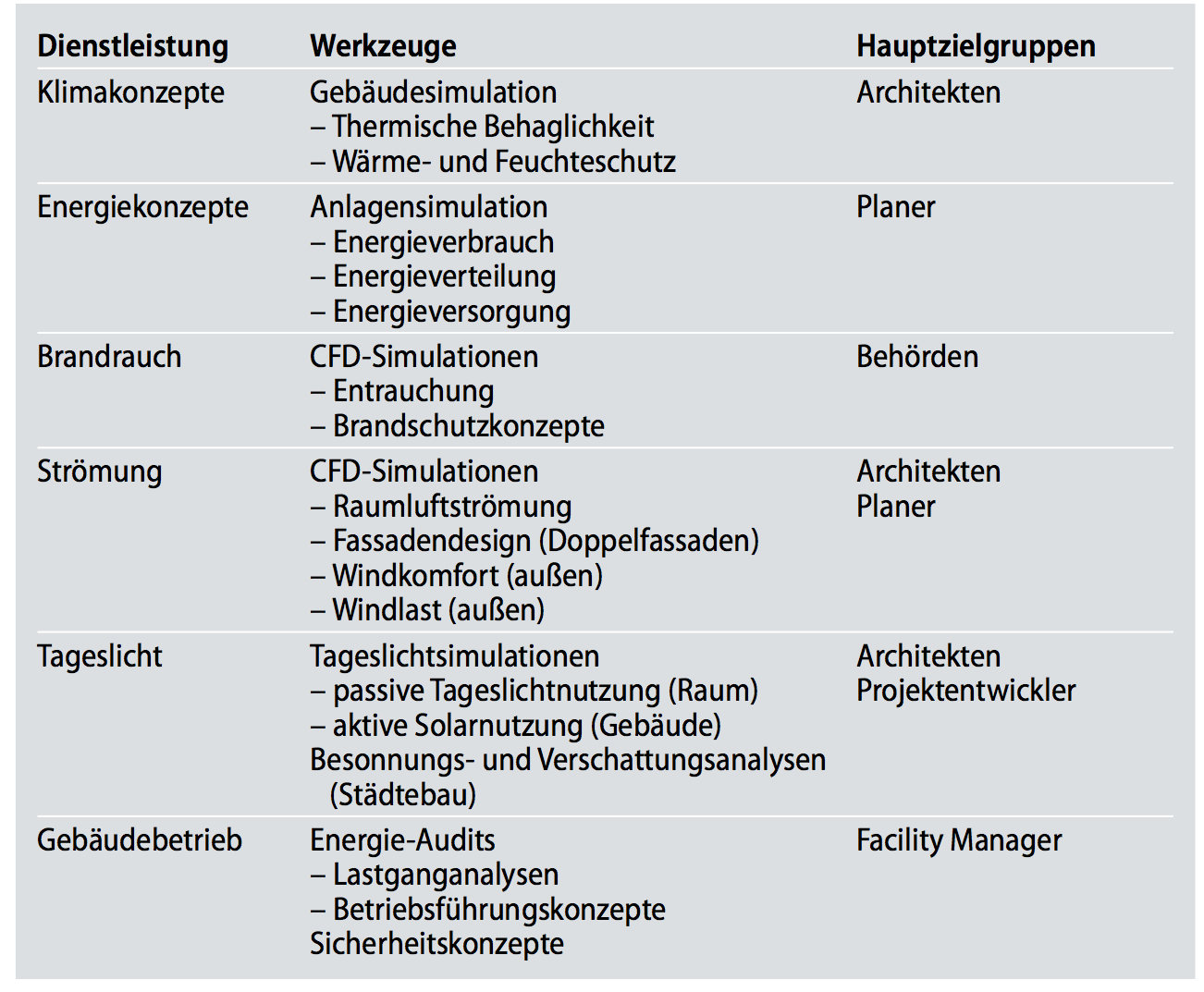
Axel Seerig is Professor of Building Climate and Building Technology at the Department of Technology and Architecture of Lucerne University of Applied Sciences and Arts (HSLU). He works at the Institute of Building Technology and Energy (IGE) and the Center for Integrated Building Technology, where he leads research and teaching in sustainable building concepts. With over 25 years of experience in building simulation and sustainable energy concepts for buildings, areas, and regions, he has established himself as a leading expert in climate-responsive building design. Seerig completed his studies in Process Engineering and earned his PhD in Thermodynamics at the Technical University of Berlin. His academic journey includes leadership roles as program director for Building Technology at the Austrian University of Applied Sciences Burgenland and senior researcher positions at AIT (Austrian Institute of Technology) and AEE-intec. His research focuses on the development of sustainable energy concepts using computer simulations for building climate control. He applies scientific principles of thermodynamics, heat transfer, and fluid mechanics through dynamic simulations in the disciplines of building climatic engineering and building simulation. His work emphasizes maximizing natural resources and user exposure to the outdoors through natural air conditioning, ventilation, and lighting, with human well-being as the central focus of planning. Current research includes energy efficiency in engineering systems for Central Asia, climate change adaptation in building design, and advanced data analysis for building performance assessment. His publication record shows a consistent focus on building energy efficiency, climate-responsive design, and simulation methods. Recent work emphasizes the integration of data analysis techniques like Monte-Carlo methods and artificial neural networks with traditional building simulation approaches. His research addresses critical challenges including climate change impacts on building performance, uncertainty in occupancy patterns, and the development of robust building concepts that maintain performance throughout their lifecycle. Seerig serves as an advisor in the Master of Science program MSE in Building Technologies and for doctoral studies at Middlesex University in London. He has received research funding through projects like SCCER FEEB&D (Swiss Competence Center for Energy Research) and has consulted internationally for the German Society for International Cooperation (GIZ) in Central Asia and Africa. He is an active member of the building science community, serving on the board of the International Building Performance Simulation Association (IBPSA), as a reviewer for the Austrian Research Promotion Agency (FFG), and as a member of professional organizations SIA and VDI. His work connects academic research with practical building projects, including notable collaborations with firms like Gruner AG on buildings such as the Roche OPAL office building, Siemens Headquarters Austria, and the Vienna Central Station.