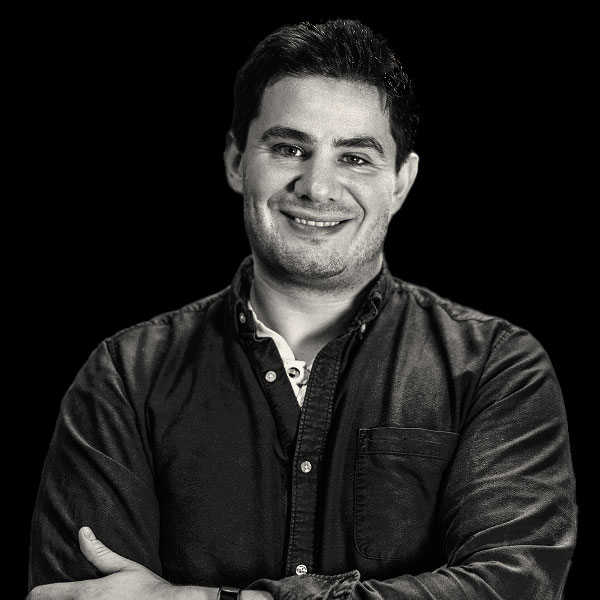
Professor Carlo Harvey is a creative technologist at the School of Digital Arts (SODA), Manchester Metropolitan University. His interdisciplinary research merges games , machine learning , virtual production , and cultural heritage reinterpretation . He leads industry collaborations with entities like Jaguar Land Rover and Epic Games, focusing on AI-driven interactive audio, real-time visualization, and accessibility solutions. Award-winning projects : TIGA, Innovate UK, and Epic Games MegaGrant for Accession Industry partnerships : Automotive sector, cultural institutions His research spans human-computer interaction , multisensory virtual environments , and acoustic-visual cross-modal perception . Recent publications address robotic simulations, motion alignment, and haptic feedback systems. Scientific recognition : TIGA Award, Innovate UK Funding, Epic Games MegaGrant Advocacy : Digital inclusion, creative collaboration, social impact of technology
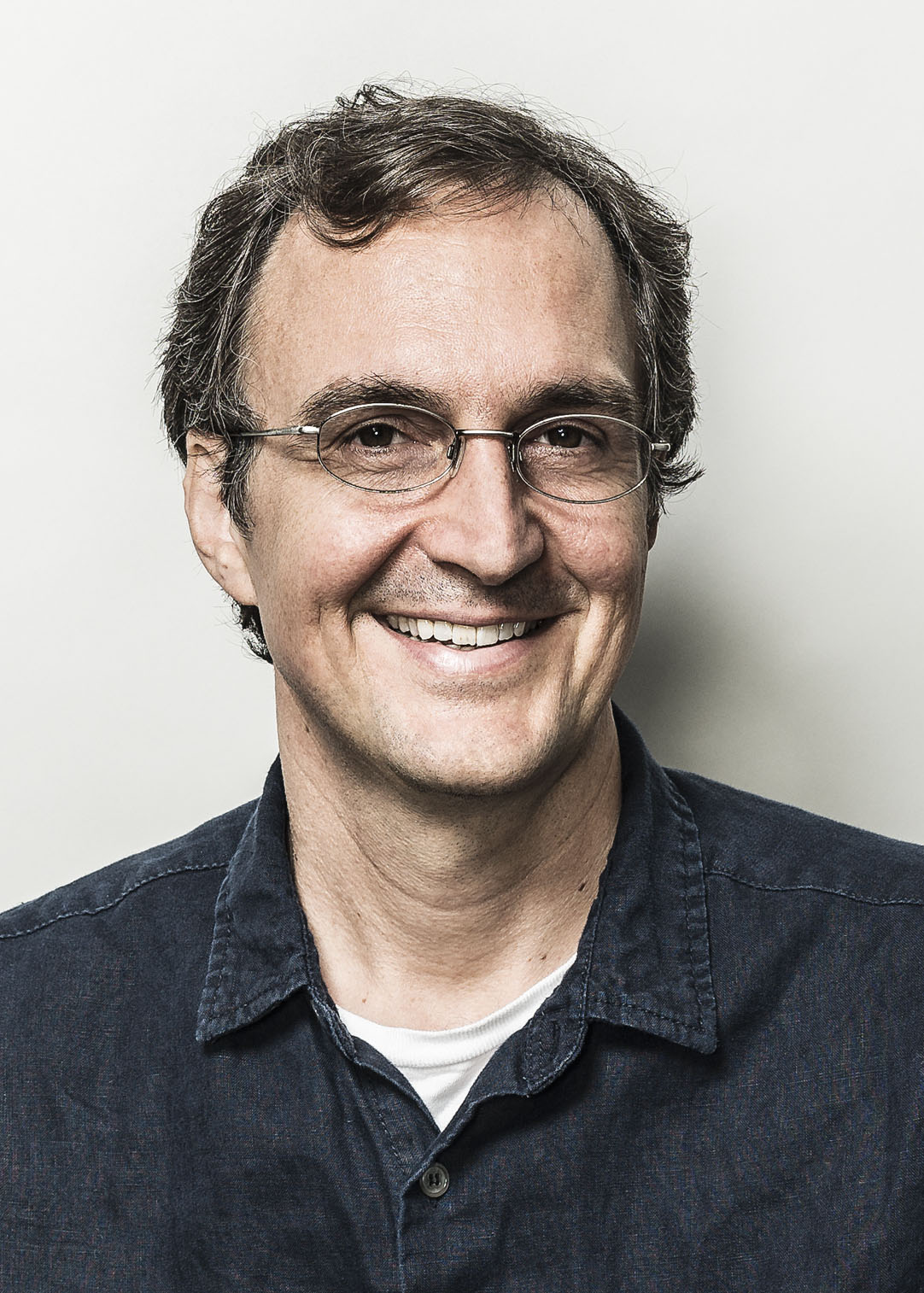
Prof. Matthias Nießner is a Professor at the Technical University of Munich , where he leads the Visual Computing Lab . Prior to this, he held a Visiting Assistant Professor position at Stanford University . His work bridges computer vision , graphics , and machine learning , focusing on 3D reconstruction , semantic scene understanding , and AI-driven video synthesis . Prof. Nießner has published over 150 works in top venues like SIGGRAPH , CVPR , and ECCV , with several receiving best paper awards (SIGCHI’14, HPG’15, SPG’18, SIGGRAPH’16 Emerging Tech). His research has garnered international media attention, including features in the New York Times , Wall Street Journal , and MIT Technological Review , as well as TV demonstrations (e.g., Jimmy Kimmel Live for Face2Face technology). Awards : TUM-IAS Rudolph Moessbauer Fellowship (2017–ongoing) Google Faculty Award (2017) Nvidia Professor Partnership Award (2018) ERC Starting Grant (2018, €1.5M) Eurographics Young Researcher Award (2019) Research Trends : 3D Gaussian Splatting for real-time rendering Neural Radiance Fields (NeRF) with mesh supervision Audio-driven facial animation via diffusion models Latent space diffusion for 3D scenes Self-supervised and zero-shot methods for 3D and image analysis As a co-founder and director of Synthesia Inc. , he drives democratization of synthetic media. His YouTube channel has over 5 million views, reflecting his impact beyond academia.
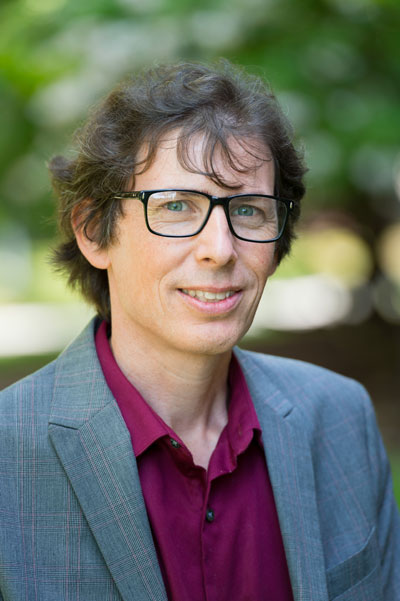
Michael S. Brown is a Professor and Canada Research Chair at York University's Department of Electrical Engineering and Computer Science (EECS). He also serves as Senior Director at the Samsung AI Center in Toronto, Canada. His research focuses on computer vision, image processing, and computer graphics, with a deep specialization in camera imaging pipelines, color theory, and AI-driven ISP optimization. He has organized major conferences like ProCams, eHeritage, WACV, and ICCV, and holds editorial roles in journals like TPAMI and IJCV. He is renowned for his work on computational color constancy, ISP hardware algorithms, and AI-based image enhancement techniques. His recent ICCV 2023 tutorial detailed modern camera pipelines and AI applications in ISP components. His research is supported by grants from NSERC, Samsung, Adobe, Google, and Microsoft. Brown advises numerous graduate students and has mentored over 30 alumni now in academia and industry roles at Meta, Samsung, Microsoft, and startups. His lab focuses on camera systems, noise modeling, and cross-platform color management, with contributions to open-source datasets and software platforms for ISP experimentation.
Steven Rogak is a Professor in the Department of Mechanical Engineering at the University of British Columbia's Faculty of Applied Science. He holds a P.Eng. license and degrees including a B.A.Sc. in Mechanical Engineering from UBC, and M.Sc. and Ph.D. from Caltech. P.Eng., University of British Columbia B.A.Sc., University of British Columbia M.Sc., Ph.D., California Institute of Technology His research focuses on aerosol science, particularly solid nanoparticles from combustion processes, their climate and health impacts, and mitigation strategies. Key areas include: Soot morphology and transport properties Engine emission reduction via fuel injectors Indoor air filtration systems Membrane-based energy exchangers Atmospheric particulate analysis The 15 most recent articles span experimental and theoretical studies on soot characterization, membrane technologies, and aerosol dynamics, with applications in climate modeling, healthcare ventilation, and sustainable materials. Collaborations include Westport Innovations and interdisciplinary teams. Rogak leads the Aerosol Laboratory at UBC, where he applies fluid mechanics and heat transfer fundamentals to address environmental and health challenges. He emphasizes experimental rigor and welcomes graduate students with expertise in these areas.
Prof. Johannes A. Lercher is a retired professor (as of April 2023) at the Technical University of Munich (TUM), holding the Chair of Chemical Technology II within the Department of Chemistry. His research focuses on heterogeneous catalysis, particularly understanding catalytic processes at solid-liquid and solid-gas interfaces, with applications in sustainable energy production, CO₂ conversion, and catalytic upcycling of polymers. He has held academic positions at the University of Twente (Netherlands) and the Pacific Northwest National Laboratory (USA), and has been Editor-in-Chief of the Journal of Catalysis . His honors include the Alwin Mittasch Prize (2021), ENI Award (2016), and Kozo Tanabe Prize (2013). His recent work emphasizes low-temperature polymer upcycling, methane activation, and bioinspired catalyst design, leveraging advanced spectroscopic and operando techniques. Despite retirement, his contributions to catalysis research remain impactful. Education: PhD (1980) and Habilitation (1985), Vienna University of Technology Visiting Lecturer, Yale University (1982) Research Interests: Heterogeneous catalysis, catalytic interfaces, sustainable energy carriers, CO₂ valorization, and polymer waste upcycling. Key areas include: Design of catalysts for selective hydrocarbon synthesis Mechanistic studies using advanced spectroscopy Development of scalable catalytic processes for industrial applications Recent Trends in Publications: Focus on low-temperature polymer recycling (e.g., PVC and polyolefin upcycling), methane activation via novel catalysts (e.g., Co 2+ in ZSM-5), and bioinspired catalytic strategies. His work bridges fundamental catalysis with industrial relevance, emphasizing sustainability and energy efficiency. Awards and Recognition: Member, Academia Europaea and US National Academy of Engineering Recipient of multiple international catalysis awards (see full list above) Grants and Labs: Led the Institute for Integrated Catalysis (Pacific Northwest National Lab, 2011–present). His research groups have pioneered studies on zeolite-confined reactions and interfacial catalysis, with collaborations spanning academia and industry. Labs/Teams: Active in the TUM Department of Chemistry and international networks focused on catalytic innovation for a carbon-neutral economy.
Assoc Prof Ng Teng Yong is an Associate Professor at the School of Mechanical & Aerospace Engineering (NTU), specializing in numerical modeling and simulation. With a background as Research Manager at A*STAR Institute of High Performance Computing, his work spans materials science, nanotechnology, and aerospace engineering. Current focus on graphene-based desalination membranes Expertise in molecular dynamics simulations Investigates nanoscale fluid mechanics and structural dynamics Recent publications highlight advancements in energy-efficient electrodialysis, smart robotics, and nonlinear vibration analysis. His interdisciplinary approach integrates computational methods with experimental validation in additive manufacturing and soft material mechanics.
Dr. Christopher M. Wolverton is a Professor of Materials Science and Engineering at Northwestern University , where he leads the Wolverton Research Group . His work focuses on computational materials science with applications in energy sustainability , particularly in batteries , hydrogen storage , and thermoelectrics . PhD in Physics from University of California, Berkeley BS in Physics (summa cum laude) from University of Texas, Austin His research leverages first-principles quantum mechanical simulations and machine learning to enable virtual materials synthesis before laboratory testing. The group specializes in hybrid computational methods integrating Density Functional Theory (DFT) , Monte Carlo simulations , and phase-field microstructural models . The article portfolio shows leadership in energy storage materials , with recent work on data-driven nanoparticle facet control , mixed-anion semiconductors , and machine learning-accelerated discovery . Publications span top journals including Nature Energy , Nature Materials , and Science . 2006 Ford Motor Company Technical Achievement Award 2005 Ford Patent & Publication Awards 2003 Ford Environmental/Physical Sciences Recognition As advisor to PhD candidates Zhenpeng Yao , Shiqiang Hao , and Shane Patel , he fosters interdisciplinary research connecting materials informatics with experimental validation . The group maintains active collaborations with Argonne National Lab and MIT/Harvard teams.
Dr. Benjamin C.K. Tee is an Associate Professor at the National University of Singapore (NUS), affiliated with the College of Engineering and the Department of Materials Science and Engineering. He leads the Sensors.AI Labs, focusing on transforming materials science, mechanics, and biology into cutting-edge technologies for robotics and healthcare in the AI era. His research explores novel materials and fabrication techniques to develop flexible, stretchable electronic sensors. These innovations enable applications in human-machine interfaces, biomedical devices, and AI-driven robotic systems. Key areas include self-healing materials, large-scale tactile sensing, and wireless health monitoring. His work has garnered international acclaim, including the James Dyson Foundation Prize (International Winner, 2021), MIT TR35 Innovator (2015), and recognition as a World Economic Forum Young Scientist (2019). His inventions have been commercialized through co-founded startups Privi Medical (acquired in 2021) and Hannah Life Technologies. Scientific Awards: National Research Foundation Fellowship (2017) MIT TR35 Innovator (Global) (2015) World Economic Forum Young Scientist (2019) James Dyson Foundation Prize - International Winner (2021) IES Prestigious Engineering Award (2020) Stanford University Top 2% Scientists (2021)
Marketta Kyttä is a Professor of Land Use Planning at Aalto University's Department of Built Environment. She holds a PhD in Architecture from Helsinki University of Technology (2004) and leads the Spatial Planning and Transportation Engineering Master’s program. Research Interests: Child- and age-friendly urban environments SoftGIS methodology for participatory mapping Social sustainability and urban health Public participation in planning Activity space modeling Scientific Awards: Lea Pulkkinen award Tapio Nummenmaa award Geospatial World Forum's WebGIS Innovation Award (2010) Oskari Vilamo award (2020) Oppikirja-palkinto for urban planning literature Methodological Contributions: SoftGIS (PPGIS innovation) Commercialization as Maptionnaire software International Collaborations: Affiliated with universities in Italy, Australia, and the US. Her work spans 80+ countries through Maptionnaire’s global adoption.
Kenneth Hoehn is an Assistant Professor in the Department of Biomedical Data Science at the Geisel School of Medicine, Dartmouth College. As a computational immunologist with expertise in evolutionary biology, he develops computational evolutionary approaches to trace cellular lineages, particularly B cells, in contexts such as infection, vaccination, cancer, and autoimmune diseases. His research focuses on understanding adaptive immunity in conditions like COVID-19 Food allergies Myasthenia gravis through collaborations with experimental teams. Key projects include: Phylogenetic modeling of B cell responses Evolutionary signatures in immune repertoires Tracking B cell dissemination in autoimmune diseases Epigenetic regulation of memory B cells Recent publications highlight trends in single-cell immunology , phylogenetic inference , and computational tools for analyzing B cell dynamics. His lab at Dartmouth integrates evolutionary genetics with high-resolution immune profiling.
Callie Hao is an Assistant Professor in the Department of Electrical and Computer Engineering at the Georgia Institute of Technology since 2021, holding the ON Semiconductor Junior Professorship. Her research bridges hardware efficiency and algorithmic innovation with significant industry and federal recognition. Education: Ph.D. in Electrical Engineering, Waseda University (2017) M.S. and B.S. in Computer Science and Engineering, Shanghai Jiao Tong University Research Focus: Dr. Hao pioneers software/hardware co-design for edge AI, specializing in hardware-efficient machine learning algorithms, FPGA-based reconfigurable computing, graph neural networks, and electronic design automation (EDA). Her work emphasizes neural architecture search, high-level synthesis optimization, and memory-efficient systems for embedded and IoT applications, driven by the philosophy that "1 + 1 > 2" for transformative efficiency gains. Publication Impact: Her 15 most recent publications (2023-2026) reveal a strategic shift toward machine learning-driven EDA tools, with 60% focused on high-level synthesis frameworks and 40% on graph neural network acceleration. Key trends include simulation speed breakthroughs (LightningSim), automated accelerator generation (GNNBuilder), and cryptographic hardware innovations (Cryptonite), predominantly published in top-tier venues like MICRO, ICCAD, and DAC. Awards & Recognition: NSF CAREER Award (2024) and Intel Rising Star Faculty Award (2023) Best Paper Awards at MLCAD 2024 and GLSVLSI 2021 ON Semiconductor Junior Professorship (2025) and Sutterfield Family Early Career Professorship (2022) DAC-SDC competition championships (2018-2020) Mentorship & Funding: Dr. Hao advises 8+ Ph.D. students in the Sharc Lab, with Rishov Sarkar winning the Oscar P. Cleaver Award and Qualcomm Innovation Fellowship. Her research is funded by DARPA (2021) for ultra-light video intelligence systems and supported by industry awards from Amazon and Sony. She actively serves on program committees for DAC, ICCAD, and DATE conferences. Lab Leadership: As director of the Sharc Lab (Software/Hardware Co-design lab), she cultivates interdisciplinary research at the intersection of FPGA design, machine learning, and EDA, requiring expertise in Verilog/HLS, GNNs, and compiler technologies while maintaining strict focus on real-world hardware implementation.
Distinguished Professor Peter Ralph is a faculty member at the University of Technology Sydney (UTS), holding the position of Professor of Marine Biology within the Faculty of Science and serving as the Executive Director of the Climate Change Cluster (C3). He is also the founder of the NSW Deep Green Biotech Hub and an influential member of global initiatives such as UNESCO’s Blue Carbon Scientific Working Group and the Czech Academy of Sciences’ Global Change Research Centre. Leadership Roles: Director of the Climate Change Cluster, Deputy-Chair of Sydney Institute of Marine Sciences. Research Collaborations: Partnerships with CSIRO, industry, NGOs, and international institutions. Key Contributions: Over 280 publications and $15M+ in research funding. His research focuses on algae-based solutions to climate change and sustainability, including carbon capture, bioplastic production, waste-water remediation, and circular bio-economy models. He explores advanced manufacturing through Industry 4.0 integration and zero-waste bio-refinery approaches, while also advancing algal phenomics using automated high-throughput screening systems. Recent articles highlight innovations in AI-driven biorefinery optimization, microalgal bioprospecting, and mutagenesis techniques for rare earth element extraction. His work bridges environmental science with engineering, addressing challenges in algae cultivation scalability and commercialization. Scientific Awards: 2012 and 2018 UTS Vice-Chancellor’s Research Excellence Awards. Peter has secured major grants, including the Fermentalg PhD Project on Microalgae Screening, PNG Natural Seafood’s Macroalgae Product Development, and the Winifred Trust Foundation’s Aquaculture initiative. His research teams collaborate across disciplines to transform algae into sustainable resources for food, energy, and biomanufacturing. He leads UTS’s Climate Change Cluster (C3), a hub for interdisciplinary climate research, and actively promotes algae-building technologies and carbon storage innovations through biomasonry products.
Vanya Darakchieva is a Professor in Solid State Physics at Lund University's Faculty of Engineering (LTH), serving as Principal Investigator at NanoLund: Centre for Nanoscience and Director of C3NiT: Centre for III Nitride technology. She is a core member of Lund's profile areas in Nanoscience and Semiconductor Technology, Light and Materials, and The Energy Transition, reflecting her interdisciplinary impact. Her research centers on wide bandgap semiconductors, particularly gallium nitride (GaN) and gallium oxide (Ga 2 O 3 ), with emphasis on defect engineering, electron transport, and advanced characterization techniques. She pioneers terahertz spectroscopy and electron paramagnetic resonance methods to analyze material properties critical for quantum technologies and energy-efficient electronics. Her work bridges fundamental physics with industrial applications in high-frequency devices and green semiconductor technology. Recent publications reveal a sharp focus on structural optimization of GaN crystals, doping mechanisms, and contact engineering—key bottlenecks in next-generation power electronics. Trends show increasing collaboration with international teams on epitaxial growth techniques and defect-driven property control. No scientific awards were documented in the provided text. She actively supervises PhD candidates including Logotheti, A. and Rindert, V., guiding dissertation projects within major grants. Darakchieva leads nine research projects with 150+ million SEK in funding, including two flagship Knut and Alice Wallenberg Foundation initiatives (2025–2030) on quantum-ready semiconductors and ceramic-to-semiconductor transformation, plus Swedish Research Council and Vinnova grants targeting terahertz characterization and III-nitride technology. Her work is anchored in NanoLund and C3NiT infrastructure, fostering cross-departmental teams for nanofabrication and device prototyping. Current efforts integrate magnetron sputtering, MOCVD growth, and in-situ characterization to solve industry challenges in thermal management and electron mobility for 6G communications and renewable energy systems.
Robert R. Knowles is the Henry W. Putnam Professor of Chemistry at Princeton University , where he leads a research group focused on proton-coupled electron transfer (PCET) and light-driven catalytic transformations . His work bridges organic synthesis , photoredox chemistry , and asymmetric catalysis , with applications in pharmaceutical synthesis, polymer recycling, and sustainable chemistry. Research Highlights Pioneering PCET mechanisms for homolytic bond activation Developing enantioselective radical transformations Innovating contrathermodynamic photochemical reactions Advancing light-driven chemical recycling of thermosets Recent trends in publications include asymmetric catalysis with radical intermediates, photoredox-driven C–H functionalization, and contrathermodynamic isomerization reactions. His group frequently employs visible light and chiral hydrogen-bonding catalysts to achieve unprecedented reactivity. Scientific Awards : E. J. Corey Award (American Chemical Society) 2023 Arthur C. Cope Scholar Award (American Chemical Society) 2018 Mitsui Catalysis Science Award of Encouragement 2018 Novartis Early Career Award in Organic Chemistry 2017 Camille Dreyfus Teacher-Scholar Award 2017 ... (8 more awards) Contact: rknowles@princeton.edu
Dr. Giacomo Crisenza is a Lecturer in Catalysis at the Department of Chemistry, University of Manchester. His research focuses on developing sustainable electrochemical and photocatalytic methods for converting carbon feedstocks into value-added chemicals. He holds a PhD from the University of Bristol and has held academic positions at Manchester since 2020. Education: PhD in Chemical Synthesis, University of Bristol (2013–2017) MSc and BSc, Università degli Studi di Milano (2007–2012) Chemical Synthesis CDT, University of Bristol (2012–2013) Research Interests: Electrochemical synthesis of novel organic compounds Photocatalytic activation of aromatic systems Design of sustainable catalytic protocols Radical-mediated C–C bond formations Development of carbon feedstock valorization strategies Articles Trends: His recent work emphasizes photocatalytic C–H functionalization strategies, asymmetric total syntheses, and metal-free arylation approaches. Key themes include visible-light-driven reactions and transition-metal catalyzed transformations. Advising & Grants: Supervised 2 PhD students (specific names not listed). Actively seeks external funding through schemes like MSCA and NIF for postdoctoral researchers. Labs & Teams: Leads the Crisenza Group within the Organic Chemistry Group at Manchester, focusing on net-zero catalysis and sustainable chemical synthesis.