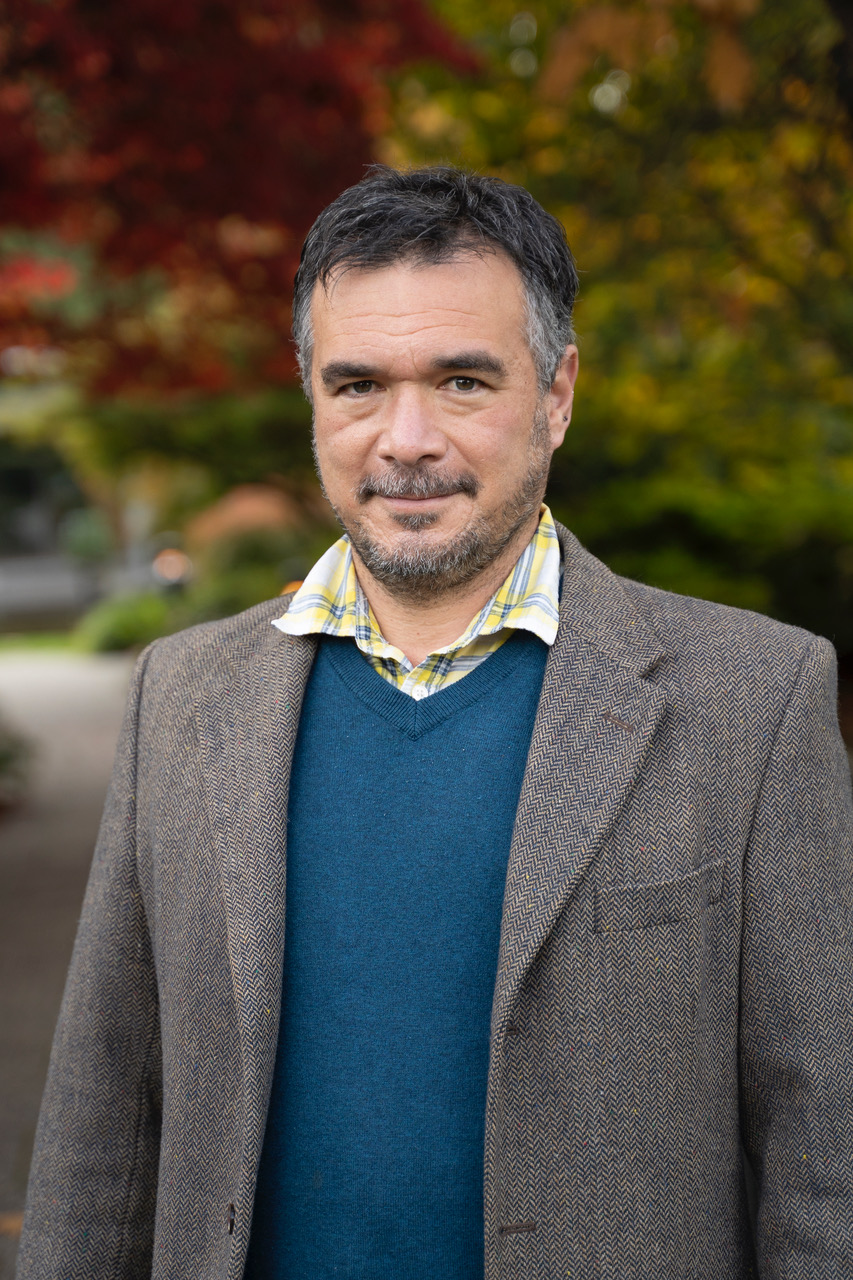
Nathaniel B. Jones is an Associate Professor of Art History and Archaeology and Director of Graduate Studies at Washington University. His work focuses on Greco-Roman art's intersections with social practice, theory, and aesthetics. He holds a PhD from Yale University (History of Art) and a BA from Grinnell College (Classics and Art History). Research emphasizes meta-pictorial reflections in Roman art, spatial-temporal dynamics, and art collection practices. Supported by institutions like the National Gallery of Art and the Institute for Advanced Study, his scholarship bridges ancient artistic practices with modern theoretical frameworks. Selected Awards: 2021 First Book Award (The Classical Association of the Middle West and South) for Painting, Ethics, and Aesthetics in Rome Teaching spans ancient Mediterranean visual culture, emphasizing critical analysis of material evidence. Courses include 'The Age of Augustus' and 'Pictorial Illusion in the Ancient Mediterranean.' Recent grants include Washington University's 'Literacies for Life' Faculty Engagement Grant (2023).
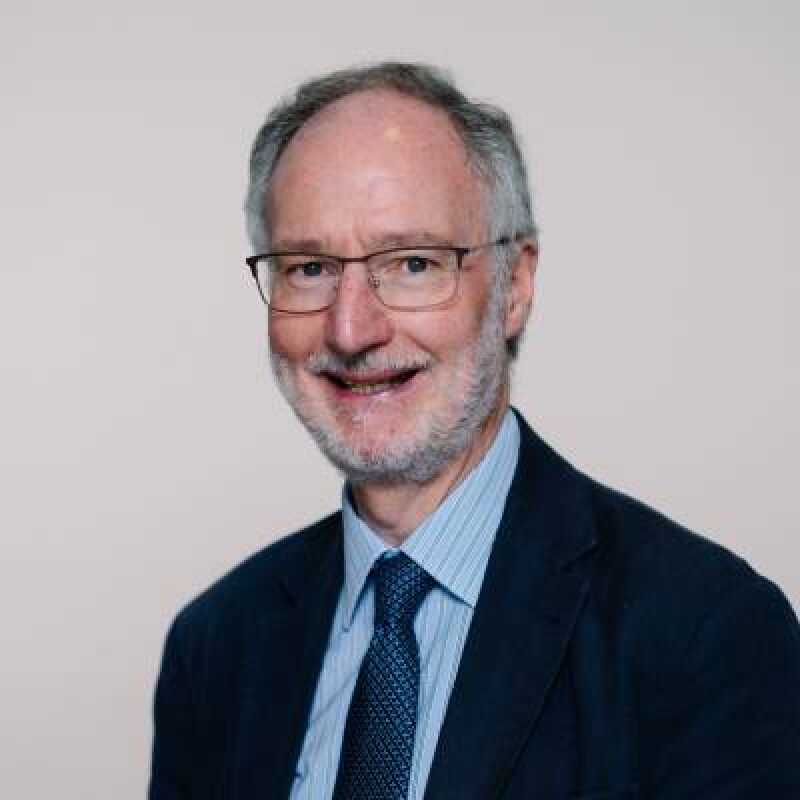
Professor David Oliver is an Honorary Professor at the University of Kent’s Tizard Centre, within the School of Social Sciences. He specializes in palliative care for individuals with neurological disorders, particularly motor neurone disease (MND), and intellectual/developmental disabilities (IDD). His roles include teaching on end-of-life care courses and supervising PhD students such as Winnie Tsang, Simone Veronese, and Carol Gouveia e Melo. With over 25 years of involvement at the University, Oliver previously held roles as Honorary Senior Lecturer and Honorary Reader. His research focuses on quality of life assessment for IDD individuals with dementia, palliative care in neurodegenerative diseases, and improving care for marginalized populations. Internationally, he chairs the European Association for Palliative Care task force on neurological palliative care and collaborates with institutions in Croatia, Nigeria, and beyond. Key achievements include co-authoring NICE guidelines on MND, editing major palliative care textbooks, and receiving awards like the Humanitarian Prize from the International Alliance of ALS/MND Associations. His work spans clinical practice (retired from full-time hospice work), academic leadership, and global advocacy for equitable end-of-life care.
Elisabeth Schilling serves as Associate Professor of Social Sciences at the University of Applied Sciences for Police and Public Administration North Rhine-Westphalia (HSPV NRW), holding a W2 professorship since December 2009. She previously taught at the Cologne department until 2012 and now works at the Bielefeld location. Her academic appointments include habilitation in Sociology at the University of Erfurt (2022) and guest professorship at Georg-August-Universität Göttingen (2015). Schilling's institutional affiliations extend to the Max-Weber-Kolleg at the University of Erfurt and the Institute for Diversity Research at Göttingen. Her education includes a PhD in Sociology from Heinrich-Heine-University Düsseldorf (2005, magna cum laude), with dissertation titled "Die Zukunft der Zeit: Vergleich von Zeitvorstellungen in Russland und Deutschland im Zeichen der Globalisierung." Additional academic training includes specialized sociology studies at RWTH Aachen (2000-2001) and University of California at Davis (2000), where she achieved top 5% standing in her cohort. Schilling's research fundamentally examines how time structures shape social experience across multiple domains. Her work explores temporal dimensions of migration, particularly how Ukrainian refugees construct future perspectives amid trauma. She investigates gendered time inequalities in public administration careers, analyzing how interrupted career paths disproportionately affect women. Her scholarship reveals how bureaucratic systems administer time through scheduling practices that reinforce social inequalities. Schilling develops methodological approaches for studying temporal diversity through qualitative time practice assessments, bridging classical life course theory with biographical subjectivity. Her publication trajectory shows consistent focus on time, migration, and biography since 2005, with recent work increasingly addressing refugee experiences and temporal aspects of public administration. The articles reveal methodological sophistication in qualitative time research, with growing emphasis on practical applications for public sector management. Schilling's work demonstrates strong interdisciplinary connections between sociology, gender studies, and public administration. Her current research portfolio includes multiple funded projects examining time perspectives among Ukrainian refugees (2023-2024), integration of Ukrainian refugees (2022-2023), and time management during remote work periods (2020-2021). These projects reflect her ability to address timely social issues through her temporal lens while maintaining theoretical rigor. Schilling maintains active research collaborations including the Time Perspective Network around Philip Zimbardo and the Max-Weber-Kolleg. Her editorial work includes special issues of BIOS journal and edited volumes with Springer VS. She directs research groups focusing on time structures as inequality-reproducing classification systems, demonstrating sustained scholarly impact in her field.
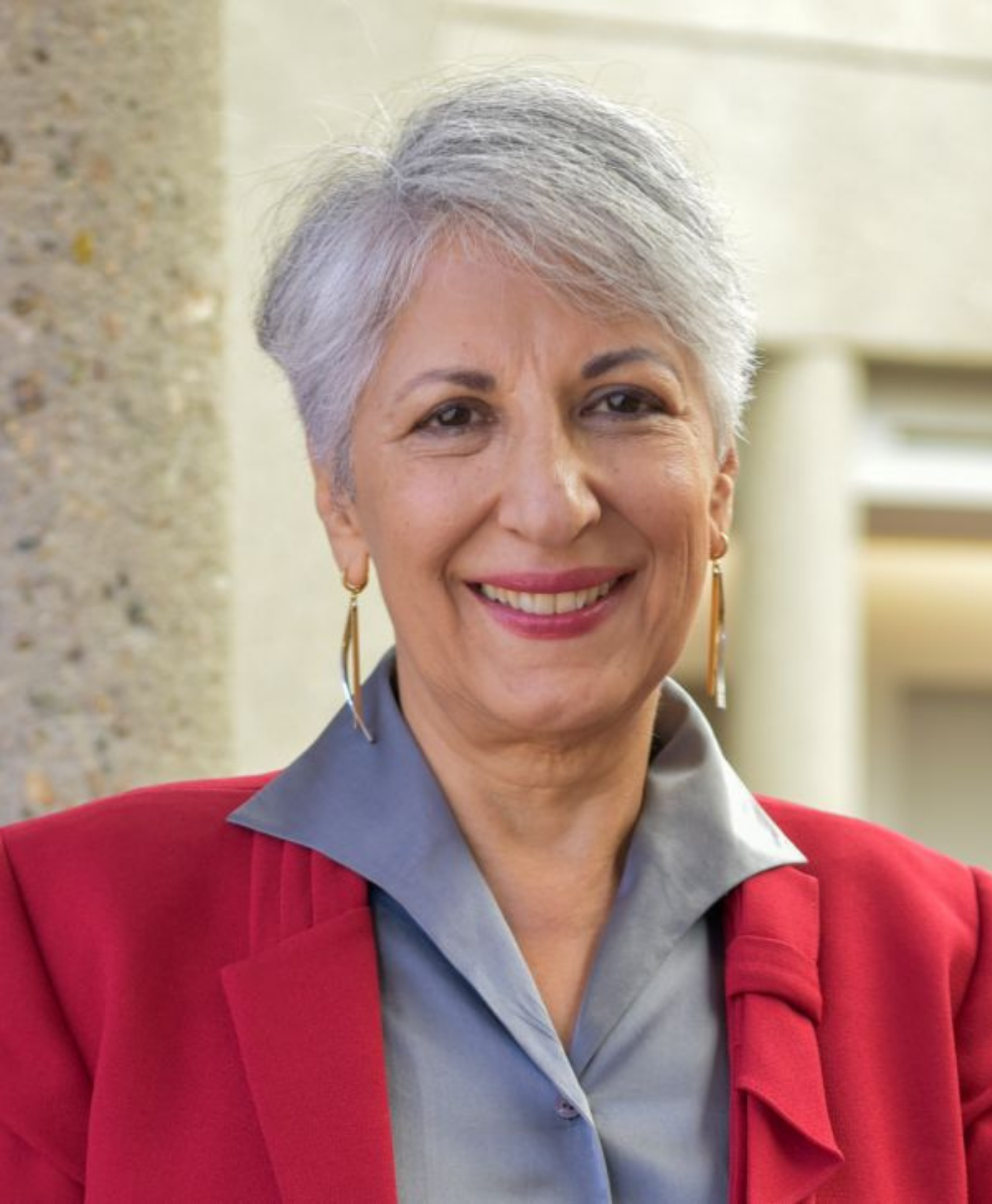
Carol Bakhos is a Professor at the University of California, Los Angeles (UCLA), affiliated with the Departments of Jewish Studies and Near Eastern Languages and Cultures under the College of Letters and Science. Her work bridges Scriptural Interpretation, Ancient Judaism, and Comparative Religions (Judaism, Christianity, and Islam). Education: Ph.D. in Talmud and Rabbinics (Jewish Theological Seminary, 2000); MTS in Theology, Scripture and Interpretation (Harvard, 1992); B.A. in English Literature and Philosophy (Boston College, 1988). Her research explores intertextual connections between Jewish, Christian, and Islamic scriptures, with a focus on Midrashic literature, Rabbinic texts, and Quranic exegesis. She investigates topics like the transmission of apocryphal works across religious boundaries, the portrayal of biblical figures (e.g., Abraham, Ishmael, Esau) in Abrahamic traditions, and the intersection of orality, writing, and animal ethics in ancient contexts. Carol Bakhos' publications reveal a scholarly emphasis on Abrahamic comparative studies , narrative migration , and methodological approaches to Midrash. Her recent peer-reviewed articles (2006–2017) span disciplines including Religious Studies, Literary Criticism, and Ancient History, with subfields in Quranic Interpretation, Rabbinic Humor, and Intertextual Ethics. She has contributed extensively to edited volumes, encyclopedias, and book reviews, while teaching courses on Judaism, Abraham and Ishmael in comparative perspectives, and Religion and Critical Thought at both undergraduate and graduate levels.
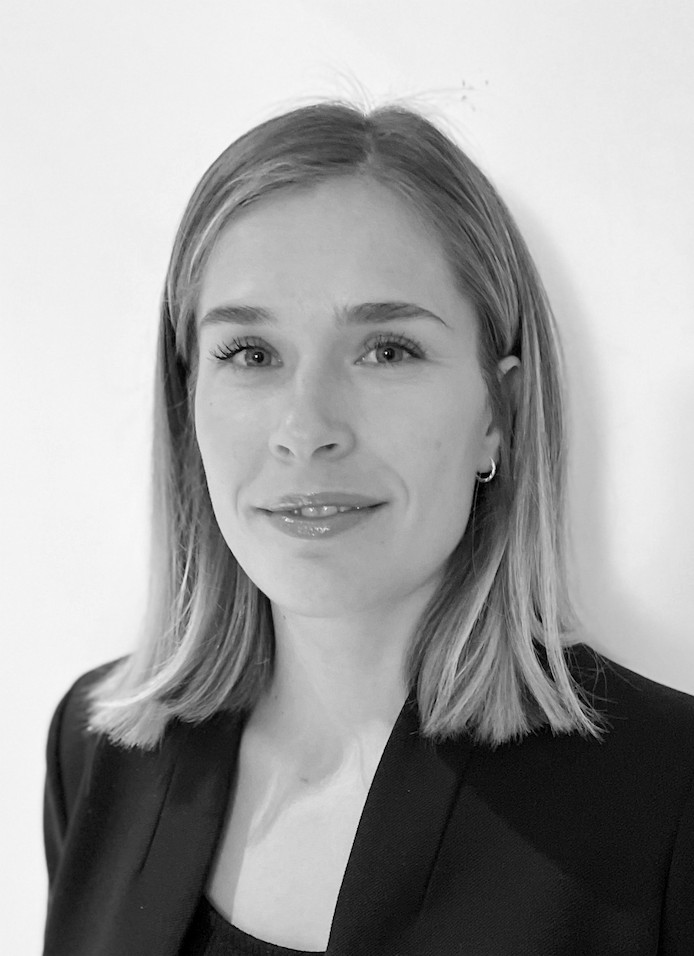
Dr. Sara Kijewski is a Lecturer at ETH Zurich's Department of Humanities, Social and Political Sciences (D-GESS), specializing in the Ethics and Governance of Artificial Intelligence, Digital Health, and Health Policy. She joined ETH in 2022 after earning her PhD in Political Science from the University of Bern, with additional studies at the University of North Carolina, University of Oslo, and University of Zurich. Her research focuses on AI ethics frameworks, digital health governance, and the societal impacts of war through projects like the Health Ethics & Policy Lab's Health Data and AI course coordination and postdoctoral work on NRP 77 (Digital Health Innovation Governance). As Director of Operations for the ETH AI Ethics and Policy Network, she bridges academic and policy dimensions of emerging technologies. Key research interests include global AI governance, healthcare innovation ethics, and the long-term social consequences of conflict, reflected in publications analyzing post-war societies, public opinion on biotechnology, and international health policy challenges. Her academic background includes multilingual proficiency (Norwegian/Finnish native, German/English fluent), supporting cross-cultural research collaboration. Professional activities include undergraduate course coordination, internship supervision, and contributions to interdisciplinary initiatives like Precise4Q: Predictive Modelling in Stroke. Current academic roles combine teaching (e.g., Ethics Workshop: The Impact of Digital Life on Society in Autumn 2025) with research leadership in AI ethics and health policy domains.
Yoshiko Matsumoto is the Yamato Ichihashi Professor in Japanese History and Civilization and Professor of East Asian Languages and Cultures at Stanford University, with a courtesy appointment in Linguistics. She has been a faculty member at Stanford since 1992, progressing from Assistant Professor to her current distinguished position. Matsumoto also serves as coordinator of the Japanese Language Program and has held significant administrative roles including Chair of the Department of Asian Languages (2003-2005) and Interim Chair of the Department of East Asian Languages and Cultures (2016). Matsumoto earned her Ph.D. in Linguistics from the University of California, Berkeley (1989), following M.A. degrees in Linguistics from UC Berkeley and General and Applied Linguistics from the University of Tsukuba, an M.I.A. in American Studies from the University of Tsukuba, and a B.A. in English Language & Literature from Japan Women's University. Professor Matsumoto's research focuses on linguistic pragmatics from cross-linguistic perspectives, with particular expertise in Japanese language. Her work spans structural and sociocultural aspects of language in use, including noun-modifying clause constructions, honorifics, discourse markers, and the intersection of language with gender and aging. She has pioneered research on conversational narratives of older adults, examining how ordinary framing strategies help individuals navigate difficult experiences. Her current projects explore intergenerational communication through haiku, communicative abilities of people with dementia, and noun-modifying constructions across Eurasian languages. Matsumoto's scholarship consistently bridges theoretical linguistics with practical applications for understanding human communication in diverse social contexts. Matsumoto's recent publications reveal a growing focus on practical applications of linguistic research for social benefit, particularly in intergenerational communication and dementia care. Her work increasingly integrates arts-based approaches, especially haiku poetry, to bridge generational divides and enhance communication with elderly populations. The research shows a consistent trajectory from theoretical linguistic frameworks toward applied, human-centered language studies that address real-world challenges in aging societies, with particular attention to how ordinary language practices help individuals navigate life transitions and difficult experiences. Dean's Award for Distinguished Teaching, School of Humanities and Sciences, Stanford University (2000) Richard E. Guggenhime Faculty Scholar, Stanford University (2000-2003) Violet Andrews Whittier Fellow, Stanford Humanities Center (2019-2020) Faculty Research Fellow, Michelle R. Clayman Institute for Gender Research (2014-2015) Research Fellow, Japan Foundation (2002) Internal Fellow, Stanford Humanities Center (2005-2006) Presidential Fund for Innovation in the Humanities, Stanford University (2009-2011) Professor Matsumoto has mentored numerous students through her teaching in Japanese language and linguistics courses, including specialized offerings on language and aging, points in Japanese grammar, and haiku-based communication. Her research has been supported by prestigious grants from the National Endowment for the Humanities, the Japan Foundation, and Stanford's Presidential Fund for Innovation in the Humanities. She has served on multiple editorial boards including the Journal of Pragmatics since 1992, demonstrating long-standing leadership in her field. Matsumoto has also advised students through individual studies and thesis projects in East Asian Languages and Cultures. Matsumoto leads several collaborative research initiatives including the 'Sharing Conversations' project which examines intergenerational communication through haiku, and research on communicative abilities of people with dementia. Her work often involves interdisciplinary teams spanning linguistics, gerontology, and creative arts, with fieldwork conducted in both Japan and the United States. The 'Noun-Modifying Constructions in Languages of Eurasia' project represents a major international collaboration examining linguistic structures across cultural boundaries. She also directs the 'Language, Old Age and Gender in Japan' project supported by the Stanford University/Japan Foundation, and the 'Difficult Conversations Continue: Memories of the 3.11 Disaster and Bereavement Narratives' project focused on post-disaster communication.
Manju Ahuja is a Scientia Professor of Information Systems and Technology Management at the UNSW Business School, University of New South Wales, and holds the Frazier Family Professor of Information Systems at the College of Business, University of Louisville (on leave). Recognized globally as a top-tier researcher in Information Systems, she has held faculty roles at Indiana University, Florida State University, and Penn State University. Education & Affiliations: PhD-level training and research assistantships at University of Pittsburgh (1990–1994) Research assistantship at Pace University (1982–1984) Graduated with high honors from Indore University, India (1980) Research Focus: Professor Ahuja's scholarship centers on the intersection of information technology and human behavior, with particular emphasis on IT workforce dynamics, AI ethics, digital transformation, work-life balance, innovation, and entrepreneurship . Her work explores how emerging technologies reshape organizational practices, employee well-being, and societal norms. Editorial Leadership: She currently serves as Senior Editor for Information Systems Research , and previously held senior editorships at MIS Quarterly (2014–2017) and Journal of AIS (2017–2019). She has also served as Associate Editor for MIS Quarterly , Information Systems Research , and Management Science . Scientific Recognition: Fellow, Association of Information Systems (2021) Lifetime Achievement Award, Academy of Management OCIS Division (2020) Stanford University’s Top 2% Scientists List (2020) Presidential Distinguished Faculty Award, University of Louisville (2022) Enterprising Women Award, Louisville Business First (2023) Multiple Best Paper Awards and Faculty Research Awards Grants & Funding: Professor Ahuja has secured over $2 million in National Science Foundation funding across four major grants focused on IT workforce issues, highlighting her sustained impact on policy and practice. Teaching & Mentorship: She teaches courses in Research Methods, Information Systems Theory, and Behavioral IS , and actively mentors doctoral students and early-career researchers. While specific student names are not listed, her editorial roles and conference leadership indicate extensive supervision and collaboration. Global Engagement: Her visiting scholar appointments span premier institutions including HEC Paris, Bocconi University, National University of Singapore, UC Irvine, and University of Hawaii at Manoa, underscoring her role in shaping global IS research agendas.
Kyle Chapman serves as Associate Professor and Department Chair of Humanities and Social Sciences at Oregon Institute of Technology, where he has strengthened the Population Health Management program since joining in 2016. His work bridges sociological theory with practical healthcare applications through teaching and community-engaged research. His educational background includes a Doctor of Philosophy in Sociology with specializations in Medical Sociology and Gerontology from the University of Kansas (2016), a Master of Arts in Sociology from Texas Tech University (2011), and dual Bachelor of Arts degrees in Sociology and Mass Communication from Texas Tech University (2008). Dr. Chapman's research investigates social determinants of health with emphasis on aging, chronic disease, and health disparities. His work examines how socioeconomic factors shape physical and mental health outcomes across community and population levels, particularly focusing on rural healthcare challenges in Oregon. Recent projects analyze wildfire smoke impacts on hospital capacity, mental health among first responders, and barriers to healthcare access for vulnerable populations. His publication record reveals a consistent trajectory from foundational sociological studies toward applied public health research, with increasing focus on environmental health crises since 2020. The 2023-2025 articles demonstrate sophisticated integration of case-crossover methodologies with state health data to address Oregon's unique wildfire-related health challenges, while maintaining core interests in health behaviors and chronic disease management. As an educator, Dr. Chapman teaches medical sociology, research methods, and social inequality courses. His curriculum development work, including the 'Integrated Sociology Programs' framework, reflects commitment to preparing students for health sector careers through the Population Health Management program. Outside academic duties, he explores Pacific Northwest natural attractions with his family.
Nicola Hawley is an Associate Professor of Epidemiology (Chronic Disease) at the Yale School of Public Health with a secondary appointment in the Department of Anthropology at Yale University. She serves as Associate Director for Dissemination and Implementation Science at the Yale Center for Clinical Investigation and is affiliated with the Yale Institute for Global Health and Yale Network for Global Non-Communicable Diseases. Dr. Hawley is an internationally recognized expert in maternal and child health, with particular expertise in the developmental origins of obesity and related chronic diseases. Her interdisciplinary research bridges epidemiology, anthropology, and global health to examine how early life exposures during pregnancy, infancy, and childhood shape long-term health. She employs a life-course perspective and mixed-methods approaches across cross-sectional, cohort, and randomized controlled trial designs to identify critical windows for intervention. A hallmark of her work is the integration of community-engaged and culturally responsive strategies to address maternal and child health disparities in under-resourced and Indigenous settings. Her research primarily focuses on Pacific Islander communities in Samoa, American Samoa, and the US, with additional collaborations in South Africa, Uganda, New Zealand, and the United States. Dr. Hawley's current research portfolio includes NIH- and PCORI-funded studies addressing gestational and Type 2 diabetes, prevention of excess gestational weight gain, childhood obesity, and cardiometabolic risk across generations. Her recent publications demonstrate strong emphasis on Samoan health issues, including studies on genetic adaptations, sleep patterns, mental health, and food security, with a consistent focus on culturally appropriate interventions and community engagement. Yale School of Public Health Teacher of the Year (2016) As a mentor, Dr. Hawley plays a central role in training the next generation of US and global health scientists, serving as primary mentor on multiple NIH career development awards (K01, K99, F30, F31) focused on Pacific Islander health. She leads the Obesity, Lifestyle and Genetic Adaptations (OLaGA) Study Group, which uses a life course approach to understand the origins of obesity and related cardiometabolic diseases among Samoans and other Pacific Islanders. Her laboratory work emphasizes community partnerships and capacity building, with core values centered on equity, community engagement, interdisciplinary collaboration, and mentorship. The OLaGA Study Group is driven by the belief that innovative research should not only advance scientific understanding but lead to tangible improvement in health outcomes for all, particularly for populations often neglected in public health and genetic research.
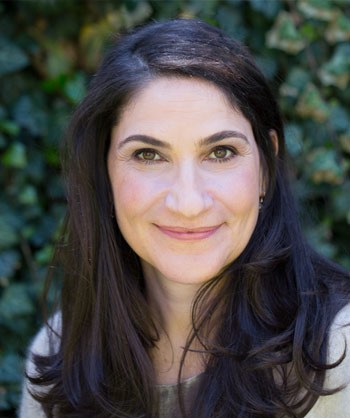
Dana Sajdi is an Associate Professor of History at Boston College, affiliated with the Morrissey College of Arts and Sciences. She holds a B.A. from the American University in Cairo and a Ph.D. from Columbia University. Her research focuses on premodern social and cultural history of the Arabic-speaking Eastern Mediterranean, with a current project, In Defense of Damascus , exploring the city’s history through local descriptions from the 12th to 20th centuries. She pioneered the Podcasting the Ottomans course, establishing a History Department Pod Studio, enabling undergraduates to produce scholarly podcasts. This initiative has been featured on the Ottoman History Podcast. Her work bridges academia and public engagement, emphasizing interdisciplinary approaches to history. Key publications include analyses of Syrian sacred landscapes (2022), responses to historical theory (2021), and studies on Ottoman Levant literacy and urban life (2020). Her scholarship integrates textual analysis, spatial history, and cultural critique, reflecting her commitment to innovative historical methodologies.
Rafael Wainer is a Continuing Sessional Lecturer in the Department of Anthropology at the University of British Columbia (UBC), affiliated with the Faculty of Arts. His academic background includes a PhD in Medical Anthropology (UBC, 2017), an M.A. from UBC (2008), and a Licenciado from the Universidad de Buenos Aires (2003). His research focuses on medical anthropology, socio-cultural anthropology, and health-related issues in Latin America, particularly Argentina. Education: Ph.D., Medical Anthropology, University of British Columbia, 2017 M.A., University of British Columbia, 2008 Licenciado, Universidad de Buenos Aires, 2003 Research Interests: Children’s cancer experience and biomedicine Palliative care and end-of-life practices Humor in clinical settings Death, dying, and grief in schools Healthcare policy and pandemic responses Ethnographic methods in medical institutions Teaching: Rafael teaches courses on Medical Anthropology, Socio-Cultural Anthropology, and Applied Anthropology, emphasizing critical perspectives on health, biomedicine, and cultural practices. Publications: His work explores themes like permeable bodies in pediatric oncology, grief in educational settings, and the role of humor in palliative care. Recent contributions include analyses of Argentina’s Hospice movement and critiques of pandemic-era health technologies. Recognition: He has received awards including the Sessional Lecturer Teaching Award (2022) and multiple research grants supporting fieldwork in Argentina and Canada. Advisory Role: Co-director of Darío-Iván Radosta’s PhD thesis on Argentina’s Hospice movement (2020–present). Outreach: Engages in public projects like “Duelo en Escuelas” , addressing grief in educational contexts, and critiques of health policies (e.g., Canada’s pandemic app).
Carol Armstrong is a Professor of the History of Art at Yale University, appointed in 2007. She holds a Ph.D. from Princeton University (1986) and previously taught at the University of California, Berkeley (tenured 1990), the Graduate Center of CUNY, and Princeton University (1999–2007), where she also directed the Program in the Study of Women and Gender. Her research focuses on 19th-century French painting, photography history, feminist theory, and gender representation in art. She has curated exhibitions at institutions like the J. Paul Getty Museum and organized interdisciplinary conferences such as “Woman/Artist” (2021). Armstrong’s academic contributions include seminal works like Cézanne’s Gravity (2018), which won the 2019 Robert Motherwell Book Award. She is a frequent contributor to October and Artforum , and her current project, Medium Matrix Materiality , explores feminist perspectives on modern art’s medium-specificity. She teaches courses spanning art criticism’s history, feminist art historiography, and visual culture. Her advising expertise spans 19th-century European art, French art (17th–20th centuries), women artists, and the intersection of art and science. She is based in Yale’s Loria Room (190 York St, New Haven, CT) and will be on leave during the 2025–2026 academic year.
Fran Tonkiss is Professor of Sociology at the London School of Economics and Political Science (LSE), Department of Sociology. She is a key member of the Urban Sociology research cluster and teaches in the MSc City Design and Social Science programme, where she convenes a graduate course on Urban Inequalities. Her academic work bridges urban and economic sociology, with a strong focus on the social life of urban form and spatial divisions. Her research interests include urban inequalities, urban design and development, social and spatial divisions, and the socio-economic organisation of urban space. She explores how economic processes shape urban environments and how spatial arrangements reinforce or challenge social inequalities. Her work also extends into gendered urban space, informal economies, austerity urbanism, and the sonic dimensions of cities, reflecting a broad and interdisciplinary approach to urban life. The trends in her recent publications reveal a sustained engagement with critical urban theory, spatial justice, and the politics of urban form. Her articles frequently address themes such as gentrification, infrastructure, urban protest, and the gendering of public space, often with a comparative or global perspective. She contributes significantly to methodological discussions in qualitative research, particularly in discourse, content, and focus group analysis. Fran Tonkiss is a member of the editorial boards of the British Journal of Sociology , City , and Economy and Society , highlighting her influence in the field. While no specific scientific awards are mentioned in the text, her extensive publication record and editorial roles indicate high scholarly recognition. She supervises doctoral students in urban and spatial sociology, contributing to the next generation of scholars in the field. Though no grants are explicitly listed, her research output suggests active involvement in funded projects. She is part of a vibrant research environment at LSE, particularly within the Urban Sociology cluster, which fosters interdisciplinary collaboration on pressing urban issues.
Jari Huikku serves as Associate Professor and Head of the Department of Accounting at Aalto University School of Business, where he has been a faculty member since 2003. His academic journey includes a Doctoral degree in Accounting from Helsinki School of Economics (2009) and a Master's in Finance from Turku School of Economics. Prior to academia, Huikku accumulated 15 years of industry experience in multinational corporations such as Wärtsilä and Sanitec, holding financial director and general management positions. His educational qualifications are: Doctor of Philosophy (Accounting), Helsinki School of Economics, 2009 Master of Science (Finance), Turku School of Economics and Business Administration, University of Turku Huikku's research centers on Strategic Investment Decision-Making, Management Control Systems, Goodwill, and Post-Completion Auditing. He examines how organizations implement risk analysis in investment decisions and the motivational factors influencing management control practices. His work also extends to accounting education, investigating student learning approaches and gender differences in performance. This dual focus bridges theoretical accounting research with practical educational applications. Analysis of his recent publications (2021-2025) reveals consistent exploration of strategic investment processes, budgetary control systems, and accounting education methodologies. His work increasingly incorporates organizational theory perspectives like strong structuration theory and embedded agency, while maintaining empirical grounding through case studies and qualitative analysis. The interdisciplinary nature of his research connects accounting with organizational behavior, healthcare management, and educational psychology. Huikku has earned multiple scholarly accolades: Best Paper Award, Management Accounting Research Group Conference (2024) Best Paper Award, Massey University (2022) Huugo Raninen Prize, Finnish Journal of Business Economics (2008) Best Qualitative Paper Award, Massey University (2012) Best Paper Award, Massey University (2012) Best Paper Award, Lincoln University (2015) In his academic role, Huikku supervises master's and doctoral students in strategic investment and management control topics. He directs a capstone management consultancy course where students address real corporate challenges. His international scholarly engagements include visiting positions at Copenhagen Business School, University of Auckland, and Stockholm School of Economics, reflecting his global research network. While specific grant details aren't provided, his extensive publication record in top journals indicates sustained research funding. Though not explicitly stated, Huikku's leadership as Department Head and collaborative research across institutions suggests active involvement in academic communities and research groups focused on accounting and management control systems.
Belinda Davis is a Professor of History at Rutgers University's School of Arts and Sciences, where she has been teaching since 1992. She serves as Director of the Rutgers Center for European Studies (2018-2021; 2024-2025) and is Co-Representative for the Jean Monnet ValEUs International European Studies Award (2024-2026). Her academic home is within the Department of History, where she teaches courses on modern European history, German history, gender studies, and social movements. Davis earned her Ph.D. from the University of Michigan and her B.A. from Wesleyan University. Her educational background has shaped her interdisciplinary approach to historical research, bridging political, social, and cultural history with gender studies and environmental history. Professor Davis's research focuses on Modern Germany and Europe , with particular expertise in popular politics and social movements , environmental history , women and gender studies , and the history of everyday life . Her work explores how ordinary people engage with political systems, how conceptions of democracy evolve through grassroots activism, and how environmental concerns have shaped political movements. She employs innovative methodologies including oral history , memory studies , and emotional history to understand the personal dimensions of political change. Her research spans from World War I Berlin to contemporary European environmental politics, with special attention to the transformative period of the 1960s-1980s in West Germany. Davis's extensive publication record reveals a consistent focus on how social movements transform both political structures and personal identities. Her work demonstrates how grassroots activism in West Germany from the 1960s-1980s created new forms of political engagement that operated outside traditional parliamentary channels. Recent publications increasingly address environmental history and the intersection of gender with political movements, reflecting evolving scholarly interests while maintaining her core focus on everyday political experiences. Her scholarly contributions have been recognized with prestigious awards including: Fernand Braudel Senior Fellowship, European University Institute (Florence), Spring 2015 German Studies Association Best History Book Prize (2020, 2024) Barclay Book Prize (2023) Residential Fellowship, Zentrum für Zeithistorische Forschung (Potsdam), Summer 2006 Research Fellowship, Volkswagen-Stiftung, Academic Year 2005-6 Research Fellowship, Shelby Cullom Davis Center, Princeton University, 2003-2004 Professor Davis has mentored numerous graduate students who have completed dissertations on diverse topics including Turkish "guestworkers" in West Germany, German-Polish and German-Czech borderlands identities, sexualities in twentieth-century Germany and Hungary, Holocaust survivors' memory, and "lived ideologies" in postwar Germanies. Her current research projects include co-editing "Voices of the Organized Poor" and writing an environmental history of Europe from 1500 to the present for Cambridge University Press. She has secured significant research funding through fellowships from institutions including the European University Institute, Zentrum für Zeithistorische Forschung, Volkswagen-Stiftung, and Princeton University's Shelby Cullom Davis Center. As Director of the Rutgers Center for European Studies and Chair of the Academic Advisory Board of the Rutgers Oral History Archive, Davis leads important institutional initiatives that support European studies and historical documentation. She is actively involved in public scholarship, having appeared on CNN, C-SPAN, France Télévision 3, and other media outlets to discuss historical perspectives on contemporary political issues. Her work with the EDGES (Engaged Digital German Environmental Studies) Consortium demonstrates her commitment to interdisciplinary collaboration on environmental issues.