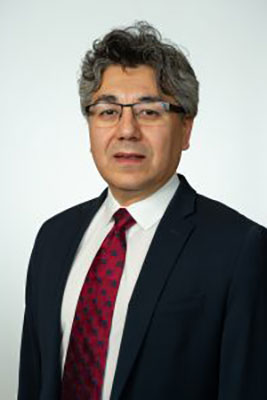
Narayanaswamy Balakrishnan is a Professor in the Department of Mathematics and Statistics at McMaster University, Canada. His research focuses on probabilistic and statistical models with applications in science, engineering, and medicine. Key areas include reliability analysis, statistical inference, high-dimensional data analysis, and actuarial science. He has authored/co-authored over 60 books and numerous research papers, contributing significantly to fields like order statistics, censored data analysis, and survival analysis. Notable works include Hybrid Censoring: Models, Methods and Applications (2023) and A First Course in Order Statistics (2008). His research has been recognized with prestigious honors, including election to the Royal Society of Canada in 2023. Dr. Balakrishnan mentors graduate students in statistics and has collaborated widely, with contributions to statistical methodologies in engineering, medical studies, and industrial problems. His work bridges theoretical developments with practical applications, emphasizing robust statistical techniques and innovative data analysis approaches.
Matt Vijayan is a Professor in the Department of Biological Sciences at the University of Calgary, holding the NSERC Canada Research Chair (CRC I) in Environmental Physiology and Toxicology, and serving as Associate Head (Research). His research focuses on cellular and molecular mechanisms of stress tolerance, particularly corticosteroid regulation and environmental toxicant impacts on fish physiology. Education: B.F.Sc. (Fisheries Science, Tamil Nadu Agricultural University, 1982), M.F.Sc. (Fish Production, University of Agricultural Sciences, India, 1984), Ph.D. (Animal Physiology, University of Guelph, 1990), and postdoctoral studies at the University of Ottawa (1993). Research interests include stress signaling pathways, endocrine disruption by contaminants, and developmental programming. Current projects explore maternal stress effects, exosome-mediated intercellular communication, and long-term impacts of pollutants like bisphenol A and venlafaxine on fish growth and behavior. His work employs genomic/proteomic approaches, CRISPR-Cas9 knockout models in zebrafish, and field studies with Alberta native fish species. He teaches courses on energy flow in biological systems and animal physiology. Key contributions include identifying non-genomic cortisol signaling mechanisms, characterizing stress axis gene knockouts, and developing behavioral biosensors for environmental contaminants.
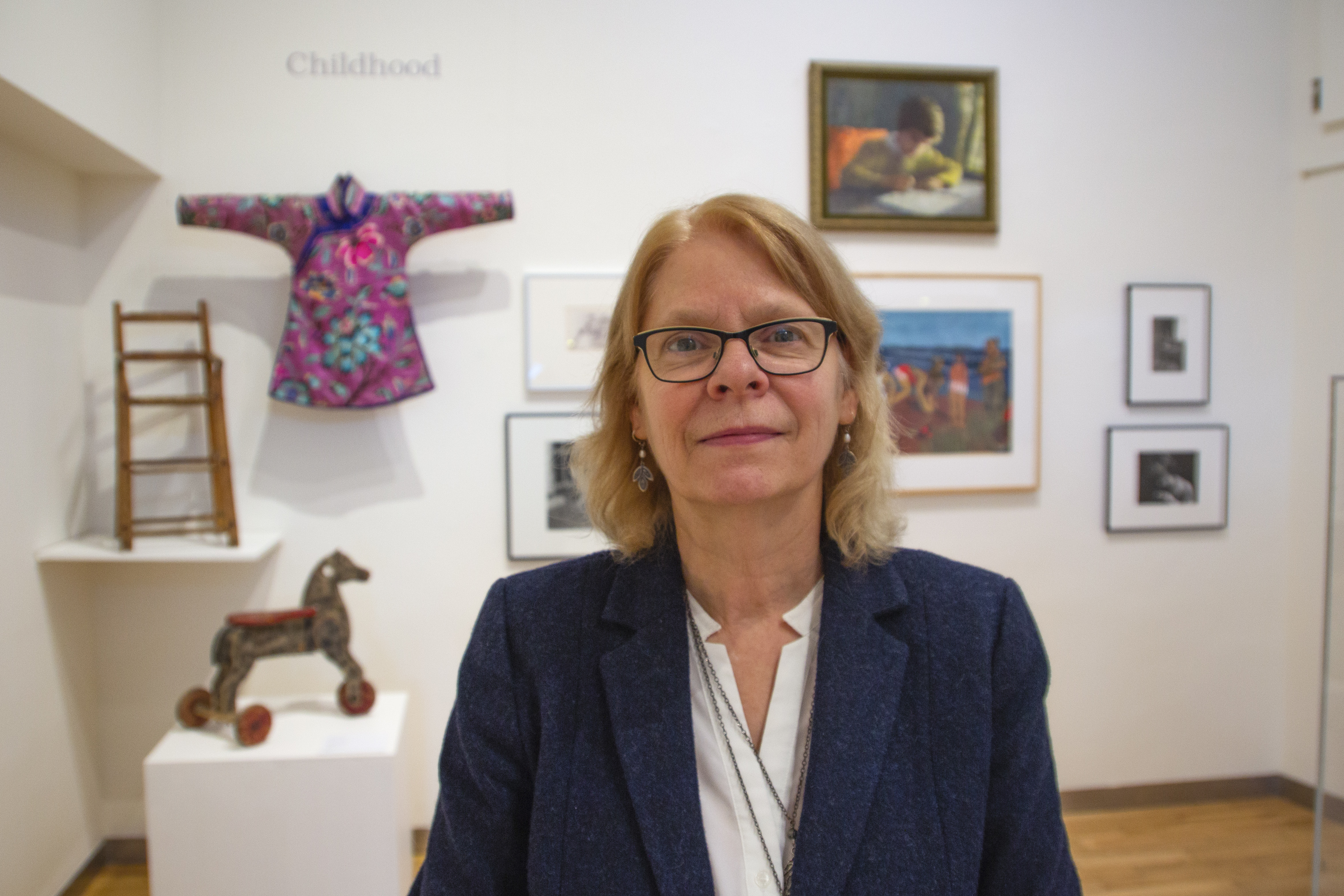
Erin Campbell serves as Chair and Professor in the Department of Art History & Visual Studies within the Faculty of Fine Arts at the University of Victoria. Holding a BA, MA, and PhD from the University of Toronto, she has established herself as a leading scholar in Early Modern European art with particular expertise in domestic interiors, aging studies, and gender representation. Her educational journey began with a fascination for European art during her undergraduate studies at Toronto, followed by archaeological fieldwork at Kommos, Crete during her MA program. Her PhD research under Philip Sohm rekindled her passion for European art, particularly focusing on Italian art theory and criticism through extensive research in Venice, Florence, and Rome. Professor Campbell's research centers on Early Modern European art and material culture, with specific focus on the domestic interior, representations of aging, and gender dynamics. Her interdisciplinary approach bridges art history with anthropology and sociology, examining how objects function within domestic spaces across the life course. She explores cross-cultural connections, particularly in the context of imported goods like porcelain in Venetian households, and investigates how material culture reflects social structures and individual identities. Her scholarly output demonstrates consistent engagement with themes of aging, domesticity, and material culture across two decades. Campbell's publications reveal a methodological evolution from traditional art historical analysis toward more interdisciplinary approaches incorporating material culture theory, sensory studies, and ecological frameworks for understanding domestic spaces. SSHRC Insight Grant (2016-2024) University of Victoria Internal Research Grant (2013-2014) Learning and Teaching Curriculum Development Grant (2013) Nelson Prize: Best manuscript submitted to Renaissance Quarterly in 2010 (2011) Faculty of Fine Arts Excellence in Teaching Award (2010) SSHRC Standard Research Grant (2009-2012) Professor Campbell has secured substantial research funding, most notably multiple SSHRC grants supporting her work on domestic interiors and aging in Early Modern Europe. Her recent SSHRC-supported project focuses on art and the stages of life in early modern domestic interiors in Bologna. She has also been recognized for her teaching excellence with the Faculty of Fine Arts Excellence in Teaching Award. Beyond traditional academic outputs, Campbell has curated significant exhibitions including Life Stories at the Legacy Art Gallery and co-edited special journal issues that extend her scholarly impact into public engagement and interdisciplinary dialogue. Her scholarly networks extend internationally through conference presentations at venues like the Renaissance Society of America and Sixteenth Century Studies conferences. She has collaborated with colleagues across disciplines, including sociologist Stephen Katz on aging studies, demonstrating her commitment to interdisciplinary research approaches.
Dr. Najib Ayas is an Associate Professor in the Division of Critical Care Medicine, Department of Medicine, Faculty of Medicine at the University of British Columbia. He graduated with distinction from the University of Alberta in 1992, completed Internal Medicine residency at the Mayo Clinic in 1996, and postgraduate training in Respiratory, Critical Care, and Sleep Medicine at Brigham and Women's Hospital/Harvard Medical School in 2000. He joined the Sleep Disorders Program at UBC in September 2002 and has maintained an active academic career since. Dr. Ayas received his undergraduate education at the University of Alberta (General Science, 1986-1988), followed by his MD (1988-1992). He completed a Rotating Internship at St Thomas Medical Center in Akron, Ohio (1992-1993), Internal Medicine Residency at Mayo Graduate School of Medicine in Rochester, MN (1993-1996), Pulmonary & Critical Care Fellowship at Harvard (1996-2000), and a Master of Public Health from Harvard School of Public Health (2000-2002). Dr. Ayas's primary research focus centers on the public health and safety consequences of sleep apnea and sleep deprivation. His work spans multiple domains including cardiovascular consequences of sleep disorders, epidemiology of obstructive sleep apnea, development of diagnostic tools, and cost-effectiveness of treatments. He has made significant contributions to understanding how sleep disorders affect occupational safety, cardiovascular health, and overall quality of life. His research often involves interdisciplinary collaborations across sleep medicine, critical care, public health, and epidemiology. Analysis of Dr. Ayas's recent publications reveals a strong focus on obstructive sleep apnea (OSA), particularly its cardiovascular consequences, diagnostic approaches, and treatment effectiveness. His work spans basic science investigating mechanisms like intermittent hypoxia effects on endothelial function, to clinical trials examining CPAP therapy, to large epidemiological studies on OSA prevalence and impact. A notable trend is his increasing focus on special populations including patients with spinal cord injuries, pregnant women, and those with comorbid conditions like COPD. His research maintains a strong translational emphasis, bridging laboratory findings to clinical applications. BC Lung Association Career Development Award (2002) New Investigator Salary Award, CIHR/BC Lung Association Award (2002-2007) Scholar Award, Michael Smith Foundation (2004-2009) Established Clinician Scholar Award, VCHRI (2009-2012) Award for Clinical Teaching Excellence, Division of Critical Care Medicine UBC (2013) Martin Hoffman Award Excellence in Research As an educator, Dr. Ayas has supervised numerous graduate students including Masters candidates, Doctoral students, and Post-doctoral fellows. His students have pursued research in areas including sleep apnea pathophysiology, cardiovascular consequences of sleep disorders, and clinical applications of sleep medicine. Dr. Ayas has served on multiple grant review panels for organizations including CIHR, Canadian Lung Association, and Michael Smith Foundation, contributing to the evaluation and funding of critical research in respiratory and sleep medicine. He has directed the Respiratory Physiology course (MED560/Path518) at UBC since 2006 and has been instrumental in developing clinical guidelines including the Canadian Thoracic Society and Canadian Sleep Society position paper on obstructive sleep apnea and driving.
Nicole Shukin is an Associate Professor in the Department of English at the University of Victoria (UVic), affiliated with the Cultural, Social, and Political Thought (CSPT) graduate program. She holds an MA from the University of Calgary and a PhD from the University of Alberta. Her research focuses on biopolitical theory, animal studies, and globalization, interrogating intersections between cultural representation and material processes of capital accumulation. Her landmark book Animal Capital: Rendering Life in Biopolitical Times (2009) theorizes 'rendering' as a conceptual framework linking animal commodification to biopolitical power structures. Shukin's recent work explores settler colonialism's zoopolitical dimensions, Indigenous futurisms, and climate change narratives. She teaches courses such as 'Indigenous and Diasporic Literatures in Canada' and 'The Politics of Nature in the Era of Pandemic Capital,' blending literary analysis with critical theory. Her interdisciplinary approach integrates poststructuralist, Marxist, and posthumanist methodologies to challenge anthropocentric frameworks in cultural studies. Her publications span edited volumes like The Edinburgh Companion to Animal Studies and journals including Postmodern Culture and Canadian Literature . Current research continues interrogating how colonial and capitalist systems shape human-animal relations through ecological crises and biopolitical governance.
Charles Furlotte is an Assistant Professor in the School of Social Work at St. Thomas University, where he has taught since 2019. Originally from Bathurst, New Brunswick, he is a registered social worker (RSW) in both Ontario (since 2009) and New Brunswick (since 2018), with over a decade of clinical experience in healthcare settings. He is currently completing his PhD in Social Work at McMaster University while maintaining his academic position. Dr. Furlotte earned his Bachelor of Arts (Honours Psychology and English Literature) from Mount Allison University in 2006 and his Master of Social Work from Carleton University in 2009. Prior to joining St. Thomas University, he taught at Carleton's School of Social Work and McMaster University's Department of Health, Aging and Society, and served as a Social Worker with a focus on mental health and psychotherapy. He also held an Assistant Clinical Professor (Adjunct) position at McMaster's Department of Family Medicine. His research focuses on critical approaches to the social study of aging, particularly examining the experiences of lesbian, gay, bisexual, and transgender (LGBT) people aging with HIV and other complex chronic health conditions. His work explores aging-related services for older LGBT individuals, mindfulness applications in social justice approaches to social work practice, and resilience strategies among long-term HIV survivors. His research employs qualitative methodologies, often using community-based participatory approaches. An analysis of his recent publications reveals consistent themes across gerontology, HIV research, and social work practice, with particular emphasis on successful aging frameworks from the perspective of HIV-positive older adults. His research demonstrates strong methodological rigor using qualitative approaches, particularly modified grounded theory and narrative analysis, to explore the lived experiences of vulnerable aging populations. Professor Furlotte has taught across multiple levels of social work education, including Post-degree BSW courses (Theory for Social Work Practice II, Generalist Social Work Practice Skills, Field Instruction), 4-Year BSW courses (Social Work Practice and Human Development, Field Instruction I), and MSW courses (Social Work in Health Care, Research and Evaluation, Advanced Placement). His teaching integrates his clinical expertise with his research interests in aging, HIV, and mindfulness-based interventions. His professional activities extend to community engagement, having presented at numerous forums including The AIDS Network, Hamilton; The AIDS Committee of Toronto; and various academic conferences on HIV and aging. He has contributed to environmental scans of HIV and aging services in Canada and participated in national initiatives addressing the needs of older adults living with HIV.
Leslie Paris is an Associate Professor in the Department of History within the Faculty of Arts at the University of British Columbia. Her research focuses on modern American social and cultural history with particular expertise in childhood, youth, gender, sexuality, and popular culture. Currently working on a history of American childhood during the 1960s and 1970s, she examines how social and political movements shaped children's culture while also publishing on middle-aged American women and generational cohorts. Her research interests span multiple interconnected fields including modern American social history, cultural history, childhood history, youth history, generational studies, gender history, sexuality history, and popular culture history. Dr. Paris has made significant contributions to understanding American summer camps, twentieth-century American girlhood, and the cultural significance of toys and play. Her work often bridges historical analysis with contemporary cultural concerns, particularly regarding how age and generational identity function in American society. Dr. Paris's publications reveal consistent engagement with how cultural institutions shape and reflect American identity formation, particularly through childhood experiences. Her scholarship demonstrates particular strength in analyzing how gender, age, and generational identity intersect in American cultural production and consumption. The recurring theme across her work is the examination of seemingly mundane cultural practices—summer camps, dolls, children's media—as sites where broader social transformations occur. National Endowment for the Humanities Fellowship, 2017 SSHRC Connections grant, 2014-15 Yasuo Sakakibara Prize (awarded twice by American Studies Association) Multiple UBC research grants including Humanities and Social Sciences Research Grant Multiple Social Sciences and Humanities Research Council of Canada grants Undergraduate research mentorship awards Dr. Paris has received substantial research funding including multiple Social Sciences and Humanities Research Council of Canada grants, UBC research awards, and prestigious external fellowships. Her mentorship of undergraduate researchers has been formally recognized through multiple AURA Undergraduate Research Awards and Undergraduate Research Opportunities Mentorship Awards at UBC. While specific grant amounts aren't detailed, her sustained funding record demonstrates significant scholarly impact and recognition within her fields of expertise.
Mary Kate Dennis is Assistant Professor in the Faculty of Social Work at the University of Manitoba, specializing in Indigenous methodologies. She holds a PhD in Social Work and Sociology (University of Michigan, 2013), MSW (Washington University), and MA (University of Chicago). Her research examines Indigenous elders' experiences through frameworks of environmental justice, food sovereignty, gerontology, and trauma-informed care. Work emphasizes land-based healing, cultural continuity, and decolonizing approaches to loss and communal grief. Publications demonstrate consistent focus on Indigenous sovereignty across environmental, food, and health systems. Recent works explore pandemic-climate intersections, cultural resilience through art, and ecological grief. Methodological contributions advance Indigenous qualitative research. She teaches in the Master of Social Work based in Indigenous Knowledges program, co-instructing courses like 'Critical Theory and Indigenous Peoples' with knowledge holders.
Dr. Berker Bilgin is an Assistant Professor in the Department of Electrical & Computer Engineering at McMaster University. His research focuses on next-generation electric motor drive technologies, including acoustic noise reduction, power electronics, and sustainable electrification. He leads projects sponsored by Fiat Chrysler Automobiles (FCA) and Automotive Partnership Canada (APC), and co-founded a university spin-off company. He teaches courses such as Electric Motor Drives and Switched Reluctance Machine Design. Research Focus: Electric motor drives (46% of global electricity demand), hybrid-electric powertrains, and transportation electrification. His work emphasizes high-efficiency, low-cost solutions and acoustic noise modeling for high-power-density applications like traction motors. He has 10 patents and authored a textbook on Switched Reluctance Motor Drives. Publications Trends: Recent work spans advanced motor designs, acoustic noise mitigation, and thermal/structural modeling of electric machines. Key themes include switched reluctance motor optimization, PWM control strategies, and multi-physics design approaches. Awards: Patented inventions in switched reluctance technology, textbook authorship Grants: FCA/APC-funded hybrid-electric powertrain development Labs/Teams: McMaster University spin-off company for technology commercialization
Prof. Diana Mager is an Adjunct Professor in the Department of Pediatrics (Faculty of Medicine & Dentistry) and holds a primary appointment as Professor in the Department of Agricultural, Food & Nutritional Science (Faculty of Agricultural, Life & Environmental Sciences) at the University of Alberta. Her research focuses on pediatric nutrition, particularly addressing sarcopenia in children with chronic liver disease, outcomes following organ transplantation, and optimizing gluten-free dietary guidelines for celiac disease patients. She teaches advanced clinical nutrition courses (AFNS/NUTR 568, 578, 468, 476) emphasizing practical nutritional care for diverse populations. Her work integrates clinical, biochemical, and dietary interventions to improve health outcomes in pediatric and adult populations with chronic conditions. Key areas include muscle wasting syndromes, metabolic disorders, and the impact of dietary patterns on disease progression. She has contributed to evidence-based guidelines for pediatric liver transplant patients and pioneered studies on exercise rehabilitation in transplant populations. Publications highlight translational research on sarcopenia diagnostics, nutritional management of celiac disease, and the role of medium-chain triglycerides in neurological recovery post-infection. Her interdisciplinary approach addresses gaps in nutrition screening tools for malnutrition-sarcopenia syndromes and evaluates practical bioimpedance techniques for clinical use.
Shannon Stunden Bower is a Professor in the Department of History, Classics, and Religion at the University of Alberta. Her research focuses on environmental history, particularly in northern North America with an emphasis on Canada’s Prairies and northern Great Plains. She examines water management, agricultural industrialization, and government institutions, with recent work on post-1945 irrigation projects in Saskatchewan and Alberta. Bower is actively involved in academic leadership, serving on the executive and editorial collective of the Network in Canadian History and Environment (NiCHE) and as an associate editor for Prairie History . She co-curated the Climate and Change website, integrating digital tools to explore 1930s drought history. Teaching responsibilities include courses such as HIST 260 (Pre-Confederation Canada) and graduate methodology seminars. Her courses emphasize historiography and research methodologies for honors students. Her research spans topics like irrigation infrastructure in Ghana, GIS technologies in mid-20th century Canada, and urban environmental activism in Edmonton. Bower’s work bridges historical analysis with contemporary environmental challenges, emphasizing interdisciplinary approaches. Recent publications address gendered knowledge in agricultural rehabilitation and the socio-ecological impacts of water management policies. She collaborates widely, contributing to scholarly debates on rural economies, environmental justice, and development policies. Bower advises students on Canadian and environmental history topics, particularly those related to the Prairie West. Her grants and fellowships support projects analyzing the intersections of environment, technology, and governance. She maintains active participation in academic networks, ensuring her research informs both scholarly discourse and public understanding of environmental history.
Dr. Kimberly Thomson is an Assistant Professor in the Children's Health Policy Centre within Simon Fraser University's Faculty of Health Sciences. She investigates how early social environments influence lifelong mental health trajectories and intergenerational wellbeing. Research Interests: Her program focuses on: social determinants of children's mental health; intergenerational transmission of mental health; policy impacts on child development; and optimizing early environments for social-emotional wellbeing. She employs life course epidemiology and community-engaged approaches. Research Publications: Recent work examines parental mental health influences on child development, pandemic impacts on youth wellbeing, and policy evaluations for child mental health systems. Articles frequently employ longitudinal designs and implementation science frameworks. Scientific Awards: No awards listed Advising and Grants: Collaborates with BC health authorities, school boards, and Ministries to implement child mental health monitoring systems. No specific student advising information provided. Labs and Teams: Leads research initiatives within the Children's Health Policy Centre, partnering with the BC Centre for Disease Control and Canadian Mental Health Association.
Dr. Hannah Harrison is an Assistant Professor in the Marine Affairs Program at Dalhousie University (Faculty of Science), located in Mi’kma’ki (Nova Scotia). Her work focuses on human-environmental relationships within marine social-ecological systems, emphasizing qualitative research in fisheries and coastal communities. She holds a PhD from the Norwegian University of Life Sciences and previously served as a postdoctoral scholar at the University of Guelph. Research interests include salmon conservation hatcheries, Great Lakes fisheries governance, natural resource conflicts, and innovative science communication through films/podcasts. She teaches in the Master of Marine Management program, covering courses like MARA 5010/5011 and Coastal Zone Management. Her FishPeoplePlace Lab emphasizes interdisciplinary approaches to understanding human interactions with marine environments, particularly in Nova Scotia and Alaska. Recent work explores alternative seafood networks, hatchery policy debates, and food systems resilience. Publications analyze salmon enhancement programs' risks/benefits and highlight community-based conservation strategies. Harrison actively engages in knowledge mobilization through podcasts and public-facing media, bridging academic research with societal needs.
Dr. Natacha Hogan is an Associate Professor (with Tenure) in the Department of Animal and Poultry Science at the University of Saskatchewan, within the College of Agriculture and Bioresources. She holds roles as Chair and Academic Advisor for Undergraduate Programs in Animal Science and Animal Bioscience, as well as Co-Chair and Academic Advisor for the BSc Toxicology Program in the College of Arts and Science. Dr. Hogan earned a Ph.D. in Biology (Specialization in Chemical and Environmental Toxicology) from the University of Ottawa in 2007 and a B.Sc. (Biology, Honours) from the University of Prince Edward Island in 2000. Her research focuses on understanding the impact of anthropogenic and natural contaminants on animal health, with a particular emphasis on aquatic systems and production animals like poultry and swine. Key areas include contaminant toxicity thresholds, mycotoxin mitigation, and the development of new approach methods (NAMs) for chemical risk assessment. Her work integrates physiology, molecular biology, and toxicology to address environmental and health impacts of contaminants. Recent studies explore the effects of antimicrobial exposure on fish gut microbiomes, pesticide synergism in complex mixtures, and the neurodegenerative potential of pesticides. Dr. Hogan has received prestigious awards, including the Provost’s College Award for Outstanding Teaching (2024 and 2018) and the North American Colleges and Teachers of Agriculture Teaching Award of Merit (2023 and 2017). She leads the Hogan Lab, a multidisciplinary group advancing toxicogenomics tools like EcoToxChip for environmental management and chemical risk assessment. Her research has been supported by organizations such as NSERC, Mitacs, Environment and Climate Change Canada, and the Canadian Foundation for Innovation. She teaches courses including Introductory Animal Bioscience, Comparative Animal Endocrinology, and Toxicology Research, emphasizing hands-on learning and interdisciplinary collaboration. The Hogan Lab actively engages in both fundamental and applied research, aiming to bridge scientific discovery with practical solutions for improving environmental quality and animal health.
Samia Chreim is a Full Professor holding the Ian Telfer Professorship of Organization Studies at the Telfer School of Management, University of Ottawa. She earned her B.Com. and M.Sc. from Lebanese American University and a Ph.D. from HEC Montréal. With affiliations at Telfer since 2006, she teaches courses on change management, organization theory, and qualitative research methods across business and health management domains. Her research bridges business management and health care management, employing qualitative approaches to study change dynamics, identity construction, leadership, and collaborations. Key areas include: Boundary practices in organizational settings Change theory implementation Collective leadership models Health system management innovations Professional and entrepreneurial identity formation Her publications demonstrate persistent focus on organizational adaptation during crises (especially COVID-19), health system reforms, and indigenous wellbeing. Recent work emphasizes virtual collaboration, mental health support systems, and public sector innovation, predominantly using qualitative and mixed methodologies. Awards include: Academy of Management recognition for organizational change research Administrative Sciences Association of Canada award Top 10 article honors in Human Relations and BMJ Quality & Safety Significant funded research projects: PI for SSHRC/Telfer-funded studies on Medical Assistance in Dying (MAiD) sustainability ($40,000) PI for SSHRC grants on virtual peer support during COVID-19 ($24,675) and inter-organizational communities ($98,566) Co-PI for CIHR projects on indigenous suicide prevention ($237,480) and healthcare reform analysis ($362,891)