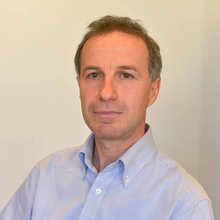
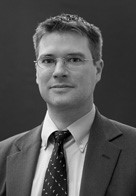
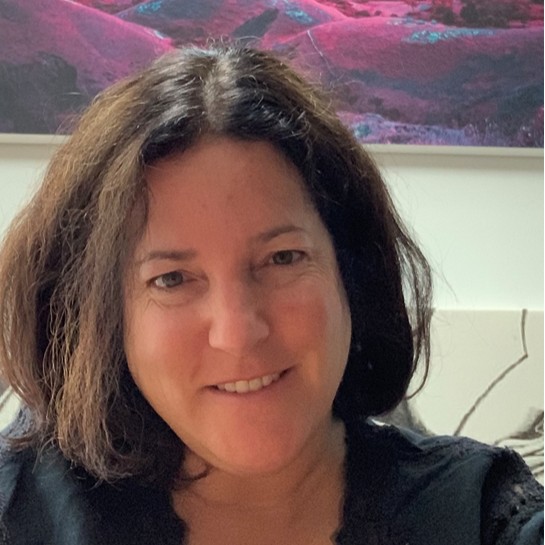
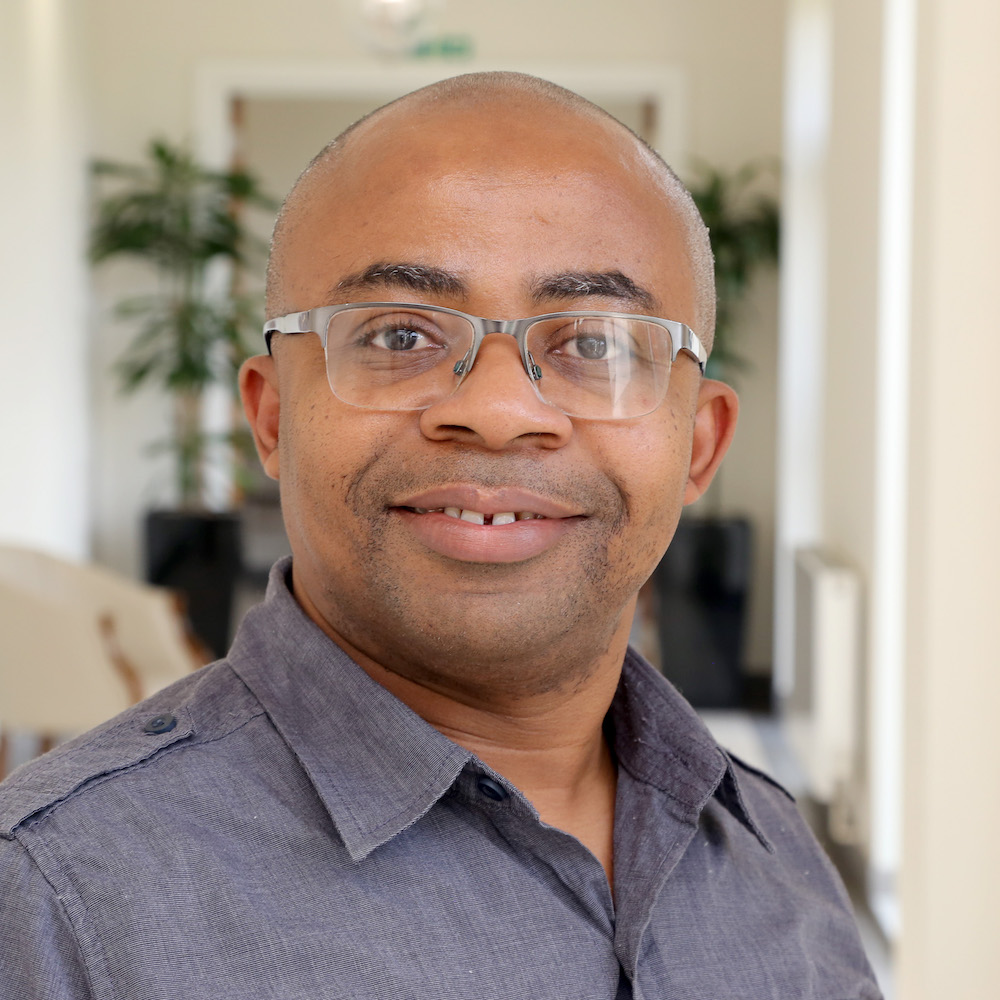
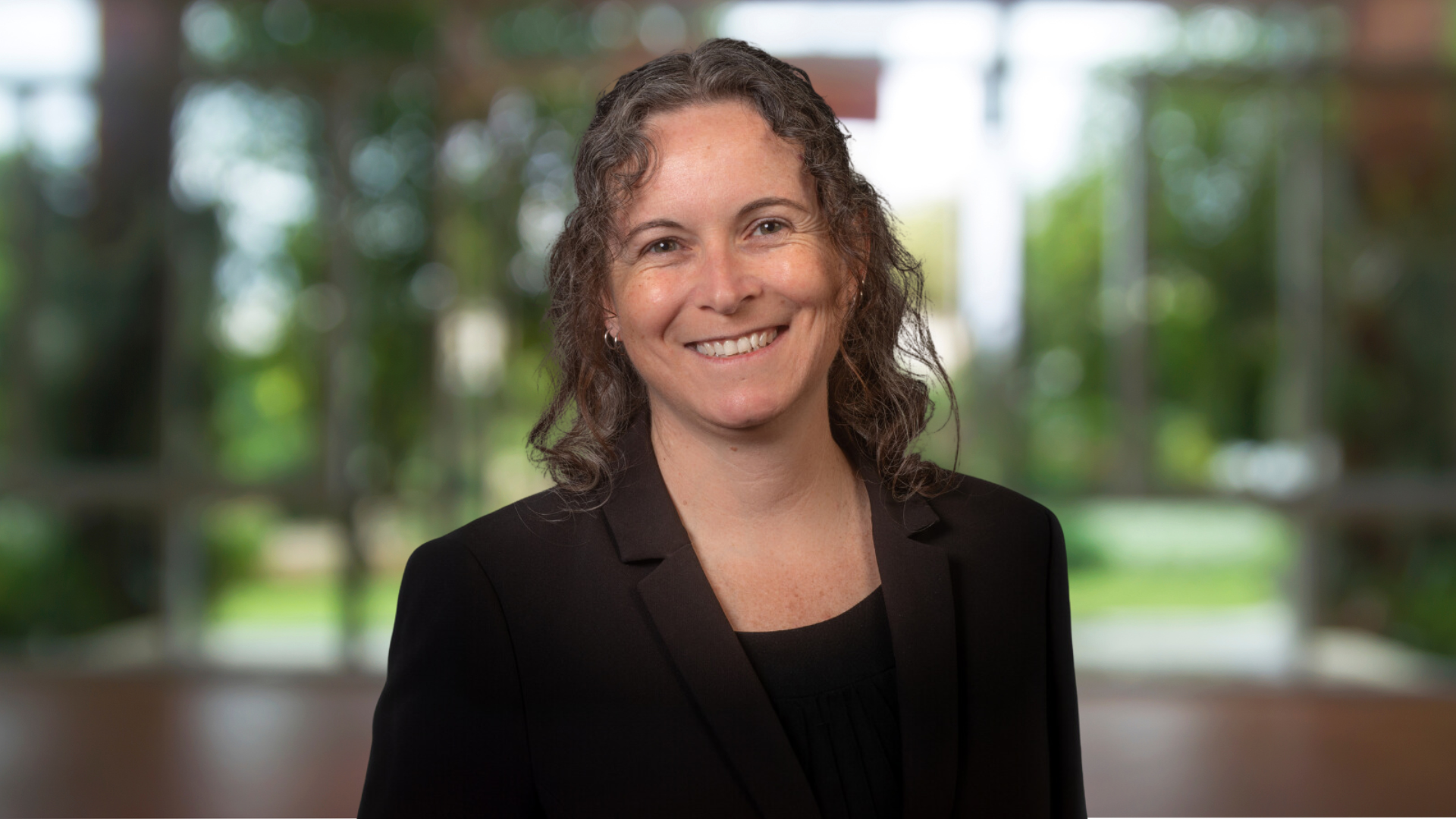
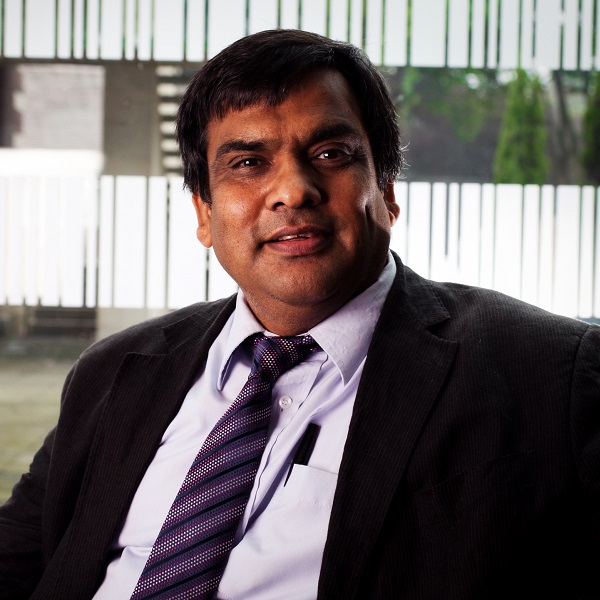
Jérôme Picard is a Researcher at the French National Center for Scientific Research (CNRS) affiliated with UMR 8586 - PRODIG at Campus Condorcet. His work focuses on Geomatics, Remote Sensing, Cartography , and Environmental Changes . His research involves GIS project management Linguistic and ethnic cartography Land use and territorial dynamics in Central Africa and the Himalayas Recent publications include cartographic contributions to linguistic studies in Africa, Asia, and the Himalayas (2016-2021), with methods integrating GIS and remote sensing for analyzing environmental and societal issues . Scientific awards include Award at Pastoralism and Wide Open Spaces festival for 'The Waters of Discord' He has collaborated with institutions like the University of Bangui, ENSG-Marne la Vallée, and the French Society of Photogrammetry and Remote Sensing (SFPT), and contributed to GIS training programs for doctoral students and researchers.
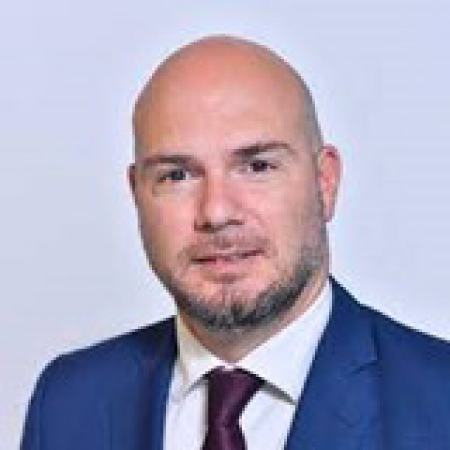
Inga Kristina Trauthig is a dual-affiliation academic serving as a Research Professor at Florida International University’s Jack D. Gordon Institute for Public Policy and a Visiting Fellow at King’s College London’s Institute of Middle Eastern Studies (IMES). She holds a PhD in War Studies from King’s College London, focusing on Libya, and an MLitt in Middle East Security from the University of St Andrews. Her research spans terrorism, disinformation, emerging technologies, and Middle Eastern political dynamics, with particular expertise in Salafism and security sector analysis. She has authored over 80 peer-reviewed publications and policy-focused articles, including work in Conflict, Security & Development and Political Research Quarterly . Her consulting work addresses causes of war and insecurity for UN bodies, governments, NGOs, and private firms. She has provided oral evidence to the UK Parliament and appeared on platforms like BBC’s Digital Human and Lawfare Blog . Trauthig convenes King’s MENA Research Group within IMES and has held student representation roles across faculty levels. Her research highlights include analyzing generative AI’s political risks, disinformation strategies in MENA, and the role of messaging apps in authoritarian governance.
Alberto Dell'Acqua serves as Director of the Milan Hub at Luiss Business School and Associate Professor of Corporate Finance at Mercatorum University in Rome since 2024, with over 20 years of academic experience spanning SDA Bocconi School of Management, Bocconi University, and international institutions in Lebanon, Bulgaria, Libya, and Australia. He holds a degree in Business Economics with full marks from Bocconi University and a PhD in Corporate Finance from the University of Trieste. His research focuses on corporate finance , private equity and venture capital , and corporate governance , examining board structures, investment strategies, and cross-border value creation through rigorous empirical analysis. Recent publications reveal consistent contributions to financial literature, particularly in venture capital diversification, emerging market M&As, and governance mechanisms, published in high-impact journals including Eurasian Business Review and Journal of International Financial Management and Accounting. His research earned the Highly Commended on Emerald Literati Awards 2018 for groundbreaking work on board independence and M&A performance. Professionally, Dell'Acqua founded and leads a corporate financial advisory firm while serving as Vice President of an investment firm specializing in high-growth SMEs. He sits on boards of public/private companies and mentors international startups, with research funded by Confindustria, the Chamber of Commerce, and major trade associations. As Director of the Milan Hub, he drives strategic initiatives for Luiss Business School's Milan operations, integrating academic excellence with professional development in Italy's financial capital.
Dr David B Roberts is a Reader in International Security and Middle East Studies at King’s College London, leading the Arabic and English Master of Research (MRes) programme in the School of Security Studies. He holds adjunct faculty roles at Sciences Po’s Paris School of International Affairs (PSIA), and is a Non-Resident Fellow at the Arab Gulf States Institute and the Middle East Policy Council. His primary research focuses on Middle East security, foreign policy analysis, and military capability development in Gulf monarchies. He authored Security Politics in the Gulf Monarchies: Continuity Amid Change (Columbia UP, 2023) and uses Foucault’s dispositif concept to analyze military innovation. Dr Roberts has supervised PhD students including Sara Al Mahri and Ali Al-Maadeed. His work explores ontological security, US-Gulf relations, and the impact of Iranian activity on UK interests. He founded the Cambridge Elements in Middle East Politics book series and previously directed RUSI Qatar. His research group on Environmental Security bridges security studies and environmental issues. Recent publications analyze US retrenchment in the Gulf, UAE military development, and Qatar’s evolving foreign policies. He actively engages with policy debates through events like the 2024 discussion on Gulf monarchies’ security roles. Grants and collaborations include work with RAND Corporation and King’s College think-tanks.
Vera D'Urso is an Associate Professor of Zoology at the Department of Biological, Geological and Environmental Sciences, University of Catania, where she has been employed since 1994. Her academic career began with a CNR scholarship from 1977-1980, followed by work as a Confirmed Researcher at the Faculty of Natural and Mathematical Sciences, University of Catania from 1980-1994. She has received DAAD scholarships for research at the University of Marburg in Germany in 1984 and 1987. Dr. D'Urso earned her Degree in Biological Sciences from the University of Catania with a grade of 110 cum laude. She furthered her expertise with postgraduate courses in "Quantitative Methods in Ecology" at the International Center of Theoric Physics in Miramare, Trieste in 1980. Dr. D'Urso is a leading expert in several entomological fields, with primary research interests in: Insecta Homoptera Auchenorrhyncha (leafhoppers and related insects) Insecta Diptera Phlebotominae (sand flies) Systematics and biodiversity of Mediterranean insects Insect vectors of phytoplasmas affecting economically important plants Alien species and their ecological impact Tardigrades and their taxonomy Her extensive publication record spanning over 95 scientific papers demonstrates her expertise in insect systematics, morphology, and ecology. Recent research has focused on Mediterranean biodiversity, particularly examining alien species like Balclutha brevis and their impact on local ecosystems. She has also made significant contributions to understanding phytoplasma transmission in grapevines, sandfly vectors of leishmaniasis in Sicily, and tardigrade taxonomy in extreme environments including Antarctica. Dr. D'Urso has served on numerous scientific committees including the editorial board of Biodiversity Journal, and has been a referee for multiple prestigious journals. She has participated in research projects including "Morphology, Systematics, Biology and Biogeography of Rhynchota Insects" (1994-99) and studies on sandflies in areas with high canine leishmaniasis endemicity (2004-06). Her academic service includes membership on doctoral committees at the University of Catania, participation in national evaluation committees for associate professor positions in Zoology, and serving on the Department Board of the Department of Biological, Geological and Environmental Sciences (2018-2020). She has also conducted numerous entomological collection missions in Italy and abroad including Greece, Bulgaria, Macedonia, former Yugoslavia, Germany, Tunisia, Libya, and Malta.
Stefaan Smis is a Professor at the Faculty of Law and Criminology of the Vrije Universiteit Brussel . He is also a part-time Reader at the University of Westminster , where he teaches International Criminal Law and related courses. His research focuses on International Law , Human Rights , and International Humanitarian Law , with a particular emphasis on the prosecution of grave human rights violations and regional integration in Africa. He has been actively involved in academic cooperation, including founding the Centre régional des droits de l’homme et de droit international humanitaire in the Democratic Republic of Congo. His editorial roles include serving as Editor-in-Chief of the Human Rights & International Legal Discourse journal and a member of the editorial board of the Revue de droit africain . Scientific Awards: Fellow of the International Law Association's Committee on Indigenous Peoples (2008) Fellow of International Legal Materials (1998) Founding member of VORMEN (Vlaamse Organisatie voor Mensenrechteneducatie) (2000) Research Trends: His recent publications address transnational ecological conflicts, climate litigation, and regional African courts tackling global challenges. He often bridges human rights law with environmental and climate justice frameworks. Teaching and Supervision: He has supervised PhD candidates such as Holvoet, M. and taught at institutions including the University of Georgia , University of Ghent , and Université Catholique de Bukavu in the Democratic Republic of Congo.
Dr Yanan Song serves as Senior Lecturer (Associate Professor) in Global Politics at SOAS University of London, where she also holds the position of Co-Director of Distance Learning Programmes within the Department of Politics and International Studies. Prior to her current appointment, she was a Lecturer in International Relations at the University of Exeter. PhD in Politics, Durham University MSc in International Public Policy, University College London Dr Song's research centers on US foreign policy with particular emphasis on America's commitment to NATO in the post-Cold War era. Her work examines military operations in Kosovo, Afghanistan, Libya, and Ukraine through the lens of foreign policy analysis, with special attention to intra-administration bureaucratic politics. She is currently investigating US-China relations, focusing on how misperceptions and misinterpretations of each other's policies shape bilateral strategy, with specific interest in the reconfiguration of the relationship within the context of the One Belt One Road initiative. Analysis of Dr Song's publication record reveals a consistent scholarly trajectory examining US foreign policy commitments, NATO dynamics, and evolving US-China relations. Her recent work addresses contemporary challenges including the Ukraine crisis impact on transatlantic relations, trilateral dynamics in a multipolar world, and the reconfiguration of US-China relations in the post-pandemic era. Her scholarship consistently employs foreign policy analysis methodology to investigate how strategic misperceptions influence international relations and policy formulation. Dr Song actively supervises PhD students at SOAS and contributes to academic leadership through her role as Co-Director of Distance Learning Programmes. Her research appears to be supported by academic grants focused on international relations, US foreign policy, and China studies, though specific grant details are not publicly enumerated in her profile.
Mia Fuller is the Gladyce Arata Terrill Distinguished Professor of Italian Studies at the University of California, Berkeley. A cultural anthropologist and urban-architectural historian, she explores connections between physical space and political power, particularly in the context of Italian colonialism and fascism. Her work has earned the International Planning History Society book prize. Current projects include a revised Italian edition of Moderns Abroad and a new book Monuments and Mussolini . On sabbatical leave during Fall 2024. Research focuses on: Colonial architecture and urban planning in Italian colonies (Libya, Ethiopia, Eritrea) Memory studies and fascist-era monuments Discourse on modernism under authoritarian regimes Cultural identity formation through built environments Postcolonial mobility and architectural legacies Her recent publications (2015-2025) analyze Italian colonial cities, fascist architecture, and postcolonial urban studies, demonstrating consistent engagement with architectural history, urban planning, and political power dynamics. Key themes include colonial memory, modernist design's politicization, and spatial manifestations of authoritarianism. Scientific awards: International Planning History Society book prize for Moderns Abroad: Architecture, Cities, and Italian Imperialism Contact: miafull@berkeley.edu
Galadriel Ravelli is a Lecturer at the School of Politics, Languages and International Studies, University of Bath. Her research focuses on colonial histories, neo-fascist movements, and migration governance, particularly in post-colonial contexts. She examines the memory of colonial deportations from Libya to Italy and their legacy in Europe, as well as transnational neo-fascist networks. Her work contributes to understanding the intersections of identity, power, and historical memory in modern political dynamics. Recent research includes analyzing colonial displacement narratives, post-colonial Italy’s migration policies, and the revival of neo-fascist ideologies through transnational media. Her publications explore themes such as Italianness identity, refugee crisis framing, and the role of transnational magazines in sustaining extremist networks. Ravelli has participated in media initiatives to raise awareness about colonial heritage, including an online exhibition on Libyan deportations to Italy and educational projects in UK schools addressing colonial legacies. Her contributions align with global efforts to address historical injustices and promote inclusive narratives.
Fabio Perocco is an Associate Professor at the Department of Philosophy and Cultural Heritage at Ca' Foscari University of Venice. His work focuses on migration, social inequality, racism, and labor precarity. He has conducted extensive research on racialized welfare discourses, migrant labor conditions, and Islamophobia in Europe. Key research interests include the intersection of migration and social policy, structural violence against migrants, and the precarization of labor in the digital economy. His studies often highlight systemic discrimination within welfare systems and analyze the socioeconomic impact of migration policies. Recent publications examine topics such as the racialized discourse on social welfare, gig economy labor dynamics, and the structural roots of torture against migrants. He is affiliated with the Research Institute for Social Innovation, contributing to projects addressing territorial inequalities and global migration challenges.
Simon J. A. Mason is a Senior Researcher and Head of the Mediation Support Team at the Center for Security Studies (CSS) at ETH Zurich. He has been working with the Mediation Support Project (MSP), a joint initiative between CSS and swisspeace supported by the Swiss Federal Department of Foreign Affairs (FDFA), since 2005. Additionally, he has been involved in the Culture and Religion in Mediation project (CARIM), also supported by the Swiss FDFA, since 2011. Mason is a member of the UN and OSCE mediation rosters and serves as a senior advisor in the Master of Advanced Studies ETH Mediation in Peace Processes program. Mason holds a doctorate in environmental science from ETH Zurich and is a trained mediator accredited by the Swiss Mediation Association SDM. His educational background combines scientific training with practical mediation expertise, allowing him to bridge technical and diplomatic aspects of conflict resolution. Mason's research focuses on the application of mediation in complex peace processes, with particular attention to contexts where religious and cultural factors significantly influence conflicts. His work explores how mediation can effectively address security arrangements and navigate the complex relationship between environmental factors, natural resources, and conflict dynamics. Through extensive field experience in regions including Afghanistan, Egypt, Ethiopia, Indonesia, Israel, Kenya, Libya, North Korea, Palestine, Sudan, and Zimbabwe, Mason has developed practical insights that inform his academic contributions to the field of peace mediation. Mason has been actively involved in designing and delivering specialized training programs, including co-organizing the Peace Mediation Course for the FDFA and serving as a trainer in the annual UN Ceasefire Mediation Course and the Religion and Mediation Course. His practical experience spans conflict contexts worldwide, where he has facilitated workshops on conflict analysis, dialogue, negotiation, and mediation for diverse stakeholders including UN, OSCE, IGAD, and EU institutions. As head of the Mediation Support Team at CSS, Mason leads a group dedicated to advancing the theory and practice of peace mediation. The team produces research, develops practical tools for mediators, and provides direct support to mediation processes worldwide. Under Mason's leadership, the team has established itself as a leading center for mediation expertise, particularly in the areas of ceasefire negotiation, religious dimensions of conflict, and the intersection of environmental factors with peace processes.
Professor Carla Ferstman serves as Director of the Human Rights Centre at Essex Law School, University of Essex, holding a full Professorship since October 2021 after previously serving as Senior Lecturer from January 2018 to September 2021. She is an internationally recognized expert in human rights law with extensive practical experience in international human rights institutions. Education: DPhil in Public International Law from University of Oxford (2015) LLM in International Law from New York University (1998) Barrister and Solicitor from British Columbia Bar Association (1994) LL.B in Law from University of British Columbia (1993) BA in Philosophy from University of Western Ontario (1990) Professor Ferstman's research spans three interconnected domains: Public International Law (focusing on law of international organizations, consular assistance, and application of human rights principles); Human Rights Law (specializing in enforcement mechanisms, remedies and reparation, accountability of state and non-state actors, and terrorism law); and International Criminal Law (particularly victims' rights, reparations, prosecutorial discretion, and complementarity). Her work consistently bridges theoretical frameworks with practical implementation challenges. Analysis of her recent publications reveals a clear trajectory toward increasingly complex human rights implementation issues, with growing emphasis on accountability mechanisms, civil society space protection, and the practical realities of reparation systems. Her scholarship shows particular focus on the tension between state sovereignty and human rights obligations, especially in migration contexts and peacekeeping operations. Scientific Awards: Essex Faculty of Arts and Humanities Supervisor of the Year award (2022) MacArthur Foundation Award for Creative and Effective Institutions (awarded to REDRESS during her tenure as Director) Professor Ferstman actively supervises doctoral candidates in human rights and law, with current students including Matteo Bassetti, Benjamin Khastan, Kani Areef, and Nataly Santana Sanchez. Her recent grant funding includes projects on Conflict Reporting Ethics (2025, University of Essex), Accountability for Online Harm Under International Criminal Law (2023, Modern Law Review), and UK Government Accountability for International Crimes (2020, University of Essex ESRC IAA). She has held prestigious fellowships including the O'Brien Residential Fellowship at McGill University (2023) and Fernand Braudel Fellowship at the European University Institute (2022). As a member of the Council of Europe's Expert Council on NGO Law since 2018, Professor Ferstman contributes to shaping civil society regulation across Europe. She also serves on the Justice Rapid Response SGBV Justice Experts Roster and the Advisory Committee of Lawyers for Justice in Libya, demonstrating her commitment to practical human rights implementation beyond academic work.
Professor Onyeka K. Osuji is Dean of Essex Law School and Professor of Law at the University of Essex . A Fellow of the Academy of Social Sciences and the Higher Education Academy, he contributes to legal scholarship with a focus on corporate governance, CSR, and sustainable development. His work bridges law, finance, and public policy, particularly in developing markets. Education: PhD in Law (University of Manchester), BCL (University of Oxford), LLB (University of Nigeria) as Best Student. Appointments: Reader (2017-2020), Professor (2020-2022), and Dean (2022-present) at Essex. His research explores the intersection of corporate regulation, human rights, and technological innovation. A AHRC-funded project on 3D printing licensing in China has influenced policy discussions. His teaching includes corporate responsibility, consumer contract law, and cross-border commercial law. Publications span corporate governance in Africa, CSR in digital finance, and ethical frameworks for sustainable development. His scientific awards include: Fellow of the Academy of Social Sciences (FAcSS) Fellow of the Higher Education Academy (FHEA) Shell Centenary/FCO Chevening Scholar Best Overall Performance at Nigerian Law School Advising past and current PhD candidates in areas like systemic risk mitigation in Libya, ESG disclosure for Saudi Arabia, and corporate governance in Nigerian mining. He leads the AHRC-funded Licensing System for 3D Printing in China project, emphasizing contract law and social responsibility.
Trish Ruebottom serves as Associate Professor and Director of the PhD Program in the Department of Human Resources and Management at McMaster University's DeGroote School of Business, where she holds the University Scholar designation (2024). As a full-time faculty member, she leads doctoral education while maintaining an active research agenda focused on transgressive social dynamics across stigmatized contexts. Her research interrogates the tension between societal need for norms and human desire for freedom, examining how misfits, outsiders, and dissenters create new worlds through norm transgression. Key contexts include entrepreneurship in the sex industry, gender activism in post-civil war Libya, rock concerts for social change, and voyeurism-based business models. She investigates discursive, temporal, and emotional forces maintaining status quos in media, clean tech, finance, and everyday work. Analysis of her recent publications reveals dominant themes of stigma entrepreneurship, emotional drivers of social change, and value creation through transgression. Her work bridges organizational theory, sociology, and critical management studies, with consistent focus on marginalized populations and institutional disruption across sectors like sex work, refugee entrepreneurship, and political polarization. Her scientific recognition includes: University Scholar award (2024) As PhD Program Director, Ruebottom shapes doctoral education through mentorship and curriculum leadership. While specific grant details aren't publicized, her prolific output in top journals (Academy of Management Journal, Organization Studies) indicates sustained research funding. Her media commentary on topics like reality TV's political influence and corporate voyeurism demonstrates real-world impact of her scholarship on organizational behavior and social change.
Dr. Keshab Bhattarai is a Senior Lecturer in Economics at the University of Hull's Hull University Business School, part of the Faculty of Business, Law and Politics. He specializes in general equilibrium analysis of macroeconomic and microeconomic policies, with a focus on tax reforms, development economics, and CGE modelling. His research has been supported by grants including a British Academy grant (£10,000) for Vietnam tax policy analysis and a £75,000 grant from the National Council for Policy Analysis for US tax reform studies. Dr. Bhattarai holds a PhD in Economics from the University of Hull, with prior degrees including a BA from Tribhuvan University, an LLB, and multiple MA degrees. He has contributed to over 80 publications, focusing on topics such as tax policy impacts, economic growth determinants, and disaster recovery. His work includes dynamic CGE models analyzing tax reforms, unemployment-inflation trade-offs, and human capital development. He has advised PhD candidates, such as Thi Kim Nguyen, and served as an external examiner for UK and international universities. His teaching spans advanced macroeconomics, econometrics, and research methods at the PhD and MSc levels. Notable grants include projects on Nepal's financial deepening and Vietnam's fiscal policies, demonstrating his commitment to policy-relevant research. Dr. Bhattarai has presented at high-level conferences (RES, AEA, EEA) and served as a visiting speaker at institutions like UWE, Loughborough University, and the University of Hyderabad. His research emphasizes policy evaluation, with recent studies on India's post-COVID consumption patterns, gender-disaggregated human capital in Nigeria, and structural risks in Indian M&A transactions.