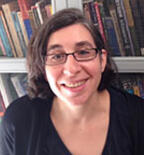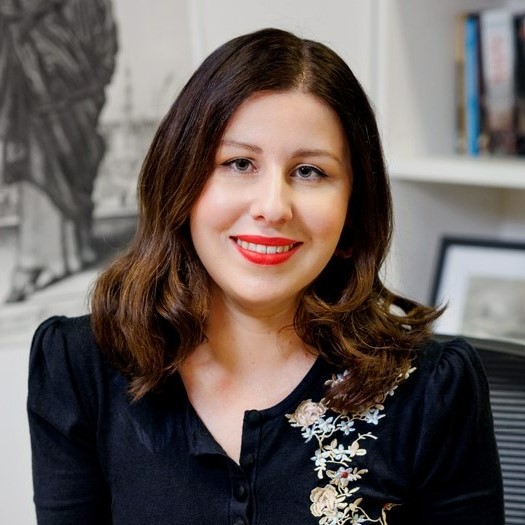
Sarah Bendallمشاهده پروفایل
مدرس ارشد
Sarah Bendall is a Senior Lecturer at the Gender and Women's History Research Centre within the Institute for Humanities and Social Sciences at the Australian Catholic University (ACU). She coordinates the Bachelor of Global Studies and teaches in early modern European history, art history, and global consumption. Her research focuses on women’s roles in fashion, trade, and material culture between 1500 and 1800. Her research interests include gender and women's history, material culture, dress history, experimental and recreative methodologies, the history of the body, beauty cultures, and the economic roles of artisans and women in early modern Europe. She employs hands-on reconstruction techniques to understand historical garments and their social implications. Her recent publications explore whalebone in fashion, royal dressmakers, farthingales, and gendered symbolism in armor and accessories. The articles reflect a strong interdisciplinary trend combining fashion, gender, economic history, and material culture, with a focus on experimental and embodied methodologies. Highly Commended, Society for Renaissance Studies UK Biannual Book Prize (2022) Elected Fellow, Royal Historical Society UK (2023) ACU Faculty of Education and Arts Research Excellence - Mid-Career Researcher Award (2024) McKenzie Postdoctoral Research Fellowship, University of Melbourne (2020) SSEMW Margaret Hannay Visiting Fellow, Folger Shakespeare Library (2018) David Walker Memorial Visiting Fellow, Bodleian Libraries, Oxford (2018) Multiple grants from the Pasold Research Fund (2018, 2020, 2023) Sarah Bendall has supervised honours and PhD students in history and art history and is accredited for full HDR supervision. She is a co-investigator on the UK Arts and Humanities Research Council’s Making Historical Dress Network , which supports collaborative research in recreative methodologies. She has received significant research funding, including from the Pasold Research Fund and the AHRC. She is actively engaged in public scholarship through media, workshops, and public lectures. She is involved in the Making Historical Dress Network , a UK-funded initiative connecting scholars and practitioners in historical dress recreation. She also leads projects on Indian silks and female retailers, and collaborates with museums and public institutions to promote experimental history.