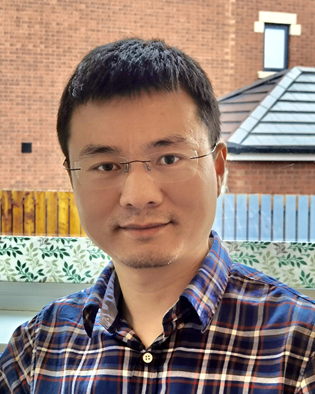
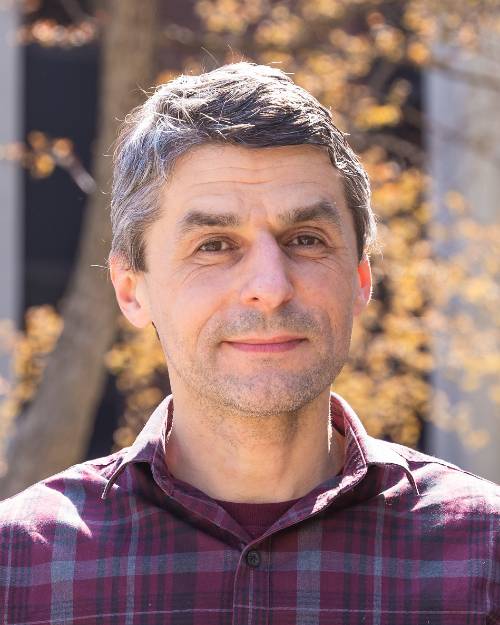
Ásta Hannesdóttir is a Researcher at the Department of Wind and Energy Systems, Technical University of Denmark (DTU), specializing in wind energy systems with expertise in wind turbine aerodynamics, lidar remote sensing, and atmospheric turbulence modeling. She actively contributes to major research initiatives including the AIRE Horizon Europe project and TRASCAL, advancing wind farm design under challenging weather conditions. Her research focuses on leading-edge erosion impacts on turbine performance, lidar-based wind field reconstruction, and non-Gaussian turbulence modeling. She develops computational tools for wind resource assessment and integrates numerical simulations with field measurements to address aerodynamic degradation in offshore wind farms, significantly contributing to sustainable energy solutions aligned with UN SDGs. Recent publications reveal strong trends in lidar technology validation, erosion-aerodynamics interactions, and turbulence modeling innovations. Her work bridges atmospheric science and engineering to enhance wind turbine durability and energy yield under extreme weather, with growing emphasis on digital twin applications for wind farm optimization. Scientific recognition includes: Otto Mønsted travel grant (2019) for international conference participation in Massachusetts, USA Hannesdóttir supervises multiple graduate projects including PhD research on hub lidar flow-field estimation and master's theses on floating wind turbine control systems. She secures significant funding through collaborative grants: Active leadership in Horizon Europe's AIRE project (2023-2026) with €4.2M budget Principal investigator roles in TRASCAL (2023) and CCA LEE (2022) lidar/erosion projects Contributions to REQUIM rain erosion initiative (2022-2023) She operates within DTU's Wind Energy Systems division as part of cross-functional teams developing next-generation wind measurement technologies. Her work involves close collaboration with WindEurope, international research consortia, and industry partners to translate atmospheric physics into practical turbine design improvements.