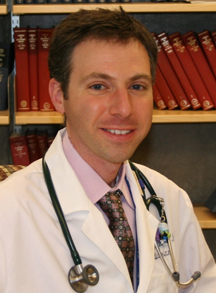
Joshua Schiffman is a Professor of Pediatric Hematology and Oncology and Adjunct Professor of Oncological Sciences at the University of Utah. He holds the inaugural Edward B. Clark, MD Endowed Chair in Pediatric Research and serves as Medical Director for the High-Risk Pediatric Cancer Clinic and Education Director for the Program in Personalized Health. Education: B.S., Brown University M.D., Brown University School of Medicine Research Focus: Dr. Schiffman's work spans hereditary cancer syndromes, comparative oncology, and translational genomics. His lab investigates pediatric cancer risk through genomic analysis and cross-species comparisons, leveraging insights from species like elephants to develop novel cancer therapies. Scientific Trends: Recent publications highlight his expertise in TP53 mutation studies, comparative oncology (e.g., elephant genomics), chemotherapy resistance mechanisms, and genetic predisposition to pediatric cancers. Awards: Inaugural Edward B. Clark, MD Endowed Chair in Pediatric Research Labs & Collaborations: The Schiffman Lab collaborates with epidemiologists, molecular biologists, and international consortia to advance cancer research through genomics and evolutionary biology.
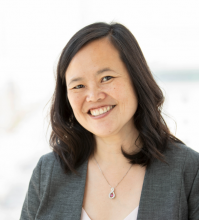
Scarlett Lin Gomez is Professor and Vice Chair of Faculty Development in the Department of Epidemiology and Biostatistics at the University of California San Francisco (UCSF) School of Medicine. She serves as Co-Leader of the Cancer Control Program for the UCSF Helen Diller Family Comprehensive Cancer Center and Director of the Greater Bay Area Cancer Registry, part of the NCI SEER Program. Her research centers on structural and social drivers of health disparities, with pioneering work on Asian American, Native Hawaiian, and Pacific Islander cancer patterns. She developed the California Neighborhoods Data System to evaluate neighborhood environment impacts on disease outcomes and leads the Female Asian Never Smokers (FANS) Study investigating lung cancer etiology. Key funding includes multiple NIH R01 grants focused on ovarian cancer disparities, breast cancer prognosis in Asian populations, and lung cancer in never-smokers. Racial/Ethnic Disparities in Ovarian Cancer Treatment (R01CA243188) Insights from Asian Populations into Breast Cancer Prognosis (R01CA241125) Lung Cancer Etiology Among Asian American Female Never Smokers (R01MD014859) Cancer Registry for Understanding Survivorship Experiences (R01CA241128) Dr. Gomez has received numerous honors including the 2024 AACR Distinguished Lectureship on Cancer Health Disparities and the 2022 ASPO Joseph F. Fraumeni, Jr. Award. Her recent publications analyze neighborhood redlining effects, immigrant health patterns, and cancer disparities across diverse populations using innovative registry linkages and multiethnic cohort studies. As an active AACR leader, she co-chaired the 2024 Cancer Disparities Progress Report and serves on editorial boards for Cancer Epidemiology, Biomarkers & Prevention . Her work fundamentally advances understanding of how structural racism, immigration status, and neighborhood environments shape cancer outcomes across underrepresented populations.
Denise Obrecht-Sturm is a Medical Educator at the University of Hamburg’s Faculty of Medicine, affiliated with the Department of Pediatric Hematology and Oncology within the Center for Obstetrics and Pediatrics. She specializes in pediatric hematology and oncology, with a focus on neuro-oncological conditions such as medulloblastoma, ependymoma, and choroid plexus tumors. Her research emphasizes molecular characterization of tumors, treatment outcomes, and risk stratification in pediatric cancer patients. Her work integrates clinical, radiological, and molecular data to improve prognostic models and therapeutic approaches. Key research interests include the impact of molecular subtypes on survival, neurocognitive outcomes in brain tumor survivors, and the role of novel therapies like proteasome inhibitors in embryonal tumors. Recent studies highlight her contributions to understanding recurrence patterns, radiation strategies, and genetic associations in pediatric cancers. Dr. Obrecht-Sturm collaborates with international groups, contributing to large-scale trials like the SIOP PNET5 MB and HIT-MED cohorts. She is a member of the German Society for Pediatrics and Adolescent Medicine (DGKJ) and the German Society of Pediatric Oncology and Hematology (GPOH). Her publications span high-impact journals such as Neuro-Oncology and Journal of Neuro-Oncology .
Prabin Dhangada Majhi is a Research Assistant Professor at the University of Massachusetts Amherst, affiliated with the Department of Veterinary and Animal Sciences. He earned his Ph.D. in 2010 from Indian Institute of Technology Bombay, focusing on microbial degradation of environmental pollutants. University: University of Massachusetts Amherst Department: Veterinary and Animal Sciences Academic Rank: Research Assistant Professor His research investigates how xenoestrogens impact genomic integrity and contribute to DNA damage, with a focus on identifying genetic factors that influence breast cancer susceptibility. He utilizes rodent models and human-derived cells to explore strain-specific variations in tumor development and chemical carcinogenesis. Publications highlight his work on estrogen receptor-dependent DNA damage, mucin biology in cancer progression, genetic modifiers in Li-Fraumeni syndrome, and environmental pollutant effects on gene expression. Key methodologies include molecular toxicology, comparative genomics, and mechanistic studies of endocrine disruption. He works in the Jerry Lab, where his studies bridge environmental toxicology and cancer genetics to understand how external factors interact with genomic vulnerabilities to drive malignancy.
Professor Joseph Jerry is affiliated with the University of Massachusetts Amherst in the Department of Veterinary and Animal Sciences . He serves as Science Director at the Pioneer Valley Life Sciences Institute and Co-Director at the Rays of Hope Center for Breast Cancer Research . Education: M.S., Purdue University Ph.D., The Pennsylvania State University Postdoctoral Training: Jackson Laboratory, Baylor College of Medicine Research Interests: Professor Jerry's work focuses on the p53 tumor suppressor gene , its role in breast cancer susceptibility , and the interplay between genetic modifiers and hormonal/environmental factors . His lab investigates: Estrogen receptor signaling in DNA damage and repair Genetic variation in homology-directed repair pathways Impact of endocrine disruptors on mammary gland development Translational studies using primary breast epithelial cells from human cohorts Role of Notch signaling in stem cell population regulation Mechanisms linking parity to reduced cancer risk Article Trends: Recent work emphasizes environmental chemical exposures (phthalates, parabens, benzophenones), their effects on estrogen receptor-dependent pathways , and nanogel-based drug delivery systems. Publications highlight mouse models for studying gene-environment interactions and interindividual variation in responses to carcinogens. Labs & Collaborations: Co-leads the Rays of Hope Breast Research Registry , collecting samples from over 1,000 women. Collaborates with Baystate Medical Center and utilizes rodent models for mechanistic studies.
Babina Gosangi, MD MPH, is an Assistant Professor of Radiology & Biomedical Imaging at Yale School of Medicine and Director of the Diagnostic Radiology Clinical Electives program. She specializes in emergency radiology, trauma imaging, and the intersection of radiology with public health issues like intimate partner violence (IPV) detection. Her work bridges clinical practice, medical education, and translational research. Education & Training: MD from Dr. NTR University of Health Sciences Fellowship in Radiology at Brigham and Women’s Hospital (2020) Research Interests: Imaging patterns of violence-related injuries (e.g., thoracic, facial, and extremity trauma) Radiology’s role in early IPV identification and public health intervention Immunotherapy toxicity imaging, particularly cardiothoracic complications Advances in chest imaging (tomosynthesis, CT/MRI techniques) Lung cancer diagnostics and genetic syndromes like Li-Fraumeni syndrome Publications Trends: Her 15 most recent articles focus on IPV detection via imaging (e.g., thoracic, facial, and extremity injury patterns), immunotherapy-related adverse events, and innovations in chest imaging. She emphasizes translating radiology findings into clinical action for vulnerable populations. Professional Service: Reviewer for journals including Journal of Thoracic Imaging , Journal of Computer Assisted Tomography , and American Journal of Radiology Contributes to radiology education and clinical electives coordination at Yale Labs/Teams: Collaborates with multidisciplinary teams in trauma imaging, oncologic radiology, and public health surveillance at Yale School of Medicine.
Dr. Timothy R. Rebbeck is the Vincent L. Gregory, Jr. Professor of Cancer Prevention at the Harvard T.H. Chan School of Public Health and Dana-Farber Cancer Institute. He directs the Zhu Family Center for Global Cancer Prevention and the Center for Global Health Equity , focusing on genetic, molecular, and epidemiological factors in cancer risk and disparities. Key Initiatives : MADCaP consortium; NCI-funded African Cancer STARS training program Funding : Continuous NIH support since 1994 His cancer genetics research spans prostate cancer disparities , BRCA1/2 mutation risk modeling , and global health equity , with recent work on precision interception approaches for aggressive prostate cancer in African American men and multi-ancestry polygenic risk scores . Over 65 trainees mentored, now in academic roles. Scientific accolades include the Joseph F. Fraumeni, Jr. Award and ASCO-American Cancer Society Lecture . His 15 most recent articles (2022-2025) cover: Prostate cancer genomics in diverse populations Somatic tumor profiling in veterans Social/environmental determinants of telomere length Global cancer registries in low-resource settings Health disparities in screening/treatment access Evolutionary roots of cancer susceptibility Dr. Rebbeck's work bridges genetic epidemiology , clinical translational research , and international capacity building , with significant contributions to understanding and addressing cancer burden disparities across ancestry groups.
Carman Man-chung Li is an Assistant Professor of Cancer Biology at the Perelman School of Medicine, University of Pennsylvania. He is also an Assistant Investigator at the Abramson Family Cancer Research Institute and a Core Investigator at The Basser Center for BRCA. His research focuses on hereditary cancer mechanisms, particularly how heterozygous loss-of-function mutations in tumor suppressor genes drive early tumorigenesis beyond the classical 'two-hit' hypothesis. Education: A.B. in Molecular Biology (High Honors), Princeton University (2009); Ph.D. in Biology, Massachusetts Institute of Technology (2015) Using genetically engineered mouse models, organoid cultures, and multi-omics, his lab investigates gene haploinsufficiency effects, epigenetic alterations, and stromal-epithelial interactions. Recent work includes mapping early tumor drivers in BRCA1-mutant models and cross-ancestry cancer risk stratification. Scientific Affiliations: Abramson Family Cancer Research Institute The Basser Center for BRCA Graduate Groups: Pharmacology, Cell and Molecular Biology His lab collaborates with the Penn Medicine Biobank, VA Million Veterans Program, and EDISYN Consortium for translational studies in Li-Fraumeni Syndrome and BRCA-related cancers. Funding sources include the National Cancer Institute, Prostate Cancer Foundation, and Li Fraumeni Syndrome Association.
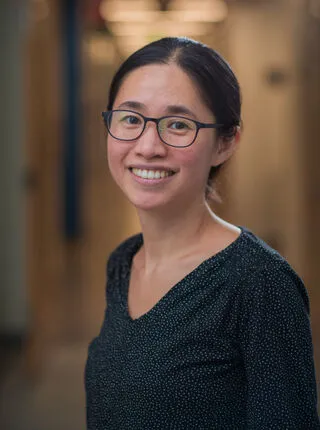
Dr. Wenyi Wang is a Professor in the Department of Bioinformatics and Computational Biology at The University of Texas MD Anderson Cancer Center. She leads the Statistical Bioinformatics Lab, focusing on advancing computational methods for cancer genomics, transcriptomics, and risk modeling. Her work integrates statistical rigor and AI to address challenges in understanding tumor heterogeneity, cancer evolution, and clinical translation. She holds adjunct professorships at Rice University and Texas A&M University. Research Interests: Multi-omic deconvolution, tumor microenvironment dynamics, cancer risk prediction using Bayesian and machine learning models, and development of tools for mutation calling (e.g., MuSE, DeMixT). Her lab’s current directions include DNA–RNA dynamics in cancer and spatial transcriptomics to map tumor architectures. Publications: Dr. Wang’s recent work includes high-impact studies on deconvolution methods (e.g., DeMixSC), TP53 mutation annotation, and clinical risk prediction models. Her lab’s tools like CliPP and DeMixNB advance precision medicine by enabling accurate analysis of tumor evolution and heterogeneity. Awards: While personal awards are not explicitly listed, her research has garnered institutional recognition, including inclusion on MD Anderson’s Wall of Science for contributions to cancer discovery. Grants and Collaborations: Collaborates with clinicians and experimental biologists to translate computational insights into clinical practice. Her lab trains students across interdisciplinary programs, emphasizing training in quantitative sciences and translational research. Labs/Teams: The Statistical Bioinformatics Lab fosters a community dedicated to bridging bioinformatics and clinical oncology, with ongoing projects supported by grants and collaborations across institutions.
Arupa Ganguly, PhD is Professor of Genetics at the University of Pennsylvania Perelman School of Medicine and Director of the Genetic Diagnostic Laboratory. Her clinical expertise encompasses molecular genetic testing for hereditary colon cancer, Li Fraumeni syndrome, Retinoblastoma (RB), uveal melanoma, Hemophilia A, and Hereditary Hemorrhagic Telangiectasia (HHT), with the laboratory serving as a national reference center for RB, HHT, and Hemophilia A testing. The laboratory is ABMG-accredited for clinical molecular genetics fellow training. Her educational background includes a B.S. in Physics (1974) and M.S. in Physics (1977) from Calcutta University, followed by a Ph.D. in Biophysics (1984) from the University of Calcutta. She completed postdoctoral training at Thomas Jefferson University (1985-1990) and a fellowship in the CHOP-UPENN Genetics Program (1996-1998), achieving FACMG certification in Clinical Molecular Genetics in 1999 with recertification in 2019. Ganguly's research focuses on the molecular genetics of ocular tumors, particularly retinoblastoma and uveal melanoma. Her retinoblastoma work investigates gene expression profiles of enucleated tumors to predict clinical response, metastasis potential, and retinal cell development origins. For uveal melanoma, her team develops gene signatures for metastasis prediction from fine needle aspirates and studies molecular mechanisms of tumor development, with significant findings linking chromosomal abnormalities (monosomy 3, 8q gain) to metastatic risk. She collaborates with Dr. Charles Stanley on congenital hyperinsulinism research, recently identifying a novel genomic region for autosomal dominant inheritance. Her extensive publication record demonstrates expertise in cancer genomics, molecular diagnostics, and translational research. Recent work includes developing epigenomic prognostic signatures for uveal melanoma (MethylSig-UM), characterizing Beckwith-Wiedemann syndrome phenotypes, and investigating mosaic variants in lymphatic disorders. Her research bridges basic science discoveries with clinical applications in molecular genetic testing. Ganguly actively trains clinical molecular genetics fellows through the ABMG-accredited program and collaborates with multiple institutions including Children's Hospital of Philadelphia. Current research initiatives include genomic analysis of uveal melanoma metastasis predictors, molecular basis of retinoblastoma tumorigenesis, and genotype-phenotype correlations in congenital hyperinsulinism and overgrowth syndromes. Her laboratory serves as a national reference center for specialized genetic testing in rare conditions.
Dr. Joshua D. Schiffman is a Professor of Pediatrics at the University of Utah and Adjunct Professor in the Department of Oncological Sciences. As Medical Director of the High Risk Pediatric Cancer Clinic at Huntsman Cancer Institute , he leads cancer genetics research and clinical care for hereditary cancer families. Education: B.S. in Psychology/Biology - Brown University M.D. - Brown University School of Medicine Pediatric Residency & Chief Residency - Stanford University Pediatric Hematology/Oncology Fellowship - Stanford University M.Sc. in Clinical Investigation (Genetics) - University of Utah Research Focus: Dr. Schiffman investigates hereditary cancer syndromes through comparative oncology approaches, including the elephant TP53 expansion and Project GenESis for Ewing sarcoma genetics. His work spans genomic instability , germline-somatic interactions , and translational cancer prevention . Recent Research Trends from 2023-2025 include cross-species cancer resistance mechanisms (elephants, whales), TP53 mutation dynamics , and AI-driven genetic counseling systems. His team explores mitochondrial DNA repair , neutrophil extracellular traps , and health disparities in pediatric oncology. Scientific Recognition: Hyundai Quantum Grant (2018) NIH Gabriella Miller Kids First grant for Ewing sarcoma genomics Co-investigator in multiple NCI-funded studies Mentorship & Collaboration extends through the Schiffman Lab , leading international partnerships in Project GenESis and Comparative Oncology . His team combines evolutionary medicine , bioinformatics , and clinical translation to address pediatric cancer genetics.
Biswa Ramani, MD, PhD is an Assistant Professor of Pathology in the School of Medicine at the University of California San Francisco (UCSF), where he maintains dual expertise in clinical neuropathology and molecular neuroscience research. His academic journey includes a B.S. in Biochemistry from the University of Illinois at Urbana-Champaign (2009), followed by an MD/PhD from the University of Michigan's Medical Scientist Training Program and Neuroscience Graduate Program (2017), and Anatomic Pathology and Neuropathology training at UCSF (2021). Dr. Ramani's research bridges protein homeostasis mechanisms with neurodegenerative disease pathology, with particular focus on protein aggregation, nuclear protein quality control, and nucleotide repeat expansion diseases. His work spans from basic molecular investigations of chaperone systems to clinical applications in brain tumor classification and diagnostic neuropathology. Recent publications demonstrate his leadership in developing innovative CRISPR screening technologies for neuronal systems while maintaining active clinical research in rare neuroendocrine tumors and neurodegenerative disorders. Analysis of his 15 most recent publications reveals a sophisticated integration of molecular techniques with clinical pathology, showing increasing emphasis on CRISPR-based screening platforms and molecular diagnostics since 2020. His work spans multiple disciplines including neuroscience, molecular biology, and clinical pathology, with particular strength in connecting basic mechanisms of protein aggregation to human disease phenotypes. Dr. Ramani maintains extensive collaborative networks within UCSF's Department of Pathology, particularly with faculty including Martin Kampmann, Arie Perry, and Melike Pekmezci. His research has attracted significant attention, with publications referenced across multiple platforms including news outlets, patents, and social media.
Junne Kamihara is a Medical Educator at Harvard Medical School and an Attending Physician at the Dana-Farber/Boston Children's Cancer and Blood Disorders Center. She serves as Director of Medical Therapies at the Ocular Oncology Center. Education : MD from Harvard Medical School (2008), PhD in Genetics from MIT (2014), Pediatric Residency at Boston Combined Residency Program (2011), Fellowship in Pediatric Hematology-Oncology at Boston Children's/Dana-Farber (2014). Her research focuses on pediatric cancer predisposition syndromes , including Li-Fraumeni Syndrome, DICER1-related disorders, and PTEN Hamartoma Tumor Syndrome. She investigates genetic mutations linked to childhood cancers and develops surveillance protocols for at-risk populations. Recent publications highlight her work in genomic analysis of tumor predisposition , with key contributions to understanding DICER1 mutations in sarcomas, FGFR1-related neuroendocrine tumors, and multi-omic models of cancer genomics. Articles span journals like Clinical Cancer Research , Nature Communications , and Pediatric Blood & Cancer .
Marie Stenmark Askmalm is a Researcher at Lund University Cancer Centre (LUCC) , a Supervisor in Paediatrics at Lund University, and a Consultant in Cancerepidemiology and Radiation. Her work focuses on hereditary cancer syndromes, particularly TP53-related disorders, BRCA1/BRCA2 mutations, and cancer risk assessment through genetic testing and imaging. She is affiliated with the Swedish Clinical TP53 Study Group (SweClinTP53) and contributes to national genomic medicine initiatives.
Nicola Camp is Professor of Hematology and Adjunct Professor in Human Genetics, Biomedical Informatics, and Family and Preventive Medicine at the University of Utah, focusing on identifying inherited genetic risk variants for complex diseases through novel statistical methodologies and applied gene-finding projects. Her work addresses critical challenges in cancer genetics including genetic heterogeneity and disease complexity. Her educational background includes: B.S. in Mathematics and Statistics from the University of Sheffield, UK Ph.D. in Statistical Genetics from the University of Sheffield, UK Dr. Camp's research integrates theoretical statistical genetics with practical applications in cancer susceptibility, particularly for breast cancer, chronic lymphocytic leukemia (CLL), and multiple myeloma (MM). She leverages the unique Utah Population Database (UPDB) and high-risk pedigrees to develop methods incorporating genomic, transcriptomic, and molecular phenotypic data. Current projects involve whole-exome/genome sequencing in CLL pedigrees, high-density SNP genotyping in hematological malignancies, and apoptosis pathway analysis in breast cancer. Analysis of her recent publications reveals dominant trends in polygenic risk score development across diverse populations, BRCA variant classification using multi-modal evidence, and shared genomic segment analysis in high-risk pedigrees for cancer and reproductive disorders. Her work increasingly emphasizes cross-cancer pleiotropy and multi-omics integration to address complex disease mechanisms. Dr. Camp maintains an active research laboratory utilizing the UPDB's genealogical resources and collaborates extensively across campus and within international consortia including InterLymph. Her team specializes in developing statistical frameworks that bridge theoretical innovation with real-world data challenges in genetic epidemiology.