- Cultural Psychology
- Anthropology
- Moral Development
- +۵ مورد دیگر
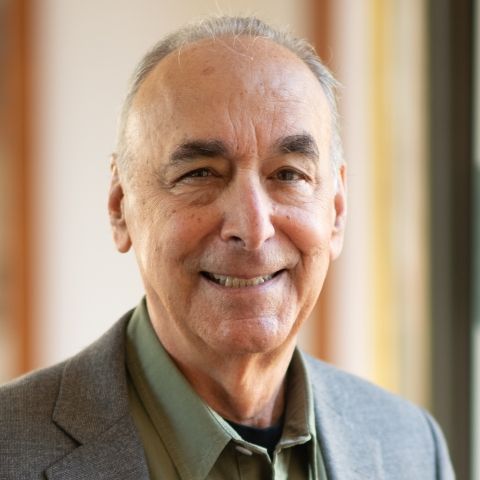
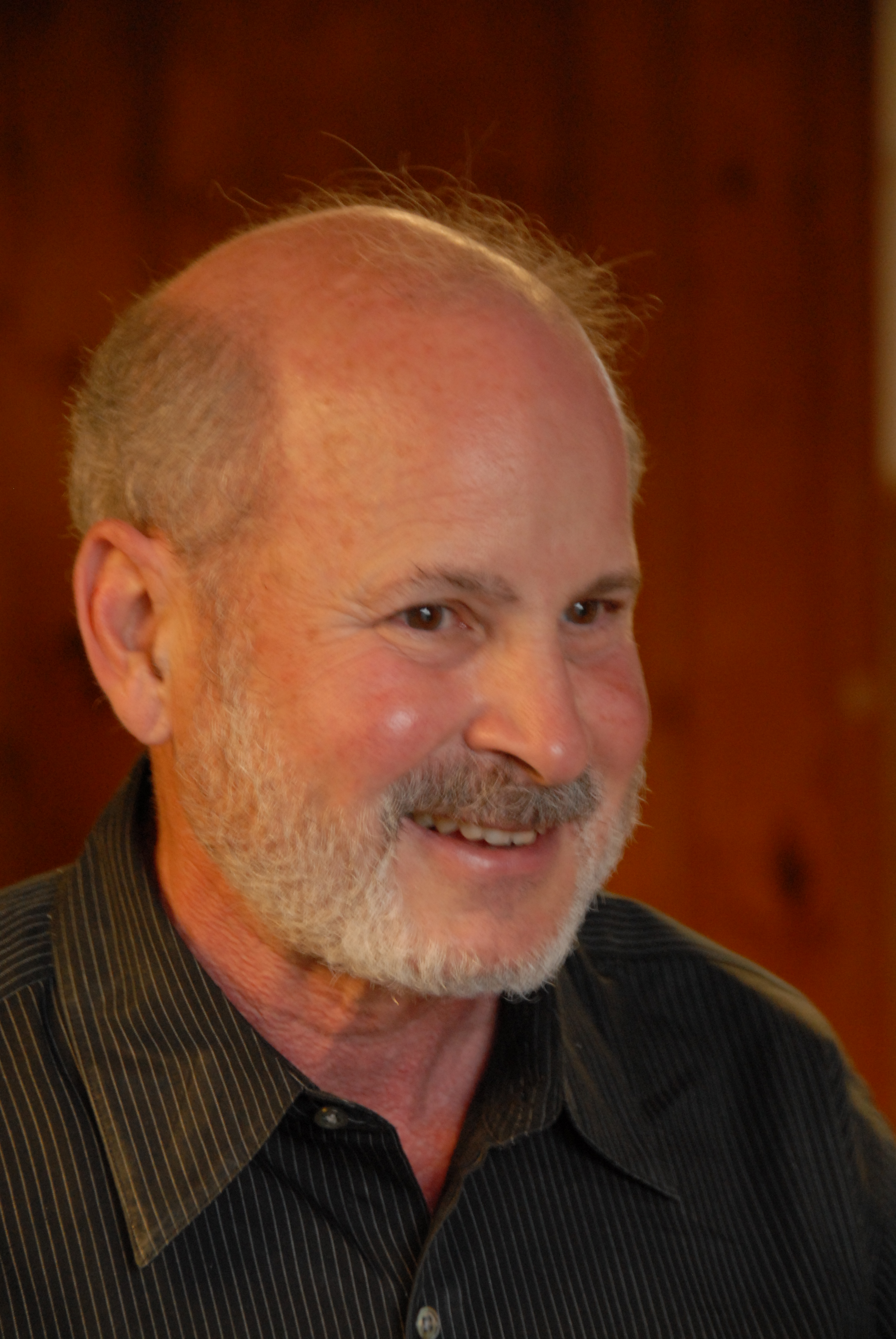
Richard A. Shweder is the Harold H. Swift Distinguished Service Professor of Human Development at the University of Chicago, where he has been since 1972. He is a leading figure in cultural psychology and anthropological research, focusing on moral reasoning, cultural migration, and multiculturalism. His work critiques Western liberal assumptions, emphasizing robust cultural pluralism and the complexities of cross-cultural ethical conflicts. Shweder's research spans decades in Bhubaneswar, India, examining family practices, gender roles, and moral foundations. Education: Ph.D. in Social Anthropology from Harvard University (1972). Notable visiting roles include fellowships at the Center for Advanced Study in the Behavioral Sciences, Stanford University, and the Institute for Advanced Study in Berlin. Research interests include cultural psychology, moral pluralism, and the challenges of multiculturalism in liberal democracies. His books, such as Thinking Through Cultures and Why Do Men Barbecue? , explore how cultural contexts shape thought and emotion. He critiques global human rights campaigns, particularly regarding female genital surgeries, advocating for nuanced cultural understanding. Scientific awards include the Guggenheim Fellowship (1985), Carnegie Scholar (2002), and the Lifetime Achievement Award from the Society for Psychological Anthropology (2016). He has served as President of the Society for Psychological Anthropology and co-chaired projects on law and culture. Recent work focuses on the moral challenges of cultural migration and the limits of tolerance in Western societies. His 2020 lecture on moral absolutes and 2023 publications on gender equality in religious practices highlight ongoing debates in cultural anthropology. Shweder actively engages in public discourse through podcasts, interviews, and critiques of academic politics, such as opposing academic boycotts of Israeli institutions. His academic roles include teaching courses like Moral Psychology and Comparative Ethics and When Cultures Collide . He advises students on cultural migration and ethical pluralism, with notable contributions to encyclopedic references like The Child: An Encyclopedic Companion .