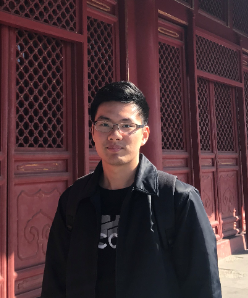
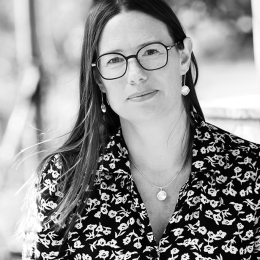
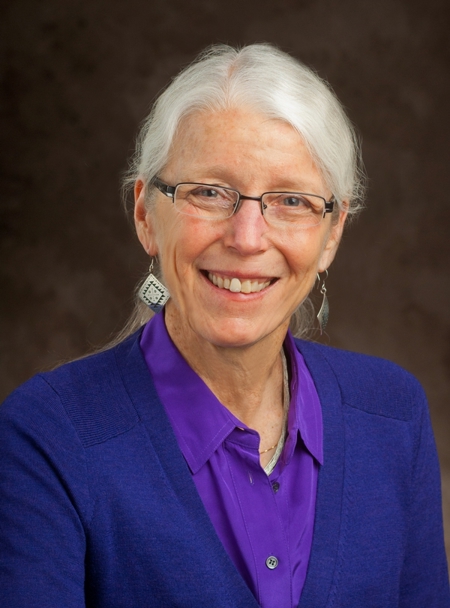
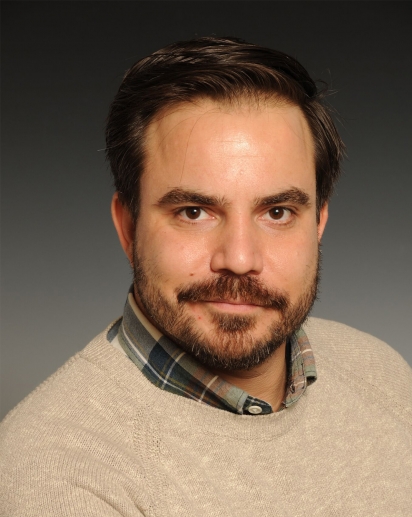
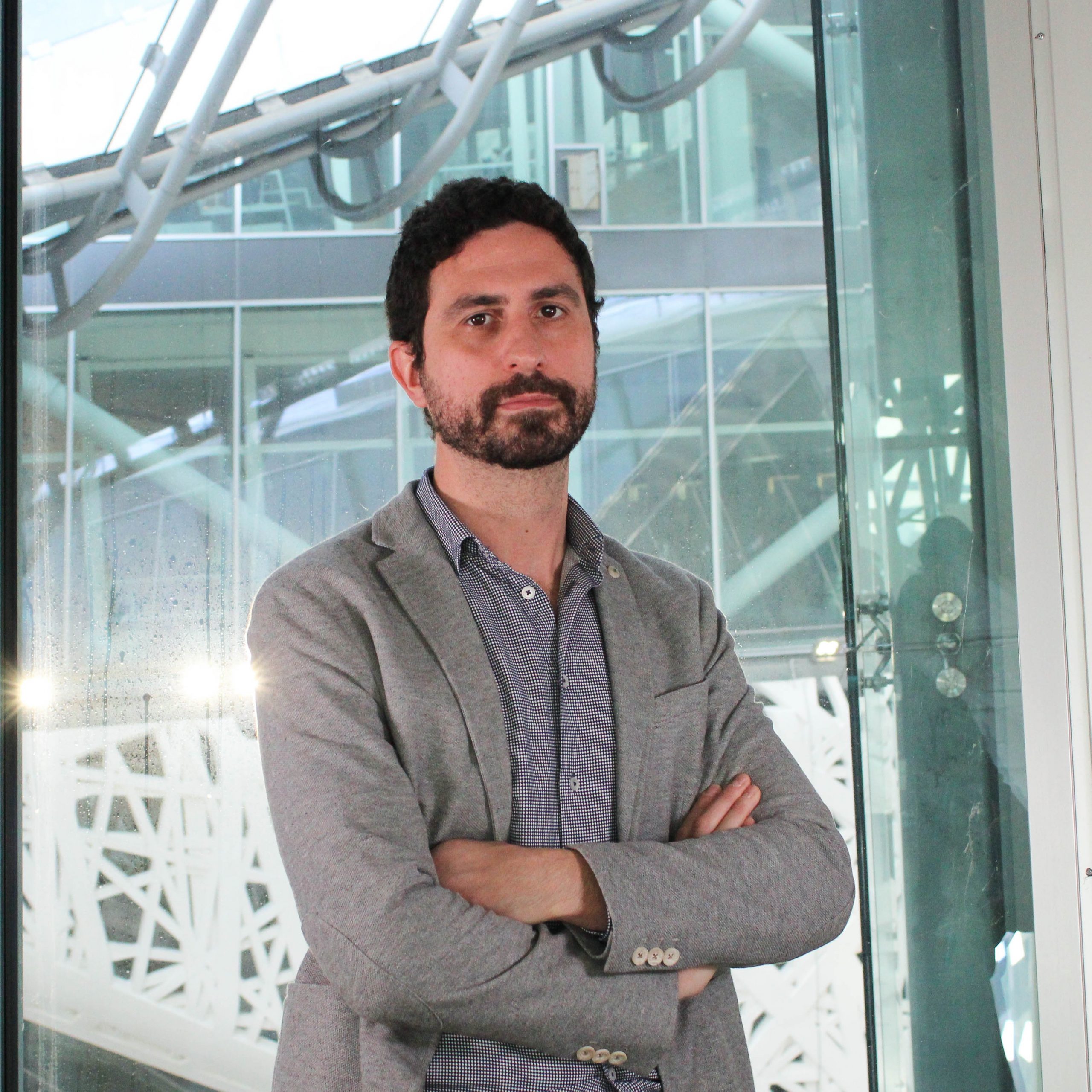
Heyuan Shi is an Associate Professor at the School of Electronic Information, Central South University since 2023. He earned his B.S. (2015) and Ph.D. (2020) from Central South University and Tsinghua University respectively. His research focuses on software quality assurance with emphasis on kernel fuzz testing , open source software security , and AI application security . Presided over 10+ projects including NSFC General Program (No.62472448) and National Key R&D Sub-Project Published 30+ CCF-A/B papers across software security, machine learning, and quantum testing Supervised 15+ graduate students in software quality assurance areas His recent 2024-2025 publications demonstrate expertise in: LLM-enhanced patch classification Quantum neural network verification Hypergraph adversarial attacks RTOS fuzzing techniques Scientific recognition includes: 2024 Beijing Science & Technology Progress Award (First Prize) Hunan Province Xiaohe Sci-Tech Talent (2023) China Association for Science & Technology Young Talent (2025-2027) Active in academic service as PC member for FM2024 and reviewer for IEEE Transactions journals. Leads industry collaborations with Alibaba and Beijing Institute of Aerospace Metrology.
Malin Tväråna is a Senior Lecturer at Stockholm University in the Department of Teaching and Learning . Her expertise lies in Social Science Education and Civics Education , with a focus on developing critical reasoning and digital literacy skills. Specializes in citizenship education and education development research Projects on visual literacy and critical digital literacy Collaborates with Uppsala University on subject-specific methods Malin employs Phenomenography , Variation Theory , and Activity Theory in her work. Her research includes: Designing teaching for critical analysis of fairness and justice Progression models in samhällsanalytiskt tänkande (social science analytical reasoning) Empirical studies across primary, middle, and upper secondary education She is actively involved in: Editorial board of Skola och Samhälle journal Board member of the Society for Educational Development Research
Diane Ebert-May is a University Distinguished Professor in the Department of Plant Biology at Michigan State University, affiliated with the College of Natural Science. She leads research in biology education, focusing on learner-centered pedagogy, faculty professional development, and curriculum transformation. Education: Ph.D. from the University of Colorado Her research examines how professional development programs like FIRST IV sustain learner-centered teaching in early-career faculty, impacts of reformed introductory biology curricula on student performance, and model-based pedagogy for complex biological systems. She also investigates pedagogical content knowledge (PCK) in instructors and graduate teaching assistant (TA) professional development models. Recent publications track longitudinal impacts of teaching reforms, climate change effects on alpine ecosystems, and assessment protocols for three-dimensional STEM learning. Her work emphasizes institutional alignment with faculty values and organizational structures supporting educational innovation. She teaches a seminar for postdoctoral fellows and graduate students titled Pathways to Scientific Teaching , and her lab collaborates on NSF-funded projects, including DUE 1623834 and CCLI Phase III (DUE 0817224). Current studies analyze teaching practices across diverse institution types and their effects on student learning outcomes.
Dr. John Exalto is an Associate Professor at the University of Groningen's Faculty of Behavioural and Social Sciences, specializing in the Education in Culture research group. His work focuses on the intersection of religious traditions, particularly Calvinist and Orthodox perspectives, with Dutch educational systems throughout the twentieth century. His research interests include: History of Protestant/Christian education in the Netherlands Twentieth century educational philosophy and practice Bible's role in Dutch schooling systems Development of educational thought through figures like Kohnstamm and Langeveld Social services for unmarried mothers in post-war Netherlands Analysis of his recent publications reveals a strong focus on Dutch educational history through multiple lenses - religious, social, and philosophical. His work consistently examines how Calvinist and broader Christian traditions have shaped Dutch educational practices, particularly during the early twentieth century. He frequently employs comparative historical methodologies and shows particular interest in the tension between confessional identity and broader societal integration in educational contexts. As an active contributor to academic discourse, Exalto regularly presents at conferences and provides expert commentary to Dutch media outlets on matters related to reformed education, religious schooling, and contemporary educational challenges facing religious communities.
Prof. Verena Hafner is a Professor at the Institute of Computer Science within the Faculty of Mathematics and Natural Sciences at Humboldt University of Berlin. She leads the Adaptive Systems group, focusing on interdisciplinary research at the intersection of robotics, AI, and cognitive science. Her work emphasizes human-robot interaction, adaptive learning mechanisms, and embodied cognition. Her research explores: Design and impact of socially interactive robots in educational and cognitive contexts Trust dynamics and transparency in human-robot relationships Development of bio-inspired AI models and sensorimotor learning systems Philosophical and ethical dimensions of artificial consciousness and agency Analysis of her recent publications (2023-2025) reveals strong emphasis on educational robotics, cognitive modeling, and humanoid robot design. Key trends include multimodal learning architectures, trust calibration in HRI, and biologically-inspired AI frameworks. Her work consistently bridges theoretical AI with applied human-centered experimentation. She supervises graduate students including Michael Piechotta (doctoral candidate) and leads the Adaptive Systems laboratory investigating lifelong learning in artificial agents.
Christian Darabos serves as a Lecturer in the Department of Biomedical Data Science at the Geisel School of Medicine, Dartmouth College, where he contributes to academic instruction and research within the institution's biomedical data science initiatives. His position reflects active engagement in the school's educational mission as evidenced by his current faculty listing and absence of retirement indicators. His scholarly work centers on computational approaches to healthcare challenges, specifically: Biomedical Data Science: Development of algorithms for genomic and clinical data analysis Health Informatics: Integration of electronic health records with predictive modeling systems Data Science: Application of statistical learning to population health datasets Machine Learning in Medicine: Creation of diagnostic tools for disease progression tracking Biostatistics: Methodological innovations for clinical trial design Health Data Analytics: Transformation of real-world evidence into clinical decision support Professional correspondence may be directed to Dr. Darabos via his institutional email address at Christian.Darabos@Dartmouth.edu , maintained through Dartmouth's active faculty directory as of the latest institutional updates.
Karen D'Souza serves as an Associate Professor in Medical Education at Deakin University's School of Medicine within the Faculty of Health. Based at the Geelong Waurn Ponds Campus, she focuses on education-centered academic work rather than clinical practice. Her contact information includes phone number +61 3 522 72116 and email karen.dsouza@deakin.edu.au. Dr. D'Souza earned her Bachelor of Medicine & Bachelor of Surgery from the University of Melbourne, establishing her medical credentials before transitioning to medical education specialization. Her academic journey shows a clear progression from clinical medicine to educational leadership, with her early publications including echocardiography research before shifting focus to medical education methodologies. Her research interests center on medical education with particular expertise in clinical assessment systems, OSCE development, and curriculum design. She has made significant contributions to understanding assessment methodologies, examiner decision-making processes, and adaptations to clinical education during the pandemic. Her work demonstrates how professional expectations influence clinical assessment outcomes and how to improve assessor judgments in medical student evaluations. Analysis of her publication trends reveals a consistent focus on improving medical education assessment practices, with increasing attention to collaborative approaches across Australian medical schools. Her recent work (2023-2024) continues to refine assessment guidelines for final-year medical students while addressing contemporary challenges in clinical education. Researcher of the year (teaching & learning) award from Smart Geelong Network (2009) Dr. D'Souza's collaborative research approach is evident in her extensive co-authorship patterns, particularly with researchers like Malau-Aduli BS and Hays RB. Her grant activity includes the 2009 Smart Geelong Network award which funded collaborative work with colleagues Ward A, Leeuw ED, Crotty B, and Milnes S. Her research demonstrates strong institutional partnerships across Australian medical education. Her work has significantly influenced OSCE practices across Australian medical schools, contributing to standard setting methods and pandemic adaptations. Dr. D'Souza's research program represents a sustained effort to improve the validity and reliability of clinical assessment in medical education through cross-institutional collaboration and evidence-based practices.
Tao Wu is an Assistant Professor in the Department of Molecular and Human Genetics at Baylor College of Medicine in Houston, TX. His research focuses on deciphering epigenetic mechanisms underlying cancer therapeutic resistance, particularly exploring DNA modifications like N6-methyladenine (6mA) and their roles in glioblastoma and other cancers. He employs advanced genomic technologies such as SMRT-ChIP and single-cell sequencing to study epigenetic regulators and their functional implications. Dr. Wu received his PhD from the University of Chinese Academy of Sciences (2008) and completed postdoctoral training at the Yale Stem Cell Center. His work integrates systems biology, genomics, and biochemistry to identify novel epigenetic drug targets. Key discoveries include identifying ALKBH1 as a 6mA demethylase and revealing 6mA’s role in hypoxia response pathways linked to drug resistance in glioblastoma. His research interests emphasize understanding dynamic epigenetic regulation in cancer, with projects focused on: Elucidating driver epigenetic mutations in cancer progression Developing therapies to overcome treatment resistance via epigenetic modulation Characterizing novel DNA modifications (e.g., 6mA) and their regulatory mechanisms Recent work highlights the lab’s focus on single-molecule sequencing and CRISPR-based screening to uncover epigenetic pathways in cancer models. Funding support includes grants from the Cancer Prevention Research Institute of Texas (CPRIT).
Prashant Shenoy is a Distinguished Professor and Associate Dean in the College of Information and Computer Sciences at the University of Massachusetts Amherst. He has been on the faculty since 1998 and heads the Laboratory for Advanced Systems Software while directing the Center for Smart and Connected Society. His research focuses on systems issues for distributed systems ranging from large server clusters to networks of small sensors. Shenoy received his PhD in Computer Science from the University of Texas at Austin in 1998, following an MS from the same institution in 1994. He earned his BTech in Computer Science and Engineering from the Indian Institute of Technology, Bombay in 1993. His academic progression at UMass Amherst has been from Assistant Professor (1998-2004) to Associate Professor (2004-2009) to Professor (2009-2020) to Distinguished Professor (2020-present). His primary research interests include distributed systems, networking, cloud and edge computing, mobile computing and Internet of Things, and energy and sustainability. Over the past decade, his work has increasingly focused on computational decarbonization, as evidenced by his recent $12 million NSF Expedition award in this area. His research group maintains several important resources including the UMass Trace Repository, UMass CS Weather Station, BenchLab, and Smart* Dataset. Shenoy's publications reflect a progression from foundational distributed systems work to increasingly sustainability-focused research. His recent work centers on carbon-aware computing, energy optimization, and computational decarbonization across various computing domains including cloud, edge, and IoT systems. ACM Fellow (2019) AAAS Fellow (2018) IEEE Fellow (2013) ACM Sigmetrics Test of Time Award (2016) NSF Career Award recipient Conti Research Fellowship recipient Lilly Foundation Teaching Fellow As an educator, Shenoy has consistently taught Distributed and Operating Systems (Compsci 677) and has mentored numerous PhD students who have received awards and gone on to successful careers. He serves as the founding Chair of the ACM Special Interest Group on Energy (SIGEnergy) and has organized numerous conferences including serving as PC chairs for the ACM Symposium on Edge Computing in 2025. His research has secured significant funding, including a recent $12 million NSF Expedition in Computational Decarbonization awarded in May 2024. Shenoy leads the Laboratory for Advanced Systems Software at UMass Amherst and directs the Center for Smart and Connected Society. He serves on editorial boards of several journals including ACM Transactions on IOT (TIOT), ACM Modeling and Performance Evaluation of Computing Systems (TOMPECS), and ACM Transactions on the Web (TWEB).
Professor Herbert Ho Ching Iu is a distinguished academic at The University of Western Australia, serving in the School of Engineering within the Department of Electrical, Electronic and Computer Engineering. With an impressive research portfolio of over 500 publications and an h-index of 61, Prof. Iu has established himself as a leading authority in power electronics and nonlinear systems research. Prof. Iu received his BEng(Hons) in Electrical and Electronic Engineering from The University of Hong Kong in 1997, followed by a PhD in Electronic and Information Engineering from The Hong Kong Polytechnic University in 2000. After a brief research fellowship at HKPU, he joined The University of Western Australia in 2002 as a Lecturer and has since risen to the rank of full Professor. His primary research focuses on power electronics , renewable energy systems , nonlinear dynamics and chaos , current sensing techniques , and memristive systems . Prof. Iu's work uniquely bridges theoretical exploration with practical implementations, particularly in energy conversion, secure communications, and neuromorphic computing. His research has significant implications for DC microgrids, advanced encryption techniques, and next-generation computing paradigms. Analysis of Prof. Iu's recent publications reveals a strong interdisciplinary trajectory combining memristive systems with chaotic dynamics for applications in image encryption and secure communications . There's a notable emphasis on machine learning techniques applied to power electronics and energy systems , particularly for DC microgrids and battery management. His work demonstrates consistent progression from fundamental research in nonlinear systems to practical engineering solutions with real-world impact. Prof. Iu's significant contributions have been recognized with several prestigious awards: Vice-Chancellor's Award for HDR Supervision (2024) School of Engineering Award for Research Mentorship (2023) Vice Chancellor's Award in Research Mentorship (2023) With 18 supervised research students and leadership on 16 research grants, Prof. Iu has built a robust research program at the forefront of power systems innovation. His grant portfolio includes major projects like 'Mine Electrification' and 'Microgrid Battery Deployment' through the CRC for Future Battery Industry, as well as collaborations with Western Power on 'Project Symphony.' These initiatives demonstrate his ability to secure substantial funding and translate theoretical concepts into practical engineering solutions for industry. Prof. Iu leads a dynamic research team that specializes in hardware implementation of advanced theoretical concepts, particularly in memristive systems and chaotic circuits. The laboratory maintains strong industry connections, especially with energy and mining sectors, ensuring research has tangible real-world applications. Current work emphasizes DC microgrid technologies, advanced battery systems for electrified transportation, and novel applications of chaotic systems in security contexts, positioning the team at the cutting edge of power electronics research.
Louis Ohl is a Research Fellow and Postdoc at the Division of Statistics and Machine Learning (STIMA) within the Department of Computer and Information Science (IDA) at Linköping University. His research focuses on unsupervised learning methods, particularly clustering algorithms and PU learning, with applications to medical data (e.g., aortic stenosis phenogroups) and material science (e.g., MAX-phase to MXen structure changes). He holds a PhD from Côte d'Azur University (France) and Laval University (Canada), where he developed discriminative clustering techniques for cardiac disease analysis. Education: PhD in Computer Science from Côte d'Azur University and Laval University (France/Canada). Research interests include: Unsupervised and semi-supervised machine learning Clustering algorithm development Medical informatics applications in cardiology Material science computational modeling PU learning frameworks His recent work emphasizes bridging theoretical advancements in clustering with practical applications in healthcare and materials research. Collaborations include projects on aortic stenosis progression prediction and computational studies of structural phase transitions in materials. No scientific awards listed. Active in advising and research grants related to his current projects at STIMA. Associated with the STIMA division's international master's program in Statistics and Machine Learning.
Martin Ingvar is a Senior Professor at Karolinska Institutet's Department of Clinical Neuroscience, affiliated with the Pain and Brain Imaging research group led by Karin Jensen. He holds a Medical Degree from Lund University (1984) and a Doctor of Medical Science degree (1982), specializing in experimental neurological research. His research focuses on knowledge processes in healthcare, integrating cognitive science, information theory, and medical informatics to develop clinical information systems that enhance patient care. He leads the Vinnova Demonstrator project (2023–2027) on multi-use health data and has held prominent roles such as Dean of Research at Karolinska Institutet (2010–2013) and Board Chair of Swelife (2013–2017). Ingvar’s academic career includes leadership positions like Deputy Head and Head of the Department of Clinical Neuroscience (2004–2010), and directorships of facilities like the Karolinska MR Center (1998–2022). His grants span topics like psychiatric prediction systems, chronic pain mechanisms, and healthcare data innovation. He has contributed to over 400 publications, emphasizing brain imaging, psychiatric disorders, and health informatics. Key contributions include pioneering work on the National MEG Center and advancing integrative medicine. His research bridges clinical neuroscience with societal health challenges, emphasizing data-driven solutions for healthcare systems.
Matan Mazor is a Research Fellow at All Souls College, University of Oxford, specializing in cognitive neuroscience with a focus on self simulation and self-modelling. His work bridges experimental psychology, computational modeling, and philosophical inquiry into the nature of human cognition. His educational background includes a PhD supervised by Steve Fleming and Karl Friston at the Wellcome Centre for Human Neuroimaging, University College London, where he investigated the neural and computational basis of inference about absence. Prior to this, he completed a post-doctoral position with Clare Press at Birkbeck University studying motivation and metacognition's effects on perceptual processing. He earned his MSc at Tel Aviv University as part of the Adi Lautman Interdisciplinary Programme for Outstanding Students, where his Master's thesis under Roy Mukamel used model-free fMRI analysis to investigate the internal forward model in the human brain. Dr. Mazor's research explores how humans use mental self-models—simplified descriptions of one's cognition and perception—to control and monitor mental states, enabling efficient representation, learning, and behavioral adaptation. His work addresses fundamental questions about the cognitive benefits of self-representation, what happens when this representation is disturbed or biased, how self-representation interacts with memories of actions, and to what extent people represent their own minds beyond generic mind representations. His interdisciplinary approach combines behavioral testing, human neuroimaging, and computational modeling. His recent publications reveal a strong focus on metacognition, confidence judgments, and the relationship between perception and self-monitoring. The research shows consistent interest in how humans distinguish reality from imagination, how confidence ratings function in different cognitive tasks, and the neural mechanisms underlying obsessive-compulsive behaviors. His work demonstrates a progression from foundational theoretical questions about self-modeling toward more clinically relevant applications in disorders affecting self-monitoring. Dr. Mazor actively participates in the academic community through platforms like Bluesky, where he engages with colleagues on topics ranging from consciousness research to methodological issues in cognitive science. His professional network includes prominent researchers in cognitive neuroscience, psychology, and philosophy.
Andrea Sottoriva is the Head of the Computational Biology Research Centre at Human Technopole , Milan, Italy, and holds the title of Professor of Cancer Genomics and Evolution . His work bridges computational biology, evolutionary theory, and clinical oncology to predict cancer progression and design adaptive treatment strategies. University of Bologna – BSc in Computer Science (2006) University of Amsterdam – MSc in Computational Sciences (2008) University of Cambridge – PhD in Computational Biology (2012) Dr. Sottoriva's research focuses on cancer evolution , applying machine learning and population genetics to decode tumor heterogeneity through multi-omics data. His lab integrates patient-derived organoids and spatial genomics to understand how genetic and epigenetic factors drive cancer progression. The 15 most recent publications demonstrate a consistent emphasis on subclonal dynamics (7/15), computational methods (6/15), and evolutionary modeling (5/15). Key themes include adaptive mutability in colorectal cancer , immune editing in post-transplantation relapses, and deep learning applications for tumor heterogeneity. Scientific recognition includes: Cancer Research UK Future Leaders in Cancer Research Prize (2016) His lab currently trains PhD students and postdoctoral researchers in computational oncology, maintaining a living biobank of patient-derived models while pioneering AI-mechanistic hybrid models for clinical translation.
Katie Bouman is an Associate Professor of Computing and Mathematical Sciences (CMS), with courtesy appointments in Electrical Engineering and Astronomy at the California Institute of Technology (Caltech). She is also a Rosenberg Scholar and an Investigator at the Heritage Medical Research Institute. Her research focuses on computational imaging, integrating algorithm and sensor design to observe phenomena traditionally inaccessible through conventional methods. She leads the Computational Cameras Group, which develops systems for scientific discovery and technological innovation in fields such as astrophysics, medical imaging, and computer vision. Bouman holds a B.S.E. in Electrical Engineering from the University of Michigan (2011), an S.M. and Ph.D. in Electrical Engineering and Computer Science from MIT (2013 and 2017). Before joining Caltech, she was a postdoctoral fellow with the Event Horizon Telescope (EHT), contributing to the groundbreaking first image of a black hole in 2019. Her research interests span signal processing, machine learning, and physics-driven imaging solutions. Notable projects include 3D black hole gas reconstruction, MRI acceleration, and neural field-based tomography. She emphasizes interdisciplinary collaboration, merging computational methods with domain-specific challenges in astronomy and biomedical engineering. Awards: PECASE Award, Sloan Fellowship, NSF CAREER Award, Royal Photographic Society Progress Medal, Breakthrough Prize (co-recipient). Grants: Okawa Research Grant, HMRI Investigator funding. Bouman advises students in CMS and collaborates with industry through the Caltech Center for Sensing to Intelligence (S2I). Her lab fosters diversity and inclusion, prioritizing equitable participation in STEM fields.