Nancy C. Jordan is the Dean Family Endowed Chair of Education and Professor at the University of Delaware’s School of Education, specializing in Learning Sciences. She leads research on children’s mathematical learning and interventions for those facing difficulties. Her roles include Chair of the Mathematical Cognition and Learning Society’s governing board and contributions to National Research Council committees. Dr. Jordan holds a Ed.D. in Human Development from Harvard University (1985), an M.A. in Teaching from Northwestern University, and a B.A. from the University of Iowa. Her research focuses on early number sense, fraction learning, and evidence-based interventions like the Number Sense Interventions and Screener for Early Number Sense . Her grants include NSF and IES funding for projects such as Paving the Way for Fractions ($1.7M) and Fraction Sense Intervention ($3.3M). Awards include AERA Fellow (2020) and the Kauffman-Hallahan-Pullen Research Award (2020). Grants: NSF: Paving the Way for Fractions (2020–2024) IES: Fraction Sense Intervention Scaling (2020–2025) IES: Fraction Intervention for At-Risk Students (2016–2020) Awards: AERA Fellow (2020) Kauffman-Hallahan-Pullen Research Award (2020) APS Fellow Her work bridges research and practice, emphasizing accessibility for underserved populations in STEM. She collaborates with schools to implement scalable interventions and advocates for evidence-based educational policies.
Caren Cooper is a Professor at North Carolina State University in the Department of Forestry and Environmental Resources, College of Natural Resources. Her research focuses on geospatial analytics to study bird ecology, environmental hazards, and equity in environmental data. She leads the Public Science Lab, developing participatory programs to engage volunteers in large-scale environmental data collection. Her work emphasizes racial and economic disparities in environmental risks and the representativeness of scientific data. Research interests include urban forest ecosystem services, citizen science methodology, and ethical frameworks for participatory projects. Notable projects include Crowd the Tap to assess lead plumbing disparities and the IDEAL Guide for inclusive science initiatives. Cooper has secured grants totaling over $2M from NSF, DoD, and other agencies for projects addressing environmental justice, STEM diversity, and citizen science infrastructure. Her publications span ethics in citizen science, participatory science design, and environmental equity. Cooper collaborates with organizations like the Citizen Science Association and SciStarter to advance equitable practices. She teaches courses on science communication and public engagement, leveraging interdisciplinary approaches at NC State. Labs/Teams: Public Science Lab, IDEAL Working Group. Key grants include 'Advancing Capacity for a Resilient NC Sentinel Landscape' ($124K) and 'Iterative Improvement of IDEAL Participatory Science' ($1.1M).
Zoe Sander is a Research Fellow and PhD student at the Department of Educational Psychology (Heidelberg University, headed by Prof. Dr. Birgit Spinath). She concurrently serves as Journal Managing Editor for Psychology Learning & Teaching . Her work focuses on student motivation, teaching methodologies, and longitudinal development in educational contexts. Education: Bachelor of Science (Psychology), Heidelberg University (2017–2020) Master of Science (Developmental & Clinical Psychology), Heidelberg University (2020–2022) Research Interests: Motivation as a prerequisite for academic success, criteria of effective teaching, and assessment strategies. Her studies explore pandemic impacts on learning, self-regulated learning strategies, and the alignment between teaching methods and student motivation. Publications & Presentations: Recently published work examines motivational differences between regular and pandemic online semesters, and the role of constructive alignment in fostering intrinsic motivation. She has presented at major conferences including EARLI SIG, DGPs, and ESPLAT, focusing on longitudinal analyses of motivation and learning behaviors. Affiliations: Active researcher in educational psychology with roles in editorial work and academic advising. Collaborates closely with Prof. Spinath's research group.
Desamparados Hurtado Soler is a Senior Lecturer at the Faculty of Teacher Training, University of Valencia, where she is affiliated with the Department of Experimental A in the area of Didactics of Experimental Sciences. She is actively involved in educational research, particularly in teacher training, interdisciplinary learning, and the integration of soundscapes and school gardens as pedagogical tools. She is a member of two research groups: iMUSED (Investigating Music Education) and 'didacies' (Research group in science education and science teacher training). Her research interests focus on innovative educational practices, including the use of virtual and augmented reality, digital competencies, environmental education, and emotional and social development in teaching. She explores how soundscapes, music, and multisensory experiences can enhance learning across disciplines, especially in science and arts education. Her work emphasizes sustainability, gender equality, and interdisciplinary approaches in teacher training. Her recent publications (2023–2025) demonstrate a strong trend in using sound and visual landscapes, school gardens, and digital tools to foster competence development in pre-service teachers. Themes include auditory analysis, emotional identification, environmental awareness, and digital innovation in education. Her research bridges science, music, and technology, promoting holistic and experiential learning. She has contributed to numerous educational innovation projects, such as the 'Paiso' and 'L’Hort-Ieducarts' initiatives, which integrate real-world contexts into teacher education. These projects focus on sustainability, community involvement, and interdisciplinary curriculum design.
Amparo Cervera Taulet is a Full Professor at the Department of Marketing and Market Research, Faculty of Economics, University of Valencia. She holds a PhD from the same university and leads the SIV (Service, Innovation, Value) research group. She has held leadership roles including Director of the Interuniversity Institute of International Economics (2016–2023), Director of the City of Valencia Chair (2013–2015), and Director of the Sustainable Economic Model Chair (2017–2019). She currently coordinates the PhD in Marketing at the University of Valencia and co-directed the international iMBA program (2009–2012). She is Editor-in-Chief of the International Review on Public and Nonprofit Marketing (Springer) and Vice President of the International Association on Public and Nonprofit Marketing. Education: PhD in Marketing and Market Research, University of Valencia (1998) Research stays at Harvard Business School, University of Birmingham, Victoria University (NZ), and others Her research focuses on strategic marketing, service marketing, innovation, public and nonprofit marketing, and sustainable tourism . She explores how organizations in both public and private sectors create value through customer orientation, branding, and innovation. Her work integrates theoretical models with practical applications in tourism, public services, and higher education. The analysis of her recent publications reveals a consistent focus on value co-creation, customer orientation, brand personality, and innovation in service contexts . Her work spans sectors including airlines, hotels, higher education, and public administration. She frequently employs relationship marketing and stakeholder theory to understand organizational dynamics. Recent trends show growing emphasis on digital services, inclusive tourism, and sustainability . Scientific Awards: Best Paper in Industrial Marketing Management (2008) Outstanding Paper Award in Industrial Management & Data Systems (2010) Multiple presentation awards at GIKA, AIRSI, and international tourism congresses Three Extraordinary Doctorate Prizes awarded to her PhD students Best Spanish Thesis in Entrepreneurship (awarded to her student) Amparo Cervera has supervised 13 doctoral theses and numerous master's projects, many funded by public and private institutions, reflecting strong knowledge transfer. She has participated in over 25 research projects, including European (ENPI) and public-funded initiatives on sustainable tourism and urban development. She has evaluated research for ANEP, DEVA-AAC, and the European Commission. She is actively involved in academic governance as a member of ANECA PEP commission, faculty board, and university gender and sustainability commissions. She leads the SIV (Service, Innovation, Value) research group and has directed competitive projects like Newcimed (sustainable Mediterranean tourism) and cruise tourism sustainability in the Valencian Community. Her international collaborations span institutions in the US, UK, Portugal, Chile, and France.
Alf Steinar Sætre is a Professor of Innovation and Strategy at the Department of Industrial Economics and Technology Management at NTNU. He leads the Norwegian Research School in Innovation (NORSI-PIMS), collaborating with top institutions like Harvard Business School, INSEAD, and Stanford University. His research focuses on innovation processes, organizational learning, and strategic management. Education: MSc in Economics from Norwegian School of Economics (Bergen), PhD from University of Texas at Austin (Fulbright Scholar). Research Interests: Ambiguity management, innovation termination, organizational knowledge absorption, and sustainable business models. His teaching includes courses on Innovation Management, Strategy, and Engaged Scholarship. He co-authored books like Communication in Organizations and contributes to journals such as Academy of Management Review and Journal of Product Innovation Management . Sætre’s work emphasizes practical applications of innovation theory through international collaborations and executive education programs.
Mohamed Haffar is an Associate Professor in Business Management at the University of Birmingham Dubai campus, affiliated with the Birmingham Business School and the Department of Management. He serves as the Director of BSc Business Management Programmes and Head of the Business Subject Group, bringing over 12 years of UK higher education experience and more than 40 peer-reviewed publications. Educational Background: Doctor of Philosophy (PhD) in Management, Brunel University London, 2013 Master of Science (MSc) in Marketing, University of South Wales, 2007 His research focuses on Human Resource Management, Organisational Behaviour, Change Management, Innovation, and Sustainability . He emphasizes co-creation and co-production in education, integrating staff, students, and stakeholders in knowledge development. His interdisciplinary work bridges management theory with practical applications in education and enterprise. His 15 most recent publications reflect a strong trend in sustainable business practices, digital transformation, leadership, and organisational change. These appear in high-impact journals such as the International Journal of Production Economics , Journal of Business Research , and Journal of Organisational Change Management , showcasing his expertise in both theoretical and applied management disciplines. Scientific Awards and Recognitions: Vice-Chancellors’ Award for Outstanding Achievement in Teaching Excellence Above and Beyond Student Leadership Award Deans’ Performance-Related Award Unsung Hero Award Student Support Award Higher Education Future Institute (HEFI) Best Personal Academic Tutor Award As an academic leader, Mohamed Haffar has significantly contributed to student experience and curriculum development. He has led multiple programmes, including BSc and MSc HRM at Bradford University, and served as a lecturer at Bournemouth University. He holds professional fellowships including Senior Fellow of the Higher Education Academy (SFHEA) , Chartered Academic Member of CIPD (MCIPD) , and Fellow of the Chartered Management Institute (FCMI) . While specific grants are not listed, his extensive publication record and leadership roles suggest active research funding and project supervision. He is actively involved in academic teams focused on business education innovation and sustainability research, contributing to institutional strategy and pedagogical advancement at the Dubai campus.
Daniel Dörler is a Senior Scientist at the Institute of Zoology, University of Natural Resources and Life Sciences, Vienna (BOKU), where he has been employed since 2019. His academic background includes a doctorate in Natural Resources and Life Sciences from BOKU and studies in Biology/Zoology from the University of Vienna. He is a leading figure in the Austrian and European citizen science movement, with a focus on biodiversity, road ecology, and public engagement in science. Institution: University of Natural Resources and Life Sciences, Vienna (BOKU) Department: Institute of Zoology Position: Senior Scientist (wissenschaftlicher Mitarbeiter) Email: daniel.doerler@boku.ac.at ORCID: 0000-0003-2056-4084 Daniel Dörler’s research interests center on citizen science, biodiversity monitoring, and ecological research, particularly in urban and road environments. He investigates the role of public participation in data collection for scientific research and conservation, with a focus on roadkill and amphibian populations. His work bridges ecology, social science, and science communication, emphasizing the transformative potential of citizen science for both science and society. He is deeply involved in methodological development, quality criteria, and the scalability of citizen science projects. His recent publications demonstrate a strong trend towards the integration of technology, policy, and community engagement in citizen science. Works such as automated species detection for anurans, roadkill hotspot analysis, and the development of scalability toolkits highlight a move towards data-driven, policy-relevant, and ethically sound citizen science. The articles consistently focus on practical applications, project design, and the societal impact of participatory research, spanning sub-fields like conservation biology, bioacoustics, and science policy. Daniel Dörler has received numerous scientific awards, reflecting his excellence in research, teaching, and public outreach: 2023: Ars Docendi Award for excellent teaching, Honorary Mention for the Roadkill project (EU Citizen Science Prize), and multiple awards for co-supervised Master’s theses. 2022: Sustainability Award from Austrian Federal Ministries. 2017: BOKU Sustainability Prize and recognition as a Pioneer of Open Innovation in Science. 2018: Nomination for the National Animal Welfare Prize. Dörler is a principal investigator and project leader on numerous research grants from the European Commission, Austrian Science Fund (FWF), and national agencies. He is a key figure in the Citizen Science Network Austria and the platform "Österreich forscht." He frequently presents at international conferences, contributes to policy discussions, and mentors students. His collaborative work with Florian Heigl and others has established a robust network for citizen science in Austria and beyond. Daniel Dörler is a core member of the Citizen Science Network Austria and leads multiple projects such as "Leading Lights," "STEM education," and "Explore Research from East to West in Austria." He is also deeply involved in the "Roadkill" project and the "AmphiBiom" initiative for amphibian conservation. His work fosters a collaborative environment that brings together researchers, citizens, and policymakers to address pressing environmental challenges.
Patrick F. McKay is a Professor in the Department of Management at the College of Business, East Carolina University , where he contributes to research and teaching in Industrial-Organizational Psychology and Management. He holds a PhD from the University of Akron and is an active member of leading professional organizations including the Society for Industrial and Organizational Psychology and the Academy of Management. PhD in Industrial-Organizational Psychology, University of Akron (1999) Dr. McKay's research focuses on diversity, organizational demography, diversity climate, and worker outcomes . His work explores how demographic composition affects team dynamics, performance, and retention, with a strong emphasis on equity and inclusion. He investigates disparities in promotion, job satisfaction, and organizational commitment across race, gender, and tenure. His recent publications reflect a consistent scholarly trajectory in organizational behavior, human resource management, and workplace diversity . Themes include the impact of diversity climate on innovation and performance, mechanisms linking diversity to firm outcomes, and effectiveness of diversity training. His work employs meta-analytic and longitudinal methods, contributing to both theory and practice. Dr. McKay has received significant recognition for his contributions: Fellow, Society for Industrial and Organizational Psychology 2007 Dorothy Harlow Distinguished Paper Award (Academy of Management) 2009 Saroj Parasuraman Outstanding Publication Award (Academy of Management) He has served as an Associate Editor for Personnel Psychology and the International Journal of Human Resource Management , indicating leadership in the scholarly community. While no formal students are listed, his extensive publication and editorial record suggest mentorship and collaboration within academic networks. There is no mention of specific labs or research centers, but his research is highly collaborative and published in top-tier outlets.
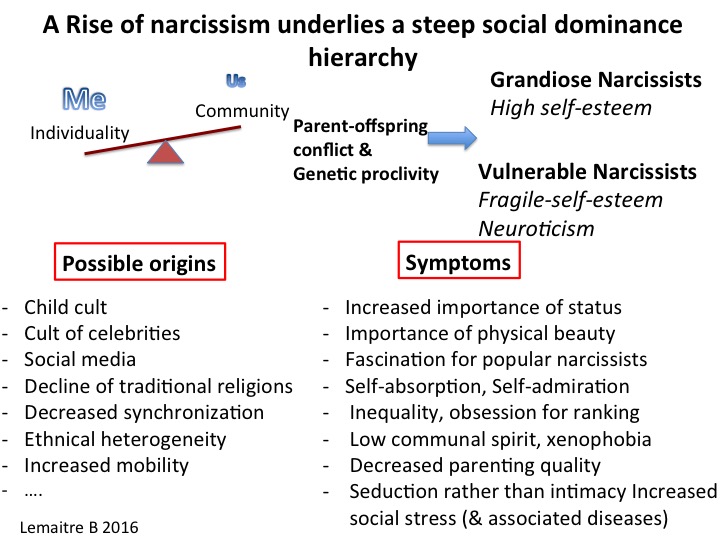
Bruno Lemaitre is a Full Professor at École Polytechnique Fédérale de Lausanne (EPFL), affiliated with the School of Life Sciences and the Global Health Institute (UPLEM). He also contributes to teaching in the Doctoral Program in Molecular and Cellular Life Sciences (EDMS), the School of Humanities (SHS), and the School of Basic Sciences (SV-SSV). He leads the Lemaitre Lab, focusing on immunology and host-pathogen interactions. Full Professor, EPFL – Global Health Institute (UPLEM) Full Professor, EPFL – School of Life Sciences (SV-SSV) Full Professor, EPFL – Doctoral Program (EDMS) Full Professor, EPFL – School of Humanities (SHS) Member, EPFL Committee of Academic Evaluation (CEAE) His research spans immunology, evolutionary psychology, and the sociology of science. Key areas include innate immunity, Toll-like receptors, Drosophila host defense, and the influence of narcissism on scientific success. He has published extensively on how personality traits shape research culture and ethics. The most recent 15 articles reflect a strong interdisciplinary trend, combining molecular immunology with psychological and sociological themes. While early works focus on TLRs and Drosophila immunity, recent publications explore narcissism, obesity, scientific discovery myths, and the cultural impact of personality. This indicates a broadening research scope from molecular biology to the human dimensions of science. Scientific awards and recognitions include: EMBO Member (2007) Bruno Lemaitre supervises a dynamic group of PhD students, both current and past, and is involved in significant educational initiatives, including MOOCs on immunology and authored textbooks. He has also contributed to public discourse through interviews and media appearances. His laboratory, the Lemaitre Lab, is a hub for research on infection and immunity, and he plays a role in academic governance through committee memberships.
Öznur Öncül Demir is an Assistant Professor at Abdullah Gül University, Faculty of Humanities and Social Sciences, Department of Psychology . Previously, she served as an Assistant Professor at Zonguldak Bulent Ecevit University (2015-2022) and Research Assistant at Middle East Technical University (2005-2014). Doctorate : Middle East Technical University (2014) Postgraduate : Middle East Technical University (2008) Undergraduate : Middle East Technical University (2005) Her research focuses on psychology of violence and emotional mechanisms of psychological disorders , particularly disgust in psychopathologies . She has conducted extensive interviews with prison inmates and collaborated with the University of Birmingham on sexual violence research. Recent publications examine self-disgust , traumatic stress in correctional officers , and anger management strategies . Conference contributions span topics like menopausal psychology , marital conflicts , and eating disorders , reflecting interdisciplinary interests in clinical and forensic psychology . METU Graduate School of Social Sciences Ph.D Thesis Award (2015) She has served as Deputy Head of Department at Abdullah Gül University (2024–) and organized peer reviews for journals like Journal of Religion and Health and Erciyes Akademi . Invited lectures cover anger control , workplace stress , and post-trauma resilience .
Bettina Hannover is a Professor of Research on Schools and Teaching at Freie Universität Berlin within the Department of Education and Psychology, Division of School and Teaching Research. She has held this position since 2002 and has been a leading figure in educational and social psychology in Germany. Her research interests span Educational Psychology , Self and Identity , Gender and Education , Stereotype Threat , Teacher Education , and the Integration of Migrant and Refugee Students . She has developed a cognitive model of the self and investigates how social and cultural contexts shape identity and educational outcomes. The recent publications reflect a strong focus on stereotype threat , identity development , peer relationships , and gender dynamics in educational settings. Her work combines experimental, longitudinal, and intervention-based approaches, often in collaboration with national and international partners. She has received significant recognition, including the Heisenberg Scholarship from the German Science Foundation. Heisenberg Scholarship, German Science Foundation (1995) Bettina Hannover has led numerous funded research projects and advised on educational policy through her work with the Aktionsrat Bildung . She has also been active in academic governance, serving on editorial boards, selection committees for major prizes, and scientific advisory councils. Her work bridges basic research and applied educational interventions, particularly in promoting equity and inclusion in schools. She leads research on teacher competencies, evidence-based teaching (e.g., K2teach project), and the social integration of diverse student populations. Her lab and team focus on experimental and longitudinal studies in real-world school contexts, often involving large-scale data collection and intervention evaluations.
Shuting Wang is an Assistant Professor in the Paul H. Chook Department of Information Systems and Statistics at Baruch College's Zicklin School of Business. With a PhD in Management Information Systems from Temple University and prior degrees in Operations Management and Logistics Management, her research focuses on social media risks, fake news detection, and digital health platforms. PhD: Temple University (Management Information Systems) MSc: Shanghai University of Finance and Economics (Operations Management) BSc: Zhongnan University of Economics and Law (Logistics Management) Her expertise spans Big Data Marketing , Social Media Analytics , Technology Strategy , and Digital Health . Current research examines: Fake news mitigation through multimedia elements Telemedicine accessibility via SMS technology Social media's impact on business reputation FinTech startup success factors Psychological impacts of digital appearance Cybersecurity effects on startup funding Key Scientific Awards : Research Cluster Interdisciplinary Incentive Grants (2025) Eugene M. Lang Fellowship (2021) Presidential Fellowship at Temple University (2014) Full Tuition Scholarship at Shanghai University of Finance and Economics (2009) Active in teaching roles including Data Mining for Business Analytics and Database Management, she has received grants from the National Science Foundation and CUNY Central Office. Her work has been featured in outlets like NPR and Campaign US.
Karen Schramm serves as Professor in the Department of English at Delaware Valley University, where she has taught 23 distinct courses since joining this teaching-focused institution. Her academic journey spans appointments at Rutgers University, the University of Delaware, Rowan University, and community colleges, with her current role emphasizing innovative pedagogy and environmental advocacy. As a Partner in Conservation with the World Wildlife Fund, she actively supports global wilderness protection initiatives across the Amazon and American Prairie. Education: Ph.D. in English (American Literature), University of Delaware M.A. in English, Rutgers University B.A. in English, Rutgers University Dr. Schramm's research centers on environmental literature's role in American cultural identity, particularly examining wilderness narratives from the American Renaissance period. Her scholarship bridges literary analysis with conservation ethics through courses like Environmental Literature and Introduction to Literature: Creature Comforts, which explores animal representations in fiction and creative non-fiction. This interdisciplinary approach extends to her personal commitment to nature, demonstrated by her lifelong documentation of cicada emergences since childhood. Her 30+ publications reveal consistent thematic evolution from early pedagogical innovations to current environmental scholarship, featuring definitive contributions in Oxford and Cambridge University Press volumes. While haiku poetry reflects her nature-focused aesthetic, her academic work demonstrates sophisticated analysis of wilderness discourse in American literature and practical applications in educational technology. The publications collectively showcase her dual commitment to advancing literary scholarship and transforming classroom practice through creative methodology. Scientific Awards: $300 award for best article in Teaching for Success (1997) Dr. Schramm has mentored student writers through 15 consecutive years (1998-2013) as advisor and copy-editor for The Gleaner , the university's literary magazine, while developing innovative teaching methodologies like the 'Angered Porcupine' approach. Her scholarly productivity includes six biographical entries for the American National Biography and multiple book chapters addressing technology integration in education, though specific research grants aren't documented in available materials. Her conservation partnership with WWF represents significant professional engagement beyond traditional academic boundaries. No dedicated research laboratories or formal research teams are referenced in her professional documentation, with scholarly activities primarily conducted through individual publication and institutional teaching roles.
Laura E. Mercer Traavik serves as Associate Professor in the Department of Leadership and Organization at Kristiania University College's School of Communication, Leadership and Marketing. Her expertise spans negotiation strategies, diversity management, and inclusive leadership frameworks within Norwegian organizational contexts, with particular focus on workplace inclusion for caregivers and seniors. Her research examines intersectional dynamics of diversity through lenses of cross-cultural management, economic psychology, and negotiation theory. Current investigations address AI ethics implications for inclusive workplaces, individual motivations for inclusive behavior, and structural barriers faced by women in leadership. She analyzes how fixed mindsets about technology impact virtual team performance and explores employer branding strategies that authentically integrate diversity values. Analysis of her recent publications reveals intensifying focus on practical applications of inclusion science in Scandinavian workplaces. Key trends include caregiver employee integration, senior workforce retention strategies, and the ripple effects of egalitarian team structures. Her work increasingly bridges digital transformation challenges with human-centered inclusion practices, emphasizing contextual Norwegian workplace dynamics while contributing to global diversity discourse through empirical studies on mindset interventions and policy rationales. Traavik actively disseminates findings through NEON Days and EDI conferences, presenting on topics including caregiver inclusion frameworks, senior career development pathways, and cross-cultural negotiation patterns. Her research methodology combines organizational case studies with large-scale policy analysis, notably through MIPEX database applications in Scandinavian contexts.