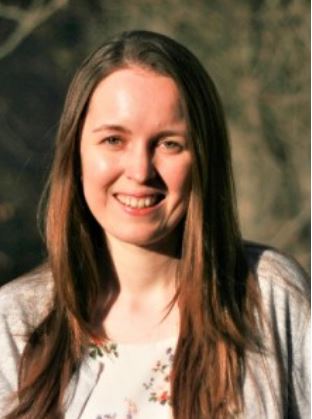
Manon Jones is a Professor in Psychology and Director of Research at Bangor University's School of Psychology and Sport Science. She directs the Miles Dyslexia Centre, a research hub providing assessment services and professional development for practitioners, and leads the RILL project—a bilingual literacy program for primary schools funded by UKRI, Nuffield Foundation, and Welsh Government. Her research explores cognitive and neurocognitive foundations of reading, dyslexia, and bilingualism. Key themes include: Cross-modal learning in dyslexia Orthographic processing across languages Remote literacy instruction efficacy Neurodivergent cognition models Syntax acquisition in bilinguals Analysis of her 15 most recent publications (2014–2025) reveals dominant foci on dyslexia mechanisms (9 papers), bilingual language processing (7 papers), and literacy intervention design (4 papers). Methodologies include eye-tracking, ERP, and randomized controlled trials, with increasing emphasis on computational modeling since 2021. She leads multiple grants including: RILL randomized control trial (Welsh Government, 2022–2026) Welsh literacy scale-up project (2024–2025) Neurodevelopmental disorder screening tool development (2022–2023) COVID-19 remote teaching research (2020–2022) She directs the Reading Brain lab and collaborates with NHS services to translate research into clinical/educational practice.
Karen Freiberg is Senior Lecturer Emerita at the University of Maryland, Baltimore County's Department of Psychology. She holds a Ph.D. in Developmental Psychology from Syracuse University (1974) and specializes in health psychology and physiological psychology. Education: Ph.D. in Developmental Psychology, Syracuse University, 1974 Research Interests: Dr. Freiberg focuses on health psychology, physiological psychology, and educational resource development. She has authored several textbooks on developmental psychology. Publications: Her works include comprehensive textbooks covering human development across the lifespan, with editions recognized by the American Nurses Association.
Amit Morey is an Associate Professor in the Department of Poultry Science at Auburn University's College of Agriculture. His research focuses on food safety, poultry meat quality, and advanced sensing technologies. He leads projects involving biosensor development, microbial pathogen detection, and spoilage prediction using machine learning and spectral imaging. His work bridges laboratory innovations with industry applications, addressing challenges in poultry processing, packaging, and supply chain management. Education details are not explicitly listed, but his extensive publications suggest advanced training in food science, microbiology, and engineering. Research interests include antimicrobial biopolymer films, texture analysis of catfish and chicken fillets, and the application of functional ice in seafood preservation. He has pioneered methods for rapid Salmonella detection using microfluidics and fiber optics-based SERS sensors. Notable contributions include developing predictive models for spoilage using near-infrared spectroscopy and exploring cyclic temperature abuse impacts on poultry safety. His interdisciplinary approach integrates artificial intelligence with traditional food science techniques to enhance food safety and reduce waste. While no specific grants or awards are listed, his active publication record (over 100 papers from 2005–2025) indicates sustained research funding. He collaborates on projects addressing global food safety inequities, such as sensor-enabled decision support systems (SENS-D) for vulnerable communities. Lab activities include the Auburn Poultry Science Lab, focusing on meat quality assessment, microbial interventions, and smart packaging solutions. His work has direct industry impact, with applications in poultry processing plants and retail cold chain management.
Ibrahim RADWAN is an Associate Professor in Machine Learning/AI and Robotics at the University of Canberra. His research focuses on advancing AI techniques in areas such as human pose estimation, affective computing, and healthcare technology. He leads projects addressing challenges in robotics, autonomous systems, and human behavior analysis. RADWAN’s work bridges theory and application, contributing to fields like sports science, medical diagnostics, and security through innovative machine learning approaches. Research Projects: Assistive Technologies for Young People Safety on Two-Wheelers AI-Based Methods for Driver Sentiment and Mood Prediction Robotics Applications in Organic Waste Management Research Interests: RADWAN’s expertise spans human pose reconstruction , nonverbal behavior analysis , and EEG-based healthcare diagnostics . He pioneers methods for real-world applications such as: 6G Extended Reality systems using wearable sensors Multimodal deception detection via motion analysis Affective computing for mood and emotion inference Publications: His recent work emphasizes trends in spatiotemporal data analysis, few-shot learning, and synthetic data applications in healthcare and robotics. Key contributions include novel architectures like CrossFormer for 3D pose estimation and Resanet for dense prediction tasks. Advising & Grants: RADWAN supervises PhD students and has secured grants for projects integrating AI with robotics and medical technology. His team collaborates on interdisciplinary challenges, including railway safety and surgical instrument tracking. Labs/Teams: Part of the AI and Robotics research group at the University of Canberra, contributing to cutting-edge solutions in autonomous systems and human-centered AI.
Joel Talcott is Professor of Developmental Cognitive Neuroscience at Aston University, specializing in dyslexia and language disorders. His research examines genetic, neural, and cognitive foundations of reading development using methods including neuroimaging, genetic analysis, and large-scale behavioral assessment. Leadership Roles: Vice President of the British Dyslexia Association (2010-present), Fellow of the Royal Society of Arts (2012), and IBRO-UNESCO Science of Learning Fellow (2020). Editorial responsibilities include service for Dyslexia and Annals of Dyslexia journals. Research: Leads the Aston Brain Centre's investigations into neurocognitive trajectories of reading skills. Current projects include the ECCaToN transdiagnostic protocol for neurodevelopmental characterization and analysis of literacy development datasets (LIBS Dataset). Awards: IBRO-UNESCO Science of Learning Fellow (2020) Fellow of the Royal Society of Arts (2012) Honorary Vice-President, British Dyslexia Association (2010)
Kathleen H. Sienko is the Arthur F. Thurnau Professor in the Department of Mechanical Engineering at the University of Michigan's College of Engineering. She directs the Sienko Research Group, a multidisciplinary lab focused on developing technological solutions at the intersection of healthcare and engineering. Her work spans medical device design, design science, and engineering education with a strong emphasis on global health contexts. Dr. Sienko earned her Ph.D. in Medical Engineering and Bioastronautics from the Harvard-MIT Division of Health Sciences and Technology (HST) program in 2007, an S.M. in Aeronautics & Astronautics from MIT in 2000, and a B.S. in Materials Engineering from the University of Kentucky in 1998. Ph.D., Medical Engineering and Bioastronautics, Harvard-MIT Division of Health Sciences and Technology, 2007 S.M., Aeronautics and Astronautics, Massachusetts Institute of Technology, 2000 B.S., Materials Engineering, University of Kentucky, 1998 Her research focuses on sensory augmentation, rehabilitation engineering, biomechanics, and medical device design with emphasis on global health contexts and task-shifting devices. She has pioneered efforts to incorporate global health technology constraints within engineering design education at undergraduate and graduate levels, establishing field sites in sub-Saharan Africa and Asia where numerous devices have been conceptualized and refined with local stakeholders. Her work in design science examines how and when designers use prototypes in development cycles and how prototypes assist during stakeholder interactions and user requirements identification. Her recent publications reveal a strong trend toward human-centered approaches in global health design, with increasing focus on stakeholder engagement, contextual factors in engineering design, and equity considerations in health technology development. Her work bridges biomechanics, rehabilitation engineering, and design methodology with applications in balance assessment, medical device development for low-resource settings, and engineering education. Dr. Sienko has received numerous prestigious awards including the NSF CAREER Award, University Undergraduate Teaching Award, Provost's Teaching Innovation Prize, and the Miller Faculty Scholar Endowed Award. Her recognition spans teaching excellence, research innovation, and outreach contributions. NSF CAREER Award, 2009 Provost's Teaching Innovation Prize, 2012 Miller Faculty Scholar Endowed Award, 2013 University Undergraduate Teaching Award, 2012 Raymond J. and Monica E. Schultz Outreach and Diversity Award, 2011 She has advised numerous graduate students including Nick Moses (who defended his dissertation in December 2023), Lucy Spicher, Marty Kilbane, and Ibrahim Mohedas. Her research has been supported by significant grants from the National Science Foundation, including the CAREER program, Research Initiation Grants in Engineering Education, and the Graduate Research Fellowship program, as well as funding from the University of Michigan's Rackham Merit Fellows program and Center for Research on Learning and Teaching. The Sienko Research Group operates as a talented multidisciplinary lab developing novel methodologies to create technological solutions addressing pressing societal needs at the healthcare-engineering intersection. Current research thrusts include Design Science, Autonomous Vehicles, Balance, Sensory Augmentation, and Wearable Devices, with particular emphasis on how design ethnography can inform medical device development and how engineering students develop ethnographic skills for global health contexts.
Professor Danilo Mandic is a leading academic in Machine Intelligence and Signal Processing at Imperial College London's Department of Electrical and Electronic Engineering. He holds roles including President of the International Neural Network Society and Distinguished Lecturer for IEEE Computational Intelligence and Signal Processing Societies. His research spans Statistical Learning, Wearable Sensing (Hearables), Financial Signal Processing, and Tensor Networks for Big Data. Key contributions include pioneering in-ear physiological sensing and developing quaternion-based adaptive filters. He has authored over 600 publications, including seminal monographs on neural networks and complex-valued signal processing. Education: PhD in Nonlinear Adaptive Signal Processing from Imperial College (1999). Professional accolades include the 2019 Dennis Gabor Award and multiple IEEE Best Paper Awards. His labs include the Financial Signal Processing & Machine Learning Lab and collaborations with the Centre for Neurotechnology. He advises numerous students and leads projects on AI ethics, graph signal processing, and biomedical applications. His work emphasizes translating research into educational curricula via participatory sensor-based learning.
**Roles & Affiliations:** Research Professor of Communication and Journalism at USC Annenberg; Norman Lear Chair in Entertainment, Media and Society; Director of the Norman Lear Center since 2000. Previously served as Associate Dean of USC Annenberg (1997–2007). **Education:** PhD in Modern Thought and Literature (Stanford University), MA in English (Cambridge University as a Marshall Scholar), BA summa cum laude in Molecular Biology (Harvard University). Former Harvard Lampoon President. **Research Focus:** Explores media’s societal impact, including campaign coverage, public health messaging in entertainment, science communication via narrative, and the attention economy’s democratic effects. Leads the Norman Lear Center, studying media’s role in shaping culture and society. **Key Contributions:** Authored/co-authored works like *Warners’ War: Politics, Pop Culture & Propaganda in Wartime Hollywood* (2004) and *What Is An Educated Person?* (1980). Coined concepts like “Informed Citizen Disorder” to critique media-driven apathy. **Awards:** Received six first-place journalism awards from the Los Angeles Press Club (2012–2017) for columnwriting. Recognized for media commentary on *All Things Considered*, *Marketplace*, and Air America Radio’s *So What Else Is News?* **Career Highlights:** Former speechwriter for Vice President Walter Mondale, Disney Studios VP/producer (12 years), and screenwriter for films like *The Distinguished Gentleman* (Eddie Murphy). **Current Projects:** Led the Grand Avenue Civic Park digital civic initiative, blending technology and public engagement. Regularly critiques media’s role in politics and democracy on platforms like *Moyers & Company*.
Lynn Carol Miller is a Professor of Communication at the University of Southern California’s Annenberg School for Communication and Journalism. Her research focuses on leveraging virtual environments, AI agents, and computational models to address health-related social behaviors, particularly in HIV/AIDS prevention and mental health. Funded by NIH, CDC, and DARPA (over $20M), her work integrates neuroscience, behavioral science, and technology. She pioneered interventions like SOLVE (Socially Optimized Learning in Virtual Environments) and Systematic Representative Design. Education: PhD in Personality Psychology from University of Texas at Austin. Key areas include health communication, gaming for behavior change, and computational modeling of social processes. She has supervised 17 doctoral students and collaborators across universities globally. Research emphasizes scalable interventions using fMRI-compatible tools and virtual reality. Notable contributions include reducing shame in HIV prevention games and analyzing neural correlates of risk-taking behaviors. Awards include the Early Career Award (2003) and ICA’s Outstanding Contribution to Communication Science (2020). Labs/Teams: Active in multidisciplinary teams at USC and collaborating institutions, focusing on virtual environment design, AI-driven interventions, and neurobehavioral studies. Current projects explore AI for public health and inclusive avatar representations in social VR.
Satya S. Sahoo, PhD, is a Professor in the Department of Population & Quantitative Health Sciences at Case Western Reserve University's School of Medicine. He also holds Associate Professor roles in Neurology, Computer and Systems Engineering, and Electrical Engineering across multiple schools. His research focuses on AI-driven analysis of biomedical data, ontology engineering, and reproducibility frameworks like ProvCaRe. He leads the Biomedical & Health Informatics PhD Program and is affiliated with the Cleveland Institute for Computational Biology. Education: PhD in Computer Science and Engineering from Wright State University (2010) Key Research: Integrates knowledge representation and machine learning for brain network dynamics, EHR analysis, and semantic provenance. Major Awards: AMIA Fellow (2020) IEEE Senior Member (2020) Best Paper Awards (IMIA 2015, AMIA 2017) Advising: Mentored 14 Master’s, 11 PhD students, and 1 postdoc. Notable alumni include faculty at University of Texas Health Sciences Center and industry roles at Johnson & Johnson.
Douglas K. Hartman is a Professor in the Department of Teacher Education at Michigan State University (MSU) , with a joint appointment in Educational Psychology and Educational Technology. He holds a Ph.D. from the University of Illinois Urbana-Champaign. His research focuses on the application of technologies to enhance human learning across diverse contexts, including schools, communities, workplaces, and sports. Hartman’s work bridges educational theory and practice, emphasizing innovation in teaching methodologies and digital literacy. His research interests span educational technology , new literacies , and technology integration in learning environments. He has contributed to understanding how digital tools impact early childhood education, teacher professional development, and global educational policies. His recent studies explore AI applications in literacy assessment and generative AI’s role in artistic disciplines. Key themes in his publications include cross-cultural educational collaboration (e.g., CLIL approaches in EMI contexts), early literacy development, and teacher roles in online learning. While no awards are explicitly noted, his extensive scholarly output reflects sustained contributions to educational innovation. Hartman’s affiliation with MSU’s College of Education positions him at the forefront of interdisciplinary research, though specific grants or labs are not detailed in the provided texts. He maintains an active research agenda addressing 21st-century challenges in education through technology-driven solutions.
Dr. Jia Wu is an Associate Professor and Research Director of the Centre for Applied Artificial Intelligence at Macquarie University. He holds a PhD in Computer Science from the University of Technology Sydney (2009) and is an IEEE Senior Member. His research focuses on artificial intelligence, data mining, graph neural networks, and anomaly detection, with over 200 publications in top-tier journals/conferences like IEEE TPAMI, TKDE, and conferences like KDD, IJCAI, and NeurIPS. He has received awards including the Heidelberg Laureate Forum Fellowship (2019) and multiple best paper awards. Education: PhD in Computer Science (UTS, 2009). Current roles include Director of HDR (Higher Degree Research) and Associate Editor for IEEE TNNLS and ACM TKDD. He leads projects in AI-driven cybersecurity, personalized banking solutions, and disaster response systems. Research interests emphasize graph-based learning, fake news detection, and deep learning applications. His recent work explores hypergraph neural networks for fraud detection and brain graph analysis for neurological disorders. He has pioneered scalable semi-supervised clustering techniques and transformer-based hypergraph models for anomaly detection. Awards include CIKM'22 Best Paper Runner-Up, ICDM'21 Best Student Paper, and the 2023 Faculty of Science and Engineering Collaboration Award. His work spans 13 active research projects, including mitigating AI deepfakes in identity systems and enhancing disaster response networks through graph-based simulations. Labs/Teams: Leads teams in the Data Horizons Research Centre, Future Communications Research Centre, and Hearing Research Centre. Collaborates internationally in AI, data mining, and social network analysis.
Dr Caroline Roney is a UKRI Future Leaders Fellow and Lecturer in Computational Medicine at Queen Mary University of London's School of Engineering and Materials Science. Her research focuses on developing engineering methodologies to personalize treatment for cardiac arrhythmias, combining signal processing, machine learning, and computational modeling to predict optimal patient-specific therapies. She holds a MMath from the University of Oxford, MRes and PhD from Imperial College London, and has held fellowships at Liryc Institute and King's College London. Her work integrates clinical imaging and electrophysiological data to advance atrial fibrillation treatment strategies. Education: MMath in Mathematics, University of Oxford MRes in Biomedical Research, Imperial College London PhD in Cardiac Signal Processing, Imperial College London Research Interests: Development of patient-specific digital twins for atrial fibrillation, computational modeling of fibrosis, and integration of machine learning with clinical data. Awards: UKRI Future Leaders Fellowship, Fondation Lefoulon Delalande Fellowship (2015–2017), MRC Research Fellowship (2017–2021). Affiliations: Digital Environment Research Institute (DERI), Visiting Lecturer at King's College London. Her research group has secured £9.3M in grants, including EPSRC and MRC funding, to advance virtual atrial modeling and AI-driven healthcare tools. Key collaborations include industry partners like Acutus Medical and RHYTHM AI, focusing on clinical translation of computational models.
Surl-Hee Ahn is an Assistant Professor in the Department of Chemical Engineering at the University of California, Davis. Her research focuses on using molecular dynamics (MD) simulations and enhanced sampling methods like the weighted ensemble (WE) to study biological systems, including proteins, nanocrystals, and drug discovery for tuberculosis and other diseases. She leads the Ahn Lab, which develops cutting-edge computational tools, such as ParGaMD and DeepWEST, to advance kinetic and thermodynamic sampling in simulations. Education: Ph.D. in Chemistry (Chemical Physics), Stanford University M.S. in Chemistry, University of Pennsylvania M.A. in Mathematics, University of Pennsylvania B.A. in Biochemistry and Mathematics, University of Pennsylvania (Magna Cum Laude, Vagelos Scholar) Research Interests: Molecular dynamics simulations, enhanced sampling methods, computational drug discovery, vaccine design, protein interactions, and nanomaterial dynamics. Her work bridges computational biology, materials science, and pharmacology, with applications to infectious diseases and neurodegenerative disorders. Awards and Recognition: 2020 ACM Gordon Bell Prize Winner (SC20) for SARS-CoV-2 spike dynamics simulations 2021 Chancellor’s Outstanding Postdoctoral Scholar Award Finalist MIT Rising Stars in Mechanical Engineering (2018) ACS PHYS Division Young Investigator Award (2021) Grants & Collaborations: Her research is supported by grants from SC20/SC21 and leverages high-performance computing for multiscale modeling. She collaborates on projects like #COVIDisAirborne, combining AI with computational microscopy. Labs & Teams: The Ahn Lab at UC Davis emphasizes interdisciplinary training in computational methods and their application to real-world biomedical challenges.
Davide Donadio is a Professor of Chemistry at the University of California, Davis. His research focuses on molecular modeling and simulations of materials, particularly in non-equilibrium processes, thermal transport, and nanostructure assembly. He leads the Naotheory Group, which develops predictive multiscale models for energy-related materials. Education : Habilitation in Materials Science, Italian Ministry for University and Research (2013) Ph.D. in Materials Science, University of Milano (2003) M.S. in Physics, University of Milano (1998) Research Interests : His work spans molecular-level understanding of energy conversion, thermal management, and nanostructure formation. Key areas include phononics, thermoelectrics, and interfacial phenomena in materials like ice surfaces, semiconductors, and clathrates. He employs machine learning and first-principles methods to bridge simulation and experiment. Awards : UC Davis Hellman Fellow (2017–2018) Young Scientist Award, Italian Institute for the Physics of Matter (1998) Grants & Labs : His funding and collaborations drive advancements in nanostructured materials and computational tools like PLUMED tutorials. The Naotheory Group actively publishes in high-impact journals and collaborates internationally on thermal transport and materials design.