Joseph P. Kao is a Professor in the Department of Pharmacology and Physiology at the University of Maryland School of Medicine, specializing in molecular probe design for physiological studies. His work bridges chemistry, biophysics, and translational medicine with applications in cellular imaging and redox biology. His educational background includes: BS in Chemistry from Arizona State University (1978) PhD in Chemistry from University of California, Berkeley (1985) Postdoctoral Research in Cell Biology and Physiology at UC Berkeley (1989) Postdoctoral Research in Cell Biology and Physiology at UC San Diego (1990) Dr. Kao's research focuses on developing fluorescent molecules, caged compounds for light-controlled physiology, and spin probes for EPR imaging. These tools are applied to study cellular physiology, neurophysiology, erythrocyte biology, and redox status in disease models such as acute lung injury. His innovations enable real-time monitoring and spatio-temporal control of biological processes through optical and magnetic imaging modalities. Analysis of his recent publications (2023-2025) reveals concentrated efforts on EPR-based detection of oxidative stress in pulmonary and hematological contexts, particularly in acute lung injury models and erythrocyte storage studies. His work demonstrates strong translational potential for clinical diagnostics, with recurring themes in redox status quantification, hemolysis mechanisms in G6PD deficiency, and molecular probe optimization for intracellular retention. Information regarding student advising, grant funding, laboratory teams, and scientific awards was not provided in the source materials.
Associate Professor Yan Yan is a leading researcher at University College Dublin's School of Biomolecular and Biomedical Science, where she currently holds the position of Associate Professor (since July 2024) after serving as Assistant Professor from 2018-2024. Her research program focuses on understanding nanoscale interactions with the immune system to develop novel immunotherapies for cancer and infectious diseases. PhD in Biochemistry and Molecular Biology from Peking University, China Postdoctoral training at the University of Melbourne Science Foundation Ireland SIRG Fellow Marie Curie Fellow Australian Research Council DECRA Fellow Professor Yan's research interests center on nanoscale shape biology and its applications in immunotherapy development. She has pioneered work on how nanoparticle architecture influences immune responses, particularly through the study of nanostructure shape effects on T cell receptor repertoires and histone modifications. Her interdisciplinary approach combines nanotechnology, immunology, and biointerface science to develop novel therapeutic strategies. Her laboratory investigates protein corona formation, nanoparticle translocation across biological barriers, and the development of shape-dependent immunomodulatory therapies. Analysis of Professor Yan's publication record reveals a strong focus on systematic investigation of nanoscale shape effects on biological systems. Her work has evolved from fundamental studies of protein corona formation to more recent applications in immunotherapy development, with increasing emphasis on translation to clinical applications. Her research demonstrates consistent innovation in methodology, particularly in developing frameworks for systematic nanoscale shape discovery and evaluation. 1st Prize Interstellar Initiate at New York Academy of Sciences (2017) Starting Investigator Research Grant from SFI (2016) Australian Eureka Prize for Excellence in Interdisciplinary Scientific Research (2013) Discovery Early Career Research Award from ARC (2013) Reviewer Excellence Award (top 1% reviewers, 2017) Professor Yan has successfully secured numerous research grants including HEA Covid-19 funding, the NANOSCAPE project, EXOTRAIN, and multiple UCD Equip Scheme awards. She supervises PhD students and coordinates modules including Biochemist's Toolkit, Bioprocessing, and Enzyme Technology & Protein Engineering. Her laboratory is part of the Conway Institute at University College Dublin, where she leads an interdisciplinary team working at the interface between nanostructures and the immune system. Her research group maintains active collaborations across multiple disciplines, focusing on translating nanoscale discoveries into therapeutic applications for cancer and infectious diseases.
Serena Bovetti serves as Associate Professor in the Department of Life Sciences and Systems Biology at the University of Turin, Italy. Her research integrates advanced optical techniques with cellular neuroscience to investigate neural circuit dynamics and adult neurogenesis, primarily within the olfactory system and neocortex. Her primary research interests encompass adult-born neuron integration in olfactory circuits, molecular mechanisms of neural plasticity, and the development of cutting-edge two-photon imaging methodologies. She specializes in patterned illumination techniques, optogenetic manipulation, and microendoscopic approaches for high-resolution in vivo brain imaging. Her work bridges molecular neuroscience with systems-level circuit analysis to understand how sensory experience shapes neural network organization. Analysis of her recent publications reveals a consistent focus on developing and applying optical tools to dissect neural circuit function. Her research demonstrates strong interdisciplinary integration between biomedical engineering and neuroscience, with particular emphasis on cortical state transitions, inhibitory circuit control, and experience-dependent plasticity in adult-born neurons. The work spans cellular, circuit, and systems neuroscience levels. No scientific awards were explicitly documented in the provided materials. Dr. Bovetti leads the Adult Neurogenesis research group and participates in the PRIN PNRR 2022 DELIMIT project (Discovering the Effectors of Lifestyle-driven Memory enhancement via Inflammation). While specific students aren't listed, her extensive publication record with junior co-authors indicates active mentorship of graduate researchers. She serves on the Departmental Council and teaches Comparative Anatomy courses across multiple biology degree programs. Her laboratory develops and applies advanced optical techniques including two-photon microscopy, patterned illumination systems, and microendoscopic platforms. The research team collaborates extensively on interdisciplinary projects involving neural circuit mapping, optogenetic control, and the molecular regulation of adult neurogenesis, with particular focus on the olfactory bulb as a model system for neuroplasticity studies.
Paolo Peretto is a Professor at the University of Turin affiliated with the Department of Life Sciences and Systems Biology (SSD: BIO/06 - Comparative Anatomy and Cytology). His research focuses on adult neurogenesis , olfactory system development , and neural plasticity with implications for reproductive behavior and brain repair . Key research topics include Wnt-βcatenin pathway roles in olfactory connectivity, social odor processing via GnRH neurons, and experience-dependent neuronal plasticity in olfactory bulb interneurons. His work spans 2004-2024 with significant contributions to understanding neuronal precursor dynamics in cerebellar and striatal regions. Major publications appear in Nature Neuroscience , Frontiers in Neuroscience , and European Journal of Neuroscience . Collaborations include researchers like Silvia De Marchis , Roberta Schellino , and Piergiorgio Giacobini . Teaching involves Comparative Anatomy , Neuroethics , and Evolutionary Behavioral Biology at both undergraduate and graduate levels.
Prof. Dr. Stefan Stricker is a full member of the Graduate School of Systemic Neurosciences (GSN) and a regular member of the Munich Center for Neurosciences (MCN) at Ludwig-Maximilians-Universität München (LMU). He leads the Physiological Genomics research group jointly housed at the Biomedical Center LMU and Helmholtz Zentrum München, where he explores CRISPR-based epigenetic engineering, neural stem cell biology and brain tumour reprogramming. Research Interests: CRISPR-based epigenetic engineering – developing precise tools to rewrite chromatin states in somatic and cancer cells. Neural stem cell identity – decoding transcriptional and epigenetic networks that govern self-renewal versus differentiation. Brain tumour reprogramming – converting malignant glioma cells to a pluripotent, non-tumourigenic state to interrogate cancer epigenetics. Long non-coding RNAs (lncRNAs) – investigating Airn and other macro ncRNAs in genomic imprinting and gene-silencing mechanisms. Across more than fifteen years his work has produced a coherent body of literature that moves from fundamental imprinting biology in embryonic stem cells to translational applications in glioblastoma. Re-occurring themes include DNA-methylation resetting, allele-specific expression biases, and the therapeutic vulnerabilities of glioblastoma initiating cells. Selected Publications & Trends: The 15 most recent publications (2004-2014) reveal a clear progression from mechanistic studies of lncRNA-mediated silencing ( Airn , Igf2r ) to high-impact investigations of glioblastoma stem-cell biology and CRISPR-mediated reprogramming. Collectively these works sit at the intersection of epigenetics , cancer biology and neurodevelopment . Scientific Awards & Fellowships: While no specific prizes are listed, multiple papers were recommended or highlighted by Faculty of 1000 and featured research highlights in Cancer Research and Nature Reviews Cancer . Advising & Training: Graduated GSN student: Dr. Valentin Baumann Laboratory & Institutional Affiliations: Prof. Stricker’s Physiological Genomics group is physically embedded within the Biomedical Center LMU and the Helmholtz Zentrum München, facilitating close collaboration between the university medical faculty and Germany’s largest biomedical research organisation.
Anita Disney is an Assistant Professor of Neurobiology at Duke University and a Faculty Network Member of the Duke Institute for Brain Sciences and Center for Cognitive Neuroscience. Her research investigates neuromodulatory mechanisms in brain circuitry and pre-clinical Alzheimer's Disease neurochemistry using non-human primate models. Her educational background includes: Ph.D. from New York University (2005) Dr. Disney's research spans two integrated domains: Basic Research: Examining how acetylcholine, noradrenaline, serotonin, and oxytocin dynamically specify functional connectivity to enable flexible behavior Disease-Focused Research: Characterizing neurochemical alterations in the 20-30 year pre-symptomatic phase of late-onset Alzheimer's Disease (accounting for >95% of cases) Her lab pioneers question-driven methodology including novel biosensors combining electrophysiology with real-time neurochemical monitoring, proteomics, metabolomics, and comparative cortical anatomy. Analysis of her 15 most recent publications reveals persistent focus on cholinergic modulation in visual processing (60% of works), with increasing translational emphasis on Alzheimer's mechanisms since 2018. Her work consistently employs cross-species comparisons (macaque, marmoset, rodent) and integrates molecular, cellular, and systems-level approaches. No scientific prizes, fellowships, or medals were documented in the source material. However, her research program recently secured substantial funding through Duke's Research & Innovation Seed Grant program (December 2024; $2 million total). Dr. Disney leads an active research laboratory developing next-generation neurochemical monitoring tools. While specific advisees aren't listed, her lab trains researchers in electrophysiology, neuroanatomy, and proteomic techniques. Current funding supports her investigation of pre-clinical Alzheimer's biomarkers and neuromodulatory circuit dynamics. The Disney lab operates within Duke's neuroscience ecosystem as a core component of the Duke Institute for Brain Sciences, specializing in in vivo neurochemical-electrophysiological integration and comparative cortical architecture studies.
Prof. Daniel Huber is a leading neuroscientist at the University of Geneva , focusing on understanding sensorimotor integration and cortical dynamics. His work bridges motor cortex research , optical imaging , and computational modeling to decode how neural circuits govern voluntary movements and tactile perception. Research spans rodent models and primate evolution through projects like the eLemur 3D brain atlas Key methodologies: in vivo two-photon microscopy , optogenetic manipulation , and biomechanical simulations Lab members include graduate students and collaborators studying Pacinian corpuscle physiology and forelimb motor control Recent publications reveal groundbreaking insights on lamellar Schwann cells' role in vibration perception , tonotopic mapping in the brainstem , and cross-species neural circuit comparisons . His team's 2025 Science Advances paper demonstrates Schwann cell contributions to mechanosensitivity using optogenetic inactivation. Current projects focus on neuronal network dynamics in decision-making and 3D anatomical frameworks for comparative studies. The lab's Swiss National Science Foundation grants and European Research Council funding enable these interdisciplinary approaches.
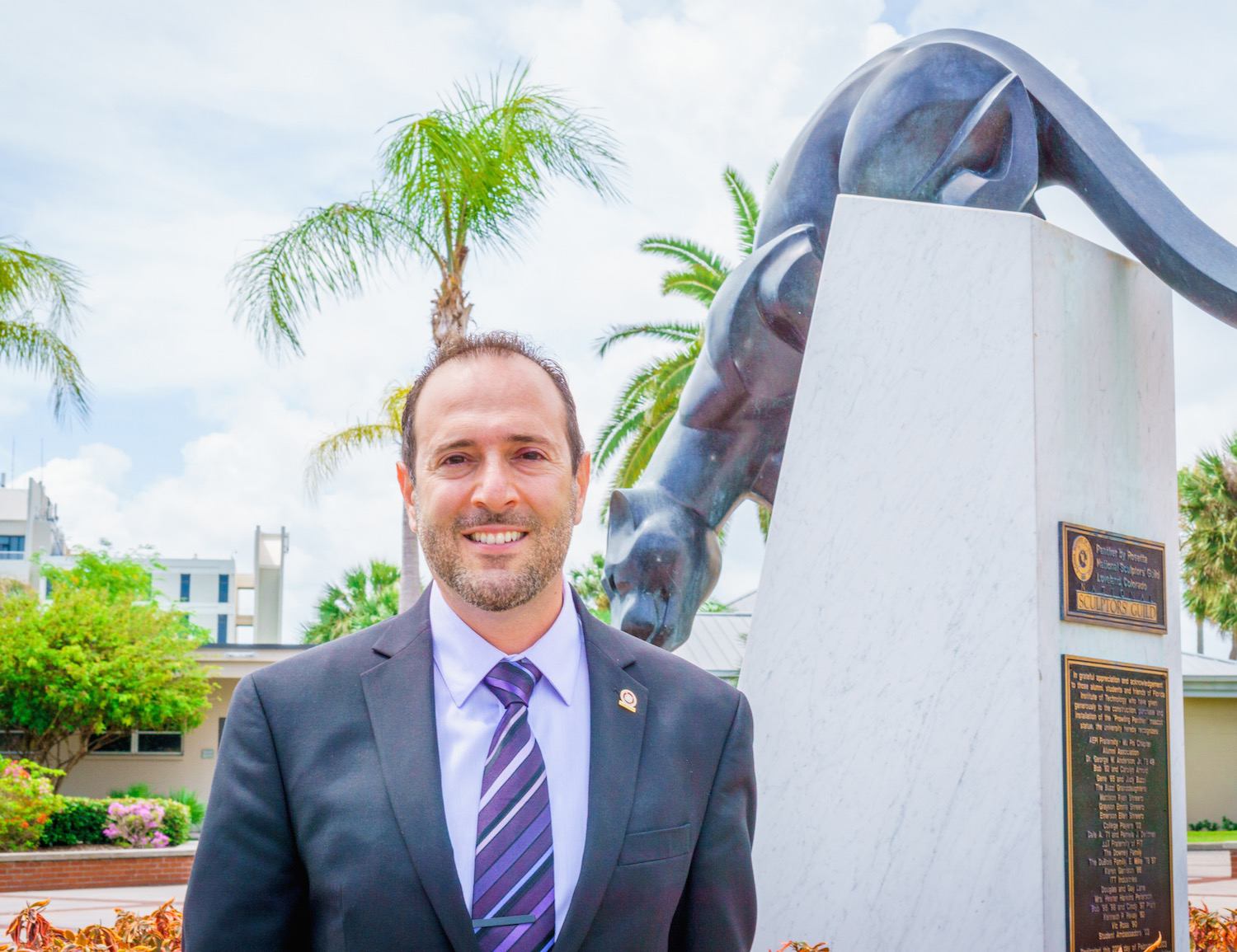
Nasri Nesnas is the Edward H. Kalajian Professor in the Department of Chemistry and Chemical Engineering at Florida Institute of Technology's College of Engineering and Science. He has been a faculty member at Florida Tech since 2002, progressing from Assistant Professor to Associate Professor and finally to Professor in 2017. In addition to his professorship, he serves as Chair of the Research Council at Florida Tech and has held leadership positions in the Faculty Senate including President (2020-2021) and Past President (2021-2022). Dr. Nesnas received his B.S. in Chemistry from Manhattan College in 1994, followed by an M.A. (1995), M.Phil. (1998), and Ph.D. (1999) in Chemistry from Columbia University, where he worked under Professor Ronald Breslow. He completed postdoctoral research at Columbia University from 1999-2002 with Professor Koji Nakanishi. Dr. Nesnas's research spans multiple interdisciplinary areas at the intersection of chemistry, neuroscience, and biology. His work focuses on Photochemistry , particularly the development of light-activated compounds for neuroscience applications; Chemical Neuroscience , where he creates tools to precisely control brain activity; Bioorganic Chemistry for understanding biological processes; Natural Products research; and fundamental Organic Synthesis and Organic Reaction Mechanisms . His group has made significant contributions to the development of 'caged' neurotransmitters that can be activated with specific wavelengths of light, allowing precise control of neural activity. Dr. Nesnas's recent publications demonstrate a strong dual focus: developing innovative photosensitive compounds for neuroscience applications (particularly caged glutamate compounds activated by blue and green light) and environmental chemistry applications (particularly ferrate-based water treatment technologies). His neuroscience work enables unprecedented precision in controlling neural activity, while his environmental research addresses critical water purification challenges through novel oxidation processes. Dr. Nesnas has received numerous awards and recognitions for his work: Edward H. Kalajian Professorship (2024-29) CCE Faculty Excellence Award in Research (2025) Gordon L. Nelson Health Science Research Innovation Program (2024) ACS Orlando Section Outstanding Chemist Award (2023) Bronze Medal for merit and contributions to the development of Palacký U. (2022) Gavel Award for dedicated service as Faculty Senate President (2021-22) Charles E. Helmstetter Faculty Excellence Award in Research (2018-19) Kerry B. Clarke Faculty Excellence Award in Teaching (2016-17) Dr. Nesnas has successfully mentored numerous graduate students through completion of their Ph.D. and M.S. degrees. His research has been supported by significant funding from the National Institutes of Health (NIH, 2015-27), Intel Corporation (2007-09), National Science Foundation (2004-05), Florida Solar Energy Center (multiple grants), and the Community Foundation of Brevard (2018-20). He maintains active international collaborations with institutions including Caltech and University of Palacký in Olomouc. Dr. Nesnas leads the NN Research Group at Florida Tech, which includes both graduate and undergraduate researchers. The group maintains strong international collaborations, particularly with Palacký University in the Czech Republic where Dr. Nesnas serves as a Visiting Research Professor (2025). The group's interdisciplinary work combines synthetic organic chemistry with applications in neuroscience, environmental science, and drug delivery systems.
Gulcan Akgul serves as Assistant Professor of Research in Neuroscience at the Brain and Mind Research Institute, Weill Cornell Medical College since 2021, contributing to Cornell University's neuroscience enterprise through molecular and cellular investigations of neural circuit development. Her academic preparation includes: Ph.D. from State University of New York at Stony Brook (2012) B.S. from Bilkent University, Turkey (2004) Dr. Akgul's research centers on inhibitory interneuron biology, with sustained investigation into parvalbumin-expressing subtypes across cortical and hippocampal regions. Her work examines chemokine-mediated differentiation (Cxcl14), AMPA receptor dynamics, microglial-synaptic interactions, and pathological mechanisms in neurodevelopmental disorders like lissencephaly. This multidisciplinary approach bridges molecular neuroscience, neural development, and systems-level network function through electrophysiological, genetic, and anatomical methodologies. Analysis of her publication history (2010-2024) reveals three dominant research trajectories: (1) developmental specification of cortical interneuron subtypes, (2) synaptic regulation by glial and immune mechanisms, and (3) pathological hyperexcitability in neurodevelopmental disease models. Her work consistently appears in high-impact neuroscience journals including Cell Reports , eLife , and Journal of Neurophysiology , demonstrating methodological rigor in cellular and circuit-level analyses. As a core member of the Brain and Mind Research Institute, Dr. Akgul operates within Weill Cornell Medical College's collaborative neuroscience ecosystem, utilizing institutional resources for advanced molecular and electrophysiological investigations of neural circuit formation and function.
Sacha Nelson is the Gyula and Katica Tauber Professor of Life Science in the Department of Biology at Brandeis University , with affiliations to the Neuroscience Program and the Benjamin and Mae Volen National Center for Complex Systems . His research focuses on physiological genomics of the mammalian neocortex , examining how genetic and epigenetic mechanisms maintain neuronal identity and connectivity in both healthy and disease states. Education : MD/PhD from University of California, San Diego; BA/BS from Brown University Nelson employs genetic, genomic, and electrophysiological approaches to study cortical development, function, and disease models. His work has implications for autism spectrum disorders, epilepsy, schizophrenia, and Alzheimer’s disease , with a focus on molecular mechanisms of circuit homeostasis and activity-dependent transcription . Recent publications emphasize transcriptional regulation in neocortical maturation, synaptic plasticity under activity deprivation, and molecular architecture of thalamic pathways. Key themes include neuronal identity , chromatin accessibility , and gene expression constraints in cortical networks. Scientific Awards : HHMI Senior Fellowship, GEAR Award, Henry Strage Award, Sloan Foundation Research Fellowship, NIH Postdoctoral Fellowship Nelson's work bridges molecular neuroscience and circuit physiology , contributing to understanding both normal sensory processing and disease-altered cortical function . His research team utilizes mouse models and genomic tools to explore these fundamental neurobiological questions.
Kayvan Samimi is an Assistant Scientist at the University of Wisconsin–Madison, specializing in Biomedical Imaging . His work bridges molecular and mechanical processes in pregnancy tissues linked to preterm labor, a critical global health issue affecting over 15 million births annually. Ph.D. in Electrical Engineering (2017, UW-Madison) M.S. in Electrical Engineering (2011, UW-Madison) B.S. in Electrical Engineering (2009, University of Tehran) His research integrates nonlinear optical microscopy , optical coherence tomography (OCT) , and high-frequency ultrasound to analyze tissue microstructures during pregnancy. This interdisciplinary approach aims to develop multi-modal imaging devices for in vivo longitudinal monitoring of pregnancy and assessing preterm birth risks. Recent publications (2023–2025) focus on autofluorescence lifetime imaging for immune cell metabolism analysis, fetal membrane biomechanics , and genome editing specificity in retinal and brain tissues. These works highlight his expertise in combining optical imaging with computational modeling to address clinical challenges.
Mingyao Li, PhD, is an Associate Professor of Biostatistics whose scholarship bridges high-dimensional statistics with modern genomics and spatial biology. Her work is recognised for advancing computational methods that dissect complex tissue architecture and disease heterogeneity at single-cell resolution. Research Interests Bioinformatics and computational biology Statistical methods for high-dimensional genomic data Single-cell and spatial multi-omics integration Genetics and genomics of cardiovascular and cancer systems Systems biology approaches to disease mechanisms Across more than one hundred peer-reviewed publications, Li’s research exhibits a clear trajectory from developing rigorous statistical frameworks—such as hypothesis testing in stochastic block models—to large-scale applications in human disease. A dominant theme is the fusion of spatial transcriptomics, single-cell multi-omics and AI-driven image analysis to uncover cell-type heterogeneity, lineage relationships and microenvironmental crosstalk in atherosclerosis, lung adenocarcinoma, pancreatic cancer and neurodegenerative disorders. Scientific Awards & Recognition While specific awards are not listed in the provided text, the consistent appearance of Dr Li as senior or corresponding author on high-impact papers in Nature family journals and the development of widely-used computational tools (e.g., MISO, iSCALE) attest to significant scholarly recognition. Research Support & Teams Granting agencies and collaborative networks are not explicitly detailed, but the scale and scope of the projects—from whole-organ spatial atlases to primate genome-editing studies—imply substantial multi-institutional funding and interdisciplinary teams integrating biostatisticians, wet-lab scientists and clinician-scientists.
Yutaka Yoshida is a Professor of Neuroscience at the Brain and Mind Research Institute, Weill Cornell Medical College. His research focuses on neural circuit development, semaphorin signaling, and mechanisms of motor recovery after spinal cord injury. Current Affiliation: Weill Cornell Medical College Institute: Brain and Mind Research Institute His work spans molecular neuroscience, pain research, and translational studies on corticospinal and sensory-motor circuits. Recent publications highlight his contributions to understanding semaphorin-plexin interactions in axonal guidance and neuropathic pain modulation. Scientific trends in his articles include: Neural Circuitry: Corticospinal motor control, vestibulospinal pathways Repair Mechanisms: Spinal injury recovery, microglial phagocytosis Signaling Pathways: Semaphorin-plexin, Bax/Bak-caspase He has extensive experience in proteomic analysis of kidney glomerulus and neural development, though no specific awards or student advisees are detailed in the provided text.
Lutgarde Arckens is a full Professor at the Faculty of Sciences, KU Leuven, and chairs the Department of Biology. She leads research in neurobiology and aging studies, with affiliations to the KU Leuven Brain Institute (LBI) and the KU Leuven Institute for Single Cell Omics (LISCO). Research Focus: Cellular and systems-level brain plasticity in mammals Identification of area- and layer-specific proteins in visual/multisensory cortex plasticity Proteomic technologies (2D-DIGE, mass spectrometry imaging) for brain research Impact of healthy aging on the short-lived vertebrate Nothobranchius furzeri Her recent work explores: Neuroregeneration mechanisms in killifish after traumatic injury Microglia diversity in aging-related neurodegeneration Astrocyte roles in cortical plasticity and vision loss recovery Neuromuscular aging parallels between sarcopenia and ALS She serves on multiple institutional governance bodies including the University Council, Academic Council, and chairs the Departmental Council/Board of Biology. Her lab develops preclinical platforms for Parkinson’s disease and healthy aging therapies using killifish models.
Orkun Akin is an Assistant Professor in the Department of Neurobiology at the David Geffen School of Medicine, University of California, Los Angeles (UCLA), where his laboratory is housed in the MacDonanld Medical Research Laboratories. His research program investigates the fundamental mechanisms of brain wiring using Drosophila melanogaster as a primary model system. Dr. Akin's work centers on: Neural circuit assembly during development Neuron-astrocyte interactions in developmental neural activity Activity-dependent and activity-independent mechanisms of synapse formation Molecular guidance cues in axon pathfinding Three-dimensional organization of neural circuits Drosophila visual system development His recent publications reveal how discrete neuronal populations coordinate brain-wide developmental activity patterns and demonstrate the essential role of neuron-astrocyte interactions in neural circuit maturation. Akin employs multidisciplinary approaches combining genetics, live imaging, and molecular biology to dissect the cellular mechanisms underlying precise neural connectivity. The Akin Lab operates under the guiding principles "Think Big, Work Small," reflecting their commitment to addressing fundamental neuroscience questions through meticulous experimental design. The lab's research has been featured in top-tier journals including Nature, Neuron, and Cell, with notable contributions to understanding developmental neural activity patterns and axon guidance mechanisms. The provided text does not specify details regarding Dr. Akin's graduate student advising, research grant funding, or scientific awards.