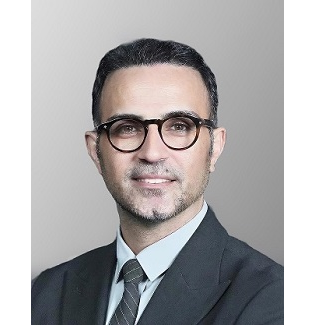
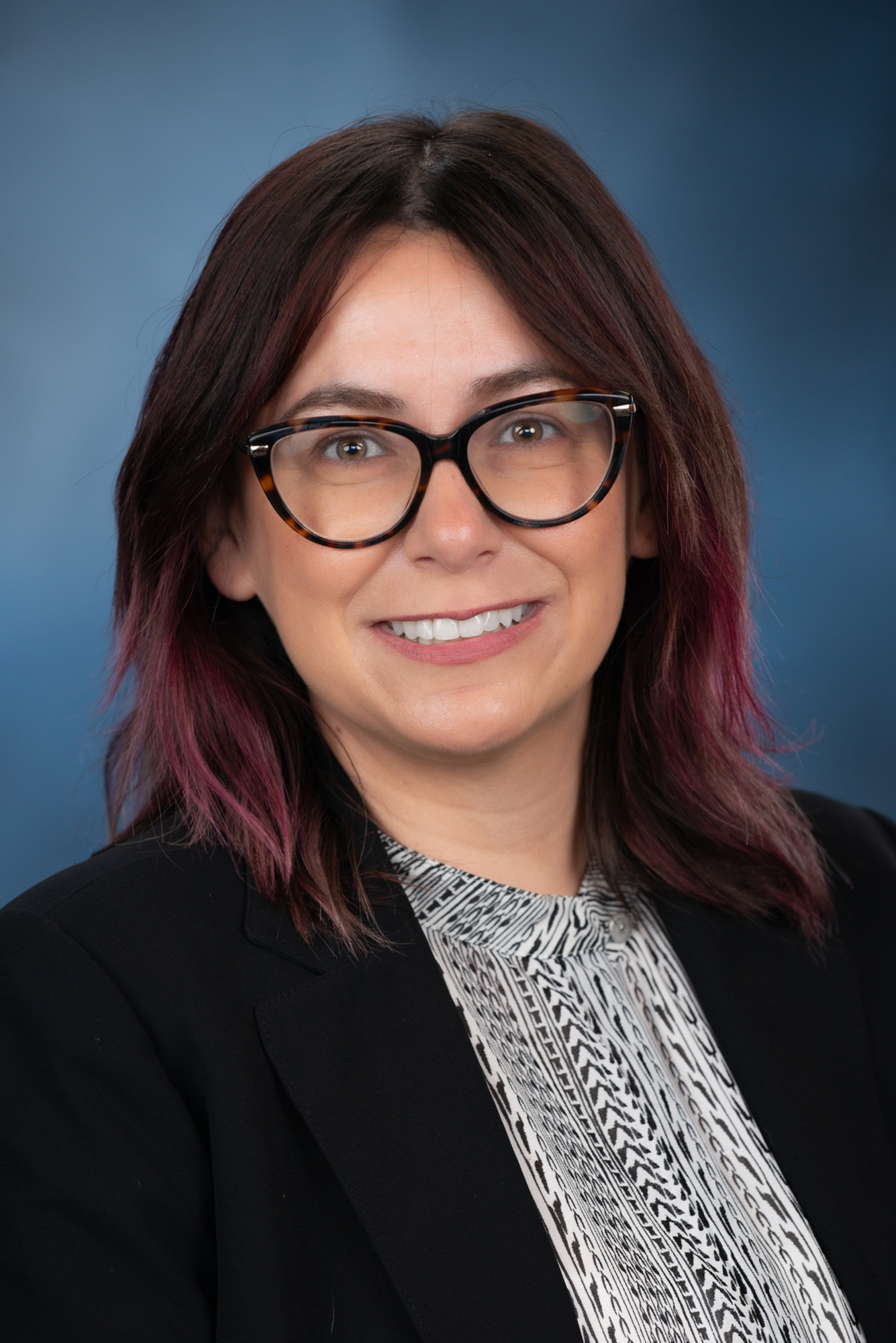
Dr. Romy Räling is a Visiting Professor at the Chair of Child and Adolescent Development (Free University of Berlin) and a Research Associate at Humboldt University of Berlin's Institute of Rehabilitation Sciences, specializing in Pedagogy for Language and Communication Impairments. She holds a doctorate in Cognitive Science (Patholinguistics) and a diploma in General Linguistics/Patholinguistics from the University of Potsdam. Her research investigates language disorders, semantic processing, and neurolinguistics, with emphasis on age-of-acquisition effects, boundary perception in speech, and school-based language intervention tools. She employs behavioral experiments, ERP, and interdisciplinary approaches bridging linguistics, psychology, and neuroscience. Publications focus on semantic processing in aphasia (2015–2016), cognitive parallels between speech/action (2019), and efficacy evaluation frameworks for language interventions (2025). Trends show progression from fundamental neurolinguistic mechanisms to applied educational research. Awards: Doctoral Scholarship, German Academic Scholarship Foundation (2011–2015) She collaborates with the DFG Research Unit Crossing the Borders: The Interplay of Language, Cognition and the Brain and co-leads projects on school language support (e.g., PROSAIOS tool development).
Dr. Gilly Sharpe is a Senior Lecturer in Criminology at the School of Law, University of Sheffield. Her work focuses on intersections of criminal and social justice, particularly concerning marginalized groups like young women in the justice system and ex-offenders transitioning to adulthood. Education: PhD, University of Cambridge MSc and Diploma in Social Work, University of Oxford MA Modern Languages, University of Cambridge Her research examines youth justice policy, penal governance of women and girls, and long-term desistance from crime. She employs qualitative methods and has published extensively on stigma, gender-specific justice, and post-punishment transitions. Recent publications analyze precarious identities during desistance, maternal challenges for ex-offenders, and methodological innovations in longitudinal criminological studies. Her work spans empirical research, policy critique, and theoretical development in penology. Scientific awards: ESRC scholarship (2004) Leverhulme Trust grant (2010-2013) Commonweal Housing grant (2008-2010) Nuffield Foundation grant (2006-2007) She supervises prospective research students in youth justice, women offenders, and desistance. She is a member of the Centre for Criminological Research Cluster and professional societies like the British Society of Criminology.
Victoria Mateu is an Associate Professor of Hispanic Linguistics at the University of California, Los Angeles (UCLA), Department of Spanish and Portuguese, where she joined in 2019 after completing her Ph.D. in Linguistics at UCLA and serving as Lecturer in Linguistics and Lab Manager of the UCLA Language Lab. Her educational background includes: Ph.D. in Linguistics, University of California Los Angeles (2016) M.A. in Linguistics, University of California Los Angeles (2013) B.A. in English Philology, Universidad de Granada, Spain (2011) Dr. Mateu's research employs experimental methodologies to investigate language representation across populations, with core focus on Spanish acquisition in children and adults. Her work examines morphosyntactic constraints, crosslinguistic differences between Spanish/English, language processing mechanisms, and word segmentation in monolingual/bilingual infants. She explores how developmental paths reveal underlying grammatical structures through both naturalistic and experimental paradigms. Recent publications demonstrate strong trends in intervention effects across syntactic domains (passives, sluicing, wh-questions) with expanding cross-linguistic scope (Mandarin, Italian) and methodological innovation through large-scale collaborations. Her work bridges theoretical syntax with developmental psycholinguistics, emphasizing experimental rigor in child language research. Her scientific recognition includes: UCLA Social Impact Collaborative Seed Grant ($50,000) for ‘A community-centered approach to supporting dual language learning’ Dr. Mateu actively mentors graduate students as evidenced by co-authored publications with emerging scholars. Her current grant-funded project with Megha Sundara and Laurel Perkins develops community-centered approaches to dual language support, reflecting commitment to applied linguistic research. She serves as course instructor for advanced syntax and language acquisition seminars. As former Lab Manager of the UCLA Language Lab and current contributor to the international ManyBabies Consortium, she participates in large-scale initiatives addressing methodological challenges in infant research through multi-lab collaborations.
Tamás Lovas serves as Associate Professor at the Department of Photogrammetry and Geoinformatics, Faculty of Civil Engineering, Budapest University of Technology and Economics. He teaches advanced courses in Building Information Modeling, Laser Scanning, Remote Sensing, and Intelligent Transportation Systems while supervising diploma theses in Surveying and Geoinformatics Engineering. Education: 1994: High school graduation, Városmajor High School, Budapest 1999: Certified Surveyor and Geoinformatics Engineer, Budapest University of Technology, Faculty of Civil Engineering 2005: PhD (Earth Sciences), Budapest University of Technology and Economics, Faculty of Civil Engineering Research Interests: Dr. Lovas specializes in laser scanning technologies and geospatial data processing with emphasis on airborne and terrestrial point cloud analysis. His work bridges civil engineering applications and computational methods, particularly in infrastructure monitoring and digital representation. Processing, classification, and modeling of airborne laser scanned data Accuracy testing of terrestrial laser scanning Processing and modeling of terrestrial laser scanned data Comparative study of spatial data acquisition technologies His 2022-2025 publications demonstrate accelerating integration of artificial intelligence in point cloud processing, with significant contributions to road surface extraction, urban land cover classification, and BIM automation. Current research trends show strong focus on digital twin development for autonomous vehicles and infrastructure management. Scientific Awards: Republic Scholarship (1998-1999) Karlsruhe Chancellor's Scholarship (1999) ERASMUS scholarship (2000) Korányi Fellowship (2001-2002) János Bolyai Research Scholarship (2008-2011) OHV 1st place (2008) Dean's commendation for ERASMUS committee work (2014) For Students Award - Teaching Department (2017) Advising and Grants: Dr. Lovas mentors students through diploma theses and TDK research projects on topics including object survey with amateur sensors and hull modeling. His research funding includes the prestigious János Bolyai Research Scholarship and international fellowships supporting collaborations with institutions like The Ohio State University. Labs and Teams: As founding member and supervisory board member of the Hungarian BIM Association, he drives industry-academia collaboration. His leadership roles include Deputy Dean of Education at the Faculty of Civil Engineering and responsibility for English language training programs, facilitating international academic exchange.
Dr. Mohammad Nami serves as Associate Professor of Cognitive Neuroscience and Clinical Neuropsychology at the School of Health Sciences and Psychology, Canadian University Dubai. He concurrently directs the Brain, Cognition, and Behavior Unit at BrainHub UAE and maintains associate membership in the Harvard Medical School Alumni network. Previously, he held leadership roles as Head of Neuroscience Department and Vice Chancellor for Research at Shiraz University of Medical Sciences. His academic credentials include: PhD in Cognitive Neuroscience from Institute for Cognitive Science Studies Dr. Nami's research centers on the interdependence of mental health and sleep health, with primary expertise in cognitive neuroscience, clinical neuropsychology, and sleep disorder interventions. He advocates that cognitive and affective potential can only be fully realized through integrated sleep-mental health approaches, emphasizing neuro-cognitive fitness and neurological aspects of sleep pathologies. His work bridges clinical practice with neuroscience to develop practical interventions for cognitive optimization. Analysis of his 2023-2025 publications reveals three dominant research trajectories: (1) Sleep-neuroscience interfaces using quantitative EEG for insomnia and sleep disorder diagnostics, (2) Cognitive performance assessment in safety-critical occupations like aviation and industrial control rooms, and (3) Neurocognitive rehabilitation techniques for stroke, cerebral palsy, and neurodegenerative conditions. His methodology frequently combines clinical trials with advanced neuroimaging and computational modeling. As an associate member of Harvard Medical School Alumni and Harvard Alumni Entrepreneurs, Dr. Nami contributes to academic-industry knowledge translation. The provided text does not reference specific scientific awards. With 173 peer-reviewed publications (H-index 27, i10-index 77 as of August 2025), his research program demonstrates significant scholarly impact. While student mentorship details are absent, his leadership of the Brain, Cognition, and Behavior Unit suggests active supervision of research personnel. His publication record indicates consistent grant funding, particularly for sleep-neuroscience and occupational safety projects. The Brain, Cognition, and Behavior Unit at BrainHub UAE functions as his primary research hub, conducting studies on sleep-cognition interactions, neurocognitive fitness metrics, and real-world applications of neuroscience findings. Current initiatives appear focused on digital health tools for stress management and neurophysiological monitoring in occupational settings.
Ana Isabel Vieira is an Adjunct Professor at the Alcoitão School of Health, where she serves as Director of the Department of Physiotherapy. She is affiliated with the Business Research Unit (BRU-ISCTE) - Data Analytics Group, integrating academic, clinical, and community-focused roles. Her career spans over three decades in physiotherapy practice and education. Bachelor's in Physiotherapy (1990, Alcoitão School of Health) Postgraduate in Psychomotricity and Therapeutic Relaxation (1994, Faculty of Human Kinetics) Master's in Educational Sciences - Health Education (2006, University of Lisbon) PhD in Health Sciences - Neurological Rehabilitation (2017, Catholic University of Portugal) Her research focuses on neurological rehabilitation , gerontological physiotherapy , and community health initiatives . Notable work includes tactile discrimination studies in elderly populations, social touch assessment tools, and multidisciplinary aging research. She leads projects addressing dementia prevention , community accessibility , and informal caregiver support . Recent publications demonstrate her engagement with frailty assessment , post-stroke rehabilitation , and oral-motor dysfunction in aging populations. Her work has been published in journals like Journal of Oral Rehabilitation and Physiotherapy Theory and Practice. Career Award (2018, Alcoitão Higher School of Health) Performance Bonus (2009, Holy House of Mercy of Lisbon) Honorable Mention for Communication (2009, XXII Taipas Meeting) An active academic mentor, she supervises multiple Master's theses and serves on doctoral juries. Her professional activities include community projects like Cascais Cuida , Tango Argentino in Parkinson's , and SIRS (Solidão e Isolamento em Idosos) . She participates in international research networks including the World Wide Fingers project.
Dr. Anna Jansen is a Clinical Professor at Vrije Universiteit Brussel, affiliated with the Faculty of Medicine. She serves as an External employee in both Public Health Sciences and the Department of Genetics Reproduction and Development, with a specialized focus on the Mental Health and Wellbeing research group. Her research spans neurology, genetics, and developmental disorders, with a particular emphasis on malformations of cortical development and their associated neurological conditions. Dr. Jansen's primary research interests center around Malformations of Cortical Development (MCD) , Tuberous Sclerosis Complex , and genetic neurological disorders . Her work investigates the genetic basis of brain malformations, particularly conditions like lissencephaly, polymicrogyria, and tuberous sclerosis. She has made significant contributions to understanding the relationship between specific gene mutations (such as ARX and SUFU) and neurological phenotypes. Her research employs advanced genomic techniques including whole exome and genome sequencing to identify novel genetic variants associated with neurodevelopmental disorders. Analysis of Dr. Jansen's recent publication record reveals a strong focus on translating genetic discoveries into clinical applications. Her work demonstrates an increasing emphasis on patient-centered approaches, interdisciplinary collaboration, and the development of diagnostic protocols for children with developmental disabilities. There's a clear trajectory toward integrating artificial intelligence with clinical neurology, as evidenced by her involvement in multiple AI-focused research projects. Her publications consistently address the intersection of genetics, neurology, and clinical care, with particular attention to improving diagnostic pathways and therapeutic interventions. Dr. Jansen has received several prestigious awards recognizing her contributions to neurology and genetics research: American Academy of Neurology Fellowship (2010) John Stobo Prichard Award (2016) Fonds Jeanne & Alice Van de Voorde for Medical-Scientific Research (2013) As an advisor, Dr. Jansen has supervised or served on committees for 23 master's theses, focusing on topics related to pediatric neurology, developmental disorders, and public health. Her grant portfolio includes 17 major research projects totaling approximately 5 million euros in funding. Notable projects include "TANDem 2: Closing the Gap to Interventions for TAND" (2024-2027), "IOF GEAR: Artificial Intelligence from bench to bedside in neurology" (2022-2026), and "What brain malformations can teach us" (2020-2025). These projects involve interdisciplinary collaborations with institutions across Europe and focus on translating basic research into clinical applications. Dr. Jansen leads the Mental Health and Wellbeing research group at Vrije Universiteit Brussel, which comprises 15 researchers including geneticists, neurologists, and bioinformaticians. Her team collaborates extensively with the University Hospitals Leuven and other European institutions through multiple EU-funded initiatives. The group maintains strong partnerships with patient advocacy organizations, particularly those focused on tuberous sclerosis and cortical malformation disorders, ensuring that research priorities align with patient needs.
Fabrizia Raguso is an Assistant Professor at the Faculty of Philosophy and Social Sciences , Universidade Católica Portuguesa. Her research focuses on psychology, family dynamics, generativity, and intercultural identity, with a particular emphasis on parental projects, adolescence, and the intersection of affectivity/sexuality with personal identity. Current project: Systematic Review (2020-2025) under the Center for Philosophical and Humanistic Studies (CEFH). Research keywords: Adolescence (70%), Psychology (54%), Psychometrics (52%), Family Influence (100%), Narrative (100%), Decision Making (100%). Her recent work explores topics like Psychopathology in Nullity of Marriage Cases (2022), Sexuality and Gender Issues (2023), and Intercultural Identity Formation (2007, 2005). Articles often employ the Generational Clinical Interview methodology, reflecting her focus on qualitative approaches. She has advised master's students including JCCS Nogueira (2013) and DA Mendes Soares (2012), with a publication record spanning qualitative research, family therapy, and intercultural psychology.
Professor Kirsten McCaffery is an NHMRC Principal Research Fellow and Director of the Sydney Health Literacy Lab at the School of Public Health, University of Sydney . She leads research in health communication, shared decision-making, and health literacy, focusing on socially disadvantaged populations including culturally and linguistically diverse (CALD) communities. Her work addresses critical gaps in cancer screening, overdiagnosis, and low-value healthcare practices. Key Affiliations: Director of Research, School of Public Health; Director, Sydney Health Literacy Lab; Co-founder, Wiser Healthcare; Node Leader, Charles Perkins Centre Health Literacy Node Research Themes: Obesity, Diabetes and Cardiovascular Disease; Cancer; Healthy Ageing Research Methodology: Combines quantitative methods (randomised trials, experimental studies) and qualitative research to evaluate decision aids, health literacy interventions, and communication strategies during health emergencies like the COVID-19 pandemic. Scientific Awards: 2023 Research.com Social Sciences and Humanities in Australia Leader Award 2022 SHaPED Trial of the Year Award 2021 Public Health Research & Practice Best Paper 2020 Fellow of the Australian Academy of Health and Medical Sciences Leadership & Impact: Director of a 35-member research group, co-founder of a cross-institutional collaboration (Wiser Healthcare), and principal investigator on AU$57m+ in competitive grants. Her work has been published in Lancet, BMJ, JAMA, and MJA , with over 350 publications.
Dr. Victoria Sanchez serves as an Assistant Professor in the Department of Special Education, Rehabilitation, and Counseling at Auburn University's College of Education. Her work centers on evidence-based interventions for students with learning disabilities, particularly in reading and mathematics across elementary and secondary settings. Her educational credentials include: Ph.D. in Special Education, University of California, Riverside (2010) M.A. in Educational Psychology, University of California, Riverside (2007) B.A. in Psychology, University of California, Riverside (2005) Dr. Sanchez's research examines instructional strategies to improve decoding, vocabulary, and comprehension for adolescents with disabilities, with significant focus on multiplicative reasoning in mathematics and academic vocabulary development. Her work bridges theoretical frameworks with classroom implementation challenges. Recent publications (2025-2015) reveal a concentrated trajectory in vocabulary interventions for English learners with disabilities and mathematics remediation, particularly using structured approaches like CHAAOS and BRIDGES. Her studies frequently target middle school content areas including history, demonstrating interdisciplinary applications of literacy interventions. Dr. Sanchez has secured research funding from the Institute of Education Sciences (IES) and Office of Special Education Programs (OSEP) for quasi-experimental and experimental studies. She actively translates research into practice through literacy coaching for school administrators and teachers, emphasizing schoolwide literacy improvement.
Professor Verena Wagner is a Full Professor in the Department of Philosophy at Humboldt University of Berlin and serves as the Executive Academic Director of the Berlin School of Mind and Brain. She leads the Philosophy of Mind research group and holds multiple leadership positions within the university, including membership on the Managing Committee and Steering Committee of the Berlin School of Mind and Brain. As of October 2025, she will also serve as a Fellow at the Max Planck School of Cognition. Additionally, she is a Member of the Akademie-Kolleg at the Heidelberg Academy of Sciences and Humanities. Professor Wagner's research focuses on the intersection of epistemology and philosophy of mind, with particular emphasis on cognitive neutrality, suspension of judgment, and related mental states. Her work explores how mental attitudes and activities relate to inquiry and deliberation (the "zetetic turn" in epistemology), advocating for a pluralist view on cognitive neutrality. She examines the nature of mental states before considering their normative profiles, noting that some forms of cognitive neutrality have agential components with implications for rationality. Her research also extends to deception (both self and other) and disinformation, with a specific focus on bullshitting as the provision of fake answers to questions under discussion. She has developed outreach projects to make philosophical work on fake answers accessible to broader audiences. Previously, she worked on free will debates, proposing a theory of freedom of action compatible with both determinism and indeterminism, and later applying compatibilist frameworks to the doxastic realm. Professor Wagner leads several significant research projects, including the DFG-Priority Programme "Rethinking Disinformation (Re:DIS)," the Heidelberg Academy-funded project "Neutral by Choice: Cognitive Neuroscience meets Philosophy of Mind," and the DFG-funded "Thinking about Suspension" research network. Her work demonstrates a consistent trajectory toward understanding cognitive states that exist between belief and disbelief, with increasing attention to practical applications in the context of disinformation and AI systems. She collaborates extensively with cognitive neuroscientists, psychologists, and philosophers across multiple German institutions. Konstanz University Science Prize 2023 (Messmer Foundation) for her work on "Heiße Luft und leeres Gerede: Wie Sprache zu Bullshit wird. Interventionsversuche an Schule und Universität" (Hot Air and Empty Talk: How Language Becomes Bullshit. Intervention Attempts at School and University) Professor Wagner actively mentors doctoral candidates and has supervised PhD projects such as Daniela Schuster's "Suspension of Judgment in Artificial Intelligence: Uncovering Uncertainty in Data-Based and Logic-Based Systems." She leads a research group comprising student assistants and collaborates with international scholars including Christoph Korn (Cognitive Neuroscience, Heidelberg), Hansjörg Neth (Social Psychology, Konstanz), Yulia Oganian (Cognitive Neuroscience, Tübingen), and Alexandra Zinke (Philosophy, Frankfurt). Her research is supported by substantial grants from the German Research Foundation (DFG), the Heidelberg Academy of Sciences and Humanities, and the Baden-Württemberg Foundation. Professor Wagner directs the Philosophy of Mind research group at Humboldt University, which includes student research assistants and an office manager. Her research environment fosters interdisciplinary collaboration between philosophy, cognitive neuroscience, and psychology, creating a unique space where theoretical philosophical work directly informs empirical research and vice versa. The group's work on cognitive neutrality and disinformation has particular relevance in today's information landscape, addressing fundamental questions about how we should navigate uncertainty and deception in both personal cognition and artificial systems.
Felipe A. Lisboa, M.D. is a Research Assistant Professor in the Department of Surgery at the Uniformed Services University of the Health Sciences (USUHS) School of Medicine in Bethesda, MD. He serves as the Surgical Critical Care Initiative (SC2i) Associate Director of Clinical Research and SC2i USU/WR Biorepository Director. With over ten years of experience in both basic and clinical research, Dr. Lisboa has established himself as a prominent researcher in surgical critical care, precision medicine, and inflammatory response mechanisms. Dr. Lisboa's research interests span surgical critical care, precision medicine, inflammatory response mechanisms, trauma and wound healing, angiogenesis, immunology, molecular biology, and the application of machine learning in clinical research. His work particularly focuses on multiomics approaches (genomics, proteomics, and metabolomics) to understand surgical complications including wound failure, local infection, sepsis, pneumonia, ARDS, AKI, and VTE in military and civilian patients. His publication record demonstrates a clear progression from fundamental molecular immunology research to applied clinical trauma medicine, with recent work emphasizing precision medicine approaches to surgical decision-making. His articles reveal a consistent focus on inflammatory biomarkers, wound healing mechanisms, and computational methods to improve outcomes for trauma patients. Dr. Lisboa's scientific contributions include developing clinical decision support tools, expanding the SC2i USU/WR Biorepository inventory, and implementing clinical study protocols for surgical critical care research. His work bridges basic science with clinical applications, particularly in combat casualty care.
Paula Cronin is a Health Economist and part-time Research Fellow at the Centre for Health Economics Research and Evaluation (CHERE) within the Faculty of Health at the University of Technology Sydney (UTS). She has been employed at CHERE since 2006 and completed her PhD in health economics at UTS in 2018 with her thesis titled 'The Economic Impact of Childhood Developmental Language Disorder'. She also holds a Bachelor of Science and a Masters of Public Health. Dr. Cronin serves as a member of the Cancer Research Economics Support Team (CREST), a national cancer-focused health economics service funded by Cancer Australia. She previously served on the Medical Services Advisory Committee Evaluation sub-committee (2017-2020) evaluating applications for new medical services to be funded on the Medicare Benefits Schedule. In 2012, she contributed to the Pharmaceutical Benefits Cost Recovery Review for the Commonwealth Department of Health. Her primary research focuses on the economics of childhood, particularly speech, language and communication needs (SLCN). She has conducted extensive research on healthcare costs associated with developmental language disorders, cost-effectiveness of childhood interventions, and broader societal impacts beyond direct health outcomes. Her work spans health economics, public health policy, mental health services evaluation, obesity prevention, and pandemic response analysis. Dr. Cronin's publication record shows consistent contributions to health economics literature with recent work examining productivity loss measurement methods, economic evaluations of obesity interventions, and mental health program evaluations. Her research demonstrates sophisticated application of economic evaluation techniques with particular attention to childhood populations and vulnerable groups across multiple sectors including healthcare, education, and criminal justice. She has secured competitive research funding from NHMRC, Cancer Australia, and government departments for projects including the Strong Families Trial (preventing childhood obesity in at-risk families), economic evaluations of speech pathology services' impact on criminal justice outcomes, and evaluations of mental health recovery programs.
Catherine Lord is Professor-in-Residence in the Department of Psychiatry and Biobehavioral Sciences at the UCLA School of Medicine, holding the prestigious Dr. George Tarjan Chair in Intellectual and Developmental Disabilities Research. She is a leading authority in autism spectrum disorder (ASD) research with extensive contributions to diagnostic criteria, assessment tools, and longitudinal studies of developmental trajectories. Dr. Lord's research focuses on autism spectrum disorder across the lifespan, with particular emphasis on assessment tools like the Autism Diagnostic Observation Schedule (ADOS) and Autism Diagnostic Interview-Revised (ADI-R). Her work examines social communication, diagnostic stability, intervention approaches, and adult outcomes in ASD. She has pioneered research on minimally verbal children with autism and the development of daily living skills from childhood through adulthood. Her extensive publication record demonstrates consistent contributions to understanding autism diagnosis, intervention efficacy, and developmental trajectories. Recent work explores contextual factors in autism research, neurodiversity perspectives, and the transition from single words to phrase speech in children with ASD. Her research often employs longitudinal methodologies to track developmental changes and outcomes. Among her notable honors is the Dr. George Tarjan Chair in Intellectual and Developmental Disabilities Research, reflecting her significant contributions to the field. She has contributed to major publications including The Lancet Commission on the future of care and clinical research in autism. Dr. Lord's work includes extensive collaboration with research teams across multiple institutions, focusing on intervention development, assessment tool refinement, and understanding developmental trajectories in autism. Her research has practical implications for clinical practice, diagnostic criteria, and intervention approaches for individuals with autism across the lifespan.
Luisa Bowman serves as a Part-Time Instructor in Liberal Studies at North Carolina Agricultural and Technical State University, actively teaching undergraduate courses since 2019 including African Americans and Education, Elementary Spanish II, Introduction to African-American Studies, and Race and Class in Caribbean Culture. Her interdisciplinary role bridges social sciences and language education across the university curriculum. Her educational credentials demonstrate exceptional breadth: Ph.D. in Political Science from Clark Atlanta University (2001) focused on The Political Activities of Anilleans in Port Limon Costa Rica Educational Leadership, All But Dissertation (ABD) from University of Tennessee (1994) examining Teacher Expectations M.S. in Curriculum & Instruction (University of Tennessee, 1993) Post Baccalaureate Certificate in Spanish (Instituto de Lenguaje Espanola, 1990) B.S. in Accounting (Lee University, 1986) Bowman's research integrates Political Science, African Diaspora Studies, and Hispanic Linguistics with practical applications in federal grant development. Her doctoral work on Caribbean political communities informs her teaching on race and culture, while her Spanish certification enables language instruction. A significant strand of her scholarship addresses federal funding mechanisms, particularly for community learning centers and public health initiatives. Her 2014 publications reveal a cohesive focus on translating policy objectives into actionable grant proposals across diverse federal agencies. These works demonstrate systematic expertise in navigating Health and Human Services funding streams, NASA education programs, and anti-trafficking initiatives through the Office of Refugee Resettlement, highlighting her ability to bridge academic research with real-world resource acquisition. No scientific awards or fellowships are documented in the available records. Though formal graduate student advising isn't evidenced, Bowman actively shapes undergraduate education through collaborative course development in African American Studies and Spanish. Her grant-writing publications constitute substantial professional contributions, particularly in developing proposals for 21st Century Community Learning Centers, Access to Recovery programs, and anti-human trafficking cooperative agreements – though specific grants she secured aren't itemized.