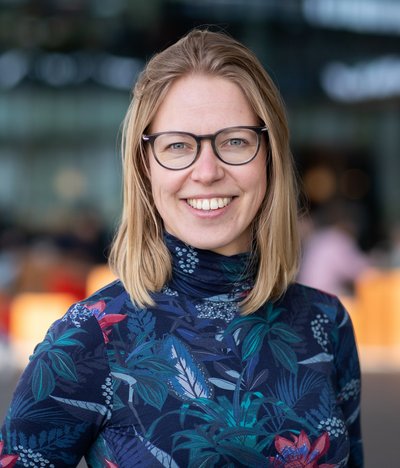
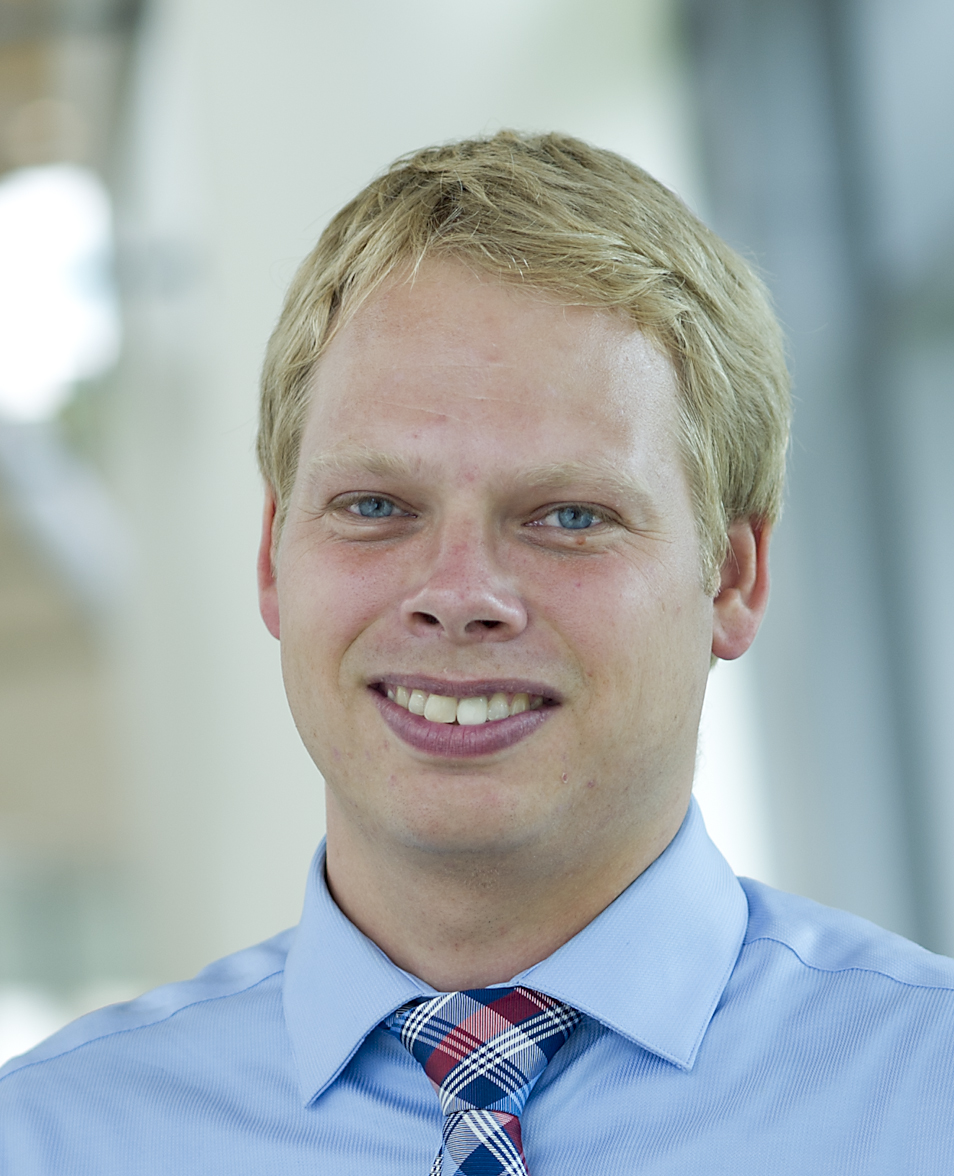
Bogusława Whyatt is a Professor at the Faculty of English, Adam Mickiewicz University, Poznań. She holds a D.Litt. in linguistics (2014), Ph.D. in English (2000), and MA in English (1992) from Poznań institutions. Her academic profile spans psycholinguistics, translation studies, and cognitive approaches to translation processes. Key research themes include: Translation process dynamics and directionality effects Eye-tracking applications in translation reception studies Development of translation competence and pedagogy Psycholinguistic analysis of language processing Metacognitive skill transfer between translation and paraphrasing Recent publications focus on cognitive effort metrics, directionality impacts, and empirical methodologies combining eye-tracking and key-logging data. She leads major projects like Read Me (2021-2025) and EDiT (2016-2019), examining translated text reception and translation directionality respectively. Scientific honors include three consecutive Adam Mickiewicz University Rector's Awards for Organizational Excellence (2018, 2023, 2024). She supervises PhD research in translation cognition and has mentored four doctoral candidates to completion. Active in professional networks like the MC2 Lab and TREC consortium, she contributes to cognitive translation studies through methodological innovations and international conference organization. Her methodological expertise includes psychometrics, EEG research, and ATLAS.ti data analysis tools.
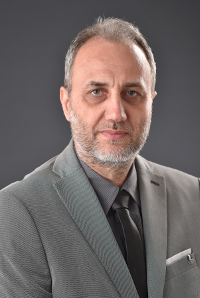
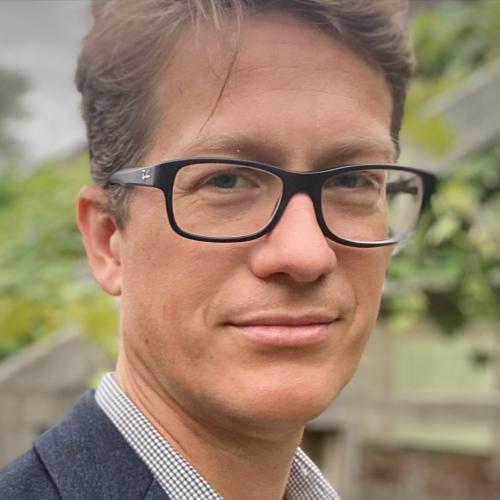
Daniel Perrin is Professor and Dean at the Zurich University of Applied Sciences (ZHAW) School of Applied Linguistics . His research focuses on text linguistics , methodology of applied linguistics , media communication , and transdisciplinary research . He has contributed extensively to understanding text production in journalistic and professional contexts, emphasizing the interplay between language, media, and sociocultural practices. Network Memberships: AILA (International Association of Applied Linguistics), Swiss Academy of Humanities and Social Sciences (SAHSS), Swiss Association for Applied Linguistics, SACM (Swiss Academy of Communication and Media Research) ORCID ID: 0000-0001-5477-849X Perrin's work spans media linguistics , financial communication , multilingualism , and narrative structures in journalism . His recent articles explore phenomena like serendipity in newswriting and transdisciplinary approaches to text production . He has led projects such as " Modeling Writing Phases " and " Professionalizing the Swissnex Website " under Swiss National Science Foundation grants. Key Publications: Authored/edited books like Medienlinguistik (3rd ed.), Doing Applied Linguistics , and The Routledge Handbook of Language and Media . His methodology often combines progression analysis , ethnographic observation , and multimodal studies to investigate real-world writing and translation processes.
Rianne Conijn is an assistant professor in the Human-Technology Interaction group at Eindhoven University of Technology (TU/e), Netherlands. Her research bridges data-driven methodologies (machine learning, statistical modeling) with human-centered design to enhance learning analytics, explainable AI, and writing process analysis. She holds a joint PhD (cum laude) from Antwerp University and Tilburg University, and an MSc (cum laude) in Human-Technology Interaction from TU/e. Academic Background: MSc (2015, TU/e, cum laude), PhD (2020, Antwerp University & Tilburg University, cum laude). Research Focus: Learning analytics, keystroke logging, explainable AI for education, data dashboards, and self-regulated learning dynamics. Teaching: Courses in Advanced Research Methods, Human-AI Interaction, Behavioral Research Methods, and AI ethics in education. Her recent publications explore parallel language planning in writing, longitudinal self-regulated learning strategies, and generalizability of academic performance prediction models. She leads an NWO Veni project on Human-Centered AI in education, emphasizing tailored explanations for student-AI collaboration. Scientific awards include cum laude distinctions for her MSc and PhD, and the NWO Veni grant. Collaborative work spans institutions in the Netherlands, Norway, and the U.S., with applications in intelligent tutoring systems and ethical AI deployment in exams. Key trends across her work: integration of machine learning with educational theory, leveraging keystroke data for cognitive process insights, and prioritizing actionable, explainable AI systems for student support. Publications span journals like the Journal of Experimental Psychology: General , Computers and Education , and IEEE Transactions on Learning Technologies . Scientific Awards: NWO Veni grant for Human-Centered AI in education Cum laude for MSc and PhD Grants & Collaborations: National Science Foundation grants (2016868, 2302644) for biometric feedback in writing UK Research and Innovation grant (ES/W011832/1) for real-time AI scaffolding TU/e Boost! Program grant for self-regulated learning analysis Labs & Teams: EAISI Foundational (Eindhoven AI Systems Institute) Human Technology Interaction group at TU/e Collaboration with Norwegian Reading National Center (University of Stavanger) Project teams for Waterproof ITS and ProWrite grants
Miloš Racković serves as a full Professor in the Department of Mathematics and Informatics at the University of Novi Sad, Serbia. He maintains active academic engagement through the Laboratory for the development of information systems, with his office located in the Information technologies and systems office (DMI&DF) on the second floor, room 49. Contact is available via telephone (485)-2868 or email rackovic@dmi.uns.ac.rs, and his personal website (http://www.is.pmf.uns.ac.rs/rackovicm/) provides additional resources. His research spans foundational and applied computer science, with seminal contributions in fuzzy database systems including PFSQL query language development and prioritized fuzzy logic for relational databases and XML. He has pioneered deep learning methodologies through innovative classification techniques using negative and missing features in convolutional neural networks. Additional expertise includes high-performance computing implementations of Lattice Boltzmann methods using OpenCL, robotics (symbolic modeling and trajectory planning), and blockchain applications for Industry 4.0 production processes. His sports analytics work applies neural networks to basketball player and referee movement analysis. Analysis of his 2012-2025 publications reveals a strategic evolution toward interdisciplinary applications, particularly in industrial transformation (blockchain-enabled traceability) and sports analytics. His work consistently bridges theoretical computer science with practical implementations, demonstrating increasing focus on real-world problem solving while maintaining strong foundations in database theory and computational methods. Professor Racković leads the Laboratory for the development of information systems, which focuses on advancing information system methodologies through formal modeling extensions (including Petri net innovations) and practical implementations for uncertainty management. The laboratory's work spans from foundational research in fuzzy logic systems to applied projects in high-performance computing and blockchain integration, fostering innovation in information technology development.
Simo Hosio is an Academy Research Fellow (2022-2027) and Professor of Computer Science and Engineering at University of Oulu's Center for Ubiquitous Computing, where he leads the Crowd Computing Research Group. He also maintains a visiting position at University of Tokyo, Japan. Having graduated as the first Finnish scholar under Microsoft Research Cambridge's Ph.D. scholarship program, he has published over 150 peer-reviewed scientific articles spanning two decades of research. Hosio's research spans three primary domains: crowdsourcing methodologies, human-computer interaction, and digital health applications. His work pioneers novel approaches to online labor markets, investigates the suitability of crowdsourcing for diverse applications, and explores HCI aspects of digital health solutions for chronic conditions. His research group, founded in 2020, has secured nearly two million USD in funding, demonstrating significant research impact and recognition. Analysis of Hosio's recent publications reveals a strong trend toward interdisciplinary research at the intersection of crowdsourcing, healthcare technology, and emerging AI systems. His work increasingly focuses on practical applications of crowd computing in health contexts, with growing attention to mental health, women's health, and workplace well-being solutions. The integration of AI and machine learning techniques with traditional HCI approaches represents another significant trajectory in his recent scholarship. Distinguished Paper Award (2024) Best Paper Honourable Mention Award (2022) PMCJ Best Research Paper (awarded in 2024) Best Paper Award (2022) Best Full Paper Award (2015) Honorable Mention Award (2014) Best Paper Presentation award (2010) As an educator, Hosio has taught Human-Computer Interaction (2019-2025) to over 260 students in 2024, Social Computing (2018-2021) to approximately 60 students annually, and Applied Computing (2015-2018) to around 50 students each year. His research group's nearly two million USD in secured funding demonstrates significant grant acquisition success, supporting innovative work at the intersection of crowd computing, health technology, and human-centered AI systems. The Crowd Computing Research Group, founded by Hosio in 2020, represents a significant research infrastructure focused on advancing methodologies for crowd-powered systems. The group's work spans from fundamental research on crowd labor markets to applied projects in healthcare, workplace well-being, and social computing, demonstrating a strong commitment to both theoretical advancement and practical impact.
Kurtis R. Schaeffer serves as the Frances Myers Ball Professor in the Department of Religious Studies at the University of Virginia. With over twenty-five years of specialized research experience, he has established himself as a leading scholar in Tibetan Buddhist literature and religious culture, with particular expertise in narrative and poetic traditions across Tibet, India, and Bhutan. BA, Department of Religious Studies, Lewis & Clark College BA, The Evergreen State College, Area of Emphasis: Buddhist Studies MA, Department of Asian Languages and Literatures, The University of Washington PhD, Department of Sanskrit and Indian Studies, Harvard University Schaeffer's research centers on the narrative and poetic literature of Buddhism across the Himalayan region, with extensive work on stories of the Buddha, Buddhist saints, and famous Buddhist masters. His scholarship examines how religious narratives function within cultural contexts, particularly focusing on the creation and transmission of Buddhist literary traditions. He has published groundbreaking work on the lives of Tibetan religious figures who compiled the Tibetan Buddhist Canons, the biography of a Himalayan Buddhist nun, and the evolution of stories about the Indian yogi Saraha through Tibetan history. More recently, he has expanded his research to explore the rich visual narratives of the Buddha in Tibet and Bhutan, integrating art historical approaches with textual analysis. Schaeffer's scholarly output reveals a consistent trajectory from textual analysis toward interdisciplinary approaches that bridge traditional religious studies with digital humanities. His publications include major monographs, edited volumes, and academic papers that demonstrate deep engagement with primary Tibetan sources while addressing broader theoretical questions about religious narrative, cultural transmission, and the materiality of religious texts. The progression from works like Himalayan Hermitess (2004) to his collaborative Life of the Buddha project shows an evolution toward multimodal scholarship that combines textual, visual, and digital elements. Schaeffer has held significant leadership positions including President of the Buddhist Digital Resource Center, the world's largest digital repository of Buddhist texts, and previously served as Chair of the Department of Religious Studies from 2012 to 2020. His work extends beyond traditional academic boundaries through public-facing initiatives that connect religious scholarship with contemporary social issues. Currently, Schaeffer co-directs the Religion, Race, & Democracy Lab with Martien Halvorson-Taylor, which produces the "Sacred & Profane" podcast exploring religion's role in daily life. He also co-directs The Sanctuary Lab with Halvorson-Taylor and Willis Jenkins, bringing together artists, humanists, and scientists to examine how religious connections to special places impact environmental perceptions and climate change understanding. His collaborative Life of the Buddha project combines art, literature, and digital humanities to make the largest narrative mural of the Buddha's life in Tibet accessible to the public.
Dr. Valeria Noguti is a Lecturer in the Marketing Discipline Group at the University of Technology Sydney (UTS) Business School. She holds a PhD in Management/Decision Sciences from INSEAD (France), alongside undergraduate degrees in IT (FATEC-SP) and Management (FEA-USP), and a Master’s in Management (FEA-USP). Her research focuses on consumer behavior, social media, entrepreneurship, and communications, employing methodologies like quantitative and qualitative analysis, particularly automated-text analysis. She coordinates post-graduate courses in Marketing, including Buyer Behaviour and Digital Consumer Behaviour, and serves as Undergraduate Director for the Bachelor of Business (Marketing Major). Education: PhD in Management/Decision Sciences, INSEAD, France Master’s in Management, FEA-USP, Brazil Bachelor’s in Management, FEA-USP, Brazil Bachelor’s in IT, FATEC-SP, Brazil Dr. Noguti’s research explores how social media usage patterns influence consumer behavior, with a focus on advertising effectiveness, gender differences, and startup funding dynamics. Her work bridges behavioral economics and marketing, emphasizing practical implications for businesses and social media platforms. She has received grants for studies on opinion impacts on product preferences and has contributed to funded research on technological startups. Her teaching emphasizes contemporary marketing challenges, including digital consumer insights. She is available for supervision of Master’s and PhD students. Languages: English (fluent), Portuguese (fluent), French (fluent).
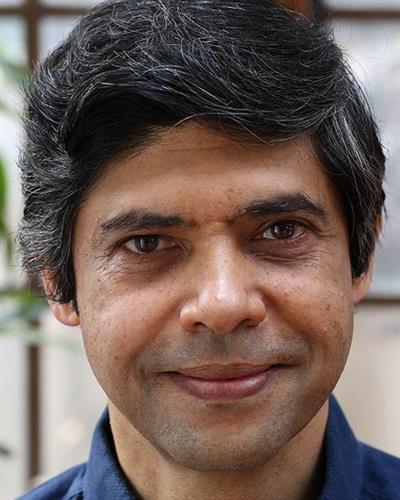
Anil N. Hirani is a Professor in the Department of Mathematics at the University of Illinois at Urbana-Champaign (UIUC), affiliated with the College of Liberal Arts & Sciences. He holds a PhD from the California Institute of Technology (2003) in Computer Science with minors in Mathematics and Control and Dynamical Systems. His academic journey includes roles as Assistant Professor (Computer Science, UIUC, 2005–2013) and Associate Professor (Mathematics, UIUC, 2013–2022) before becoming a full Professor in 2022. His research focuses on the interplay between geometry/topology and algorithms, with emphasis on structure-preserving discretizations of exterior calculus and differential geometry. Key areas include Discrete Exterior Calculus (DEC), numerical methods for PDEs, computational topology, and machine learning applications. He has organized workshops, such as the 2025 Discrete Exterior Calculus workshop at IMSI, and contributed to software like PyDEC. Education: PhD, Caltech (2003); MS in Computer Science (Stanford); Undergraduate degree in Computer Science (BITS Pilani, India). Awards include the NSF CAREER Award (2007–2012). Teaching includes courses on Differential Geometry (MATH 423), Vector and Tensor Analysis (MATH 481), and Computational Mathematics (MATH 490). He has advised numerous PhD students, notable among them Kaushik Kalyanaraman and Vaibhav Karve. Articles span DEC applications in fluid dynamics, cohomology computations, and machine learning. His work bridges theoretical foundations with practical applications in engineering and computer science.
Becky Huang is a Professor in the Department of Teaching and Learning at The Ohio State University, housed within the College of Arts and Sciences. She holds affiliations with the Center for Languages, Literatures and Cultures and serves on multiple editorial boards, including Language Assessment Quarterly and Language Testing. Additionally, she co-founded the International Language Testing Association’s (ILTA) Language Assessment for Young Learners special interest group and participates in award committees for the American Educational Research Association (AERA). Dr. Huang earned a PhD and MA in Educational Psychology from UCLA (2009 and 2006), an MEd from Harvard University (2002), followed by postdoctoral fellowships at Educational Testing Service (2010–2012) and Harvard University (2009–2010). Her research focuses on promoting language and literacy outcomes for multilingual students, spanning applied linguistics, psychology, and education. Key areas include assessing multilingual learners’ language proficiency, examining socioeconomic factors influencing language development, and designing equitable educational interventions. Her grants include leadership roles in projects such as the NIH-funded study on pandemic impacts on young dual language learners (2021–2022) and the Institute of Education Sciences-supported inquiry-based reading intervention (2020–2024). Notably, she contributed to the U.S. Department of Education Title VI grant for Chinese immersion teacher training (2022–2026) and co-led the ILTA’s Language Assessment for Young Learners initiative. She also advocates for education equity through collaborations with non-profit organizations. Her work emphasizes bridging theory and practice, particularly in creating assessments that fairly evaluate multilingual students’ abilities and addressing disparities faced by minoritized learners. She explores how language skills influence content-area learning (e.g., math, science) and the role of teachers in bilingual students’ outcomes.
Richard Nielsen is an Associate Professor in the Department of Political Science at MIT, affiliated with the Institute for Data, Systems, and Society (IDSS), the Security Studies Program (SSP), and the Center for International Studies (CIS). His research integrates quantitative methods with ethnographic insights to study Middle East politics, religion, political violence, and gender dynamics. He holds a PhD in Government and AM in Statistics from Harvard University, and a BA in Political Science from Brigham Young University. His first book, *Deadly Clerics* (2017), examines clerical radicalization in Sunni Islam, while current work explores female religious authority in digital spaces. Education: PhD in Government (Harvard, 2013), AM in Statistics (Harvard, 2010), BA in Political Science (BYU, 2007). Research focuses on: Islamic authority dynamics, online religious preaching (especially by women), counterterrorism, and methodological innovations in text analysis. He develops tools for Arabic text analysis and advises on computational social science methodologies. His work bridges political science, computer science, and Islamic studies. Teaching includes courses on international relations, political methodology, and Middle East politics. He has mentored over 20 PhD students, many now in academic and policy roles. Grants and collaborations include Carnegie Fellowship research and MIT's interdisciplinary initiatives. Labs/Teams: Political Methodology Lab (MIT), affiliated with IDSS and SSP. His work emphasizes computational tools for social science, such as the *arabicStemR* package for text analysis.
Dr Jonathan Tenney is a University Lecturer in Assyriology at the University of Cambridge and a Fellow at Jesus College. He serves as Curator of Works of Art and Director of Studies in Archaeology at Jesus College. His research focuses on Mesopotamian archaeology, cuneiform studies, and socio-political institutions of ancient Babylonian and Kassite periods. BA, Edinboro University of Pennsylvania PhD, University of Chicago Tenney employs philology and social science methodologies to analyze cuneiform tablets and archaeological evidence from Mesopotamia (modern Iraq, Iran, and Syria). His academic interests include: Cuneiform (Akkadian and Sumerian languages) Historical demography of Mesopotamia Settlement patterns and environmental interactions Comparative slavery systems Religious and political ideologies His publication record (2022–2009) spans topics like: Kassite administrative systems Babylonian population dynamics Cuneiform documentation of servile labor Urban development in Mesopotamian cities Socio-economic structures in ancient Near East Religious-political integration in Babylonia Key research themes include materiality of bureaucratic records and epistemological methodologies in Assyriology. Outstanding Dissertation Prize by The American Academic Research Institute in Iraq (2009) Tenney is currently on sabbatical (2025/26) but remains available for consultancy. His work intersects with the Department of Archaeology’s research themes on Environment, Landscapes and Settlement, Material Culture, and Rethinking Complexity. He contributes to teaching in Assyriology, Mesopotamian Languages, and socio-political archaeology.
Professor Andy Byford is a Professor and Director of Research at Durham University’s School of Modern Languages and Cultures. His work focuses on the history of science, education, and human-animal relations in Russia and the USSR. He leads research projects on Soviet primate studies, child science, and the intelligentsia’s role in academic institutions. His research spans interdisciplinary topics such as the historical construction of animal mentality, the rise of child studies in Russia, and the intersection of science with socio-political changes. He has authored books like *Science of the Child in Late Imperial and Early Soviet Russia* and edited volumes on transnational Russian studies. Publications highlight his expertise in Soviet-era pedagogy, child welfare policies, and the legacy of repressed sciences like pedology. Recent work addresses the implications of Russia-Ukraine tensions on academic fields. He supervises PhD students in Russian history and culture, emphasizing topics like human-animal relations and Soviet-era education systems. His contributions include over 30 journal articles and book chapters, exploring themes such as eugenics, Cold War science, and migrant communities. While no formal awards are listed, his extensive scholarly output underscores his influence in Russian studies.
Ibrar Bhatt is a Senior Lecturer at Queen's University Belfast's School of Social Sciences, Education and Social Work. His research focuses on the intersections of linguistics and higher education, with particular emphasis on digital literacy, epistemology, heritage literacy, and Sino-Muslim communities. He has held prestigious fellowships, including the Leverhulme Research Fellowship (2021–2023), and led projects such as 'Literacy & Harmony: A Study of Sino-Muslim Literacies in Modern China.' Bhatt has authored/co-authored influential books like A Semiotics of Muslimness in China and Assignments as Controversies . He actively contributes to academic governance and editorial roles, including serving as Executive Editor of Teaching in Higher Education . His teaching includes modules like Digital Literacy & Communication (EDU7273). Bhatt's awards include the British Academy Grant and a Best Concise Paper Award. His work explores how digital literacies transform marginalized communities and address epistemological challenges in the postdigital era. Education: PhD from University of Leeds (ESRC-funded). Prior affiliations: Lancaster University, University of Bradford. Research Interests: Digital literacy as a social practice, heritage literacy in religious contexts, sociolinguistics of Islam, and postdigital epistemology. Recent projects include studies on Hong Kong SAR and the Greater Bay Area. His work bridges theory and practice, emphasizing literacy's role in empowerment and identity. Articles Overview: Recent publications focus on semiotic ideologies in social media, postdigital citizen science, and epistemology of deceit. His work highlights interdisciplinary approaches, blending linguistics, education, and sociology. Awards: Leverhulme Fellowship, British Academy Grant, Fellow of the Higher Education Academy. Advising & Grants: Supervises PhD projects on literacy, language education, and digital epistemology. Active in securing grants and fellowships, including a 2025–2027 Leverhulme Research Project Grant. Labs/Teams: Leads initiatives on heritage literacy and collaborates internationally, including visits to Jilin University (China) and King AbdulAziz University (Saudi Arabia).
Robert E. Cummings is a Professor of Writing and Rhetoric and Executive Director of Academic Innovation at the University of Mississippi. He directs the Interdisciplinary Minor in Digital Media Studies and leads the Academic Innovations Group (AIG) and Center for Excellence in Teaching and Learning (CETL), focusing on evidence-based teaching strategies and professional development for faculty. His academic roles emphasize bridging technology and pedagogy, particularly in digital writing instruction. Education: B.A. in English, University of Tennessee-Knoxville (1990) M.A. and Ph.D. in English, University of Mississippi (1999, 2006) Research Interests: Cummings explores the intersection of digital tools and writing pedagogy, including generative AI’s impact on writing, Wikipedia’s role in education, and post-pandemic digital instruction. He collaborates with computer science researchers to study AI-human dynamics in writing processes. His work emphasizes open educational practices, resilience in teaching, and inclusive digital platforms. Publications Trends: His articles analyze AI writing tools, pandemic-era pedagogy shifts, and long-term trends in digital writing instruction. Recent work focuses on frameworks for integrating AI into first-year writing programs while addressing ethical and practical challenges. Awards: No scientific awards explicitly mentioned in the provided materials. Advising & Grants: No student advising records or grant details are listed. Current responsibilities include curriculum development and institutional innovation initiatives. Labs/Teams: Leads the Academic Innovations Group and collaborates with CETL to advance teaching strategies across the University of Mississippi campus.
Dr. Aniruddh Patel is Professor of Psychology at Tufts University's School of Arts and Sciences. His pioneering research program in music cognition examines the mental processes underlying music perception and production, with emphasis on music-language relationships, rhythmic processing, and cross-species studies. He employs diverse methodologies including brain imaging, behavioral experiments, and comparative research with nonhuman animals. Education includes a PhD in Organismic and Evolutionary Biology from Harvard University. Dr. Patel previously served as Senior Fellow at The Neurosciences Institute (2005-2012) and President of the Society for Music Perception and Cognition (2009-2011). He is currently Fellow in the Azrieli Brain, Mind, and Consciousness program at the Canadian Institute for Advanced Research. His research output focuses on evolutionary foundations of rhythm perception, cross-species comparisons of musicality, and neural mechanisms underlying auditory illusions and predictive processing, with recent expansion into clinical applications for neurodevelopmental disorders. Fellow, Azrieli Brain, Mind, and Consciousness Program (CIFAR)