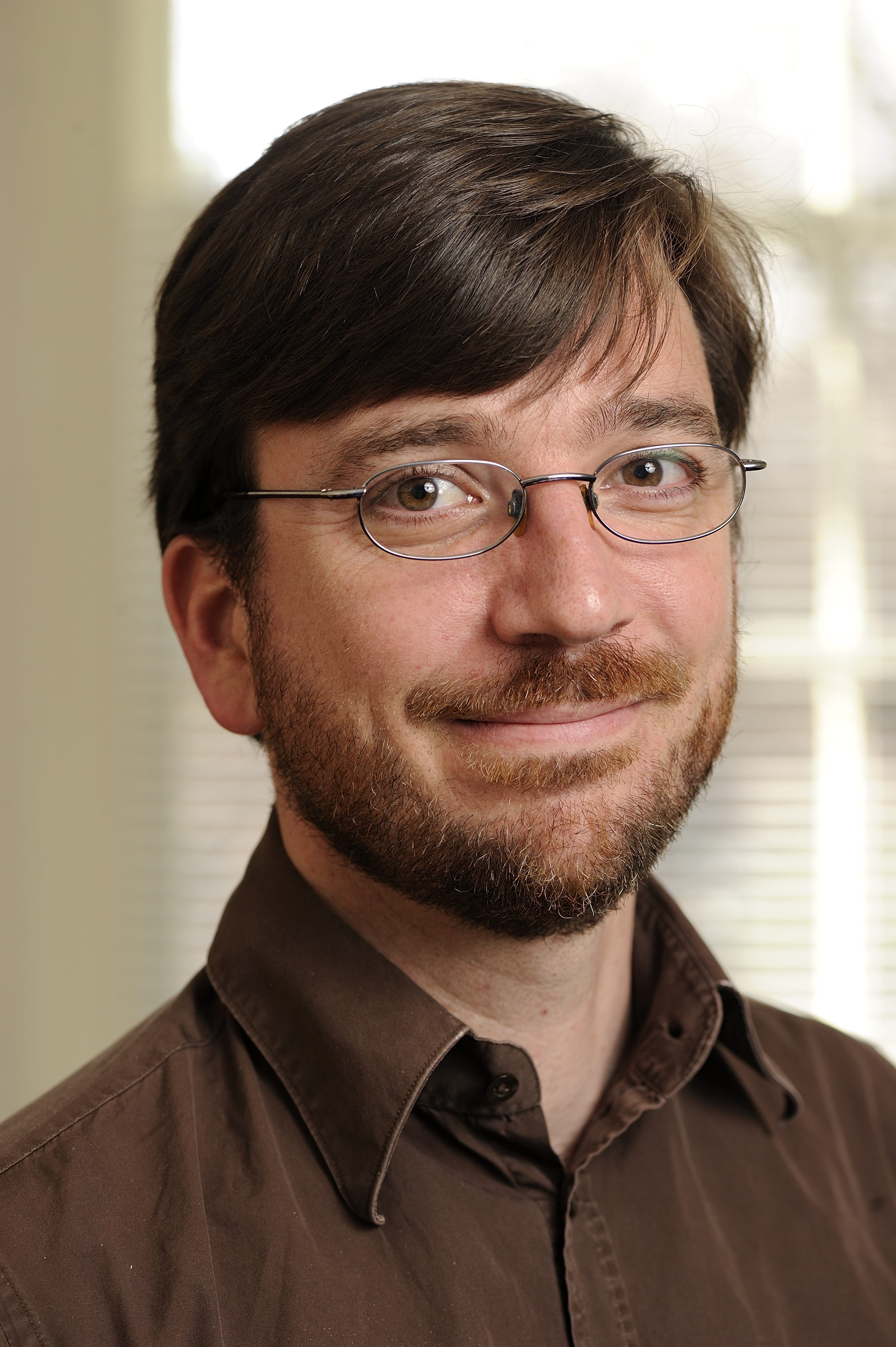
Prof. Dr. Winfried Rudolf is a leading scholar in Old English Language and Literature, currently serving as Professor at the University of Göttingen since 2011. He has held visiting positions at University College London (2015–2020) and previously taught at institutions including Princeton University and University College London. His research spans medieval manuscripts, homiletic texts, digital humanities, and cultural exchange between Anglo-Saxons and Continental Saxons. Key research interests include: Manuscript transmission and digital corpora (e.g., the ERC-funded ECHOE project) Old English poetry and prose interfaces Medieval childhood studies Devotional practices in late medieval England Anglo-Saxon interactions with continental Europe His recent publications focus on homilies, digital editions, and manuscript studies, with a strong emphasis on interdisciplinary methods combining philology, paleography, and digital tools. Notable projects include the ECHOE corpus and hybrid editions of Anglo-Saxon texts. Scientific recognition includes memberships in the Lower Saxony Academy of Sciences, Early English Text Society, and editorial roles in Cambridge Elements. He has led international collaborations such as the Göttingen-Vercelli teaching partnership and contributed to documentary projects like the RAI 3 video seminar.
Chris Callison-Burch is a Professor of Computer and Information Science at the University of Pennsylvania , where he leads research in Natural Language Processing , Large Language Models , and Multimodal Learning . Previously, he worked at Johns Hopkins University’s Center for Language and Speech Processing for six years. Research Areas Automated paraphrasing and natural language understanding Machine translation without bilingual parallel corpora Crowdsourcing for NLP and social justice applications Generative AI and vision-language models Recent work focuses on LLM soundness guarantees, multimodal reasoning, AI-generated text detection, and ethical applications of language models. His research has been cited over 25,000 times, and he testified before Congress in 2023 on generative AI and copyright law. Awards & Funding Sloan Research Fellow Faculty awards from Google, Microsoft, Amazon, Facebook, and Roblox Grants from DARPA, IARPA, and NSF He chairs major NLP conferences (ACL 2017, EMNLP 2015) and contributes to editorial boards of TACL and Computational Linguistics .
Aron Henriksson is a Senior Lecturer and Associate Professor at the Department of Computer and Systems Sciences, Stockholm University. He co-leads the Natural Language Processing Research Group and contributes to the Learning Analytics and AI for Education Group , focusing on large language models, privacy, explainability, and domain adaptation across healthcare and education. His research integrates AI and NLP into critical domains, including Developing SweClinEval - the first Swedish clinical NLP benchmark Privacy-preserving techniques for LLMs using pseudonymization Multimodal prediction models for healthcare outcomes (e.g., COVID-19 mortality) Educational applications of retrieval-augmented generation Henriksson teaches courses in Big Data, AI management, NLP, and information retrieval. His work bridges technical innovation with practical implementation across EU-funded projects like Extreme Food Risk Analytics (EFRA) and clinical AI initiatives, emphasizing ethical AI deployment and data utility preservation.
Matthias Stürmer serves as a Professor at Bern University of Applied Sciences (BFH) within the School of Management and Head of the Institute for Public Sector Transformation (IPST). He concurrently holds a lecturer position at the University of Bern. His professional identity centers on Swiss digital governance initiatives, with active leadership roles in @Parldigi, @DigitalImpactCH, @CH_Open, and @OpendataCH advocating for open source, open data, and transparent public sector innovation. His research program bridges legal technology and digital governance, specializing in multilingual (German/French/Italian) processing of Swiss jurisprudence. Core focus areas include developing AI systems for judicial summarization and criticality prediction, advancing digital sovereignty frameworks, and analyzing sustainable public procurement practices. He investigates the tension between open justice principles and privacy preservation in court documentation, while pioneering methods for anonymizing legal texts against re-identification threats from large language models. Stürmer's publication trajectory reveals a strategic shift toward legal AI applications since 2020, with 12 of his 15 most recent works addressing multilingual legal processing challenges. His scholarship consistently targets Swiss institutional contexts, creating specialized datasets like Multilegalpile and Lextreme while examining practical implementation barriers for open source adoption in public administration. As director of IPST at BFH, he leads institutional efforts to transform public sector services through open standards and collaborative governance models. His team develops practical frameworks for digital sovereignty implementation and sustainable ICT procurement, directly influencing Swiss federal policies on open data and public sector technology adoption.
Trung Le is a Lecturer in the Department of Data Science & AI at Monash University. His research focuses on deep generative models, kernel methods, optimization in machine learning, and Bayesian inference, with applications to supervised learning, adversarial learning, and cyber security. He holds a PhD in Computer Science from the University of Canberra (2013). Key projects include the Australian Research Council-funded initiatives such as 'Can Machines Unlearn? Toward Next-Generation Safe Artificial Intelligence' (2025–2029) and 'Trustworthy Generative AI: Towards Safe and Aligned Foundation Models' (2024–2026). His work contributes to UN SDG 4 (Quality Education) through advancements in AI ethics and safety. Education: PhD in Computer Science, University of Canberra (2013) Research Areas: Continual Learning, Diffusion Models, Domain Adaptation, Adversarial Machine Learning Awards: KDD 2023 Best Student Paper Award, Imagine Cup 2010 Australia First Prize Trung has published extensively in top-tier venues like NIPS, ICLR, and JMLR, with over 100 outputs since 2009. His recent work emphasizes robustness in AI systems, including projects on adversarial defense and ethical concept erasure in generative models.
Dr. Hamed Aboutorab is a Lecturer at the School of Business, UNSW Canberra, specializing in applying artificial intelligence (AI) to supply chain management, risk analysis, and organizational resilience. His work integrates data analytics, machine learning, and decision-support systems to enhance operational efficiency and stability in complex environments. He focuses on proactive risk identification, cyber security in smart farming, and AI-driven models for supply chain disruptions. Research Interests: AI applications in logistics and risk management Cyber threats in agricultural systems Reinforcement learning for supply chain optimization Transformer-based models for risk analytics Teaching: ZBUS3102 Project Management ZBUS8302 Logistics Management Publications: Over 15 peer-reviewed articles in journals like Expert Systems with Applications , Automation in Construction , and Computers and Security . Recent work includes systematic reviews on supply chain risks and cyber threat hunting techniques. Labs/Teams: Engaged in interdisciplinary projects combining AI, cyber security, and supply chain innovation at UNSW Canberra.
Ron Yurko is an Assistant Teaching Professor in the Department of Statistics & Data Science at Carnegie Mellon University , where he focuses on methods at the intersection of statistical inference and machine learning. He serves as Director of the Carnegie Mellon Sports Analytics Center (CMSAC) , overseeing initiatives like the sports analytics research lab, CMSACamp , and the annual Sports Analytics Conference. Research Interests His work bridges Sports Analytics and Natural Language Processing , with applications in Biostatistics , Public Policy , and Statistical Pedagogy . Recent projects include evaluating NFL player positioning ( NFL Ghosts ), analyzing language patterns in LLM outputs, and developing fractional tackle metrics for defensive evaluation. Google Scholar articles reveal deeper methodological contributions to Bayesian modeling for directional movement analysis, multilevel models for snap timing, and spatio-temporal frameworks in football event modeling. Academic Background PhD in Statistics (2022) from Carnegie Mellon University BS in Statistics with University Honors (2015) from Carnegie Mellon Additional Contributions He is developing a textbook Statistical Methods in Sports Analytics (2027), maintains the Statistical Thinking in Sports Analytics newsletter, and teaches course 36-460/660 at CMU.
James Magnuson is a Professor in the Department of Psychological Sciences at the University of Connecticut, where he leads the Computational Cognitive Neuroscience of Language Lab (CCNLL). He serves as Principal Investigator for multiple NSF-funded initiatives, including the Neurobiology of Language graduate training program and the Science of Learning and Art of Communication research training program, and co-directs the Cognitive Science Shared Electrophysiology Resource Lab (CSSERL). His research investigates the neurobiological and psychological foundations of language processing, development, and disorders using computational modeling, eye-tracking, and neuroimaging techniques. Key interests include neural-network models of spoken word recognition (e.g., EARSHOT and TISK frameworks), real-time language processing across the lifespan, prosody in Specific Language Impairment, phonological competition dynamics, and cross-modal integration of linguistic information. Educational background includes a Ph.D. in Brain & Cognitive Sciences from the University of Rochester (2001). Current teaching responsibilities include undergraduate Cognitive Psychology (PSYC 2501) and graduate seminars on language plasticity and time-course methodologies (EEG, eye-tracking). Magnuson actively advises doctoral students in projects spanning computational modeling of speech recognition, neural bases of language processing, and individual differences in language acquisition. He has secured significant NSF funding for interdisciplinary training programs bridging cognitive science, neuroscience, and genetics.
Tamás Lovas serves as Associate Professor at the Department of Photogrammetry and Geoinformatics, Faculty of Civil Engineering, Budapest University of Technology and Economics. He teaches advanced courses in Building Information Modeling, Laser Scanning, Remote Sensing, and Intelligent Transportation Systems while supervising diploma theses in Surveying and Geoinformatics Engineering. Education: 1994: High school graduation, Városmajor High School, Budapest 1999: Certified Surveyor and Geoinformatics Engineer, Budapest University of Technology, Faculty of Civil Engineering 2005: PhD (Earth Sciences), Budapest University of Technology and Economics, Faculty of Civil Engineering Research Interests: Dr. Lovas specializes in laser scanning technologies and geospatial data processing with emphasis on airborne and terrestrial point cloud analysis. His work bridges civil engineering applications and computational methods, particularly in infrastructure monitoring and digital representation. Processing, classification, and modeling of airborne laser scanned data Accuracy testing of terrestrial laser scanning Processing and modeling of terrestrial laser scanned data Comparative study of spatial data acquisition technologies His 2022-2025 publications demonstrate accelerating integration of artificial intelligence in point cloud processing, with significant contributions to road surface extraction, urban land cover classification, and BIM automation. Current research trends show strong focus on digital twin development for autonomous vehicles and infrastructure management. Scientific Awards: Republic Scholarship (1998-1999) Karlsruhe Chancellor's Scholarship (1999) ERASMUS scholarship (2000) Korányi Fellowship (2001-2002) János Bolyai Research Scholarship (2008-2011) OHV 1st place (2008) Dean's commendation for ERASMUS committee work (2014) For Students Award - Teaching Department (2017) Advising and Grants: Dr. Lovas mentors students through diploma theses and TDK research projects on topics including object survey with amateur sensors and hull modeling. His research funding includes the prestigious János Bolyai Research Scholarship and international fellowships supporting collaborations with institutions like The Ohio State University. Labs and Teams: As founding member and supervisory board member of the Hungarian BIM Association, he drives industry-academia collaboration. His leadership roles include Deputy Dean of Education at the Faculty of Civil Engineering and responsibility for English language training programs, facilitating international academic exchange.
Justin Kitzes is an Associate Professor in the Department of Biological Sciences at the University of Pittsburgh, where he joined the faculty in 2017. His research group, the Kitzes Lab, operates within the Ecology and Evolution group and focuses on measuring, understanding, and predicting biodiversity loss in human-dominated landscapes through innovative bioacoustic approaches. Education Ph.D. (2012) from the University of California, Berkeley under John Harte and Adina Merenlender Postdoctoral scholar in the Energy and Resources Group and Data Science Fellow at the Berkeley Institute for Data Science, UC Berkeley Research Interests Dr. Kitzes' work centers on the question: How are species distributed across complex landscapes, and how do human impacts drive these distributions? Specializing in terrestrial bioacoustics , his lab develops automated acoustic field recording systems and machine learning models to study rare and hard-to-detect species. Current research emphasizes temperate breeding birds and anurans, addressing critical gaps in natural history, conservation, and ecology through computational methods that overcome limitations of traditional survey techniques. Research Trends Recent publications (2024-2025) reveal Dr. Kitzes' leadership in merging artificial intelligence with bioacoustic monitoring to tackle global biodiversity challenges. Key advancements include open-source tool development (OpenSoundscape), zero-shot learning for species identification, and rigorous evaluation of forest management impacts on avian populations. His work consistently bridges computational innovation with conservation application, demonstrating how AI can fill critical knowledge gaps while maintaining scientific rigor through reproducible workflows. Advising and Funding The Kitzes Lab actively mentors graduate and undergraduate students, with regular openings for new researchers. Dr. Kitzes' work has secured major funding from the National Science Foundation, National Fish and Wildlife Foundation, Gordon and Betty Moore Foundation, National Geographic, Microsoft, and the Academic Data Science Alliance, supporting large-scale acoustic monitoring projects and methodological innovations. Lab and Collaborations The Kitzes Lab pioneers bioacoustic research through tools like OpenSoundscape and the AudioMoth Guide. Current projects include Pennsylvania forest monitoring initiatives and global soundscape synthesis efforts. The lab maintains strong commitments to open science, reproducibility, and community engagement through public datasets, software, and educational resources like "Eavesdropping on Birds" and "On the Record".
Ana Isabel Vieira is an Adjunct Professor at the Alcoitão School of Health, where she serves as Director of the Department of Physiotherapy. She is affiliated with the Business Research Unit (BRU-ISCTE) - Data Analytics Group, integrating academic, clinical, and community-focused roles. Her career spans over three decades in physiotherapy practice and education. Bachelor's in Physiotherapy (1990, Alcoitão School of Health) Postgraduate in Psychomotricity and Therapeutic Relaxation (1994, Faculty of Human Kinetics) Master's in Educational Sciences - Health Education (2006, University of Lisbon) PhD in Health Sciences - Neurological Rehabilitation (2017, Catholic University of Portugal) Her research focuses on neurological rehabilitation , gerontological physiotherapy , and community health initiatives . Notable work includes tactile discrimination studies in elderly populations, social touch assessment tools, and multidisciplinary aging research. She leads projects addressing dementia prevention , community accessibility , and informal caregiver support . Recent publications demonstrate her engagement with frailty assessment , post-stroke rehabilitation , and oral-motor dysfunction in aging populations. Her work has been published in journals like Journal of Oral Rehabilitation and Physiotherapy Theory and Practice. Career Award (2018, Alcoitão Higher School of Health) Performance Bonus (2009, Holy House of Mercy of Lisbon) Honorable Mention for Communication (2009, XXII Taipas Meeting) An active academic mentor, she supervises multiple Master's theses and serves on doctoral juries. Her professional activities include community projects like Cascais Cuida , Tango Argentino in Parkinson's , and SIRS (Solidão e Isolamento em Idosos) . She participates in international research networks including the World Wide Fingers project.
Samantha Laporte is an Assistant Professor in English Linguistics at the University of Lille , affiliated with the Faculty of Languages, Cultures, and Societies and the Department of Anglophone Studies . Her research focuses on the cognitive representation of language through corpus linguistics and construction grammar , particularly in English as first, second, and foreign language . She investigates how grammar emerges from use and explores the link between social and cognitive dimensions of language. Key methods : Corpus-based analysis, Construction Grammar, Learner Corpus Research Labs : Affiliated with UMR 8163 - Laboratory of Knowledge, Texts, and Language
Hyojun Park is an Assistant Professor at the School of Social Sciences , Utah State University. His research focuses on public health, epidemiology, and the social determinants of health, particularly examining how maternal and child health outcomes are influenced by biological, behavioral, and socioeconomic factors. Academic Rank: Assistant Professor Institution: Utah State University School: School of Social Sciences Dr. Park's work investigates health disparities across populations, with a focus on obesity trajectories , developmental delays , and maternal-infant health . His studies often leverage longitudinal datasets like the Upstate KIDS Study to analyze the interplay between preconception stressors, reproductive health, and long-term developmental outcomes. Google Scholar publications highlight his expertise in public health policy , maternal health , and epidemiological modeling . Notable themes include the impact of adverse childhood experiences , racial identification , and county-level health determinants on life expectancy and disease prevalence. Key Collaborations: University of Wisconsin Population Health Institute Research Tools: Longitudinal cohort analysis, Health indicator weighting models
Patrice CLEMENTE serves as a Lecturer at INSA Centre Val de Loire, France, affiliated with the LIFO research laboratory (Laboratoire d'Informatique Fondamentale d'Orléans). His academic work focuses on cybersecurity with emphasis on cloud infrastructure security, biometric authentication systems, and attribute-based access control models. His research trajectory spans two decades, evolving from foundational SELinux policy analysis and honeypot forensics (2004-2012) toward contemporary medical security applications. Recent publications demonstrate specialization in photoplethysmography-based biometric authentication and Internet of Medical Things security architectures, reflecting adaptation to emerging healthcare technology challenges. Methodologically, his work combines systematic literature reviews with practical security framework development. Analysis of his 25 HAL publications reveals consistent contributions to security policy specification, virtualization security, and intrusion detection systems. The 2023-2024 publications indicate a strategic shift toward healthcare security domains while maintaining core expertise in access control and threat modeling. Scientific awards: No specific awards or fellowships were documented in the source material. Advising and grants: The provided information contains no records of supervised students, doctoral committees, or secured research funding. Labs and teams: CLEMENTE operates within LIFO, a joint research unit of the University of Orléans and INSA Centre Val de Loire under CNRS supervision, focusing on fundamental computer science research with security as a primary pillar.
Benjamin Slade is an Associate Professor in the Department of Linguistics at the University of Utah (2020–present). He previously served as Assistant Professor at the University of Utah (2013–2020) and Visiting Senior Lecturer at the University of Texas at Arlington (2011–2013). Education: PhD in Linguistics (University of Illinois at Urbana-Champaign, 2011), MA in Linguistics (2008) and Cognitive Science (2004), BA in English (Johns Hopkins, 1999). His research focuses on formal and historical linguistics, particularly semantics/syntax. Key areas include: Quantifier particles in cross-linguistic contexts Aspectual adverbials across languages Focus identification and labelling Sinhala and Dravidian historical syntax South Asian languages (Sanskrit, Hindi, Sinhala, Malayalam) Germanic languages (Old English, Old Norse) Hungarian linguistic features Morphological innovation in subcultures (e.g., Rastafari English, cyberpunk discourse) Recent publications examine verb-verb complexes in Indo-Aryan languages, aspectual adverbials in Hungarian, and semantic continuity from Old to Modern South Asian languages. His work combines formal analysis with diachronic investigation. Scientific Awards & Fellowships Dissertation Completion Fellowship (University of Illinois, 2010) FLAS Fellowship (University of Illinois, 2008) Cognitive Science/Artificial Intelligence Award (Beckman Institute, 2008) Jacob K. Javits Fellowship (US Department of Education, 2000) IGERT Fellowship (NSF, 1999) Slade teaches courses in historical linguistics, semantics, and language & social justice. His work bridges theoretical linguistics with cultural and historical analysis.