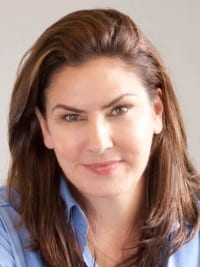
Elizabeth Phelps is the Pershing Square Professor of Human Neuroscience in the Department of Psychology at Harvard University's Faculty of Arts and Sciences. She directs the Phelps Lab, which investigates how emotions influence learning, memory, and decision-making using multidisciplinary approaches including behavioral studies, neuroimaging (fMRI), physiological measurements, and computational modeling. The lab collaborates widely across psychology, neuroscience, economics, and clinical disciplines. Her research examines: Human neuroscience of affect and cognition interactions Emotional modulation of learning and memory systems Neural mechanisms of decision-making under uncertainty Impact of emotion on social cognition and behavior Translational applications for psychological disorders Contact information: Email: phelps@fas.harvard.edu Lab email: phelpslab@fas.harvard.edu Address: Northwest Lab Building, 52 Oxford Street, Cambridge, MA 02138 The lab welcomes study participants and research assistant applicants, emphasizing diversity and inclusion in research.
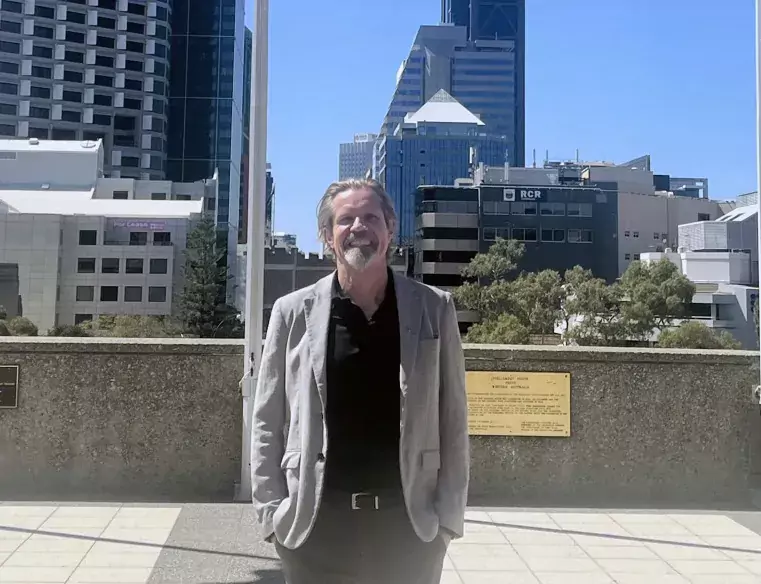
Sven Bölte is a Professor at Karolinska Institutet where he leads the research group focused on Autism, ADHD and other developmental neurological conditions as part of the Center for Neurodevelopmental Disorders (KIND). His work bridges clinical research, education, and practical implementation of evidence-based approaches for neurodevelopmental conditions. Professor Bölte's research spans multiple domains within neurodevelopmental disorders, with particular emphasis on implementing the International Classification of Functioning, Disability and Health (ICF) Core Sets for autism and ADHD using digital solutions. His group has developed and evaluated social skills training programs (KONTAKT, SKOLKONTAKT, iKONTAKT) for autistic children and adolescents, conducted twin research through the Roots of Autism and ADHD Twin Study in Sweden (RATSS), and advanced diagnostic instruments for autism, ADHD, social cognition, and adaptive behavior. His recent publications reveal a strong focus on translating research into practice, with significant work on strengths-based approaches, social inclusion, neurodiversity-affirmative assessment, and the development of practical tools for clinicians and educators. The research demonstrates increasing attention to adult experiences of autism, cross-cultural validation of interventions, and the integration of digital technology in assessment and intervention. Bölte's group also delivers extensive educational components for professionals through KI-Utbildning (Assignment Education), making it one of the largest providers of training on diagnosis and support for individuals with developmental neurological conditions within Karolinska Institutet. His work frequently addresses policy implications, as evidenced by participation in Swedish parliamentary discussions about autism and ADHD.
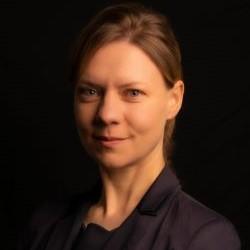
Dr Andrea Greve is a Lecturer in the Department of Psychology at the University of Cambridge . Her research focuses on cognitive processes related to memory, prediction error, and learning mechanisms. Key areas of interest include declarative memory formation, semantic predictions, and the influence of novelty on memory retention. She has explored topics such as word learning in variable-choice paradigms, the role of hippocampal lesions in memory binding, and predictive coding in neuroimaging contexts. Her work integrates experimental psychology with neuroscience methodologies, particularly leveraging neuroimaging techniques to investigate memory systems. Notable contributions include studies on false memory effects, the nonmonotonic relationship between object-location memory and expectedness, and the impact of prior knowledge on memory encoding. Dr. Greve has also contributed to methodological advancements, such as improved MRI anonymization for MEG coregistration. While her research spans multiple decades, recent efforts (2023–2025) emphasize predictive frameworks and their applications in understanding cognitive phenomena like semantic surprise and episodic memory formation. Her findings challenge traditional assumptions about fast mapping in adults and highlight the importance of integrating computational models with empirical data. Dr. Greve collaborates extensively with neuroimaging and cognitive science teams, contributing to interdisciplinary projects that bridge theoretical and applied research in memory systems. Her work maintains a strong focus on methodological rigor, particularly in experimental design and data interpretation.
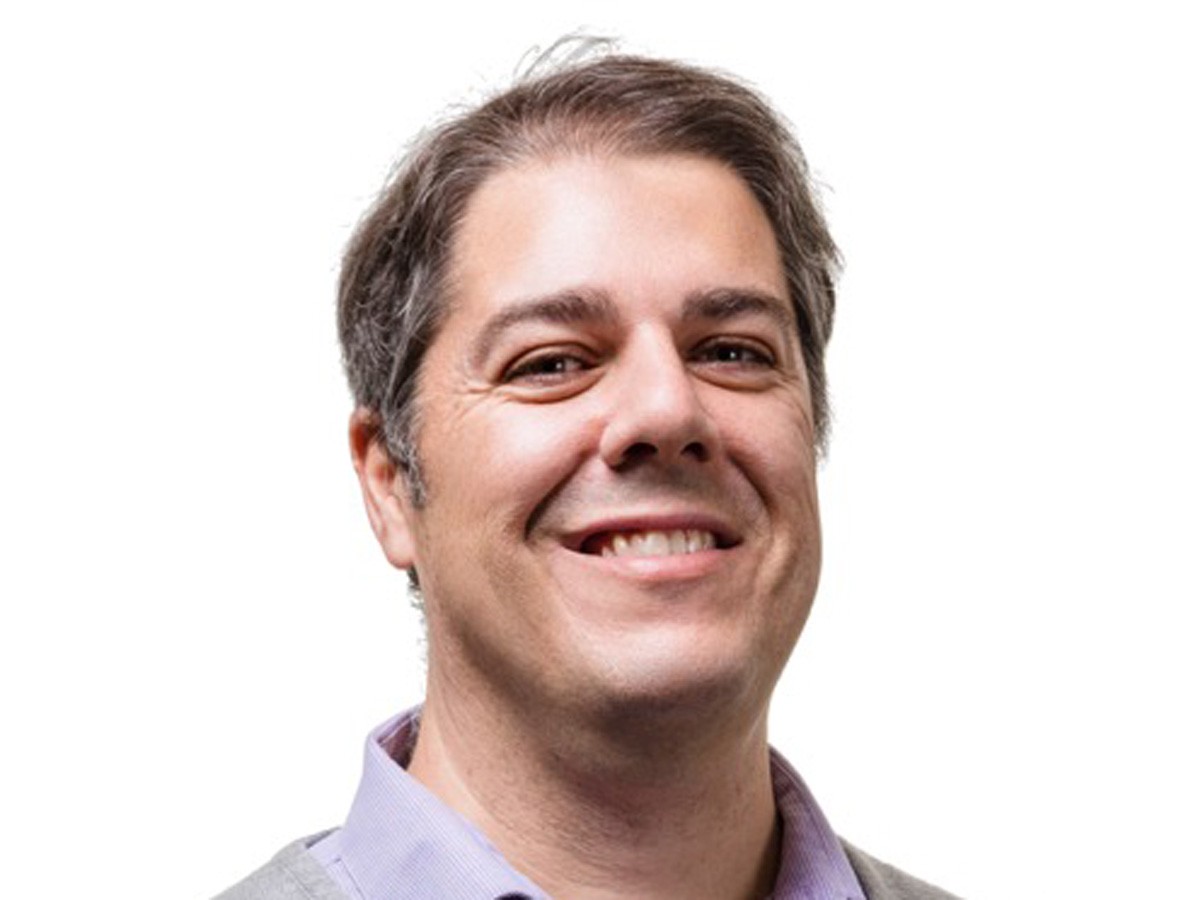
Prof Raphaël Phan is a Professor and Deputy Head of the School of IT at Monash University Malaysia. His expertise spans security, cryptography, malicious AI, emotion recognition, motion analysis, and generative AI. He has published over 220 papers and led significant projects including privacy-preserving data mining funded by UK MoD and Malaysian government grants exceeding RM4 million. He co-designed the BLAKE hash function (SHA-3 finalist) and has an h-index of 50. Education: PhD in Cryptography (Multimedia University, 2005), MEngSci (2001), BEng (Hons) Computer Engineering (1999). Research focuses on adversarial AI, brain networks, and secure systems. Current projects include Æmbience: emotion-aware virtual assistants using motion magnification. Supervised 15 PhD graduates and 19 current students. Professional affiliations: Chartered Engineer (IET, UK), HEA Fellow, Board of Engineers Malaysia. Recent work emphasizes causal bias detection in micro-expressions, brain tumor detection via advanced YOLOv8, and generative adversarial networks for medical imaging. His work bridges cybersecurity with neuroscience applications.
Zsofia Zavecz is a Research Associate at the University of Cambridge Department of Psychology. Her work focuses on the neurophysiological mechanisms underlying sleep and memory consolidation, with particular emphasis on electrophysiological correlates of lucid dreaming and sleep-dependent learning. Research highlights include: Investigation of EEG functional connectivity during statistical learning Study of transcranial stimulation effects on probabilistic learning Analysis of sleep restriction impacts on hormonal regulation Exploration of cognitive reserve mechanisms in sleep disorders Her neuroscientific investigations span procedural memory systems, neural oscillations, and cross-population studies in both healthy individuals and pediatric sleep-disordered breathing patients.
Dr. Angelina Vernetti is a Research Scientist at Yale University's Child Study Center, affiliated with the Social and Affective Neuroscience of Autism (SANA) Program. She holds a PhD in Developmental Neuropsychology from Birkbeck, University of London, and completed postdoctoral training at Yale. Her research focuses on social attention, reinforcement learning, and emotional regulation in children with autism, using advanced methodologies like eye-tracking and physiological recordings. Education: PhD in Developmental Neuropsychology, Birkbeck, University of London (2018) MSc in Neurosciences and Neuropsychology, University of Toulouse (2010) BSc in Cell Biology, University of Angers (2008) Research Interests : Dr. Vernetti investigates the neural and behavioral foundations of social difficulties in autism, including social attention mechanisms, emotional regulation abnormalities, and language processing deficits. Her work integrates experimental paradigms with neuroimaging and physiological measures to identify biomarkers for early intervention. Collaborations: She collaborates with prominent researchers like Katarzyna Chawarska and Suzanne Macari, focusing on neurodevelopmental mechanisms and translational research. Her team explores innovative approaches to autism assessment, including live eye-tracking and puppet-based interventions. Labs & Affiliations: Member of the Chawarska Lab and the Center for Brain & Mind Health. Active in training undergraduate, postgraduate, and doctoral students in autism research methodologies.
Federica Agosta is an Associate Professor of Neurology at Vita-Salute San Raffaele University (UniSR) and Functional Unit Head at San Raffaele Hospital (OSR) , Milan, Italy. Her research focuses on neuroimaging in neurodegenerative diseases , including Alzheimer's, Parkinson's, and amyotrophic lateral sclerosis (ALS). PhD in Experimental Neurology (2012), UniSR Neurology Qualification (2008), UniSR MD in Medicine and Surgery (2003), UniSR Research Interests : Federica Agosta's work bridges functional MRI (fMRI) with clinical applications in neurodegenerative disorders. She investigates: Brain network alterations in Alzheimer's and Parkinson's Neuroimaging biomarkers for ALS and dementia Gender-specific neurological manifestations Advanced MRI techniques for early disease detection Cognitive rehabilitation strategies Neurodegeneration and brain connectivity Recent Publications highlight trends in neuroimaging endpoints for ALS, memory systems, Parkinson's scales, sleep apnea, and epilepsy diagnostics. Her ERC Starting Grant (2017) and European Grand Prix for Young Researcher (2019) underscore her leadership in neurodegenerative disease research. Scientific Roles : Coordinator, Doctoral Program in Cognitive and Behavioral Sciences (UniSR, 2024–) Co-PI, San Raffaele Neurotech Hub (2024–) President, Master's Degree Council in Rehabilitation Sciences (2021–) Visiting Professor, University of Belgrade (2017–) Editorial & Societal Contributions : Member of the EAN Scientific Committee , Co-Chair of the ALS & FTD Panel , and active roles in societies like SIN and SINdem . She serves on editorial boards for Neurological Sciences and Neurology .
Frank Russo is a Professor in the Department of Psychology at Toronto Metropolitan University, where he holds the NSERC-Sonova Senior Research Chair in Auditory Cognitive Neuroscience. He leads the Science of Music Auditory Research and Technology (SMART) Lab and holds affiliate and adjunct positions at the University Health Network and the University of Toronto, respectively. Research Interests: Dr. Russo's work lies at the intersection of auditory cognitive neuroscience, music psychology, and rehabilitation. His research explores how humans perceive music and speech, particularly under challenging conditions such as hearing loss or non-native accents. He investigates the cognitive and neural mechanisms of listening effort, emotional speech processing, and the social and therapeutic benefits of music, especially through community choirs and digital interventions. Publication Trends: His recent publications emphasize objective measurement of listening effort using functional near-infrared spectroscopy (fNIRS), music-based interventions for Parkinson’s disease and dementia, vocal and emotional responses to singing, and multisensory integration in beat perception. The work is highly translational, bridging basic cognitive neuroscience with clinical and community applications. Scientific Awards and Honors: NSERC-Sonova Senior Research Chair in Auditory Cognitive Neuroscience Fellow of the Canadian Psychological Association Fellow of Massey College Fellow of the Canadian Society for Brain, Behavior and Cognitive Science Past President of the Canadian Acoustical Association Advising and Grants: Dr. Russo actively mentors students and researchers, as evidenced by his co-authorship with numerous junior colleagues. He has secured major funding through NSERC and industry partnerships, enabling the development of impactful technologies such as hearing aid algorithms, sensory substitution systems, and digital therapeutics. His SingWell project fosters collaboration across academic, clinical, and community sectors. Labs and Teams: He directs the SMART Lab at Toronto Metropolitan University, a hub for interdisciplinary research on music, hearing, and cognition. The lab collaborates extensively with KITE Research Institute, Rehabilitation Sciences at the University of Toronto, and various community organizations focused on aging, hearing loss, and neurodegenerative conditions.
Inna Fishman, Ph.D., is a Research Associate Professor at San Diego State University's Department of Psychology within the College of Sciences. Her research investigates brain network organization in autism spectrum disorder (ASD) using multimodal MRI techniques, focusing on developmental trajectories from toddlerhood to adulthood. She directs studies on sensory processing, socioeconomic influences, and neural connectivity patterns in ASD. Research Focus: Dr. Fishman's work bridges social neuroscience and clinical neuropsychology, examining: Early biomarkers of ASD via functional/diffusion MRI Impact of bilingualism and socioeconomic factors on neurodevelopment Sleep disorders and sensory sensitivities in autistic children Aging-related neural changes in adults with ASD Publication Trends: Her recent articles (2021-2025) emphasize: 1) Advanced neuroimaging of ASD across lifespan stages, 2) Machine learning applications for diagnostics, 3) Socioeconomic and environmental modulators of brain development, and 4) Sleep/auditory processing comorbidities. Student Advising & Grants: She mentors doctoral candidates (Lindsay Olson, Jiwandeep Kohli, Bosi Chen) and leads NIH-funded projects including a clinical psychology fellowship for autism evaluation across ages. Laboratory Affiliation: Dr. Fishman co-directs the Brain Development Imaging Laboratories (BDIL), which investigates ASD manifestations through behavioral and neuroimaging approaches.
Susanne M. Jaeggi is a Professor of Psychology at Northeastern University, with additional affiliations in the Bouve College of Health Sciences and the College of Arts, Media, and Design. Her research focuses on cognitive training, executive functions, and individual differences in cognition across the lifespan. She holds PhDs in Cognitive Psychology and Neuroscience from the University of Bern (Switzerland), and completed postdoctoral work in Cognitive Neuroscience at the University of Michigan. Her work has been funded by NIH, NSF, IES, ONR, and the Advanced Education Research and Development Fund (AERDF). She leads the Working Memory & Plasticity Lab , which develops interventions to improve working memory and executive functions, and co-leads the Brain Game Center for Mental Fitness and Well-Being , creating evidence-based brain fitness tools. Jaeggi’s research emphasizes understanding mechanisms of cognitive improvement through training, including neuroplasticity and individual variability. Key areas include cognitive aging interventions, gamification, sensory-cognitive interactions, and the impact of socioeconomic factors on academic achievement. Her work integrates behavioral experiments, neuroimaging, and digital health technologies to address real-world challenges in education and healthcare. Recent studies explore music/art-based interventions, brain stimulation (e.g., tDCS), and scalable cognitive assessments. Collaborations span disciplines, with publications addressing topics like neural correlates of training, motivational features in interventions, and cross-modal perception. Her labs emphasize translating findings into public-facing tools, such as freely accessible brain fitness apps. Current projects include optimizing interventions for ADHD populations and leveraging digital platforms for global mental fitness.
Antonino Vallesi is a Full Professor in Neuropsychology and Cognitive Neuroscience at the University of Padua. He holds a master's degree in Psychology (University of Padua, 2003) and a PhD in Neuroscience (SISSA, Trieste, 2007). He has held roles as Assistant and Associate Professor at SISSA and the University of Padua before achieving his current rank. His research focuses on executive functions, cognitive aging, and temporal processing, employing neuroimaging, EEG, and experimental psychology methods. He has supervised over 10 PhD students, 13 postdocs, and 65 trainees. Education: PhD in Neuroscience, SISSA, Trieste (2007) Master's in Psychology, University of Padua (2003) Research Interests: The anatomo-functional organization of executive functions, cognitive aging, temporal processing, and neuropsychological methodologies. His work explores these areas through advanced techniques like EEG, neuroimaging, and neuromodulation. Awards: Bertelson Award (2011) Outstanding Young Person Award (2011) SIPF Prize (2017) ERC Starting Grant (2013) Advising & Grants: Supervisor of over 10 PhD students and 13 postdocs. Secured significant funding including an ERC grant. Involved in grant reviewing for EU programs (e.g., Horizon 2020) and international agencies. Labs & Teams: Leads the Executive Function Lab at the University of Padua, focusing on cognitive neuroscience and clinical applications.
Andrea Falini is a Full Professor of Neuroradiology at the Vita-Salute San Raffaele University (School of Medicine). He holds leadership roles including Head of the Neuroradiology Department at the Scientific Institute S. Raffaele Hospital and Head of the Advanced Diagnostic in Neuro-oncology Unit. His career spans clinical, academic, and administrative roles since 1991, with extensive experience in neuroradiology, neuro-oncology, and neuroimaging research. Education: MD (1986, University of Milan), PhD in Neurological Sciences (1989), and specialized training in Neurology and Radiology at leading institutions, including a visiting scholar position at UCSF (1996). Research interests focus on advanced MRI techniques, neuro-oncology, neurodegenerative diseases, and cognitive neuroscience. His work emphasizes functional MRI, diffusion tensor imaging, and clinical applications in glioma management and neurodegenerative disorders. Awarded the 1989 'De Visart' Prize and grants supporting his international collaborations. He has authored 218+ peer-reviewed articles, with an H-index of 40+, and actively contributes to academic committees and international conferences. Leadership roles include Vice-Director of the Neuroscience Division (2014–present) and coordination of the BraiMap Research Program. His academic teaching spans neuroradiology, biomedical engineering, and cognitive neuroscience courses.
Malin Broberg is a Professor in Psychology and the current Vice-Chancellor (since 2023) and President of the University of Gothenburg. She was previously Dean of the Faculty of Social Sciences at the same institution. Educated at Umeå University, she is a licensed psychologist with a clinical background in child and youth habilitation. Her research focuses on: Welfare systems for families with disabled children Stress coping mechanisms Neurodevelopmental impacts of brain damage in children Augmentative and Alternative Communication (AAC) Parental well-being and resilience Recent publications (2024-2023) highlight her work in neuropsychology, health-promoting learning environments, and AAC interventions for children with profound disabilities. She has collaborated with researchers in Sweden and the USA, and her work appears in journals like Child Neuropsychology and Disability and Rehabilitation-Assistive Technology . Malin Broberg has supervised doctoral and Master’s theses in developmental psychology and disability research. She has also served as General Secretary of the International Association for the Scientific Study of Intellectual and Developmental Disabilities (IASSIDD).
Danilo Bzdok is an Associate Professor in the Department of Biomedical Engineering at McGill University’s Faculty of Medicine and a Canada CIFAR AI Chair at Mila – Quebec Artificial Intelligence Institute. He holds dual expertise in systems neuroscience and machine learning, with two doctoral degrees: one in neuroscience from Forschungszentrum Jülich (Germany) and another in computer science (machine learning statistics) from INRIA–Saclay and Neurospin (France). His research bridges computational neuroscience and AI, focusing on understanding human intelligence through neuroimaging and biomedical data. Education: PhDs in Neuroscience (Jülich) and Computer Science (INRIA/Neurospin). Postdoctoral training at Harvard Medical School. Current affiliations include McGill University and Mila. Research interests span computational biology, deep learning, LLMs, and their applications in neuroimaging, precision medicine, and neurodegenerative diseases. Over 150+ peer-reviewed publications, with recent work on LLMs in autism diagnostics, brain network modeling, and social neuroscience. Key Awards: Canada CIFAR AI Chair. Lab focuses on interdisciplinary projects like AI4Science, neuroimaging analysis, and AI ethics. Supervises a dynamic team of PhD/Master’s students and postdocs. Collaborations include clinical institutions and industry partners through Mila’s Applied Research programs.
Scott Barnes is Head of the Department of Linguistics and Course Director of the Master of Speech and Language Pathology at Macquarie University. He leads the Macquarie Linguistics Conversation Analysis Lab with Joe Blythe, supervising research on communication disabilities, speech pathology assessment, and cross-linguistic interaction analysis. His teaching focuses on acquired communication disorders, language analysis, and speech pathology foundations. Barnes researches acquired communication disabilities (aphasia, TBI) using conversation analysis and interactional linguistics. Key interests include: Everyday communication practices in clinical populations Turn-taking and repair organization across languages Multimodal interaction analysis Speech pathology assessment frameworks Cross-cultural communication disorders His publications demonstrate consistent focus on clinical conversation analysis, with recent work examining: Therapeutic interactions in mental health settings Multimodal communication in Mandarin and Indonesian contexts Auditory processing in post-stroke communication Repair strategies in dysarthria and aphasia As external accreditor for Speech Pathology Australia (2021-2026), he shapes professional education standards. He directs multiple active grants including projects on bilingual education, communication breakdowns in noise, and voice visualization technology.