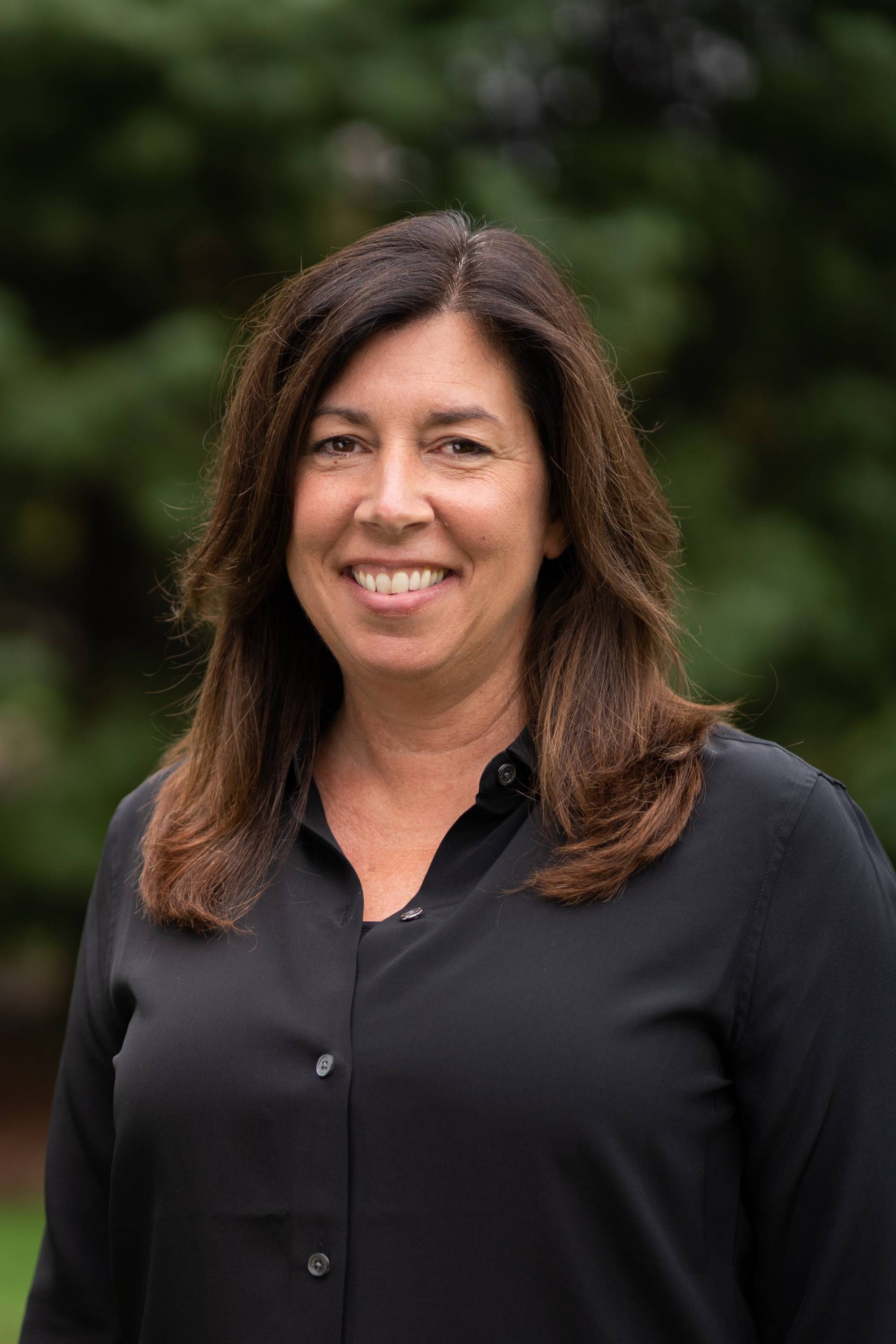
Jamie Owen-DeSchryver is a Professor in the Psychology Department at Grand Valley State University, specializing in Clinical Psychology with a focus on Autism Spectrum Disorder (ASD). Holding a PhD from SUNY Stony Brook, they combine academic research with practical applications in educational settings. Education: B.A. from Kalamazoo College M.A. from Johns Hopkins University Ph.D. from State University of New York at Stony Brook Their research centers on implementing educational and behavioral interventions for individuals with ASD across developmental stages, from preschool to college. Current projects include the Statewide Autism Resources and Training (START) initiative, funded by MDE/OSEP, where they develop materials and provide technical assistance to schools in Michigan. Recent publications highlight expertise in video modeling, visual supports, self-management systems, peer supports, and opportunities-to-respond techniques. They also mentor graduate students in school psychology on intervention strategies for K-12 students with diverse needs, including ADHD, learning disabilities, and anxiety disorders. Contact: Office: 1319 Au Sable Hall Phone: (616) 331-8703 Email: owendesj@gvsu.edu
Leslie M Babinski is a Research Professor at Duke University's Sanford School of Public Policy and Department of Psychology and Neuroscience. She directs the Duke School Research Partnership and holds an affiliate position at Duke's Center for Child and Family Policy. Education: Ph.D. in Education, University of California, Berkeley (1993) M.A. in Education, University of California, Berkeley (1988) B.S. in Psychology, University of Scranton (1985) Her research focuses on teacher professional development for English learners, collaboration between ESL and classroom teachers, cultural wealth frameworks, and self-regulation interventions in middle schools. She has led multiple IES-funded studies including the Targeted Reading Intervention and Promoting Self-Regulation projects. Recent publications examine multilingual education strategies, ADHD developmental trajectories, and health curriculum impacts. Her work combines educational policy, neuroscience applications, and public health approaches to improve student outcomes. Key Grants: Efficacy of the DCCS Program (2018-2025) Promoting Self-Regulation (2017-2020) Neuroscience-Based Health Curriculum (2012-2016)
Ali İbrahim Can GÖZÜM serves as an Associate Professor in the Department of Preschool Education at Kafkas University's Dede Korkut Faculty of Education. With dual doctoral degrees in Preschool Education from Gazi University and Science Education from Ondokuz Mayıs University, he specializes in early childhood science and technology education. His academic journey includes progressive appointments from Research Assistant (2013) to Associate Professor (2022), alongside administrative roles including Dean Assistant and Career Center Director. His research focuses on early childhood STEM education , digital game mediation , and cognitive development , reflected in over 90 publications with significant international impact (Google Scholar h-index: 18). Current projects examine flipped classroom models in language education and nature-based learning environments. His editorial leadership includes Editor-in-Chief of e-Kafkas Journal of Educational Research and Associate Editor for Frontiers in Education 's STEM section. Notable scientific recognition includes TUBITAK's Publication Incentive Award. His advising includes master's theses on self-regulation and number sense development. Active in professional development, he conducts workshops on digital parenting and AI libraries, demonstrating commitment to bridging research with practical educational applications.
Dr. Elena Tribushinina is an Associate Professor at Utrecht University's Department of Languages, Literature and Communication , affiliated with the Institute for Language Sciences . Her expertise spans Child Multilingualism , Developmental Language Disorders , and Foreign Language Pedagogy , with a focus on educational interventions and cognitive mechanisms in language acquisition. Research Themes : Language Acquisition, Processing, and Disorders; Dynamics of Youth (DoY). Teaching : Courses in English Language and Culture (BA/MA), Multilingualism, and Topics in Language Acquisition. Her research investigates how bilingualism and language disorders interact in foreign language learning, using eye-tracking and intervention studies to differentiate between bilingual and DLD profiles. Recent projects include CodeTaal App for DLD children and support for Ukrainian refugee pupils. Key publication trends (2022–2025) reveal a focus on bilingual advantages , cross-linguistic transfer , connectives in discourse , and explicit instruction strategies for learners with DLD or dyslexia. She collaborates with institutions in Alberta , Antwerp , and Russia . She leads the research group Language Acquisition, Processing and Disorders and serves as Associate Editor for the Journal of Child Language . Her methodological toolkit includes eye-tracking , longitudinal studies , and meta-analyses of pedagogical interventions.
Sergio Baranzini is a Professor in the Department of Neurology at the University of California, San Francisco (UCSF) School of Medicine and a member of the UCSF Weill Institute for Neurosciences. With a distinguished career spanning over two decades at UCSF, Dr. Baranzini has established himself as a leading researcher in multiple sclerosis (MS) and neuroimmunology. Dr. Baranzini earned his BS/MS and PhD in Biochemistry/Biotechnology and Human Molecular Genetics from the University of Buenos Aires, Argentina, completing his PhD with honors in 1997. He then pursued postdoctoral training in neurogenetics at UCSF before joining the faculty in 2003. His research focuses on the genetic, genomic, and immunological aspects of multiple sclerosis, with particular emphasis on the gut-brain axis and microbiome's role in neuroinflammation. Dr. Baranzini's research employs a multidisciplinary approach integrating wet lab techniques (including DNA microarrays, proteomics, and laser capture microdissection) with dry lab analytical approaches (bioinformatics, complexity theory, and mathematical modeling). His work has revealed critical insights into MS pathogenesis, particularly how gut microbiota influences disease development and progression. Recent groundbreaking studies have demonstrated how specific gut bacteria from MS patients can trigger MS-like disease in animal models and how microbial metabolites affect remyelination processes. His laboratory has secured significant funding through multiple NIH grants, including as Principal Investigator on projects examining the genetic basis of MS progression and post-GWAS approaches to identify cell-specific genetic pathways underlying MS risk. As evidenced by his extensive publication record in top-tier journals including Science, Nature, and PNAS, Dr. Baranzini's work represents some of the most innovative research in neuroimmunology and MS pathogenesis. National Multiple Sclerosis Society (US) Advanced Postdoctoral Fellowship (2001) National Multiple Sclerosis Society (US) Harry Weaver Neuroscience Scholar Award (2009-2014) Department of Neurology UCSF Endowed Chair in Neurology (2010) National Multiple Sclerosis Society Stephen C. Reingold Award (2015) Department of Neurology UCSF Distinguished Professorship in Neurology I (2019) Department of Neurology UCSF Neurology Research Incentive Program 2 (N-RIP2) (2023) Barancik Prize for Innovation in Multiple Sclerosis Research (2024) Dr. Baranzini serves as an ad-hoc reviewer for numerous specialized journals and is an elected member of the American Neurological Association. His laboratory (iMSMS) actively collaborates with interdisciplinary teams worldwide to integrate knowledge across research domains through systems biology approaches. His current NIH-funded research explores automated evidential support from raw data for relay agents in biomedical knowledge graph queries and investigates the genetic basis of progression in multiple sclerosis.
David Moses is an Assistant Professor in the Department of Neurological Surgery at the University of California, San Francisco (UCSF) School of Medicine. His research focuses on developing advanced brain-computer interfaces (BCIs) and speech neuroprostheses to restore communication in individuals with paralysis or speech impairments. Moses works at the intersection of neuroscience, biomedical engineering, and artificial intelligence, utilizing cortical activity mapping to create real-time decoding systems. Research Areas: Brain-Computer Interfaces Speech Neuroprosthetics Neural Signal Decoding Artificial Intelligence in Medicine Cortical Activity Analysis Cognitive Neuroscience Publication Trends: Moses' recent work (2024-2025) emphasizes streaming brain-to-voice neuroprostheses, bilingual speech decoding, and user agency in neuroprosthetic design. Earlier publications (2016-2022) established foundational methods for continuous phoneme decoding, real-time dialogue systems, and AI-driven cortical signal translation. Key Collaborations: Moses frequently collaborates with Edward Chang (UCSF), Gopala Anumanchipalli (UCSF), Karunesh Ganguly (UCSF), and Adelyn Tu-Chan (UCSF) on high-impact neuroprosthetic research. His work is cited extensively in medical and neuroscience literature, with significant social media and policy influence.
Dr. Breanna Krueger is an Associate Professor in the Division of Communication Disorders at the University of Wyoming , where she has been since earning her PhD in 2017. Her academic background includes two MA degrees in Speech-Language-Hearing Sciences and Linguistics from the University of Kansas, and a BA in Communication Sciences and Disorders from the University of Wyoming. Research Focus: Dr. Krueger specializes in improving treatment outcomes for children with speech sound disorders through: Investigating age-related treatment efficacy Developing clinical teaching methods for speech-language pathologists Enhancing understanding of children's speech perception mechanisms Exploring social impact of speech disorders Ultrasound visual biofeedback applications for speech therapy Publication Trends: Her research portfolio shows increasing focus on: Transgender voice communication software (2024) Home practice facilitation techniques (2024) Pediatric cancer speech services (2023) Preterm birth language impacts (2023) Advanced phonological assessment methods (2022) Scientific Recognition: Dr. Krueger has received significant funding including: NIH Grant (P20GM103432) for age-related treatment research ASHA Foundation research grant College of Health Sciences internal funding Laboratory & Outreach: She directs the PhUnderLab , actively engages with professional organizations including the American Speech-Language-Hearing Association (ASHA), and maintains a Twitter presence @phunderlab for research dissemination.
Khalid Afzal is an Associate Professor in the Department of Psychiatry and Behavioral Neuroscience-Child Psychiatry at the University of Chicago . His clinical practice focuses on ADHD, anxiety disorders, mood disorders, and somatic symptom disorders in pediatric populations. He specializes in cross-cultural psychiatry and family-based interventions for child mental health. Education: MBB.S. (1995) from Quaid-e-Azam University, Pakistan; Psychiatry Residency (2008) at Texas Tech University; Fellowship (2010) at University of Chicago. His research spans youth suicide prevention , cultural/psychosocial determinants of mental health , residency training innovations , and post-traumatic stress in pediatric oncology . Recent work includes adapting suicide-screening tools for Urdu speakers and analyzing trends in pediatric psychiatric interventions during the pandemic. Publications highlight collaborations with multidisciplinary teams across pediatrics, neurology, and medical education . Dr. Afzal has received multiple teaching awards (e.g., University of Chicago's Instructor of the Year, 2020-2021) and research accolades (e.g., Excellence in Research Award, 2007-2008). His work appears in journals like Psychosomatics , Clinical Practice in Pediatric Psychology , and BJPsych Open , with a focus on mental health equity and innovative clinical pathways .
Lucimar Dantas is a researcher at Lusófona University specializing in interdisciplinary studies bridging Education, Psycholinguistics, and Cognitive Neuroscience. She serves as Vice-Director of the Master's Degree in Cognitive Sciences and Education and Executive Director of the Citizenship Sciences Doctoral College (CeiED). Her academic leadership extends to European collaborations through the EUA-CDE Council and the Thematic Peer Group on Learning & Teaching. Her educational background includes a PhD in Education from Lusófona University (2012) with European Doctorate distinction, complemented by doctoral training at Universidad Complutense de Madrid. Her research focuses on language acquisition processes, neural mechanisms in language learning, and Portuguese language pedagogy within school contexts. Dantas pioneered the interdisciplinary approach through founding the NELP Research Group (2019-2022) and currently co-coordinates the Teaching, Learning & Innovation Community. Her recent publications demonstrate consistent focus on critical thinking development, AI-pedagogy integration, and cross-national curriculum analysis, particularly examining European and Brazilian educational systems. As editor of Revista Lusófona de Educação and active participant in the CoaARA Working Group on Multilingualism, she influences academic discourse while securing national/international research funding. Her work establishes significant networks with European, American, and African academic partners through coordinated projects and conference presentations.
Jacqueline L. Hogan is a Professor of Sociology and Anthropology at Bradley University, where she has taught since 2000. She directs ADVANCE BU, an NSF-funded initiative addressing intersectional inequities in academia, and contributes to Women’s Studies and Study Abroad programs. Her work includes co-founding Bradley’s Body Project, which combats eating disorders through interdisciplinary collaboration. Ph.D., Sociology, University of Tasmania M.A., Anthropology, University of Iowa B.A., English Literature and Linguistics, California State University-Chico Dr. Hogan’s research explores intersections of gender, race, and national identity across the U.S., U.K., Australia, and Japan. She analyzes body commodification in consumer societies and structural inequalities in higher education. Her recent work examines sexual violence narratives in media and conspiracy ideation in right-wing populism, reflecting a long-term focus on cultural critiques of power and identity. Her publications span journals like Journal of Australian Studies , Journal of Sport and Social Issues , and Crime, Media, Culture , with books including Consuming Bodies (2025) and Lincoln, Inc. (2011). These works synthesize theories of embodiment, nationalism, and neoliberalism. Director of NSF-funded ADVANCE BU program Co-founder of Bradley’s Body Project Organized campus speaker series through the Intellectual and Cultural Activities Committee
Scott Davies serves as an Adjunct Professor in the Department of Sociology within McMaster University's Faculty of Social Sciences. With a prolific scholarly output spanning from 1990 to the present, his work primarily focuses on the sociology of education, educational policy, and issues of inequality within educational systems. Davies' research interests center on educational stratification, school choice mechanisms, private tutoring markets, cultural capital theory, and summer learning programs. His work often examines how market forces intersect with educational institutions, particularly investigating how supplementary education services and private schooling options create or mitigate educational inequalities. A significant portion of his research analyzes Ontario's educational landscape, with numerous studies examining French-language schools, achievement gaps, and policy implications of various educational interventions. Analysis of his recent publications reveals a consistent focus on educational inequality, with particular attention to summer learning programs and their differential impacts on student outcomes. His research increasingly incorporates longitudinal data analysis and causal inference methods, with several recent studies examining how educational interventions affect vulnerable populations. Davies has also expanded his work to address contemporary challenges like the impact of the COVID-19 pandemic on educational equity and the role of digital technology in classroom engagement. Davies maintains an extensive collaborative network, with recent co-authorship on numerous publications related to child mental health and educational outcomes through the Ontario Child Health Study. His scholarly impact is evident through significant citation metrics and engagement across academic, policy, and media platforms.
Adele Goldberg is the Moses Taylor Pyne Professor of Psychology and Associate Chair at Princeton University. She leads the Psychology of Language Lab, where she conducts research on the usage-based constructionist approach to language, emphasizing emergent generalizations based on construction functions, input statistics, and domain-general cognitive processes. Dr. Goldberg's research spans construction grammar, language acquisition, metaphor processing, autism and language, neurolinguistics, and computational linguistics. Her groundbreaking work demonstrates that humans learn language through general cognitive processes rather than language-specific knowledge. She has shown that knowledge of language consists of form-function correspondences (constructions) and that conventional metaphors are more emotionally engaging than literal paraphrases, as evidenced by increased amygdala activation in fMRI studies. Her research on autism has revealed challenges faced by autistic individuals in language learning, particularly regarding flexible extension of word meanings and processing complex word meanings. She has extensively studied statistical preemption in language learning - how speakers learn to constrain generalizations based on the frequency of competing alternatives. Her work with Boyd demonstrated that younger children are less likely to generalize abstract constructions compared to older learners when exposed to the same input. Moses Taylor Pyne Professor of Psychology, Princeton University Associate Chair, Department of Psychology Director, Psychology of Language Lab Dr. Goldberg has mentored numerous students including Abby Fergus and collaborates extensively with researchers like Sammy Floyd, Arielle Belluck, and Karina Tachihara. Her recent work explores parallels between usage-based constructionist approaches and large language models, examining how both human and artificial systems learn from statistical patterns in language input.
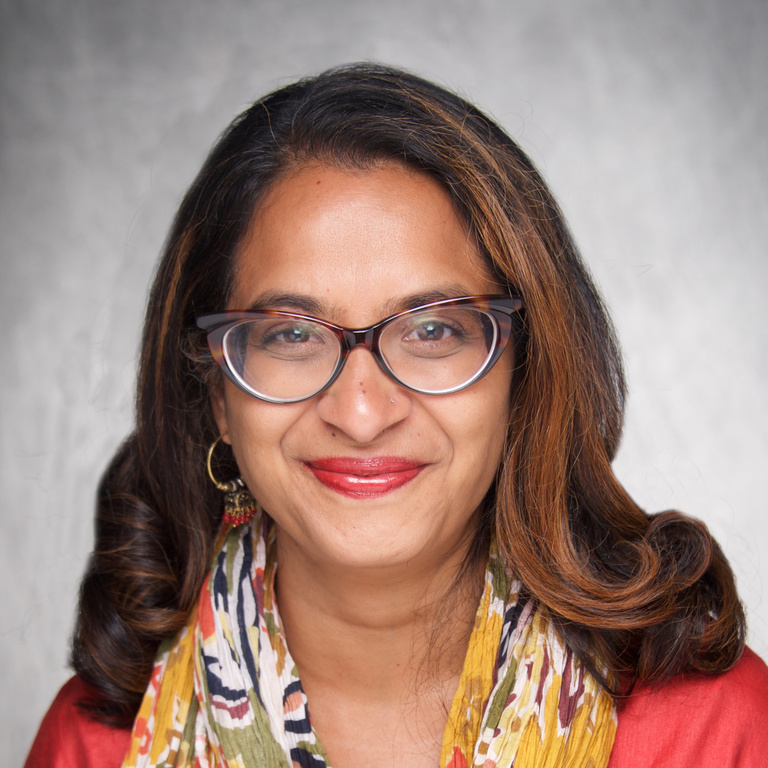
Anu Subramanian is a Clinical Professor in the Department of Communication Sciences and Disorders at the University of Iowa, where she serves as the Director of Clinical Programs for Speech-Language Pathology. Her work focuses on clinical education, teaching courses on reducing disparities in communication sciences and disorders (CSD), counseling, and supervisory practices. She actively contributes to departmental and professional committees, including ASHA and CAPCSD. Her research interests span fluency disorders, cultural competence in clinical supervision, and accessibility in clinical education. She has investigated topics such as stuttering’s impact on labor market outcomes, bibliotherapy for adults who stutter, and strategies to enhance clinician-client alliances through session questionnaires and narrative training. Notable trends in her publications include a focus on accommodations in clinical training, cultural diversity in supervision, and interdisciplinary approaches to clinical education. Subramanian has presented at major conferences like ASHA and CAPCSD, though some events were canceled due to the pandemic and transitioned to webinars.
Aleksandra Pawłowska is a Senior Lecturer at the Academy of Music in Łódź, where she has taught since 2013. Her roles include teaching psychology, pedagogy, research methodology, Polish as a foreign language, and courses on creativity and personal development. Since 2023, she has served as Head of the Pedagogical Studies Program and is a member of the organizing committee for the "Contexts of Musical Education" conference. Education: Master's in Psychology (Health and Clinical Psychology), Polish Philology (Teaching Polish as a Foreign Language, Creative Communication), and Pedagogy (Pedagogical Therapy); postgraduate studies in Investigative Psychology at SWPS University. Training: Solution-Focused Therapy (Level I), TBRI Certification (USA), trauma support training, and bibliotherapy courses. Her research focuses on gender representation, adult psychopathology, and the depiction of mental disorders in Polish prose. She has a decade of experience as a psychologist in adoption centers, schools, and community settings.
Isabel D. Fernandez, MD, MPH, PhD is an Associate Professor in the Department of Public Health Sciences at the University of Rochester School of Medicine and Dentistry. With expertise spanning nutritional epidemiology, public health, and clinical medicine, Dr. Fernandez focuses on understanding the determinants of nutritional status across the lifespan, particularly childhood malnutrition and obesity. Her research bridges population health with individual behaviors, examining how environmental factors interact with personal choices to influence nutritional outcomes. She has established herself as a leading researcher in weight management interventions, particularly in worksite and postpartum settings. Dr. Fernandez's educational background includes: PhD in Epidemiology from University of Minnesota (1999) MPH in Epidemiology from University of Minnesota School of Public Health (1994) MD from Buenos Aires National University (1981) As a nutritional epidemiologist, Dr. Fernandez specializes in the two ends of the nutritional status continuum - malnutrition and obesity. Her research examines societal determinants of nutritional conditions and how environmental factors interact with individual behaviors. Current projects include worksite interventions for weight gain prevention and qualitative studies on how low-income families navigate nutrition and physical activity choices. She integrates biological, behavioral, and environmental perspectives to develop comprehensive approaches to nutritional health, with particular focus on children, adolescents, and postpartum women. Her extensive publication record reveals a strong trajectory toward translational research that bridges nutritional science with practical interventions. Recent work spans pregnancy and postpartum health, worksite wellness, dietary assessment methodologies, and health disparities among minority populations. A notable trend is her increasing focus on technology-enabled interventions, including mHealth approaches for dietary assessment. She also maintains a strong interest in understanding the biological mechanisms underlying nutritional behaviors, as evidenced by studies examining cortisol patterns, gut hormones, and inflammatory markers in relation to eating behaviors and weight outcomes. Dr. Fernandez has received several prestigious awards throughout her career: Student Research Award (1998) Indirect Recovery Funds Award (1993) Predissertation Fieldwork Grant, MacArthur Interdisciplinary Program on Peace & International Cooperation (1992) Alumni Association Fellowship (1992) XIV Latin-American Pediatrics Congress Fellowship (1984) Honors Diploma (1981) Dr. Fernandez has led significant research projects including the "Images of a Healthy Worksite" group-randomized trial testing environmental interventions for worksite weight gain prevention and the "eMOMS" electronically-mediated weight intervention study for pregnant and postpartum women. Her grant portfolio reflects consistent funding for obesity prevention research across different life stages and settings. While specific students aren't listed in available information, her extensive publication record with multiple co-authors suggests active mentorship of graduate students and postdoctoral fellows. Dr. Fernandez is affiliated with the Center for Community Health and Prevention at the University of Rochester. Her collaborative work demonstrates involvement in multidisciplinary research teams that include experts in nutrition, epidemiology, behavioral science, and clinical medicine. She has developed strong partnerships with community-based organizations serving Latino and immigrant populations, particularly evident in her recent work with Mexican immigrant farmworkers.