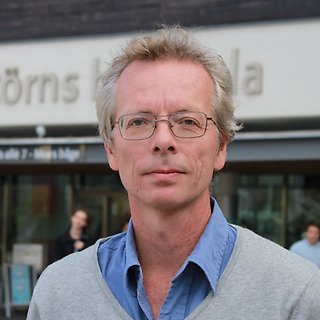
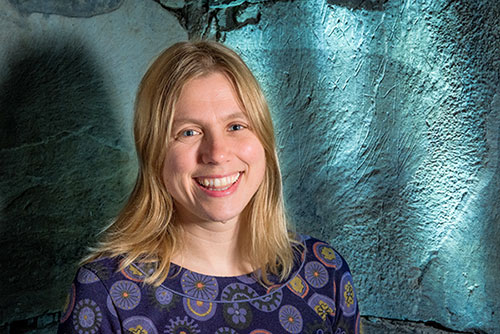
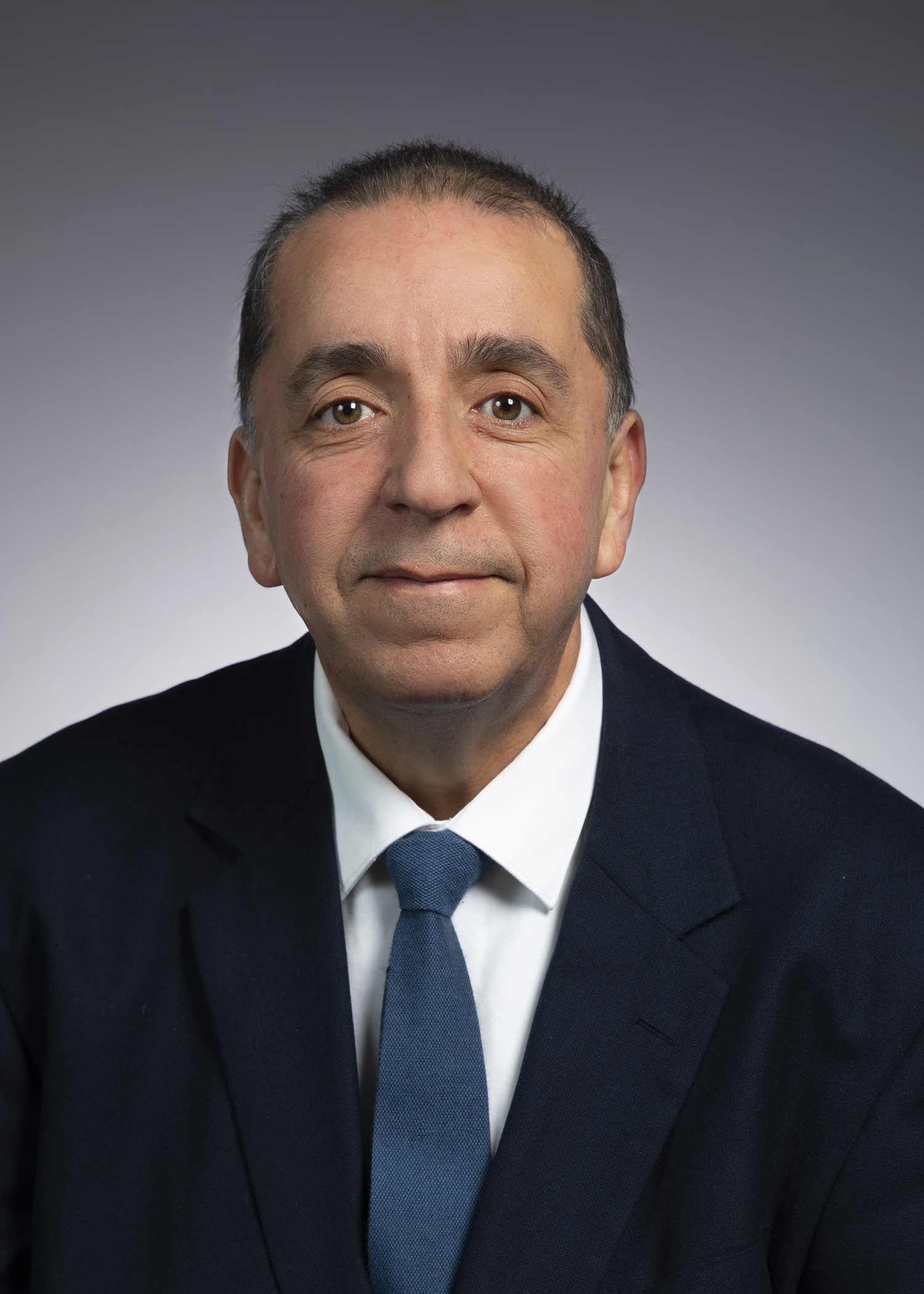
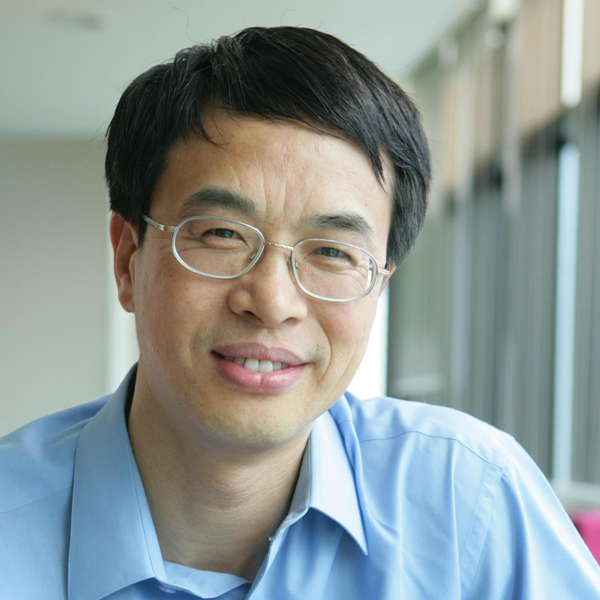
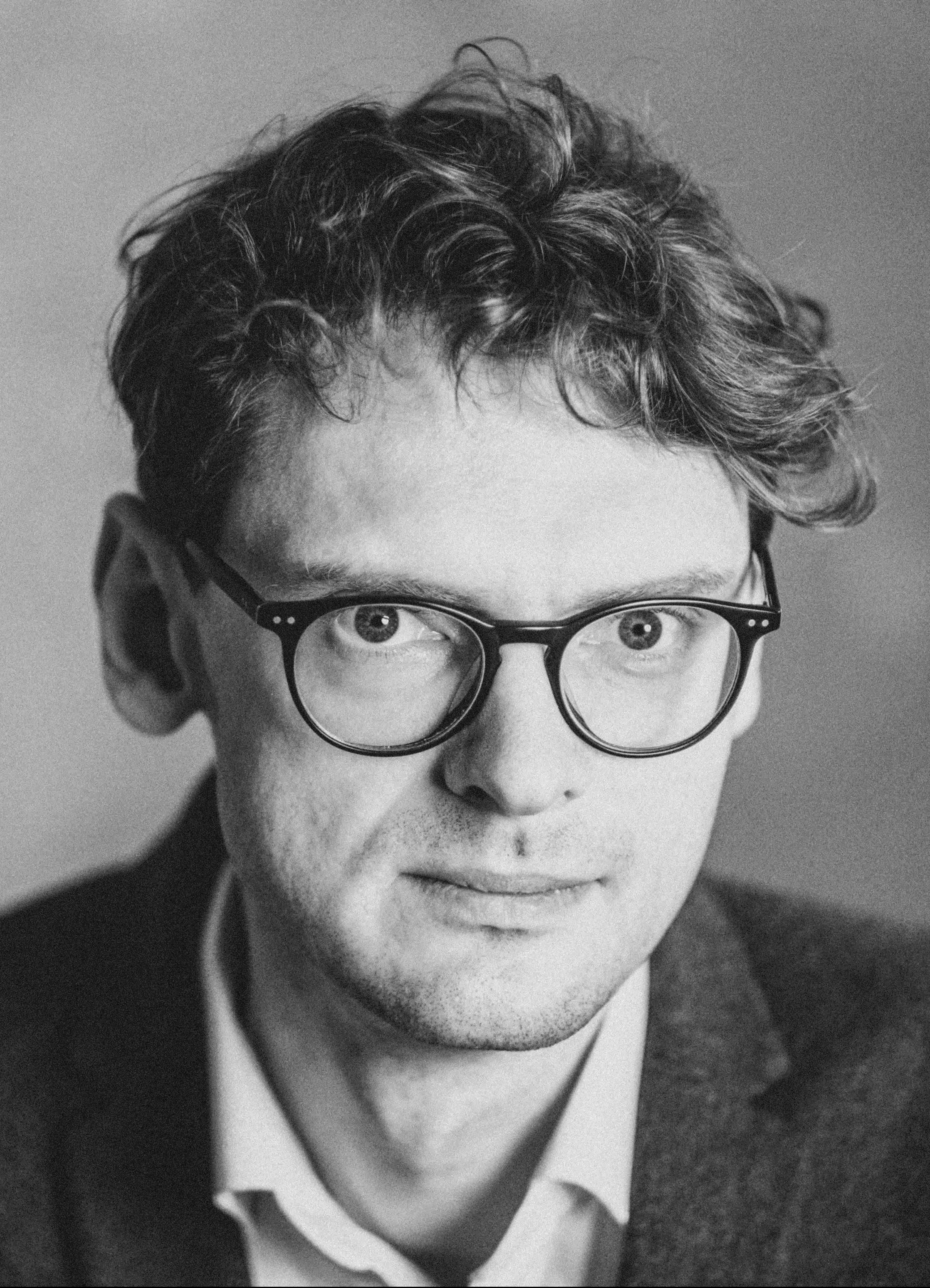
Martin Dahl is an Associate Professor and Associate Senior Lecturer at Södertörn University's Department of Natural Sciences, Technology and Environmental Studies (MD439). His work focuses on coastal Blue Carbon dynamics, seagrass meadows, and the impact of human activities on coastal ecosystems. He conducts research in both the Baltic Sea/Skagerrak and the Western Indian Ocean, emphasizing nutrient retention, paleo-ecology, and landscape configuration effects on carbon storage. Key projects include a Baltic Sea Foundation-funded study (2022) investigating land-use and climate impacts on nitrogen retention over 300 years, and the ClimScape initiative assessing Baltic coastal seascape carbon hotspots. His research integrates paleo-proxy analyses with modern environmental data to inform climate mitigation strategies. Publications emphasize seagrass sediment carbon dynamics, methane emissions, and the role of human-driven changes on coastal carbon sinks. While no awards are explicitly listed, his work contributes to global Blue Carbon science frameworks. Advising focuses on environmental and marine science topics, with collaboration through Södertörn University's DiVA publication platform and interdisciplinary coastal projects.
Professor Ivar Berg is a leading scholar in Scandinavian linguistics at NTNU's Department of Language and Literature. His research focuses on the history of Norwegian and related languages over the past 1,500 years, encompassing both structural linguistic changes and sociolinguistic shifts. He teaches courses on modern Norwegian dialects and grammar, including NORX2200 (Old Norse/Runology) and NORD1106 (Dialectology and Language History). Research Interests: Historical sociolinguistics of Scandinavian languages Old Norse and medieval Icelandic textual analysis Toponymic evolution and cultural geography Phonological changes in Norwegian dialects Language policy during the Reformation Recent Work Trends: His 2025 doctoral dissertation on Latin manuscripts in medieval Iceland highlights intertextual recycling processes. Recent articles (2024-2021) explore palatalization in Norwegian phonology, toponymic history, and case system evolution. His 2019 book Språket som vart norsk provides a comprehensive overview of Norwegian language development from Proto-Norse to the 19th century. Outreach: Engages in public lectures on topics like dialect preservation, historical literacy practices, and the sociolinguistic impact of the Reformation. Recent speaking engagements include the University of Bristol (2025), SWPS University (2025), and the Nordic Dialectology Conference (2022).
Per Ståhlberg is a Senior Lecturer in Media and Communication Studies at Södertörn University, Sweden. He holds a Ph.D. in Social Anthropology from Stockholm University (2003), with a dissertation on Hindi-language journalism in Lucknow, India. His research focuses on media anthropology, cultural globalization, and the intersection of media, conflict, and nation branding. Notable areas include Ukraine-Russia information warfare, Indian media modernity, and the theoretical frameworks of nation branding. Education: Ph.D. in Social Anthropology, Stockholm University (2003) Ståhlberg's work critically examines how media shapes societal narratives, particularly in conflict zones and transitional states. His research on Ukraine analyzes information management during the Russian invasion and Euromaidan Revolution, while his earlier studies explore Indian media landscapes and global-local cultural dynamics. Key themes include propaganda tactics, the mediatization of national identity, and the role of journalism in constructing societal realities. His publications span academic articles, book chapters, and edited volumes, often combining ethnographic methods with critical theory to analyze media's role in power structures and cultural production. Recent projects emphasize geopolitical information warfare and the evolution of nation branding strategies under crisis conditions.
Dr. Ragnhild Ljosland is a sociolinguist and lecturer at the University of the Highlands and Islands (UHI), affiliated with the Archaeology Institute and Language Sciences Institute at Orkney College. She specializes in Orkney and Shetland dialects, runology, and Norse cultural heritage. Her research explores linguistic shifts, historical discourse, and the interplay between language and identity in the Northern Isles. Education: PhD in Sociolinguistics, Norwegian University of Science and Technology (NTNU), 2008 Cand. Philol. (Master’s equivalent) in Scandinavian Studies Research Interests: Discursive construction of cultural identity Norn to Scots language transition Runic inscriptions and modern rune use Scots language revitalization Orkney witchcraft trials narratives Publications & Media: Over 30 peer-reviewed articles, books, and chapters, including works on Orkney dialect grammar, modern rune carving, and historical linguistics. Featured in documentaries like Mystic Britain: The Monster of Maeshowe and media appearances on Scandinavian heritage. Awards: 2017 Highlands and Islands Student Association Award for Best Research Supervisor. Roles: Module leader for MLitt courses on Orkney dialects, runology, and Norse Studies Editorial board member, Scottish Language journal External examiner, University of Stavanger Labs/Teams: Collaborates on projects like the AHRC-funded Orkney and Shetland Dialect Corpus and community heritage initiatives.
Dr. Guido Stompff is a Lecturer in Design Thinking at Inholland University of Applied Sciences, working three days a week. He leads the Design Thinking Lectorate within the Applied Research x Creativity Research Center, focusing on methodological foundations and broad educational integration of Design Thinking. His research emphasizes living labs, such as the Urban Leisure & Tourism Lab addressing tourism pressures in Amsterdam. He collaborates with educational institutions, museums (e.g., Cube Design Museum), and organizations like Brightlands Innovation Factory to advance innovation processes. Stompff’s work bridges design practice and academic research, advocating for practitioner-driven methodologies. He holds a PhD from TU Delft and authored a best-selling book on Design Thinking. Key projects include the Students as Partners initiative (with Comenius Grant) and the Dutch Pop Music Sector Research Agenda. His research explores team dynamics, design inquiry in education, and systemic co-design approaches for societal challenges. Education: PhD in Innovation Processes (TU Delft) MSc Industrial Design Engineering (TU Delft) Research Interests: Design Thinking Methodology Interdisciplinary Collaboration Education Innovation Urban Social Challenges Practitioner-Academia Synergy Grants & Recognition: Comenius Grant (2023) for Students as Partners Project Author of bestseller Design Thinking; Radical Change in Small Steps (2018) Advising & Partnerships: Cube Design Museum (Kerkrade) Brightlands Innovation Factory (Limburg) Urban Leisure & Tourism Lab (Amsterdam-North) Expertisenetwerk Systemisch Co-design
Elizabeth Arnold is a Professor at The University of Arizona, holding appointments in the School of Plant Sciences, Department of Ecology & Evolutionary Biology, and the Graduate Interdisciplinary Program in Genetics. She serves as Curator of the Robert L. Gilbertson Mycological Herbarium. Dr. Arnold earned her Ph.D. in Ecology and Evolutionary Biology from The University of Arizona in 2002, followed by an NSF Postdoctoral Fellowship at Duke University. She advanced through the ranks from Assistant Professor (2005-2010) to Associate Professor (2010-2015) to her current Professor position (2015-present). Dr. Arnold's research centers on community ecology, evolutionary ecology, mycology, tropical biology, and microbial ecology. Her work primarily investigates plant- and lichen microbiomes with emphasis on fungal symbioses across wild and agricultural ecosystems. The Arnold Lab explores microbial richness across scales, examining how niche differentiation shapes fungal endophyte communities and their functional roles in plant health. Recent research has focused on metabolomic profiles in sorghum-microbiome interactions, tropical seed-fungal dynamics, and endohyphal bacteria like Luteibacter species. Her publication record demonstrates expertise in fungal endophytes, seed-microbe interactions, and plant-microbe symbioses across diverse ecosystems. Analysis of her recent articles (2023-2025) reveals consistent focus on endophytic communities, their ecological functions, and applications to both natural and agricultural systems. Her work spans from molecular-scale interactions (mRNA modifications, metabolite profiles) to landscape-level patterns (biodiversity hotspots, biome connectivity). 2017 Warren Herb Wagner Lecturer in Plant Evolution, University of Michigan 2016 William H. Weston Award for Outstanding Teaching, Mycological Society of America 2016 Fellow, Bart Cardon Academy of Teaching Excellence, The University of Arizona 2014 Outstanding Seminar Speaker, Rancho Santa Ana Botanic Garden Graduate Student Association 2013 1885 Distinguished Scholar, The University of Arizona 2013 Staff Award for Excellence, Women in Science and Engineering 2012 Alexopoulos Prize, Outstanding Early Career Mycologist, Mycological Society of America 2011 Buller Medal, Outstanding Young Mycologist in North America, International Mycological Association 2011 David E. Cox Teaching Award, College of Agriculture and Life Sciences, The University of Arizona Dr. Arnold serves as Executive Editor of Mycologia, Co-editor of Frontiers in Ecology and Evolution, Associate Editor of American Journal of Botany, and Subject Editor of Biotropica. Her research has been supported by multiple NSF grants including projects on seed-fungal interactions and macrofungal distributions. She has mentored numerous graduate students through interdisciplinary programs at The University of Arizona. The Arnold Lab maintains active research programs investigating microbial ecology across scales, with current projects examining microbiome roles in plant invasion success (particularly Lehmann Lovegrass), seed-fungal interactions in tropical forest regeneration, and applications of microbial ecology to agricultural systems, especially sorghum's response to drought stress. The lab emphasizes both fundamental ecological questions and practical applications for ecosystem management.
Meelis Pärtel is a full Professor of Botany at the University of Tartu’s Institute of Ecology and Earth Sciences, affiliated with the Faculty of Science and Technology. He has held this position since 2002, with continuous academic service at the university since 1991. His career includes roles such as Editor-in-Chief of prominent journals like Journal of Vegetation Science and leadership in national and international ecological organizations. Education: PhD in Botany (1997, University of Tartu), postdoctoral studies at the University of Regina (Canada) and Uppsala University (Sweden). Honors: Estonian State Science Awards (2024, 2009), Order of the White Star (2023), and Academia Europaea Young Scientist Award (1996). Research focuses on macroecology , plant trait evolution , and dark diversity theory . He explores how environmental heterogeneity and historical processes shape biodiversity. Key themes include community assembly rules, conservation strategies for plant diversity, and impacts of global change. Recent work emphasizes dark diversity —species expected but absent in local communities—and its implications for conservation. His studies span global grasslands, tropical forests, and temperate ecosystems, addressing biodiversity loss mechanisms. Notable projects include analyzing drought impacts on grasslands and quantifying functional diversity changes. Publications highlight methodological advancements in dark diversity modeling and collaborative global ecology initiatives. Supervised over a dozen postdoctoral researchers, fostering international collaborations in biodiversity research.
Niina Mallat is a Research Fellow at Aalto University's Department of Information and Service Management. Her research focuses on autonomous systems, mobile technologies, and their societal impacts, particularly in transportation and financial services. She holds a Doctoral degree (2007) and Master's degree (2001) in Business and Economics from the Helsinki School of Economics. Her work addresses themes such as ethical considerations in automation (e.g., drones, Tesla Autopilot), sustainable mobility solutions (autonomous buses), and mobile payment adoption. Key areas include consumer trust in emerging technologies, use context analysis for service acceptance, and future research agendas in information systems. Her research outputs span over two decades, with notable contributions to mobile ticketing, payment systems, and voice-activated technologies. Collaborations emphasize interdisciplinary approaches, linking technical innovation with human behavior and policy implications. Despite prolific contributions, no explicit awards are listed in the provided texts. Advising and grants details are not specified, though her extensive publication record suggests active involvement in guiding research projects. No lab or team affiliations are explicitly mentioned.
Ana Fiszbein is an Assistant Professor of Biology at Boston University, specializing in gene regulation and RNA processing. Her lab employs high-throughput genomics, bioinformatics, and molecular approaches to study co-transcriptional gene regulation in mammalian systems, with a focus on cancer genomics and therapeutic strategies. She earned her PhD from the University of Buenos Aires and leads research on how gene architecture influences transcriptional programs. Her research interests include understanding the interplay between transcription and splicing, particularly through phenomena like Exon-Mediated Activation of Transcription Starts (EMATS). The lab develops computational tools like evopython to predict gene regulatory networks and designs strategies to manipulate gene expression for therapeutic applications. Current projects explore promoter-driven RNA processing decisions, transcriptional interference between promoters, and the connection between transcript initiation and termination. The lab actively recruits undergraduate, graduate, and postdoctoral researchers. Key findings include the discovery of hybrid exons and splicing-dependent transcriptional control mechanisms.
Pietari Kaapa is a Professor in Media and Communications at the University of Warwick's Centre for Cultural and Media Policy Studies. He is also an Affiliate Professor (Docent) in Film and Television Studies at the University of Helsinki. His research focuses on sustainable media production, environmental management in creative industries, and Nordic cinema studies. He co-leads the Global Green Media Production network with Hunter Vaughan, addressing ecological challenges in screen media. Kaapa serves as editor of the Journal of Scandinavian Cinema and Documentary Film Cultures . He has published extensively, including twelve books such as Environmental Management of the Media (2018) and Film and Television Production in the Age of the Climate Crisis (2022). His work bridges academia and industry through projects like the AHRC-funded Createch Frontiers sustainability initiative. Kaapa teaches modules on global media policy and supervises PhD research on topics like environmental film practices in Finland and East Asian co-productions. His research integrates ecocritical perspectives with industrial strategies, analyzing Nordic and global screen media through lenses of sustainability, cultural identity, and transnational collaboration. He has authored over 40 peer-reviewed articles and co-edited special journal issues on topics like Nordic Production Studies and Ecocinema Audiences.
Rafael Gely is the James E. Campbell Missouri Endowed Professor of Law at the University of Missouri School of Law. He previously held academic positions at Texas A&M University’s Mays Business School, Chicago-Kent College of Law, and the University of Cincinnati. His research focuses on labor market regulation, combining legal, economic, and interdisciplinary perspectives. He teaches courses in employment law, labor arbitration, and labor law. Education: BA (Cum Laude) from Kansas State University (1984), JD from the University of Illinois (1987), and PhD in Labor and Industrial Relations from the University of Illinois (1991). Research emphasizes labor law reform, collective bargaining, and the intersection of political polarization with labor dynamics. Recent works include analyses of symphonic industry labor practices, labor law landscapes, and the impact of political divisions on industrial democracy. Publications span over 40 articles in journals like the Rand Journal of Economics and Texas Law Review. Notable awards include the Eisenberg Prize for his Wisconsin Law Review article on Supreme Court dismissals. Teaching and scholarly contributions highlight practical and theoretical aspects of labor law, with a focus on contemporary workplace challenges and legal frameworks.
Bernardo Batiz-Lazo is a Professor at Northumbria University specializing in the intersection of technology and financial systems. His research focuses on the impact of computer technology on retail banking, the cashless economy, FinTech innovations, and business/economic history of Latin America and Spain. He holds prestigious fellowships including Fellow of the Academy of Social Sciences (2020), Fellow of the Royal Historical Society (2010), and Senior Fellow of the Academy of Higher Education (2007). His academic journey includes a PhD and extensive supervision of postgraduate research students, such as Martin Ogbeiwi (Fintech innovations) and Thomas Fischer (Deutsche Postbank AG strategies). His work spans interdisciplinary themes like financial inclusion, global payment systems, and the role of technology in reshaping financial landscapes. Recent publications explore topics such as mobile banking adoption in South Africa, board diversity in financial institutions, and the historical evolution of remittance services between the US and Mexico. Batiz-Lazo’s research bridges historical analysis with contemporary challenges, emphasizing how technological advancements influence economic policies and social equity. His awards reflect recognition of both scholarly contributions and educational leadership.
Wenwu Zhu is a Professor and Vice Chair of the Department of Computer Science and Technology at Tsinghua University. He has held prominent positions at Microsoft Research Asia, Intel Research China, and Bell Labs, establishing himself as a leading figure in multimedia computing and networking with international recognition as a FOREIGN member of the Academy of Europe (elected 2018). His educational background includes: Ph.D. in Electrical and Computer Engineering from New York University (1996) Professor Zhu's research focuses on the intersection of multimedia systems, networking, and big data. His work has pioneered advancements in internet video streaming, multimedia cloud computing, and social-aware content distribution. He has made significant contributions to understanding how multimedia content can be efficiently delivered across diverse network environments, from traditional wired networks to modern mobile and social platforms. His research bridges theoretical computer science with practical applications, with his work on social-aware video content distribution being transferred to Tencent company. His publication record shows a clear evolution from foundational work on internet video streaming in the early 2000s, through multimedia cloud computing in the early 2010s, to more recent work on social-aware multimedia and network embedding using deep learning approaches. This progression reflects the changing landscape of multimedia computing from infrastructure-focused to socially-aware and AI-driven systems. Professor Zhu has received numerous prestigious honors: AAAS Fellow (2016) SPIE Fellow (2013) IEEE Fellow (2010) Minister of Education's Natural Science Award, 1st prize (2017) Chinese Institution of Electronics's Natural Science Award, 1st prize (2015, 2012) National Natural Science Award, 2nd prize (2012) Chief Scientist for NSFC Major Project (2016) Chief Scientist for Ministry of Science and Technology's 973 Project (2014) Multiple Best Paper Awards including ACM Multimedia 2012 As Editor-in-Chief of IEEE Transactions on Multimedia since 2017 and through leadership roles as General Co-Chair for ACM CIKM 2019 and ACM Multimedia 2018, Professor Zhu has significantly shaped the multimedia research community. His research has been supported by major grants including NSFC Major Projects and Ministry of Science and Technology's 973 Projects, demonstrating both academic and national strategic importance. He has published over 300 referred papers with an H-Index of 55, including 6 Best Paper Awards and 7 books or book chapters. Professor Zhu leads a research group at Tsinghua University focused on multimedia big data computing, with strong industry connections. His team has made pioneering contributions to structural network embedding using deep learning and social contextual recommendation systems, bridging theoretical advances with practical applications in social media platforms.
Vincas Grigas is an Associate Professor at the Department of Digital Cultures and Communication , Faculty of Communication , Vilnius University. His work focuses on media and information literacy, book piracy dynamics, scholarly communication, and digital culture transformations. He holds a PhD and has extensive international collaboration through ERASMUS programs and research visits to institutions like HTWK Leipzig and the University of Osijek. Research Interests: Media and Information Literacy Book Piracy Mechanisms Scholarly Publishing Practices Digital Transformation of Publishing Accessibility in Publishing Recent work analyzes digital piracy's societal impacts, challenges in small-language publishing ecosystems, and the transition from print to digital scholarly journals. He co-authored Lithuanian Scientific Periodical Publishing: From Printed Journals to Digital Ecosystems (2024) and has published in Publishing Research Quarterly , Information & Media , and LOGOS . Awards : Recognized as the Best Lithuanian Young Librarian (2011) and winner of the EU Journalist Award for Diversity (Lithuania) . Holds roles in professional bodies like the Lithuanian Library Council and Crossref Board.
Anna Górka is an Associate Professor at the Department of Environmental Design within the Faculty of Architecture at Gdańsk University of Technology. Her work focuses on rural landscapes, cultural heritage preservation, and sustainable development strategies in Polish rural areas. Research Interests: - Rural landscape planning and conservation - Traditional agricultural and architectural heritage - Climate change mitigation through community engagement - Spatial policy and socio-ecological systems - Cultural memory in rural environments - Sustainable tourism and modernization challenges Publications trends show a focus on: - Threats to rural landscapes from modernization and urban sprawl - Case studies of Kashubia region's architectural and environmental preservation - Roles of education and summer schools in fostering community resilience Her work bridges academic research with practical spatial management tools for rural communes, emphasizing the role of collective memory and cultural values in shaping resilient rural environments.