Oskar Hallatschek is an Associate Professor and McAdams Chair in the Department of Physics and Integrative Biology at the University of California, Berkeley. His research focuses on biological physics and evolutionary dynamics, particularly how collective patterns emerge from heterogeneous microbial populations. He leads the Hallatschek Lab, which maintains collaborations with institutions like the University of Leipzig. Research Emphasis: Microbial systems, population genetics, non-equilibrium statistical physics, evolutionary adaptation, and mechanical interactions in cellular populations. Publications span journals like Nature , PNAS , and Science , with recent work on allele surfing, jamming in microbial colonies, and long-range dispersal effects. Grants: Supported by NIH and NSF, as indicated by institutional logos in the lab web presence.
Dr. Steve Renette is an Assistant Professor in Mesopotamian Archaeology at the University of Cambridge's Department of Archaeology. His research focuses on material culture, art and iconography, and the interplay between Mesopotamian and Zagros societies during the Chalcolithic and Early Bronze Age (c. 6000–2000 BCE). University of Cambridge, Department of Archaeology Research Interests: Specializing in environmental archaeology, geoarchaeology, and landscape studies, Dr. Renette investigates cultural evolution and field methods across Mesopotamia and the Near East. His work emphasizes local community practices in adopting external influences and reconstructs historical geography. Publications: His recent articles analyze Kani Shaie's 2024 Early Bronze Age excavations, seal impression analysis, and regional ceramic chronologies. His studies span from prehistoric land use (2019) to Hellenistic-Parthian occupations (2024), with a focus on stratigraphic continuity and cross-border interactions. Professional Activities: Involved in the Kani Shaie Archaeological Project (2012–2016) and the Mahidasht Survey Project, Dr. Renette contributes to cultural heritage preservation and regional absolute chronology development.
Yuyu Zhou is a Professor in the Department of Geography at The University of Hong Kong. With an extensive publication record of 301 papers and over 18,000 citations, Dr. Zhou is a leading researcher in urban environmental studies, climate change, and sustainability science. Dr. Zhou received their PhD in Environmental Science from the University of Rhode Island (2004-2008) and previously worked as a Research Scientist at Pacific Northwest National Laboratory's Joint Global Change Research Institute (2010-2015). They currently serve as Chief Editor for Earth System Science Data (Copernicus Publications), Associate Editor for Ecological Processes, and Section Editor for All Earth. Dr. Zhou's research focuses on the intersection of urbanization, climate change, and environmental sustainability. Their work spans several key areas including urban heat island effects, vegetation phenology in urban environments, energy modeling, and sustainable urban development. Through innovative remote sensing approaches and spatial analysis, Dr. Zhou investigates how urban environments respond to and influence global environmental change. Analysis of Dr. Zhou's recent publications reveals a strong emphasis on urban environmental challenges, with particular attention to urban heat islands, vegetation dynamics, and climate change impacts in cities. Their work combines remote sensing data with ground observations to develop high-resolution models of urban environmental processes. Recent research has focused on urban greening effects, building energy use under climate change, and environmental justice issues related to urban heat exposure. Dr. Zhou has received significant recognition for their work, as evidenced by the high citation count of their publications. Their research has important implications for urban planning, climate adaptation strategies, and sustainable development policies worldwide. As an educator and mentor, Dr. Zhou advises numerous graduate students and collaborates with researchers globally. Their work with international teams has resulted in significant contributions to understanding urban environmental systems across different geographical contexts.
Paolo Noto is an Associate Professor at the Department of the Arts, Università di Bologna. He specializes in film studies, focusing on post-war Italian cinema, genre transformations, and intertextuality. He holds a PhD in Theatre and Film Studies from the University of Bologna. His research explores the interplay between national and foreign cinematic models, particularly in 1950s Italian cinema. He has presented at conferences such as the NECS Conference 2012 (Lisbon) and contributed to journals like The Italianist and Bianco e nero . His publications include works on Italian neorealism, digital media, and television history. Noto has collaborated with institutions like the University of Bristol and Harvard University through academic exchanges and research projects. His work bridges historical analysis with contemporary media practices, emphasizing cultural and technological intersections.
Etienne Benson is the Director of Department II (Knowledge Systems and Collective Life) at the Max Planck Institute for the History of Science in Berlin. His work bridges the history of science, environmental history, and science and technology studies, focusing on the political and scientific evolution of environmentalism in the U.S. and Europe since the 18th century. He holds a doctorate from MIT and has held academic roles at Harvard, the University of Pennsylvania (where he continues as a visiting professor), and the Rachel Carson Center. Education: Ph.D. in History, Anthropology, and Science, Technology and Society (MIT, 2008) Past Roles: Postdoctoral Fellow (Harvard), Research Scholar (MPIWG), Lecturer (University of Chicago, NYU-Berlin), Visiting Scholar (Rachel Carson Center) His research examines how scientific knowledge production intersects with environmental politics, data infrastructures, and conservation practices. Current projects include analyzing the rise of quantitative landscape science and the ethical/legal frameworks of biodiversity research. He has authored two influential books on environmental technologies and histories of data collection. Recent publications highlight the co-creation of scientific communities and data systems, from early 20th-century bird banding to modern animal movement repositories like Movebank. His work situates environmental science within broader socio-political contexts, emphasizing the role of data in shaping conservation policies and scientific identities. The department he leads, Knowledge Systems and Collective Life , collaborates with global institutions and hosts initiatives like the International Max Planck Research School. His team explores historical epistemologies of planetary modeling and the interplay between science, law, and ethics in biodiversity conservation, using archival and digital humanities methods.
Martin Sposato is a Professor at Zayed University whose research focuses on the intersection of artificial intelligence, educational leadership, and organizational development. His work spans multiple disciplines including education, business, and human resources management, with particular emphasis on how AI technologies transform leadership practices and institutional operations. Dr. Sposato's research interests center on Artificial Intelligence in Education, Educational Leadership, Digital Transformation, and Human Resources Management. His work explores how AI can be effectively integrated into educational leadership practices while addressing ethical considerations and equity issues. He has developed frameworks for understanding AI applications across ten distinct domains in higher education leadership, including Administrative Efficiency, Personalized Learning, and Ethical AI Leadership. His publication record demonstrates significant contributions to understanding AI implementation in educational contexts, with a focus on creating structured frameworks for evaluation and adoption. His research shows a clear trajectory toward developing practical tools for educational leaders to navigate the complex landscape of AI integration while maintaining educational integrity and addressing potential risks. Artificial intelligence in educational leadership: a comprehensive taxonomy and future directions (2025) Transforming Corporate Social Responsibility and Business Ethics With AI (2025) Leadership strategies for implementing environmental management systems (2025) Bias and its impact on hiring and promotion (2025) Artificial intelligence in modern human resources practice (2025) Dr. Sposato's work on leadership extends beyond technology to explore fundamental leadership concepts, including followership theory, global leadership dynamics, and the balance between leader-centric and more distributed leadership models. His research provides valuable insights for organizations navigating digital transformation while maintaining human-centered values and ethical practices.
Raina Plowright serves as the Rudolf J. and Katharine L. Steffen Professor of Veterinary Medicine at Cornell University's College of Veterinary Medicine, where she leads the Department of Public & Ecosystem Health. She is also a Cornell Atkinson Scholar at the Cornell Atkinson Center for Sustainability. Previously, she was a Professor of Epidemiology at Montana State University (2022-present), Associate Professor (2020-2022), and Assistant Professor (2014-2020) in the same department. Plowright earned her B.V.Sc. Hons I (DVM equivalent) from the University of Sydney in 1997, followed by an M.S. in Epidemiology (2005) and Ph.D. in Ecology (2007) from the University of California, Davis. She completed postdoctoral training as a David H. Smith Fellow in Conservation Research at Pennsylvania State University's Center for Infectious Disease Dynamics (2009-2014). Her research program integrates evolutionary biology, ecology, environmental science, immunology, virology, and social sciences to understand and prevent zoonotic spillover—the critical first step in pandemic emergence. She leads transdisciplinary collaborations focused on WHO-priority pathogens originating in bats, with work spanning from sub-cellular to landscape scales. Her team investigates how land-use change, climate variation, and social vulnerability drive pathogen emergence, identifying practical strategies for prevention. Her Plowright Lab and Bat One Health Research Group conduct field studies, laboratory experiments, and predictive modeling to generate actionable insights for public health strategies. Analysis of her recent publications reveals a consistent focus on understanding the ecological and physiological mechanisms driving viral spillover from bats to other species. Her work increasingly emphasizes practical interventions and policy recommendations for pandemic prevention, moving beyond simply understanding spillover mechanisms to implementing ecological countermeasures. Recent research has particularly examined the role of bat nutrition and metabolism in viral shedding dynamics, the spatial and temporal patterns of viral excretion in reservoir hosts, and the development of comprehensive frameworks for primary pandemic prevention. Elected to the National Academy of Medicine (2023) Elected as Fellow of the American Association for the Advancement of Science (2022) Charles and Nora Wiley Award for Meritorious Research (2022) Rudolph J. and Katharine L. Steffen Professorship (2023) DARPA Young Faculty Award (2016) David H. Smith Fellowship in Conservation Research (2009) Plowright co-chairs the Lancet Commission on Prevention of Viral Spillover and serves on the NSF Advisory Committee for Environmental Research and Education. Her research has received significant funding from organizations including DARPA, NSF, and the Morris Animal Foundation. She leads the Plowright Lab and Bat One Health Research Group, which conduct interdisciplinary research spanning field studies, laboratory experiments, and modeling approaches to understand and prevent zoonotic disease emergence. Her laboratory maintains active collaborations with researchers across multiple institutions and countries, working closely with wildlife managers, public health officials, and communities to develop practical strategies for pandemic prevention. The lab's approach emphasizes the integration of ecological knowledge with public health practice through the One Health framework.
Paul A Kapp is a Professor in the Department of Geosciences at the University of Arizona. His expertise spans continental tectonics, regional geology, structural-stratigraphic analysis, and eolian processes, with a focus on Asia and Cordilleran orogenic systems. Fieldwork includes geologic mapping, kinematic analysis of structures, and stratigraphic section measurements across Precambrian to Quaternary rock types. University: University of Arizona Department: Geosciences Email: pkapp@arizona.edu Research interests emphasize quantifying timing and rates of tectonic processes via geochronology and thermochronology. Key themes include Tibetan Plateau uplift, lithospheric dynamics in collisional zones, and eolian-landscape interactions. His work integrates field observations with analytical methods to understand orogenic plateau formation and paleoelevation reconstruction. Recent publications highlight tectonic-climate feedbacks, mantle melting mechanisms in Tibet, and crustal deformation in the North American Cordillera. Articles often address geodynamic modeling, basin evolution, and isotopic dating applications, reflecting a multidisciplinary approach to orogenic and sedimentary systems.
Dr. Wannasarn Noonsuk is an Associate Professor in the Department of Art, Design, and Art History at California State University, Fresno, where she has taught courses like Asian Art, Southeast Asian Art, and South Asian Art since 2018. Her research focuses on the archaeology of Peninsular Thailand , early maritime trans-Asiatic trade , state formation in Southeast Asia , and the social roles of Hindu-Buddhist art . Education : Post-Doctoral Study (2013), École Française d'Extrême-Orient; Ph.D. (2012), M.A. (2009) in Art History, Cornell University; M.A. (2005) in Anthropology, University of Hawai'i; B.A. (2001) in Archaeology, Silpakorn University. Her recent publications analyze Hindu elements in Southeast Asian art (2024), Srivijaya network dynamics (2024), and employ scientific analyses of ceramics (2019-2020) to trace trade and cultural exchange. She has presented at institutions including SOAS (2021), National University of Singapore (2019), and Cornell University (2010), and serves as Vice President of Programs for the Fresno County Archaeological Society (2021-present). Her work spans archaeological science , cultural heritage management , and cross-cultural interactions between South and Southeast Asia, particularly in pre-modern trade and religious networks.
Jochen Wolf is Chair of the Evolutionary Biology Division at Ludwig-Maximilians-Universität München (LMU) and a Max Planck Fellow of the Max Planck Institute for Biological Intelligence since 2022. His research integrates evolutionary biology, genomics, and ecology to address fundamental questions about speciation, adaptation, and biodiversity across multiple biological systems. Dr. Wolf's research program applies an integrative approach to understand microevolutionary processes and genetic mechanisms underlying species divergence. His work combines large-scale genomic analyses with laboratory and field experiments to characterize genomic divergence across populations and species. Key empirical systems include natural populations of birds (particularly corvids, swallows, and cuckoos), marine mammals (pinnipeds and killer whales), plant communities, and experimental evolution in fission yeast. His research spans multiple scales from immediate microevolutionary processes to broader evolutionary patterns across time. His recent publications reveal a sophisticated integration of genomic, epigenetic, and ecological perspectives. A notable trend shows increasing focus on structural genomic variation, chromosomal rearrangements, and epigenetic mechanisms as drivers of evolutionary processes. His work demonstrates how these molecular mechanisms interact with ecological factors to shape patterns of biodiversity and adaptation. Dr. Wolf's research has gained significant recognition through publications in top-tier journals including Nature, Science, and Nature Ecology & Evolution. His groundbreaking studies on crow hybrid zones, killer whale ecotypes, and experimental evolution of speciation have been featured in prominent media outlets such as The New Yorker, The Guardian, Scientific American, and Der Spiegel, demonstrating the broad impact of his work. As Principal Investigator, Dr. Wolf actively mentors doctoral students and postdoctoral researchers, fostering the next generation of evolutionary biologists. His lab maintains strong international collaborations, particularly through affiliations with SciLifeLab in Uppsala. Research in his group is supported by multiple funding sources including German Research Foundation grants and European Union programs, enabling both fundamental research and applications to conservation biology. The Wolf lab operates within LMU's Division of Evolutionary Biology, which provides access to state-of-the-art facilities including the Leibniz Supercomputing Centre. The lab maintains strong connections with the Max Planck Institute for Biological Intelligence and SciLifeLab in Uppsala, creating a rich collaborative environment for interdisciplinary research in evolutionary genomics. This network enables comprehensive studies spanning from molecular mechanisms to ecological and evolutionary consequences across diverse biological systems.
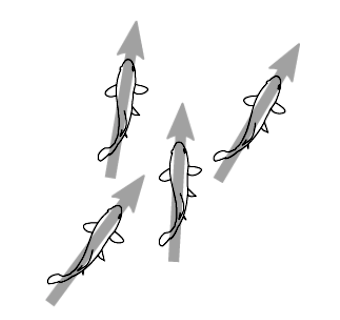
Professor Tim Rogers is affiliated with the University of Bath as a faculty member in the Department of Mathematical Sciences . He is actively involved in research spanning complex systems, network theory, and stochastic processes. PhD in Random Matrix Theory from King's College London (2010) His research focuses on emergent behavior in random systems , including: Collective Behavior : Crowd dynamics, lane formation, and noise-enhanced synchronization Epidemics & Networks : Spread prediction, node risk assessment, and misinformation impacts Ecology & Evolution : Trait emergence, species boundaries, and demographic noise effects Random Matrix Theory : Spectral analysis and applications to complex systems Publication trends reflect interdisciplinary work bridging Physics, Biology, and Mathematics , with a focus on network structures , stochastic modeling , and emergence phenomena . Scientific awards include: 2015 : Editor's Choice for Europhys. Lett. 109, 28005 2016 : Highlight of Journal of Physics A 2017 : Editor's Suggestion for Phys. Rev. E 92, 032708 He has supervised numerous PhD students and postdocs on projects related to stochastic dynamics , network modeling , and mathematical biology , with ongoing grants from agencies like EPSRC and The Leverhulme Trust .
Andrew Murray is a Professor at Harvard University, affiliated with the Rowland Institute and Department of Molecular and Cellular Biology. His research focuses on evolutionary biology, genetics, and synthetic biology using budding yeast as a model organism. Primary Affiliation: Harvard University Lab: Murray Lab Collaboration: with David Nelson (Physics/MBI) Research interests include: Evolution of biological novelty through experimental evolution Cellular mechanisms for environmental adaptation Quantitative analysis of evolutionary trajectories Engineering yeast strains to test biological principles Publications span evolutionary genetics, cell biology, and biophysics with recent work on ABC transporters and yeast colony dynamics. Collaborative clinical publications also exist in cardiology and surgical outcomes. Scientific recognition includes the John Harvard Distinguished Science Fellowship .
Nyeema Harris is the Knobloch Family Associate Professor of Wildlife and Land Conservation at the Yale School of the Environment (YSE), part of Yale University. She focuses on wildlife conservation, urban ecology, and the socio-ecological dimensions of human-wildlife interactions. Her work examines how urbanization impacts predator behavior, diets, and biodiversity, while advocating for inclusive sustainability approaches that address equity and justice in environmental scholarship. Education includes a PhD from North Carolina State University, an MS from The University of Montana, and a BS from Virginia Polytechnic Institute and State University. These degrees span wildlife science and conservation biology. Her research interests emphasize urban carnivore ecology, community-based conservation strategies, and systemic racism’s ecological consequences. She integrates spatial modeling with social equity frameworks, as seen in her publications on textured species range maps and critiques of environmental landscapes of fear. Publications highlight trends in urban wildlife adaptation, interdisciplinary methods, and ethical considerations in conservation. Key themes include dietary shifts in predators due to environmental changes, the role of historical data in species forecasting, and mitigating health risks linked to urbanization and gentrification. Dr. Harris actively advises doctoral students and is involved in initiatives like SNAPSHOT USA and Michigan ZoomIN, leveraging citizen science for ecological monitoring. She has not been noted for specific scientific awards in the provided texts. Her office is located in Kroon Hall, Room 223, at 195 Prospect Street, New Haven, CT. She contributes to environmental justice discourse and has been featured in news articles discussing her work on African carnivore range loss, urban rodent control, and systemic racism in urban ecosystems.
Christopher Bronk Ramsey is Professor in Archaeological Science and Head of the School of Archaeology at the University of Oxford, affiliated with Merton College. As chair of the INTCAL committee, he oversees global radiocarbon calibration. His expertise spans archaeological science, Quaternary environmental research, and nuclear instrumentation development. Research focuses on radiocarbon dating, Bayesian chronological modeling, and AMS techniques. Key areas include Quaternary chronology, human evolution, climate change impacts, and archaeological applications in the eastern Mediterranean, Amazonia, and Anglo-Saxon England. He develops the OxCal software for statistical chronology analysis. Recent publications emphasize radiocarbon calibration advancements, pre-Columbian land-use in Amazonia, European Neolithic chronologies, and high-precision dating methods. His work integrates archaeology, environmental science, and data science to address chronological challenges across diverse temporal and spatial scales. No specific scientific awards were detailed in the source material. He supervises numerous doctoral students on topics ranging from dendrochronology to digital archaeology and Middle Stone Age chronology. Major projects include FeedSax (Anglo-Saxon agriculture) and HERCA (Amazonian human-environment interactions), securing research grants for interdisciplinary teams. Professor Ramsey directs the OxCal project and co-leads IntCal, IntChron, FeedSax, and HERCA initiatives. These teams develop calibration standards, integrate chronological data, and investigate past human adaptations to environmental change, particularly in Amazonia and Europe.
Dr. Martin Lange is part of the Project Group Ecological Epidemiology within the Department of Ecological Modelling at the Helmholtz Centre for Environmental Research (UFZ). His research focuses on computational epidemiology, particularly in wildlife and livestock systems. Key areas include disease transmission dynamics, surveillance strategies, and the development of predictive models for infectious diseases like African Swine Fever (ASF) and Bovine Viral Diarrhea Virus (BVDV). Affiliations: UFZ, Department of Ecological Modelling; EcoEpi research group. Education: PhD in Veterinary Epidemiology (2013, TU Bergakademie Freiberg). Research interests span ecological epidemiology, wildlife disease control, and the application of agent-based and individual-based models to understand pathogen spread. Notable contributions include modeling ASF in wild boar populations and BVDV eradication strategies in Ireland. Awards: Received the 2018 UFZ-Wissenstransferpreis (shared with H.H. Thulke) and the Konrad-Bögel-Nachwuchsförderpreis for his doctoral work on eco-epidemiology of wild boar diseases. Also recognized at the DACh Epidemiologietagung 2011. Publications: Over 50 peer-reviewed articles since 2006, emphasizing interdisciplinary approaches to disease modeling and environmental systems. Recent work includes digital twin frameworks for biodiversity monitoring and Python-based model coupling tools like FINAM. Labs/Teams: Active in the EcoEpi group and contributes to projects like BioDT (Biodiversity Digital Twin) and CauSES (Causation in Social-Ecological Systems).