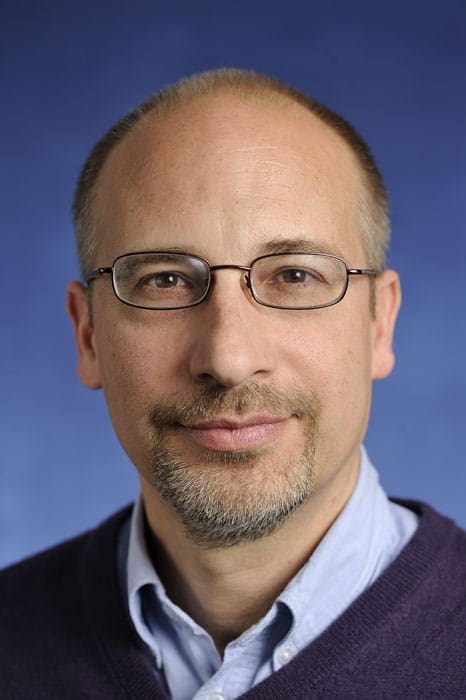
Joel Andreas is a Professor of Sociology at Johns Hopkins University since 2003, serving as Program Director of the East Asian Studies Program. His research focuses on political contention, social inequality, and social change in contemporary China. He holds a PhD in Sociology from UCLA and teaches social theory, political sociology, and courses on Chinese society. He has held visiting positions at universities including the University of Sydney, Hong Kong University, and Ningxia University. His work examines labor movements, rural land policies, and class dynamics in China. Recent research includes analyses of staff-worker congresses, rural land dispossession, and the persistence of militarism in U.S. policy. He critiques market reforms and explores the legacy of the Cultural Revolution. Andreas has contributed to debates on China’s transition to capitalism and the decline of socialist systems. His publications span topics from urbanization to state coercion in rural development. He maintains an active role in academic exchanges and policy-relevant research on China’s socio-political landscape.
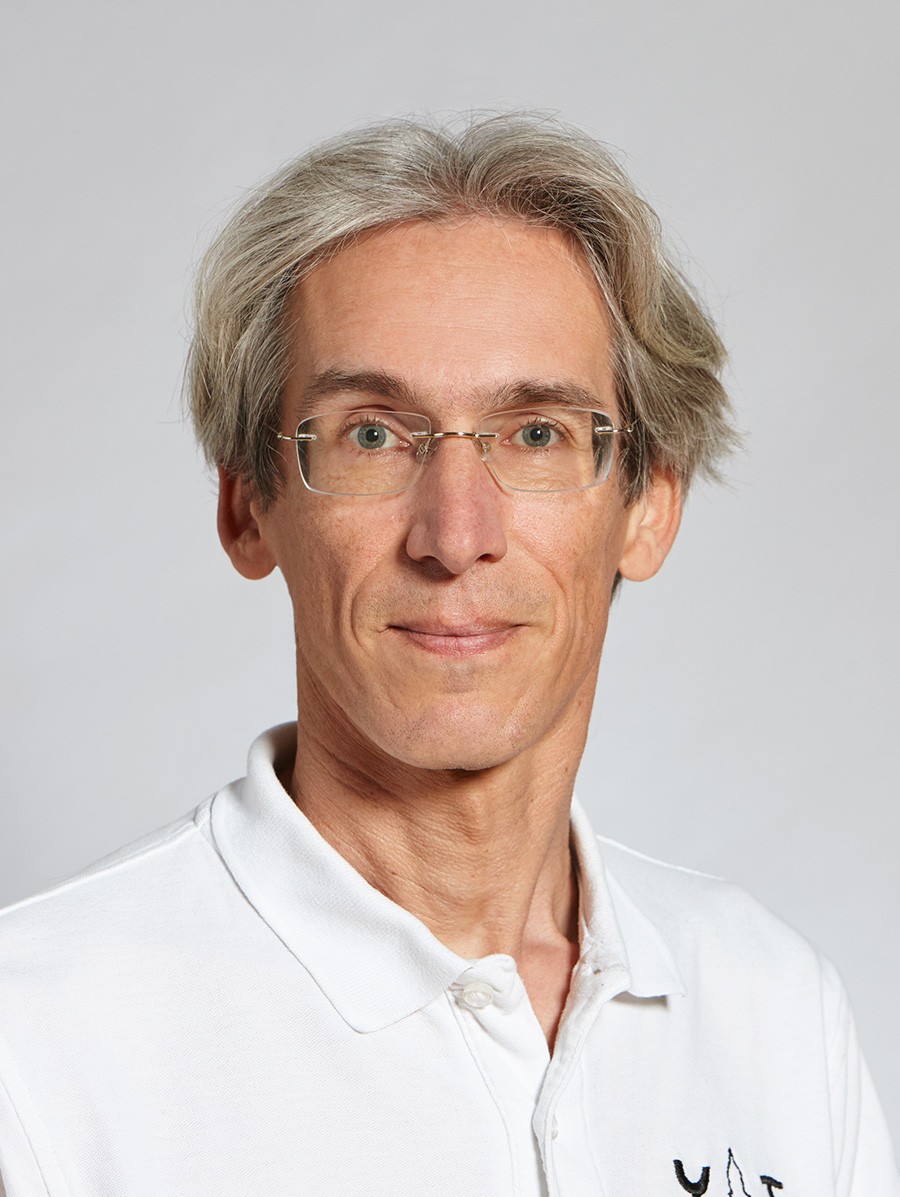
Prof. Konrad Schindler holds the position of Full Professor at the Department of Civil, Environmental and Geomatic Engineering at ETH Zürich. He is also the Head of the Institute of Geodesy and Photogrammetry (IGP), leading research and educational activities in geomatics and computer vision. His career spans roles as a Photogrammetric Engineer, scientific assistant, postdoc researcher, and academic faculty across institutions including Graz University of Technology, Monash University, and TU Darmstadt before joining ETH Zürich in 2010. Education: Undergraduate studies in Geodesy (1992–1995), Graz University of Technology, Austria MEng in Photogrammetry and Geoinformation (1995–1999), Vienna University of Technology, Austria PhD in Computer Science (2001–2003), Graz University of Technology, Austria Research focuses on Photogrammetry , Remote Sensing , Computer Vision , and Image Understanding with interdisciplinary applications in environmental monitoring, geospatial analysis, and disaster response. He develops computational methods for 3D reconstruction, fusion of multi-modal data, and AI-driven solutions for satellite imagery interpretation. His work bridges geomatic engineering and machine learning to address challenges in urban mapping, climate modeling, and biological systems analysis. Publications reflect expertise in geospatial AI, diffusion models, and benchmarking datasets for disaster resilience. Notable works include Marigold (image analysis adaptation) and BRIGHT (building damage assessment). His research emphasizes practicality and scalability, such as affordable depth estimation and global biomass datasets. He has received the 2013 Marr Prize Honourable Mention (IEEE) and the 2012 U.V. Helava Award (ISPRS), alongside several Best Presentation Awards. His contributions span technical leadership, editorial roles (ISPRS Journal), and service to Swiss remote sensing commissions. Advising and grants: While no specific advisee names or grant details are listed, his career trajectory includes mentoring postdocs and junior faculty. He teaches advanced courses in Photogrammetry , Image Interpretation , and Machine Vision , integrating cutting-edge AI techniques into curricula. His research group collaborates on global-scale projects like canopy height mapping and satellite-based climate variable assessments. Labs/Teams: As Institute Head, he oversees the IGP lab at ETH Zürich, with prior affiliations including the Digital Perception Lab (Monash University) and the Computer Vision Lab (ETH Zurich). His work often involves multi-institutional collaborations focused on geospatial AI and environmental science.
Maile Arvin is a Kanaka Maoli feminist scholar and Assistant Professor at the Department of Ethnic Studies, University of Hawaiʻi at Mānoa. Her research and teaching focus on Indigenous relationships to land, histories of race and settler colonialism in Hawaiʻi, Oceania, and the United States. Previously, she was faculty in History and Gender Studies at the University of Utah and founding director of the Center for Pasifika Indigenous Knowledges. PhD in Ethnic Studies, University of California San Diego (2013) MA in Ethnic Studies, University of California San Diego (2009) BA in English, Swarthmore College (2005) Her research examines: Colonial production of racial categories, particularly Polynesians as an 'almost white race' in historical social science History of incarceration of Native Hawaiian children in government institutions (1865–1960s) Intersection of settler colonialism and Indigenous feminisms Critique of eugenics and genomic studies in the Pacific Community-engaged memorialization projects in Hawaiʻi Recent scholarly trends include analyses of Indigenous sovereignty, critiques of settler colonial whiteness, and interdisciplinary studies of race-gender dynamics. Arvin's publications explore Polynesian racialization, decolonial feminism, and the socioeconomic impacts of colonial institutions. NEH Chair's Grant for Nā Lei Poina ʻOle ACLS Digital Justice Seed Grant Arvin leads Nā Lei Poina ʻOle (Beloved Children Never Forgotten), a community history project about reformatories and industrial schools in Hawaiʻi. In collaboration with Kawela Farrant and the North Shore Community Land Trust, this project uses archival and oral histories to confront the legacy of child incarceration. She also critiques the nonprofit-industrial complex's role in limiting Indigenous sovereignty.
Per Krusell is Professor of Economics at Stockholm University and holds the Torsten and Ragnar Söderberg Chair at the Institute for International Economic Studies (IIES). He is a Fellow of the Econometric Society and served as President of the European Economic Association in 2020. He is currently the Secretary of the Prize Committee for the Sveriges Riksbank Prize in Economic Sciences in Memory of Alfred Nobel. Education: PhD in Economics, University of Minnesota Research Interests: Per Krusell’s research spans macroeconomics , inequality , climate economics , labor markets , and political economy . He has made foundational contributions to understanding incomplete markets, wealth distribution, optimal taxation, and the macroeconomic effects of climate change. His work often integrates dynamic stochastic general equilibrium (DSGE) models with heterogeneous agents to study long-run outcomes and policy impacts. Publications Trend: His recent publications (2022–2025) reflect a strong focus on climate policy , integrated assessment modeling , and macro-labor dynamics . Key themes include carbon taxation, labor supply responses to productivity growth, fiscal multipliers in heterogeneous-agent settings, and the macroeconomic consequences of vaccination and epidemic control. Awards & Honors: Fellow of the Econometric Society Torsten and Ragnar Söderberg Chair in Economics President, European Economic Association (2020) Secretary, Nobel Prize Committee in Economic Sciences Advising & Grants: While specific student names are not listed, his leadership roles in global economic associations and policy committees indicate extensive academic advising and grant involvement in macroeconomic policy and climate economics. Labs & Teams: He is affiliated with the Institute for International Economic Studies (IIES) at Stockholm University, a leading research institute in macroeconomics and international economics.
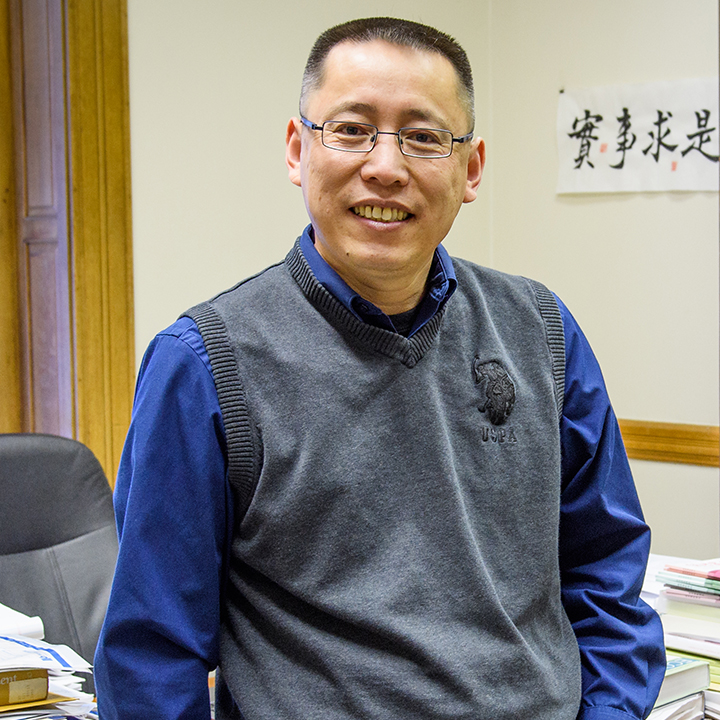
Junfu Zhang is a Professor of Economics and Department Chair at Clark University. His research focuses on applied microeconomics, particularly urban and regional economics, with an emphasis on urbanization in China, entrepreneurship, regional development, and racial housing segregation. He holds a B.A. from Renmin University of China (1993), and M.A. and Ph.D. from Johns Hopkins University (1999, 2001). Prior to joining Clark in 2006, he was a research fellow at the Public Policy Institute of California and a Brookings Institution fellow (2000–2001). He has been an IZA Research Fellow since 2007 and served as President of the Chinese Economists Society (2019–2020). Education: B.A., International Economics, Renmin University of China, 1993 M.A., Economics, Clark University, 1997 M.A., Economics, Johns Hopkins University, 1999 Ph.D., Economics, Johns Hopkins University, 2001 Research Interests: Dr. Zhang's research explores urbanization dynamics in China, including land use policies, housing tenure systems, and economic segregation. His work also addresses entrepreneurship, high-tech industrial clusters, and the economic impacts of urbanization. Recent studies include analyses of land regulation, Super Bowl economic effects, and gender competition in labor markets. Recent Research Trends: His articles reflect a focus on China's socio-economic challenges, such as urban land policies, housing wealth effects, and regional development disparities. Collaborative projects with institutions like IZA and CES highlight interdisciplinary engagement. Awards and Affiliations: IZA Research Fellow (2007–present) Former President, Chinese Economists Society (2019–2020) Advising and Grants: No specific grant or student advising details are listed, though his research often involves collaborative teams. His work is supported by institutional affiliations and academic networks. Labs and Teams: No dedicated labs are mentioned, but his research engages interdisciplinary teams focusing on urban economics and regional policy.
Peter A. Raymond is the Oastler Professor of Biogeochemistry at Yale University's School of the Environment and Department of Geology and Geophysics. He serves as Senior Associate Dean of Research & Director of Doctoral Studies and is Co-Director of the Yale Center for Natural Carbon Capture. Raymond leads the Raymond Biogeochemistry Lab, which investigates the biogeochemistry of inland waters, enhanced weathering, methane cycling, and blue carbon systems through cutting-edge field, laboratory, and modeling approaches. Education B.S., Marist College Ph.D., College of William and Mary/Virginia Institute of Marine Science Research Focus Raymond's research fundamentally reshapes our understanding of carbon cycling in aquatic systems, demonstrating that rivers serve as dynamic conduits rather than passive pipes in the global carbon cycle. His work examines how biology and watershed variables alter carbon chemistry in streams, rivers, and estuaries, with particular emphasis on understanding global carbon cycles in relation to climate change. Raymond employs radiocarbon measurements to explore the age and turnover of carbon in aquatic ecosystems, revealing that rivers are variable sources of both old and young terrestrial dissolved organic carbon to oceans. The Raymond Lab is particularly known for developing the Pulse-Shunt Concept, which challenges traditional views of riverine biogeochemistry by emphasizing the episodic and dynamic nature of elemental fluxes. Current research directions include enhanced weathering and alkalinity studies for carbon removal, global greenhouse gas budgets through projects like RECCAP 2, natural methane cycling in aquatic systems, and blue carbon ecosystems such as mangroves and salt marshes. Publication Trends Raymond's recent publications (2023-2025) demonstrate a strong focus on global carbon and methane cycling, with particular attention to inland water systems' role in the Earth's climate system. His work increasingly integrates large-scale datasets with field measurements to understand how climate change and human activities affect greenhouse gas emissions from rivers and streams. A significant portion of his recent work contributes to international efforts like the Global Carbon Project, aiming to refine estimates of global carbon and methane fluxes. His research also shows growing emphasis on carbon removal strategies, particularly enhanced rock weathering through the Earthshot-funded GOAL-A project, and their potential for climate mitigation. Scientific Recognition Fellow of the American Association for the Advancement of Science Member of the Connecticut Academy of Science and Engineering Coastal and Estuarine Research Federations Cronin Award for Young Scientists ISI highly cited author Past Editor and Chief of the American Geophysical Union's journal Global Biogeochemical Cycles Mentorship and Funding Professor Raymond currently mentors four doctoral students (Jon Gewirtzman, Shou-En "Samuel" Tsao, Benjamin Saalidong, and Mingyu Zhang) and masters student Bella Garrioch. His research is supported by multiple grants from the National Science Foundation (NSF), including CAREER awards, and participation in the Earthshot-funded GOAL-A (Global Ocean And Land Alkalinization) project. Raymond has also been involved in significant collaborative projects with USGS data to research how climate and land use change alter carbon export from US watersheds, and with Lamont Doherty to develop methods for measuring air-sea gas exchange of CO2 in rivers and estuaries. Research Infrastructure The Raymond Biogeochemistry Lab at Yale is a dynamic research group comprising research scientists, postdocs, doctoral and masters students, and postgraduate researchers. The lab recently acquired a Mini Carbon Dating System (MICADAS) at Yale, significantly expanding their research capabilities in ecosystem carbon turnover and verification of natural climate solutions. The lab collaborates globally on projects in the Arctic, Hudson River, and middle Atlantic Bight, and is actively involved in the NASA Carbon Monitoring System BlueFlux field campaign to assess carbon exchange in coastal wetlands.
Dr. K. Max Zhang is a Professor in the Sibley School of Mechanical and Aerospace Engineering at Cornell University. He is the director of the Energy and the Environment Research Laboratory (EERL) and a fellow at the Atkinson Center for a Sustainable Future. His research is deeply interdisciplinary, focusing on sustainable energy systems, air quality, and environmental justice, with significant impacts on policy and community development in New York and beyond. Ph.D., Mechanical Engineering, University of California-Davis, 2004 B.S., Thermal Engineering, Tianjin University, 1998 B.A., English Language, Tianjin University, 1998 Dr. Zhang’s research centers on the integration of energy and environmental systems. He investigates air pollution dynamics using advanced numerical models like CTAG, with applications in near-source pollution, indoor air quality, and environmental justice. His work on renewable energy systems includes designing sustainable solar farms and managing distributed energy resources such as heat pumps to enhance grid flexibility. He also leads a pioneering initiative to create the first statewide public IoT network in the U.S., enabling hyperlocal weather forecasting and microclimate monitoring. His recent publications reflect a strong trend toward agrivoltaics, peer-to-peer energy markets, and IoT-based environmental monitoring. These works demonstrate a consistent focus on data-driven modeling, community-scale energy solutions, and the integration of social considerations into technical systems. The keywords across his articles highlight expertise in sustainability, machine learning, air quality, and energy transition. Cornell Town-Gown Achievement Award (2022) Engaged Scholar Prize, Cornell University (2017) People's Choice Sign of Sustainability Award, Sustainable Tompkins (2016) Scientific and Technological Achievement Award, Environmental Protection Agency (2015) Fellow of the American Society of Mechanical Engineers Dr. Zhang is actively involved in mentoring students and securing research grants from agencies such as the National Science Foundation (NSF) and the New York State Energy Research and Development Authority (NYSERDA). His projects often involve interdisciplinary collaboration across eight Cornell colleges and 16 academic departments. He has led initiatives such as the Cornell Atkinson Academic Venture Fund projects and the development of a county-level energy roadmap for Tompkins County. He also teaches courses in engineering thermodynamics, future energy systems, and air quality, emphasizing experiential and community-based learning. Dr. Zhang leads the Energy and the Environment Research Laboratory (EERL) and collaborates with the Atkinson Center for a Sustainable Future. His lab functions as a hub for innovation in sustainable communities, combining advanced modeling with real-world applications. Through partnerships with community organizations, government agencies, and industry, his team develops science-driven solutions to urban and rural sustainability challenges.
Dr. Enrica Dall'Ara serves as the Associate Dean of Planning and Landscape Architecture and an Associate Professor at the University of Calgary's School of Architecture, Planning and Landscape. Her work bridges academic research and professional practice, exemplified through her firm PARC, which specializes in public space design, urban renewal, and the rehabilitation of industrial sites. She emphasizes interdisciplinary collaboration, integrating fields like environmental engineering and biology into landscape architecture. Education: Laurea in Architettura (Master Degree equivalent in Architecture), University of Ferrara, Italy Master in Landscape Architecture, ETSAB, Polytechnic University of Catalonia, Spain PhD in Landscape Design, University of Florence, Italy Research Interests: Dr. Dall'Ara focuses on practice-based research, public space design, service landscapes, and the integration of cultural advocacy into landscape architecture. Her work explores site-specific design solutions, the role of agriculture in urban-rural dynamics, and the preservation of traditional rural landscapes. She advocates for designs that serve life through poetic, functional, and culturally sensitive approaches. Contributions: Through her teaching, Dall'Ara encourages students to view design as research, fostering critical thinking and interdisciplinary dialogue. Her firm’s projects, such as the roundabout gardens in Imola, Italy, demonstrate her commitment to merging ecological, functional, and aesthetic considerations in landscape interventions. Professional Affiliations: Canadian Society of Landscape Architects (CSLA) Alberta Association of Landscape Architects (AALA) Associazione Italiana di Architettura del Paesaggio (AIAPP) Ordine degli Architetti, Pianificatori, Paesaggisti e Conservatori (Province of Forlì-Cesena, Italy)
Craig Davis is a Professor and holds the Bollenbach Chair in Wildlife Management at Oklahoma State University's Department of Natural Resource Ecology & Management. He has been a faculty member since 2001, advancing from Assistant Professor (2001-2007) to Associate Professor (2007-2012), and has served as Bollenbach Chair since 2014. Davis earned his PhD in Wildlife Science from Texas Tech University (1996), an MS from Iowa State University (1991), and a BS from Ohio State University (1988). He is also a Certified Wildlife Biologist through The Wildlife Society. His research focuses on avian ecology, wetland restoration, and gamebird management, with specific interests in fire-grazing interactions, invertebrate communities, and climate change impacts on ecosystems. Key areas include grassland bird survival, wetland classification systems, and the effects of anthropogenic development on wildlife habitats. Davis actively collaborates with conservation organizations and agencies, addressing challenges like invasive species management and water infrastructure resilience. Teaching responsibilities include undergraduate courses on Wildlife Management Techniques and Wetland Ecology, as well as graduate courses like Advanced Wetland Ecology. His grants emphasize wetland restoration outreach, climate adaptation strategies, and studies on northern bobwhite and wild turkey populations. Notable projects include evaluating cellular transmission technology in wildlife monitoring and assessing the impact of extreme weather on gamebird survival. Grants (Selected): Expansion of potential wetland restoration opportunities in Oklahoma (2024-2027) Linking Research and Stakeholder Engagement for Wetland Conservation (2024-2026) Effects of Extreme Weather and Hunting on Northern Bobwhite (2023-2025) Research Themes: Aligns with UN Sustainable Development Goals 15 (Life on Land), 13 (Climate Action), 6 (Clean Water), 11 (Sustainable Cities), 14 (Life Below Water), and 9 (Industry/Infrastructure).
Heather Congdon Fors is a Senior Lecturer at the Department of Economics, University of Gothenburg. She holds a Ph.D. in Economics from the University of Gothenburg (2006), an M.A. in Economics from the University of Waterloo (1999), and a B.A. (Honours) in Economics from the University of Manitoba (1997). Her research focuses on development economics, education, child labor, and political economy. She has led the research project 'Child labor and school attendance in India' (2014–2018) and serves as a reviewer for journals such as the European Journal of Political Economy and Economic Inquiry. Her teaching expertise includes macroeconomics, statistics, institutional economics, and international economics. She has completed pedagogical training programs including HPE201 to HPE103. Her work explores topics such as the impact of globalization on education, land certification on schooling in Ethiopia, and the persistence of harmful cultural norms like female genital cutting in Africa. She has published extensively in peer-reviewed journals and authored reports on child labor policies, institutional change in post-colonial states, and gender biases in education. Fors has contributed to interdisciplinary projects, including analyses of bureaucrats' use of cost-benefit analysis in environmental policy and the long-term impacts of colonial missions on cultural practices. Her research bridges theoretical frameworks with empirical studies, addressing global challenges such as sustainable development goals and educational inequalities. She is based at Vasagatan 1, Gothenburg, and can be reached at heather.fors@economics.gu.se.
B. L. Turner II is a Regents' Professor and Gilbert F. White Professor of Environment and Society at Arizona State University, affiliated with the School of Geographical Sciences and Urban Planning and the School of Sustainability. His work focuses on human-environment relationships, land system science, urban sustainability, and ancient Maya studies. Education: PhD in Geography from the University of Wisconsin-Madison (1974), MA and BS from the University of Texas at Austin. Research Interests: Land system architecture, tropical deforestation, urban heat islands, and sustainability science. His research has been supported by NSF, NASA, USDA, and others. Key contributions include studies on land change in the Southern Yucatán, vulnerability frameworks, and urban climate adaptation. Major Awards: Preston E. James Award, Sustainability Science Award, Fellowships from AAAS and NAS. Turner has advised over 50 doctoral students and contributed to interdisciplinary initiatives like the Central Arizona-Phoenix Long-Term Ecological Research (CAP LTER) and the Global Land Project.
Dr. Praneet Prakash is a Researcher in the Department of Applied Mathematics and Theoretical Physics at the University of Cambridge, working under Prof. Raymond Goldstein. His research focuses on interdisciplinary approaches combining microfluidics, microscopy, and theoretical physics to study biological systems. Key areas include microbial motility, active matter dynamics, and the interplay between physics and living systems. He utilizes experimental techniques such as microfluidics and advanced microscopy to investigate phenomena like bacterial swimming, nutrient exchange in microbial communities, and growth oscillations in filamentous fungi. His work bridges Soft Matter Physics, Statistical Mechanics, and Biophysics, with applications ranging from understanding microorganism behavior to developing biosensor technologies. Recent studies explore phototactic algae behavior, ciliary surface interactions in animalcules, and adaptive motility in marine microorganisms. Publications highlight contributions to microbial ecology, active matter systems, and biophysical modeling. While no formal awards are listed, his research has been published in high-impact journals like Journal of the Royal Society Interface and Physical Review Fluids . He is affiliated with the Biological Physics and Mechanics research group and maintains an active presence on academic platforms like Twitter and LinkedIn.
Fahui Wang is the Cyril & Tutta Vetter Alumni Professor in the Department of Geography & Anthropology at Louisiana State University (LSU). He holds a B.S. in Geography from Peking University (1988), an M.A. in Economics (1993), and a Ph.D. in City & Regional Planning (1995), both from The Ohio State University. His research focuses on spatially-integrated social sciences, public policy, and GIS applications in healthcare, urban planning, and public safety. He has authored/co-authored multiple influential books and peer-reviewed articles, including works on computational methods in GIS and healthcare accessibility analysis. Professor Wang’s work has been supported by grants from the National Institutes of Health, National Science Foundation, and U.S. Departments of Housing and Urban Development and Justice. His accolades include LSU’s Distinguished Research Master Award (2023) and CPGIS Distinguished Scholar (2023). He teaches advanced courses in GIS, urban geography, and quantitative methods, and leads research initiatives in the LSU Geoscience department. His lab focuses on geospatial technologies for addressing societal challenges in healthcare access, urban planning, and crime analysis.
Nicholas J. Klein is an Associate Professor and Director of Undergraduate Studies in the Department of City and Regional Planning at Cornell University's College of Architecture, Art, and Planning. His research focuses on transportation equity, urban mobility, and marginalized communities' travel behaviors. Klein holds a Ph.D. from Rutgers University, an M.S. from the University of Pennsylvania, and a B.S. from Cornell University. He has taught at Columbia University, Temple University, and Pratt Institute. His work emphasizes how socioeconomic factors and life events influence transportation choices, particularly among low-income populations. Key research areas include car ownership dynamics, location affordability, and the intersection of transportation policy with social justice. Klein has led projects funded by the U.S. Department of Transportation and Cornell's Institute for the Social Sciences, exploring car donation programs' impacts on disadvantaged families. Grants: Principal investigator for studies on car donation programs (2018–2020) and immigrant access to public transit (2010–2013). Awards: Journal of Planning Education and Research Top Reviewer Award (2018). Teaching: Courses include quantitative methods for public policy analysis. His publications address topics such as transportation affordability, generational car ownership trends, and the role of life experiences in shaping travel behavior. Klein frequently presents at the Transportation Research Board Annual Meeting and contributes to high-impact journals like Transport Policy and Journal of Transport and Land Use .
Ben Livneh is an Associate Professor at the University of Colorado Boulder , affiliated with both the Civil, Environmental, and Architectural Engineering Department and the Cooperative Institute for Research in Environmental Sciences (CIRES) . As Director of the Western Water Assessment , he bridges academic research with regional climate resilience initiatives. Ph.D. in Civil Engineering (Hydrology), University of Washington (2012) MESc in Civil Engineering, University of Western Ontario (2006) His research explores hydrologic responses to climate and land-cover changes , focusing on snowpack dynamics, wildfire impacts on water quality, sediment transport, and drought predictability. Key projects include simulations of montane snowpack for wolverine habitat preservation and post-fire landslide susceptibility analysis . Recent publications highlight continental-scale hydraulic geometry datasets , climate-energy nexus challenges , and global lake level reconstructions using satellite data. His work has been recognized by the AGU Hydrologic Sciences Early Career Award (2022) and NASA New Investigator Program (2018) . Scientific Awards AGU Hydrologic Sciences Early Career Award (2022) NASA New Investigator Award (2018) Symposium Scholar, DISCCRS VIII (2013) CIRES Visiting Fellowship (2012) Ben leads interdisciplinary collaborations with institutions like the University of Alaska Southeast and NOAA , addressing climate-water-energy-food nexus challenges through advanced modeling and remote sensing techniques.