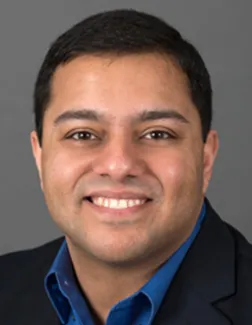
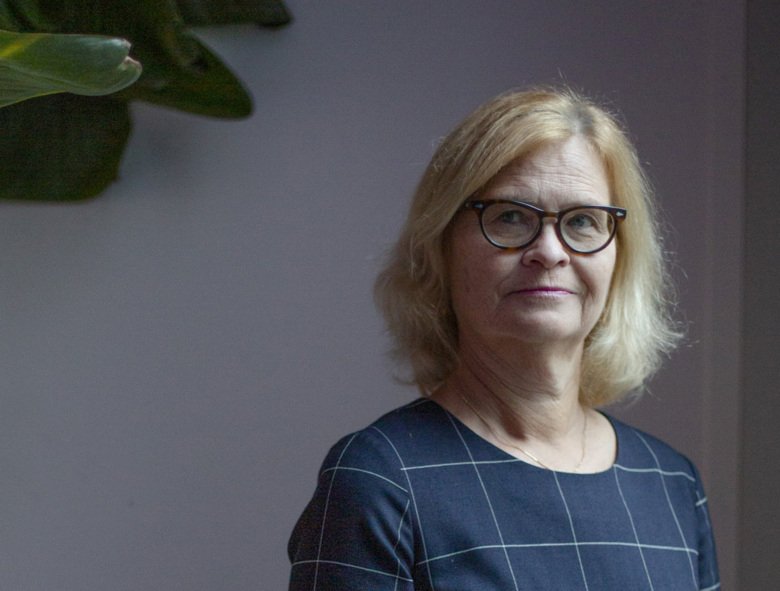
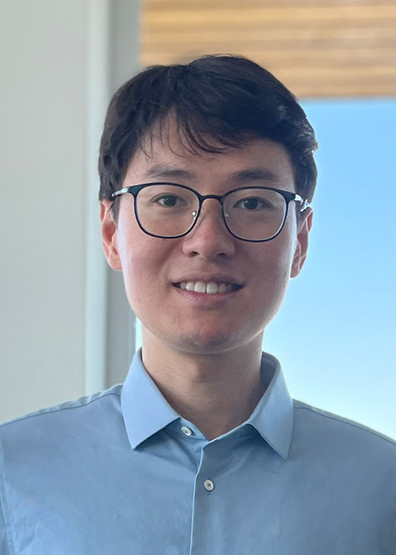
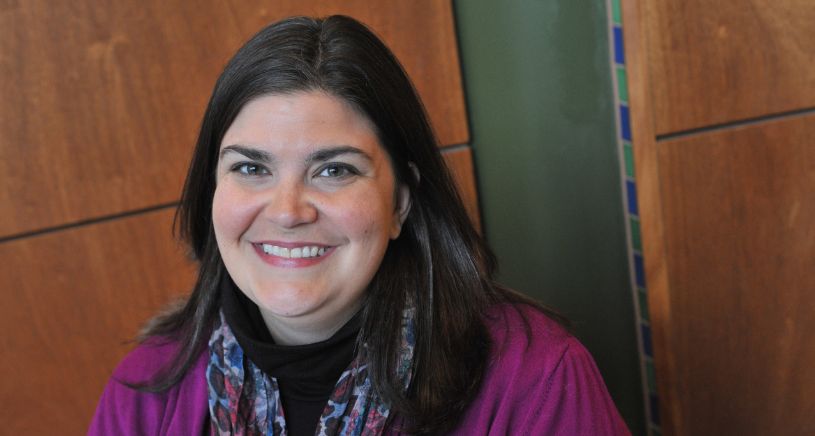
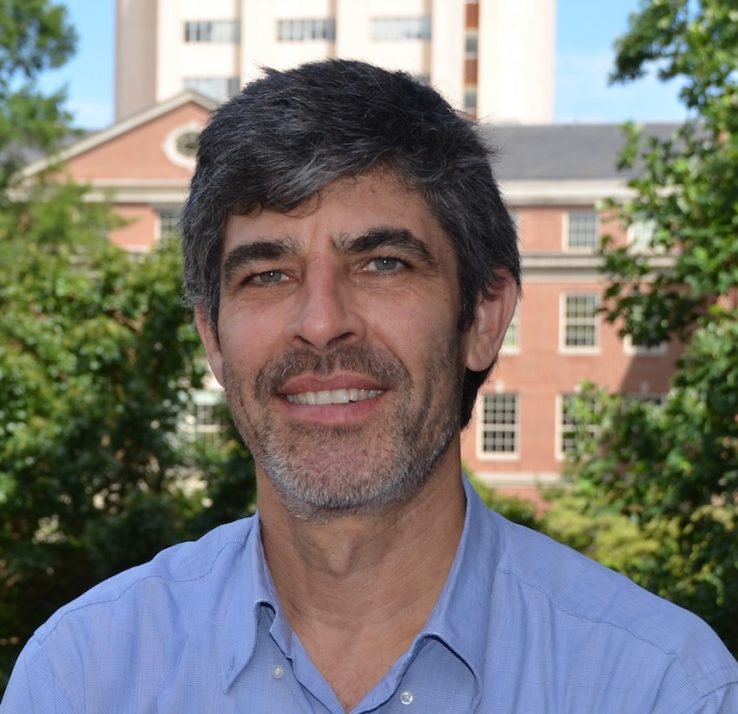
Arjun (Raj) Manrai is an Assistant Professor at Harvard Medical School and a faculty member in the Computational Health Informatics Program (CHIP) at Boston Children’s Hospital. He earned an A.B. in Physics (Harvard, Highest Honors) and a Ph.D. in Bioinformatics and Integrative Genomics from Harvard-MIT. His research focuses on improving medical decision-making through computational approaches in clinical genomics, algorithmic bias mitigation, and healthcare AI ethics. Key projects include race-free kidney function equations, genetic variant classification, and semi-supervised learning for medical imaging. Education: B.A. in Physics, Harvard University (Highest Honors) Ph.D. in Bioinformatics and Integrative Genomics, Harvard-MIT Division of Health Sciences and Technology Research interests span AI-driven diagnostics, health equity, and reproducibility in biomedical studies. His work has been featured in New England Journal of Medicine , JAMA , and highlighted by the New York Times and NPR. Notable contributions include advancing race-free diagnostic algorithms, addressing biases in clinical genomics, and advocating for transparent AI systems in healthcare. The Manrai Lab collaborates widely to translate computational methods into clinical practice.
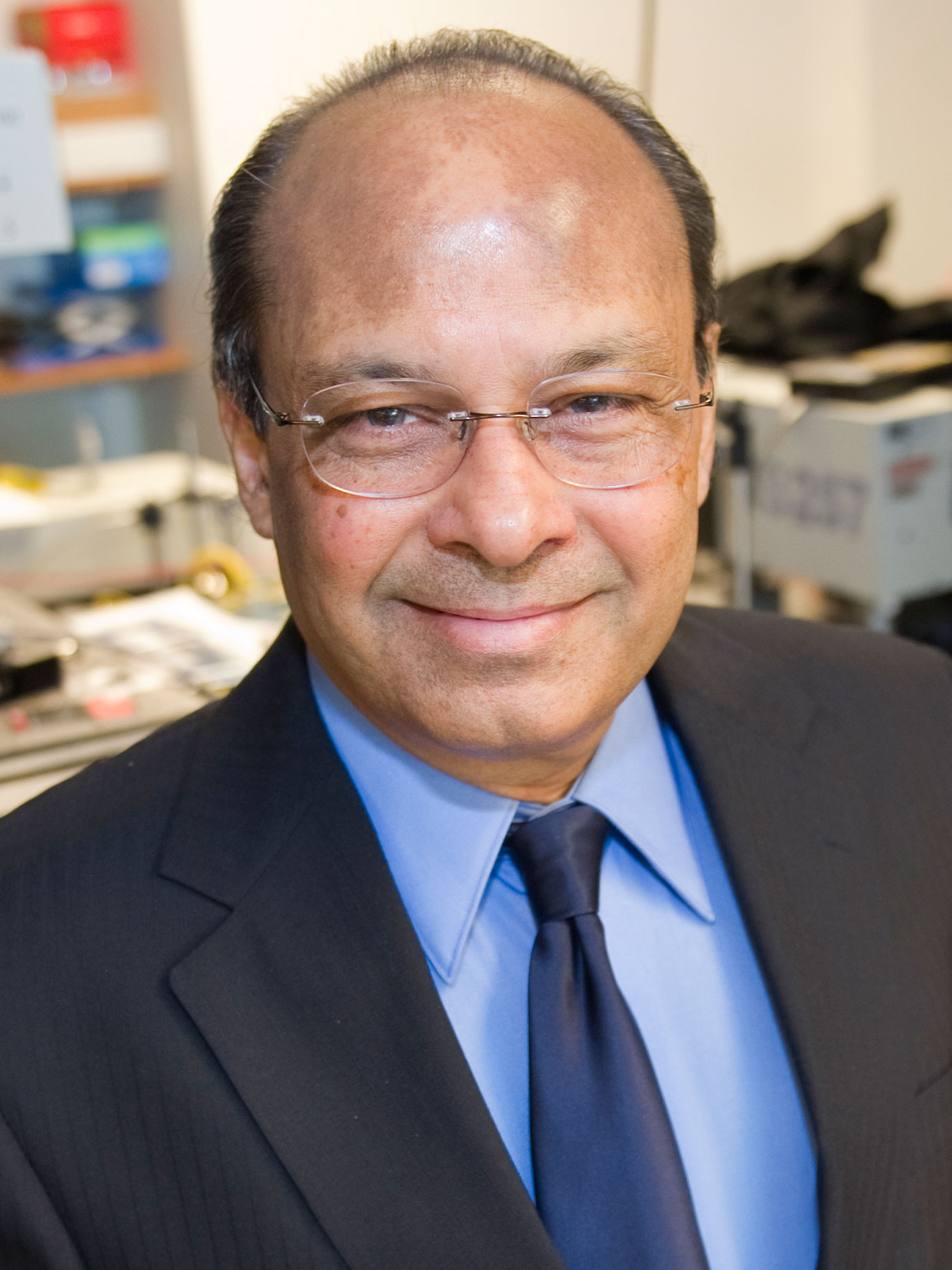
Cheryl Walker, Ph.D., is a Professor in the Departments of Molecular and Cellular Biology, Medicine, and Molecular and Human Genetics at Baylor College of Medicine. She serves as Director of the Center for Precision Environmental Health and Co-Leader of the Chromatin Biology Program at the Dan L Duncan Comprehensive Cancer Center. Her research focuses on gene-environment interactions, epigenomics, and the molecular mechanisms underlying diseases such as cancer, fibroids, and non-alcoholic fatty liver disease (NAFLD). Key areas include the role of chromatin remodelers like SETD2 in genomic stability and their dual functions in cytoskeletal dynamics. She has pioneered studies on how early-life environmental exposures, such as endocrine-disrupting chemicals (EDCs), reprogram the epigenome to increase disease susceptibility later in life. Dr. Walker’s work is funded by NIH and DOD grants, including leadership of the TaRGET II Consortium for environmental epigenomics. Her lab employs cutting-edge technologies like ChIP-seq and RNA-seq to study epigenetic reprogramming. Notable contributions include discoveries linking SETD2 methylation to microtubule stability and genomic integrity, and identifying epigenetic signatures of environmental exposures in health disparities research. Education: Ph.D. in Molecular Biology Affiliations: Baylor College of Medicine, Gulf Coast Center for Precision Environmental Health Her awards include election to the National Academy of Medicine and fellowships in the American Association for the Advancement of Science (AAAS) and American Thoracic Society (ATS). The lab actively collaborates on translational projects, including biomarker development and disaster-related health studies following events like Hurricane Harvey. Key Research Themes: Epigenetic drivers of cancer and fibrosis Environmental epigenomics and disease risk Chromatin-cytoskeleton cross-talk in disease
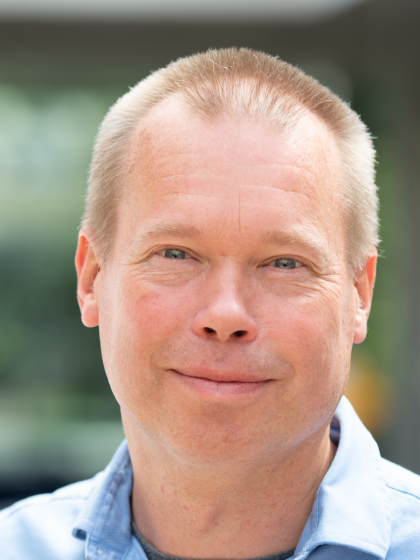
Professor Maria Eriksdotter is a leading academic in geriatrics and dementia research at the Karolinska Institutet , holding the Department of Neurobiology, Care Sciences and Society . She also serves as a Senior Consultant in Themes Inflammation and Ageing at Karolinska University Hospital Huddinge and previously as Dean of KI South (2019–2023). Her work spans translational research, clinical trials, and national registry development, with a focus on Alzheimer's disease, cholinergic therapies, and aging. Her research group pioneered NGF cell therapy for Alzheimer's patients, demonstrating safety and cognitive stabilization in clinical trials. She chairs the SveDem registry , tracking over 100,000 dementia patients to refine diagnostics and care. Studies from SveDem revealed mortality reduction with cholinesterase inhibitors and highlighted pandemic-era diagnostic delays. Recent publications analyze dementia subtypes , comorbidities , and precision medicine in neurodegeneration. Her work intersects neuroimaging , epidemiology , and public health policy , addressing ageism and improving geriatric care systems. Collaborations span Karolinska University Hospital , NSGene Inc , and international institutions.
Guanghao Qi is an Assistant Professor in the Department of Biostatistics at the University of Washington. His research focuses on developing statistical and machine learning methods for multi-omics approaches in genetic studies, particularly integrating single-cell RNA-seq, GWAS, and functional genomic data. Key areas include single-cell eQTL analysis, Mendelian randomization, and multi-trait genetic association analyses. Education: PhD in Biostatistics from Johns Hopkins Bloomberg School of Public Health (2020), BS in Mathematics from Fudan University (2015). Research interests emphasize high-dimensional data analysis, allele-specific expression in single cells, and causal inference using genetic variants. Notable achievements include a 2025 NIH K01 award for developing methods to integrate single-cell eQTL and GWAS data, and the development of the TWiST method for single-cell transcriptome-wide association studies. Recent work highlights advancements in computational tools like SURGE for context-specific genetic regulation analysis, and evaluations of Mendelian randomization methods in studies of type 2 diabetes and cardiovascular disease. His work often bridges computational biology and statistical theory to address challenges in interpreting large-scale genomic datasets. Awards: NIH K01 Award (2025) Key Contributions: TWiST method (2025), SURGE framework (2024), HIPO power optimization (2018) Labs/Teams: Active collaborations in genomic epidemiology and statistical genetics, with a focus on single-cell multi-omics integration and causal inference methodologies.
Dr. Carrie A. Karvonen-Gutierrez is an Associate Professor of Epidemiology and Associate Chair for Faculty Affairs at the University of Michigan School of Public Health . She serves as Director of the Center for Midlife Science , leading NIH-funded studies like SWAN-Aging and Michigan Bone Health and Metabolism Study , which track women's health over 25+ years. Her research integrates reproductive aging , chronological aging , and environmental toxicants to explore metabolic dysfunction , physical function , and disability . PhD in Epidemiologic Science (University of Michigan, 2012) MPH in Epidemiology (University of Michigan, 2005) BA in Biology (University of Northern Iowa, 2002) Her research focuses on inflammatory and metabolic biomarkers in osteoarthritis , frailty , and cardiometabolic health , with expertise in longitudinal data analysis . She leads the PROTECT-Moms cohort, examining environmental toxicants and postpartum metabolic health . Recent publications highlight her work on device-measured physical activity , adipokines , PFAS exposure , and sleep-cognition interactions . She collaborates on multi-ethnic disparities and neighborhood environmental impacts on cardiometabolic risk and cognitive decline .
Dr. Paul Reynolds is a Lecturer in the Cellular Medicine Division within the School of Medicine at the University of St Andrews. He is affiliated with the Sir James Mackenzie Institute for Early Diagnosis, Centre for Biophotonics, and Biomedical Sciences Research Complex. His research focuses on systems pathology and cancer, with particular emphasis on molecular changes driving disease processes. Dr. Reynolds' research interests span two primary areas: stromal factors in cancer resistance and factors in placental invasion. His work explores how the tumor microenvironment influences cancer progression and therapy resistance, with specific focus on a novel type I membrane protein expressed on stromal fibroblasts. He also investigates similar invasion mechanisms in placental development, examining how trophoblast cells interact with maternal immune cells during pregnancy. His research employs biochemistry, molecular biology, and cell biology approaches to understand disease mechanisms. His publication record shows strong focus on kidney disease mechanisms, particularly podocyte function in health and disease, as well as cancer resistance mechanisms in renal cell carcinoma. Recent work has utilized CRISPR/Cas9 screening approaches to identify factors modulating drug sensitivity. His research demonstrates interdisciplinary connections between cancer biology and reproductive biology through shared invasion mechanisms. Dr. Reynolds actively supervises postgraduate research students, with several thesis projects completed under his supervision. He serves as an external examiner for PhD students at the University of Dundee and holds editorial positions with journals including Frontiers in Physiology and Cancers. His work contributes to UN Sustainable Development Goals related to health and wellbeing, particularly through research on cancer diagnostics and treatment resistance. Dr. Reynolds maintains active research collaborations as evidenced by his extensive publication record and research projects funded by organizations including the Wellcome Trust.
Lee Ferguson is a Professor of Civil and Environmental Engineering at Duke University, with additional appointments as Associate Professor in the Division of Marine Science and Policy. His research focuses on environmental analytical chemistry, particularly using high-resolution mass spectrometry to study per- and polyfluoroalkyl substances (PFAS) , microplastics , and endocrine disruptors . Ferguson Lab develops methods for contaminant detection in water systems and investigates chemical leaching from polymers. Ph.D. in Chemistry from Stony Brook University (2002) Former Assistant Professor at University of South Carolina (2003-2009) Recent work includes PFAS analysis in lithium-ion batteries, glyphosate detection in hard waters, and microplastic dye toxicity studies. Key publications explore urban watershed contamination, Sri Lankan drinking water CKDu links, and novel analytical methods for environmental pollutants. Applied Research Fellowship (2022), Kavli Frontiers of Science Fellow (2011) Testified before U.S. Senate on nanotechnology risks Co-founder of NC PFAS Testing Network As an advisor, he mentors Doctoral Candidates Patrick Faught and Anna Lewis , who investigate microplastic dyes and polymer additives. Lab research spans environmental fate of nanomaterials, contaminant bioavailability, and exposomics for health outcomes.
Dr. Matteo Fasiolo is a Senior Lecturer in the School of Mathematics at the University of Bristol, specializing in Statistical Science. His research focuses on advanced statistical modeling with significant applications in electricity demand forecasting and medical statistics, leveraging Generalized Additive Models (GAMs) as a core methodology. His primary research interests span: Generalized Additive Models and their extensions for complex data structures Covariance matrix modeling for high-dimensional energy forecasting Probabilistic forecasting techniques for uncertainty quantification Statistical machine learning including variational inference and contrastive learning Applications in electricity grid management and medical diagnostics Recent publications (2023-2025) reveal a dual focus: developing scalable statistical methods for electricity net-demand prediction in Great Britain using additive covariance models, and applying distributional regression to medical challenges like kidney function decline and cardiovascular risk prediction. His work on SoftCVI demonstrates innovation in variational inference, while extensions to GAMs address both mean modeling and full distributional forecasting. Dr. Fasiolo has supervised at least one student as indicated by university records. His research outputs include 16 publications and 2 publicly available datasets, reflecting active contributions to methodological statistics and domain-specific applications in energy systems.
Lawrence S. Engel, PhD, serves as Professor in the Department of Epidemiology at UNC's Gillings School of Global Public Health, with additional appointments at the Lineberger Comprehensive Cancer Center and UNC Center for Environmental Health and Susceptibility. He concurrently holds an associate scientist position in the Epidemiology Branch of the National Institute of Environmental Health Sciences (NIEHS). His educational credentials include a PhD (1999) and MS (1996) in Epidemiology from the University of Washington-Seattle, and a BS in Genetics from UC Berkeley (1986). Dr. Engel's research program investigates health impacts of environmental disasters (oil spills, hurricanes), pesticides, persistent organic pollutants, and occupational hazards on cancer, neurological deficits, and chronic kidney disease. He leads UNC's Environmental and Occupational Epidemiology initiatives, utilizing biomarkers and multi-source clinical data to examine exposure-disease relationships through cohort and case-control designs. His work emphasizes vulnerable populations in disaster-affected regions and agricultural communities. Analysis of his 2007-2019 publications reveals consistent focus on disaster-related exposures (Deepwater Horizon), neurotoxicants (styrene), and carcinogens (organochlorines, PCBs). Methodologically, his studies leverage nested cohort designs, long-term follow-up, and biomarker integration to assess cardiovascular, neurological, and oncological outcomes across diverse populations. His scientific recognition includes: NIH Director’s Award for the Gulf Long-term Follow-up (GuLF) Study (2011) Dr. Engel teaches Environmental Epidemiology (EPID 785), lectures on disaster/occupational epidemiology, and serves on the Department of Epidemiology admissions committee. He chairs the Scientific Advisory Board for Western New York's Environmental Health Study at the University at Buffalo, with research primarily funded through NIEHS collaborations including the GuLF Study. He directs environmental epidemiology programs within the Department of Epidemiology and collaborates extensively with Lineberger Comprehensive Cancer Center and UNC Center for Environmental Health and Susceptibility teams on interdisciplinary environmental health projects.
Srinivas Sridhar is a University Distinguished Professor of Physics, Biomedical Engineering, and Chemical Engineering at Northeastern University, with a secondary appointment as Lecturer on Radiation Oncology at Harvard Medical School. He previously served as Vice Provost for Research at Northeastern University (2004–2008), overseeing its research portfolio. As an elected Fellow of the American Physical Society and the American Institute of Medical and Biological Engineering, his research spans nanomedicine, neurotechnology, drug delivery, and quantitative MRI, with over 450 publications and patents. He founded the Nanomedicine Innovation Center and directs major NIH/NSF programs like CaNCURE and IGERT, focusing on undergraduate and graduate training in nanomedicine, particularly for underrepresented communities. His research interests include Nanomedicine Neurotechnology Quantitative MRI Drug Delivery Systems Metamaterials and Nanophotonics Quantum Chaos Superconductivity . Recent work involves machine learning-enhanced diagnostics for glaucoma, engineered nanoparticles for BRCA-deficient cancers, and portable neuro-ophthalmic devices. His publications from 2025–2017 reflect interdisciplinary applications in oncology, neurology, and materials science, with a focus on therapeutic and diagnostic innovation. Scientific accolades include the 2016 Biomedical Engineering Society Diversity Award University Distinguished Professorship . As an educator and entrepreneur, he has trained over 120 researchers, developed first-of-their-kind nanomedicine courses, and founded companies commercializing technologies like QUTE-CE MRI. His lab leads projects on cancer nanomedicine, quantitative imaging, and nanoscale magnetism, supported by grants from NIH, NSF, DoD, and private foundations.
Professor Peter van der Voort is the Head of the Department of Intensive Care at the Faculty of Medical Sciences, University of Groningen, and holds a joint appointment as Professor of Health Care at Tilburg University. He is also an Academic Director of the Executive Master Health Administration program at TIAS School for Business and Society. Additionally, he serves as a Member of the Dutch Senate, balancing academic and political roles. Research Focus: His research primarily revolves around critical care medicine, particularly in the context of severe illnesses like COVID-19. Key areas include extracellular matrix dynamics in critical illness, clinical outcomes in ICU patients, and the impact of comorbidities such as obesity on disease severity. He has contributed to studies on corticosteroid therapy efficacy, renal function biomarkers, and the immunopathological mechanisms of viral infections in transplant recipients. Publications & Awards: Over 80 peer-reviewed articles in journals like Respiratory Research , Scientific Reports , and Critical Care highlight his expertise. His work emphasizes translational research bridging clinical care and public health policy. Notably, he pioneered methodologies for predicting mortality in critically ill patients using machine learning and advanced biomarker analysis. Affiliations & Leadership: Beyond academia, he leads the Netherlands’ Palliative Care Association and has been featured in media for his commentary on healthcare optimization and cost-efficiency strategies. His dual role in politics and medicine underscores his commitment to improving healthcare systems through evidence-based policies.
Mattias Brunström serves as Assistant Professor of Cardiology and Associate Professor of Epidemiology at Umeå University's Faculty of Medicine within the Department of Public Health and Clinical Medicine, Section of Cardiology. He is concurrently a resident physician at Norrlands University Hospital and holds leadership roles as chairman of Sweden's national hypertension working group and scientific secretary of the Swedish Society for Hypertension, Stroke and Vascular Medicine, with active participation in the European and International Societies of Hypertension. His academic foundation includes a 2018 PhD thesis examining blood pressure-lowering treatment effects across different blood pressure levels through systematic reviews and meta-analyses of randomized clinical trials. This doctoral work established his expertise in evidence-based cardiovascular therapeutics and epidemiological methodology. Dr. Brunström's research program centers on cardiovascular disease risk factors, with specialized focus on hypertension pathophysiology and aortic diseases. His group investigates how adolescent blood pressure levels predict future cardiovascular events, examining interactions with obesity, physical fitness, and diabetes to improve risk stratification. They also analyze differential effects of antihypertensive drug classes on cardiovascular outcomes and study risk factors for aortic dissection/rupture to optimize preventive surgical interventions. This work addresses critical gaps in managing the world's leading cause of death, where uncontrolled hypertension contributes to 10 million annual fatalities despite effective treatments. Analysis of his 2024-2025 publications reveals dominant themes in hypertension guideline development, treatment threshold controversies, and cardiovascular risk assessment. His work frequently challenges conventional approaches (e.g., questioning excessive treatment of 'elevated' blood pressure in elderly patients) while advancing evidence for lifestyle interventions and beta-blocker utility. Methodologically, his research leverages large cohort studies (including 1.4 million enlistee data), systematic reviews, and international collaborations through societies like ESH and ISH to translate epidemiological findings into clinical practice. Dr. Brunström leads multiple funded research initiatives including 'Remission of type 2 diabetes through eHealth' (2022-2028) and 'VIPviza' (2013-2027), directing a multidisciplinary team that bridges clinical cardiology, epidemiology, and public health. His advisory role extends to national guideline committees and international hypertension societies where he shapes clinical practice through evidence synthesis and position papers. Based at Norrlands University Hospital's Cardiology Section, his research group operates within Umeå University's strong cardiovascular research ecosystem, maintaining active collaborations with the Swedish National Diabetes Register and international consortia. Their work emphasizes real-world applicability, examining topics like bedtime dosing of antihypertensives and self-report diagnostic tools to overcome barriers in hypertension control where only 25% of affected individuals achieve target blood pressure levels.
Prof. Laura Suter-Dick is a Professor and Team Leader of Cell Biology and In Vitro Toxicology at the University of Applied Sciences and Arts Northwestern Switzerland (FHNW), within the School of Life Sciences and the Institute for Chemistry and Bioanalytics. She also serves as Group Leader for Molecular Toxicology and Node Representative for the Swiss Competence Center for 3Rs (3RCC). Her research focuses on developing in vitro models for toxicology and disease modeling, emphasizing alternatives to animal experimentation. Key technologies include 3D cultures, microfluidic systems, bioprinting, and advanced imaging techniques. She teaches Cell Biology, bioassays, and Toxicology at the university level. Her work integrates cutting-edge methods like single-cell sequencing and functional assays to study substance efficacy and toxicity, particularly in brain medicine and drug discovery. Prof. Suter-Dick leads a team supervising bachelor, master, and PhD students in these areas. Her technical expertise spans liver fibrosis modeling, nephrotoxicity screening (e.g., NephroScreen platform), and blood-brain barrier systems. She collaborates on projects like the reduction-responsive enzyme immobilization and neurotoxicity assessment of organic solvents. Her lab employs advanced analytical tools, including flow cytometry and bioanalytical methods, to address translational challenges in toxicology and regenerative medicine. Prof. Suter-Dick advocates for the 3Rs (Replacement, Reduction, Refinement) in animal research and contributes to standardizing microphysiological systems for reproducibility. Her interdisciplinary approach bridges academic research with industry needs, particularly in developing fit-for-purpose in vitro models for regulatory and safety assessments.
Joseph W Hogan is the Carole and Lawrence Sirovich Professor of Public Health and Professor of Biostatistics at Brown University, where he also chairs the Biostatistics Department. His research focuses on statistical methods for missing data, causal inference, and sensitivity analysis , with critical applications in HIV/AIDS in sub-Saharan Africa and global health challenges. He co-directs the Biostatistics Program for AMPATH and the Biostatistics Core for the Providence-Boston Center for AIDS Research, supported by NIH and NSF grants . His work integrates Development of statistical frameworks for observational studies Optimizing HIV treatment monitoring under resource constraints Modeling untestable assumptions in clinical trials and spans collaborations with institutions in the US, Canada, and Kenya. He teaches advanced biostatistics courses and supervises PhD/masters students, while leading international training programs in biostatistics at Moi University, Kenya. Recent publications highlight methodological innovations in viral sequence clustering , seroprevalence studies , and health equity , particularly in low-resource settings. His interdisciplinary grants address HIV-comorbidity care , cardiovascular risk , and alcohol-HIV interactions , emphasizing real-world data applications.
Kunihiro Matsushita, MD, PhD is a Professor at Johns Hopkins University with dual appointments at the Bloomberg School of Public Health and School of Medicine. He holds a primary affiliation with the Department of Epidemiology, specifically within the Cardiovascular and Clinical Epidemiology division. Dr. Matsushita also maintains significant affiliations with the Welch Center for Prevention, Epidemiology and Clinical Research and serves as Director of the Data Coordinating Center for the Chronic Kidney Disease Prognosis Consortium (CKD-PC), which comprises over 70 cohorts totaling approximately 11 million individuals worldwide. Dr. Matsushita earned his MD in 1998 and PhD in 2007, both from Nagoya University in Japan. His academic journey began with clinical experience as an interventional cardiologist, which shaped his early research interests in diabetes as a key risk factor for coronary heart disease and its antecedent, obesity. Since joining Johns Hopkins, he has expanded his research to include kidney-related aspects, particularly investigating the complex associations among kidney disease, diabetes, and cardiovascular disease using the Atherosclerosis Risk in Communities (ARIC) Study and the CKD Prognosis Consortium. Dr. Matsushita's research program focuses on bridging medicine and epidemiological research to establish evidence that can improve treatment and prevention of cardiovascular and kidney diseases. His work spans multiple areas including cardiovascular epidemiology, chronic kidney disease prognosis, peripheral artery disease, hypertension, diabetes complications, and risk prediction modeling. He has made significant contributions to understanding how kidney function metrics relate to cardiovascular outcomes across diverse populations. Analysis of Dr. Matsushita's recent publications reveals a strong focus on the intersection of kidney and cardiovascular disease. His research employs large-scale meta-analyses of individual participant data across multiple international cohorts, with particular emphasis on glomerular filtration rate, albuminuria, and their relationship to cardiovascular outcomes. Recent work has expanded into novel areas including arterial stiffness, artificial intelligence applications in kidney disease management, and the impact of modifiable risk factors like smoking and dietary protein on kidney and cardiovascular health. Honors & Awards: American College of Physician Membership (2005) Research Fellow of the Japan Society for the Promotion of Science (2007) Best Reviewers of the Year 2012 of the Annals of Internal Medicine (2013) Japanese Society of Interventional Cardiology Clinical Research Award (2004) Aichi Foundation for Diabetes, Rheumatic Disease and Gout Research Grant (2005) Takao Fund Travel Award (2006) Early Career Travel Award from the American Heart Association (2009) The Aoyama-Kita Scholarship, Johns Hopkins Bloomberg School of Public Health (2009) Early Career Best Science Award at AHA Scientific Sessions (2013) The Sandra Daugherty Award for Excellence in Cardiovascular Disease Epidemiology (2014) Golden Apple Award for Teaching from JHSPH (2019) Dr. Matsushita's leadership extends to major collaborative projects including the Chronic Renal Insufficiency Cohort (CRIC) Study, research on weight loss with bariatric surgery and vascular changes, and national trend analyses of critical limb ischemia hospitalizations. His work with the CKD Prognosis Consortium represents one of the largest international collaborative efforts in kidney disease epidemiology, providing critical evidence for clinical guidelines worldwide.