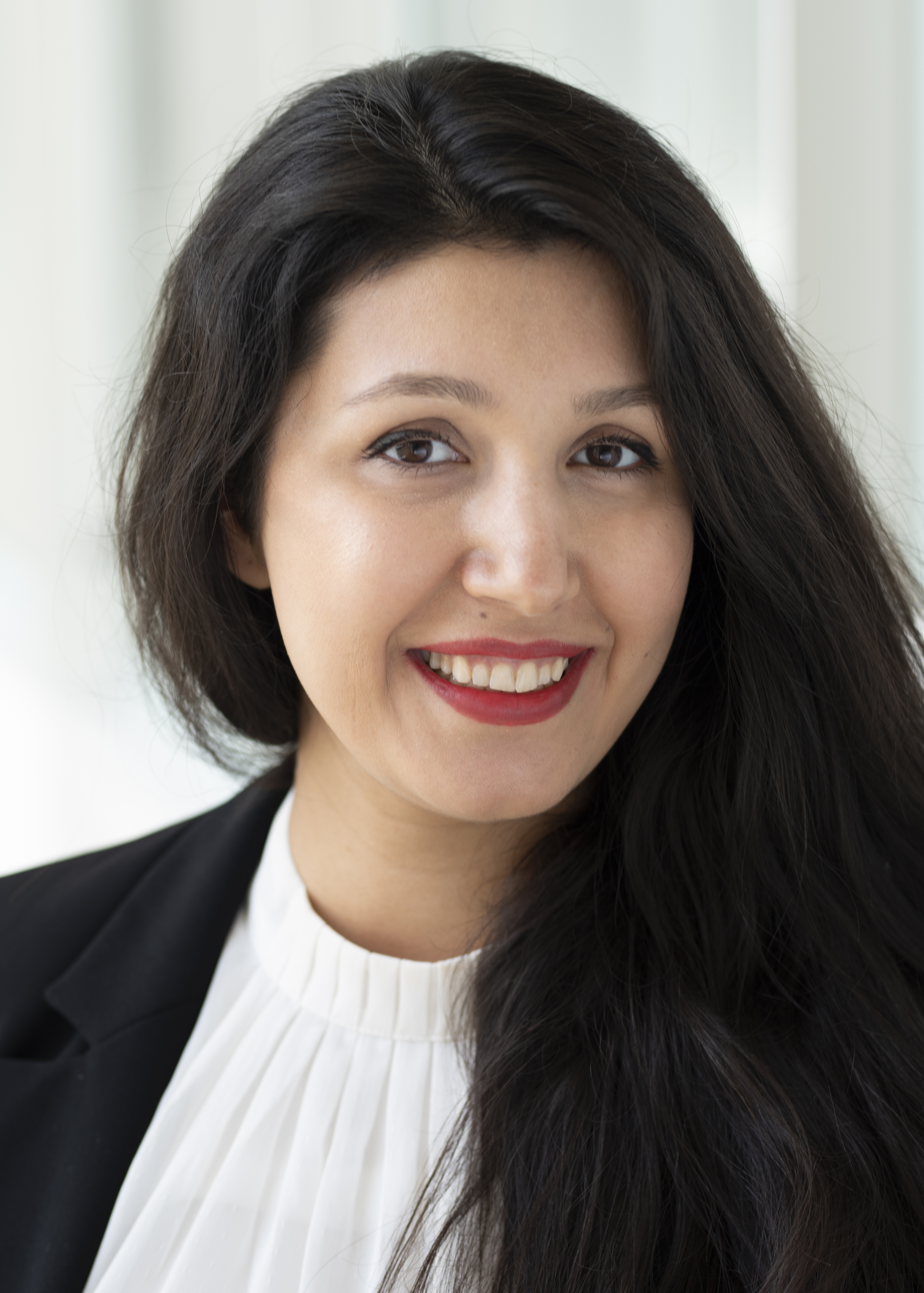
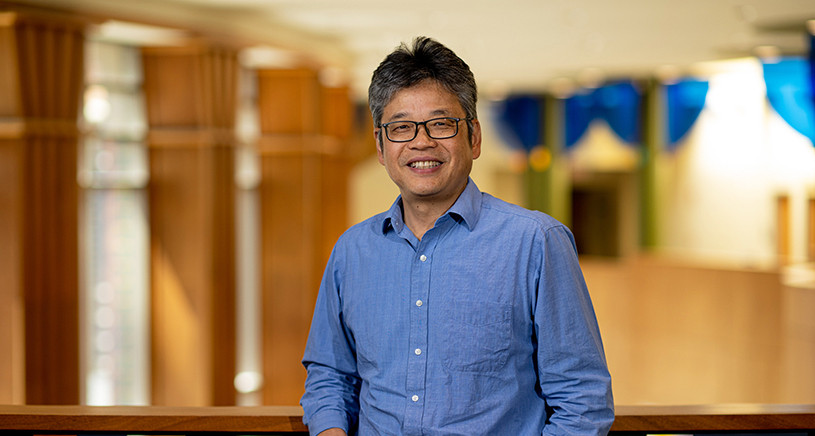
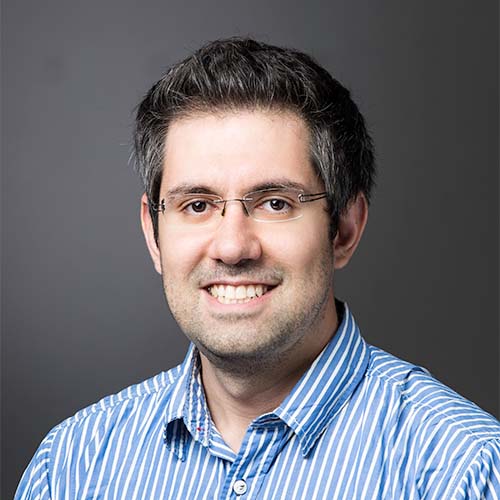
Stefanos Zenios is Professor at Stanford Graduate School of Business with dual appointments in Entrepreneurship and Operations, Information & Technology . He directs Stanford GSB’s Center for Entrepreneurial Studies and co-directs the Doerr School of Sustainability ’s Program in Ecopreneurship. His Startup Garage course has launched companies like DoorDash while alumni have raised over $3B in venture capital. He co-authored the foundational Biodesign textbook and previously served as Editor-in-Chief of Operations Research . PhD, MIT Operations Research (1996) MA, University of Cambridge (1996) BA, University of Cambridge (1992) Research Focus Dr. Zenios’ work bridges operations research and innovation management , with significant contributions to: Healthcare operations : Administrative cost reduction, organ allocation optimization, and clinical workflow improvements Entrepreneurship : Venture creation frameworks and experiential education Ecopreneurship : Sustainable business model innovation His Precedents Thinking framework (HBR 2025) has gained global recognition for solving systemic inefficiencies. Current research includes the biennial Search Fund Study with Peter Kelly. Scientific Recognition INFORMS Fellow Multiple Best Paper Awards, INFORMS CAREER Award, National Science Foundation (2000) Dhirubhai Ambani Faculty Fellow (2017–2020) George E. Nicholson Award (1997) He has received extensive media coverage in Fast Company , Time Magazine , and Stanford Business . His research has been featured in over 150 press mentions including JAMA , Harvard Business Review , and Health Affairs .
Golnoosh Farnadi is an Assistant Professor at McGill University's School of Computer Science and an Adjunct Professor at the University of Montréal. She serves as a Visiting Faculty Researcher at Google, a Core Academic Member at MILA (Quebec Institute for Learning Algorithms), and holds a prestigious Canada CIFAR AI Chair. Farnadi co-directs McGill's Collaborative for AI & Society (McCAIS) and founded the EQUAL Lab (EQuity & EQuality Using AI and Learning algorithms), which focuses on advancing algorithmic fairness and responsible AI. Her educational background includes a Ph.D. in Computer Science from KU Leuven and Ghent University (2017), with postdoctoral research at the University of Montreal/MILA (2018-2020) and the University of California, Santa Cruz (2017-2018). During her doctoral studies, she was a visiting scholar at UCLA, University of Washington, Tsinghua University, and Microsoft Research. Dr. Farnadi's research centers on developing mathematical tools and algorithms for fairness-aware machine learning systems. Her work addresses bias and discrimination in AI decision-making across critical domains including healthcare, criminal justice, financial services, and social media. She has pioneered approaches to ensure fairness in deep learning models, particularly in sequential decision-making under uncertainty. Her research bridges theoretical foundations with practical applications, examining how AI systems can be designed to promote equity while maintaining performance. Analysis of her recent publications reveals a strong focus on practical implementations of fairness mechanisms across diverse AI applications. Her work spans technical domains from generative models and large language models to recommender systems and healthcare optimization. A unifying theme is the development of mathematically rigorous frameworks that balance performance with fairness considerations, with increasing attention to cultural diversity in multilingual AI systems and privacy-preserving fairness approaches. Google Scholar Award (2021) Facebook Research Award (2021) Rising Stars in AI Ethics (2021) Google Award for Inclusion Research (2023) WAI Responsible AI Leader of the Year Finalist (2023) 100 Brilliant Women in AI Ethics (2023) Canada CIFAR AI Chair Dr. Farnadi advises numerous doctoral and master's students across McGill University, University of Montréal, and MILA, with research focusing on fairness, privacy, and responsible AI. Her EQUAL Lab brings together researchers from computer science, social sciences, and policy domains to address systemic challenges in AI ethics. She has secured significant research funding from Google and other major organizations to support her work on fairness-aware AI systems, with applications spanning healthcare, social media safety, and public policy. The EQUAL Lab serves as a hub for interdisciplinary research on algorithmic fairness, bringing together computer scientists, social scientists, and policy experts. The lab's work spans theoretical foundations of fairness metrics, practical implementations in real-world systems, and policy recommendations for responsible AI deployment. Current projects include developing frameworks for fair kidney exchange programs, mitigating cultural stereotypes in multilingual language models, and creating privacy-preserving approaches for detecting online harms while protecting user data.
Grant E. O'Keefe, M.D., M.P.H., serves as Professor of Surgery at the University of Washington School of Medicine and holds adjunct appointments in Neurological Surgery, Orthopedics and Sports Medicine. Based at Harborview Medical Center in Seattle, he provides surgical and intensive care services for emergency and complex gastrointestinal conditions, emphasizing patient-centered decision-making in critical scenarios. His educational background includes: Medical Doctorate (M.D.) from University of Alberta Faculty of Medicine (1988) Master of Public Health (M.P.H.) from University of Washington General Surgery Residency at University of Alberta Faculty of Medicine General Surgery Fellowship at University of Washington Internship at Memorial University of Newfoundland Dr. O'Keefe's research focuses on trauma outcomes, critical care metabolism, and genetic determinants of sepsis recovery. He investigates nutritional interventions in critically ill patients, ventilator-associated complications, and biomarkers for predicting mortality in trauma cases. His work frequently employs metabolomics and genetic association studies to understand individual variations in treatment response. Analysis of his 2013-2018 publications reveals consistent emphasis on critical care and trauma, with studies examining respiratory failure duration, nutritional support efficacy, and genetic polymorphisms affecting sepsis outcomes. His research often utilizes large collaborative datasets from the NIH-funded Inflammation and Host Response to Injury program, highlighting translational approaches to improve trauma resuscitation and ICU management. Professional recognition includes: Fellow of the American College of Surgeons Board-certified in Surgery and Surgical Critical Care by the American Board of Surgery, Dr. O'Keefe has contributed significantly to the Inflammation and Host Response to Injury Collaborative Research Program, developing standard operating procedures for trauma nutrition and venous thromboembolism prophylaxis. While specific grant amounts aren't detailed, this multi-institutional NIH initiative represents substantial research funding. He mentors surgical trainees within UW's residency programs, though individual advisees aren't listed in available records. At Harborview Medical Center, Dr. O'Keefe operates within the General Surgery Clinic and surgical ICU, collaborating with multidisciplinary teams including trauma surgeons, critical care specialists, and nutrition support services. His clinical practice integrates research insights into trauma resuscitation protocols and complex abdominal surgery, with patient reviews highlighting both efficient communication and occasional concerns about bedside manner.
Golnoosh Farnadi is an Associate Professor at the Department of Computer Science and Operational Research at the University of Montreal and an Assistant Professor at the School of Computer Science at McGill University. She holds a Canada-CIFAR Chair in Artificial Intelligence and serves as a Senior Academic Member at Mila - Quebec Institute for Artificial Intelligence. Her interdisciplinary work bridges computer science, operations research, and ethical AI considerations. Her educational background includes a Ph.D. in Computer Science from KU Leuven and Ghent University (2017), followed by postdoctoral positions at the University of Montreal/MILA (2018-2020) and the University of California, Santa Cruz (2017-2018). Her research focuses on algorithmic fairness, responsible AI, deep learning, and probabilistic models, with applications spanning healthcare, recommender systems, and public policy. Farnadi's recent publications demonstrate a strong emphasis on addressing fairness in machine learning systems, with particular attention to cultural diversity in recommender systems, fairness in healthcare optimization (particularly kidney exchange programs), and mitigating hallucinations in large language models. Her work consistently combines theoretical rigor with practical applications, often employing novel mathematical frameworks to tackle complex ethical challenges in AI. Among her notable recognitions are the Google Scholar Award (2021), Facebook Research Award (2021), Google Award for Inclusion Research (2023), and being named one of the 100 Brilliant Women in AI Ethics (2023). She was also recognized as a Rising Star in AI Ethics in 2021. Farnadi supervises numerous graduate students through her EQUAL Lab (EQuity & EQuality Using AI and Learning algorithms), which focuses on developing AI systems that promote fairness and equity. Her teaching includes courses on Responsible AI, Machine Learning, and Trustworthy Machine Learning at both McGill University and HEC Montreal.
Denise Esserman is a Professor of Biostatistics at the Yale School of Public Health, where she joined the faculty in 2014. She is a member of the Yale Center for Analytical Sciences and collaborates with multiple departments at the Yale School of Medicine, including the Clinical and Translational Science Award Program, Patient-Centered Outcomes Research Institute, and the Cancer Center. Her research focuses on methodological aspects of clustered randomized trials and sample size calculations. Education: PhD in Biostatistics from Columbia University (2006) MS in Statistics from University of Georgia (2001) Dr. Esserman's research interests span several critical areas in biostatistics and public health methodology. She specializes in clustered randomized trials, with particular expertise in understanding how intraclass correlation coefficients (ICC) and other factors impact sample size calculations. Her work extends to longitudinal studies methodology, randomized controlled trial design, and sampling techniques. She has contributed significantly to statistical methods for clinical trials, healthcare data analysis, and public health research. Her interdisciplinary approach bridges theoretical statistics with practical applications in healthcare settings. Analysis of Dr. Esserman's recent publications reveals a strong focus on methodological innovations in clinical trial design and analysis, particularly for cluster-randomized trials. Her work spans healthcare applications including fall injury prevention in elderly populations, opioid use disorder treatment in international settings, pain management for hemodialysis patients, and validation of medical coding algorithms. She frequently employs advanced statistical techniques including Bayesian methods, mediation analysis, and methods for handling clustered data. Her research demonstrates a consistent commitment to improving the rigor and applicability of statistical methods in public health and clinical research. Dr. Esserman serves as a reviewer for several prestigious journals including the American Journal of Epidemiology, Arteriosclerosis, Thrombosis and Vascular Biology; Statistics in Biopharmaceutical Research; Clinical Trials; and Obesity. As a member of the Yale Center for Analytical Sciences, Dr. Esserman collaborates with numerous researchers across Yale University. Her current projects include the EQuIP trial (HIC ID 2000033355), where she serves as Sub Investigator with primary completion date of 08/31/2027, focusing on mental health and behavioral research for sexual minority women.
Thayer Morrill is a Professor of Economics at North Carolina State University, holding a position in the Department of Economics. He earned his Ph.D. from the University of Maryland in 2008 and specializes in Market Design, School Assignment, and Auction Theory. He actively contributes to the Economics Graduate Program and teaches EC 468, a Game Theory course with comprehensive self-developed materials. Education: Ph.D. in Economics, University of Maryland, 2008 Professor Morrill's research centers on Market Design applications in school choice and auction theory, developing novel mechanisms for efficient and fair resource allocation. His work bridges theoretical game theory with empirical analysis, examining strategic behavior in school assignment systems, kidney exchange programs, and procurement auctions. Key methodological contributions include characterizations of matching algorithms like Top Trading Cycles and Deferred Acceptance. His publication history (2010-2022) reveals consistent focus on matching theory and market design across leading journals including Journal of Economic Theory and American Economic Journal. Recent work analyzes ranking mechanisms in competitive processes (2022), while earlier research established foundational characterizations of matching algorithms. His interdisciplinary approach connects theoretical rigor with real-world applications in education and healthcare markets. Scientific Awards: No awards listed Advising and Grants: The provided documentation contains no details regarding student advising activities or grant funding. His research collaborations include prominent economists such as Umut Dur, Pete Troyan, and Robert Hammond across multiple publications.
Peter X. K. Song is a Professor in the Department of Biostatistics at the University of Michigan School of Public Health. With expertise spanning statistical methodology development and interdisciplinary applications, Dr. Song maintains active collaborations across Nutritional Sciences, Environmental Health Sciences, Chronic Disease research, and Nephrology. His work bridges theoretical statistics with practical healthcare solutions, focusing on innovative approaches to complex data challenges in public health and medicine. Based at the M4140 SPH II building in Ann Arbor, he leads the Song Lab and contributes significantly to the academic community through teaching, research mentorship, and scholarly publications. PhD, University of British Columbia, Vancouver, 1996 BS, Jilin University, Changchun, 1985 Dr. Song's research focuses on the statistical foundation of big data analytics, with particular emphasis on data integration, distributed inference, high-dimensional data analysis, longitudinal data analysis, mediation analysis, and spatiotemporal modeling. His methodological innovations address critical challenges in smart health applications, including organ exchange programs, children's health, chronic disease management, environmental health assessment, and nutritional sciences. His approach combines statistical theory, integer optimization, and algorithm development to create practical tools that help researchers understand complex relationships between environmental exposures and health outcomes. Dr. Song's publication record demonstrates a consistent trajectory of methodological innovation applied to pressing health challenges. His recent work shows increasing focus on sleep classification using AI techniques, personalized treatment effect analysis, distributed statistical methods for high-dimensional data, and epigenetic applications in adolescent health. The interdisciplinary nature of his research is evident in publications spanning biostatistics journals, computer science venues, and domain-specific medical publications. His work increasingly addresses the challenges of integrating diverse data sources while maintaining statistical rigor in the era of big data. IMS Fellow ASA Fellow Elected Member of the International Statistical Institute 2017 ENAR John Van Ryzin Award Dr. Song has mentored an impressive 22 PhD students and 6 postdoctoral trainees throughout his career, with many now holding faculty positions at prestigious institutions or working as data scientists in leading technology companies. His lab, the Song Lab, currently supports two postdoctoral research fellows and eight doctoral students working on cutting-edge statistical methodology development. His collaborative research extends across numerous grants that support interdisciplinary projects in kidney paired donation programs, environmental health studies, nutritional sciences, and chronic disease research, demonstrating his commitment to translating statistical innovation into practical health solutions. The Song Lab serves as a hub for interdisciplinary statistical research at the University of Michigan, bringing together experts from statistics, operations research, and machine learning to address complex challenges in medical and public health sciences. Current lab members include eight doctoral students and three postdoctoral fellows working on projects related to optimal organ matching strategies, causal mediation pathways of omics biomarkers, and statistical methods for big data integration. The lab maintains strong connections with clinical researchers across nephrology, pediatrics, environmental health sciences, and nutritional sciences, ensuring that methodological developments remain grounded in real-world applications.
Golnoosh Farnadi is an Assistant Professor at McGill University's School of Computer Science , an Adjunct Professor at Université de Montréal , and a Visiting Faculty Researcher at Google Research . She holds the Canada CIFAR AI Chair and is a core academic member of Mila – Quebec AI Institute . Her research focuses on algorithmic fairness , responsible AI , and optimization . She founded the EQUAL Lab (EQuity & EQuality Using AI and Learning algorithms) to address bias and discrimination in AI systems. Key publications explore fairness in kidney exchange programs, generative model geometry, multilingual LLM de-biasing, and prototype-based recommender systems. Her work bridges causal inference, adversarial robustness, and ethical AI. Google Award for Inclusion Research (2023) Women in AI Awards North America Finalist (2023) Facebook Privacy Enhancing Technologies Award (2021) IVADO Postdoctoral Fellowship (2018–2021) She has supervised over 15 PhD and Master's students, including Prakhar Ganesh (McGill) and William St-Arnaud (Université de Montréal). Her teaching includes Responsible AI and Machine Learning courses at McGill and HEC Montréal.
Margarida Carvalho is an Associate Professor in the Department of Computer Science and Operations Research at Université de Montréal. She holds the FRQ–IVADO Research Chair in Data Science for Combinatorial Game Theory and was awarded the 2018 EURO Doctoral Dissertation Award. Her research integrates algorithmic game theory and integer programming to address strategic decision-making challenges in healthcare, urban planning, and sustainability. Education: Bachelor's and Master's in Mathematics PhD in Computer Science (Universidade do Porto, 2016) Postdoctoral Fellow at Polytechnique Montréal (2017) Research Interests: Algorithmic Game Theory and Combinatorial Optimization Applications in Kidney Exchange Programs, EV Infrastructure, and Urban Decision-Making Development of fair and scalable optimization frameworks Awards & Grants: FRQ–IVADO Research Chair (2018–present) Teaching Excellence Award (2024) Lead on projects funded by CRSNG, MITACS, and Fonds de recherche du Québec Lab & Collaborations: Member of CIRRELT, CRM, Mila, and the AI Cybersecurity Lab (talents). Her team focuses on interdisciplinary solutions for complex socio-economic systems.
Hadi El-Amine is an Associate Professor at George Mason University's Department of Systems Engineering and Operations Research, focusing on applying operations research to healthcare and public policy challenges. His methodological expertise spans stochastic and robust optimization, probability theory, and resource allocation under uncertainty. PhD in Operations Research from Virginia Tech (2012) MS in Engineering Management and BS in Electrical and Computer Engineering from American University of Beirut, Lebanon His research addresses critical healthcare issues through mathematical modeling, including blood bank safety, pandemic control, organ transplantation logistics, and surgical infection risk assessment. Recent work explores fair clustering algorithms, risk-based quarantine policies, and incentive design for absenteeism reduction. Scientific awards include the 2015 INFORMS Bonder Scholarship and finalist recognitions for the 2015 Pierskalla Award and 2014 Washington DC Student Excellence Competition. Collaborations with the American Red Cross have produced impactful blood screening strategies balancing safety and budget constraints.
Dr. Katie McConky is a Professor and Department Head of Industrial and Systems Engineering at Rochester Institute of Technology (RIT). She holds a Ph.D. in Industrial Engineering from SUNY Buffalo and prior experience as a research scientist at CUBRC Inc., where she worked on military and data mining projects. Her research focuses on operations research, machine learning, and energy systems optimization, addressing challenges in combinatorial optimization, cyberattack forecasting, and sustainable energy management. She has secured funding from agencies like ONR, AFRL, NASA, and NYSERDA. Education: BS and MS (RIT), Ph.D. (SUNY Buffalo) Key Roles: Department Head, Faculty Member, Research Scientist (CUBRC) Her work spans applications such as kidney exchange optimization, rover mission planning, and energy demand forecasting. She emphasizes interdisciplinary collaboration in her research, integrating machine learning with traditional optimization techniques. Dr. McConky’s publications highlight advancements in forecasting methodologies for cyber threats, energy systems, and transportation logistics. She teaches courses including Operations Research and Forecasting Methods, emphasizing practical software tools like Gurobi. Her contributions include patents on remote activity detection and energy storage optimization. Her research is supported by grants from federal agencies and industry partners, reflecting her expertise in both academic and applied domains.
Aleksandrs Maļcevs is an Associate Professor at the Department of Surgery, Faculty of Medicine, Rīga Stradiņš University (RSU). He is a transplant surgeon and researcher specializing in kidney and liver transplantation. His roles include serving as the Executive Secretary of the Laboratory of Transplantology and a Board Member of the 'Doctors Safe Train Fund'. He holds a Doctor of Medicine degree from RSU and has extensive clinical and research experience in organ transplantation. Education: Medical Doctor’s Diploma, University of Latvia (2001–2007) Surgeon specialization, RSU (2007–2012) Transplant surgeon specialization and PhD, RSU (2012–2015) Research Focus: Kidney/liver transplantation from deceased, living, and donors after cardiac arrest Optimizing donor and recipient outcomes through biomarkers and surgical techniques International kidney exchange programs and ethical aspects of transplantation Key Achievements: Recipient of an award from the Latvian Academy of Sciences for kidney transplantation research Published over 15 peer-reviewed articles on transplantation outcomes and surgical innovations Active in international conferences and clinical training programs Labs & Teams: Leads research in the Transplantology Scientific Laboratory, collaborating on biomarker studies and surgical techniques.
Prof. Stefan Berger is a Professor of Internal Medicine and Transplantation Nephrology at the University of Groningen's Faculty of Medical Sciences. He holds leadership roles including Chair of the Department of Internal Medicine and Board Member of the UMCG Comprehensive Transplant Center. His research focuses on kidney and pancreas transplantation, complement immunology, clinical trials, and immunosuppression strategies. Key areas include transplantation outcomes in elderly patients and mechanisms of graft rejection. He leads studies on health-related quality of life in transplant recipients and the impact of lifestyle interventions post-transplantation. Research interests span translational and clinical studies in transplantation immunology, with emphasis on biomarkers (e.g., complement activation, fibrosis markers) and optimizing immunosuppressive protocols. His work also addresses long-term outcomes in kidney transplant recipients, including graft survival, metabolic complications, and infection risks. Recent articles highlight contributions to understanding complement activation in sepsis, cellular mechanisms of antibody-mediated rejection, and the efficacy of exercise/diet interventions on transplant recipient outcomes. Collaborations involve multidisciplinary teams across nephrology, immunology, and clinical epidemiology. Prof. Berger is actively involved in national and international transplant networks, contributing to policy through roles like Chair of the UMCG Transplant Center and leadership in the Dutch Transplant Foundation. His translational research bridges laboratory findings to clinical practice, aiming to improve transplant recipient care and outcomes.
Dr. Abenaa Jones is an Assistant Professor in the Department of Human Development and Family Studies at Pennsylvania State University, where she holds the Ann Atherton Hertzler Early Career Professorship. As director of the Addiction, Sex, and Infectious Diseases (ASID) Lab, her research focuses on the syndemic of substance use disorders, violence, sexual risk behaviors, and HIV/STIs, particularly among marginalized and criminal justice-involved women. B.S., 2012, Public and Community Health, University of Maryland Ph.D., 2016, Epidemiology, University of Florida Her work examines racial disparities in opioid overdose training, naloxone administration, and treatment access, with a focus on gender-specific interventions for criminal justice-involved women. She evaluates structural and behavioral strategies to reduce substance use harms, including medication-assisted treatment (MAT) and trauma-informed care integration. Dr. Jones’ research emphasizes multidisciplinary approaches to addiction, intersecting with social determinants like housing instability and incarceration stigma. She has secured significant funding, including an NIDA K01 Career Development Award and NIH T32 training grant, to develop interventions that address systemic barriers to recovery. Scientific awards include: Ronald E. McNair Scholar’s Program (2009) McKnight Doctoral Fellowship (2012) NIDA Diversity Scholar (2019) Bloomberg American Health Initiative Travel Award (2019) She mentors PhD students in Human Development and Family Studies and collaborates across institutions, including the Consortium to Combat Substance Abuse and the Edna Bennett Pierce Prevention Research Center. Her lab integrates expertise from epidemiology, demography, and clinical practice to address addiction and infectious disease intersections.
Yinghui Wei is the Associate Head of School (Resources) and Associate Professor of Statistics at the University of Plymouth's School of Engineering, Computing and Mathematics. Her research focuses on statistical methodology applied to medicine, clinical trials, observational studies, and evidence synthesis, with expertise in big data analytics using NHS records and national databases. She leads impactful health data science initiatives, including the MSc Health Data Science and Statistics program, and has secured significant research funding (e.g., £3M NIHR INSIGHT grant). Her awards include the Vice-Chancellor's Award for Equality, Diversity & Inclusion (2024) and leadership in REF2021 impact case studies. She chairs equality committees and has held roles at institutions like the MRC Clinical Trials Unit and MRC Biostatistics Unit. Education: PhD and MSc in Statistics from The University of Manchester (2008, 2004). Research interests span Bayesian inference, clinical prediction models, infectious disease epidemiology, and survival analysis. Notable projects include MRC-funded work on long-term effects of COVID-19 and methodological contributions to meta-analysis of time-to-event outcomes via Stata's ipdfc module. Grants and collaborations include £970K ESRC funding for coastal community research, Royal Academy of Engineering diversity programs, and international partnerships like the Yunnan-Plymouth Joint Doctoral Training Programme. Supervised over 10 PhD students across health data science, biosensors, and kidney transplantation outcomes. Active in professional societies, including the Royal Statistical Society and Royal Society International Exchanges Committee.