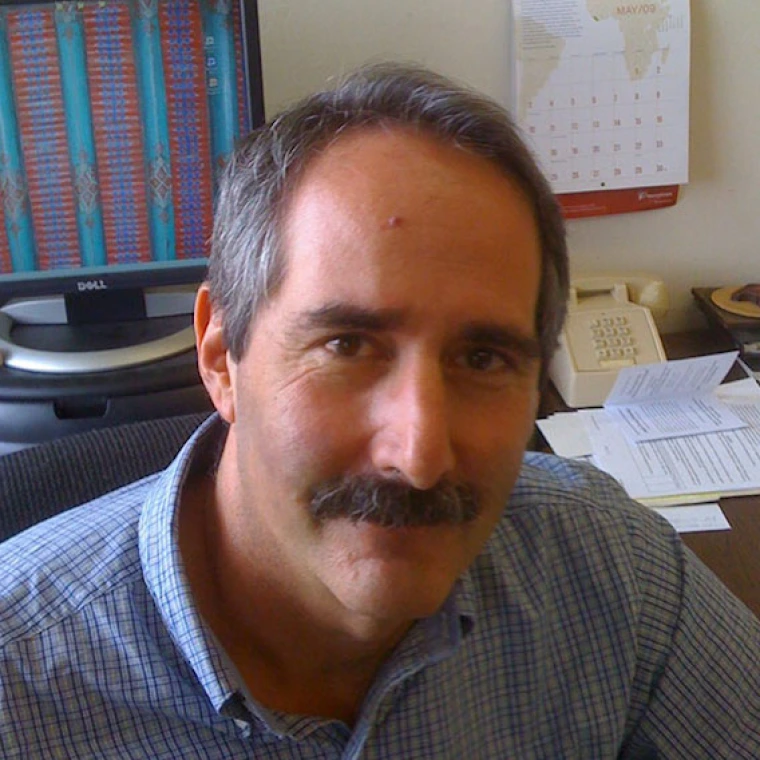
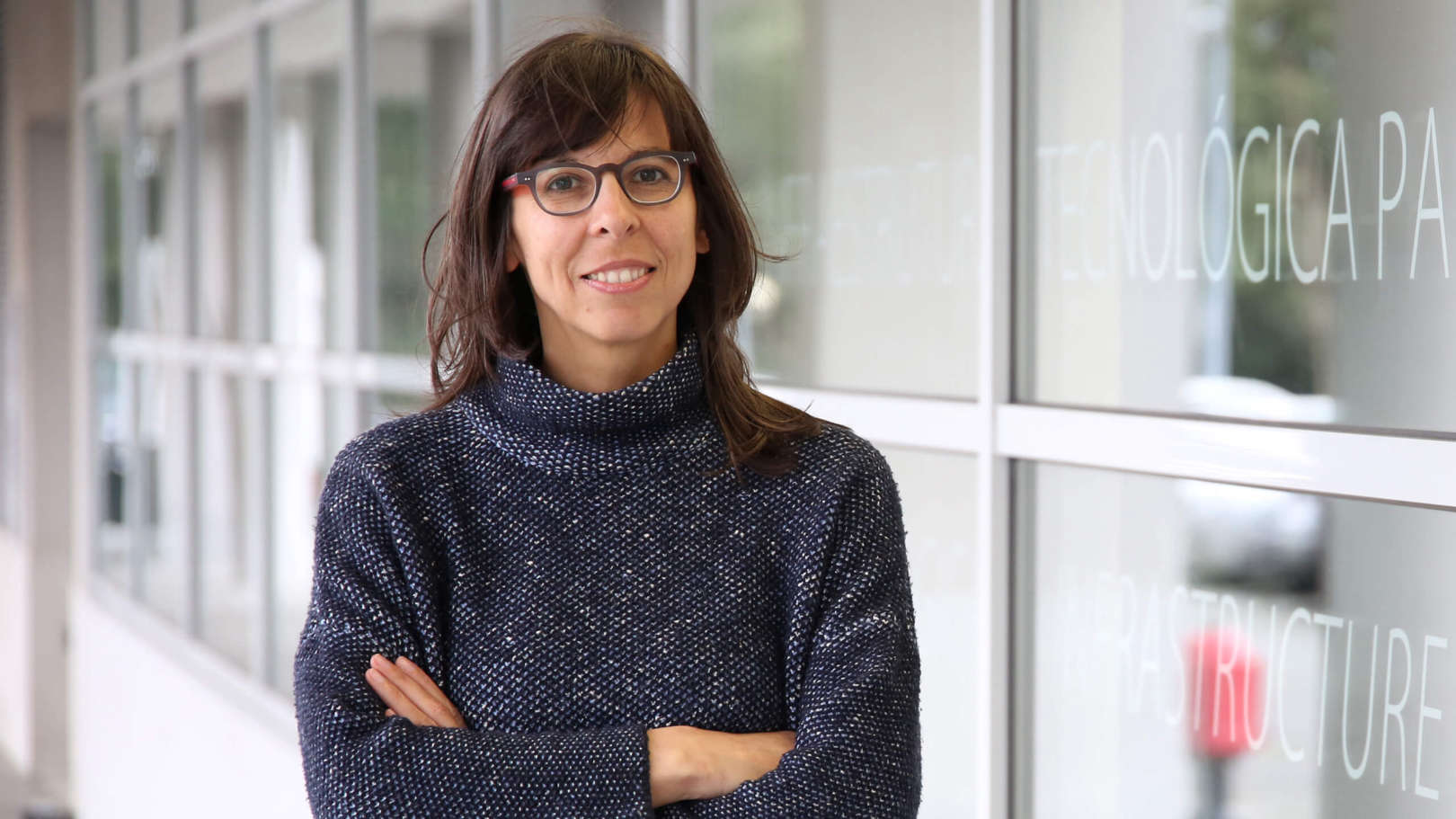
Jorgen Kratz is a Lecturer in the Department of Economics and Related Studies at the University of York. He holds a BSc from Linnaeus University, an MSc and PhD from Lund University. His research focuses on microeconomic theory, mechanism design, and matching theory, with applications to kidney exchange, college admissions, and object allocation. His recent work includes studies on conflicting objectives in kidney exchange systems and generalized cumulative offer processes. Teaching responsibilities include undergraduate courses on Mathematics for Economists and Information and Institution Design. He is currently on research leave during Semester 2 and can be reached via email for appointments. No scientific awards are explicitly listed in the provided texts. Research collaborations include scholars such as Tommy Andersson, Miki Shimoji, and others in the field of economic design.
Arundati Rao, MBBS, is an Assistant Professor of Medicine (Nephrology) and Associate Program Director of the Nephrology Fellowship at Yale School of Medicine. She holds affiliations with the Kidney Transplant Program and Department of Internal Medicine. Dr. Rao completed her MBBS at Sri Ramachandra Medical College (2014), residency at University of Connecticut (2016–2019), and a chief residency year (2020). Her nephrology fellowship at Yale (2020–2022) was followed by an advanced transplant nephrology fellowship, during which she contributed to research on transplant outcomes, hypertension management, and renal physiology. She is actively involved in medical education, mentoring trainees, and promoting interdisciplinary collaboration in nephrology. Her clinical expertise includes kidney transplantation, chronic kidney disease, and managing complex renal disorders. Dr. Rao’s research focuses on transplant immunology, non-HLA genetic factors in allograft survival, and innovative therapies for hypertension. She has published peer-reviewed articles in Current Opinion in Organ Transplantation , Frontiers in Immunology , and other journals. She advocates for resident wellness and has led initiatives to enhance educational programs during her chief residency. Her career reflects a balance between clinical excellence, translational research, and nurturing future nephrologists. Professional highlights include her role in developing Yale’s nephrology fellowship curriculum and contributions to the Yale Medicine educational resources on kidney disease and transplant medicine. She is committed to improving health equity through accessible care and advancing precision medicine approaches in renal transplantation.
Dr. Alison Dowling is a Research Fellow at Monash University's School of Nursing and Midwifery, specializing in medication management during care transitions for older adults in residential aged care with emphasis on rural health and healthcare resource allocation. She employs quantitative, qualitative, and mixed methods research approaches. Her research interests include: Medication Safety and Management Transitions of Care Residential Aged Care Healthy Aging Rural Health Healthcare Resource Allocation Chronic Disease Management Epidemiology Dr. Dowling prioritizes collaborative, inclusive research through interdisciplinary teams and consumer partnerships. Publication trends reveal concentrated focus on aged care medication safety (2025), alongside significant contributions to refugee health and chronic disease research (heart failure, renal disease) addressing vulnerable populations and healthcare system challenges. She completed supervision of a Master of Advanced Clinical Nursing research report in 2024.
Stephen Madden is Senior Lecturer in Computational Biology at RCSI's Data Science Centre, holding a PhD from University College Dublin. His research applies bioinformatics and statistical approaches to cancer genomics and precision medicine. Key research areas include multi-omics integration in breast cancer, therapeutic target discovery, and predictive modeling of treatment response. Recent work examines extracellular vesicles in neonatal development, immunothrombosis mechanisms in hematologic malignancies, and implantable sensor technologies. Publications demonstrate expertise in proteomic profiling, preclinical model development, and computational method implementation. Teaching focuses on programming, transcriptomics, and genomics for biomedical students. He serves as Deputy Director for the MSc in Technologies and Analytics in Precision Medicine and supervises PhD projects in cancer systems biology.
Dr. Susan Dewhurst is an Associate Professor and Head of the School of Allied Health and Exercise Sciences at Bournemouth University, specializing in Exercise Physiology within the Department of Rehabilitation and Sport Sciences. With prior experience as a lecturer and researcher in Scotland, NW England, Denmark, Rome, and as a Senior Scientific Officer at the Ministry of Defence, she integrates multidisciplinary expertise into her work. Her research focuses on fall prevention in older adults, addressing age-related balance vulnerabilities and developing interventions to mitigate muscle degeneration and frailty risks. She leads community-based projects for fall screening and explores strategies to enhance stability in individuals with Chronic Kidney Disease undergoing dialysis. Dr. Dewhurst’s peer-reviewed work spans topics like neuromuscular adaptations, respiratory physiology in menopausal women, and the biomechanics of aging. She has secured grants from UKRI and The Dowager Countess Eleanor Peel Trust. Her supervisory interests include fall prevention, muscle degeneration, and health aging aligned with her expertise.
Antonio Nicolo is Professor of Economics at University of Manchester and University of Padova, and President of the Association of Southern European Economic Theorists. His research applies mechanism design and game theory to political economy, social choice, and resource allocation problems. Recent work examines corruption dynamics and conflict resolution. His kidney exchange program design influenced healthcare policy in Italy.
Steven Kuhn is a Professor in the School of Anthropology at the University of Arizona. His research focuses on Paleolithic archaeology and human evolution, particularly examining stone tool technologies and their social/ecological contexts. He leads collaborative projects in Serbia, Morocco, China, and the Levant. Kuhn holds a Ph.D. from the University of New Mexico (1990) and has been at the University of Arizona since 1994. He has served as a visiting professor at the Chinese Academy of Sciences (2015-2019) and a Humboldt Research Scholar in Cologne (2009-2010). Education: Ph.D., Anthropology, University of New Mexico, 1990 His research interests include lithic technology, hunter-gatherer ecology, and mathematical modeling of cultural evolution. Recent projects investigate Middle Paleolithic assemblages in North China and the Aterian technocomplex in Moroccan sites like Bizmoune Cave. Kuhn’s work emphasizes understanding technological innovation’s role in human cognitive and social evolution. His publications span topics from blade production strategies to regional Paleolithic chronologies. Key contributions include The Evolution of Paleolithic Technologies (2020), analyzing global stone tool development patterns. Awards: 2017: Society for American Archaeology Award for Excellence in Archaeological Analysis (Lithics) 2009-2010: Alexander von Humboldt Research Award Kuhn teaches courses in archaeology, quantitative methods, and Old World prehistory. His fieldwork teams collaborate with institutions in China, Serbia, Morocco, and Israel to advance understanding of early human adaptation and technological change.
Dr. Maxence Delorme is an Associate Professor in Operations Research at Tilburg University, specializing in combinatorial optimization for practical applications. His research develops exact algorithms for complex scheduling, packing, and satellite operation problems. Current projects include kidney exchange optimization, vertical farming energy efficiency, and Mars observation satellite coverage. His work combines mathematical modeling with computational efficiency to solve large-scale optimization problems in healthcare and space technology. Recent publications demonstrate innovations in constraint handling for scheduling problems and heuristic designs for packing challenges.
Dr. Maeghan Toews is a Lecturer at the University of Adelaide's Adelaide Law School, specializing in health and medical law. She teaches Tort Law and Medical Law and Ethics. Her research focuses on the legal and ethical regulation of human biomaterials, organ donation, and transplantation, with interdisciplinary collaborations involving clinicians, ethicists, and global patient partners. Dr. Toews holds a Juris Doctor from the University of Toronto and an Advanced Master's in Public International Law from Leiden University, specializing in Peace, Justice, and Development. She completed a 2-year research fellowship on organ donation ethics and earned her Ph.D. (Dec 2023) examining regulatory frameworks for human biomaterials. Her work spans doctrinal legal analysis, media studies, and public surveys. She is eligible to supervise Masters and PhD students as a co-supervisor. Her research explores precision medicine, rare diseases, biobanking, and regenerative medicine. Key themes in her publications include privacy law approaches to biomaterials regulation, cross-border transplantation ethics, and international policy recommendations for organ donation. She has contributed to global health law discourse through edited volumes and consensus forums. Education: Juris Doctor (University of Toronto), Advanced Master's in Public International Law (Leiden University) Key Projects: $150,000 research fellowship on organ donation ethics, doctoral work on biomaterials regulation Dr. Toews collaborates with international teams to address challenges in health law, including ethical dilemmas in transplantation and balancing institutional vs. individual control over biomaterials.
Dr Judith Coombes is an Adjunct Senior Lecturer at the University of Queensland's School of Pharmacy and Pharmaceutical Sciences since 2024. She held a Conjoint Lecturer appointment from 1996 to 2024 and is an Advanced Pharmacist for Education at Princess Alexandra Hospital since 1996. She earned a BPharm and PhD (2020) from UQ, with a Master of Science in Clinical Pharmacy (University of Brighton, UK). Her research focuses on Quality Use of Medicines (QUM), medication adherence, and practitioner development. Her work spans clinical pharmacy services in Sri Lanka and Australia, emphasizing patient-centered care and healthcare quality improvement. **Education**: BPharm (UQ), PhD (UQ; titled 'A conversation about medications after a stroke'), Master of Science (Clinical Pharmacy, Brighton, UK), Graduate Certificate in Higher Education (UQ). **Research Interests**: QUM, patient medication behavior, clinical pharmacy workforce development, stroke medication management, and international healthcare collaboration. Her projects include developing clinical pharmacy services in Sri Lanka and evaluating interventions to reduce hospital readmissions. **Publications**: Over 50 peer-reviewed articles, including studies on stroke prevention, chronic kidney disease management, and medication adherence. Her work emphasizes structured educational exchanges to improve patient outcomes. **Grants**: Funded by the National Prescribing Service Limited (2005–2011) for QUM initiatives. Collaborated on projects like CAPTION and DMACS to improve drug use and discharge management. **Labs/Teams**: Active in the OPTMED-D and Safe and Effective Medication Collaborative. Leads teams in clinical pharmacy service development across Australia and Sri Lanka.
Laura Niklason is the Nicholas M. Greene Professor at Yale University, with primary appointments in the Department of Anesthesiology and affiliations in Biomedical Engineering at the Yale School of Medicine. She has been a faculty member since 2006 and leads a pioneering research program in regenerative medicine. MD, University of Michigan (1991) PhD in Biophysics, University of Chicago (1988) Residency, Anesthesia and Critical Care, Massachusetts General Hospital (1995) Postdoctoral Training, Massachusetts Institute of Technology Her research focuses on tissue engineering of cardiovascular and pulmonary systems . She is renowned for developing engineered blood vessels currently in Phase III clinical trials —the first life-sustaining engineered tissue to reach this stage. Her lab was also among the first to engineer functional lung tissue capable of gas exchange in vivo, recognized by Time Magazine in 2010 as one of the top 50 inventions of the year. Recent publications highlight trends in bioengineered vascular grafts , lung regeneration , vascular disease modeling , and clinical translation of acellular tissues . Her work spans from fundamental mechanobiology to health economics and primate transplantation studies. Her major scientific honors include: Elected to the National Academy of Medicine (2015) Inducted into the National Academy of Inventors (2014) Niklason actively advises researchers and leads the Niklason Lab at Yale, supported by NIH funding and collaborations across stem cell science and vascular biology. She has no known grants listed in the text, but her lab's productivity and clinical trials indicate substantial research support. Her work continues to bridge engineering, medicine, and clinical practice toward regenerating human tissues. She is affiliated with the Yale Stem Cell Center and the NIH T32 Program , and her lab focuses on vascularized cardiac and lung tissue, thoracic conduits, cellular aging, and intimal hyperplasia.
Xiaowu Dai is a tenure-track Assistant Professor at the University of California, Los Angeles (UCLA), holding primary appointment in the Department of Statistics and Data Science and secondary appointment in the Department of Biostatistics. His research bridges economics, machine learning, and biostatistics with applications in neuroimaging, diabetes, and kidney exchange programs. His educational background includes: Postdoctoral studies in Computer Science and Economics at UC Berkeley (2019-2022), advised by Michael I. Jordan, with additional collaboration with Lexin Li and Robert M. Anderson Ph.D. in Statistics from University of Wisconsin-Madison (2019), advised by Grace Wahba M.S. in Computer Sciences (2018) and M.S. in Mathematics (2015) from University of Wisconsin-Madison B.S. in Mathematics (with distinction) and B.A. in Economics (double degree) from Shanghai Jiao Tong University (2014) Dai's research spans four interconnected domains: (1) Economics and Machine Learning, integrating game theory with online learning for mechanism design in data marketplaces and matching markets; (2) Statistical Foundations for Dynamical Models, focusing on optimization dynamics and derivative-based learning; (3) Uncertainty Quantification with ML Systems, developing multimodal learning and distribution-free inference methods; and (4) Biomedical Discovery, applying these techniques to neuroimaging diagnostics, diabetes risk analysis, and kidney exchange optimization. His work consistently addresses real-world challenges through algorithmic innovation. Analysis of his 14 most recent publications (2018-2025) reveals a pronounced shift toward economic applications of machine learning since 2021, with 70% of recent work focusing on mechanism design, matching markets, and incentive-aware systems. Simultaneously, his biomedical research has evolved toward causal inference methods for time-series health data, particularly in diabetes research. The intersection of uncertainty quantification techniques across both domains represents his most distinctive contribution. His scientific recognition includes: Hellman Fellows Award (2025) Dai actively recruits graduate students for research in machine learning and biostatistics, supported by an NIH grant for diabetes research using AI (2025). His editorial roles include Associate Editor for Stat (2022-present) and reviewer for Journal of Machine Learning Research (2022-present). He has served as commencement speaker at Shanghai Jiao Tong University (2024) and contributes to practical implementations like the Hilbert Matching system for the clothing industry. His GitHub repository (irand) demonstrates leadership in developing computational tools for causal inference, indicating an active research team focused on methodological innovations for time-series analysis in healthcare applications.
Dr. Michal Mankowski is a Research Fellow in Econometrics at Erasmus University, developing computational models for medical decision-making systems. His methodological research creates dynamic programming solutions for complex combinatorial optimization challenges. Applied work includes designing kidney exchange matching algorithms that improve transplant outcomes. Recent publications establish evidence-based reporting standards for European organ exchange programs and advance multi-criteria optimization theory.
Ana Viana serves as Coordinator Professor at the Polytechnic Institute of Porto, School of Engineering, and as Coordinator Researcher at the Centre for Industrial Engineering and Management of INESC TEC. She has maintained these dual appointments since December 9, 1997, demonstrating sustained commitment to both academic instruction and advanced research in industrial engineering. Her research centers on Combinatorial Optimization, specializing in the development of exact algorithms and meta-heuristic approaches to complex decision problems. Dr. Viana's work bridges theoretical advancements with practical applications in healthcare logistics and transportation systems, where optimization techniques solve real-world challenges in resource allocation and matching problems. Her recent publications reveal a strong trajectory in applying operations research to kidney exchange programs and last-mile delivery optimization. She has pioneered concepts like locally stable exchanges in kidney matching and developed innovative data-driven approaches to crowd-sourced delivery systems. Her work consistently appears in premier journals including European Journal of Operational Research, Mathematics of Operations Research, and Computers & Operations Research. As an academic supervisor, Dr. Viana has guided numerous graduate students through thesis research on photovoltaic systems, production planning in footwear manufacturing, logistics network analysis, and power grid optimization. She has led multiple publicly funded research projects that translate theoretical insights into practical industrial applications.
Tommy Andersson is a Professor at the Department of Economics at Lund University, affiliated with the Lund University School of Economics and Management. His primary research focuses on mechanism design, market design, and strategy-proofness, with notable contributions to kidney exchange programs, school choice algorithms, and refugee resettlement systems. He founded the Scandiatransplant Exchange Program (STEP), the first Scandinavian kidney exchange initiative. His teaching expertise includes microeconomics and mathematical methods, having received several pedagogical awards. Research interests span mechanism design applications in healthcare, education, and public policy, emphasizing practical implementation through collaborations with governmental and private organizations. Key contributions include developing algorithms for efficient resource allocation under constraints, such as in kidney exchange and refugee matching markets. His work often bridges theoretical economics and real-world policy design. Key Research Themes: Matching markets, kidney exchange systems, school choice mechanisms, refugee resettlement optimization, and epidemic modeling. Recent Projects: Analysis of sequential school choice inefficiencies, optimization in kidney exchange programs, and pandemic economic-health trade-offs. Publications span top journals like Economic Modelling , Journal of Theoretical Politics , and Review of Economic Studies , with over 100 peer-reviewed articles. His work has societal impact through practical implementations like STEP and refugee resettlement algorithms.