- Combinatorial Optimization
- Algorithms
- Graph Theory
- +۲ مورد دیگر
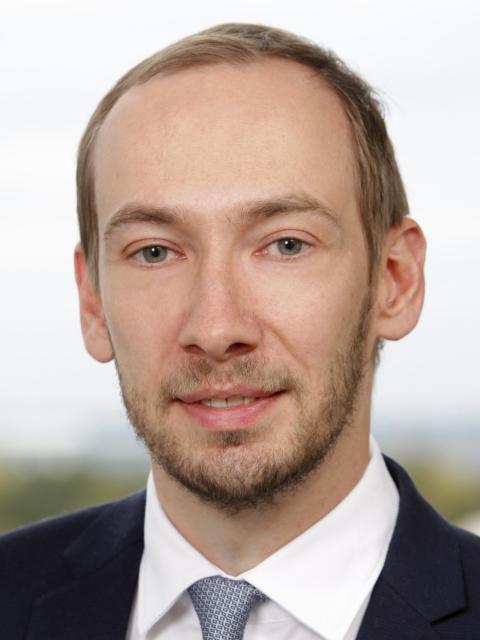
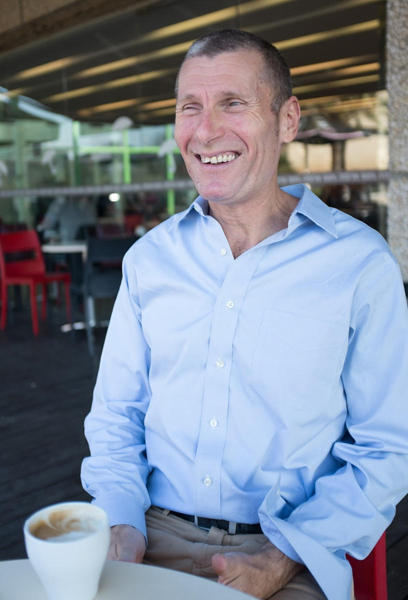
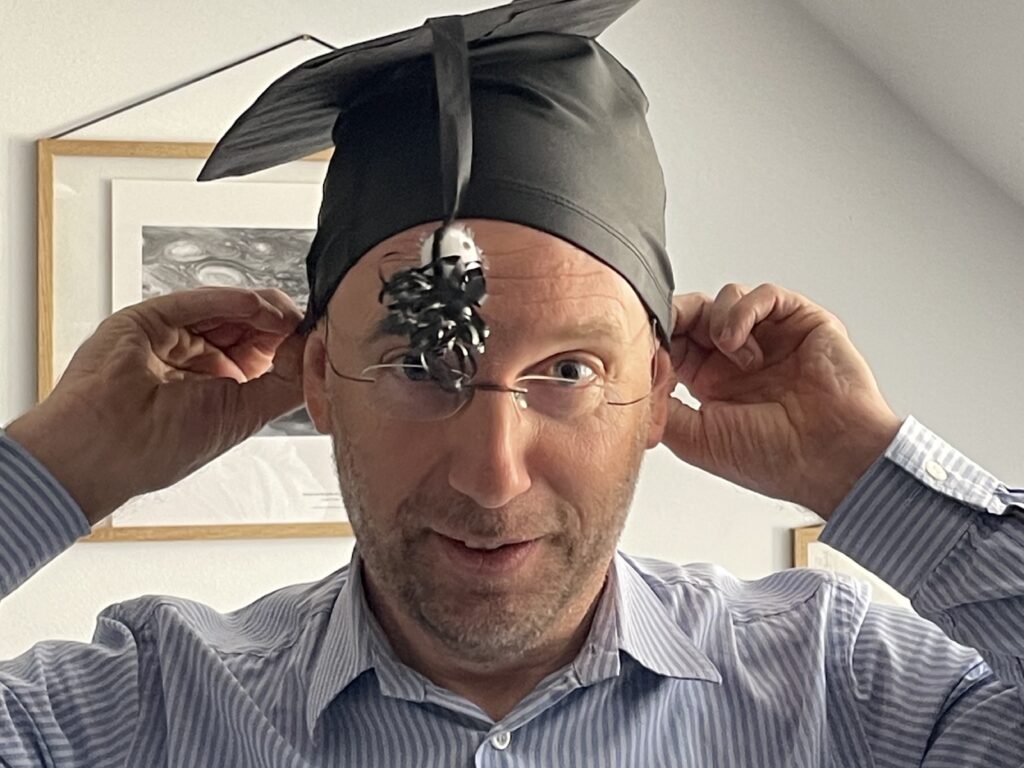
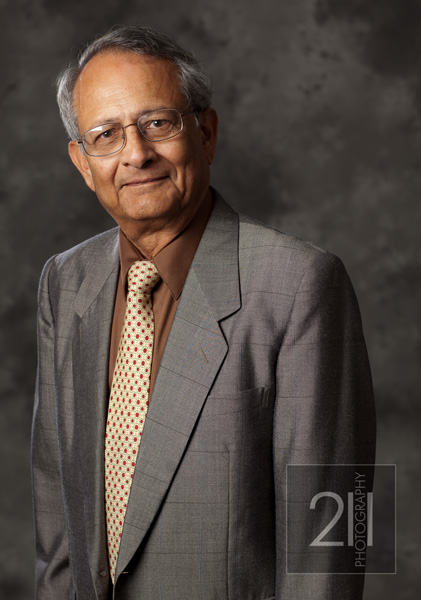
Gregory Gutin is a Professor of Computer Science at Royal Holloway, University of London, UK. He has held academic positions at Brunel University (Lecturer in Mathematics, 1996), Odense University (Visiting Lecturer in Computer Science, 1995; Postdoctoral Researcher, 1993), and was a PhD student at Tel Aviv University's School of Mathematics (1991). His career spans roles as a School Teacher in Gomel (Byelorussia, 1979), Researcher in Byelorussian institutions (1982-1987), and academic staff in the UK, Denmark, and Israel. He earned a PhD in Mathematics from Tel Aviv University, with prior research roles in Byelorussia (geology, oil, mathematics). His work bridges theoretical and applied computer science, focusing on combinatorial optimization, parameterized algorithms, and information security. Dr. Gutin's research centers on combinatorial optimization and parameterized algorithms , with applications in graph theory , constraint satisfaction , and access control in information security. His publications address arc routing problems, workflow satisfiability, and probabilistic methods for parameterized complexity, contributing both to foundational theory and practical implementations. His selected publications highlight a focus on fixed-parameter tractable algorithms for constraint satisfaction, arc routing in operations research, and access control mechanisms. These works solved open problems in algorithm design and influenced subsequent research in parameterized complexity and security systems. Best Paper Award at ACM SACMAT 2016 Best Paper Award at ACM SACMAT 2015 Royal Society Wolfson Research Merit Award 2014 Kirkman Medal 1996 Wolf Prize for PhD Students 1992 Dr. Gutin has collaborated extensively with researchers like Magnus Wahlstrom, Anders Yeo, and David Karapetyan. His work on workflow satisfiability introduced novel constraint classes used in access control systems, and he co-authored the influential textbook Digraphs: Theory, Algorithms and Applications (2009). The Royal Society award in 2014 recognized his sustained contributions to algorithmic research.