Federico Toschi is a Full Professor at Eindhoven University of Technology (TU/e), holding joint appointments in Applied Physics and Mathematics and Computer Science departments. His research focuses on multi-scale transport phenomena, combining statistical physics, fluid dynamics, and computational methods. He leads projects in the 4TU Centre for Multiscale Phenomena and EAISI. Education: PhD in Physics (University of Pisa, 1998) and academic background at Scuola Normale Superiore di Pisa. Interdisciplinary expertise in fluid dynamics turbulence, Lagrangian turbulence, crowd dynamics, and Lattice Boltzmann methods. Recipient of APS Fellow (2015), Euromech Fluid Mechanics Fellow (2012), and Ig Nobel Prize for Physics (2021). Research emphasizes turbulence modeling, pedestrian dynamics, and active matter, with applications in environmental flows and crowd management. His work bridges computational innovations with experimental validations. Recent articles explore kinetic data-driven turbulence modeling, pedestrian flow optimization, and turbulence effects in biological systems. Projects include digital twins for seismicity modeling and rarefied gas dynamics. Teaches fluid mechanics, computational physics, and chaos theory courses. Founded Flow Matters Holding BV, applying research to practical solutions.
David W. Jacobs is a Professor in the Department of Computer Science at the University of Maryland, with a joint appointment in the University of Maryland Institute for Advanced Computer Studies (UMIACS). He holds a Ph.D. from MIT (1992) and has expertise in computer vision, machine learning, and deep learning. His research focuses on object recognition, lighting analysis, and applications like electronic field guides (e.g., Leafsnap and Birdsnap). He has been recognized with awards including the Honda Initiation Grant (2007) and the Edward O. Wilson Biodiversity Technology Pioneer Award (2011). Jacobs has taught courses such as CMSC 422 (Machine Learning) and CMSC 828L (Deep Learning), and advised multiple Ph.D. students. His work spans theoretical advancements and practical applications, including collaborations with institutions like the Smithsonian and Columbia University. Education: B.A. Yale, M.S./Ph.D. MIT Positions: Interim Director of UMIACS (2018), Program Co-Chair CVPR Key Projects: Leafsnap (1M+ downloads), Birdsnap Awards: CVPR Best Paper Honorable Mention (2000), Eurographics Best Paper (2016)
Justin P. Haldar is a Professor in the Ming Hsieh Department of Electrical and Computer Engineering at the University of Southern California (USC), with a joint appointment in the Department of Biomedical Engineering. He co-directs the Biomedical Imaging Group and serves as Director of the Signal and Image Processing Institute. His affiliations include the Dornsife Cognitive Neuroscience Imaging Center, the Brain and Creativity Institute, and the Dynamic Imaging Science Center. Education : B.S. and M.S. in Electrical Engineering (2004, 2005), Ph.D. in Electrical and Computer Engineering (2011) from the University of Illinois at Urbana-Champaign. His research focuses on computational imaging, inverse problems, and magnetic resonance imaging (MRI), with an emphasis on constrained image reconstruction, parameter estimation, and novel data acquisition strategies. His work combines physical modeling, high-dimensional signal structures, and fast computational algorithms to address MRI's limitations in speed, noise, and cost. Recent publications analyze challenges like the 'hidden noise' problem in MR reconstruction (2025) and innovations in dynamic imaging. His research has enabled faster MRI exams and next-generation imaging techniques by exploiting dimensionality's 'blessings' while mitigating its 'curses.' Scientific awards : NSF CAREER Award (2014) IEEE ISBI Best Paper Award (2010) IEEE EMBC First-Place Student Paper Award Haldar's leadership roles include Chair of the IEEE Signal Processing Society's Technical Committee on Computational Imaging and editorial positions at IEEE Transactions on Computational Imaging and Magnetic Resonance in Medicine . He actively mentors students and develops novel MRI approaches at USC's Michelson Center for Convergent Bioscience.
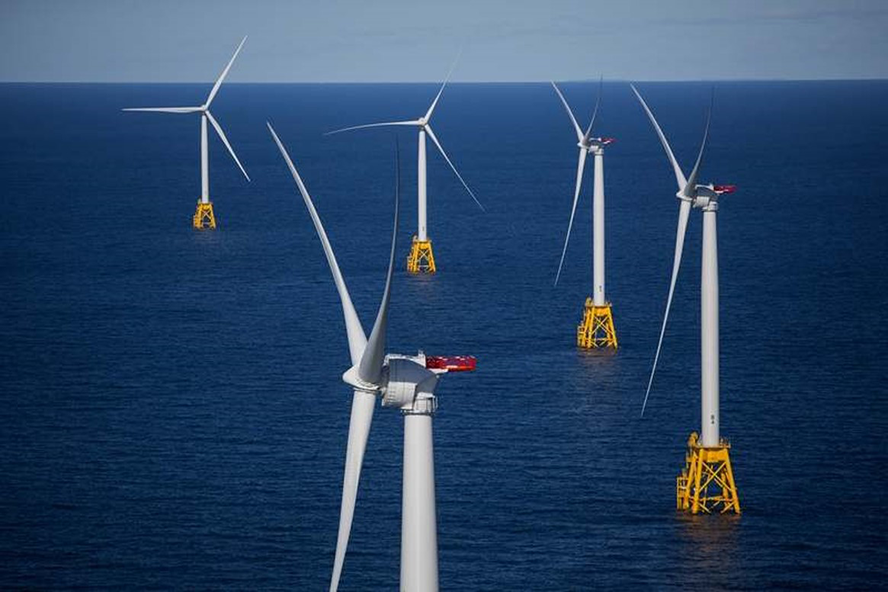
Babak Moaveni is a Professor in the Department of Civil and Environmental Engineering at Tufts University, serving as the Associate Chair since September 2024. He also holds a joint appointment as a Professor in Electrical and Computer Engineering. His research focuses on structural health monitoring, Bayesian inference, earthquake engineering, and offshore wind energy systems. Moaveni earned his Ph.D. in Structural Engineering from the University of California San Diego (2007), following an M.S. (2001) and B.S. (1999) from Sharif University of Technology in Tehran, Iran. His research interests span probabilistic system identification, signal processing, uncertainty quantification, and verification/validation of computational models. Notable grants include leadership in the PIRE project on offshore wind energy digital twins and the Coastal Virginia Offshore Wind Pilot Project. He has supervised multiple Ph.D. and M.S. students, with current advisees including Mehdi Akhlaghi and Nasim Partovi-Mehr. Moaveni has received the Best Presentation Award at the 2022 EDGE Symposium and serves on editorial boards for journals like Structural Health Monitoring and Frontiers in Built Environment . His lab, the Structural Health Monitoring Lab, specializes in infrastructure management and offshore wind energy systems. Key professional activities include membership in the American Society of Civil Engineers (ASCE) and roles on Tufts' Tenure and Promotion Committee. His teaching includes courses on structural health monitoring, numerical methods, and structural reliability.
Steven Neil Evans is a Professor in the Departments of Statistics and Mathematics at the University of California, Berkeley, with a joint appointment since 1999. His research spans stochastic processes, probability on algebraic structures, and applications in population biology, phylogenetics, and computational biology. BSc (Hons I & University Medal) in Statistics, University of Sydney (1983) PhD in Mathematics, University of Cambridge (1987) Research Interests: Evans works on random matrices, Lévy processes, measure-valued stochastic processes, coalescent models in biology and chemistry, phylogenetics (including invariants), biodemography, mutation-selection balance, and stochastic models in population genetics. His recent work connects probability theory with computational biology, focusing on metagenomics and transcriptional regulation. He also explores computational algebra in modeling biological systems. Articles Trends: His publications reveal a trajectory from foundational work in stochastic processes and Lévy processes to interdisciplinary applications in phylogenetics, population genetics, and computational biology. Key subfields include mutation-selection models, random tree structures, stochastic differential equations, and algebraic probability. Recent work addresses phylogenetic networks and Frechet mean sets in metric spaces. Scientific Awards: Rollo Davidson Prize (1990) Presidential Young Investigator Award (1991) Alfred P. Sloan Foundation Fellowship (1993) G. de B. Robinson Prize (1997) Miller Research Professor (2002) Fellow, American Mathematical Society (2012) Member, National Academy of Sciences (2016) Advising and Grants: Evans has advised over 30 PhD/Master's students since 1993. He has received continuous NSF grants (1988-2019), NIH funding (2016-2018), and international fellowships. His academic service includes editorial roles at major journals and organizing conferences in probability and mathematical biology.
Jonathan Ellman is the Eugene Higgins Professor of Chemistry and Professor of Pharmacology at Yale University, with joint appointments in the Department of Chemistry and the Department of Pharmacology at the Yale School of Medicine. He is also affiliated with the Yale Cancer Center and the Developmental Therapeutics program. Education: PhD, Chemistry, Harvard University (1989) BS, Chemistry, MIT (1984) NSF Postdoctoral Fellow, University of California at Berkeley (1992) Dr. Ellman's research lies at the intersection of synthetic organic chemistry and biomedical science, focusing on the development of novel synthetic methodologies and their application to drug discovery. His work emphasizes catalysis, particularly in C–H activation and enantioselective synthesis, with a strong interest in sulfur-containing compounds such as sulfoximines and sulfilimines as bioactive motifs. His lab has pioneered methods for constructing complex amine and amide architectures with quaternary centers, which are valuable in medicinal chemistry. A recent focus includes targeting opioid receptors for pain therapeutics with reduced side effects. His research has led to over 350 publications and significant contributions to chemical biology and pharmaceutical sciences. His recent publications reveal a consistent focus on catalytic methodologies, sulfur chemistry, and computational drug design, particularly in targeting opioid receptors. Themes include enantioselective synthesis, C–H functionalization, and the exploration of underutilized heteroatom-containing functional groups in drug discovery. Scientific Awards and Honors: Member, American Academy of Arts and Sciences (2016) Yale Dylan Hixon ’88 Prize for Teaching Excellence in the Natural Sciences (2016) Herbert C. Brown Award for Creative Research in Synthetic Methods (2012) GlaxoSmithKline Chemistry Scholar Award (2010) Pedler Award, Royal Society of Chemistry (2010) Dr. Ellman has trained numerous researchers and maintains a highly collaborative research program, evidenced by frequent co-authorship with colleagues across Yale. His lab, accessible via ellman.chem.yale.edu , is part of Yale’s broader research ecosystem in chemical biology and therapeutics. He has received continuous grant support, particularly in the areas of synthetic methods development and translational chemical biology, although specific grants are not detailed in the text.
Ivan Selesnick is a Professor of Electrical and Computer Engineering at the NYU Tandon School of Engineering, with joint appointments in Biomedical Engineering and Radiology. He holds affiliations with the Center for Advanced Technology in Telecommunications (CATT) and leads the Selesnick Lab. His research focuses on signal and image processing, sparse signal models, wavelet analysis, and biomedical applications. He received his degrees from Rice University (BS, MEE, PhD in EE) and has been recognized with prestigious awards including the Alexander von Humboldt Fellowship (1997), NSF Career Award (1999), and IEEE Fellow (2016). Education: BS, MEE, and PhD in Electrical Engineering from Rice University (1990, 1991, 1996). He joined NYU Tandon in 1997 and served as a visiting professor at the University of Erlangen-Nuremberg in 1997. Research Interests: Signal Processing, Sparse Signal Models, Wavelet Analysis, Biomedical Signal Processing, and Optimization Techniques. His work emphasizes applications in medicine, imaging, and engineering systems. Awards: In addition to his fellowships, he received the Jacobs Excellence in Education Award (2003) and the Budd Award for Best Engineering Thesis (1996). He has held editorial roles at IEEE Transactions on Image Processing, Signal Processing Letters, and Computational Imaging. Teaching: Courses include Signals, Systems, and Transforms (EE 3054), Digital Signal Processing I/II (EL 6113/EL 7133), Wavelets and Filter Banks (EL 7163), and Biomedical Signal Processing (EL 9133). Labs and Affiliations: Director of the Selesnick Lab, involved in NYU Tandon Future Labs (business incubators) and CATT (telecommunications research). His research spans biomedical sensing, radar signal processing, and algorithm development for medical diagnostics.
Dr. David R. Themens is an Associate Professor in Space Environment within the Space Environment and Radio Engineering (SERENE) group in the School of Engineering at the University of Birmingham. He specializes in modeling and mitigating the impacts of space weather on radio communications and navigation systems, with a particular focus on the ionosphere's effects on these technologies. Dr. Themens earned his academic credentials from Canadian institutions: BSc (Hons) in Physics from the University of New Brunswick (2011) MSc in Atmospheric and Oceanic Science from McGill University (2013) PhD in Physics from the University of New Brunswick (2018) His research primarily focuses on four interconnected areas: ionospheric modeling, ionospheric physics, measurement techniques, and radio propagation. Dr. Themens is particularly interested in the interaction between the ionosphere and the atmosphere, specifically how lower atmospheric forcing drives variability within the ionosphere and the interactions between the ionosphere and thermosphere. He is the principal developer of the Empirical Canadian High Arctic Ionospheric Model (E-CHAIM) , a high-latitude alternative to the International Reference Ionosphere (IRI) used for HF/UHF signal propagation modeling. His work includes exploring synergistic properties of different earth observation instruments, measurement technique development, data assimilation, and empirical modeling. Analysis of Dr. Themens' recent publication record reveals a strong emphasis on space weather phenomena, ionospheric modeling, and radio propagation. His work spans from fundamental ionospheric physics to practical applications in navigation and communication systems. Key themes include the development and validation of ionospheric models, analysis of space weather events (including the May 2024 geomagnetic superstorm), and the impact of solar phenomena on Earth's upper atmosphere. His research increasingly incorporates advanced data assimilation techniques and leverages multiple observational platforms including radar systems, GNSS networks, and satellite measurements. Dr. Themens holds significant leadership positions in the international space science community: Co-Chair of IAG-GGOS Joint Study Group on Understanding Ionospheric and Plasmaspheric Processes (2023-present) Chair of URSI Data Assimilation Working Group (2023-present) Co-Chair of IAGA Geospace Data Assimilation Working Group (2023-2027) URSI Commission G Early Career Representative (2023-2029) Chair of Canadian Association of Physicists Division of Atmospheric and Space Physics (2022-present) Dr. Themens actively mentors graduate students and is 'always looking for new Ph.D. students interested in the ionosphere, data assimilation, and radio propagation.' His research has been supported through contracts with Defence Research and Development Canada (DRDC) and various international collaborations. He leads the Canadian High Arctic Ionospheric Models (CHAIMs) project, which builds upon his doctoral work developing the E-CHAIM model. At the University of Birmingham, he teaches courses in Space System Engineering and Design, Space Mission Analysis and Design, and Space Environment.
Guillaume Bal is a Professor at the University of Chicago, holding joint appointments in the Departments of Statistics and Mathematics, and affiliated with the Committee on Computational and Applied Mathematics (CCAM). His research focuses on inverse problems in medical and geophysical imaging, partial differential equations with random coefficients, and the mathematical analysis of topological insulators. He explores applications in wave propagation, uncertainty quantification, and hybrid imaging modalities. His recent work delves into theoretical and computational aspects of stochastic partial differential equations and topological edge states. Research Interests: Inverse Problems (Geophysical/Medical Imaging) Topological Insulators and Edge States Wave Propagation in Heterogeneous Media Uncertainty Quantification Publications Trends: Recent articles emphasize topological insulator dynamics, hybrid imaging techniques, and stochastic PDE models. Key themes include bulk-edge correspondence, dual-energy CT optimization, and semiclassical propagation in curved interfaces.
Anna Dawid-Lekowska is an Assistant Professor at the Leiden Institute of Advanced Computer Science (LIACS) and affiliated with the Leiden Institute of Physics (LION) at Leiden University, Netherlands. She leads a research group within the aQa group, focusing on the intersection of machine learning and quantum physics. Previously, she was a Research Fellow at the Center for Computational Quantum Physics, Flatiron Institute, New York. PhD in Physics and Photonics (joint, cotutelle), University of Warsaw & ICFO, Spain MSc in Quantum Chemistry, University of Warsaw BSc in Biotechnology, University of Warsaw Anna's research centers on interpretable machine learning for scientific discovery, particularly in quantum systems. She investigates how overparametrized models generalize, the role of loss landscape flatness, and double descent phenomena. Her work bridges deep learning with quantum simulations, aiming to detect quantum phase transitions and extract physical insights from trained models. She also explores ultracold molecules and novel quantum phases using simulation platforms. Her recent publications demonstrate a strong trend in applying machine learning to automate and interpret quantum experiments, such as detecting laser cooling schemes and understanding neural network initialization. The work emphasizes interpretability, aiming to make AI a transparent scientific tool rather than a black box. Anna has received significant recognition, including: 2022 FNP START laureate Participant in the 2024 Lindau Nobel Laureate Meeting She is actively mentoring and expanding her group, currently recruiting PhD students and postdoctoral researchers. Her work is supported by institutional affiliations with leading research centers and collaborations across Europe and the US. Anna also engages in science communication and education, having lectured at the Nordita Winter School on Machine Learning and Physics. She is involved in the aQa research group, which focuses on quantum algorithms and AI, fostering interdisciplinary collaboration between computer science and physics. Her lab integrates theoretical modeling, algorithm development, and applications to quantum experiments.
Suren Jayasuriya is an Associate Professor at Arizona State University's The GAME School, with joint appointments in the School of Electrical, Computer and Energy Engineering (ECEE) and the Department of Arts, Media and Engineering (AME). He is also an Affiliate Faculty Member at the Mary Lou Fulton College for Teaching and Learning Innovation. His lab, the Imaging Lyceum, focuses on transdisciplinary research bridging computational imaging, computer vision, sensors, and STEAM education. Education Ph.D. Electrical and Computer Engineering, Cornell University (2017) M.S. Electrical and Computer Engineering, Cornell University (2015) B.S. Mathematics, University of Pittsburgh (2012) B.A. Philosophy, University of Pittsburgh (2012) Research Focus Dr. Jayasuriya's work integrates optics, computational photography, and machine learning to develop novel imaging systems. His research spans: Computational cameras and light transport analysis Atmospheric turbulence modeling and video restoration Neural volumetric reconstruction for sonar/radar STEAM education frameworks for K-12 teachers Philosophical aspects of imaging and representation His lab emphasizes interdisciplinary collaboration across engineering, arts, and humanities. Publication Trends Recent publications demonstrate strong focus on computational imaging (45%), AI/ML applications (30%), and educational technology (25%). Dominant themes include turbulence mitigation in videos, neural rendering for sonar/radar, sensor fusion, and AI curriculum development for middle schools. Work frequently appears in top venues like CVPR, SIGGRAPH, and IEEE Transactions. Awards Image Electronics Technology Excellence Award (IIEEJ, 2021) Best Demo Awards: IEEE ICCP 2019, MIRU 2018 Best Paper Award: IEEE ICCP 2014 ASEE Diversity Paper Finalist (2020) Teaching Honors: Fulton Top 5% Award (2019, 2021), ASU Game Changing Faculty (2021) Teaching & Advising Teaches graduate/undergraduate courses including Machine Vision (EEE 515), Minds and Machines (AME 400), and thesis supervision. Leads NSF-funded projects on computational imaging education and AI teacher training. Mentors students through the Imaging Lyceum lab with projects spanning optics, philosophy, and educational technology. Lab & Collaborations Directs the Imaging Lyceum, emphasizing Aristotle-inspired collaborative research. The lab works on: computational cameras, STEAM education, sensor development, and philosophical inquiries into imaging. Collaborates with Carnegie Mellon Robotics Institute and international partners. Funded by NSF, NEH, and industrial partners for projects in sonar imaging, heat resiliency sensing, and educational AI.
Benjamin C. Flores is a Professor of Electrical and Computer Engineering at the University of Texas at El Paso (UTEP) , where he has built an internationally recognized career spanning advanced radar signal processing and large-scale STEM education initiatives. He directs the UT System Louis Stokes Alliance for Minority Participation (LSAMP) and the Bridge to the Doctorate Program , managing more than $40 million in funded projects aimed at increasing access and success for Hispanic and other under-represented students in STEM disciplines. Education: While specific degrees are not listed in the provided text, Dr. Flores’s faculty appointment and extensive technical expertise in radar and chaotic systems imply advanced training in electrical engineering. Research Interests: Radar & Signal Processing: high-resolution radar, inverse synthetic aperture radar (ISAR), range-Doppler processing, micro-Doppler analysis, bistatic radar, chaotic wideband signal design, neural-network-based classification of radar jamming signals. Antenna Engineering: fractal antennas, 3-D printed antenna prototyping, anechoic chamber measurements. STEM Education & Diversity: evidence-based retention strategies for non-traditional and Hispanic students, peer-led team learning, graduate mentoring, systemic change models for faculty diversity. Publication Trends: Dr. Flores’s recent articles (2021-2025) reveal two dominant thrusts—(1) cutting-edge radar/chaotic signal processing and joint radar-communication systems, and (2) rigorous, data-driven studies on broadening participation in STEM, with emphasis on mentoring, social networks, and program evaluation at Hispanic-Serving Institutions. Scientific Awards & Honors: Texas STAR Award – Texas Higher Education Coordinating Board (2005) ABET President’s Diversity Award (2006) Presidential Award for Excellence in Science, Mathematics, and Engineering Mentorship (2010) Grants & Leadership Roles: Principal Investigator & Project Director, Model Institutions for Excellence Initiative (1999-2007) Principal Investigator, UTEP PUENTES Program (US Dept. of Education, 2010-2015) Principal Investigator & Director, UT System LSAMP & Bridge to the Doctorate Program (since 2005) Laboratory & Facilities: Dr. Flores’s research group utilizes UTEP’s anechoic chamber and rapid-prototyping laboratories for antenna design and characterization, while also housing real-time radar test-beds and analog-computer platforms for chaotic oscillator experiments.
Garvesh Raskutti is an Associate Professor in the Department of Statistics at the University of Wisconsin–Madison, affiliated with the School of Computer, Data & Information Sciences. He holds joint affiliations with the Departments of Computer Science, Electrical and Computer Engineering, and the Wisconsin Institute of Discovery Optimization Group. His research focuses on statistical machine learning, optimization, graphical/network modeling, and information theory, with applications to systems biology and neuroscience. Education: MEng from the University of Melbourne (2008), PhD from UC Berkeley (2012, advised by Martin Wainwright and Bin Yu), and postdoctoral work at SAMSI. Teaching awards include Honored Instructor (2014, 2017) and Madison Teaching and Learning Excellence Fellow (2015). He advises multiple PhD and undergraduate students, including Yuan Li, Hyebin Song, and Lili Zheng. His grants include NGA HM0476-17-1-2003 (Co-PI), ARO W911NF-17-1-0357 (Co-PI), and NSF-DMS 1407028 (Sole PI). Research interests span large-scale statistical inference, computational-statistical trade-offs, and applications in systems biology and neuroscience. His work bridges optimization (e.g., gradient descent, convex regularization), high-dimensional regression, and network analysis. Recent trends in publications emphasize methods for non-convex optimization, sparse models, and network structure learning. Awards include teaching recognition and grants in statistical methodology. Advising spans theoretical and applied projects, with former students like Gunwoong Park (now at University of Korea). Collaborations include interdisciplinary teams in machine learning and signal processing.
Jay D. Sau is a Professor of Physics at the University of Maryland, College Park, and Co-Director of the Joint Quantum Institute (JQI). His research focuses on theoretical condensed matter physics, particularly topological quantum computing, quantum many-body systems, and Majorana fermions. He holds affiliations with the Condensed Matter Theory Center (CMTC) and JQI. Sau received his Ph.D. from UC Berkeley in 2008. His work bridges theoretical concepts in topological materials, superconductivity, and quantum information processing. Research Interests: Sau's primary interests include applying topological principles to solid-state and cold-atomic systems for quantum computation. Key areas include topological superconductivity, Majorana fermions, quantum Hall effects, and spin-orbit coupled systems. His group explores phenomena like topological degeneracy, Weyl semimetals, and cold atomic gases. Awards: He has been recognized with the National Science Foundation CAREER Award (2016) and the Sloan Research Fellowship (2016). His work has been published extensively in high-impact journals and covers topics ranging from Majorana physics to quantum phase transitions. Advising & Labs: Sau mentors graduate students including Tamoghna Barik, Stuart Thomas, Huan-Kuang Wu, and Shuyang Wang. His research group collaborates on projects at JQI and CMTC, focusing on experimental realizations of topological qubits and quantum devices.
Martin Holler is a Professor at the Institute of Mathematics and Scientific Computing at the University of Graz, Austria, where he leads the research group Applied Mathematics and Machine Learning . His work bridges theoretical mathematics with practical applications in imaging and machine learning. Research Focus: His primary research areas include the mathematics of data science, variational methods in imaging, dynamic and multi-modality inverse problems, and biomedical imaging. He has made significant contributions to model-based regularization techniques, particularly with Total Generalized Variation (TGV) approaches for image and video reconstruction. Publication Trends: Over the past decade, Holler's research has evolved from traditional variational methods for image reconstruction toward increasingly sophisticated machine learning approaches. His recent work (2021-2023) focuses on integrating deep learning with variational methods, particularly for motion separation in medical imaging and learning-informed parameter identification in partial differential equations. His publications demonstrate a consistent thread of applying rigorous mathematical frameworks to solve practical problems in medical imaging and computer vision. Mathematics of data science and machine learning Generative models in machine learning Variational methods in imaging Dynamic and multi-modality inverse problems Model-based regularization Biomedical imaging Image and video decompression Technical Leadership: Holler has developed several open-source software packages implementing advanced reconstruction algorithms, particularly for multi-modal imaging problems. His GitHub repositories show active maintenance and development of these tools, which have been cited in the medical imaging community.