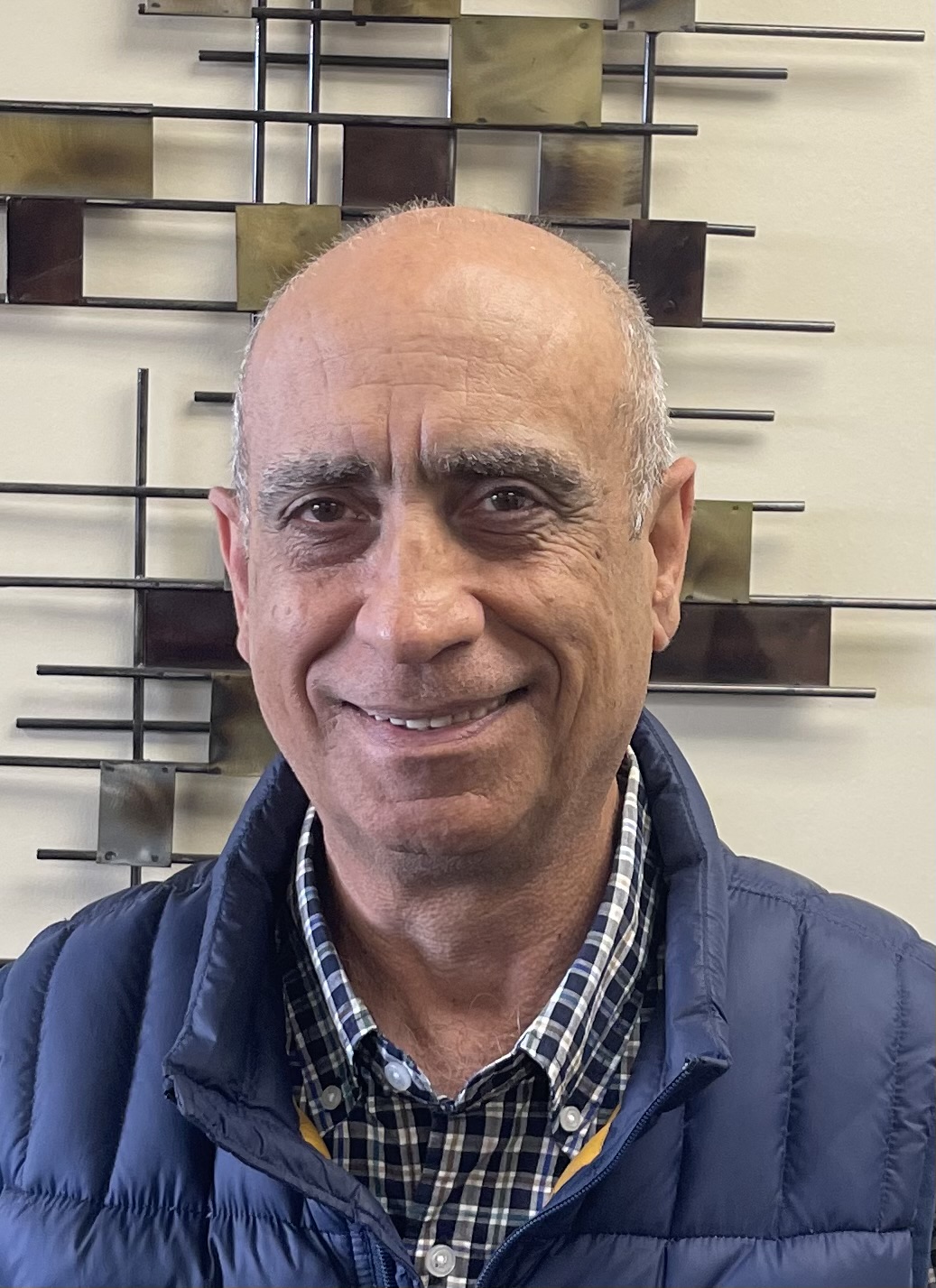
Ozan Öktem is a Professor at KTH Royal Institute of Technology , specializing in applied mathematics with a focus on inverse problems, machine learning, and numerical analysis. He works in the Division of Numerical Analysis, Optimization and Systems Theory and develops theory and algorithms for solving inverse problems, particularly in medical imaging and cryogenic electron microscopy (Cryo-EM). His research integrates mathematical analysis, machine learning, and numerical methods to address challenges in recovering hidden model parameters from indirect observations. He emphasizes regularization techniques to stabilize ill-posed problems and computational feasibility for large-scale applications. Key areas include tomographic reconstruction, deep learning-based methods, and applications in biomedical imaging. Recent publications highlight his work on learned primal-dual architectures for CT, Riemannian geometry in protein dynamics analysis, and regularization strategies for Cryo-EM. Collaborations span computational biology, medical imaging, and optimization. He serves as course responsible for advanced courses in differential equations, inverse problems, and scientific computing.
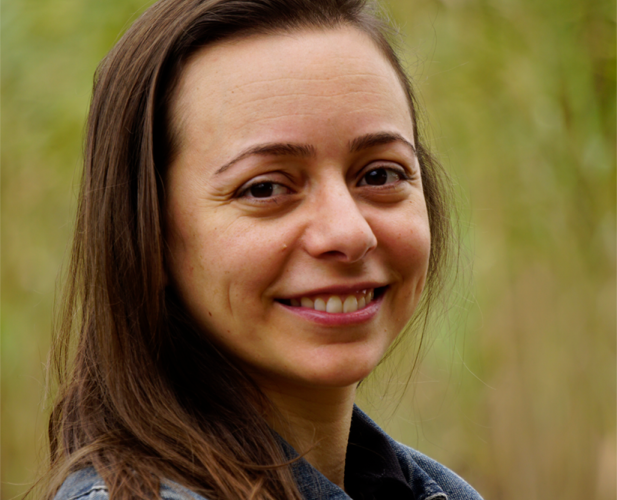
Hadar Averbuch-Elor is an Assistant Professor at the Cornell Ann S. Bowers College of Computing and Information Science and Cornell Tech , with prior roles at Tel Aviv University and postdoctoral work at Cornell Tech. Her research bridges computer graphics and computer vision , focusing on integrating 3D geometry and natural language into multimodal perception systems. Education: B.S. in Electrical Engineering, Technion Israel Institute of Technology Ph.D. in Computer Science, Tel Aviv University Her recent publications highlight advancements in diffusion models , 3D reconstruction , and image generation , with applications in text-guided shape editing , floorplan localization , and cuneiform digitization . Papers span top conferences like ICCV , SIGGRAPH , CVPR , and Eurographics . Scientific Awards: Zuckerman Postdoctoral Scholar Fellowship Schmidt Postdoctoral Award for Women in Mathematical and Computing Sciences Rising Star in Electrical Engineering and Computer Sciences, UC Berkeley She advises PhD students including Morris Alper , Etai Sella , and Daniel Garibi , and has mentored former MS/BS students like Gal Fiebelman and Rachel Mikulinsky .
Gábor Veres is an Assistant Professor at the Institute of Ethnography and Folklore , affiliated with the Faculty of Arts at Eötvös Loránd University. His research spans high-energy physics, focusing on particle interactions at the Large Hadron Collider (LHC) and the CMS experiment. His work includes probing quantum chromodynamics (QCD) through jet production, investigating Higgs boson properties , and exploring exotic phenomena such as long-lived particles, leptoquarks, and dark matter candidates. The 15 most recent publications highlight his contributions to nuclear modification effects , detector simulations , and beyond-Standard Model searches in proton-proton and heavy-ion collisions, with particular emphasis on machine learning techniques for event reweighting and precision measurements like the W boson mass.
Dominique Orban is a Full Professor in the Department of Mathematics and Industrial Engineering at Polytechnique Montréal. He holds a Ph.D. from FUNDP Namur and INP Toulouse and has established himself as a leading researcher in numerical optimization. His academic affiliations include the Institute for Data Valorization (IVADO) and the Decision Analysis Study and Research Group (GERAD). Professor Orban's research focuses on numerical mathematics, particularly continuous nonlinear optimization, nonlinear systems of equations, and numerical linear algebra. His work involves designing specialized numerical algorithms for optimization problems, with particular interest in degeneracy and ill-posed problems. His research spans theoretical development of algorithms, their implementation in software, and applications to real-world problems such as image reconstruction, optimal structure design, and optimization under differential constraints. Analysis of his recent publications (2021-2025) reveals a strong focus on developing practical optimization algorithms with theoretical guarantees. His work spans multiple areas including nonsmooth optimization, iterative methods for linear systems, regularization techniques, and software implementation in Julia. A notable trend is his increasing focus on developing open-source software tools that make advanced optimization methods accessible to practitioners. Over 160 publications including journal articles, conference papers, and technical reports Multiple publications in top optimization journals each year through 2025 Strong emphasis on both theoretical foundations and practical implementation Increasing focus on Julia-based optimization software development Professor Orban has successfully supervised 9 doctoral students and 13 master's students to completion, demonstrating his commitment to mentoring the next generation of researchers. His supervision style appears to balance theoretical depth with practical implementation skills, preparing students for both academic and industry careers. His research has been supported through various institutional and collaborative grants, enabling him to maintain an active research program with multiple ongoing projects. His contributions to the field include significant software developments such as Krylov.jl, JSOSuite.jl, and DCISolver.jl, which have made advanced optimization techniques more accessible to the broader scientific community. These tools reflect his philosophy of bridging theoretical optimization with practical computational implementation.
Dr. Ali Sekmen serves as Professor and Chair of the Department of Computer Science within the College of Engineering at Tennessee State University, where he has held leadership positions since joining in 1998. He additionally contributes to university governance as a member of the Tennessee State University Board of Trustees. His academic credentials include dual Ph.D. degrees from Vanderbilt University in Electrical Engineering (2000) and Mathematics (2012), complemented by an MS in Mathematics (2009) from Vanderbilt and undergraduate/postgraduate engineering degrees from Bilkent University. This unique interdisciplinary background fuels his research at the intersection of theoretical mathematics and practical computing. Dr. Sekmen's research program centers on Approximation Theory, Sampling Theory, High-Dimensional Data Analysis, Machine Learning, and Robotics, with particular emphasis on subspace segmentation algorithms and their real-world implementations. His work demonstrates a consistent pattern of bridging abstract mathematical concepts with tangible engineering applications, especially in robotics systems and data analysis frameworks. The publications spanning 2012-2019 reveal increasing focus on deep learning integration with traditional mathematical approaches for handling complex datasets. As an active Principal Investigator, Dr. Sekmen has secured substantial funding from major agencies including NSF, NASA, USDA, and the Department of Defense. His current projects include USDA-funded water infrastructure robotics and Army-sponsored subspace segmentation research, demonstrating sustained competitiveness in federal grant acquisition. His teaching portfolio spans foundational computer science courses to specialized topics in machine learning and robotics, reflecting his commitment to both theoretical and applied education.
Prof. Achim Schweikard is a Full Professor at the University of Lübeck's Institute for Robotics and Cognitive Systems, where he has led pioneering research since 2002. His academic journey spans Stanford University's neurosurgery and computer science departments and Technical University of Munich, establishing him as a leading figure in medical technology translation. His research focuses on Medical Robotics and Artificial Intelligence with transformative clinical applications. Key achievements include inventing correlation-based tracking for cancer radiosurgery (now global standard of care) and developing stereotactic arrhythmia radioablation (STAR) protocols. Current projects address critical challenges in cardiac radioablation through the RAVENTA multicenter trial, MATRIX-VT imaging fusion study, and SonoBox robotic ultrasound system for pediatric diagnostics. His publication record shows sustained high impact with 15+ articles in 2023-2025 in top journals including Radiotherapy and Oncology and Heart Rhythm. These works demonstrate progression from foundational robotics to clinical implementation, with recent focus on cardiac motion estimation, target transfer automation, and S-ICD patient treatment solutions. As Academic Director of UNI Luebeck's Grad School (2025), he oversees doctoral training while leading the Robotics Laboratory (RobLab). The lab maintains active grants supporting: RAVENTA trial: German multicenter feasibility study for ventricular tachycardia radioablation DYNAMIC phantom development for end-to-end treatment validation ECG-gated 4D CT motion modeling for precision targeting Landmark-based ultrasound-CT fusion techniques Students gain comprehensive experience across the medical technology pipeline - from hardware prototyping to clinical trial participation - within an internationally collaborative environment spanning the STOPSTORM.eu consortium and multiple EU research networks.
Dr. Abolfazl M. Amini serves as a Full Professor in the Electrical and Computer Engineering Department at Southern University's College of Engineering, where he joined the faculty in 1994 after completing a National Research Council Postdoctoral Fellowship at NASA's Stennis Space Center. Promoted to full professor in 2004, his career spans over three decades of pioneering research in advanced signal processing methodologies. His educational foundation includes a Ph.D. from Tulane University (1993), Master's degree from the University of New Orleans (1986), and Bachelor of Science from Southern University (1984). Dr. Amini's research expertise centers on deconvolution techniques, where he developed groundbreaking approaches including Monte Carlo Deconvolution using blurred signals as probability distribution functions for precise image reconstruction, and noise-adaptive Iterative Deconvolution methods that optimize convergence speed while minimizing noise amplification. His work extends to constrained spectral deconvolution for modal peak analysis, interference-avoiding waveform design, and sensor health management modeling using Fourier, Short-Time Fourier, and Wavelet Transforms. Among his distinguished recognitions, the National Research Council Postdoctoral Fellowship enabled his foundational research at NASA Stennis Space Center. Dr. Amini has secured continuous NASA funding since 1993, leading numerous projects that advance sensor technology and system health management through innovative signal processing frameworks. His research bridges theoretical advances in vibrational energy modeling using Feynman Path Integral methods with practical applications in aerospace and engineering systems.
Karen R. Emmerich serves as Associate Professor of Comparative Literature at Princeton University, specializing in modern Greek literary traditions and translation theory. Her interdisciplinary work bridges textual scholarship with migration studies, examining how literary canons intersect with citizenship regimes through processes of inclusion and exclusion. Her research centers on modern Greek literature, translation practices, experimental poetics, and textual instability. Emmerich's groundbreaking monograph Literary Translation and the Making of Originals (2017) redefines translation as an iterative process that actively constructs original texts, analyzing case studies from the Epic of Gilgamesh to Emily Dickinson. Current projects investigate how Greek citizenship and literary canons co-evolve through nationalist frameworks and migration experiences. Emmerich's translated publications reveal consistent engagement with contemporary Greek socio-political crises, particularly economic collapse and refugee movements. Her 2018 translations Good Will Come From the Sea and What's Left of the Night exemplify thematic preoccupations with urban alienation, historical trauma, and identity reconstruction across temporal and linguistic boundaries. Her scholarly contributions have been recognized through prestigious awards: PEN Translation Prize National Endowment for the Arts (NEA) Translation Grant Modern Greek Studies Association (MGSA) Award Best Translated Book Award (BTBA) Emmerich maintains active translation practice alongside academic work, having rendered fourteen Greek literary works into English since 2002. Her current research explores parallel constructions of Greek citizenship and literary canons through targeted inclusion/exclusion mechanisms, with forthcoming monograph Greek Literature on Shifting Ground: Nationalism, Migration, and Belonging in the Modern Greek Literary Canon .
Zin Arai is a Professor in the Department of Mathematical and Computing Science at the School of Computing, Institute of Science Tokyo (formerly Tokyo Institute of Technology). He serves as Research Supervisor for JST PRESTO's 'Mathematical Sciences for the Future' initiative. His research centers on dynamical systems using topological and computational methods, with applications spanning chemistry, biology, and engineering. Key research areas include: Dynamical systems theory (Hénon maps, hyperbolic dynamics) Computational topology (Conley index, validated numerics) Interdisciplinary applications (primate social behavior, chemical reaction dynamics) His 15 most recent publications (2007–2025) demonstrate consistent focus on rigorous computational methods, bifurcation analysis, and topological approaches to nonlinear systems. Notable tools developed include programs for parameter space analysis of Hénon maps and tangency verification. As JST PRESTO supervisor, he oversees projects advancing mathematical sciences. No explicit lab affiliation or awards are documented, but his computational work supports broad scientific collaboration.
Sara LAAFAR serves as an Assistant Researcher at the Laboratory of Complex Heterostructures and Multifunctional Materials within Romania's National Institute of Materials Physics (INFIM), focusing on interdisciplinary research bridging advanced materials development and signal processing systems. Her research portfolio spans two distinct domains: Materials Science: Specializing in mesoporous TiO 2 scaffolds for self-cleaning surfaces with antimicrobial properties Signal Processing: Developing reconstruction algorithms for multi-band communications in Software Defined Radio systems Recent publications demonstrate her dual expertise through high-impact work on photo-catalytic surface engineering achieving 100% self-cleaning efficiency with 60-80% visible light transmission, and novel iterative methods for randomly sampled signal reconstruction showing superior performance over conventional SVD approaches. Her work exhibits strong technological applicability in environmental engineering and telecommunications infrastructure. She operates within INFIM's Laboratory of Complex Heterostructures and Multifunctional Materials, which focuses on synthesizing and characterizing next-generation functional materials for industrial applications.
Yuejie Chi is the Charles C. and Dorothea S. Dilley Professor of Statistics and Data Science at Yale University, with a secondary appointment in Computer Science. She is a member of the Yale Institute for Foundations of Data Science. Previously, she held the Sense of Wonder Group Endowed Professor position at Carnegie Mellon University with affiliations in the Machine Learning Department (MLD) and CyLab. Her career includes a visiting researcher position at Meta's Fundamental AI Research (FAIR) group. Dr. Chi received her Ph.D. and M.A. in Electrical Engineering from Princeton University in 2012 and 2009, respectively, and her B.E. (Hon.) in Electrical Engineering from Tsinghua University, Beijing, China, in 2007. Her educational background laid the foundation for her interdisciplinary research approach spanning statistics, computer science, and engineering domains. Professor Chi's research focuses on the theoretical and algorithmic foundations of data science, with particular emphasis on generative AI, reinforcement learning, and signal processing. Her work lies at the intersection of statistics, learning, optimization, and sensing, addressing fundamental challenges in improving the performance, efficiency, and reliability of AI systems in data-intensive but resource-constrained scenarios. Her group's research is highly interdisciplinary, tackling problems that require theoretical rigor alongside practical implementation considerations. Theoretical foundations of generative models and diffusion processes Algorithmic guarantees for reinforcement learning systems Robust and efficient optimization methods for large-scale problems Low-dimensional structures in high-dimensional data Professor Chi's recent publications reveal a strong trajectory toward addressing fundamental theoretical questions in AI while maintaining practical relevance. Her work demonstrates increasing focus on the interplay between theoretical guarantees and practical implementation, particularly in generative models and reinforcement learning systems. Notable themes include non-asymptotic convergence analysis, robustness guarantees, communication efficiency in distributed settings, and bridging theoretical insights with real-world applications. Among her distinguished recognitions are the Presidential Early Career Award for Scientists and Engineers (PECASE) from the White House, the inaugural IEEE Signal Processing Society Early Career Technical Achievement Award, the SIAM Activity Group on Imaging Science Best Paper Prize, and the IEEE Signal Processing Society Young Author Best Paper Award. She is an IEEE Fellow (Class of 2023) for contributions to statistical signal processing with low-dimensional structures. Additional honors include young investigator awards from NSF, ONR, and AFOSR, and she has been named a Goldsmith Lecturer by IEEE Information Theory Society (2021), a Distinguished Lecturer by IEEE Signal Processing Society (2022-2023), and a Distinguished Speaker by ACM (2023-2026). Professor Chi has mentored an impressive cohort of PhD students and postdoctoral researchers, many of whom have received prestigious fellowships and awards. Her advisees have secured positions at leading institutions including Johns Hopkins University, MIT, UNC Chapel Hill, and major technology companies like Meta, Apple, and Google. Her group has produced numerous award-winning papers and dissertations, including the IEEE SPS Best PhD Dissertation Award. She has successfully secured significant research funding from federal agencies and industry partners to support her interdisciplinary research program. Professor Chi leads a vibrant research group at Yale that maintains active collaborations across multiple disciplines and institutions. Her group's work spans theoretical analysis, algorithm development, and practical implementation, with emphasis on both foundational understanding and real-world applicability. The group has developed several influential frameworks including Robust Gymnasium, a unified modular benchmark for robust reinforcement learning, and has made significant contributions to understanding the theoretical properties of modern AI systems.
Hoda Hamouda is a UX Designer and Instructor at Emily Carr University of Art + Design's Faculty of Design and Dynamic Media. She currently serves as Lead UX Designer of MyPDx at Molecular You and Director of UX Design at EVNC in Vancouver, British Columbia, Canada. Her professional practice spans healthcare, education, and media sectors with clients including Goethe Institut, Orange France Telecom, AUC, and Deutsche Universität im Kairo. Her educational background includes a Master of Applied Arts in Design from Emily Carr University (2012-2014) and a Bachelor of Applied Sciences and Arts in Multimedia and Communication Design from Deutsche Universität In Kairo (2006-2011). She also completed a Diplome Universitaire de Management at University of Poitiers (2005-2006). Hoda's research interests center around user-centered design methodologies with specific focus on citizen media visualization, political design, and democratic media platforms. Her work explores the intersection of technology, media, and social impact, particularly examining how digital platforms can embody contextual specificity of citizen media content with political and historical significance. She employs participatory design approaches and mixed methods throughout iterative design processes to create intuitive user experiences. Her design portfolio demonstrates consistent exploration of how media can reconstruct relationships between content and temporal, spatial, and circumstantial dimensions of occurrences from multiple witness perspectives. The work shows progression from early corporate identity projects to sophisticated platforms addressing social needs, healthcare accessibility, and community engagement. ACM CHI - Student Design Competition Hoda has advised students through her teaching role at Emily Carr University, focusing on design principles and practical application. Her industry experience spans healthcare technology (Molecular You), educational platforms, and social impact projects. She has worked with diverse clients across multiple countries, bringing international perspective to her teaching practice. Her technical expertise includes Adobe Creative Suite, prototyping tools, and user research methodologies. Her design practice operates at the intersection of academic research and professional application, with projects often serving as case studies for her teaching. She maintains active industry connections through her work with EVNC and Molecular You, ensuring her instruction remains grounded in current design practices and industry demands.
Dr. Joseph Noel serves as Professor and Director of the Jack H. Skirball Center for Chemical Biology and Proteomics at the Salk Institute for Biological Studies, where he holds the Arthur and Julie Woodrow Chair. His research bridges plant chemistry, biochemistry, and structural biology with practical applications for climate change mitigation. Dr. Noel's educational background includes a BS in Chemistry from the University of Pittsburgh at Johnstown, a PhD in Chemistry and Biochemistry from Ohio State University, and postdoctoral training at Yale University, supported by fellowships from the National Science Foundation and National Institutes of Health. His research focuses on plant compounds and evolutionary adaptations, particularly examining suberin (cork) as a natural carbon storage mechanism. Through the Harnessing Plants Initiative, he develops strategies to enhance plants' carbon sequestration capabilities - engineering crop plants to store more carbon in soil via increased suberin production in roots, and studying coastal wetlands that naturally sequester up to 100 times more carbon per unit area than terrestrial ecosystems. His work combines biological assays to test genetic modifications with chemical techniques to replicate plant pathways in laboratory settings. Dr. Noel's significant scientific contributions have been recognized with multiple prestigious awards including being named a Fellow of the American Association for the Advancement of Science (2012), a Howard Hughes Medical Institute Investigator (2005), a Monsanto Biotechnology Fellow (1989), and a Presidential Fellow (1988). As Director of the Jack H. Skirball Center, he leads research on plant biochemistry and structural biology, collaborating with institutions like the San Diego Zoo on conservation efforts. His recent publications (2020-2025) demonstrate continued productivity across enzyme mechanisms, protein interactions, and climate change mitigation strategies, reflecting his unique integration of fundamental biochemical research with practical environmental applications.