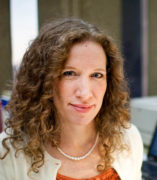
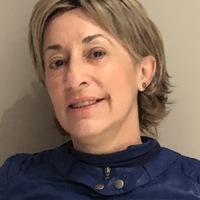
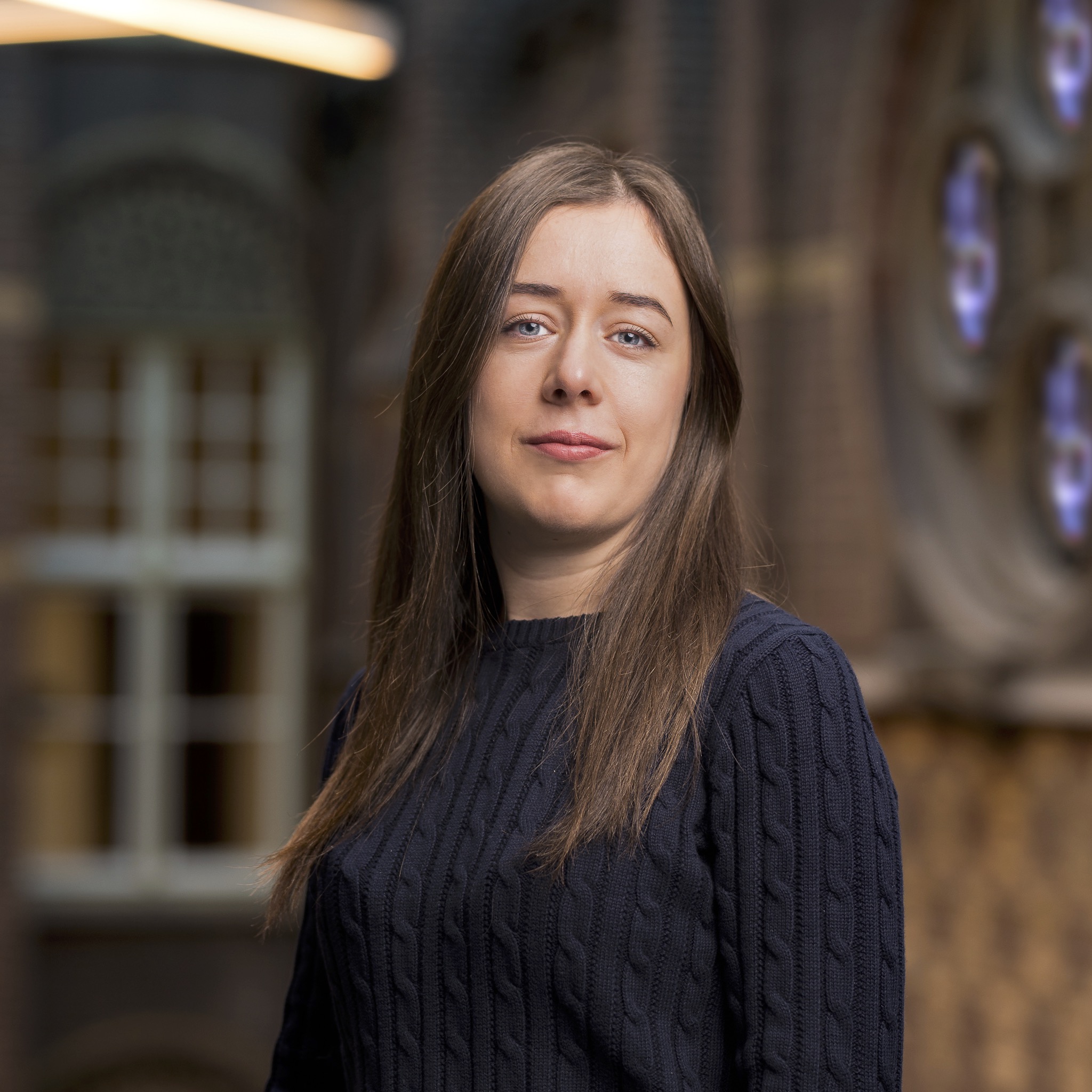
Professor Kara Morgan-Short holds a joint appointment at the University of Illinois at Chicago in the Department of Hispanic and Italian Studies and the Department of Psychology. She directs the Cognition of Second Language Acquisition Laboratory and is affiliated with the Laboratory of Integrative Neuroscience. Her research focuses on the cognitive and neural mechanisms underlying second language acquisition, integrating linguistics, cognitive psychology, and neuroscience. She has held editorial roles for Language Learning and contributed to advancing open science practices in applied linguistics. Education: PhD in Spanish Linguistics (Georgetown University, 2007), MATL in Spanish (University of Southern Mississippi, 1998), BA in Humanities (UT Austin, 1991). Research interests include the role of declarative/procedural memory, attention, and context in SLA. She employs behavioral and electrophysiological methods (e.g., ERP) to study linguistic and cognitive processes. Key grants include NSF funding for doctoral research (2018–2022) and Language Learning grants (2014–2016). Awards include the 2018 Excellence in Teaching Award and the 2009 Harold N. Glassman Dissertation Award. Her work emphasizes interdisciplinary approaches to understanding bilingualism and SLA at both behavioral and neurocognitive levels.
Mohammad Shojafar (M'17-SM'19) is an Associate Professor at the Institute for Communication Systems within the Faculty of Engineering and Physical Sciences at the University of Surrey , UK. He has secured over £1.9M in research funding as Principal Investigator for projects like ORAN-TWIN (EPSRC), PRISENODE (MSCA-IF), TRACE-V2X (MSCA-SE), and D-XPERT (Innovate UK), among others. Previously held positions include Senior Researcher at University of Toronto and Toronto Metropolitan University, Senior Researcher at Italian universities (Telecom Italia Mobile), and Postdoc at University of Padua Key affiliations: Associate Editor for IEEE Transactions on Network and Service Management, Intelligent Transportation Systems, Green Communications and Networking, and Consumer Electronics Magazine Research Specialism: 5G/6G Security and Privacy Open-RAN Security Green Networking Adversarial Machine Learning Applied Cryptography Publication Trends: Focus on Open RAN security challenges (bearer context migration poisoning, KPI poisoning attacks), IoT/Fog security (GAN-based attacks, distributed intrusion detection), Lightweight Cryptography (multi-signature protocols, authentication schemes), and AI-driven Network Optimization (federated learning, reinforcement learning applications). Recent work addresses security in vehicular networks, smart grids, and video streaming frameworks. Scientific Recognition: Marie Curie Individual Fellowship (MSCA-GF-IF) Intel Innovator ACM Professional Member Sustainability Fellow at Institute for Sustainability IEEE Senior Member Supervision: Currently supervising 6 PhD students and has graduated 5 PhD/MSc students since 2021. Active in 5G/Open RAN security research with over 20 related publications since 2022.
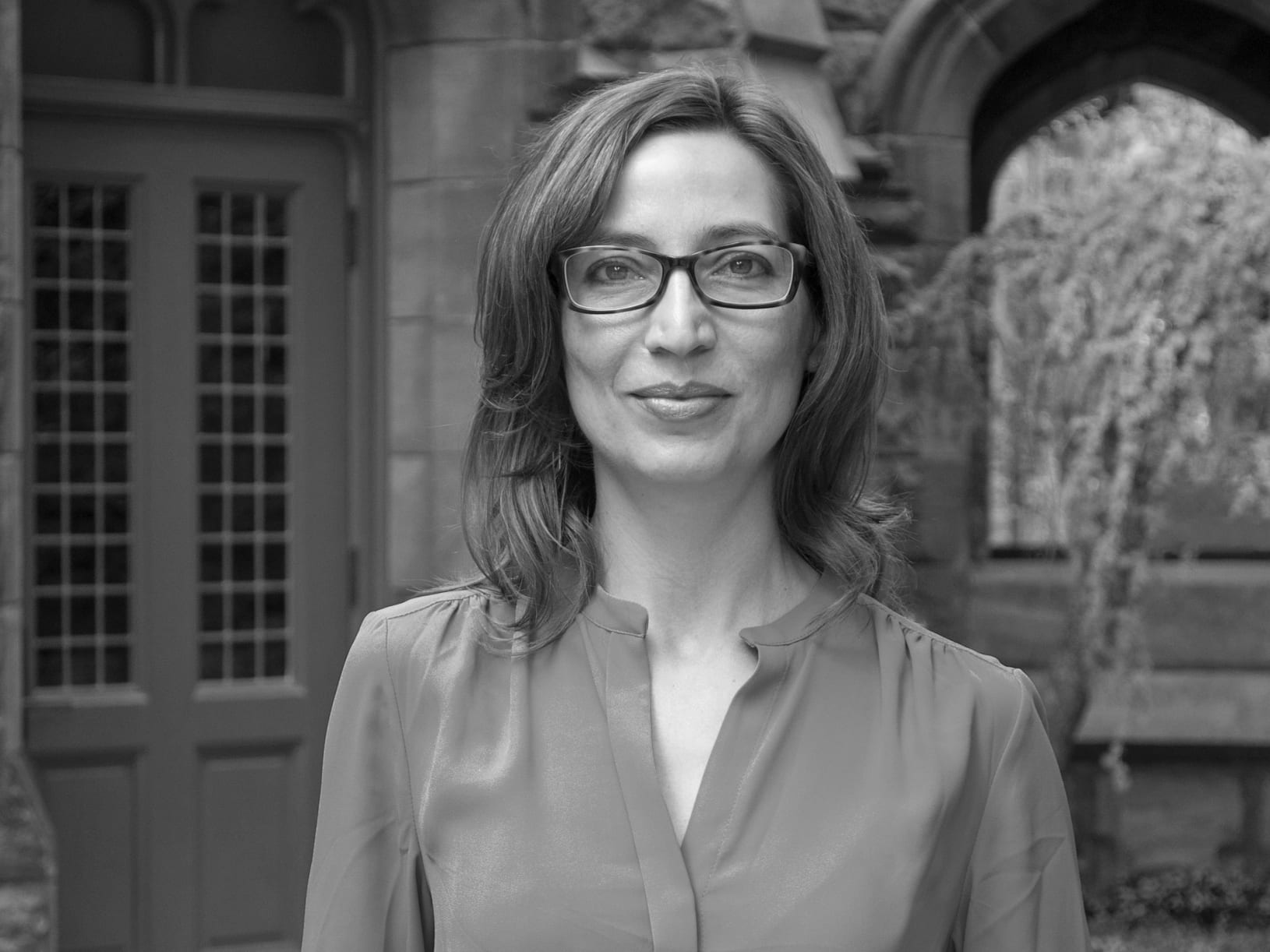
Carolina Mangone is an Associate Professor in the Department of Art & Archaeology at Princeton University. Her research focuses on early modern art and architecture, particularly on imitation, material culture, and cross-cultural transmission of artistic ideas. She is currently working on a book about Michelangelo’s unfinished sculptures and a project on Vignola’s architectural legacy across global editions. Affiliation: Princeton University (2015–present) Co-editor of Material Bernini (2016) Director of Princeton’s Program in Italian Studies (2023–27) Her teaching spans gender in art, aesthetics of religious reform, and interdisciplinary approaches to Western culture. Her work has been supported by institutions like the National Gallery of Art and the Canadian Center for Architecture. Key Research Themes: Imitation, unfinished art, materiality, intermediality Selected Grants: Social Sciences and Humanities Research Council of Canada, Italian Ministry of Foreign Affairs Notable Role: Behrman Faculty Fellow (2022–24)
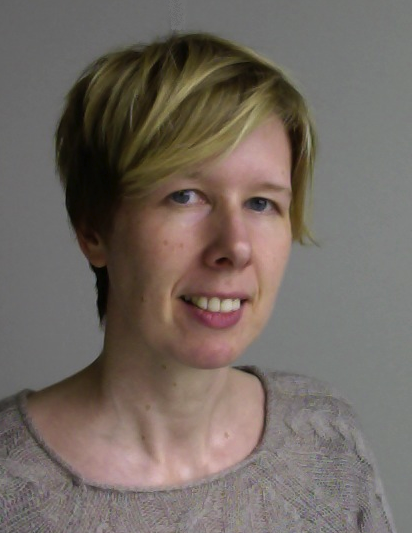
Dr. Silke Hamann is a researcher at the University of Amsterdam, Faculty of Humanities, Department of Linguistics. Her work bridges phonology and phonetics, focusing on the emergence of phonological features, perceptual cues in segmental contrasts, and the interaction of phonology with orthography and language acquisition. Current projects: diachronic loanword adaptation, congenital amusia's impact on speech perception, Bantu languages (with Nancy Kula and Laura Downing), Catalan studies (with Francesc Torres-Tamarit) Research interests span synchronic/diachronic phonology, phonetic perception, computational modeling of phonological acquisition, and cross-linguistic analysis of retroflex consonants. Her publications analyze phenomena in Korean, Japanese, Bantu languages, German, Portuguese, and Slavic languages, with recurring themes of cue weighting, phonological constraints, and orthographic influence. Recent articles highlight her focus on creaky voice diagnostics, loanword phonotactics, congenital amusia, and Bantu intonation systems. Collaborations with Nancy Kula (Bantu) and Francesc Torres-Tamarit (Catalan) underscore her international research network.
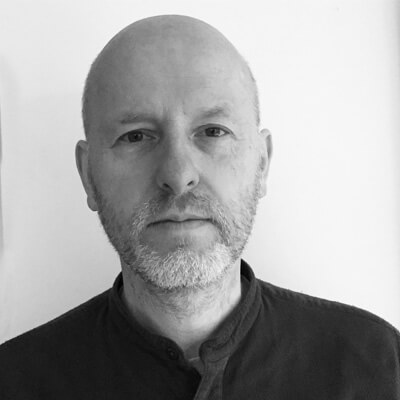
Nigel Robinson is a Senior Lecturer in Graphic Design at Bath School of Design, Bath Spa University. A founding director of the globally recognized 'Graphic Thought Facility' (GTF), he transitioned to an independent creative practice while maintaining a robust academic career. His teaching spans prestigious institutions like Central St Martins, Camberwell School of Art, and Yale University. Research and Practice: Nigel's work spans illustration, graphic design, moving image, and editorial projects. His designs have been featured in Creative Review , Baseline , and Graphics International . Notable contributions include covers for Wallpaper and Télérama magazines, focusing on themes like post-punk culture, urban studies, and handmade design. Academic Contributions: His scholarly outputs include exhibitions and publications that explore the intersection of music, typography, and visual storytelling. While specific scientific awards are not listed, his work has been recognized in major design retrospectives and cited in influential texts like 'The Birth of British Graphic Design' (Guardian, 2014). Education: Nigel holds a BA (Hons) in Graphic Design from Central St Martins and an MA from the Royal College of Art.
Roberto Cavallaro is a Professor of Psychiatry at the Faculty of Medicine and Surgery , Vita-Salute San Raffaele University . He directs the General Psychiatry Rehabilitation Unit, Day Center, and Psychotic Disorders Unit at the San Raffaele University Institute of Clinical Research in Turro. Full Professor of Psychiatry Adjunct Professor in Psychiatry and Clinical Psychology Schools Teaches at Master's and Bachelor's levels in Medicine and Psychology His research focuses on schizophrenia and psychotic disorders , spanning clinical psychopharmacology, neurobiology, genetics, brain imaging, and cognitive rehabilitation. Recent work explores the kynurenine pathway, psychedelic therapy, and multimodal biomarker integration. Key publication trends include: Cognitive impairment mechanisms and interventions Neuroinflammatory biomarkers Clozapine-related pharmacovigilance Neural connectivity models in psychosis Advances in cognitive remediation Translational approaches to psychiatric disability Scientific recognitions: Fellow of the European College of Neuropsychopharmacology (ECNP) Editorial Board Member of Schizophrenia Research: Cognition Contributed to DSM-V Italian edition As an educator, he has organized over 25 conferences on schizophrenia cognition since 2008 and led public engagement initiatives addressing mental health stigma and psychotropic drug awareness.
Maria Mercedes Eurrutia Cavero is a Professor of French Philology at the University of Murcia's Faculty of Arts and Humanities, within the Department of French, Romanesque, Italian, and Arabic Philology. She holds a Doctorate from the University of Murcia (1997), focusing on specialized French linguistics in legal and medical contexts. Her research primarily revolves around lexicology, sociolinguistics, and translation studies, with notable contributions to the study of slang, color terminology, and digital discourse in tourism. Research Interests: Her work examines lexical semantic change, sociocultural implications of language, and practical applications of specialized French. She explores how language reflects social identity (e.g., slang, color symbolism) and bridges cultural gaps through translation, particularly in festivals and gastronomy. Her recent studies address digital communication's impact on tourism lexicons. Publications: Over 15 articles since 1996, including key works on technical discourse contrast, circus lexicology, and online tourism communication. Her 2007 study on color terminology highlights language as a sociocultural artifact, while 2013's work on Internet-based tourism discourse underscores digital lexical evolution. Affiliations: Leader of the 'General and Applied French Linguistics' research group and part of the 'Translation, Lexicology, and Writing' team. She has supervised doctoral research and contributed to UNED's distance-learning French pedagogy programs.
Marco Uvietta is an Associate Professor of Musicology and History of Music at the Department of Literature and Philosophy, University of Trento. He holds a Laurea in Music Disciplines from the DAMS of Bologna (1991) and a PhD in History and Analysis of Musical Cultures from Sapienza University of Rome (1999). His academic career includes roles as a Researcher (2005–2016) and Associate Professor (2016–present) at the University of Trento. He teaches courses on Music History and Ethnomusicology and contributes to the PhD program in European Cultures. His research focuses on two main areas: 1) Musical Philology, particularly in 19th-century Italian opera (e.g., critical editions of Verdi’s Requiem and Bellini’s La straniera), and 2) Analysis of 20th-century musical language, with significant contributions on Luciano Berio’s style and compositional processes. He has authored numerous scholarly works, including books and articles on composers like Berio, Debussy, Stravinsky, and Martucci. Uvietta is actively involved in editorial projects, such as directing critical editions for Ricordi and contributing to the Rossini Critical Edition. He holds leadership roles in academic committees, including the editorial board of Il Saggiatore Musicale . His compositional works, influenced by his analytical research, have been performed by prestigious ensembles worldwide, including the Arditti Quartet and Monteverdi Cello Octet. Notable awards include recognition in composition competitions (e.g., Guido d’Arezzo International Competition), and his works span orchestral, choral, and chamber music. Uvietta’s interdisciplinary approach bridges historical musicology with contemporary compositional practice, reflecting his dual expertise as a scholar and composer.
Angelo Corallo is an Associate Professor at the Department of Experimental Medicine, University of Salento, specializing in technologies and methodologies for collaborative processes in industrial systems. His research spans Digital Business Ecosystems , Cybersecurity , and Collaborative Product Design , focusing on the interplay between technology and organizational dynamics. He leads interdisciplinary research divisions in Open Networked Business Management , Learning and Innovation , and Collaborative Product Design . Research Interests : Corallo's work integrates Information and Communication Technologies (ICT) with Business Management, particularly in Digital Twins for healthcare and manufacturing Knowledge Modeling and Ontology Engineering Industry 4.0 and Smart Manufacturing Agri-Food Sustainability through digitalization Scientific Contributions : His recent articles explore trends in Cybersecurity for Industrial IoT Metaverse Applications in business models Traceability Systems in food supply chains Collagen-Based Biomaterials from aquaponics
Alfonso Emilio Gerevini is a prominent researcher in artificial intelligence with over 30 years of continuous academic contributions. His work spans theoretical foundations of automated planning to practical healthcare applications, with recent publications demonstrating significant impact in both traditional AI domains and emerging interdisciplinary areas. His research interests focus on automated planning systems , temporal reasoning , and multi-agent coordination , with recent expansion into healthcare applications using machine learning techniques. Gerevini has made fundamental contributions to planning algorithms, particularly in width-based search, case-based planning, and privacy-preserving multi-agent planning. His work on PDDL (Planning Domain Definition Language) has been influential in standardizing planning representations. Analysis of his 15 most recent publications reveals a strategic evolution from core planning research toward impactful healthcare applications, particularly during the COVID-19 pandemic. While maintaining his expertise in planning algorithms, he has successfully integrated machine learning techniques to address real-world medical challenges including radiology report analysis, prognosis prediction, and lab test interpretation. His work demonstrates exceptional versatility across both theoretical and applied domains of artificial intelligence. Gerevini maintains a robust collaborative network, primarily with Italian researchers including Ivan Serina, Alessandro Saetti, and Luca Putelli. His publications appear consistently in top-tier AI venues including Artificial Intelligence journal, Journal of Artificial Intelligence Research, and AAAI/ICAPS conferences. The collaborative patterns suggest he leads a significant research group focused on advancing planning systems while applying them to critical real-world problems.
Gemma Catolino is an Assistant Professor at the Department of Computer Science, University of Salerno, and affiliated with the Software Engineering (SeSa) Lab. She has also served as an Assistant Professor at Tilburg University and Eindhoven University of Technology through the Jheronimus Academy of Data Science from September 2022 to December 2023, and previously as a Postdoctoral Researcher at Delft University of Technology and Tilburg/Eindhoven institutions. PhD in Computer Science, University of Salerno (2020), supervised by Prof. Filomena Ferrucci MSc in Management and Information Technology, University of Salerno (2016, magna cum laude) BSc in Computer Science, University of Molise (2014) Her research centers on empirical software engineering, focusing on both technical and social aspects affecting software development. Key areas include code smells, defect prediction, testability, changeability, and the emerging concept of “Community Smells”—social dysfunctions in developer teams. She investigates how human factors, team diversity (especially gender), and developer experience influence software quality and maintenance effort, often using mining software repositories and machine learning techniques. Her recent publications span high-impact journals and conferences such as IEEE TSE, EMSE, JSS, ICSE, and ICSME, with a strong trend toward integrating social and technical metrics for just-in-time defect prediction in mobile applications, analyzing community dynamics, and applying software quality metrics to cybersecurity contexts like dark web analysis. She has also contributed to MLOps and serverless computing. She has received several honors including a DEI research grant (2020), Best Technical Paper at BENEVOL 2019, first and second place in ACM Student Research Competitions (2018, 2017), and the Best Master Thesis award from the Italian Software Metrics Association (2017). Gemma Catolino has been actively engaged in academic service as a referee for top journals like IEEE TSE, EMSE, JSS, and IST, guest editor for special issues, and program/organizing committee member for major conferences including ICSE, MSR, SANER, and MobileSoft, where she served as Program Co-Chair in 2022. She has also contributed as a teaching assistant, lecturer, and course coordinator in machine learning and software engineering courses. She leads and contributes to research projects involving international collaborations, particularly with researchers such as Prof. Filomena Ferrucci, Prof. Andy Zaidman, Prof. Willem-Jam van den Heuvel, and Prof. Alexander Serebrenik. Her work bridges empirical software engineering with practical tool development and socio-technical analysis, positioning her at the forefront of modern software engineering research.
Krasimir Hristakiev is a Senior Lecturer at the Department of Romance Languages within the University of Veliko Tarnovo. His academic career spans over two decades, focusing on literature and theater studies with a particular emphasis on French and Bulgarian cultural intersections. Primary Affiliations: University of Veliko Tarnovo (Department of Romance Languages) Research Themes: French literature (Molière, Rabelais), Bulgarian literary theory, theater and visual studies, intertextuality, and philosophical discourse. His publications analyze the dialogue between classical and modern literary forms, with recurring themes of madness, labor, and cultural identity. Notable works include studies on Giuseppe Tornatore's cinema, Bakhtinian theory in Bulgarian contexts, and the adaptation of Molière's plays in regional festivals. Recent articles explore the blurring lines between theater and digital media , focusing on structural differences and audience engagement in virtual performances. His bibliography reflects a deep engagement with philological rigor and comparative cultural analysis. Key trends in his work include the reception of French classics in Bulgaria, stylistic evolution in literature, and the metaphorical representation of labor and death in contemporary narratives. He contributes regularly to journals like Visual Studies and Proglas .
Souadou Lagdaf is an Associate Professor of History of Islamic Countries at the Department of Humanities, University of Catania, where she also contributes to the PhD program in Heritage and Cultural Production Sciences. Since 2024, she has held a collaborative role at the Institute of Mediterranean Studies (ISMED) of the National Research Council (CNR). She previously served as Vice President of the Special Teaching Structure of Foreign Languages and Literatures of Ragusa (2020–2022) and has held research positions at the University of Catania since 2011. Education: Bachelor’s Degree in Political Science – International Politics, University of Catania, 2004 (110 cum laude) PhD in Contemporary History, Department of Analysis of Political, Social and Institutional Processes, University of Catania, 2008 National Scientific Qualification as Associate Professor (Sector 10/N1), 2018 Her research focuses on Western Sahara, the Sanusiyya brotherhood in Libya, the social anthropology of customs and religious commandments in Mauritanian society, gender studies, and immigration. She employs interdisciplinary methods combining historical analysis, oral history, and anthropological fieldwork. Her work emphasizes marginalized voices, particularly women in conflict zones and postcolonial societies. The trends in her recent publications reflect a sustained engagement with gender, decolonization, and religious interpretation in North Africa. She frequently analyzes how sacred texts are used to justify gender hierarchies and explores the socio-political dimensions of Islamic practices in postcolonial contexts. Her scholarship bridges historical inquiry with contemporary social issues, particularly in Libya, Western Sahara, and Mauritania. Scientific Memberships and Editorial Roles: Editorial Board, Meridiana (2024) Member, Centro Universitario de estudios sobre el Sahara Occidental (CESO), University of Santiago de Compostela (2022) Board of Directors, Sicilian Institute for the History of Contemporary Italy Carmelo Salanitro (ISSICO) (2018) Member, Western Sahara International Academic Observatory (OUISO) (2017) Co-Director, Editorial Series Intelligere: mediare tra identità e alterità , Agorà & Co, Lugano (2016) Lagdaf has secured multiple research grants and leads projects on gender, migration, and decolonization. She has advised students on topics such as Islamic pillars and has conducted extensive field research, including oral history collection in Sahrawi refugee camps (Algeria) and Mauritania. She actively organizes academic events, particularly on women’s issues in Islamic societies. Laboratories and Research Groups: Collaborative researcher at CNR-ISMed (Institute of Mediterranean Studies) Member of research teams on gender, migration, and postcolonial studies at the University of Catania Coordinator of the "Voci di Donne" conference series on women, peace, and subordination
Stefano Ferilli is a Professor of Computer Science at the University of Bari, Italy, where he leads the ARA (Apprendimento e Ragionamento Automatico) research lab within the Department of Computer Science. His academic roles include former Director of the Interdepartmental Center for Logic and Applications (CILA) and current head of the Artificial Intelligence & Intelligent Systems node in the CINI national laboratory. He holds a PhD in Computer Science and has been a key figure in advancing machine learning, logic programming, and digital library technologies. Education: Laurea (MSc equivalent) in Information Sciences (1996), Specialist Laurea in Computer Science (2003), and PhD in Computer Science (2001). His research focuses on foundational aspects of machine learning, multi-strategy reasoning, process mining, and applications in cultural heritage, bioinformatics, and smart environments. Research Contributions: Developed frameworks like INTHELEX (incremental theory learner), WoMan (process mining), and DoMInUS (document management). Over 370 publications, including a Springer monograph and multiple award-winning papers. Active in organizing conferences like ECML-PKDD, ICDM, and IRCDL, and serves on editorial boards of journals like Information Sciences . Projects: Led or participated in over 30 national and European projects, including EU-funded initiatives on digital libraries (COLLATE, DELOS) and AI applications. Collaborates with industries like Samsung and institutions like the Italian Police for traffic analysis and cultural heritage preservation. Awards: Recognized for outstanding peer review (MDPI, ECMLPKDD), best paper awards, and contributions to AI education and cultural heritage. Member of prestigious associations like AI*IA (Italian AI Society) and AICA (Italian Computing Society).
Lucia Busso is a Researcher at Aston University, affiliated with the Research Centre for the Humanities and the Aston Institute for Forensic Linguistics within the College of Business and Social Sciences. Her research focuses on usage-based models of language, corpus linguistics, cognitive linguistics, and experimental methods applied to forensic and sociolinguistic contexts. She holds a PhD in Linguistics from Università di Pisa (2015–2018), awarded in 2019. Her work spans topics such as valency coercion in Italian, construction grammar, forensic linguistic analysis, and corpus-driven studies of media representation. Key areas include analyzing power dynamics in online communities, legal-lay language differences, and metaphorical discourse in pandemic reporting. She contributes to interdisciplinary projects, including the development of specialized corpora like CorIELLS and the Aston Forensic Linguistic Databank (FOLD). Busso’s research highlights the intersection of cognitive and corpus-based approaches, with recent studies emphasizing forensic applications, gender-based violence representation, and sociolinguistic patterns in Italian and English. Her methodologies integrate computational tools, experimental psychology, and qualitative discourse analysis. Her articles reflect a commitment to advancing linguistic theory while addressing real-world issues like media framing, legal language, and anonymous communication dynamics. She actively engages in public outreach, such as the CorpusCast podcast episode on forensic linguistics.