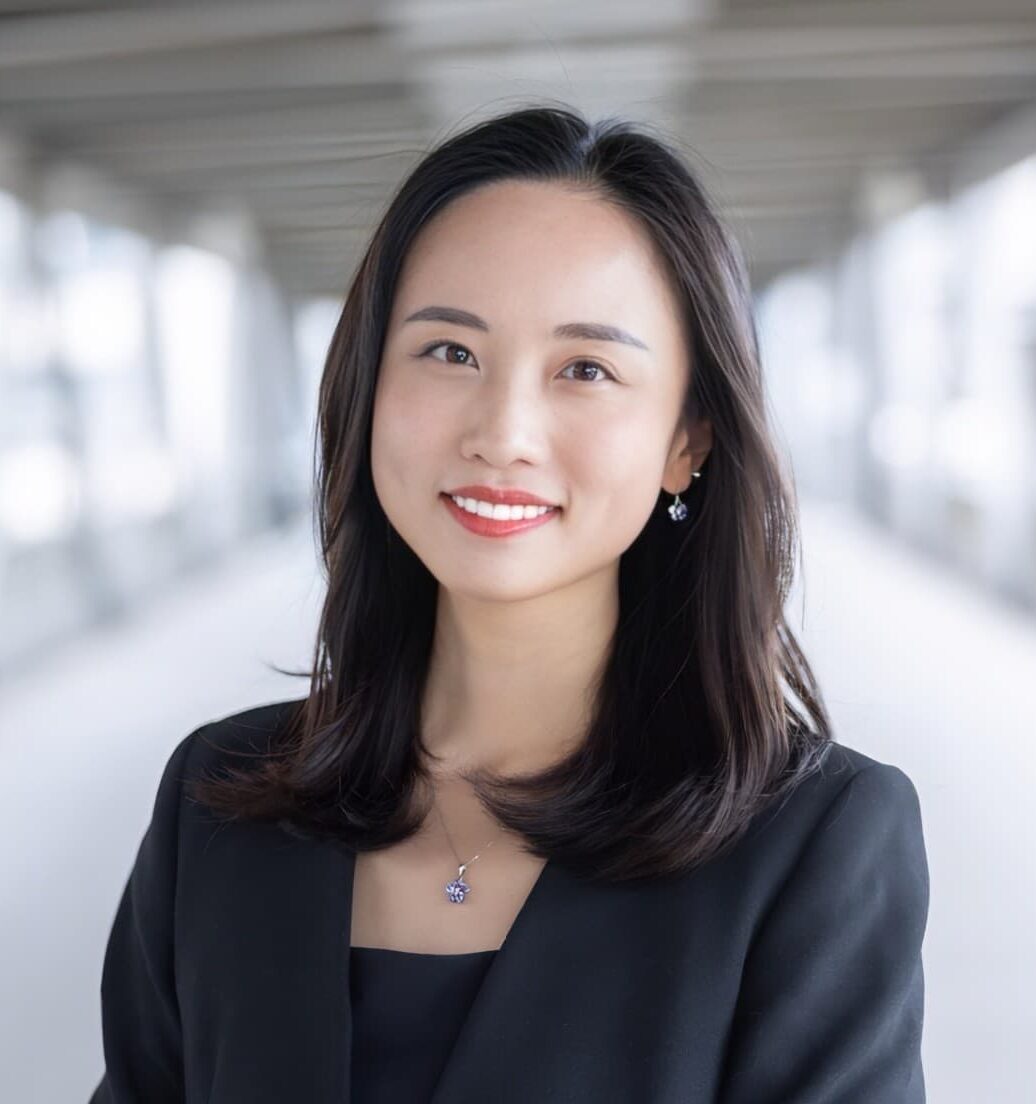
Hokyung Kay Chungمشاهده پروفایل
استادیار
Hokyung Kay Chung, PhD is an Assistant Professor in the Department of Cell Biology and Physiology at the University of North Carolina at Chapel Hill School of Medicine and a member of the UNC Lineberger Comprehensive Cancer Center. Her research program integrates synthetic biology, immunology, and cancer biology to engineer T cells for enhanced anti-tumor efficacy. Dr. Chung's research focuses on harnessing synthetic biology to reprogram T cell differentiation states for cancer immunotherapy. Her laboratory employs protein engineering, next-generation sequencing, CRISPR screening, and bioinformatics to develop three core platforms: (1) Transcription factor recipes for T cell programming using multiomics atlas-based analysis and in vivo CRISPR screening; (2) Synthetic toolkits for designer immunity including drug-inducible transcription factor circuits and signal rewiring platforms; (3) Hijacking tumors via engineered oncolytic viruses to encode immune modulators. Her work aims to create context-specific cell state programming that enhances T cell therapy efficacy across diverse cancer types. Her publication portfolio demonstrates significant contributions to synthetic immunology, with high-impact papers in Science, Nature Chemical Biology, Cell, and Immunity covering protease-based control systems, T cell differentiation engineering, and tumor microenvironment remodeling. Recent work includes developing sonogenetic CAR-T cells controllable by ultrasound and elucidating metabolic mechanisms of T cell exhaustion. K01 Research Scientist Development Award, NIH, 2023 Keystone Symposia Future of Science Fund Scholarship, 2020 Damon Runyon Fellowship Award, 2019 Salk Women & Science Special Award, 2019 Hans Neurath Outstanding Promise Travel Award, 2017 Dr. Chung leads the Chung Lab at the UNC Lineberger Comprehensive Cancer Center, where she directs research on synthetic T cell engineering. Her lab utilizes advanced techniques including single-cell CRISPR screening, protein engineering, and oncolytic virology to develop next-generation immunotherapies. Current projects focus on creating artificial T cell differentiation pathways and engineering the tumor microenvironment to support persistent anti-tumor immunity.