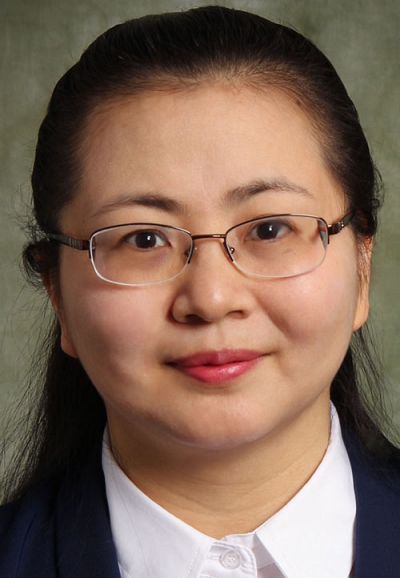
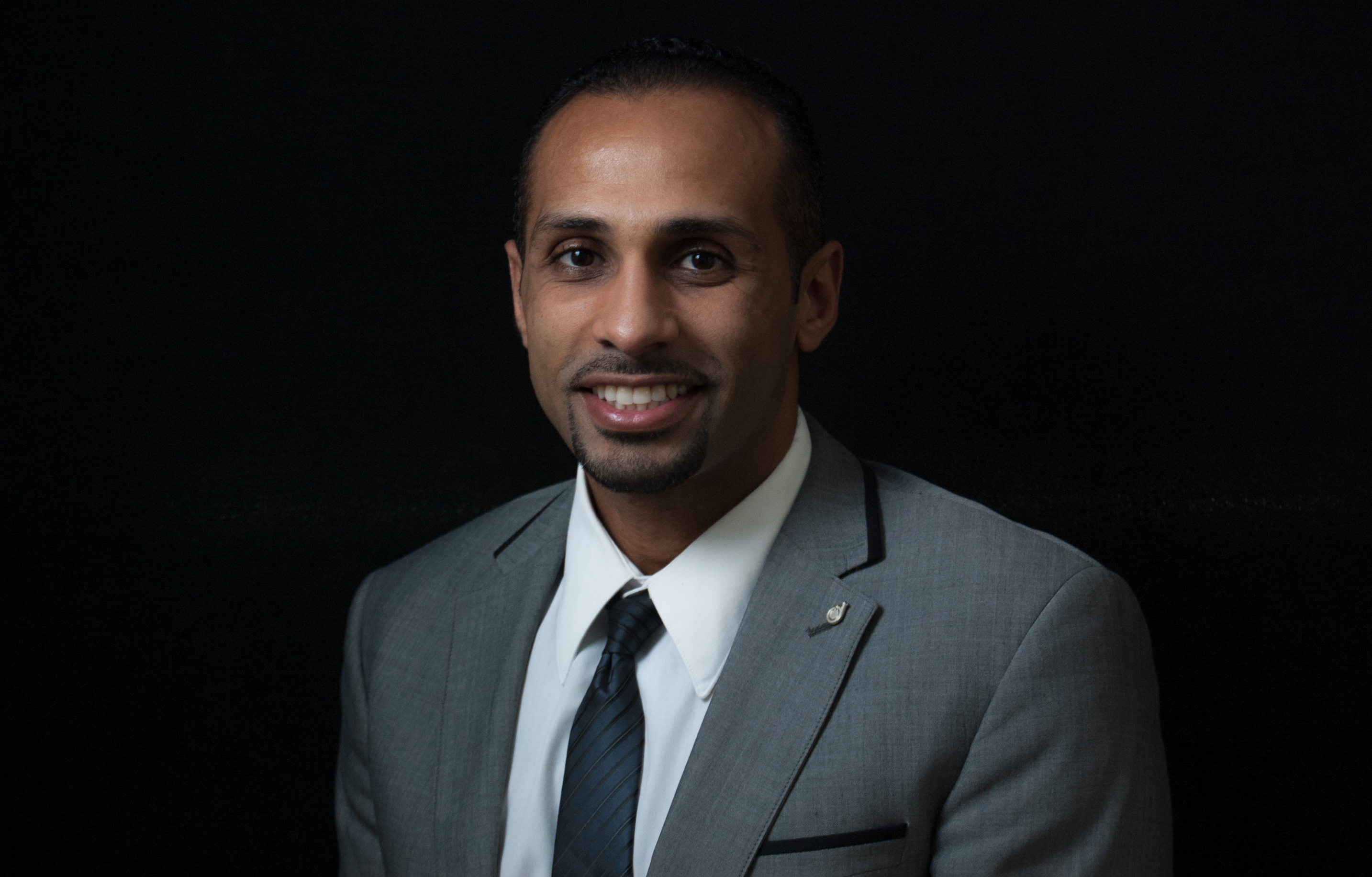
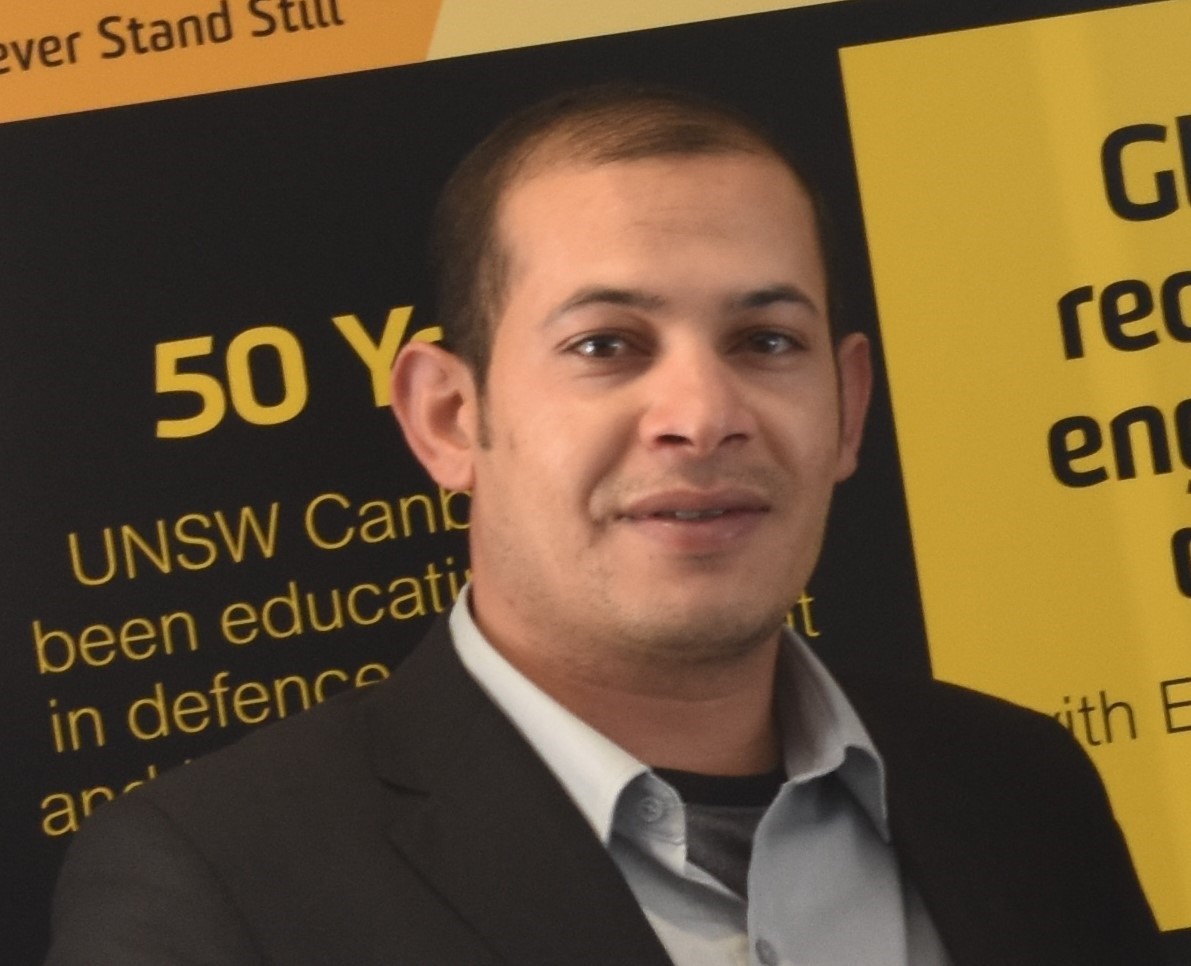
Nirupam Roy is an Assistant Professor at the Department of Computer Science, University of Maryland, College Park, and Director of the iCoSMoS research lab. His work bridges wireless networking, mobile computing, and acoustic sensing with applications in IoT, localization, healthcare, security, and wearables. Research Focus: Wireless Networking & Mobile Sensing Awards: Best paper award, MobiSys 2022 Best demo award, MobiSys 2021 CSL Ph.D. Thesis Award, UIUC 2019 Students: Nakul Garg, Yang Bai, Irtaza Shahid, Harshvardhan Takawale, Aritrik Ghosh, Ayushi Mishra, Sumbul Zehra, Justin Goodman Grants: NSF CAREER award (2023), Meta Research Award (2023)
Dr. Alain Bonneville is a Lab Fellow and Geophysicist at Pacific Northwest National Laboratory (PNNL) and holds a Courtesy Professor appointment at Oregon State University's College of Earth, Ocean, and Atmospheric Sciences. With extensive experience in geological storage of CO2, geothermal energy, and geophysical monitoring techniques, Dr. Bonneville leads diverse research projects that bridge fundamental science and practical applications for energy and environmental challenges. Dr. Bonneville's educational background includes: PhD in Geophysics from the University of Montpellier, France MS in Petroleum Geophysics from IFP-School, Paris, France BS in Geology from the University of Lyon, France Dr. Bonneville's research spans several critical areas in Earth sciences and energy systems. His work on geothermal energy focuses on super-hot enhanced geothermal systems (EGS), site characterization, monitoring, and stimulation fluids. In geological CO2 storage, he investigates project management, site characterization, numerical modeling, and monitoring methods using potential fields and remote sensing. His expertise in geophysical methods includes heat flow measurements, gravity surveys, muon tomography development for borehole deployment, and remote sensing applications. Additional research areas encompass marine heat flow instrumentation development, thermal monitoring of active volcanoes, and intraplate volcanism studies in the Indian and Pacific Oceans. Dr. Bonneville has received significant recognition for his contributions to science, including: Membership in the Washington State Academy of Sciences Lab Fellow position at Pacific Northwest National Laboratory Executive Committee membership on the U.S. National Risk Assessment Partnership Scientific Committee membership at IFP-Energies Nouvelles, France He also holds two U.S. patents related to electrophilic acid gas-reactive fluids for enhanced fracturing and recovery of energy producing materials. Throughout his career, Dr. Bonneville has led significant research initiatives, including the PNNL Carbon Sequestration Initiative (2009-2013) and the European Marie Curie Research Training Network on Greenhouse Gas Removal (GRASP), which involved 14 academic and industrial institutions across 7 countries and supported 35 PhD students and post-docs. His work on the FutureGen 2.0 project demonstrates his leadership in large-scale carbon storage site characterization and monitoring program design. Dr. Bonneville maintains active collaborations with research teams at PNNL's Environmental Molecular Sciences Laboratory and works closely with Oregon State University's geoscience researchers. His laboratory work focuses on developing novel instrumentation for geophysical monitoring, particularly in the areas of muon tomography for subsurface characterization and thermal monitoring systems for geothermal and carbon storage applications.
Ping Yang is a Professor and Associate Director for Research and Graduate Programs in the School of Computing at Binghamton University (SUNY). She holds a Ph.D. in Computer Science from Stony Brook University, an ME from the Chinese Academy of Sciences, and a BS from Zhongshan University. Her research focuses on cybersecurity, AI-based security, virtual machine security, privacy policy analysis, and formal methods. She directs the Center for Information Assurance and Cybersecurity and coordinates cybersecurity programs at both undergraduate and graduate levels. Education: BS in Computer Science, Zhongshan University ME in Computer Science, Chinese Academy of Sciences MS and PhD in Computer Science, State University of New York at Stony Brook Research Interests: Dr. Yang's work spans information and systems security, security in virtualized computing, access control mechanisms, privacy policies, and formal methods for security verification. Her projects include blockchain-based provenance storage, real-time anomaly detection in workflows, and privacy-preserving virtual machine migration. She has led NSF-funded initiatives on security in cloud environments and scientific workflows. Awards: Not explicitly listed in the provided materials. Advising & Grants: Advised over 30 PhD/Master’s students and contributed to grants including NSF Scholarship for Service and GenCyber programs. Her team develops tools like RBAC-PAT for access control analysis. Labs/Teams: Leads the Center for Information Assurance and Cybersecurity and collaborates on projects involving secure data workflows and blockchain applications in scientific research.
Kareem Ahmed is a Professor in the Department of Mechanical and Aerospace Engineering at the University of Central Florida (UCF) and a faculty member of the Center for Advanced Turbomachinery and Energy Research. He leads research in advanced propulsion and energy systems, focusing on high-speed turbulent combustion, detonations, and hypersonic technologies. His work includes groundbreaking projects in detonation-based propulsion for hypersonic flight and power generation, supported by over $17 million in grants from NASA, AFOSR, and DOE. Education: Ph.D. and M.S. in Mechanical Engineering, University at Buffalo (SUNY) B.S. in Mechanical Engineering, New York State College of Ceramics at Alfred University Research Interests: Ahmed’s expertise spans detonation dynamics, supersonic reacting flows, flow-flame control, and advanced laser diagnostics . His team explores innovations like rotating detonation engines (RDEs) and scramjet combustion systems, with applications in aerospace defense and space exploration. Awards and Recognition: AIAA Associate Fellow American Chemical Society Doctoral New Investigator Award AFOSR Summer Faculty Fellowship UCF Trustee Chair (2025–2030) Grants & Advising: PI of over $17M in research funding; mentors 145+ doctoral, master’s, and undergraduate students. Collaborates with industry leaders like GE, Aerojet Rocketdyne, and Pratt & Whitney. Labs & Teams: Director of UCF’s Center of Excellence in Hypersonic and Space Propulsion, advancing technologies for 15-minute transcontinental flight and clean rocket fuels.
Andrew Warfield is an Adjunct Professor in the Department of Computer Science at the University of British Columbia (UBC) and a Senior Principal Engineer at Amazon. His research focuses on computer systems software, including virtualization, distributed storage, security, and high-availability systems. He previously held roles as Associate Professor at UBC, CTO at Coho Data, and Technical Director at Citrix Systems. His work has led to projects like Remus (high-availability replication), Tralfamadore (execution analysis), and secure hypervisor development with Xen. Warfield's education includes a PhD from the University of Cambridge's Computer Laboratory, where he researched I/O device virtualization under Steven Hand. He has held visiting roles at Intel Research Cambridge and internships at AT&T Research and Nortel Networks. Research Grants: Supported by Intel Research, NSERC, Network Appliance, and the Communications Security Establishment. Professional Activities: Technical Advisory Board Member at Teradici, and involvement in program committees for conferences like HotOS, EuroSys, and FAST. His research emphasizes practical systems, aiming to bridge the gap between theoretical computer science and real-world applications. Notable contributions include innovations in storage for virtualized environments, secure hypervisor architectures, and disaster-tolerant systems like SecondSite. Warfield is affiliated with UBC's Department of Computer Science and maintains active collaboration with industry partners. Though currently not actively recruiting students, his prior mentorship has influenced many in systems research.
Ke Xu is a Professor in the Department of Computer Science at Tsinghua University's School of Information Science and Technology. With extensive research contributions in network security, privacy-preserving technologies, and machine learning applications for networking, Professor Xu has established himself as a leading researcher in computer science. Professor Xu's research interests span network security, privacy-preserving technologies, machine learning for networking, federated learning, internet protocols, encrypted traffic analysis, blockchain applications, and AI in networking. His work bridges theoretical foundations with practical implementations, focusing on real-world security challenges and network optimization problems. He has developed novel frameworks for secure network operations, privacy-preserving data sharing, and efficient AI deployment in distributed environments. Professor Xu's publication record shows a clear trend toward integrating artificial intelligence with traditional networking challenges. His recent work explores federated learning security, encrypted traffic analysis using deep learning, and novel approaches to network security that leverage machine learning techniques. The interdisciplinary nature of his research spans computer networking, security, privacy, and artificial intelligence. Professor Xu has received recognition for his contributions to network security and privacy-preserving technologies through publications in top-tier venues including IEEE journals, ACM conferences, and security symposia. His work has appeared in IEEE Transactions on Dependable and Secure Computing, IEEE/ACM Transactions on Networking, and security conferences like CCS and NDSS. Professor Xu actively collaborates with researchers across institutions, supervising students and junior researchers in exploring cutting-edge problems in network security and AI. His research has been supported by significant grants focusing on network security, privacy, and intelligent networking infrastructure. He leads projects that address fundamental challenges in secure communication, privacy-preserving data analysis, and intelligent network management. Professor Xu is involved with research laboratories focusing on network security and intelligent systems at Tsinghua University. His team works on developing practical security solutions, privacy frameworks, and AI-enhanced networking protocols that address real-world challenges in today's increasingly connected world.
Craig A. Bond is a Professor at the RAND School of Public Policy, a Senior Economist at RAND Corporation, and Editor-in-Chief of the RAND Journal of Economics. His work bridges military resource allocation and environmental economics through advanced econometric modeling. Current Roles: Research QA Manager (RAND Arroyo Center), Senior Economist Methodological Expertise: Stochastic dynamic programming, discrete choice modeling, non-market valuation Key Research Themes: Military readiness, coastal resilience, green infrastructure, post-disaster recovery Research Interests: Craig Bond specializes in natural resource economics , environmental economics , and applied welfare economics , with recent work focusing on: Risk modeling for defense acquisitions and personnel strategy Resilience dividend valuation frameworks Green infrastructure cost-benefit analysis Climate adaptation in coastal communities Publication Trends: His 15 most recent works (2017-2025) show interdisciplinary focus across: Military Economics: Recruiting optimization, training requirements, economic multipliers Environmental Policy: Coastal land loss, invasive species impact, water management Resilience Modeling: Disaster recovery frameworks, adaptive systems
Dr. Nour Moustafa is an Associate Professor and ARC DECRA Fellow at the School of Systems & Computing (SysCom) , University of New South Wales (UNSW) Canberra , Australia. He leads the Intelligent Security Group and focuses on developing AI/ML-driven cybersecurity frameworks for smart systems. Educated at Helwan University (BSc/MSc in Information Systems) and UNSW (PhD in Cybersecurity). Research Interests include intrusion detection, threat intelligence, privacy preservation, digital forensics, and cyber resilience, with methodologies spanning statistical analysis , machine learning , and deep learning applied to IoT , Edge/Cloud , and Industrial IoT environments. His work emphasizes federated learning for privacy preservation, blockchain for secure AI, and digital twins for network self-healing. Notable contributions include the TON-IoT , Bot-IoT , and UNSW-NB15 datasets for cybersecurity evaluation. Scientific Awards : 2020 Spitfire Memorial Defence Fellowship ACM Distinguished Speaker IEEE Senior Member He has served as guest associate editor for IEEE Transactions journals and held leadership roles in conferences like IEEE TrustCom . His research bridges academia and industry, with over 75 publications in top-tier venues.
Dr. Gualbert Oude Essink is an Associate Professor at the Faculty of Geosciences , Department of Physical Geography at Utrecht University . He is also a senior hydrogeologist at Deltares, specializing in coastal groundwater systems, saltwater intrusion, and delta sustainability. His work focuses on improving freshwater availability in vulnerable coastal zones under climate change, subsidence, and anthropogenic pressures. Dr. Essink holds a PhD in Civil Engineering from Delft University of Technology and has extensive experience in applied hydrogeology. He leads research projects globally, including in the Netherlands, Egypt (Nile Delta), Bangladesh (Kulna region), Singapore, and Vietnam (Mekong Delta). Key initiatives include GO-FRESH (Aquifer Storage and Recovery) and Rise and Fall (Mekong Delta subsidence strategies). His research integrates modeling, geophysical surveys, and stakeholder engagement. Notable areas include variable-density groundwater flow, airborne electromagnetic surveys for salinity mapping, and sustainable groundwater management. He supervises multiple PhD candidates and teaches at IHE Delft, contributing to global water education. Dr. Essink has authored over 100 peer-reviewed articles, focusing on delta sustainability, climate impacts, and groundwater systems. His work bridges academia and practice, addressing freshwater security challenges in coastal regions through innovative solutions like managed aquifer recharge and saltwater intrusion mitigation.
Dr Bastien Lechat is a Research Fellow at Flinders Health and Medical Research Institute (FHMRI): Sleep Health, within the College of Medicine and Public Health at Flinders University. He is also a Full Member of the College of Science and Engineering and the Medical Device Research Institute. As an NHMRC Emerging Leadership Fellow, he leads innovative research at the intersection of sleep medicine, artificial intelligence, and wearable technology. Education: PhD in Sleep Health, Adelaide Institute for Sleep Health, Flinders University (2018–2021) Bachelor of Engineering in Engineering Science/Acoustics, Université du Maine, France (2014–2017) Dr Lechat’s research focuses on understanding the physiological mechanisms and consequences of obstructive sleep apnea (OSA), particularly night-to-night variability and patient subtypes. He develops AI-driven tools for efficient and accurate diagnosis using wearables and signal processing. His work aims to create a scalable, low-cost model of care for sleep-disordered breathing, addressing global diagnostic gaps. His recent publications reveal a strong trend in digital health innovation, with a focus on machine learning for OSA detection, circadian rhythm modeling, cardiovascular risk prediction, and climate impacts on sleep. His research has been published in top journals including Nature Communications , Journal of Sleep Research , and Sleep Medicine , demonstrating interdisciplinary reach. Scientific Awards and Recognition: NHMRC Emerging Leadership Fellow (2023) Helen Bearpark Memorial Scholarship (2022) Emerging Research Leader Award, Flinders University (2021) Multiple early-career awards from Sleep Down Under, Australasian Sleep Association, and Adelaide Sleep Retreat Ranked in the top 5% of international authors in sleep apnea by Expertscape Dr Lechat has secured over $2.5 million in competitive research funding and actively supervises and mentors junior researchers. He serves on the program committee of the American Thoracic Society meetings and contributes to clinical guidelines. He collaborates globally with industry and academic partners to translate research into clinical practice. Laboratories and Research Teams: He co-leads the 'Novel use of digital innovations & technology development' theme at FHMRI: Sleep Health, working closely with Professor Danny Eckert. His team integrates expertise in biomedical engineering, data science, and clinical sleep physiology to advance digital sleep medicine.
Patrick McNamara is an Associate Professor at the College of Engineering , Marquette University , specializing in the intersection of environmental engineering, antibiotic resistance, and wastewater treatment technologies. Ph.D., Civil Engineering, University of Minnesota (2012) M.S., Environmental and Water Resources Engineering, University of Texas at Austin (2008) B.S., Civil Engineering (Minor: Spanish for the Business Professions), Marquette University (2006) His research focuses on: Environmental antibiotic resistance dynamics PFAS mitigation via pyrolysis and electrochemical treatments Biosolids processing and reuse strategies Consumer chemical impacts on microbial water systems Recent publications analyze corrosion inhibitor effects on resistomes, QACs during pandemics, and electrochemical PFAS removal mechanisms. Grants from the National Science Foundation and industry partners fund his work on antibiotic resistance mitigation and contaminant removal processes. Scientific awards include: OCOE Outstanding Researcher Award (2022) Way Klingler Young Scholar Award (2018) Excellence in Review Award (2017) WEF Canham Graduate Studies Scholarship (2010) McNamara leads the McNamara Research Group , developing innovative treatment processes like electrocoagulation-peroxidation and pyrolysis systems. His work addresses: Activated sludge foaming challenges Greywater treatment optimization Stormwater resistome characterization UV-based resistance mitigation
Dr. Ahmad Ghafarian is a Professor of Computer Science in the Mike Cottrell College of Business at the University of North Georgia (UNG), where he has served for over 20 years since 1996. He is a dedicated educator who emphasizes positive teacher-student relationships and has taught a wide range of undergraduate and graduate courses in computer science and cybersecurity. His educational background includes: Ph.D. in Computer Science, University of Glasgow, UK, 1982 M.S. in Computer Science, University of Glasgow, UK, 1974 B.S. in Mathematics, Ferdowsi University of Mashhad, Iran, 1970 Postdoctoral Studies in Information Security, University of Maryland University College, 2007 Graduate Certificate in Information Security, Purdue University, 2003 Dr. Ghafarian's research focuses on digital forensics and cybersecurity, with expertise in computer forensics, malware detection, cloud security, social media privacy, and SQL injection attacks. His work involves empirical studies of security tools and protocols, advancing forensic methodologies and security practices through rigorous experimentation and analysis. His publication record demonstrates a clear evolution from foundational computer science education topics in the 1990s to specialized cybersecurity research since the mid-2000s. Current work emphasizes memory forensics for social media platforms, ransomware detection mechanisms, connected vehicle security, and VoIP system vulnerabilities, reflecting his adaptation to emerging technological threats. No scientific awards were explicitly mentioned in the source material. Dr. Ghafarian has developed comprehensive curricula across 15+ graduate and undergraduate courses including cybersecurity capstones, network security, and computer forensics. His teaching innovations include semester-long projects, ethical case studies, and practical lab components using tools like Kali Linux. While specific grant funding isn't documented, his extensive publication record and curriculum development demonstrate sustained research engagement and academic leadership.
Nicola Dragoni is a Professor in Cybersecurity Engineering at the Department of Applied Mathematics and Computer Science, Technical University of Denmark (DTU). As Deputy Director and Head of Section, he leads research initiatives focused on securing emerging technologies. Key Research Areas : Internet of Things (IoT) security, machine learning for intrusion detection, cyber-deception techniques, fog computing, malware analysis, blockchain applications, and wireless sensor network security. Supervision : Actively supervising multiple PhD students in projects related to cyber-deception, moving target defense, and bio-inspired security mechanisms. Recent Publications : Contributions to IoT honeypots, drone identification via RF signals, passkey adoption challenges, and cyber range taxonomies.
Dr. George O'Mahony serves as Head of Department of Computer Science at Munster Technological University (MTU) and is a CONNECT Associate Investigator with Research Ireland. He leads Ireland's Cyber Range infrastructure development and acts as WorldSkills Ireland Expert for Cybersecurity Skill 54, driving national cybersecurity initiatives through academia-industry collaboration. Education: B.E. in Electrical and Electronic Engineering, University College Cork (UCC) Ph.D. in Electrical and Electronic Engineering, University College Cork (UCC), 2021 His research pioneers cyber resilience frameworks for OT/IoT systems, zero-trust architectures, and machine learning applications in anomaly detection. He develops low-complexity security solutions for resource-constrained edge devices, with emphasis on wireless sensor networks, GPS applications, and penetration testing methodologies. His work bridges theoretical innovation with practical infrastructure implementation. Recent publications reveal accelerating focus on quantum-resistant cryptography, MQTT-ZT secure brokers, and unified cyber resilience models. His scholarly output consistently addresses interference detection in wireless networks while expanding into satellite communications security and AI-driven network customization, reflecting strategic adaptation to emerging cyber threats. Research Leadership: CONNECT: Associate Investigator advancing cyber security research NCF Cyber Shock: Co-Principal Investigator Cyber Explore: Principal Investigator at MTU Cyber Range: National infrastructure lead (mobile/cloud) Horizon Telemetry: Core research team member As STEM advocate and Cyber Futures Academy contributor, O'Mahony shapes cybersecurity education through WorldSkills Ireland engagement and industry-focused cyber range deployments that serve academic, governmental, and commercial sectors.
Reza Etemad is a Professor at EHL Hospitality Business School (part of HES-SO), specializing in marketing and hospitality technology. His research focuses on human-robot interaction, healthcare technologies in elderly care, and the application of technology in service delivery. He has led multiple projects funded by HES-SO and private partners, including studies on service robots' ethical implications, connected health technologies for seniors, and virtual agents in B2B/B2C contexts. Notable achievements include extending the Technology Acceptance Model (TAM) to healthcare and robotic service contexts, analyzing cultural impacts on online shopping risks, and investigating customer perceptions of revenue management practices in restaurants. He has published widely in journals such as International Journal of Hospitality Management and International Journal of Social Robotics , with a focus on bridging technological advancements and human-centric service solutions. Education: BSc in Hospitality from EHL. Key Projects (2010-2021): Led projects totaling over 298,600 CHF, including studies on robot ethics, smart home healthcare, and virtual agent impacts on B2B platforms. Awards: None explicitly listed, though his impactful research has driven industry-relevant insights. Labs/Teams: Collaborates with researchers like Justine Gentinetta and Valentina Clergue on robotics and healthcare tech. Partnerships include Touchmind for B2B digital solutions. Future Work: Expanding studies on AI ethics in service robots, sustainable healthcare technologies, and post-pandemic digital education strategies. His work emphasizes balancing technological innovation with ethical considerations, particularly in preserving human interaction's role in healthcare and hospitality sectors.