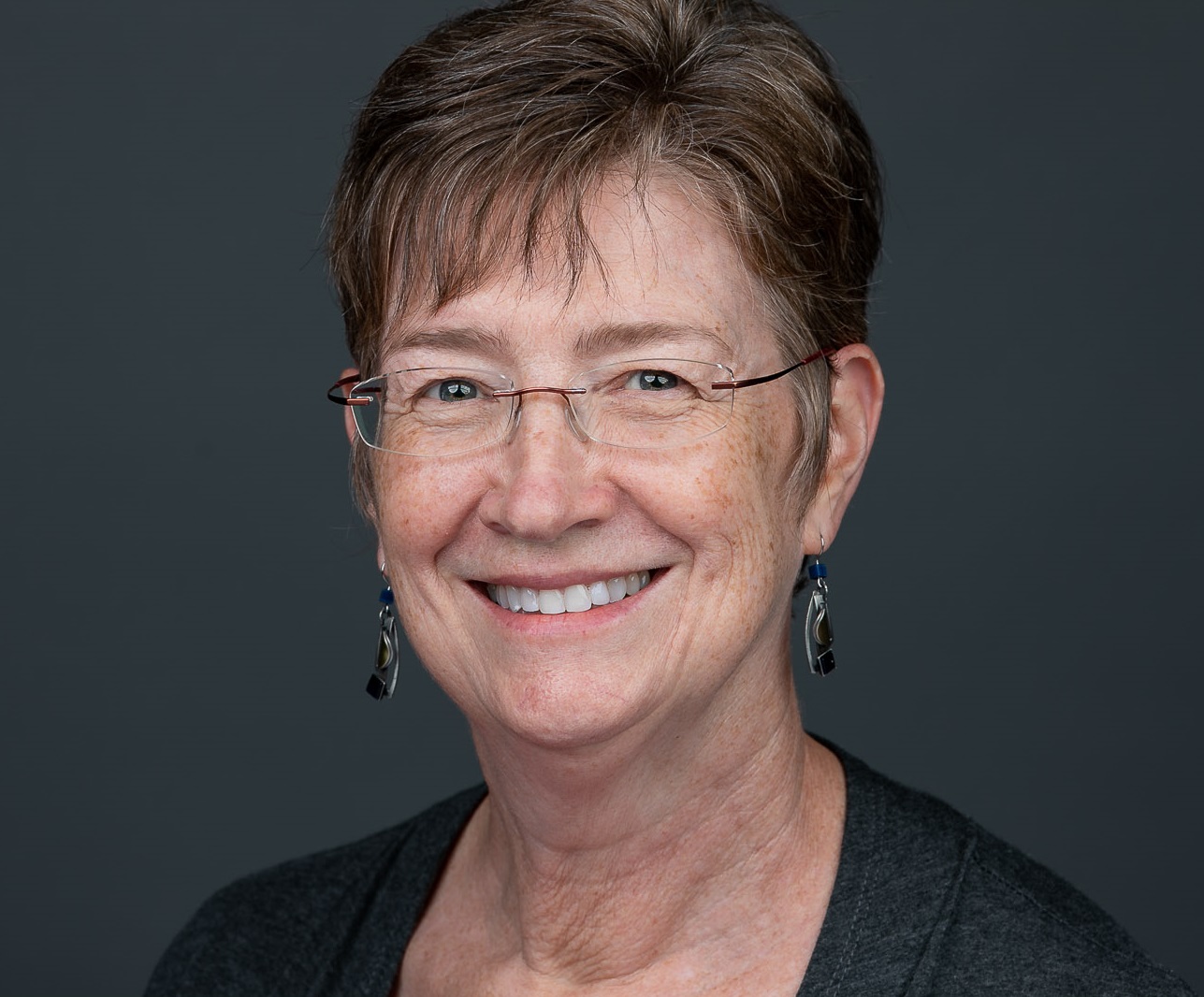
Martin T. Wells is the Charles A. Alexander Professor of Statistical Sciences at Cornell University, with joint appointments in the Department of Statistical Science, Department of Biological Statistics and Computational Biology, Department of Social Statistics, and as Professor of Clinical Epidemiology and Health Services Research at Weill Medical School. He serves as Editor-in-Chief of the ASA-SIAM Book Series and Co-Editor of the Journal of Empirical Legal Studies. Cornell University, Ithaca, NY Weill Cornell Medical College Research Interests span applied and theoretical statistics, Bayesian methods, biostatistics, clinical epidemiology, and computational biology. His work bridges disciplines like finance, legal studies, and health services research. Article Trends highlight advancements in Bayesian modeling, quantum cognition machine learning, tensor analysis, and misclassification correction, with applications in genomics, finance, and public health. Fellow of the American Statistical Association Fellow of the Royal Statistical Society Contributions include developing statistical software (e.g., rTensor), methodological innovations in clinical trials, and empirical legal studies on civil rights and the death penalty.
Prof. Waldemar Kolanus leads the Molecular Immunology and Cell Biology department at the University of Bonn's Life & Medical Sciences Institute (LIMES) . His research bridges immunoregulation , stem cell dynamics , and metabolic stress responses in immune cells. Unit 2 member at LIMES Principal investigator in SFB 704 and ImmunoSensation Cluster Leads a multidisciplinary lab with postdocs, PhD students, and technical staff His work focuses on intracellular signaling pathways connecting immune activation to tissue homeostasis, particularly through: Cytohesin proteins in integrin-mediated adhesion and migration TRIM71 in stem cell regulation and congenital hydrocephalus High-salt environments affecting macrophage function Publication trends show expertise in immune cell migration , genetic models , and chemical inhibition , with frequent use of mice and zebrafish for in vivo studies. Key articles explore: TRIM71's dual role in auditory development and germ cell maintenance Cytohesin family's Golgi regulation and insulin signaling Ruxolitinib's off-target migration inhibition of dendritic cells Contact details: Address: LIMES Institute, Carl-Troll-Straße 31, Bonn Email: kolanus.sekretariat@uni-bonn.de Phone: +49 228 73-62788
Professor Guy Williams is a leading academic at the University of Cambridge with a focus on imaging science and clinical neurosciences, affiliated with Downing College and the Wolfson Brain Imaging Centre . Holding a PhD in Physics from his initial Natural Sciences degree, he specializes in nuclear magnetic resonance (NMR) and MRI techniques for brain imaging. Education: BA, PhD in Physics His research centers on non-invasive imaging of brain structure and function, particularly in traumatic brain injury (TBI) and dementia. His work involves developing novel MRI pulse sequences and advanced data analysis algorithms, including AI-based diagnostic tools. He leads studies on white matter integrity post-trauma, longitudinal dementia assessment, and applications of MRI in disorders of consciousness and addiction. Recent publications highlight collaborations in traumatic brain injury outcomes, AI-guided dementia prediction, and neuroimaging of post-COVID cognitive deficits. His team's work on ultra-high field laminar fMRI and distortion correction methods has advanced clinical neuroscience applications. Key techniques include diffusion tensor imaging (DTI), 7 Tesla MRI, and positron emission tomography (PET/MR). His research spans from basic NMR physics to clinical translation, with a strong emphasis on multi-site studies and real-world diagnostic implementation.
Sanjay Jain is a Provost's Chair Professor in the Department of Computer Science at the School of Computing, National University of Singapore (NUS). His research focuses on theoretical computer science with particular emphasis on inductive inference, recursion theory, complexity theory, and computational learning theory. Education: B.Tech. in Computer Science from Indian Institute of Technology Kharagpur, India (1986) M.S. in Computer Science from University of Rochester, USA (1988) Ph.D. in Computer Science from University of Rochester, USA (1990) Professor Jain's research spans multiple areas of theoretical computer science. His primary contributions are in computational learning theory, where he has made significant advances in understanding the intrinsic complexity of language identification and the limits of inductive inference. His work on recursion theory explores fundamental questions about computability and complexity, while his research in complexity theory addresses structural aspects of computational problems. A notable achievement was his work on "Deciding Parity Games in Quasipolynomial Time," which won the prestigious STOC 2017 best paper award and later the EATCS-IPEC Nerode Prize. Professor Jain's publication record shows a consistent focus on theoretical foundations of computer science, particularly in learning theory and computational complexity. His recent work has expanded into automatic structures, semiautomatic models, and connections between computational learning and algebraic structures. There is a clear progression from foundational work on language identification to more complex models involving automatic functions, transducers, and connections to mathematical logic. Scientific Awards: STOC 2017 Best Paper Award for "Deciding Parity Games in Quasipolynomial Time" EATCS-IPEC Nerode Prize (2021) Professor Jain has served on the editorial board of Information and Computation and has been actively involved in the academic community through program committee memberships for major conferences including COLT, ALT, LATA, TAMC, and PRICAI. He has held leadership roles as program co-chair for ALT 2000 and ALT 2013, and conference chair for ALT 2005. His work has been supported by various research grants, though specific details are not provided in the available materials. Professor Jain leads research in theoretical computer science at NUS, where he has built a strong research group focused on computational learning theory and related areas. His work often involves collaborations with researchers from around the world, particularly with Frank Stephan, with whom he has co-authored numerous papers. His research group has made significant contributions to understanding the fundamental limits and possibilities of computational learning models.
Dimitris Samaras is a SUNY Empire Innovation Professor in the Department of Computer Science at Stony Brook University, affiliated with the College of Engineering and Applied Sciences. He leads the Computer Vision Lab and holds adjunct roles in Biomedical Informatics and Radiology. His research focuses on computer vision, machine learning, medical imaging, and computational behavioral sciences, with interdisciplinary collaborations in psychology and neuroscience. Education: Ph.D. in Computer Science (University of Pennsylvania, 2001), M.S. in Computer Science (Northeastern University, 1994), Diploma in Computer Engineering (University of Patras, Greece, 1992). Research Interests: Modeling 3D shape and illumination interactions, facial expression analysis, medical image analysis, and applying machine learning to brain imaging. Current funded projects include NIH/NIDA grants, NSF initiatives, and collaborations with institutions like Brookhaven National Lab and Adobe. Publications: Over 150 peer-reviewed papers in top venues like ICCV, CVPR, and MICCAI, with impactful work on shadow removal, face relighting, and digital pathology. Recent trends emphasize medical AI, generative models, and multimodal interactions. Awards: SUNY Chancellor’s Award (2018), Dean’s Millionaire’s Club (2016), and multiple NIH/NSF grants. Recognized for contributions to scholarship and creative activities in academia. Grants & Teams: Leads over $10M in active grants, including projects on AI for penguin population tracking, histopathology image analysis, and robotic assistance. Collaborates with interdisciplinary teams in medicine, engineering, and cognitive science. Labs & Initiatives: Directs the Computer Vision Lab, contributes to the ColdSteel/NSF CVDI-NY SPIR consortium, and co-leads the Sensor and Transportation Security Center with Farmingdale State College.
Dr. Barbara L. Hempstead is a Professor of Neuroscience and Medicine at Weill Cornell Medical College, where she has held positions since 2001 and 2002 respectively. Her research focuses on neurotrophin signaling mechanisms, particularly the roles of BDNF and its receptors in neuroinflammation, synaptic plasticity, and neurodegenerative diseases. She has made significant contributions to understanding proBDNF/proNGF signaling pathways in neuronal apoptosis and vascular biology. Education: M.D., Ph.D., Washington University School of Medicine (1982) B.A., Tufts University (1976) Dr. Hempstead's work bridges molecular neuroscience and cardiovascular biology, with a particular interest in receptor stoichiometry (p75NTR, TrkB), neurotrophin-induced synaptic remodeling, and therapeutic applications of neurotrophin modulators in Huntington's disease and post-seizure neuronal injury. Her lab investigates how genetic variants like BDNF Val66Met influence anxiety-related behaviors, social memory, and neurodegenerative disease progression through altered neurotrophin trafficking and signaling. Her recent publications highlight neuroinflammatory mechanisms (2023), immune-neurotrophin interactions (2022), and molecular pathways involving BDNF prodomain structure (2020) and SorCS2-mediated receptor trafficking (2017-2020). While no scientific awards are explicitly mentioned in the scraped text, her funded research (National Institute on Aging, NIMH) demonstrates sustained recognition of her work in neurotrophin biology. Dr. Hempstead's lab develops in vitro and in vivo models to study neurotrophin-receptor dynamics, including 3D culture systems for angiogenesis research and transgenic mouse models for Huntington's disease. Her interdisciplinary approach combines molecular neurobiology with vascular physiology to uncover novel therapeutic targets for neurological and cardiovascular conditions.
Prof. Dr. Roderick Lim is an Associate Professor at the Biozentrum, University of Basel , where he leads a research group since 2014. His work bridges biophysics, nanotechnology, and molecular biology , focusing on the nuclear pore complex (NPC) and mechanobiology of cells . He develops biomimetic systems for selective molecular transport and ARTIDIS , a nanomechanical tissue diagnostic platform commercialized for breast cancer prognosis . Education : BSc (UNC Chapel Hill), PhD (NUS/IMRE Singapore), Postdoc (Swiss Nanoscience Institute) Positions : Argovia Professor (2014–present), Tenure Track Asst. Prof. (2009–2013), Postdoc (2004–2008) His research on NPC transport selectivity reveals how karyopherins modulate the FG Nup barrier via multivalent interactions, with implications for viral entry and Alzheimer’s disease . His ARTIDIS platform uses atomic force microscopy to detect cancer via tissue softness, linking hypoxia to metastasis . Recent 2025 publications explore bacterial nanoharpoon defense mechanisms and DNA origami-based NPC mimics . Scientific Awards : Pierre-Gilles de Gennes Prize (2008), A*STAR Fellowship (2004) Collaborations : NCCR Molecular Systems Engineering, NanoTera, KTI He mentors PhD students in institutions across Switzerland, Singapore, Sweden, and the UK , with alumni working on polymersome delivery, mechanotransduction, and pathogen transport . His lab pioneered high-speed atomic force microscopy for real-time NPC dynamics and plasmonic nanopores for synthetic biology applications.
Xin Lu is the John M. and Mary Jo Boler Collegiate Associate Professor in the Department of Biological Sciences at the University of Notre Dame. She is a full member of the Harper Cancer Research Institute (HCRI), the Boler-Parseghian Center for Rare and Neglected Diseases (CRND), and the Tumor Microenvironment and Metastasis Program at the Indiana University Simon Comprehensive Cancer Center. Her research spans tumor immunology, immunotherapy, metastasis, and multi-omics, with a focus on prostate, breast, and rare cancers. Ph.D. in Molecular Biology, Princeton University (2004–2010) B.S. in Biological Sciences, Tsinghua University, China (2000–2004) Postdoctoral Fellow, Dana-Farber Cancer Institute and M.D. Anderson Cancer Center (2010–2016) Assistant to Associate Professor, University of Notre Dame (2017–Present) Dr. Lu's research investigates the molecular and cellular mechanisms of tumor-immune crosstalk, particularly the role of myeloid-derived suppressor cells (MDSCs) and neutrophils in promoting immunotherapy resistance. Her lab uses genetically engineered mouse models, functional genomics, single-cell and spatial transcriptomics, and high-throughput screening to uncover novel therapeutic targets. A major focus is on how cancer-cell-intrinsic oncogenic signaling shapes the immunosuppressive tumor microenvironment. Her recent publications reveal mechanisms such as Acod1-mediated ferroptosis resistance in neutrophils, Pygo2-driven immunosuppression in prostate cancer, and the efficacy of ketogenic diets in overcoming checkpoint blockade resistance. These studies span multiple disciplines including cancer biology, immunology, metabolism, epigenetics, and bioengineering, reflecting a highly integrative approach to immuno-oncology. Jane Coffin Childs Postdoctoral Fellow John M. and Mary Jo Boler Faculty Appointment Cluster Chair, Cellular & Molecular Biology, IBMS PhD Program Junior Chair, Boler-Parseghian Center for Rare and Neglected Diseases Dr. Lu mentors a diverse team of graduate students, postdoctoral fellows, and undergraduates. Her lab is actively recruiting and has secured funding from federal agencies and private foundations. She collaborates with chemists, bioengineers, and bioinformaticians to develop novel therapeutics, including antibody-drug conjugates, CAR-NK cells, and small-molecule inhibitors. Her lab also develops innovative platforms like mini-tumor chips for immunotherapy evaluation. Her lab maintains affiliations with multiple interdisciplinary centers including the Warren Family Center for Drug Discovery, Eck Institute for Global Health, and Berthiaume Institute for Precision Health, underscoring her collaborative and translational research vision.
Dr. Zhi-Ping Feng is a Bioinformatician at the John Curtin School of Medical Research (JCSMR), Australian National University (ANU). Her research focuses on integrating omics data with protein structure-function relationships to study interactions between macromolecules. She has expertise in analyzing genomic and transcriptomic data (e.g., RNA-Seq, ChIP-Seq) and protein structure determination via nuclear magnetic resonance (NMR) spectroscopy. Previously, she held a Senior Research Fellow position at the Walter and Eliza Hall Institute (WEHI) from 2009, working on quality control in omics research and genomic data analysis. Her postdoctoral work at WEHI (2002–2005) involved structural biology of malaria-related proteins, supported by an Australian Postdoctoral Fellowship. She holds a PhD in protein bioinformatics from China and a physics background from Peking University. Education: PhD in Protein Bioinformatics (China) Bachelor’s in Physics, Peking University Research Interests: Her work bridges computational biology and structural biology, with emphasis on: Intrinsically unstructured proteins (IUPs) and their applications in malaria proteomics Omics data integration for disease modeling (e.g., cancer, diabetes, neurodegeneration) Protein-protein interaction networks and structural bioinformatics Publications: Recent work spans cancer immunotherapy, miRNA regulation in retinal degeneration, and T cell biology, with contributions to understanding Wnt signaling in joint replacement complications and genetic fusions in pediatric brain tumors. Awards: Australian Postdoctoral Fellowship (2005) Grants/Teams: Currently affiliated with ANU Bioinformatics Consultancy, supporting translational medical research in immunology, cancer, and genomics. Labs/Teams: Collaborates with the JCSMR’s multidisciplinary teams focusing on biomedical informatics and translational research.
Justin Milner, PhD, serves as Assistant Professor in the Department of Microbiology and Immunology at the University of North Carolina at Chapel Hill School of Medicine and is a member of the UNC Lineberger Comprehensive Cancer Center. His research develops novel approaches to enhance cancer immunotherapies through multi-omics and bioengineering techniques. Education: Postdoctoral Fellowship, UCSD PhD, UNC Chapel-Hill BS, UNC Chapel-Hill Dr. Milner's lab investigates molecular drivers of T cell differentiation and function within tumor microenvironments, utilizing cutting-edge genomics, bioengineering, and computational immunology. His work focuses on reprogramming T cell activity to overcome immunotherapy resistance in cancers, with particular emphasis on epigenetic regulation and metabolic adaptations of tumor-infiltrating lymphocytes. Recent projects explore hydrogel-based delivery systems for immunotherapeutics and transcriptional networks governing T cell exhaustion. Analysis of his 15 most recent publications reveals dominant themes in cancer immunotherapy enhancement, particularly through T cell engineering (7/15 articles), tumor microenvironment modulation (5/15), and computational approaches to T cell biology (3/15). Key methodologies include single-cell multi-omics, in vivo screening, and biomaterial-based drug delivery systems targeting solid tumors. Scientific Awards: NIH NCI K99/R00 Pathway to Independence Award V Foundation Scholar Award Lung Cancer Initiative Career Development Award UNC Lineberger Innovation Award Multiple institutional pilot awards including Hirschberg Foundation and Mary Kay Ash Awards Dr. Milner currently advises three graduate students and multiple postdoctoral researchers while leading an NIH-funded R01 project ($2.79 million) investigating epigenetic regulation of T cell exhaustion. His lab maintains active collaborations across computational medicine and pancreatic cancer research programs at UNC. The Milner Lab operates within the UNC Lineberger Comprehensive Cancer Center, utilizing core facilities for single-cell genomics, murine tumor modeling, and bioengineering. Current team includes seven researchers focused on T cell reprogramming strategies for solid tumor immunotherapy.
Leanna Hernandez, Ph.D., is Assistant Professor-in-Residence in the Department of Psychiatry and Biobehavioral Sciences at the David Geffen School of Medicine, University of California, Los Angeles. She directs the Hernandez Lab and can be reached at leannahernandez@ucla.edu . Her research integrates multimodal neuroimaging with large-scale genetics to uncover mechanisms underlying autism spectrum disorders, sex differences in brain development, and the role of immune–neurodevelopment pathways such as the complement system. Core themes include: Mapping how common genetic variation shapes brain structure and function across development. Identifying neural signatures that explain the female protective effect in ASD. Elucidating interactions between sleep physiology and brain maturation in youth. Across more than 40 peer-reviewed publications (2012-2023) she has leveraged data from the Adolescent Brain Cognitive Development (ABCD) Study, the GENDAAR Consortium, and multiple international biobanks, generating insights into white-matter microstructure, functional connectivity, and transcriptomic correlates of psychiatric traits. Scientific collaborations span UCLA, UC San Diego, University of Queensland, and the Busselton Health Study, reflecting an interdisciplinary approach that combines neuroimaging, genomics, lipidomics, and behavioral phenotyping. Dr. Hernandez’s laboratory website ( hernandezlabucla.org ) provides further resources, although specific trainees, grants, and awards are not detailed in the supplied text.
Vicki H. Wysocki is Professor and Chair at Georgia Institute of Technology, leading pioneering research in mass spectrometry and structural biology. Her work focuses on developing advanced techniques to study protein complexes, proteomics, and metabolomics, with her research group maintaining an active presence at major conferences including ASMS 2024 and preparations for ASMS 2025. Her educational background includes: B.S. in Chemistry from Western Kentucky University (1982) Ph.D. in Chemistry from Purdue University (1987) Postdoctoral research at Purdue University (1987) and National Research Council/Naval Research Lab (1988-1989) Dr. Wysocki's research spans four interconnected areas: (1) development of surface-induced dissociation (SID) on commercial mass spectrometry platforms; (2) native mass spectrometry-guided structural biology for studying large protein-protein complexes; (3) multi-omics approaches integrating proteomics and metabolomics with genomics for biomarker discovery; and (4) determination of peptide structures using IR action spectroscopy. Her work bridges analytical chemistry, biochemistry, and structural biology to address fundamental protein science questions. Analysis of her recent publications reveals a strong focus on advancing native mass spectrometry techniques, particularly surface-induced dissociation, for structural characterization of protein complexes. Her work increasingly integrates multi-omics approaches to study bacterial pathogenesis, with emphasis on Salmonella infection mechanisms, while also exploring innovative instrumentation development for structural biology applications. Dr. Wysocki has received numerous prestigious awards: 2022 Thomson Medal from the International Mass Spectrometry Foundation 2022 ACS Division of Analytical Chemistry Award 2017 ACS Field and Franklin Award for Outstanding Achievement in Mass Spectrometry 2016 OSU Excellence in Biochemistry Award 2009 Distinguished Contribution to Mass Spectrometry Award from ASMS She actively mentors numerous graduate students and postdoctoral researchers, with current lab members including Kristie Baker, Yuan Gao, and Philip Lacey. Her research is supported by multiple NIH grants, enabling cutting-edge instrumentation development and biological applications. The Wysocki Group maintains strong collaborations across disciplines, particularly in microbiology and structural biology. The Wysocki Research Group operates state-of-the-art mass spectrometry facilities at Georgia Tech, including specialized instrumentation for native mass spectrometry and surface-induced dissociation. The group actively develops new methodologies and maintains the website nativems.gatech.edu as a resource for the mass spectrometry community, demonstrating continued leadership at the intersection of technology development and biological discovery.
Dr. Steven Jacobsen is a Professor in the Molecular, Cell, and Developmental Biology Department at the University of California, Los Angeles (UCLA), where he leads the Jacobsen Lab. His work focuses on epigenetic inheritance and gene regulation in Arabidopsis thaliana and mammalian stem cells, utilizing genetic screens, genomics, epigenomics, and biochemical approaches. The lab also pioneers CRISPR-mediated genome editing techniques. University: University of California, Los Angeles Department: Molecular, Cell, and Developmental Biology Research Interests: Jacobsen's research spans multiple interconnected domains in epigenetics, including DNA methylation patterning, histone modification interplay, and transposable element silencing. His team investigates how chromatin structure influences gene expression and epigenetic inheritance, with applications from plant development to human health. Key areas include: CRISPR-based epigenetic modifications RNA-directed DNA methylation (RdDM) mechanisms Chromatin compaction via MORC proteins Histone variant functions in methylation Transposon control in plant genomes Comparative epigenomics across species Advising Legacy: Over two decades, Dr. Jacobsen has mentored 21 former lab members who now hold academic and industry positions globally, including professors at Chinese Academy of Sciences, University of Georgia, and Southern University of Science & Technology. His lab's publications reveal a consistent focus on DNA methylation dynamics, chromatin remodeling, and small RNA pathways, with recent work emphasizing CRISPR innovations and structural insights into epigenetic regulators.
Dr. Isabel ML Saur is a research group leader at the Institute for Plant Sciences, Faculty of Mathematics and Natural Sciences, University of Cologne. She leads the Saur Lab which focuses on plant-pathogen interactions, particularly the mechanisms employed by the powdery mildew fungus Blumeria hordei to colonize barley. Her research contributes significantly to understanding plant immunity and pathogen recognition mechanisms. Dr. Saur was trained as a Laboratory Assistant in Stuttgart-Hohenheim and completed her undergraduate studies in Biotechnology at the Applied Science University Esslingen am Neckar. She developed her interest in plant sciences during placements at the Research School of Biology, The Australian National University (ANU), Canberra. She earned her PhD in plant immunity from ANU in 2015 and subsequently joined the Max Planck Institute for Plant Breeding Research (MPIPZ) in Cologne. In 2020, she was granted a prestigious DFG Emmy Noether group leader position, establishing her independent research group. Dr. Saur's research focuses on cellular recognition mechanisms in plant immunity, signal transduction pathways linking receptor-mediated recognition to host physiology, and pathogen strategies for immune evasion and effector-mediated immune suppression. Her lab uses the interaction between barley ( Hordeum vulgare ) and the barley powdery mildew fungus Blumeria hordei as a primary model system, complemented by studies in Arabidopsis thaliana and Nicotiana benthamiana to explore both conserved and lineage-specific features of immunity in monocots and dicots. Analysis of Dr. Saur's recent publications reveals a strong focus on plant-pathogen interactions, particularly the molecular mechanisms of effector proteins from powdery mildew fungi and their recognition by plant immune receptors. Her work spans multiple disciplines including plant pathology, molecular biology, structural biology, and plant immunology, with specific attention to NOD-like receptors, cell death mechanisms, and the evolution of resistance gene specificity. Dr. Saur has received significant recognition for her research, most notably: DFG Emmy Noether group leader position (2020) Dr. Saur currently mentors several students and researchers in her lab, including PhD students Merle Bilstein-Schloemer and Sophie Sent, and postdoctoral fellows Ishani Shankar Das and Wei Shi. Her research is supported by multiple projects including her Emmy Noether project on quantification of virulence function, CEPLAS & EN Project on identification of intrinsic functions of effectors, SFB1403 Project on host cell death pathways, and For5682 Project on powdery mildew adaptation to the leaf epidermal cell niche. The Saur Lab maintains a dynamic research environment focused on understanding plant immunity through multiple ongoing projects. The lab actively participates in conferences and collaborations, contributing to the international plant-microbe interaction research community. Recent lab activities include participation in the 2025 IS-MPMI Congress in Cologne and preparation for the 17th International Cereal Rusts and Powdery Mildews Conference in Vancouver.
Professor Torsten Nielsen is a clinician-scientist at the University of British Columbia 's Department of Pathology & Laboratory Medicine (Faculty of Medicine), based at Vancouver General Hospital and BC Cancer . He directs UBC's MD/PhD Program , contributes to cancer clinical trials with the Canadian Cancer Trials Group , and chairs the international Connective Tissue Oncology Society 's Research Committee. Key affiliations: UBC, Vancouver General Hospital, BC Cancer, Molecular and Advanced Pathology Core Academic focus: Translational research in sarcomas and breast cancer His research prioritizes translating genomic discoveries into clinical diagnostics and treatments, particularly for synovial sarcoma , breast cancer subtypes , and tenosynovial giant cell tumors . He develops FDA-cleared molecular assays like the PAM50 (Prosigna) test and leads pan-Canadian precision oncology initiatives . Collaborative efforts include work with Stanford, Leiden, and DKFZ Heidelberg. Recent publications highlight advancements in epigenetic therapies , immune biomarker validation , and synovial sarcoma pathogenesis . His lab's work on CSF1/CSF1R signaling inspired new treatment strategies for joint-destructive tumors. Scientific Awards: Fellow, Canadian Academy of Health Sciences Fellow, Royal Society of Canada As director of UBC's MD/PhD Program, he trains future clinician-scientists. His lab team includes experts in epigenomics , proteomics , and mouse modeling . Current projects focus on precision oncology for sarcomas and Ki67 standardization in breast cancer.