Kerstin Nilsson is a Professor of Public Health Sciences at Kristianstad University , Faculty of Health Sciences, and holds associate professorships in Public Health Epidemiology at Lund University and Work Science at the Swedish University of Agricultural Sciences (SLU). Her research focuses on creating healthy workplaces , sustainable working lives , and person-centered healthcare practices . Key Research Areas: Aging workforce, salutogenesis, nature-assisted rehabilitation, pandemic response in healthcare, and sustainable work environments. Leadership: Developer of the SwAge model for sustainable working life across ages. Scientific Contributions: Over 188 publications, with recent projects analyzing nurses' mental health during the pandemic, workplace relationships in healthcare, and nature-based interventions. Collaborates with international networks like the EU COST Action 'DIGI-net' and the Pufendorf Advanced Study Group. Awards: No explicit awards listed, but recognized through leadership roles and interdisciplinary research. Students: Supervises doctoral candidates like Cicilia Nagel and Sophie Schön Persson, focusing on person-centered care and staff well-being. External Affiliation: Associate Professor at Lund University (2007–present) and SLU (until 2007).
Sara Schaefer, MD, MHS, FAAN is an Associate Professor of Neurology at Yale School of Medicine, where she serves as Program Director for the Movement Disorders Fellowship and Adult Neurology Residency Program Director. She specializes in treating patients with movement disorders including Parkinson's disease, tremors, chorea, dystonia, and Huntington's disease, and evaluates patients for deep brain stimulation surgery. Dr. Schaefer is also deeply involved in medical education innovation, having designed interactive video-based curricula used worldwide. Dr. Schaefer's educational background includes: ScB from Brown University (2007) MD from The Ohio State University College of Medicine (2012) Internship in Medicine at Yale-New Haven Hospital (2013) Residency in Neurology at Yale-New Haven Hospital (2016) Chief Residency in Neurology at Yale-New Haven Hospital (2016) MHS with focus on medical education from Yale University (2019) Dr. Schaefer's primary research interests center on movement disorders and medical education. She has a particular focus on developing innovative educational tools for neurology training, including video-based curricula and podcasts. Her work aims to improve how movement disorders are taught to medical students, residents, and practicing physicians, with the goal of reducing diagnostic delays and improving patient care. She has designed an interactive, video-based online training curriculum in movement disorders that is used by learners worldwide and co-founded the MDS podcast. She also founded The Grey Matter Project, a virtual high school neuroscience club engaging students globally. Dr. Schaefer's scholarly work demonstrates a clear trajectory from clinical research in movement disorders toward an increasing focus on medical education innovation. While her early publications addressed specific movement disorder conditions and treatments, her more recent work centers on educational methodology, curriculum development, and assessment in neurology training. Her research bridges clinical neurology with educational science, creating practical tools that have been implemented across multiple institutions. Dr. Schaefer has received numerous honors and awards for her work: Fellowship Director of the Year from American Academy of Neurology (2025) Burton A. Sandok Visiting Professor of Neurologic Education from Mayo Clinic Department of Neurology (2024) Attending of the Year from Yale Department of Neurology (2023) Education Innovation Poster Award at Yale Medical Education Day (2018) Creative Expression of Human Values in Neurology award from American Academy of Neurology (2016) Alpha Omega Alpha Honor Medical Society (2012) Gold Humanism Honor Society (2012) As an educator and program director, Dr. Schaefer has mentored numerous neurology residents and fellows. She serves as co-founder and deputy editor of the MDS podcast, launched in January 2019, and founder and producer of the Neurology Nuts and Bolts: Constructing your Career podcast, launched in February 2022. She is the Movement Disorders Section Head of the Annual Academy of Neurology Resident In-Service Training Examination (RITE) Committee and CME editor for the Movement Disorders Journal. Her educational initiatives have received institutional support through Yale's educational infrastructure, though specific grant funding isn't detailed in the provided text. Dr. Schaefer founded The Grey Matter Project, a virtual high school neuroscience club that engages students worldwide with lectures, career panels, and projects related to neurology. She is also actively involved with the Movement Disorders Society Education Committee and has contributed to developing educational resources through this professional organization.
Dr. Gary Glover is a Professor of Radiology (Radiological Sciences Lab) at Stanford University , with courtesy appointments in Psychology and Electrical Engineering. His work focuses on the physics and mathematics of MRI, particularly rapid scanning methods using spiral k-space trajectories for functional brain imaging and multimodal neuroimaging (fMRI/EEG/fPET/fNIRS) combined with neuromodulation techniques like TMS and transcranial ultrasound. Academic Appointments: Radiology, Psychology, Electrical Engineering Professional Affiliations: Bio-X, Stanford Cancer Institute, Wu Tsai Neurosciences Institute Research Interests include: Development of blood oxygen level-dependent (BOLD) and viscoelastic contrast in MRI Functional MR Elastography for brain activation mapping Optimization of MR-ARFI for transcranial ultrasound guidance Automated spinal cord segmentation (EPISeg) using machine learning Scientific Awards : National Academy of Engineering (2013) Gold Medal, ISMRM (2000) Steinmetz Award, General Electric (1985) Lauterbur Lecture, ISMRM (2018) Recent Publications analyze: Fast fMRI sampling and spurious signal correction Dissociated patterns in default mode network anti-correlations Neural correlates of collaborative behavior in triadic fMRI Salience network contributions to depression pathophysiology
Neil F. Lobo is a Research Professor in the Department of Biological Sciences at the University of Notre Dame, where he has held progressive academic positions since 2004. His work lies at the intersection of medical entomology, infectious disease epidemiology, and public health policy, with a focus on mosquito-borne diseases such as malaria and dengue. He conducts field and laboratory research across multiple continents, collaborating with global health programs to inform vector control strategies. Ph.D. in Molecular Biology, University of Notre Dame (1995–2000) B.Sc., St. Joseph’s Arts and Science College, Bangalore, India (1990–1994) Dr. Lobo's research centers on understanding the biological and behavioral traits of Anopheles mosquitoes that influence malaria transmission. His lab investigates vector bionomics, species composition, insecticide resistance, and the impact of human behavior on disease spread. A major focus is residual transmission—malaria cases that occur despite existing interventions like bed nets and indoor spraying. His work emphasizes evidence-based decision-making for national malaria control programs. His recent publications span topics including spatial repellents, human exposure patterns, and malaria eradication strategies. Collectively, these studies reflect a strong commitment to operational research that bridges scientific discovery with real-world implementation. His work is published in high-impact journals such as The Lancet , Malaria Journal , and American Journal of Tropical Medicine and Hygiene , and often involves multi-institutional, international collaborations. Scientific awards and honors: No specific awards mentioned in the provided text. Dr. Lobo has advised numerous research projects and contributed to major global health initiatives, including collaborations with ministries of health in Africa and Southeast Asia. His lab supports operational research to evaluate intervention efficacy, vector surveillance, and transmission drivers. He has secured funding for long-term field studies in countries such as Indonesia, Kenya, Tanzania, Zambia, and Ethiopia, enabling data-driven policy recommendations for vector control. The Lobo Lab operates with a strong commitment to equity, inclusion, and anti-racism in science. It fosters an open, intersectional environment that values diverse perspectives to enhance scientific rigor and global applicability. The lab collaborates with academic institutions, NGOs, and public health agencies worldwide to advance health standards, particularly for populations disproportionately affected by preventable diseases.
Susannah V Levi serves as an Associate Professor in the Department of Communicative Sciences and Disorders at New York University's Steinhardt School of Culture, Education, and Human Development. She holds multiple leadership roles including Director of Undergraduate Studies for the Department of Communicative Sciences and Disorders and Director of the Acoustic Phonetics and Perception Lab (APPL). She also serves as Affiliate Faculty in both Linguistics and Psychology departments. Dr. Levi received her educational training through: BA in Mathematics and French from Washington University in St. Louis MA in Linguistics from the University of Washington, Seattle PhD in Linguistics from the University of Washington, Seattle Post-doctoral research in Psychological and Brain Sciences at Indiana University Her research program focuses on spoken language processing, examining how listener characteristics (languages spoken, reading ability, language ability) interact with spoken utterance properties (native versus nonnative speech, talker familiarity, semantic predictability) during processing. Her work spans fundamental speech perception mechanisms to clinical applications for individuals with language and reading disorders. Recent research has increasingly focused on gender expression in speech, expanding traditional binary gender frameworks to include transgender and gender nonconforming speakers. She has made significant contributions to understanding how talker familiarity benefits speech processing in children and adults, with implications for clinical interventions. Analysis of Dr. Levi's recent publications reveals several key research trends: an expansion from basic speech perception mechanisms to clinical applications; growing emphasis on gender diversity in speech science; increasing integration of sociolinguistic factors with cognitive processing; and methodological innovations in measuring speech perception. Her work demonstrates a clear trajectory from foundational research on talker processing to applied work addressing real-world communication challenges, particularly for vulnerable populations including children with language disorders and gender diverse individuals. Dr. Levi actively mentors students, as evidenced by the numerous publications where student co-authors are marked with asterisks. Her research program is currently funded by the National Science Foundation, supporting work in the Acoustic Phonetics and Perception Lab. Her laboratory work focuses on speech perception mechanisms, with particular attention to how listeners process speech from familiar versus unfamiliar talkers, how this develops in children, and how it applies to clinical populations. The lab has increasingly incorporated gender-expansive perspectives into speech science research, examining acoustic properties of speech across gender identities.
Alison Liebling is Professor of Criminology and Criminal Justice at the University of Cambridge and Director of the Institute of Criminology’s Prisons Research Centre. Her work focuses on prison quality, moral performance, and staff-prisoner dynamics. Current Leverhulme Major Research Fellowship (2020-2023) on moral rules in prison Fellow of the British Academy Research Interests: Prison moral climate and legitimacy Comparative studies of public/private sector prisons Trauma-informed practices and rehabilitation programs Prison officer roles and professional discretion Key Publications: Prisons and their Moral Performance (2004, OUP) The Effects of Imprisonment (2005, Willan Publishing) Legitimacy and Criminal Justice (2013, OUP) Crime, Justice and Social Order (2022, OUP) Scientific Contributions: Developed international moral climate survey tool Co-editor of the Oxford Handbook of Criminology Evaluated therapeutic interventions like music and reading programs
Barak Ariel is a Professor of Experimental Criminology at the Institute of Criminology, University of Cambridge. He holds a PhD in Criminology from Hebrew University of Jerusalem, an LLM (Hebrew University), LLB (Academic Centre of Law & Business), MA in Criminology (Hebrew University), and BA in Psychology (University of New York). Since 2008, he has been affiliated with the Jerry Lee Centre of Experimental Criminology and teaches on the MSt in Applied Criminology and Police Management. Academic Rank: Professor of Experimental Criminology Key Affiliations: University of Cambridge, Jerry Lee Centre of Experimental Criminology Education: PhD, LLM, MA, LLB, BA Dr. Ariel specializes in experimental criminology, evidence-based policing, and the role of technology in crime prevention. His research focuses on evaluating policing strategies through randomized controlled trials (RCTs), particularly in areas such as body-worn cameras, domestic abuse hotspots, and interventions to reduce violence against women. He has advised police departments and governments across the UK, USA, Latin America, and Europe. His recent publications highlight trends in global crime dynamics, the impact of police interventions on offender behavior, and the use of machine learning for crime forecasting. These works span subfields including hot spots policing, procedural justice, victim-offender overlaps, and network analysis of organized crime. Scientific Awards : Academy of Experimental Criminology Young Experimental Scholar Award European Society of Criminology Young Criminologist Award Fellow of the Division of Experimental Criminology As Chair of the Division of Experimental Criminology (2019–2021), Dr. Ariel has contributed to advancing methodological rigor in criminological research. He has conducted extensive evaluations of police-led interventions, including trials on body-worn cameras, victim communication strategies, and data-driven approaches to domestic homicide prevention. His work bridges academic research with practical policing reforms, emphasizing the importance of empirical evidence in criminal justice policy.
Sally Atkinson-Sheppard is a Lecturer in Criminology at the University of Westminster, specializing in street children’s involvement in organized crime across Asia and the UK. She earned her PhD from King’s College London through ethnographic research on Dhaka’s street children and mastaans. University of Westminster Lecturer (2020–present) King’s College London PhD (2015) Metropolitan Police Service Researcher (2010–2015) Her research focuses on labor theory applications to juvenile crime, comparative studies between Bangladesh, China, Nepal, and UK county lines. She examines coercion, agency, and UNCRC implementation in marginalized youth contexts. 2020: Asian Society of Criminology Distinguished Book Award 2025: Keynote at International Conference on Global Crime Prevention (India) 2023: Keynote at International Crime, Law and Forensics Conference (India) She has delivered presentations at the University of Oxford, University of Cambridge, and Dhaka University, and collaborates with researchers in Nepal. Her work spans journal articles in British Journal of Criminology , Critical Criminology , and Child Abuse & Neglect .
Cynthia C. Lord is an Associate Professor specializing in population modeling at the University of Florida's Institute of Food and Agricultural Sciences (UF/IFAS), specifically at the Florida Medical Entomology Laboratory (FMEL) in Vero Beach, Florida. Her academic appointment is within the Entomology and Nematology Department, where she contributes to research on vector-borne diseases and pathogen transmission dynamics. Dr. Lord's research focuses on medical entomology with particular expertise in vector-borne diseases transmitted by ticks and mosquitoes. Her work encompasses population modeling of disease vectors, analysis of transmission dynamics for pathogens including Rickettsia, Ehrlichia, Anaplasma, and Zika virus, and investigation of vector-pathogen-host relationships. Her research has significant implications for public health interventions and vector control strategies. Her recent publications demonstrate expertise in analyzing the epidemiology and transmission patterns of vector-borne diseases. Her work on Rickettsia pathogens provides comprehensive information on disease-causing species in the United States, while her research on Zika virus examines the emergence and spread of this mosquito-borne pathogen in the Americas. Her publications serve as valuable resources for vector control agencies, public health officials, and medical professionals. Dr. Lord's research has contributed to understanding the distribution and transmission of vector-borne diseases in Florida and throughout the United States, with particular attention to the ecological and epidemiological factors that influence disease emergence and spread.
Stefano Merler is a Research Fellow at the Fondazione Bruno Kessler in Trento, Italy. He leads the Dynamical Systems research unit, focusing on the mathematical modelling of infectious diseases transmission, particularly analyzing the effects of population heterogeneity on disease spread and control.
Nathan Fisk is an Assistant Professor at the University of South Florida College of Education , specializing in cybersecurity education . His research bridges educational theory with cybersecurity practice, focusing on behavioral aspects, policy analysis, and socio-technical systems. Key research themes include: Understanding user motivations for adopting cybersecurity practices Designing privacy-preserving data collection methods Examining economic stressors' impact on online scam susceptibility Critiquing digital inequality in medical fundraising platforms His recent work explores AI-driven cybersecurity awareness campaigns and anti-oppressive pedagogies in online learning environments. Scientific Awards : EAGER grant (2021) for SaTC AI-Cybersecurity research Contact: fisk@usf.edu
Dr. Joyce Delnoij is an Assistant Professor in the Department of Economics within the Faculty of Law, Economics and Governance at Utrecht University. She is affiliated with the Utrecht University School of Economics and conducts research under the university's Institutions for Open Societies (IOS) and Pathways to Sustainability (PtS) research themes. Her research focuses on experimental economics and behavioral game theory, with particular expertise in online marketplaces (including auctions and the sharing economy), sustainable decision making (particularly regarding protein and energy transitions), and interpersonal preferences (such as honesty, trust, and social norms). Her work combines theoretical game theory with empirical experimental methods to understand economic behavior in real-world contexts. Dr. Delnoij's publication record shows consistent high-quality output across leading economics and interdisciplinary journals. Her recent work demonstrates a clear trajectory from foundational auction theory toward more applied research on sustainability and social behavior. She has published in top journals including Proceedings of the National Academy of Sciences, Journal of Economic Behavior and Organization, and Economic Theory, with her research gaining significant attention as evidenced by citation metrics and media coverage. Her scholarly contributions span several interconnected domains: auction theory and market design, behavioral aspects of sharing economy platforms like Airbnb, sustainable consumption patterns, and social norm formation. This interdisciplinary approach positions her work at the intersection of economics, psychology, and policy-relevant research. Dr. Delnoij teaches courses in experimental economics and microeconomics, contributing to both undergraduate and graduate education at Utrecht University. Her research has been supported through various academic channels, though specific grant details are not provided in the available information.
Patrick C. Shih is an Associate Professor of Informatics in the Luddy School of Informatics, Computing, and Engineering at Indiana University Bloomington, where he also serves as the Director of Graduate Studies for Data Science and Co-Director of the Animal Informatics MS and PhD track. He directs the Societal Computing Lab (SoCo Lab) and is a core faculty member of the Health Informatics PhD track. Dr. Shih's research focuses on how to better support health and wellbeing, specifically that of underserved and vulnerable populations, through the design, development, and evaluation of sociotechnical systems and community-based mechanisms. His work also designs technologies to amplify human and animal capabilities in animal-assisted interventions, improve animal welfare, and cultivate empathy for others. His research spans human-computer interaction, social media, collective intelligence, crowdsourcing, and online and geographic communities, with a particular emphasis on leveraging awareness of individual and community activities embedded in social media for civic engagement platforms. His recent publications reveal a strong trend toward health equity research, particularly focused on African American/Black communities, Alzheimer's disease and related dementias, breast cancer survivorship, and autism spectrum disorder. His work increasingly integrates generative AI, mobile health applications, and community-based participatory design approaches to address health disparities in vulnerable populations. ACM Senior Member (2020) NSF CAREER Award recipient Indiana University Trustees Teaching Award (2018-19) IU Groups Scholars Program STEM Mentor of the Year (2018-19) Multiple best paper awards at top-tier conferences Dr. Shih has successfully secured significant funding for his research, including a $3.7 million award to investigate inequities in environmental stressors and cognitive decline in urban and rural older adults. He serves on numerous editorial boards and program committees for leading HCI and computing conferences. His teaching portfolio includes courses on usable AI, mobile and pervasive design, and social computing. He leads the Societal Computing Lab, which focuses on developing technologies that address societal challenges through community engagement and participatory design.
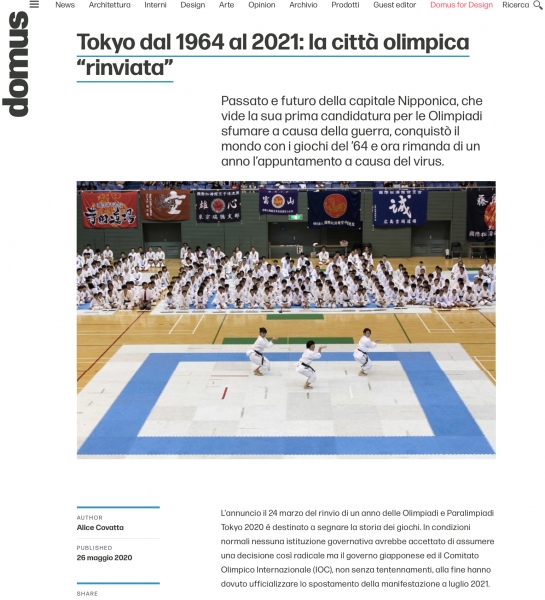
Alice Covatta is an Adjunct Professor at Université de Montréal's Faculty of Planning and School of Architecture, with affiliations to the Centre for Urban Design and Mental Health, co+labo at Keio University, and the Japan Studies Association of Canada. Her work bridges architecture, urban design, and mental health across Europe and Japan. PhD in Architecture and Urban Design (University of Udine, 2015) Postdoctoral Fellow at Keio University (2016-2019) Research interests focus on: Integrating health into urban planning Temporal urbanism in hyper-dense environments Foodscapes as catalysts for community engagement Playable architectural interventions Recent publications analyze Tokyo's liminal spaces, Montreal's ephemeral ecosystems, and cross-cultural comparisons of public space design in Copenhagen and Japan. Her work emphasizes hybrid formal/informal systems and socio-spatial strategies for mental wellness. 2017 Europan 14 Winner 2016 Japan Foundation Fellowship 2015 Honorable Mention for Passages Competition Grants include CRSH and FRQSC funding for projects on urban habitability, public space, and participatory research. She co-founded CoPE Architects, which won multiple international awards for innovative urban design.
David J. Moore, Ph.D., is a licensed clinical psychologist and Professor of Psychiatry at UC San Diego Health. He co-directs the SDSU/UCSD Joint Doctoral Program (JDP) in Clinical Psychology and leads research at the HIV Neurobehavioral Research Program (HNRP). His work focuses on neurocognitive impairments in individuals with HIV, comorbid mental illness, and substance use disorders, with a special emphasis on technological interventions for medication adherence. Doctorate: Ph.D. in Clinical Psychology (SDSU/UCSD JDP, neuropsychology specialization) Postdoctoral Fellowship: UCSD (serious mental illness) Clinical Internship: West Los Angeles VA Dr. Moore’s research addresses: Neurocognitive complications of HIV infection Intersection of HIV and aging Technological interventions for medication adherence Impact of comorbid psychiatric/substance use disorders on functioning His publications span topics including HIV neurocognitive profiles, syndemic factors in sexual risk behavior, and aging with HIV. Current studies integrate metabolomics, neuroimaging, and behavioral data through NIH-funded grants.