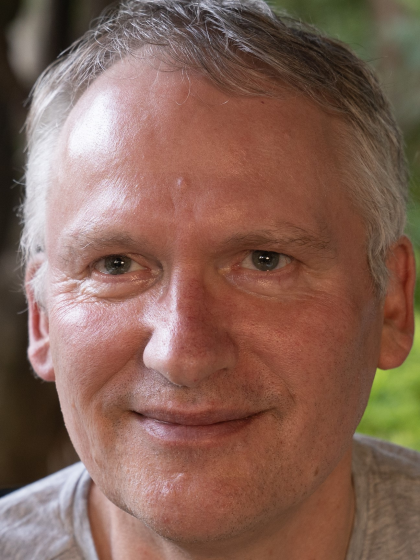
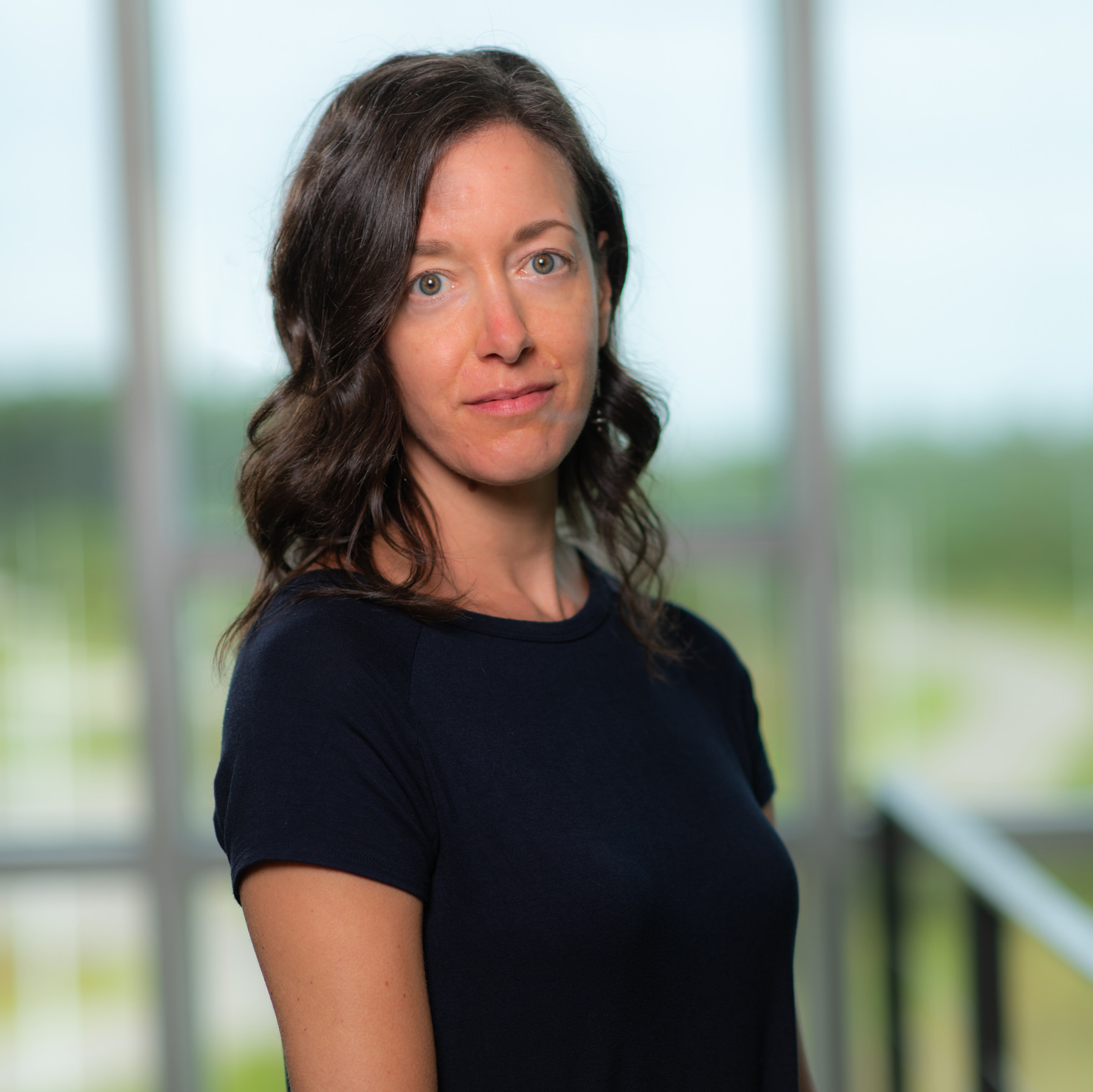
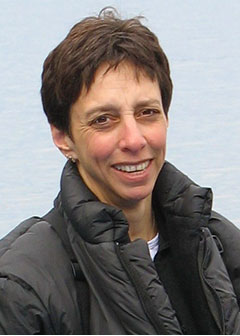
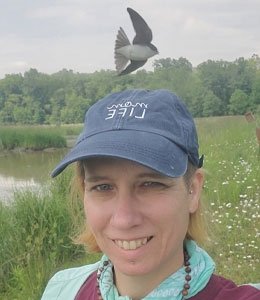
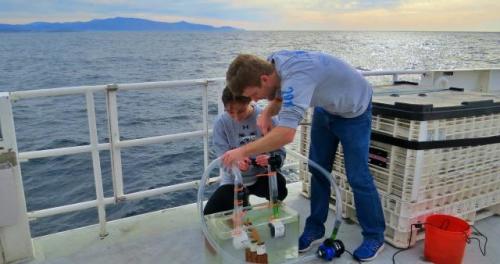
Prof. Han Olff is a Professor of Community and Conservation Ecology at the University of Groningen's Faculty of Science and Engineering, within the Groningen Institute for Evolutionary Life Sciences. He leads research on ecosystem structure, species interactions, and theoretical ecology, with fieldwork in savannas, salt marshes, and coastal systems. His work bridges theory and conservation, advising organizations like WWF and ARK Nature. Education: PhD (Cum Laude) in Biology from the University of Groningen (1992), MSc in Biology (1988). Research Interests: Focuses on plant-herbivore-predator interactions, ecosystem engineering, and the impact of human activities on biodiversity. Key themes include savanna ecology, food web dynamics, and restoration ecology. Awards: Gold Medal from Teyler Museum (2006) and PIONIER Award (2002). Active in grants like the EU Horizon 2020 AfricanBioServices project. Teaching: Coordinates courses in Conservation Biology, Ecological Research Skills, and Advanced Population Ecology. Leadership: Directed the Centre for Ecological and Evolutionary Studies (2011–2015) and chairs the National Research Agenda's 'Green Route'. Fieldwork: Organizes expeditions to the Serengeti-Mara, Banc d'Arguin, and Bijagos Archipelago to study human-wildlife interactions and ecosystem dynamics.
Francisco Jose Garcia Garcia is a Professor at the Universidad Pablo de Olavide, affiliated with the Department of Physical, Chemical and Natural Systems. His research focuses on Zoology, Marine Biology, and Benthic Ecology, with a specialization in Mollusks (particularly Opisthobranchia) and Antarctic Biodiversity. He leads the ORGSIS Organisms and Systems research group and contributes to the Doctoral Programs in Biodiversity and Conservation Biology. PhD in Zoology (1987) from the University of Seville His research spans marine taxonomy, ecological impacts of human activity, and biogeographical patterns of mollusks and arthropods in coastal environments. Recent studies examine invasive species effects (e.g., Amathia verticillata) and wrack dynamics in Atlantic and Mediterranean ecosystems. His publications from 1984–2024 reflect long-term contributions to Antarctic benthos studies (BENTART projects) and nudibranch systematics. Articles highlight expertise in Invasive Species Ecology, Benthic Ecology, and Environmental Impact Assessment, with a focus on mollusk physiology, taxonomy, and habitat interactions. Notable collaborations include Antarctic research campaigns and cross-regional studies comparing Brazil and Spain. As part of the ORGSIS group, he investigates coastal ecosystem functioning, emphasizing sandy beach macrofauna and supralittoral arthropods. His work integrates field experiments (e.g., wrack removal, trampling effects) and laboratory assays on reproductive biology.
Dr. Dirk de Beer is the leader of the Microsensor Group at the Max Planck Institute for Marine Microbiology in Bremen, Germany. His research focuses on the structure and function of marine sediments, investigating how microbial conversions (e.g., photosynthesis, chemoautotrophy, anaerobic nitrogen/carbon/sulfur cycling) are controlled by transport processes and how microbial species distributions are regulated in hot spots like seeps, microbial mats, and biofilms. His group employs advanced techniques such as microsensors and planar optodes to study high-resolution geochemical dynamics in marine systems. Key research areas include: Biogeochemical cycling of oxygen, sulfur, and carbon Microbial community interactions in sediments and mats Environmental regulation of microbial processes Reactive oxygen species in marine environments Coral bleaching and ocean acidification Recent publications highlight collaborations on arsenic cycling, hydrogen peroxide dynamics, and microbial respiration in extreme environments. Dr. de Beer's work is central to understanding how microbial processes influence global elemental cycles and climate regulation.
Matthew A. Reidenbach is a Professor and Department Chair of Environmental Sciences at the University of Virginia, with a courtesy appointment in Mechanical and Aerospace Engineering. His research focuses on coastal oceanography, particularly the interplay between hydrodynamics and marine ecosystems, including coral reefs, seagrass meadows, and oyster reefs. He investigates topics such as larval transport, wave dynamics, and nature-based coastal resilience strategies. His work emphasizes ecological engineering solutions for climate change adaptation, combining field observations with computational modeling. Reidenbach holds a Ph.D. (2004) and M.S. (1998) in Civil and Environmental Engineering from Stanford University, and a B.S. (1997) from Cornell University. He has received prestigious awards including the NSF Career Award and the University of Virginia’s All-University Teaching Award. His research group utilizes advanced techniques like LiDAR remote sensing, PIV flow visualization, and eddy covariance systems to study coastal processes. Key research themes include: 1) Biophysical interactions in marine ecosystems (e.g., mussel aggregations, sponge filtration); 2) Coastal protection via living breakwaters; 3) Ecosystem metabolism and nutrient cycling in tidal systems. He collaborates with engineers and ecologists to bridge theoretical and applied science, addressing real-world challenges like sea-level rise and habitat restoration. Notable grants: NSF CAREER award, collaborative NSF projects on biophysical feedbacks Labs: Coastal Ecosystem Dynamics Lab, affiliated with UVA’s Batten Institute for Climate Theory and Practice Public engagement: Advises on oyster reef restoration strategies for Chesapeake Bay and Gulf Coast communities
Tjisse van der Heide is a Professor of Coastal Ecology at the Groningen Institute for Evolutionary Life Sciences (GELIFES) at the University of Groningen and a researcher for the Royal Netherlands Institute for Marine Research (NIOZ). He also serves as Vice Chair of the Dutch OBN Knowledge Network for Nature Restoration and Management's team of experts on dune and coastal landscapes. Van der Heide's research focuses on coastal ecosystems and the role of ecosystem engineers—organisms that create suitable living circumstances for themselves and other species through environmental modification. His work examines how ecosystems function and how dissipated ecosystems can be restored, combining field and lab experiments with computer models. In 2024, he received a prestigious Vici-grant for his research on restoration of coastal ecosystems by temporarily mimicking habitat-forming species, developing a framework that integrates ecology, industrial design, and engineering principles. Analyzing his recent publication record reveals strong emphasis on ecosystem engineering processes, habitat restoration techniques, and climate change impacts on coastal systems. His research spans seagrass beds, mussel and oyster reefs, salt marshes, and dune ecosystems, with particular focus on how biotic interactions shape coastal landscapes and influence restoration success. His interdisciplinary approach frequently bridges theoretical ecology with practical conservation applications. Van der Heide has received significant recognition including the Vici-grant (2024) and the Heineken Young Scientist Award. His research has direct policy implications, as evidenced by his media commentary on coastal development projects like power cables through the Wadden Sea. His work involves extensive collaboration with researchers across multiple institutions, focusing on both fundamental ecological processes and applied restoration techniques. Van der Heide's research group conducts field studies throughout the Wadden Sea region and other coastal areas, contributing to our understanding of ecosystem dynamics and developing practical solutions for coastal conservation challenges.
Dr. Bryony Caswell is a Senior Lecturer in Marine Science at the University of Hull's School of Environmental Sciences (Faculty of Science and Engineering). She specializes in paleontology, marine ecosystem functioning, and the impacts of climate change and deoxygenation on marine environments. Her research integrates historical and modern data to address contemporary environmental challenges, including plastic pollution and offshore wind energy impacts. Research Interests: Historical marine ecosystems and functional connectivity Benthic community responses to anoxic events and climate change Impacts of ocean deoxygenation on marine biodiversity Plastic pollution in marine food webs Ecological resilience and recovery post-extinction events Key Projects: BEcoWIND: Sustainable offshore wind expansion balancing biodiversity preservation Q-MARE: Disentangling climate vs. human impacts on marine ecosystems NERC Discipline Hopping: Integrating paleontological and modern data for marine evidence Her publications highlight interdisciplinary approaches, linking geological records with modern ecological challenges. She co-supervises graduate students exploring microplastics in Antarctic fish and benthic ecosystem dynamics. Caswell collaborates with international groups like the ICES Working Group on Fish and Fisheries History.
Linda D’Anna is a Research Associate and Lecturer affiliated with East Carolina University (ECU) and the UNC Institute for the Environment. She holds positions at the Coastal Studies Institute (CSI) and the Outer Banks Field Site, contributing to interdisciplinary coastal sustainability research. Her work bridges natural and social sciences, focusing on how cultural and social factors influence coastal ecosystems and human well-being. Education: Ph.D. in Ecology from the University of North Carolina at Chapel Hill (2010), B.S. in Biological Sciences from Cornell University (1997). Research Interests: Mixed-methods approaches to study coastal social-ecological systems, including human dimensions of ecosystem services, community resilience, and aquaculture impacts. Current projects include evaluating nature’s benefits in the Albemarle-Pamlico region and assessing perceptions of renewable ocean energy in North Carolina. Linda’s publications address marine policy, stakeholder perceptions, and coastal restoration. She collaborates with institutions like The Nature Conservancy and the North Carolina Renewable Ocean Energy Program (NCROEP). Labs/Teams: Human Dimensions of the Coast Lab at CSI. Facilities include ECU’s Outer Banks Campus, a 213-acre site with diverse coastal ecosystems for research and education.
Brenda Konar is a Professor at the University of Alaska Fairbanks (UAF), serving as the Alaska EPSCoR Project Director within the College of Fisheries and Ocean Sciences. Her research focuses on marine biology, phycology, intertidal ecology, and kelp forest dynamics. Key areas include ecosystem change, trophic downgrading, and the impacts of glacial melt and climate variability on subarctic marine ecosystems. She teaches courses such as Scientific Diving and Kelp Forest Ecology, and advises graduate students in marine science. Her work spans projects like Arctic kelp bed monitoring and long-term ecological assessments in Cook Inlet. Current research projects include studying habitat degradation in kelp forests due to glacial melting, detecting long-term changes in Arctic kelp beds, and evaluating nearshore communities in Cook Inlet. She also investigates the ecological consequences of sea otter population collapses and the role of biological and physical drivers in shaping coastal communities. Dr. Konar has received the Chessable Research Award and collaborates on initiatives like the Scientific Diving Program and the Chukchi Sea Offshore Monitoring Project. She actively publishes on topics ranging from kelp decomposition to the effects of marine heatwaves on invertebrates, emphasizing interdisciplinary approaches to understanding subarctic marine ecosystems.
Assoc. Professor Sarah Hamylton holds a position at the University of Wollongong's School of Earth, Atmospheric and Life Sciences (SEALS). Her research focuses on coastal geomorphology, coral reef ecology, and mangrove ecosystems, integrating spatial analysis with art-science collaboration. She leads interdisciplinary projects addressing climate change impacts on coastal environments and promotes gender equity in fieldwork practices. Her work combines remote sensing, GIS modeling, and field-based studies to assess reef island dynamics and sediment transport processes. Hamylton has secured significant funding through grants such as the Australian Research Council's 'Mangrove sustainability on the Australian coast' (2022-2025) and the Advancement and Equity Grants Scheme for Research. These projects explore mangrove carbon storage, island vulnerability, and sustainable coastal management strategies. She actively supervises PhD and Master’s students in topics like interdisciplinary approaches to island sustainability and mangrove extent dynamics. Her research outputs emphasize geospatial analysis of coral reef systems, including studies on sediment dynamics, microatoll detection via drone imagery, and historical reef development. Collaborations span environmental humanities, leveraging songwriting and art to enhance public engagement with climate science. Hamylton's work bridges physical and social sciences, addressing both ecological and human dimensions of coastal change.
Antti-Jussi Olavi Evertsen is an Assistant Professor in the Department of Physics at the Norwegian University of Science and Technology (NTNU), under the Faculty of Natural Sciences. His research bridges marine biology and ecological studies, focusing on biodiversity, taxonomy, and symbiotic relationships in marine species. University: Norwegian University of Science and Technology School: Faculty of Natural Sciences Department: Department of Physics Email: jussi.evertsen@ntnu.no Dr. Evertsen’s research interests encompass: Nudibranchia Taxonomy: Documenting species diversity and distribution, including rediscoveries and taxonomic reassessments. Marine Symbiosis: Investigating photosynthetic chloroplast retention in sacoglossan sea slugs and their ecological implications. Climate Impact Studies: Assessing climate consequences on marine ecosystems and participating in restoration initiatives. Microplastic Research: Analyzing microplastic presence in intertidal zones and its ecological effects. Seaweed Utilization: Exploring edible marine plants and sustainable harvesting practices. His publications and presentations highlight trends in Norwegian nudibranch diversity, chloroplast functionality in gastropods, and the intersection of marine ecology with public education. He frequently contributes to community events like Forskningsdagene, Trøndersk Matfestival, and Barnas Store Fjæredag, emphasizing hands-on learning and outreach. While no scientific awards are explicitly mentioned in the provided texts, Dr. Evertsen’s collaborative projects with institutions like SINTEF and his mentorship roles in academic theses underscore his contributions to marine science and education.
Dr Debra Stokes is a Lecturer at the Faculty of Science and Engineering , Southern Cross University , specializing in coastal environmental science with a focus on mangroves , sea turtles , and drone technology . Her work bridges geomorphology , ecological monitoring , and human-environment interactions . PhD in Environmental Sciences, University of Waikato (2010) BA (Hons) in Environmental Sciences, La Trobe University (2002) Her research integrates field studies and remote sensing to analyze mangrove dynamics, coastal sedimentation, and marine turtle conservation. Articles reveal a decadal focus on mangrove removal impacts (2005–2025), with recent work on seawater intrusion indicators and hybrid living shorelines , reflecting interdisciplinary interests in coastal resilience , blue carbon , and ecosystem restoration . Outstanding Teaching Award (2024), Southern Cross University Teaching areas include hydrology , coastal geomorphology , and protected area management . Email: debra.stokes@scu.edu.au
Lauri Green is an Associate Professor at Bloomsburg University in the Department of Biological and Health Sciences. Her research focuses on avian ecology , wetland conservation , and climate change impacts on food webs. She has led projects using Tree Swallows ( Tachycineta bicolor ) to study prey availability, nest thermoregulation, and foraging behavior in artificial vs. natural wetlands. Ph.D. in Biology (UCLA) Postdoctoral work at UCLA, SCCWRP, FAU, and EPA Her research areas span ecosystem dynamics , conservation biology , and ecotoxicology . Recent publications examine nonpoint source nutrient management , shorebird habitat use , and seagrass epiphytes . Key collaborations include Dr. Leslie Clifford (Mansfield University), US Army Corps of Engineers, and Pennsylvania State Parks. Professional Enhancement Grant (2019) Oak Ridge Institute for Science and Education (ORISE) Fellowship She actively involves undergraduate and graduate students in research, with projects presented at conferences like the American Ornithological Society and Indiana University of Pennsylvania Scholars Forum . Media coverage includes Pennsylvania Outdoor Life and local TV.
Joshua Lord is an Associate Professor of Biology at Moravian University, where he has been teaching since Fall 2017. He previously served as a postdoctoral fellow at the Monterey Bay Aquarium Research Institute (MBARI) and as a Visiting Assistant Professor at Bates College. His research focuses on marine ecology, particularly examining how environmental conditions affect species interactions and biological communities, with special emphasis on invertebrate behavior. B.A. in Biology (magna cum laude) with Honors, Colby College M.S. in Marine Biology, University of Oregon Ph.D. in Oceanography, University of Connecticut Dr. Lord's research spans marine ecology, invertebrate zoology, climate change impacts, invasive species dynamics, and predator-prey interactions. He has pioneered work on social hierarchies in marine invertebrates and unique antipredator behaviors in shrimp, particularly the grass shrimp Palaemon pugio . His laboratory investigates how changing environmental conditions, especially ocean acidification, affect animal behavior and species interactions in marine ecosystems. Analysis of Dr. Lord's publication record reveals a strong focus on marine behavioral ecology with particular attention to how climate change factors like ocean acidification disrupt chemical signaling and predator-prey relationships. His work spans from molecular to ecosystem levels, with significant contributions to understanding social hierarchies in marine invertebrates, impacts of invasive species, and temperature effects on marine communities. The research shows an evolution from basic ecological studies toward more applied climate change research, particularly examining how acidification affects sensory capabilities and behavior in marine organisms. Dr. Lord has served as a review panelist for the National Science Foundation Graduate Research Fellowship Program and as Chief Scientist for multiple MBARI research expeditions. He regularly presents at major scientific conferences including the Benthic Ecology Meeting and Western Society of Naturalists meeting, and has given invited talks at institutions including the Darling Marine Center, Bigelow Laboratory for Ocean Sciences, and Monterey Bay Aquarium. Dr. Lord created the iBARGE (invasive bryozoan and ascidian recruitment and growth experiment) citizen science program in 2014, which engaged over 30 schools across 5 countries in monitoring invasive marine species. His laboratory at Moravian University provides extensive research opportunities for undergraduate students, with numerous students conducting independent research, honors theses, and participating in the SOAR program. Current research projects include studies on shrimp antipredator behavior, hierarchy formation in marine invertebrates, ocean acidification effects on behavior, and deep-sea coral feeding. Dr. Lord leads annual field marine ecology courses to Jamaica at the Discovery Bay Marine Laboratory, providing students with hands-on research experience in tropical marine environments. These immersive experiences allow students to conduct original research on coral reefs, mangroves, and other marine habitats while learning about Jamaican culture and history.
Linda Walters is a Pegasus Professor in the Department of Biology within the College of Sciences at the University of Central Florida. She directs the Coastal and Estuarine Ecology Laboratory (CEELAB), conducting field research at UCF's main campus and the Fellers House Field Station in Canaveral National Seashore. Her work focuses on Florida's Indian River Lagoon system, integrating ecological research with community engagement. Her research spans three primary domains: oyster reef restoration addressing boat wakes, algal blooms, invasive species, and microplastics; living shoreline stabilization studying mangrove/marshgrass recruitment and microplastic pollution; and wading bird conservation examining habitat use and human impacts. She employs interdisciplinary approaches combining field ecology, biogeochemistry, hydrodynamics, and social science, with strong emphasis on community science and K-12 outreach through children's storybooks and oyster storytelling yoga. Recent publications reveal intensifying focus on microplastic pollution pathways, climate-driven ecosystem shifts (tropicalization), and innovative restoration techniques like biodegradable materials. Her work increasingly integrates technology such as 360° virtual field trips and GIS mapping to enhance research accessibility and public engagement. Dr. Walters secures major funding from NSF, NOAA, Disney Conservation Fund, and state agencies. Her lab collaborates extensively with Florida Fish and Wildlife, National Park Service, Florida Sea Grant, and community organizations. She actively mentors undergraduate and graduate students through UCF's Biology Department, requiring prospective researchers to engage with CEELAB's restoration and outreach activities prior to developing independent projects. CEELAB operates as a hub for coastal research, bringing together biologists, engineers, social scientists, and volunteers. The lab maintains strong community ties through restoration workshops with Coastal Conservation Association-Florida and Mudhole Tackle, plus regular outreach events documented on their Facebook page. Their work directly informs regional conservation efforts in Florida's threatened estuarine ecosystems.
Stefano Mariani is a Professor at Liverpool John Moores University (since 2019) in the School of Environment & Life Sciences. Previously, he held roles including Professor of Conservation Genetics at the University of Salford (2011–2019), Lecturer at University College Dublin (2005–2011), and Post-Doctoral Researcher at the University of Hull (2002–2004). He earned his PhD in Animal Biology from Sapienza University of Rome (2001) and a BSc+MSc in Biology from the University of Rome Tor Vergata (1997). His research focuses on marine ecology and conservation genetics, with emphasis on interdisciplinary approaches for biodiversity management, DNA metabarcoding, and fisheries sustainability. Recent work includes leveraging eDNA from sponges and diver-assisted sampling for marine biodiversity monitoring, as well as investigating sex change dynamics in fish populations. Key contributions span environmental DNA applications, seafood traceability, and Antarctic biodiversity studies. Publications highlight innovations like using museum-preserved sponges for historical eDNA analysis and developing tools to combat seafood mislabeling. Collaborative projects include global biodiversity monitoring (e.g., DNA Divers initiative) and forensic applications of eDNA in wildlife crime investigations. His work bridges academic research with practical conservation, emphasizing scalable solutions for marine ecosystems. Current affiliations include Liverpool John Moores University, with grants and partnerships focused on eDNA technologies and fisheries management.