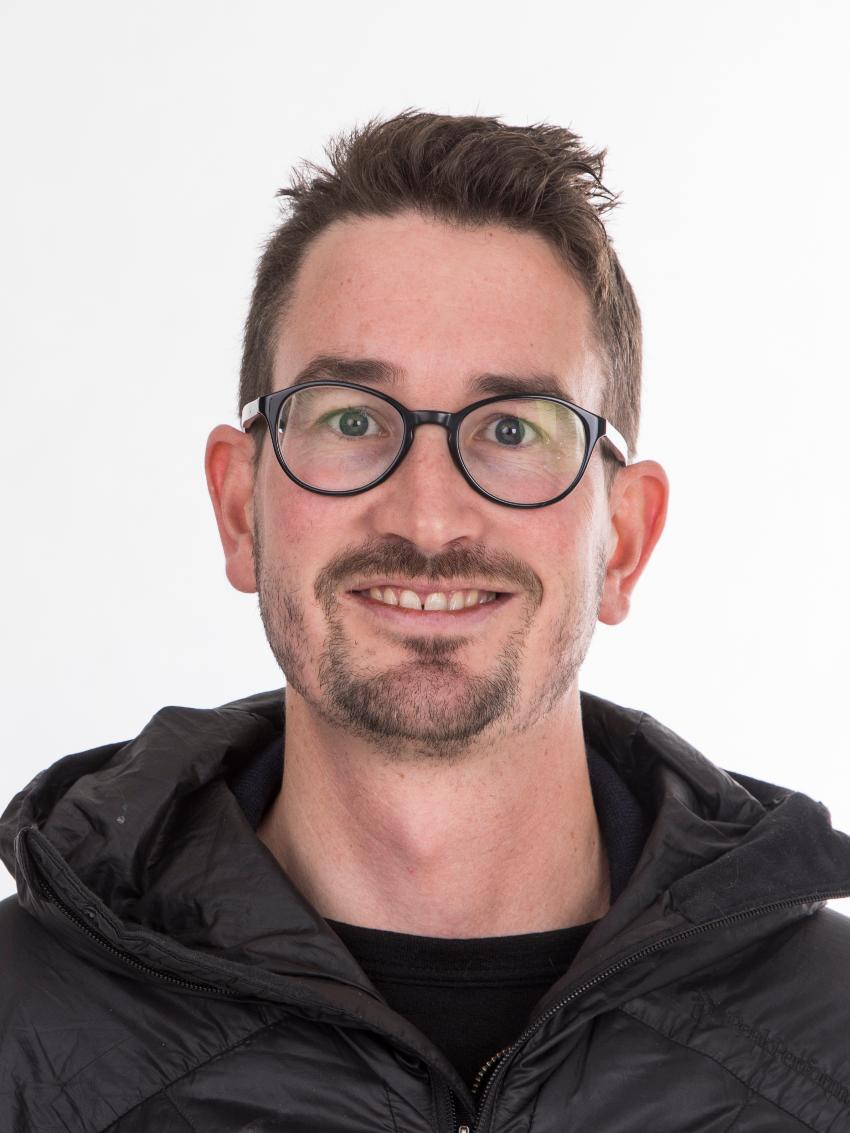
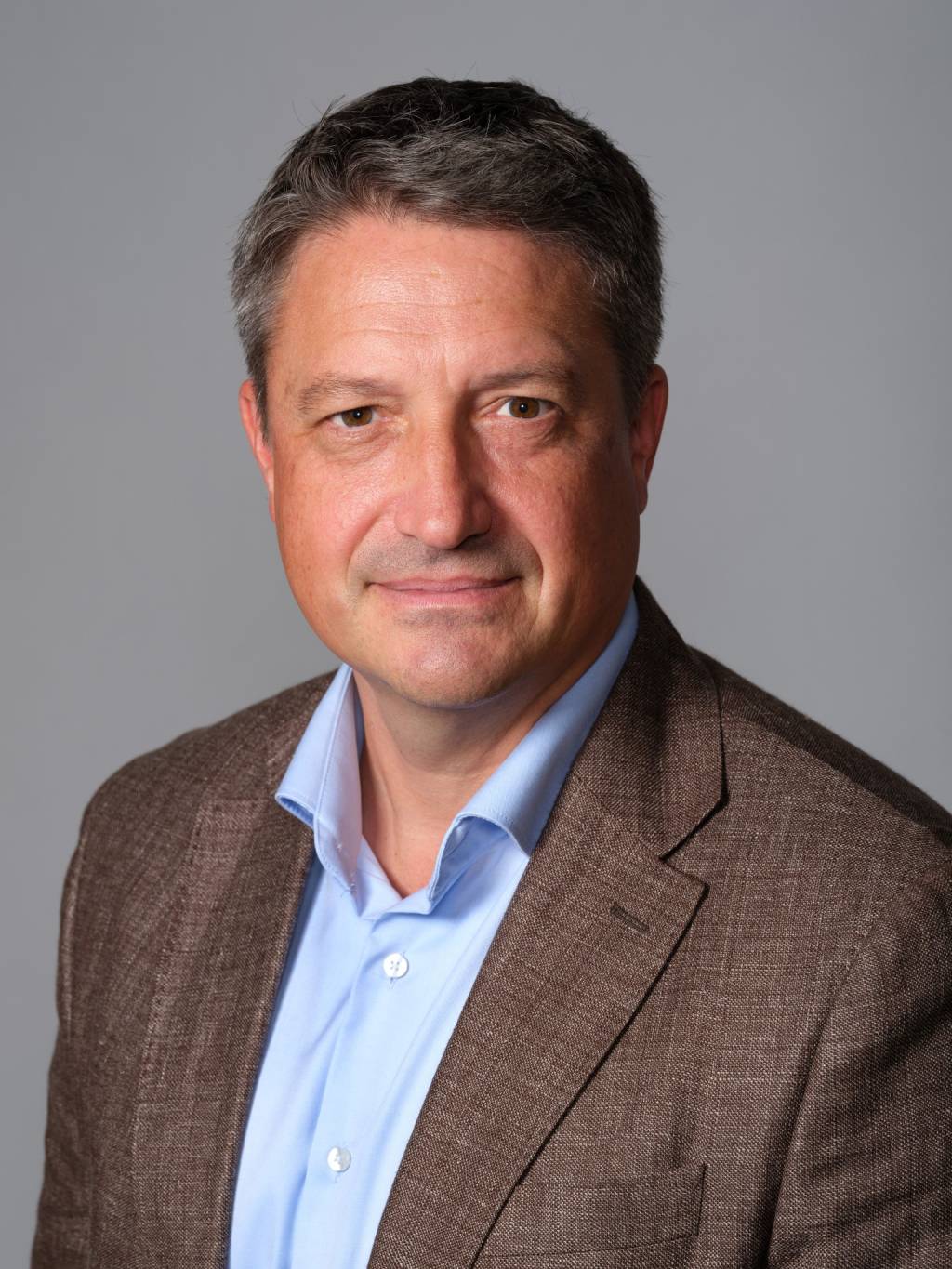
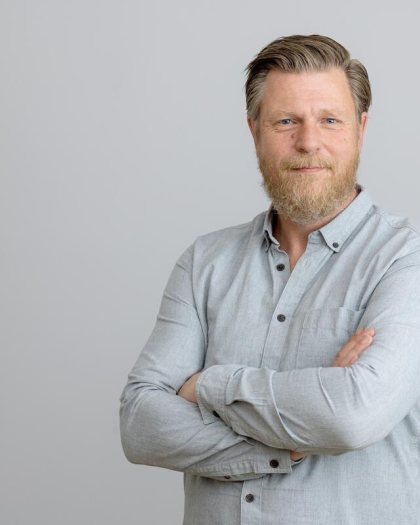
Daniel Leunbach is a Senior Lecturer at the School of Business, University of Oslo , specializing in Entrepreneurship . He teaches courses in strategy, innovation management, and entrepreneurship while integrating philosophy and psychology into his research to study decision-making under uncertainty. Ph.D. in Strategy and Entrepreneurship, University of Oslo MSc in Innovation and Entrepreneurship, University of Oslo BSc in Molecular Biology, University of Bergen His research explores the intersection of entrepreneurship theory , philosophy , and psychology , focusing on how entrepreneurs navigate situations where outcome probabilities are impossible to quantify. Recent publications investigate topics such as entrepreneurial imagination through poetry , resource acquisition negotiations , and Wittgensteinian approaches to defining entrepreneurship . Leunbach collaborates with scholars like Truls Erikson and Glenn Roger Kristiansen , publishing in journals such as Academy of Management Review , Scandinavian Journal of Management , and Journal of Business Venturing Design . He is affiliated with the Entrepreneurship (ENT) research group and consults on entrepreneurial decision-making frameworks.
Iver Martens is a University lecturer in the Department of Geosciences at UiT The Arctic University of Norway in Tromsø, actively contributing to geoscience education and work-integrated learning initiatives. He is a member of the Geophysics, Glaciology and Oceanography research group and serves as office location Naturfagbygget 2.234. His research interests focus on practical orientation in academic programs, particularly through internship initiatives that bridge geoscience education with industry needs. Martens has developed significant expertise in work-integrated learning, with particular emphasis on how internship programs prepare students for future workforce challenges in geoscience disciplines. His work explores the long-term impacts of practical training on student development and industry relevance of academic programs. Analysis of his publication record reveals a clear trajectory from traditional geoscience research toward educational innovation. While his earlier work (2016-2019) focused on seismic interpretation, petroleum systems, and Barents Sea geology, his recent publications (2021-2025) demonstrate a strong shift toward geoscience education, internship program design, and work-integrated learning frameworks. This evolution reflects his commitment to enhancing the practical relevance of geoscience education. Martens leads and participates in significant educational projects including GeoPraksis and GeoIntern International, which aim to strengthen the connection between academic geoscience training and industry requirements. His work examines mentorship challenges, quality parameters in internships, and the long-term career impacts of work-integrated learning experiences. His contributions to geoscience education have established him as a thought leader in practical orientation within academic programs, with particular expertise in designing internship frameworks that address future workforce needs in geoscience disciplines.
Kristina Torine Litherland is a Researcher at the Department of Education, University of Oslo (2025–present), and a PhD candidate there (2020–2024). Previously, she served as a Senior Lecturer at OsloMet's Faculty of Teacher Education and International Studies (2019–2020) and as a Research Assistant (2018–2020). Her research bridges technology and education, focusing on programming pedagogy, social network analysis, and mixed-methods approaches to understand learning processes. Academic Background: Master's degree in Pedagogy: Communication, Design, and Learning (University of Oslo, 2016–2018) Bachelor's degree in Information Technology and Innovation (Buskerud and Vestfold University College, 2011–2014) Research Focus: Kristina investigates collaborative learning environments, particularly makerspaces and block-based programming tools. Her work integrates qualitative and quantitative methods to analyze social dynamics, technology-enhanced learning, and pedagogical innovations. Teaching and Leadership: She has led courses such as PED4581 Internship (course leader) and PED2802 Learning, Design and Technology (seminar leader), emphasizing technology integration in education. Supervision: Supervised master's students including Lydia Seba (2021), Ida Renå (2021), Leif-Erik Stabell (2022), and Live Kleiva (2024).
Fay Giæver is a Professor at the Norwegian University of Science and Technology (NTNU), Department of Psychology. She holds an MSc from the University of Reading (UK) and a PhD from NTNU. Her research focuses on emotions in work contexts, including organizational change, arts-based interventions, and employee well-being. She leads the KLIMAFORSK-funded MEATigation project, addressing sustainable meat consumption practices for climate mitigation. Giæver also explores emotional resilience in sustainability work and wearable technology applications in emotion regulation. Her education includes advanced degrees in Psychology, with a PhD specialization in organizational and work psychology. Giæver’s research spans over two decades, examining topics like presenteeism among healthcare professionals, choral singing as a well-being intervention, and the emotional challenges of environmental activists. She collaborates internationally, contributing to projects such as the MEATigation initiative and interdisciplinary studies on serious games for collaboration. Research interests emphasize translating emotional experiences into actionable strategies for organizational and individual resilience. Recent work integrates digital tools like smartwatches for emotion regulation in workplaces and educational settings. Giæver’s teaching includes courses on organizational psychology (PSY2019), workplace internships (PSY3133), and master’s supervision (PSY3913). Her publications span peer-reviewed journals (e.g., Social Movement Studies, BMC Public Health) and edited volumes, with a focus on qualitative methodologies. Giæver’s contributions bridge psychological theory with practical interventions, addressing contemporary challenges like climate action and mental health in work environments.
Robin Allers is an Associate Professor at the Department of Defense Studies, College of Defense Studies, Norwegian Defence University College. He has been employed at the institution since 2009, previously serving as a senior researcher, head of the center for international security policy, and head of the international research program Security and Defence in Northern Europe. Dr. Allers is a historian specializing in European security policy, with particular expertise in German-Norwegian relations and European political negotiations. His educational background includes: Doctorate in History from the University of Hamburg (2007) Studies at Institut d'études politiques de Paris/Sciences Po (1995-96) Internships at the National Security Archive in Washington DC and the Institut historique allemand in Paris (1997-98) Visiting researcher at ARENA – Center for European Research at UiO (2001-02) Affiliation with the Forum for Contemporary History at the Department of History/UiO (2007-2009) Allers teaches, supervises, and lectures on German, Norwegian and European security policy, NATO, EU history and the EU as an international actor. His research focuses on European security policy with special emphasis on Norway's security and defense policy cooperation with close allies, particularly Germany. He examines historical and contemporary aspects of German-Norwegian relations within the broader European security architecture. Dr. Allers is actively involved in academic discourse as one of the editors of the German-language journal SIRIUS – Zeitschrift für Strategische Analysen and as a member of the European Zeitenwende Strategy Group | DGAP. Since 2023, he has served as program manager for the Master's program in Military Studies at the Norwegian National Defence University. His notable contributions to the field have been recognized with the Willy Brandt Prize 2007 from Bundeskanzler-Willy-Brandt-Stiftung for his book "Special relationships Germany, Norway and Europe in the Brandt era (1966–1974)." Willy Brandt Prize 2007 from Bundeskanzler-Willy-Brandt-Stiftung Dr. Allers has led several significant research projects including "Norges nære allierte" (2023-2025), "Dealing with Russia in the Nordic region" (2020-2022), "Security in Northern Europe" (2019-2022), and "Bilaterale forbindelser og europeisk forsvarssamarbeid" (2019-2020). His work has examined German security policy transformations following Russia's invasion of Ukraine, German-Norwegian defense cooperation, and security dynamics in Northern Europe. His current research focuses on the implications of Germany's Zeitenwende for European security architecture, particularly examining how Germany's security policy shift affects cooperation with Nordic countries and Norway specifically. He also investigates German military engagement on NATO's northern flank and European strategic autonomy in the post-Ukraine invasion security environment.
Simon Neby is a Professor at the Department of Government, Faculty of Social Sciences, University of Bergen (UiB), and an affiliate of the Centre for Climate and Energy Transformation (CET). His academic work focuses on governance, public administration, and institutional responses to complex societal challenges, particularly climate change. Position: Professor Institution: University of Bergen (UiB) Affiliation: Department of Government, Centre for Climate and Energy Transformation (CET) Email: simon.neby@uib.no His research centers on institutional change, accountability, knowledge application, and coordination in public organizations, with a strong emphasis on climate governance and adaptation. He investigates how public institutions manage uncertainty, legitimacy, and multi-level cooperation in addressing 'wicked' policy problems. His recent work explores time and temporality in climate governance, riskification in urban adaptation, and the organization of climate policies in Norway and Sweden. The most recent publications (2023–2025) reveal a consistent focus on climate adaptation in Norwegian municipalities (especially Bergen), securitization of climate risks, and comparative analyses of governance models. Themes include climate risk, institutional capacity, and the political dimensions of climate transformation. His collaborative work across disciplines and institutions underscores an interdisciplinary approach to climate governance. Simon Neby is actively engaged in public discourse, as evidenced by his social media presence where he comments on climate policy, academic freedom, and political developments. He contributes to public debates on infrastructure projects like Hordfast and advocates for robust climate institutions. He is involved in research projects such as ECOBUDGETS, funded by the Norwegian Research Council, and supports academic mobility and inclusivity. There are no listed scientific awards in the provided text. He mentors students and collaborates with early-career researchers, as seen in his support for PhD defenses and internship programs. While specific advisees are not named, his leadership in academic projects and public engagement suggests an active role in guiding emerging scholars. He has not received any publicly listed grants in the text, but his participation in NFR-funded projects implies grant involvement. Simon Neby is associated with research teams such as the RISKSEC2.0 project and collaborates with scholars across Europe. His work is often interdisciplinary, linking political science, public administration, and climate science. He is part of UiB’s climate research ecosystem, including CET and collaborations with the Bjerknes Centre.
Olav Bjarne "Ollis" Lysklett is a Lecturer at Queen Maud University College (DMMH), Norway, affiliated with the Department of Science, Natural Sciences and Social Sciences and specifically the Physical Activity and Health Research Group. He serves as class teacher for second-year students in the Kindergarten Teacher Training program with emphasis on nature and outdoor activities, course leader for Nature, Health and Movement 2 (BNNHB2030), and instructor for the further education program in Physical-Motor Development and Activity in Kindergarten. Additionally, he represents the institution on the National Network for FYSFOS in kindergarten teacher education. His educational background includes: University and College Education (15 STP), DMMH (2015) Sports Candidate from Norwegian School of Sports Sciences, graduated via NTNU Sports Science Department (1996) Pedagogical Seminar, University of Trondheim (1992) Cand. Mag. in Sports and Economics, Trondheim University of Economics (1991) Lysklett's research centers on nature-based early childhood education with rigorous focus on motor competence, gender dynamics, and winter activity integration. His work examines how outdoor preschools impact physical fitness compared to traditional settings, while analyzing the 19% male workforce representation as a recruitment strategy for nature kindergartens. Key themes include risk assessment in natural environments, motivational differences between genders in outdoor education, and designing year-round nature immersion curricula that address seasonal challenges. Analysis of his publications reveals dominant trends in Nordic comparative studies of nature preschools, with heavy emphasis on motor development metrics and gender-specific retention issues in teacher training. His research consistently links physical activity to cognitive outcomes, while challenging perceptions of nature as inherently dangerous for young children. The work demonstrates practical applications for winter activity protocols and gender-inclusive recruitment strategies in Norway's female-dominated ECEC sector. No scientific awards were documented in the source material. Lysklett actively shapes teacher training through direct student supervision and research leadership. His projects include: Ongoing: Nordic Nature Kindergarten Network (Norway/Denmark/Sweden collaboration) Ongoing: PRABA Professional Practice with Kindergarten Adoption Completed: Internal study on dropouts among male/female students at DMMH He operates within the Physical Activity and Health Research Group, which develops evidence-based frameworks for motor development in natural environments while addressing gender representation challenges in Norwegian ECEC workforce development.
Mette Kristin Ragnhildstveit Sætra is a Senior Lecturer at the University of Agder , affiliated with the Department of Health and Nursing Sciences since April 2018. She is also the Assistant Head of Department at the Grimstad campus. Her career spans teaching, supervision, and leadership in nursing and social care education programs. Education : Nurse (Stord University of Nursing, 1987), Master’s in Management (University of Agder, 2009), and further education in interdisciplinary guidance and social pedagogy. Expertise : Educational management, clinical pedagogy, student supervision, and digital competence integration in nursing education. Research trends focus on nursing education innovations, including pedagogical methods in clinical placements, reflective journaling, group supervision, and challenges in student adaptation to practice environments. Her work also addresses curriculum standardization and risk management in student evaluations. Dissemination includes a 2023 podcast discussing nursing career choices and a conference presentation on technology integration in nursing education per RETHOS requirements. She contributes to journals like NORDVEI and UNIPED through articles and book reviews. Research affiliations : Member of the ProfHealth interdisciplinary research group focused on health professions.
Hilde Grimstad is Professor of General Practice and Behavioral Medicine at the Department of Community Medicine and Nursing, Faculty of Medicine and Health Sciences, Norwegian University of Science and Technology (NTNU). As Head of PLUS (Center for Pedagogy, Learning and Teaching), she leads educational innovation while maintaining clinical ties to Øya Health Center. Her leadership extends to interim chair of NTNU's Department of Teacher Education (2024), academic director of NTNU's Learning Festival, and board roles at St Olavs Hospital and the Faculty of Social and Educational Sciences. Her educational foundation includes: Cand. Med. (Medical Degree), University of Trondheim, 1987 Dissertation in Women's Health, NTNU, 2000 Grimstad's research trajectory shifted from women's health (violence against women, pregnancy outcomes) to medical education leadership. Through PLUS, she pioneers student-centered teaching methods emphasizing clinical communication skills. Her work examines curriculum design, assessment validity, and longitudinal attitude changes in medical trainees, bridging educational theory with clinical practice in general medicine. Analysis of her 15 most recent publications reveals dominant themes in medical education research (73%), particularly communication skills assessment and curriculum innovation. Earlier work (2000-2010) focused on abuse epidemiology in pregnancy cohorts, while post-2010 publications increasingly address educational methodology, self-efficacy measurement, and policy implications for physician training. Her scientific recognition includes: DMF teaching prize (2003) for the Doctor-Patient Course (LPK), shared with Jørgen Urnes Grimstad has mentored generations of medical students through the Doctor-Patient Course and clinical skills training, emphasizing patient-centered communication. Her leadership in national initiatives like the Grimstad Committee (2018-19) and RETHOS program group demonstrates significant grant-funded policy contributions, though specific grant amounts aren't documented. Current projects focus on PLUS-driven educational reform and the Learning Festival's pedagogical innovation. She directs PLUS as NTNU's hub for medical education research while collaborating with St Olavs Hospital on clinical implementation. Her work integrates with national networks including the Norwegian Mother and Child Cohort Study and Nordic communication skills training consortia, maintaining strong ties to clinical practice through general medicine.
Irina Pavlova is a Senior Lecturer in Social Sciences at Western Norway University of Applied Sciences (HVL), employed since 2016. She currently serves as Program Leader for the Sociology Bachelor's and Year study programs (since 2025) and holds multiple institutional roles: Council for Equality, Diversity, and Inclusion (2019-2023 and 2024-2027), Faculty Council for the Faculty of Technology, Environmental, and Social Sciences (2024-2027), and HVL representative in the ARTEMIS University Alliance Gender Diversity and Inclusion Board (2025-). Her research centers on youth mobility in Europe (HORIZON 2020 MOVE project), sociology of work, digitalisation of higher education, active citizenship through experiential learning, and internationalisation in educational/labor contexts. She actively promotes work placements as core pedagogical tools and leads HVL's online Sociology program transition since 2024, focusing on mitigating digital divides. Recent publications (2022-2024) consistently analyze work placement efficacy in sociology education and digital transformation challenges, emphasizing student-mentor interactions and equity concerns in online learning environments. Scientific recognition includes: Education Quality Award (Utdanningskvalitetspris) in 2020 for innovative integration of mandatory placements into Sociology curriculum She contributes to national policy through committees with the Norwegian Directorate for Higher Education and Skills (HK-dir) and NOKUT, while supervising students via work placements. Future work focuses on digital pedagogy development for sociology education and ARTEMIS alliance initiatives. Pavlova leads HVL's Sociology program digitalisation research team and collaborates with ARTEMIS University Alliance on gender diversity projects, driving pedagogical innovation in online higher education.
Dr. Kristin Myhre is a Senior Lecturer at the Department of Nursing, Health and Bioengineering, Oslo Metropolitan University. She holds a nursing degree from Haukeland College of Nursing and a major in Nursing Science from the University of Oslo (1999). Her academic focus includes neonatal care and internationalization of education. She previously worked as a registered nurse and head nurse at neonatal intensive care units at Rikshospitalet and Østfold Hospital. Dr. Myhre became a Senior Lecturer in 2010, emphasizing pediatric nursing, patient safety, and interprofessional collaboration. Her research interests span patient safety education, international nursing exchanges, and curriculum development. She coordinates international activities at her department and leads projects like SLIPPS (Shared Learning for Patient Safety). Key collaborations include work on patient safety tools and interprofessional learning frameworks. Dr. Myhre’s publications address topics such as neonatal care, clinical internships, and global healthcare education. She actively contributes to nursing education reforms and has authored works on cultural competence and language barriers in clinical settings.
Kjersti Kjos Longva is an Associate Professor at the Department of International Business at NTNU. She leads the MSc program in Management of Innovation and Sustainable Business Development and heads the Innovation & Entrepreneurship research group. Her research focuses on entrepreneurship education, sustainable business models, and university-industry collaboration. She holds a PhD in social science from UiT The Arctic University of Norway (2019), an MSc in Logistics from Molde University College, and industry experience in the maritime sector. Key projects include InnoPraksis (funded by Norway’s Directorate for Higher Education) to innovate internships in business education, and the ERASMUS+ project BLUEWBC aimed at sustainable Blue Economy development in the Western Balkans. Her research interests span entrepreneurial ecosystems, innovation management, and the transition from student to entrepreneur. She has published extensively on topics like career reflections in entrepreneurship education and design thinking in learning processes. Teaching includes courses such as AI522418 (Event Internship), AM530250 (Master Thesis), and AM101221 (Management of Creative Processes). She supervises PhD, master’s, and bachelor’s students across various disciplines.
Bjørn-Petter Finstad is a Professor at the Norwegian Fisheries College, UiT The Arctic University of Norway, located in Tromsø. He is actively involved in research and teaching, focusing on fishing history, fisheries management, economic and industrial history, and polar history. His work is deeply rooted in the socio-economic and institutional development of Norway’s coastal and Arctic regions. Institution: UiT The Arctic University of Norway School: Norwegian Fisheries College Position: Professor Location: Tromsø, Norway His research interests center on the historical evolution of fisheries, particularly during pivotal periods such as the German occupation in WWII, the development of sustainable practices, and the institutional frameworks governing marine resources. He also investigates work-integrated learning in higher education, exploring how internships enhance learning in non-professional academic programs. The recent publications (2020–2025) reflect a dual focus: one on historical and policy-oriented fisheries research, and another on educational innovation. Themes include institutional continuity and change, sustainability narratives, and pedagogical methods in interdisciplinary and disciplinary programs. His work bridges historical analysis with contemporary educational challenges. Bjørn-Petter Finstad is a member of the MARA (Marine Resource Management and Development) research group and contributes to projects such as work-integrated learning in higher education and the ecological-social transformations in coastal India. He frequently collaborates with researchers like Svein Jentoft, Jahn Petter Johnsen, and Ragnhild Sandvoll. He has authored and co-authored numerous books, scientific articles, policy reports, and public commentaries. Notable works include analyses of the Indo-Norwegian Project, Norwegian-Russian fisheries relations, and critiques of contemporary fisheries policy. He also contributes to public discourse through articles in media outlets like Klassekampen and Fiskeribladet. While no formal list of students or awards is provided, his extensive publication record and leadership in academic projects indicate a significant mentoring and advisory role. His work is supported by institutional affiliations and collaborative research frameworks at UiT.
Ingrid Espegren Dalsmo is an Associate Professor at the Department of Health and Nursing Sciences within the Faculty of Health and Sport Sciences at the University of Agder. She holds a Master in Clinical Health Sciences (2018) and a nursing degree from Sør-Trøndelag University College (now NTNU, 2004). Her career spans clinical work at Norwegian hospitals (2004-2011), secondary education in health (2011-2019), and academic roles since 2019. Education: Nurse (NTNU), Master in Clinical Health Sciences (University of Agder) Her research focuses on nursing education and clinical training, with a specialization in educational research , assessment and learning , practical studies in nursing education , guidance pedagogy , and international health . Her work emphasizes student experiences in clinical placements, digital learning tools, and supervision practices. Recent publications analyze nursing students' lived experiences in clinical placements, digital resource integration, and empowerment through health campaigns in Tanzania. She is part of the national research school PROFRES and the research group ProfHealth , contributing to practice-oriented studies in health and education. Her academic roles include teaching (25%) and a research fellowship (75%) at the University of Agder, with no scientific awards documented in the provided texts.
Inger Elisabeth Bergum is a Senior Lecturer at Molde University College, Faculty of Health Sciences and Social Care, within the Department of Health and Social Sciences. She is actively involved in the Bachelor of Nursing program, serving as course coordinator for SPP100 Practical Studies in nursing homes and care homes. Her work focuses on clinical training, interprofessional collaboration, and educational quality in nursing education. Her research interests include: Interprofessional collaboration and learning (TPS) Ethics and professional practice in nursing Structural conditions in healthcare education Internship supervision and assessment Qualitative and mixed methods research E-learning in health professions Her recent publications (2012–2022) consistently explore challenges in clinical training, ethical dilemmas in nursing education, and models for interprofessional learning. A strong trend is evident in evaluating how nursing students are assessed in practice, particularly whether supervisors pass underperforming students. She also investigates strategies for chronic disease management and digital tools for collaborative learning. Scientific contributions include publications in journals such as Nordic Journal of Health Research , Clinical Nursing , and Journal of Care Research , as well as institutional reports and essays on research ethics and pedagogy. She supervises students in the simulation and skills center and provides guidance on exams and work requirements. Although no formal list of advisees is provided, her collaborative publications suggest mentorship and team-based research. She is a member of the Research Group for Interprofessional Collaboration in Nursing, contributing to both research and professional development in the field. She has no listed scientific awards, but her sustained scholarly output and active teaching role indicate strong academic engagement. She continues to publish and contribute to curriculum development and educational research at Molde University College.