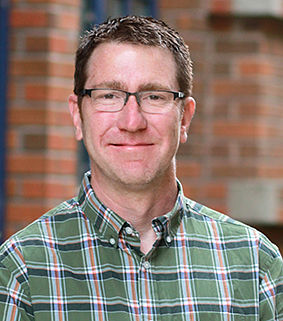
Jason Sydes is a Lecturer associated with the Knight Campus Graduate Internship Program at the University of Oregon. His role focuses on supporting graduate students in securing and navigating internship opportunities within scientific research environments. He contributes to career development initiatives aimed at bridging academic research and industry collaborations. Research interests center on fostering interdisciplinary scientific collaboration and enhancing graduate student professional readiness. While no specific publications or awards are listed, his work emphasizes practical educational strategies for early-career researchers. No grants or lab affiliations are explicitly mentioned in the provided information.
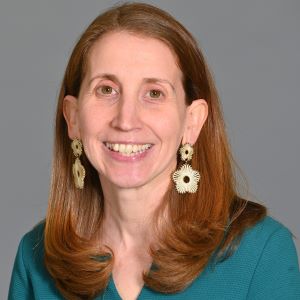
Professor Tara Fisher serves as a faculty member in the Department of Accounting at American University's Kogod School of Business, teaching courses including Principles of Financial Accounting (ACCT-240), Accounting for Global Business Operations (ACCT-396), and Foundations of Financial Accounting (KSB-211). She also leads study abroad programs in London focusing on international business operations. A licensed CPA in Pennsylvania and Virginia, her professional expertise bridges academic instruction with real-world policy experience. Education M.S. in Accounting, University of Virginia B.S. in Accounting, University of Virginia Research and Professional Focus Professor Fisher's scholarly work centers on tax policy development, entrepreneurial finance, and international taxation frameworks, directly informed by her tenure at PwC's international tax practice and congressional service. Her research examines legislative processes in tax reform, particularly through her involvement in the Enron Corporation investigation and contributions to the American Jobs Creation Act of 2004. She investigates how global business operations intersect with regulatory environments and entrepreneurial strategy, emphasizing practical applications for future accounting professionals. Advising and Professional Impact Mentors students pursuing careers in public accounting, congressional tax policy, and international business Leverages extensive network from PwC and congressional roles for student internship opportunities Provides media commentary on tax legislation through AU Communications Teaching Innovation Integrates her congressional experience into curriculum design, particularly in courses addressing tax legislation impacts on business operations. Her London-based study abroad program connects classroom theory with European regulatory frameworks, preparing students for global accounting careers.
Nathan Smith is a Teaching Assistant Professor in the Department of Agricultural Education, Communication & Leadership at Oklahoma State University. He holds a PhD in Agricultural Education (2024), MA in Educational Leadership (2013), and BS in Agricultural Education (2007), all from Oklahoma State University. His academic roles include Teaching Assistant Professor (2025–present) and Teaching Instructor (2018–2025). Dr. Smith specializes in agricultural education pedagogy, focusing on technical curriculum development, educator competencies, and teacher preparedness. His research explores topics such as agricultural course requirements, educator needs assessments, and pandemic response strategies in agricultural programs. He has contributed to peer-reviewed journals like the Journal of Agricultural Education and Advancements in Agricultural Development . His teaching portfolio includes courses such as Ag Structures , Metal Welding , and Professional Development in Agricultural Education . He has also developed innovative tools like the sliding ruler for agricultural mechanics instruction and adopted Swivl technology for clinical teaching feedback. Service contributions include roles on committees for Extemporaneous Public Speaking and Field Experience, and judging at National FFA events. His work emphasizes bridging technical agricultural knowledge with effective teaching practices to prepare future educators and students.
Zahide Sunal is an Assistant Professor of Counseling and CMHC Program Coordinator at The University of Texas at Tyler. She holds a Ph.D. in Counselor Education and Supervision from Old Dominion University (2020), an M.C. in Clinical Mental Health Counseling from Arizona State University (2016), and a B.A. in Psychological Counseling and Guidance from Ankara University, Turkey (2012). Her research focuses on counselor training and supervision, clinical supervision, multicultural supervision, assessment training, integrated behavioral health, and mixed-method research methodologies. She teaches courses including COUN 5392 – Helping Relationships and Clinical Interview and COUN 5397 – Internship II . Her recent work explores rural mental health technology adoption, supervision validation frameworks, and multilingual counselor training. She has contributed to understanding research self-efficacy in doctoral students and interprofessional collaboration in clinical settings. No scientific awards were explicitly mentioned in the provided text. Zahide’s advising and grants sections remain unspecified, though her program coordination role suggests active involvement in curricular development.
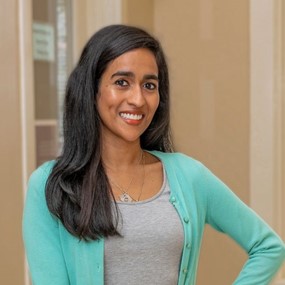
Nadia Bhuiyan is an Associate Clinical Professor and Director of the Auburn University Psychological Services Clinic (AUPSC) at Auburn University's Department of Psychological Sciences. She holds a PhD in Clinical and Health Psychology from the University of Florida and a BA from Auburn University. Her clinical and research expertise focuses on neurodevelopmental disorders, early childhood disorders, and autism spectrum disorder (ASD). Education: PhD in Clinical and Health Psychology, University of Florida (201X) BA in Psychology, Auburn University (20XX) Clinical Experience: Postdoctoral Fellowship: Marcus Autism Center, Emory University School of Medicine (20XX-20XX) Internship: Clinical Child and Pediatric Psychology, University of Florida Health Science Center (20XX-20XX) Her work emphasizes developmental, neuropsychological, and psychoeducational assessments, alongside evidence-based therapies like Parent-Child Interaction Therapy (PCIT). She provides individual and family therapy for psychological, developmental, and medical symptomatology in pediatric populations. As AUPSC Director, she oversees clinical services addressing autism and neurodevelopmental disorders, ensuring access to care for underserved communities through initiatives like the Auburn Family-funded program for children needing ASD services.
Dr. Dusty L. Palmer is an Assistant Professor of Educational Leadership at Texas Tech University's College of Education, Department of Educational Psychology, Leadership, & Counseling. With over 20 years of experience in public education, his work focuses on bridging research and practice in educational leadership. Education includes: Ed.D. in Educational Leadership from Texas Tech University (2014) M.Ed. in Educational Leadership from Texas Tech University (2007) B.M. in Music from Texas Tech University (2001) Dr. Palmer's research examines university-district partnerships, job-embedded principal preparation programs, school policy analysis, and mental health preparation for school leaders. His investigations focus on developing innovative leadership models through equity audits and residency programs that directly impact K12 education. Publication trends reveal consistent focus on educational leadership development, with recent works emphasizing equity frameworks, mental health promotion, and practical applications of principal residency programs. His scholarship demonstrates methodological diversity including case studies, content analysis, and randomized controlled trials. Dr. Palmer has secured significant grant funding including a $135,000 TEA sub-award for Grand Prairie ISD. He maintains active certifications in teacher/principal evaluation systems and serves as an Advancing Educational Leadership trainer.
Christopher Calahan is an Instructor at Harvard Medical School and an Attending Physician in Hospital Medicine at the Division of General Pediatrics. He holds dual certifications from the American Board of Internal Medicine and the American Board of Pediatrics. His clinical and research expertise spans disaster medicine, medical education reform, trauma surgery outcomes, and geriatric care. Education: MD from Harvard Medical School; MPH from Harvard T.H. Chan School of Public Health. Residencies include Internal Medicine at Brigham and Women's Hospital and Pediatrics at the Boston Combined Residency Program. He has also completed internships in both Internal Medicine and Pediatrics. Research interests focus on emergency care optimization, medical curriculum innovation, and surgical outcomes analysis. His work in disaster medicine emphasizes resource-limited settings, while his surgical studies address post-discharge mortality in elderly patients and platelet management in traumatic brain injury.
Danielle Bragg is an Assistant Professor in the Paul G. Allen School of Computer Science & Engineering at the University of Washington, specializing in accessibility research with a focus on technologies for deaf and hard-of-hearing communities. Her work bridges human-computer interaction, computer vision, and inclusive design to create practical solutions for sign language recognition, translation, and communication accessibility. Her research interests center on making technology accessible through innovative approaches to sign language processing, assistive communication systems, and inclusive design methodologies. She investigates how to build robust sign language recognition systems that work in real-world settings, addresses bias in AI models for sign language understanding, and develops community-centered approaches to dataset collection. Her work particularly emphasizes involving the Deaf community in the research and development process to ensure technologies meet actual needs. Dr. Bragg's publication record shows a consistent trajectory from her PhD work at the University of Washington (2018) through to current research in 2025, with increasing leadership in the field of accessibility technology. Her recent work explores cutting-edge applications of AI for sign language processing, gaze-based interfaces, and systematic analysis of how large language models are transforming human-computer interaction research. Her collaborative approach is evident in her extensive co-authorship network, working with both technical researchers and community stakeholders to advance the field of accessibility technology through interdisciplinary partnerships.
Holly Matusovich is a Professor in the Department of Engineering Education at Virginia Tech and currently serves as the Associate Dean for Graduate & Professional Studies in the College of Engineering. She holds a Ph.D. in Engineering Education from Purdue University (2008), an M.S. in Materials Science & Engineering from the University of Connecticut (1999), and a B.S. in Chemical Engineering from Cornell University (1994). Her research focuses on student and faculty motivation in engineering education, graduate mentoring practices, and equitable access to engineering programs. Notable contributions include the NSF-funded Dissertation Institute supporting underrepresented doctoral students and the Skillful Learning Institute for faculty professional development. She has secured over $2.3M in grants, authored/co-authored 21 journal articles, and over 70 conference papers. Dr. Matusovich has advised 11 doctoral students and been recognized with multiple awards, including the 2018 College of Engineering Graduate Mentoring Award and induction into the Academy of Faculty Leadership (2020). Her work emphasizes culturally relevant outreach programs and systemic equity initiatives in engineering education. Key affiliations include the SMILE Research Group and leadership roles in secondary data analysis initiatives. Ongoing projects explore assessment practices in AI-era education and the impact of co-curricular activities on professional formation.
Annah L. Hill is a Professor and Special Education Graduate Program Coordinator at Indiana University of Pennsylvania (IUP) within the College of Education and Communications. She holds certifications as a Certified Educator of the Deaf, English as a Second Language (ESL) Program Specialist, Reading Specialist, and Youth Mental Health First Aid (YMHFA) provider. Research Interests Literacy Development Curriculum Development Self-advocacy Development Emergency Preparedness English as a Second Language (ESL) Development Youth Mental Health First Aid (YMHFA) Awards and Honors Ray Coppler Award (October 2013) for exemplary advocacy for people with disabilities Faculty Leader Award (2019) for leadership in the College of Education and Communications Hill teaches courses in special education, deaf education, and collaborative teaching practices, including internships and practicums.
Meena Jha serves as an Adjunct Professor within the Faculty of Arts and Education at Central Queensland University (Brisbane, Australia), specializing at the intersection of Education and Information and Communication Technology (ICT). Her academic profile emphasizes innovative applications of artificial intelligence to transform pedagogical practices and assessment methodologies across higher education contexts. Her research program critically examines Artificial Intelligence in Education , with particular focus on conversational agents for academic integrity support, generative AI integration across curricula, and game-based learning frameworks. She investigates how dynamic feedback systems and virtual teaching assistants can enhance student engagement while addressing pandemic-accelerated challenges in online assessment. Her work consistently bridges theoretical educational research with practical technological implementations, especially in computing education and internationalized curriculum design. Analysis of her 2025 publications reveals three dominant research trajectories: (1) AI-driven assessment innovation through chatbots and automated response systems, (2) ethical frameworks for academic integrity in AI-enhanced environments, and (3) data visualization and gamification techniques for student engagement. These strands converge around leveraging technology to create adaptive, reflective learning experiences that maintain academic rigor during digital transformation. While specific grant funding details aren't documented in the source material, her extensive collaboration network—including researchers like Josiah Koh, Anupam Makhija, and Sanjay Jha—demonstrates active participation in multi-institutional educational technology projects. Her publications suggest involvement in curriculum development initiatives, particularly for internationalized first-year computing programs and AI-integrated pedagogy across disciplines.
Mette Kristin Ragnhildstveit Sætra is a Senior Lecturer at the University of Agder , affiliated with the Department of Health and Nursing Sciences since April 2018. She is also the Assistant Head of Department at the Grimstad campus. Her career spans teaching, supervision, and leadership in nursing and social care education programs. Education : Nurse (Stord University of Nursing, 1987), Master’s in Management (University of Agder, 2009), and further education in interdisciplinary guidance and social pedagogy. Expertise : Educational management, clinical pedagogy, student supervision, and digital competence integration in nursing education. Research trends focus on nursing education innovations, including pedagogical methods in clinical placements, reflective journaling, group supervision, and challenges in student adaptation to practice environments. Her work also addresses curriculum standardization and risk management in student evaluations. Dissemination includes a 2023 podcast discussing nursing career choices and a conference presentation on technology integration in nursing education per RETHOS requirements. She contributes to journals like NORDVEI and UNIPED through articles and book reviews. Research affiliations : Member of the ProfHealth interdisciplinary research group focused on health professions.
Stephanie Alsbrook is a Clinical Instructor in the Department of Nutrition and Family Sciences at the University of Central Arkansas (UCA). She is pursuing an Ed.D. in Human Resource and Workforce Development from the University of Arkansas. Her academic background includes a BS in Nutrition (UCA), a dietetic internship at the University of Arkansas for Medical Sciences, and an MS in Nutrition (UCA). Research interests focus on school wellness, federal nutrition programs (e.g., Fresh Fruit and Vegetable Program), and leadership development in healthcare. She actively engages in state nutrition policy, farm-to-school initiatives, and hunger relief advocacy. Recently recognized by the USDA for her leadership in the Team Up for School Nutrition Success mentoring program, she also holds a Certified Diabetes Educator credential. In teaching, she instructs foundational nutrition, food economics, nutrition services administration, and experimental food science, while coordinating community nutrition practicums. Professionally, she serves in leadership roles with the Academy of Nutrition and Dietetics and School Nutrition Association. She has represented Arkansas at the National Governors’ Association Summit on Reducing Childhood Hunger and mentors students in hunger advocacy projects at local homeless shelters.
Miguel Nuno Africano Fernandes Barata is an Assistant Professor at ISMAT - Instituto Superior Manuel Teixeira Gomes in Portimão, Portugal. He also serves as Director of the Tourism Management course and Coordinator of Internships and Employability. Affiliated with the CiTUR Center for Tourism Research, his academic background includes a Ph.D. in Management (Human Resources in Hospitality), a Master's in Entrepreneurship and Innovation Management, and a degree in Marketing, Advertising, and Public Relations. His research focuses on Tourism and Hospitality, Creativity, Entrepreneurship, Intrapreneurship, Communication, Event Management, and Human Resources Strategy. He has authored numerous scientific articles and technical books, organized national/international events, and supervised 23 master's dissertations. His work frequently addresses sustainability in tourism, innovation in hospitality practices, and strategic management in creative industries. Key contributions include projects on sustainable community development through tourism (e.g., Algarve rural territories) and studies on youth career motivations in hospitality. His recent publications explore topics like golf participation barriers and decision-making skills in higher education. Despite not explicitly listing grants, his work indicates engagement with applied research and educational innovation. Barata is recognized for bridging academic research with professional development through internships and employability programs. Though no specific lab affiliations are mentioned, his role as course director suggests leadership in tourism education infrastructure.
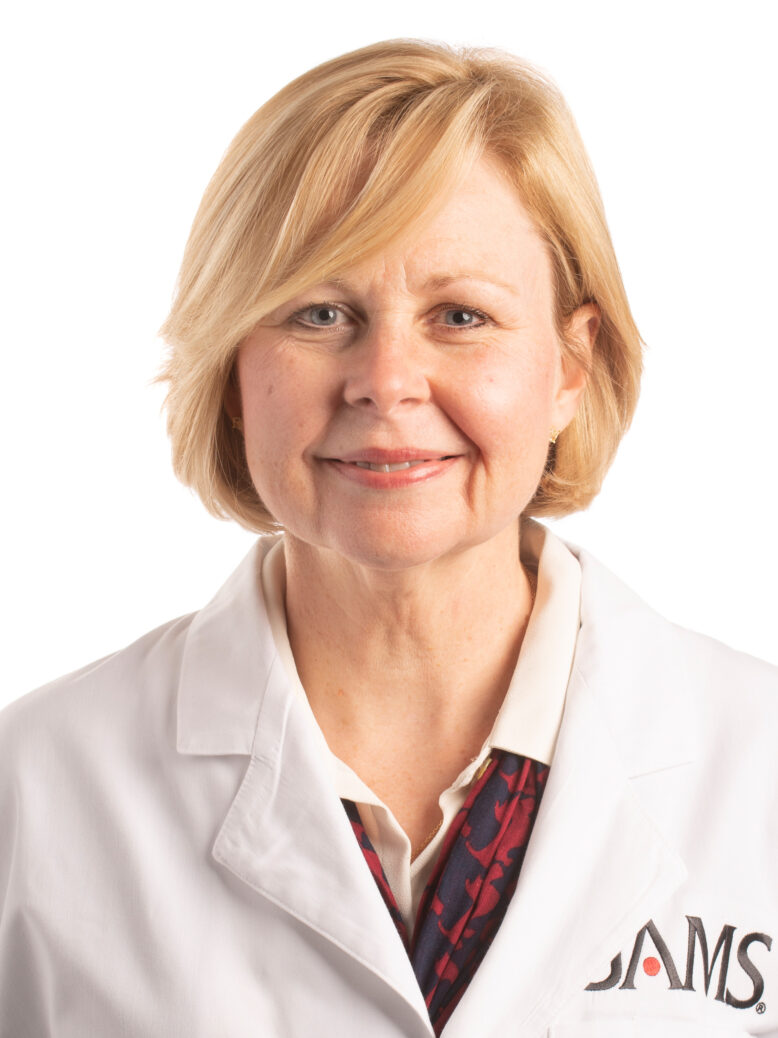
Renee A. Bornemeier, M.D., is a Professor in the Department of Pediatrics at the University of Arkansas for Medical Sciences (UAMS), practicing at Arkansas Children’s Hospital since 1994. She currently serves as Director of the Bale Fetal Heart Center, specializing in pediatric and fetal echocardiography, cardiac anatomy, and 3D cardiac modeling. Her clinical expertise includes diagnosing and managing congenital heart defects, fetal complications, and valvular heart disease. Education and Training: Medical School: University of Arkansas for Medical Sciences Internship: Arkansas Children’s Hospital and University of Arkansas for Medical Sciences Residency: Arkansas Children’s Hospital and University of Arkansas for Medical Sciences Fellowship: Children’s Hospital of Philadelphia (Pediatric Cardiology) Research Focus: Her work emphasizes fetal tele-echocardiography, neonatal cerebral hemodynamics, and the application of 3D cardiac models. Key projects include evaluating a statewide fetal tele-echocardiography program and studying the impact of maternal cytokines on congenital heart defects. Labs/Teams: She leads the Bale Fetal Heart Center, integrating clinical care with research in fetal cardiac diagnostics and interventional cardiology. Her contributions include advancing remote fetal echocardiography networks across Arkansas.