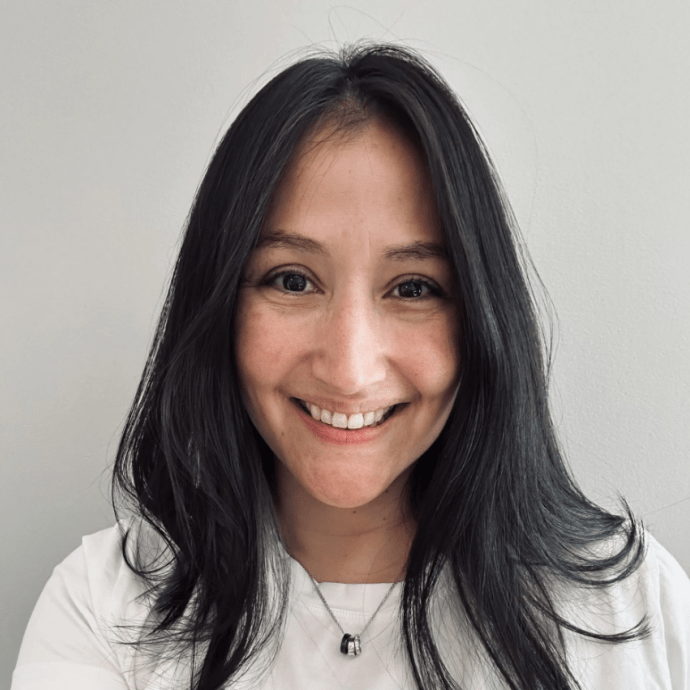
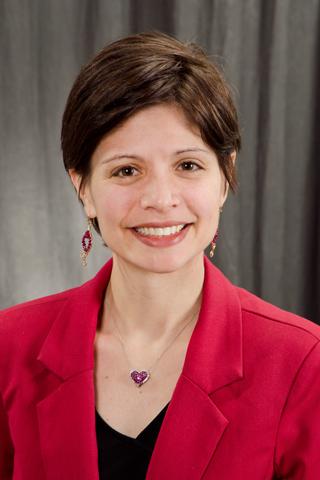
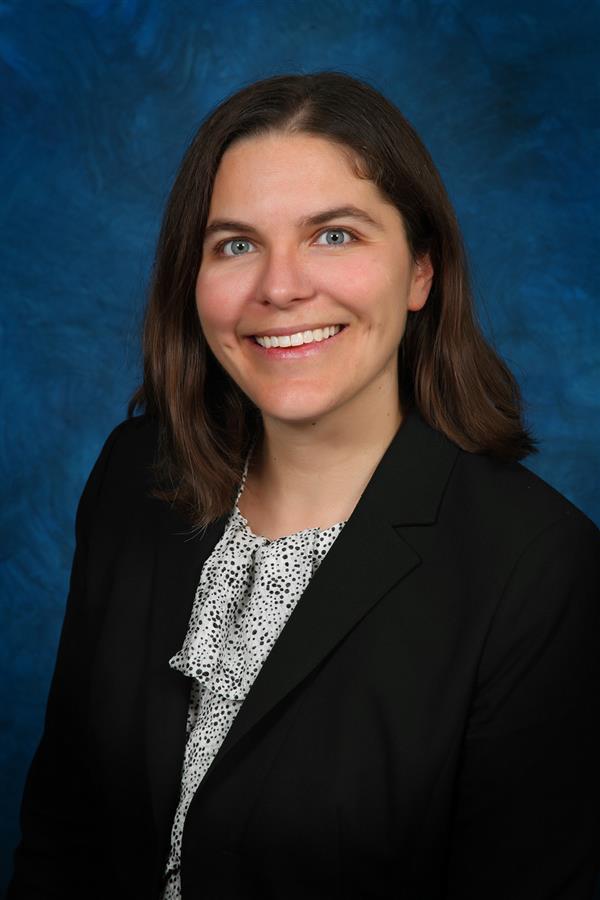
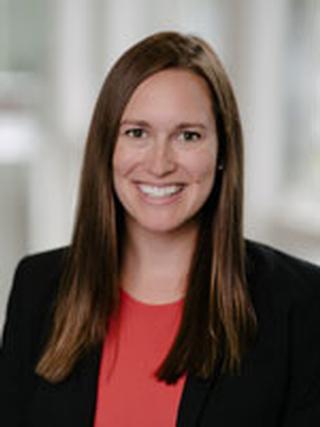
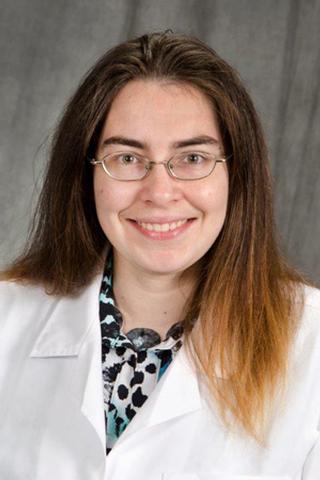
Maria E Vilanova is a Senior Instructor and Director of Clinical Internship at Mercy University's School of Social and Behavioral Sciences. A graduate of Mercy University's Marriage and Family Therapy (MFT) Program, she brings over a decade of clinical expertise working with individuals, couples, and families across public and private sectors. Research Focus: Her work centers on trauma recovery, life cycle transitions through family systems theory, cross-cultural relationships, and leadership development. She specializes in military/veteran mental health, addressing mental illness, addiction, and reintegration challenges for service members and their families. Clinical Leadership: As Assistant Director at Scarsdale Edgemont Family Counseling Service, she oversees youth mental health programs while providing direct therapy for teens/adults dealing with anxiety, depression, and family conflicts. She actively expands community mental health resources and partnership networks. Teaching: Maria teaches Group Experience (PSYN 644), MFT Practicum I-III (PSYN 640-642), and Clinical Research Project (PSYN 710), mentoring emerging therapists through academic and professional development.
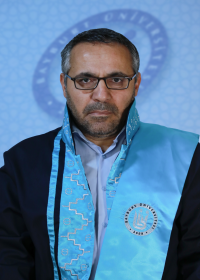
Dr. Sinan YAZICI is an Associate Professor at Bayburt University's Faculty of Economics and Administrative Sciences, Department of Political Science and Public Administration. He serves as the Head of the Department of Management Sciences and holds multiple administrative roles, including membership in the Faculty's Scholarship Application Unit Commission and Unit Internship Commission, and departmental responsibilities such as coordinating the Digital Literacy Course and contributing to activity reports and scholarship committees. His research focuses on governance structures and administrative systems, with expertise in: Public sector management and bureaucratic efficiency Constitutional frameworks and political institution design Policy implementation within social and human sciences contexts Sustainable development goal (SDG) integration in administrative practices As an active institutional contributor, Dr. YAZICI participates in committees spanning academic reporting, digital education initiatives, and student scholarship programs, reflecting his commitment to academic service and administrative leadership.
Heidi Carr is an Assistant Professor at the University of Miami's School of Communication, specializing in public relations education and professional practice. She directs the undergraduate public relations program and teaches courses in writing, media relations, communication literacy, travel and tourism, political messaging, women in communication, and message development. 2020 Robert and Christine Staub Faculty Excellence Award for Effective Teaching 2024-25 Civic Engagement Fellowship Program cohort member With a 25-year journalism background at The Miami Herald, Carr brings industry expertise to her academic role. Her professional focus includes internship program development and media training, particularly emphasizing effective communication strategies in South Florida's public relations landscape.
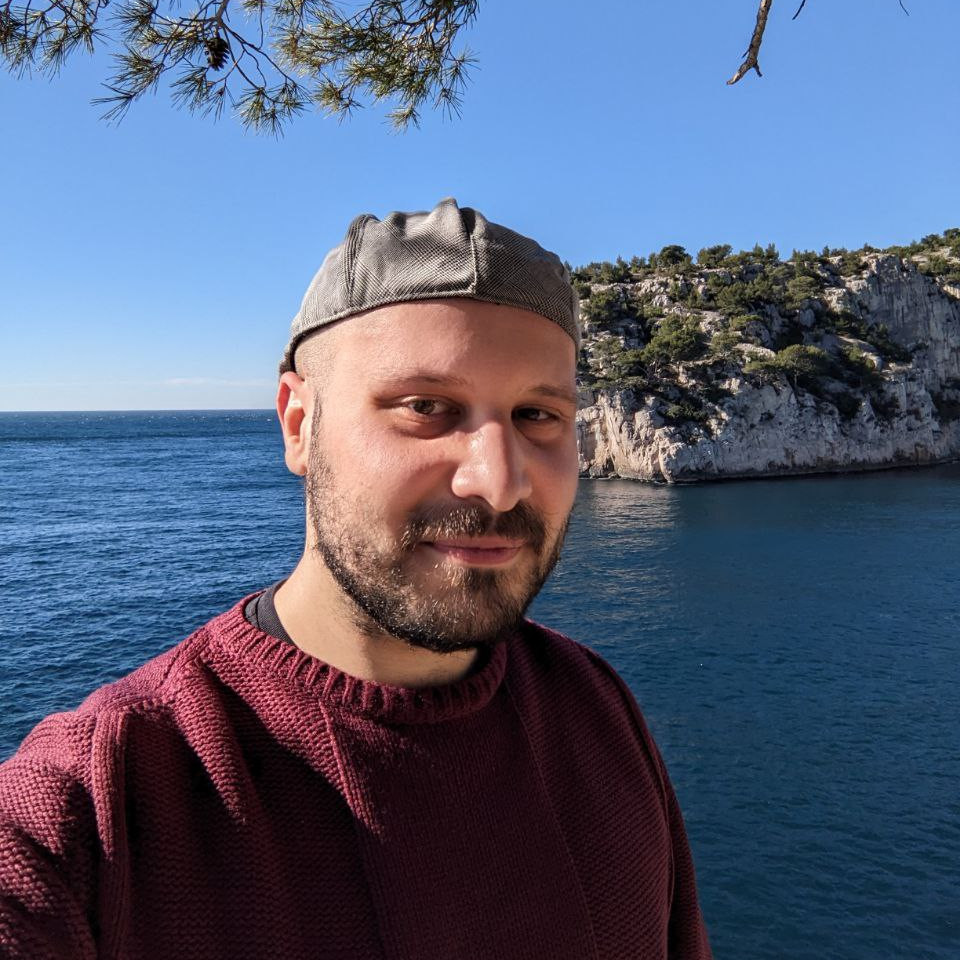
Andrea Fioraldi is a Ph.D. student and researcher at EURECOM working under the supervision of Prof. Davide Balzarotti in the Software and Systems Security group. He specializes in improving security vulnerability discovery techniques, particularly through fuzz testing as part of the DARPA Chess project. His research has significant implications for software security and reliability. Andrea earned his BSc in Computer and Control Engineering from Sapienza, University of Rome in 2018, followed by an MSc in Engineering in Computer Science from the same institution in 2020. His master's thesis focused on "Program State Abstraction for Feedback-driven Fuzz Testing using Likely Invariants" developed during an internship at EURECOM. His research interests center on fuzz testing methodologies, memory safety analysis, binary format processing, and vulnerability discovery. He has made significant contributions to advancing fuzz testing capabilities, particularly through his work on AFL++ and LibAFL frameworks, which have become essential tools in the security research community. Analysis of his publication record shows a clear progression from foundational work on fuzz testing techniques to more sophisticated approaches integrating emulation, memory safety analysis, and structured data handling. His research consistently bridges theoretical advances with practical implementations that have been adopted by the security community. Italian CyberChallenge winner (Malware Analysis, 2017) Participant in ENISA's European CyberSecurity Challenge (first Italian team) Active competitor in DEFCON CTF and CCC CTF with team mHACKeroni PC member for IEEE Workshop on Offensive Technologies (WOOT 2021, 2022) External reviewer for International Symposium on Code Generation and Optimization (CGO 2024) Andrea serves as a maintainer for AFL++, one of the most advanced publicly available fuzzers, and has contributed significantly to the security research community through his open-source projects. He is actively involved in the DARPA Chess project, focusing on improving the effectiveness of security vulnerability discovery techniques. He is a member of the mHACKeroni CTF team and regularly participates in top international cybersecurity competitions. His work bridges academic research with practical security applications, making significant contributions to both domains.
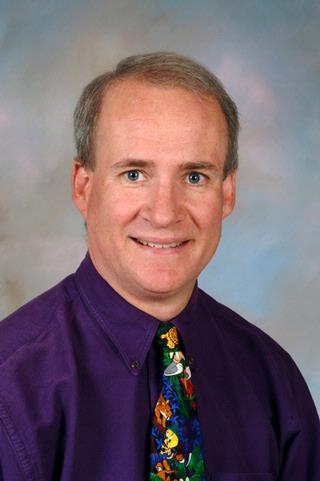
Neil E. Herendeen, M.D., M.S. is a Professor in the Department of Pediatrics at the University of Rochester School of Medicine and Dentistry. He specializes in the primary care of children with complex chronic conditions and leads the Strong Pediatric Practice in its medical home transformation, achieving NCQA Patient Centered Medical Home Level 3 certification. Dr. Herendeen also serves as Medical Director of the Health-e-Access telemedicine program and chairs the 292-BABY management council. Education MD - University of Rochester School of Medicine/Dentistry (1987) Internship - Pediatrics, University of Rochester Medical Center (1987-1988) Residency - Pediatrics, University of Rochester Medical Center (1988-1990) Research Focus Dr. Herendeen's work centers on enhancing pediatric primary care delivery through telemedicine. Key projects include school-based telehealth initiatives, hypertension management for adolescents, and integrated digital health systems for early childhood development support. He also leads programs in early literacy (Reach Out and Read), pediatric dentistry collaboration (Healthy Smiles), and palliative care for children with chronic conditions. Scientific Awards Patient and Family-Centered ICARE Award (2013) Rochester Business Journal Health Care Achievement Award for Innovation (2011) United States Air Force Meritorious Service Medal (1993) Medical Student Teaching award (1990)
Dr. Jessica C. Shand serves as Associate Professor in both the Department of Pediatrics and the Department of Health Humanities and Bioethics at the University of Rochester School of Medicine and Dentistry. She provides pediatric primary care and hematologic consultation, and holds key leadership roles including Associate Director of the Resident Research Track, Bioethics Pathway Director, and Director of the URMC Clinician and Faculty Wellbeing Program. Her clinical expertise spans general pediatrics and pediatric hematology-oncology with a focus on ethical issues and health equity. Her educational journey includes: Doctor of Medicine (MD) from University at Buffalo (2006) Pediatrics Internship at University of Rochester Medical Center (2006-2007) Pediatrics Residency at University of Rochester Medical Center (2007-2009) Fellowship in Pediatric Hematology-Oncology at Johns Hopkins University (2009-2012) Dr. Shand's scholarly work centers on bioethics and health equity in hematology, particularly examining ethical dilemmas in blood management, therapeutic development, and stigma in sickle cell disease care. She also explores the role of spiritual care and chaplaincy collaboration in resolving ethical conflicts and advancing community health equity. Additionally, she leads institutional initiatives to improve clinician wellbeing through innovative team debriefs and technology optimization. Her publication record demonstrates a strong interdisciplinary focus, bridging clinical hematology with bioethics and health services research. Recent articles address ethical frameworks for resource allocation, disparities in sickle cell disease management, and innovative models for integrating spiritual care into pediatric oncology. This body of work reflects her commitment to addressing systemic inequities and ethical challenges in pediatric healthcare. Dr. Shand has been recognized with numerous prestigious awards: Alpha Omega Alpha Faculty Inductee (2016) AR Coalition Immuno Oncology Young Investigator Forum Second Place (2016) American Society for Blood and Marrow Transplantation Award (2015) Honorable Mention, Fellows' Research Day (2012) American Society of Hematology Abstract Achievement Award (2012, 2011) Meg Colgan Award for Dedication to Underserved Children (2009) American Society of Hematology Trainee Research Award (2008-2009) Neonatal Intensive Care Unit Award (2008) Arnold P. Gold Foundation Humanism in Medicine Honor Society (2006) Howard Hughes Medical Institute Continuing Support Award (2004-2006) As an educator, Dr. Shand mentors medical students and residents through the Resident Research Track and Bioethics Pathway. She co-directs the GCH Morbidity and Mortality Conference and develops anticoagulation best practices. Her leadership in the Clinician and Faculty Wellbeing Program focuses on interdisciplinary strategies to enhance professional wellness, including technology use optimization and structured team debriefs. Dr. Shand's collaborative work spans multiple institutional initiatives, including quality improvement projects in pediatric hematology and bioethics curriculum development. Her leadership in the Clinician Wellbeing Program fosters a supportive environment for healthcare providers, directly impacting patient care quality and team resilience.
Jeffrey P. Doshna is an Associate Professor and Program Head of Planning & Community Development in the Department of City & Regional Planning at Temple University's Tyler School of Art and Architecture. He holds a PhD in Planning and Public Policy from Rutgers University (2015), a Master of City and Regional Planning also from Rutgers (2002), and dual bachelor's degrees from Johns Hopkins University - a BA in Economics and a BS in Geography and Environmental Engineering (1996). Education Background: PhD, Planning and Public Policy, Rutgers University, 2015 MCRP, City and Regional Planning, Rutgers University, 2002 BA, Economics, Johns Hopkins University, 1996 BS, Geography and Environmental Engineering, Johns Hopkins University, 1996 Dr. Doshna is a professional planner, economist, and community leader whose primary research focuses on community economic development with particular emphasis on community development finance. His current work critically examines the influences of neoliberalism on community development practices through programs like the Federal Healthy Food Financing Initiative. His research portfolio also includes significant contributions to understanding microenterprise development, state economic development policy, and strategies for promoting entrepreneurship in low-income neighborhoods. Dr. Doshna's scholarly output demonstrates a consistent trajectory examining the intersection of economic policy, community development, and planning practice. His publications span from foundational work on microenterprise development at the turn of the millennium to recent analyses of neoliberal influences on contemporary community development programs. His research shows particular interest in how policy frameworks shape local economic development outcomes and how financial mechanisms can be leveraged to address food access and economic opportunity in underserved communities, with increasing attention to educational approaches in planning. Professional Recognition: American Institute of Certified Planner (AICP) Dr. Doshna actively engages in professional practice while maintaining his academic responsibilities. He has served on the Flemington Planning Board since 2006, where he supported the creation of affordable housing and sustainability elements and revised the Borough's Master Plan in 2010. His community leadership extends to serving as Chair of the Flemington Environmental Commission (2008), authoring the Natural Resource Inventory (2010), and leading Flemington's certification in the Sustainable Jersey Program (2011). In university governance, Dr. Doshna serves as President of the Temple Association of University Professionals (AFT 4531) since May 2022 and participates in the AFT National Higher Education Program and Policy Council. Dr. Doshna teaches courses in community and economic development, quantitative and qualitative research methods, and supervises the graduate planning studio. His teaching portfolio includes Introduction to Community Development, Community Planning Analysis, Community Development Finance, Community-based Organizations, Cooperatives, Planning Analysis, Regional Development, and Advanced Methods for Planning Analysis. His students benefit from his extensive practical experience in municipal planning and community development initiatives, as evidenced by studio projects addressing brownfields remediation, transportation equity, commercial corridor resilience, and neighborhood environmental action planning.
Amnon Schlegel, MD, PhD, EMBA, serves as an Adjunct Professor in the Department of Biochemistry at the University of Utah School of Medicine. Board certified in Endocrinology, Diabetes & Metabolism by the American Board of Internal Medicine, he maintains an active clinical and research profile focusing on metabolic disorders. His educational trajectory includes: BS in Undergraduate Studies from Hofstra University MD, MS, and PhD from Albert Einstein College of Medicine Residency and Internship at Beth Israel Deaconess Medical Center Fellowship at University of California, San Francisco EMBA from Quantic School of Business and Technology Dr. Schlegel's research centers on molecular mechanisms of metabolism, particularly in diabetes and obesity pathogenesis. His laboratory employs zebrafish, mouse models, and human physiology to investigate transcriptional regulators like FOXN3 and transporters such as SLC16A6. Key contributions include elucidating fasting glucose regulation pathways, ketone body metabolism in cancer, and novel insulin development based on cone snail venom. His work bridges basic science and clinical applications to address type 2 diabetes as a multi-organ pandemic. Analysis of his publication history reveals consistent focus on translational endocrinology, with increasing emphasis on genetic mechanisms of metabolic disease. His recent work integrates population genetics with molecular phenotyping, particularly in FOXN3-related pathways and monocarboxylate transporters, demonstrating strong continuity from basic discovery to clinical case reports. Dr. Schlegel leads an active research laboratory within the University of Utah's Molecular Medicine Program, which fosters interdisciplinary collaboration across the School of Medicine and College of Health. His team investigates novel metabolic pathways with therapeutic potential for diabetes and lipid disorders, operating at the confluence of genetics, biochemistry, and physiology.
Michael D. Rollins II is a Professor of Surgery and Adjunct Associate Professor of Pediatrics at the University of Utah. He is a board-certified Pediatric Surgeon specializing in the treatment of anorectal malformations and Hirschsprung disease. Dr. Rollins serves as the founder and director of the Pediatric Colorectal Center at Primary Children's Hospital and co-founded the international Pediatric Colorectal and Pelvic Learning Consortium (PCPLC). Dr. Rollins' educational background includes: B.S. in Biological Sciences from Lipscomb University M.D. from the University of Tennessee Health Science Center, College of Medicine, Memphis Surgery Internship and Residency at the University of Utah School of Medicine Pediatric Surgery Fellowship at Washington University School of Medicine Research Fellowship in Gastrointestinal Surgery at the University of Utah School of Medicine His primary research interests center on pediatric colorectal disorders, with a focus on anorectal malformations and Hirschsprung disease. He investigates long-term functional outcomes, multidisciplinary care models, and the genetic underpinnings of these conditions. Dr. Rollins has developed standardized perioperative protocols and bowel management programs to improve quality of life and reduce hospital readmissions for children with complex colorectal issues. Analysis of Dr. Rollins' recent publications (2020-2024) reveals a strong emphasis on outcomes research in pediatric colorectal surgery. Key themes include surgical timing (neonatal vs. delayed procedures), management of complications like enterocolitis and rectal prolapse, and health services research examining cost and resource utilization. His work leverages the PCPLC registry to drive evidence-based practice across multiple institutions. Dr. Rollins mentors trainees in pediatric surgery and leads research initiatives through the PCPLC and collaborations with the Utah Population Database. His team includes surgeons, scientists, and specialists dedicated to advancing care for children with colorectal disorders. As founder of the Pediatric Colorectal Center and co-founder of the PCPLC, Dr. Rollins has established multidisciplinary teams that integrate surgical, gastroenterological, and psychological care. The PCPLC now includes over 30 international clinical centers and has generated numerous practice-changing studies through its patient registry and collaborative research infrastructure.
Dr. Joseph E. Tonna, MD, MS, FCCM, FACEP, is an Associate Professor and Vice Chair of Research in the Department of Surgery at the University of Utah School of Medicine. He serves as Section Head of Cardiothoracic Critical Care and Associate Director of Extracorporeal Membrane Oxygenation (ECMO) Services, with previous experience as Medical Director of the Cardiovascular ICU where he continues clinical practice. His educational background includes: B.A. in Biological Sciences with General Honors from University of Chicago M.D. from University of California, San Francisco Internship and Residency in Emergency Medicine at Stanford University Fellowship in Critical Care at University of Washington M.S. in Biostatistics/Clinical Research from University of Utah Dr. Tonna's research focuses on clinical trials of rescue therapies in critically ill patients, with particular emphasis on extracorporeal membrane oxygenation (ECMO) and extracorporeal cardiopulmonary resuscitation (ECPR). His work has been funded by the National Heart Lung and Blood Institute (NHLBI) of the National Institutes of Health (NIH). His research examines various aspects of ECMO including patient outcomes, optimal management strategies, racial disparities in care, geospatial access to services, and cost-effectiveness of advanced circulatory support approaches. His publication record demonstrates a strong focus on improving outcomes for patients requiring mechanical circulatory support, with numerous contributions to understanding optimal ECMO protocols, risk prediction models, and management of complications. His work spans multiple high-impact journals including Critical Care Medicine, Circulation Heart Failure, and ASAIO Journal. Professional recognitions include: Fellow of the American College of Critical Care Medicine (FCCM) Fellow of the American College of Emergency Physicians (FACEP) Dr. Tonna is board certified by both the American Board of Anesthesiology (with subspecialty in Critical Care Medicine) and the American Board of Emergency Medicine. He has been instrumental in developing comprehensive emergency department extracorporeal membrane oxygenation programs and has contributed significantly to national guidelines through the Extracorporeal Life Support Organization.
Akiko Okifuji, PhD is Professor of Anesthesiology in the Division of Pain Medicine at the University of Utah, where she serves as a licensed clinical psychologist specializing in pain management and conducts active pain research. She is a core member of the University of Utah Pain Management Center treatment team, providing behavioral medicine services for chronic pain patients while leading federally funded investigations into pain treatment efficacy. Her educational background includes: B.A. in Psychology from State University of New York at Stony Brook M.A. in Psychology from State University of New York at Binghamton Ph.D. in Clinical Psychology from State University of New York at Binghamton Psychiatry Internship at University of Pittsburgh Psychology Fellowship at University of Pittsburgh Dr. Okifuji's research program integrates psychological, physiological, and social dimensions of chronic pain, with primary emphases on fibromyalgia rehabilitation strategies, weight management interventions, women's health considerations, opioid use psychophysiology, and cognitive-behavioral treatment frameworks. Her work consistently examines cost-effectiveness of multidisciplinary approaches while developing novel assessment methodologies for pain conditions. Analysis of her 11 recent publications (2014-2022) reveals strong thematic continuity in opioid management research, fibromyalgia pathophysiology, and innovative pain measurement tools. Key trends include interdisciplinary collaborations across pharmacy, obstetrics, and exercise science domains, with growing focus on pandemic-related impacts on pain care and substance use. Her publications demonstrate methodological diversity spanning clinical trials, secondary data analyses, and novel scale development. Dr. Okifuji has secured continuous funding as principal investigator and co-investigator for federal and locally sponsored pain research projects, particularly examining opioid tapering protocols, fibromyalgia activity patterns, and cost-benefit analyses of multidisciplinary pain programs. While specific student mentorship isn't documented in the source text, her professorial role inherently involves training future pain specialists through clinical supervision and research collaboration. She operates within the University of Utah Pain Management Center ecosystem, contributing behavioral expertise to the multidisciplinary treatment team while conducting research through the Department of Anesthesiology's Division of Pain Medicine. Her clinical-research integration exemplifies translational pain medicine approaches within an academic medical center setting.
Christine Fisher is a Professor in the Department of Radiation Oncology at the University of Colorado Anschutz Medical Campus School of Medicine. She serves as Vice Chair and Director of Brachytherapy at the institution. MD - Chicago Medical School (2006) MPH - University of North Carolina (2010) Internship - University of Hawaii (2007) Residency - University of Texas MD Anderson Cancer Center (2011) Dr. Fisher specializes in radiation oncology for gynecologic and breast cancers, with expertise in brachytherapy and radiation therapy for cervical, uterine, endometrial, and ovarian malignancies. Recent research focuses on clinical target volume delineation, machine-learning prognostication tools, and NCCN guideline implementation. She has co-authored 15+ consensus guidelines for cervical and gynecologic cancers, contributed to studies on radiation disparities, and developed innovative brachytherapy training curricula. Recognized as Top Doctor in Radiation Oncology by 5280 magazine in 2019 and 2020, her clinical practice spans UCHealth Radiation Oncology and University of Colorado Cancer Center. 2024: Consensus guidelines for cervical cancer IMRT 2023: Hybrid brachytherapy template implementation 2022: Machine-learning lymph node analysis in endometrial cancer 2020: Phase I breast cancer trial outcomes Dr. Fisher's work addresses healthcare disparities in cancer treatment access and outcomes, particularly across insurance status and demographic factors. She contributes to national radiation therapy quality initiatives through the Veterans Affairs system.
Kimberly Gergelis, M.D., is a Clinical Professor in the Radiation Oncology department at the University of Rochester Medical Center. Her clinical practice focuses on cancer treatment and patient well-being, with a particular emphasis on breast cancer, prostate cancer, and geriatric oncology. Education: MD from Albert Einstein College of Medicine Residency: Mayo Clinic (2018-2022) Internship: Stamford Health System (2017-2018) Research interests span Radiation Oncology , Proton Therapy , and Patient-Centered Care . She leads clinical trials like TAILOR RT and HERO, focusing on optimizing radiation protocols for low-risk cancers. Her work addresses quality of life outcomes, treatment-related toxicity, and multidisciplinary care approaches. Recent publications examine comparative effectiveness of radiation modalities, hyperthermia monitoring, and surgical de-escalation strategies. Awards include the Christina M. Frechette Patient Experience Award and multiple scholarships for academic excellence. Scientific Awards: 14+ awards including Alpha Omega Alpha and Glasgow-Rubin Citation Clinical Expertise: Radiation therapy for breast, prostate, bladder, and lung cancers Locations: Pluta Cancer Center (Henrietta), Wilmot Cancer Center (Rochester), Highland Hospital (Rochester)
Adrienne Victor, M.D., M.S., is an Assistant Professor in the Department of Medicine, Hematology/Oncology division at the University of Rochester School of Medicine and Dentistry. She practices within the UR Medicine Faculty Group (URMFG) and Accountable Health Partners (AHP), providing specialized care in hematology and oncology with clinical expertise in sarcoma, leukemia, and melanoma treatment at Wilmot Cancer Institute. Her educational foundation includes: MD from University of Illinois College of Medicine-Urbana (2012) Fellowship in Hematology & Oncology at University of Rochester Medical Center (2015-2018) Residency in Internal Medicine at UT Health San Antonio Long School of Medicine (2013-2015) Internship in Internal Medicine at UT Health San Antonio Long School of Medicine (2012-2013) Dr. Victor's research centers on advancing cancer therapeutics, particularly for rare malignancies like retroperitoneal sarcoma and complex interactions between hematologic cancers and solid tumors. Her work bridges clinical oncology with translational research to develop personalized treatment approaches for high-risk patient populations. Analysis of her publications reveals a strong trajectory in oncology research since 2018, with emphasis on sarcoma and hematologic malignancies, while her earlier neuroscience work demonstrates foundational expertise in molecular mechanisms of disease. Current research priorities focus on neoadjuvant strategies for sarcoma and management of concurrent cancers. Her distinguished contributions have been recognized through: Bennett Travel Award (2017) Andrew and Hortense Call Barr Award (2011) Ukrainian Medical Association Scholarship (2009-2011) Rural Medicine Preceptorship Award (2009) Intramural Research Training Award (2004-2006) Summer Undergraduate Research Program Award (2003) As lead researcher for a multicenter Phase III clinical trial on neoadjuvant chemotherapy for retroperitoneal sarcoma, Dr. Victor directs significant research resources investigating whether preoperative treatment improves outcomes in dedifferentiated liposarcoma and leiomyosarcoma. Her patient-centered approach consistently earns exceptional satisfaction ratings, with 4.9/5 stars from 325 reviews highlighting her communication skills and compassionate care. Dr. Victor operates within the multidisciplinary Hematology/Oncology team at Wilmot Cancer Institute, collaborating with surgical oncologists, radiologists, and pathology specialists to deliver comprehensive cancer care through tumor boards and integrated treatment planning.
Daniel Oppenheimer, M.D. serves as Associate Professor in the Department of Imaging Sciences at the University of Rochester School of Medicine and Dentistry. He holds dual leadership roles as Division Head of Remote Radiology and member of the Abdominal Imaging Division. Affiliated with the University of Rochester Medical Faculty Group (URMFG) and Accountable Health Partners (AHP), he contributes to a network spanning 19 departments and over 2,000 medical faculty across regional healthcare systems. His academic foundation includes: MD from University of Vermont College of Medicine (2011) Internal Medicine Internship at Eye and Ear Hospital of Pittsburgh (2011-2012) Diagnostic Radiology Residency at University of Rochester Medical Center (2012-2016) Abdominal Imaging Fellowship at Mallinckrodt Institute of Radiology (2016-2017) Dr. Oppenheimer's research pioneers telediagnostic ultrasound for resource-limited settings, notably through Peru-based projects expanding imaging access in rural communities. His work bridges abdominal imaging with remote radiology innovation, covering thyroid diagnostics, hepatobiliary pathology, placental MRI, and venous disease characterization. As an active member of RSNA, ARRS, SAR, SRU, and ASER, he advances clinical protocols through national lectures on diagnostic radiology. His publication trajectory reveals two dominant trends: (1) Telemedicine solutions addressing radiology staffing crises and geographic healthcare disparities, and (2) Precision abdominal imaging techniques enhancing diagnostic accuracy for complex conditions. Recent work demonstrates how remote radiology systems improve workflow efficiency while maintaining diagnostic integrity across diverse clinical scenarios. Professional recognition includes: Certificate of Merit - Excellence in Conference Teaching (2022-2023) Volunteer Service Award (2022) Section Chair's Sub-specialty Award (2018) Magna Cum Laude Award (2018) Shu Ren Lin Faculty Teaching Award (2017-2018) Certificate of Merit (2014) Bernd Heinrich Award for Physiology Research (2007) Presidential Scholar (2004-2006) As a dedicated educator in the Diagnostic Radiology Residency Program, Dr. Oppenheimer integrates his remote radiology expertise into curriculum development while mentoring trainees in abdominal imaging subspecialization. His leadership in the Remote Radiology division has established evidence-based frameworks for tele-radiology implementation, directly influencing departmental staffing models and work-life balance initiatives. Current research collaborations focus on validating telediagnostic systems in global health contexts. He directs the Remote Radiology division while collaborating with multidisciplinary teams across abdominal imaging services. His Peru-based telediagnostic ultrasound projects exemplify commitment to healthcare equity, demonstrating scalable models for expanding imaging access in underserved regions through technology-enabled clinical pathways.