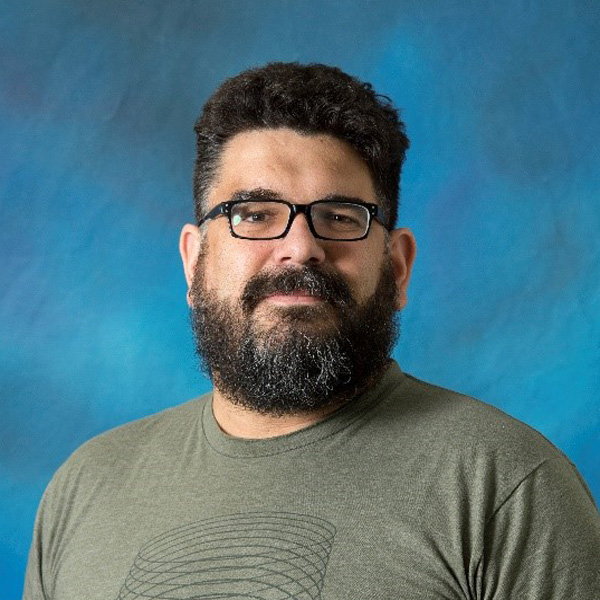
Brent Doiron is a Professor at the University of Chicago, holding appointments in the Departments of Neurobiology and Statistics, and serving on the Committee on Computational and Applied Mathematics (CCAM). His research integrates nonlinear dynamics and statistical mechanics to study neural circuit variability, focusing on mechanisms underlying neural coding and network learning through collaborations with experimentalists in sensory systems. Education: PhD in Physics (University of Ottawa, 2004) Postdoc: Center for Neural Science at New York University (2017) Previous Roles: Mathematics Professor at University of Pittsburgh (2007-2020), Co-Director of Neural Computation Program at Carnegie Mellon Neuroscience Institute Research interests center on neuronal population dynamics, recurrent circuit mechanisms, and computational neuroscience. Current work investigates correlated variability in cortical networks, inter-areal communication, and stochastic spiking models. Recent publications emphasize cortical stability/gain modulation, asynchronous/synchronous activity balance, and Bayesian inference frameworks. Key themes include sensory processing, network plasticity, and dimensionality reduction in neural coding. Scientific Awards Alfred P. Sloan Research Fellowship in Neuroscience Vannevar Bush Faculty Fellowship Chancellor’s Distinguished Research Award (University of Pittsburgh) Active grants include NIH R01 and R90/T90 awards for neuronal dynamics research and computational neuroscience training programs.
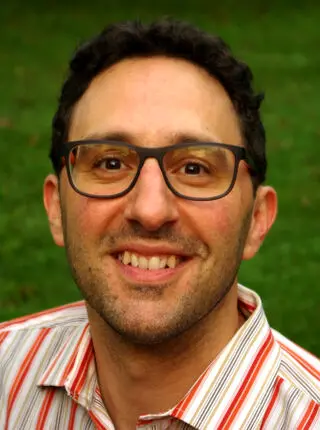
Marc V Fuccillo is an Associate Professor of Neuroscience at the Perelman School of Medicine, University of Pennsylvania, where he leads a research laboratory focused on understanding the neural circuit mechanisms underlying behavioral control. His work bridges molecular, synaptic, and behavioral approaches to investigate how striatal circuits regulate mouse behavior from simple motor patterns to complex goal-directed actions. Fuccillo holds dual appointments in the Neuroscience and Cell and Molecular Biology Graduate Groups at Penn and maintains an active laboratory investigating the synaptic and circuit basis of neuropsychiatric disorders. Education: B.A. in Molecular and Cellular Biology and Music Performance (Violin) from Brown University (1998) Ph.D. in Developmental Genetics from New York University School of Medicine (2007) M.D. from New York University School of Medicine (2008) Fuccillo's research centers on the synaptic and circuit mechanisms of behavioral control, with particular emphasis on striatal circuits. His laboratory employs a range of technologies including mouse genetics, in vitro electrophysiology, in vivo imaging, and quantitative behavioral analysis to explore how neural circuits of the striatum regulate behavior and how disruptions in these circuits contribute to neuropsychiatric disorders. His work has particularly focused on autism-associated abnormalities in behavioral control, examining how synaptic adhesion molecules like neuroligins and neurexins shape circuit function and behavior, with significant findings regarding D1 dopamine receptor positive medium spiny neurons in the nucleus accumbens. Analysis of Fuccillo's recent publications reveals a strong focus on striatal circuit function across multiple dimensions. His work spans molecular neuroscience (examining synaptic adhesion molecules), cellular physiology (studying specific neuron types in striatal circuits), systems neuroscience (mapping circuit connectivity), and behavioral neuroscience (quantifying motor learning and decision-making). A unifying theme is how disruptions in specific molecular pathways lead to circuit-level abnormalities that manifest as behavioral phenotypes relevant to neuropsychiatric disorders, with particular attention to autism, OCD, and schizophrenia models. Scientific Recognition: Publications in high-impact journals including Nature Neuroscience, Current Biology, Cell Reports, and Neuron Research supported by multiple NIH grants including NIMH F32, NIMH K01, and HHMI Gilliam Fellowship awards for lab members Fuccillo actively mentors a diverse group of trainees including postdoctoral fellows, graduate students, and undergraduates. His laboratory has produced numerous successful alumni who have gone on to faculty positions, medical residencies, and graduate programs at prestigious institutions. His mentoring approach emphasizes technical skill development across multiple neuroscience disciplines while fostering independent scientific thinking. Current research in his lab is supported by NIH funding focused on understanding the molecular architecture of striatal circuits and their role in behavioral control, with three major research directions exploring molecular logic of striatal circuits, circuit mechanisms of behavioral control, and striatal dysfunction in neuropsychiatric disease models. The Fuccillo Laboratory operates within the Department of Neuroscience at the University of Pennsylvania, with access to state-of-the-art facilities for molecular, electrophysiological, imaging, and behavioral neuroscience research. The lab maintains active collaborations with other neuroscience research groups at Penn and beyond, creating a rich intellectual environment for studying the neural basis of behavior. Current research directions include investigating whether there is a molecular logic to striatal circuit composition, how striatal circuits shape behavioral control, and what mouse models of autism, schizophrenia, and OCD can reveal about striatal circuit dysfunction in disease pathophysiology.
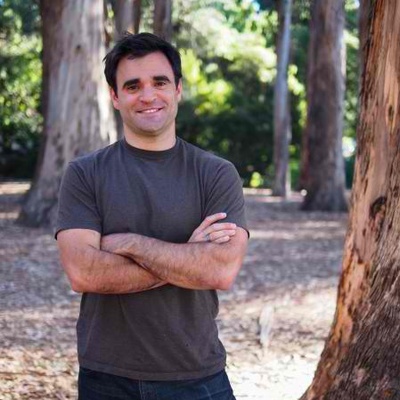
Dr. Sabine Krabbe is a Group Leader at the German Center for Neurodegenerative Diseases (DZNE) in Bonn, Germany, where she leads research on neural circuit mechanisms underlying adaptive learning and state-dependent decision-making. Her work integrates neuroscience, molecular biology, and behavioral approaches to understand how internal states influence behavior and how these processes are disrupted in neurological disorders. Dr. Krabbe's research focuses on the interactions between midbrain circuits of the substantia nigra and ventral tegmental area with their output structures such as the striatum and amygdala. She investigates how these networks integrate internal states with environmental cues to produce appropriate behavioral responses. Her laboratory employs state-of-the-art techniques including deep-brain calcium imaging at single-cell resolution in mice, opto- and pharmacogenetic manipulations, anatomical tracings, and molecular approaches to characterize neural circuit elements in detail. Her recent publications reveal significant insights into amygdala interneuron plasticity during fear learning, brain-wide representational drift in memory consolidation, and the molecular mechanisms underlying Parkinson's disease progression. Her work demonstrates how activity patterns within specific neural circuits change in early stages of neurodegenerative diseases and how this dysfunction contributes to cognitive deficits and emotional disturbances. Dr. Krabbe is actively involved in the neuroscience community, organizing the BonnBrain Conference 2026 and sharing research through social media platforms. She has established herself as an emerging leader in the field of systems neuroscience with a particular focus on the neural basis of emotional states and decision-making processes.
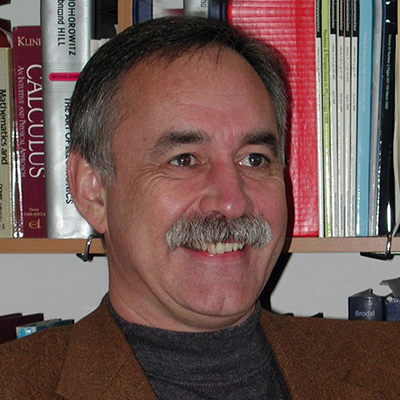
Colin J Akerman is Professor of Neuroscience and Group Leader in the Department of Pharmacology at the University of Oxford, concurrently serving as Corange Fellow and Medical Tutor at Corpus Christi College. His research investigates fundamental mechanisms of synaptic circuit formation and plasticity, with direct implications for epilepsy, dementia, and schizophrenia through multidisciplinary approaches integrating electrophysiology, optical imaging, and computational modeling. His primary research interests encompass Synaptic Plasticity, Neural Circuit Formation, and Excitatory-Inhibitory Balance, with specific focus on neuronal progenitor influences on connectivity, chloride dynamics in inhibitory transmission, and learning mechanisms in disease contexts. The lab employs custom-built equipment and molecular tools to probe synaptic function across in vivo , in vitro , and in silico platforms, emphasizing how activity-dependent processes shape neural networks during development and disease. Recent publications (2023-2025) reveal strong thematic convergence on intracellular chloride regulation in sleep-wake cycles, cortical circuit assembly from embryonic progenitors, and innovative optical tools for neural monitoring. This work bridges molecular neuroscience with systems-level understanding of synaptic plasticity, particularly regarding ionic mechanisms in epilepsy and sleep homeostasis. No scientific awards or fellowships are explicitly documented in the source materials. Professor Akerman currently mentors four PhD students (Vourvoukelis, Selfe, Wang, Gemayel) and multiple postdoctoral researchers, having previously trained scientists now leading independent groups in Toronto, Edinburgh, Cape Town, Oxford, and London. His research is funded by the European Research Council, Innovative Medicines Initiative, and Wellcome Trust, supporting investigations into synaptic mechanisms underlying neurological disorders. The Akerman Group, established in 2008, operates as an integrative neuroscience hub within Oxford's Pharmacology Department. The 10-member team combines expertise in patch-clamp electrophysiology, optogenetics, multiphoton imaging, and computational modeling, with current projects spanning neuronal progenitor biology, inhibitory synaptic plasticity, and learning rule implementation in neural networks. The lab emphasizes technical innovation, regularly developing custom instrumentation and molecular tools for neural observation and manipulation.
Dr. Hillel Adesnik is a Professor in the Department of Neuroscience at the University of California, Berkeley, and a leading researcher in the neural basis of sensory perception. His lab focuses on cortical microcircuits, optogenetics, and neural coding, with emphasis on visual processing and memory formation. Key Research Areas: Cortical Microcircuits Optogenetic Tools Gamma Band Rhythms Neural Coding Mechanisms Dr. Adesnik has pioneered high-speed optical methods like 3D-MAP and 3D-SHOT to manipulate neural activity. His work spans cortical dynamics, synaptic plasticity, and cortical layer interactions, with applications in understanding learning algorithms and sensory inference. Selected Trends from Publications: Recent preprints and papers highlight advancements in cortical VIP neuron function, channelrhodopsin structures, and inter-areal computations. His team utilizes two-photon holography, cryo-EM, and computational modeling to decode perception-related neural codes. Scientific Awards: NIH Director's New Innovator Award (2013) Dr. Adesnik's lab collaborates with institutions like NIH and develops tools for awake animal studies. Funding includes grants from the Beckman Young Investigator Program and NIH.
Istvan Mody is a Professor at the University of California, Los Angeles (UCLA) with appointments in the Department of Neurology and Department of Physiology . His research focuses on synaptic signaling in health and disease, including mechanisms of GABAergic transmission, calcium homeostasis, and their roles in neurological disorders such as epilepsy, Alzheimer's disease, Huntington's disease, stress, alcoholism, and postpartum depression. He utilizes advanced techniques like patch-clamp electrophysiology, neuroanatomical and immunohistochemical methods, and molecular biology in animal models and human brain tissue . Research Interests: Dr. Mody investigates the physiology, pharmacology, and pathology of synaptic transmission and extrasynaptic receptor activation , with a particular emphasis on GABA(A) receptors and their subunit-specific modulation. His work explores how disruptions in excitation-inhibition balance contribute to neurological diseases, including mechanisms of tonic inhibition , calcium signaling , and neurosteroid interactions . He also studies the effects of chronic stress and hormonal fluctuations on neural excitability and behavior. Publications Trends: Recent studies highlight his work on gamma oscillations in Alzheimer's models, microglial dynamics , and rehabilitation strategies for stroke. His lab develops optical tools like dqGEVI for neuronal activity monitoring and investigates human brain organoids to model network dysfunction in epilepsy and intellectual disability. Laboratory Location: 635 Charles Young Dr S, Los Angeles, CA 90095, United States.
Kamal Sen is an Associate Professor in the Department of Biomedical Engineering at Boston University, serving as Director of the Natural Sounds and Neural Coding Laboratory and Director of Admissions and Recruitment for Master’s Programs. He holds a PhD and MA in Physics from Brandeis University and a BA in Physics from Bates College. His research focuses on understanding how neurons encode natural sounds, particularly in the auditory cortex. Key areas include neural coding efficiency, hierarchical auditory processing, and the role of learning in shaping receptive fields. He developed the BOSSA algorithm to address sound segregation challenges in noisy environments, with applications for hearing aid technology. Sen’s work integrates electrophysiological techniques with theoretical approaches from signal processing, information theory, and systems theory. His lab explores neural discrimination of behaviorally relevant sounds and models cortical processing dynamics using computational frameworks. Recent studies investigate parvalbumin neuron contributions to temporal coding and cortical noise reduction in complex auditory scenes. His publications span neural circuit modeling, fNIRS applications in BCI, and biomimetic algorithms for auditory scene analysis. Research highlights include exploring schizophrenia-related gene effects on neural circuits and developing 3D neurosphere models for Parkinson’s disease.
Alicia Che is an Assistant Professor of Psychiatry at Yale University School of Medicine and serves as Director of Graduate Admissions for the Interdepartmental Neuroscience Program. She joined the Yale Department of Psychiatry in 2021 after completing her postdoctoral fellowship with Dr. Natalia De Marco García at Weill Cornell Medical College and Dr. Gord Fishell at NYU. Her research is conducted through the Che Lab at Yale, where she investigates how early life experiences impact brain circuit assembly and mature function in models of psychiatric illness. Yale School of Medicine, Department of Psychiatry Interdepartmental Neuroscience Program Center for Brain & Mind Health Division of Molecular Psychiatry Wu Tsai Institute Yale Center for the Science of Cannabis and Cannabinoids Dr. Che earned her Ph.D. in Physiology and Neurobiology from the University of Connecticut in 2014, where she worked in the laboratory of Dr. Joseph LoTurco. She received her B.S. with triple majors in Biology, Physics, and Physical Chemistry from Pacific Lutheran University in Washington state in 2009. Her research focuses on understanding developmental trajectories following early life experiences to develop diagnostics and early interventions for psychiatric illnesses. Dr. Che's research examines how sensory inputs, social bonding, stress, and substance exposure impact brain development. She employs a multi-dimensional approach to assess transcriptional, circuit, neuronal activity, and behavioral changes across the entire developmental timeline. Her lab currently focuses on four specific areas: the role of oxytocin in social behavior development, circuit dysfunction in PTSD, early-life cannabinoid exposure effects, and the impact of early life stress on development and adulthood. She utilizes advanced techniques including mouse genetics, slice electrophysiology, and longitudinal in vivo 2-photon imaging on behaving animals. Her most recent publications demonstrate significant contributions to understanding neural circuit development, PTSD mechanisms, and the effects of early life experiences on brain function. Her work spans from molecular neuroscience to behavioral outcomes, with publications in top journals including Nature, Neuron, and Nature Communications. Her research has revealed important insights into how translaminar neuronal activity strengthens cortical columns, how oxytocin facilitates social touch development, and how PTSD affects brain transcriptomics. NARSAD Young Investigator Award (2020) K99/R00 Pathway to Independence Award from NINDS (2019) Dr. Che's work has significant implications for understanding and treating neurodevelopmental disorders, PTSD, and the consequences of early life experiences on mental health. She collaborates extensively with researchers across Yale and beyond, with frequent co-authorship with colleagues including Lin Lin, Alex Kwan, and Christopher Pittenger. Her research program bridges basic neuroscience with clinical applications, aiming to translate findings into potential interventions for psychiatric conditions.
Andrew J. Todd is a Professor and Honorary Fellow in the School of Psychology & Neuroscience at the University of Glasgow. His research focuses on neurochemistry and synaptic connections in the mammalian spinal cord, particularly the organization of neuronal circuits underlying pain and itch perception. He employs techniques like immunocytochemistry, confocal microscopy, and electron microscopy. Collaborations include researchers from institutions such as UCL, Saga University, and the University of Pittsburgh. His work is funded by the Wellcome Trust and BBSRC. Roles: Professor, Honorary Fellow Affiliations: School of Psychology & Neuroscience, University of Glasgow Research Interests Dr. Todd investigates spinal dorsal horn circuits, including projection neurons, interneurons, and synaptic plasticity. Key topics include: Neurochemical characterization of spinal neurons Role of neuropeptides like substance P and gastrin-releasing peptide Mechanisms of neuropathic pain and spinal circuit adaptations Functional roles of specific neuron populations in laminae I-III Articles Overview Recent work includes studies on spinal projection neuron markers (e.g., Tacr1, Gpr83), synaptic circuits involving GRP-expressing neurons, and interneuron subtypes' roles in pain/itch. Notable findings include the absence of neuronal loss in neuropathic pain models and the identification of novel spinal circuits. Grants & Funding Funded by the Wellcome Trust and BBSRC . Collaborations span international institutions, emphasizing spinal neurobiology and sensory processing.
Sebastian Seung is a Professor at Princeton University , affiliated with both the Department of Computer Science and the Princeton Neuroscience Institute . His career spans Harvard University (Ph.D., 1990), Bell Laboratories, and Massachusetts Institute of Technology before joining Princeton in 2014. An External Member of the Max Planck Society and 2008 Ho-Am Prize recipient, Seung merges machine learning with neuroscience . Research Focus : Pioneering connectomics , Seung developed technologies for reconstructing neural circuits from high-resolution brain images, including FlyWire for collaborative brain mapping. His work explores brain function, development, and plasticity , drawing parallels between fly visual systems and convolutional networks . Awards & Affiliations : 2008 Ho-Am Prize in Engineering External Member, Max Planck Society Technical Contributions : Led breakthroughs in 3D connected component labeling and high-throughput EM imaging for mammalian brains, partnering with NIH’s BRAIN Initiative to scale connectomics to whole mouse brains. Seung’s team has shifted from EM analysis to interpreting connectomes , focusing on neural circuit function and biological mechanisms in flies and mice. His lab alumni network spans institutions, advancing AI and neuroscience globally.
Lief Fenno, MD, PhD, is an Assistant Professor at The University of Texas at Austin, affiliated with Dell Medical School’s Department of Psychiatry and Behavioral Sciences and the College of Natural Sciences’ Department of Neurology. He is a board-certified psychiatrist specializing in addiction medicine, particularly medication-assisted treatment (MAT) for opioid use disorder. His research focuses on molecular and viral tools to study neuron circuitry and behavior, with applications in precision medicine for neurological and psychiatric conditions. Fenno earned his MD and PhD from Stanford University and a BA in neurobiology from Harvard University. His research integrates neuroscience, bioengineering, and clinical medicine to develop novel tools for understanding neural circuits. Key interests include optogenetics, chemogenetics, and optical imaging of neuronal activity in awake subjects. The Fenno Lab explores mechanisms of neurological diseases, particularly addiction, and aims to translate findings into clinical treatments. Recent work emphasizes brain-wide mapping of neural circuits, including studies on glutamate neuron subtypes and VTA-lateral habenula interactions. His lab also develops sono-optogenetic technologies and nanotransducers for deep brain stimulation. Fenno’s educational background includes residency in psychiatry and a bioengineering fellowship at Stanford, underscoring his interdisciplinary approach to neuroscientific challenges.
Dr. Chengcheng Huang is an Assistant Professor in the Department of Neuroscience and Mathematics at the University of Pittsburgh. She holds affiliations with the Center for Neuroscience, the Mathematics Graduate Program, and the Program of Neural Computation at the Center for the Basis of Neural Cognition. Her research focuses on computational modeling of neural networks, exploring circuit dynamics and information processing in sensory systems, particularly the role of neural variability in context-dependent responses. Huang's work is supported by grants from the NIH BRAIN Initiative, NSF CAREER Award, Simons Foundation, and PITT Momentum Scaling Award. Education: PhD in Neuroscience from New York University (2015), B.Sc. in Mathematics from Nanjing University (2010). Postdoctoral training included roles at leading institutions. She teaches courses such as Applied Differential Equations and Introduction to Computational Neuroscience. Her lab, the Huang Lab for Neural Dynamics and Computation, investigates neural variability in network models and its implications for neural coding. Current projects include studying functional roles of interneuron subtypes, attentional modulation, and synaptic plasticity. The lab actively recruits postdoctoral fellows, graduate students, and undergraduates. Awards and recognition include prestigious grants and fellowships, reflecting her impactful contributions to computational neuroscience and mathematical biology.
Anne-Marie Oswald is an Associate Professor in the Department of Neurobiology within the Biological Sciences Division at the University of Chicago. Her research profile indicates active engagement in neuroscience research with a particular focus on cortical circuits, neural coding, and sensory processing systems. She maintains an active research program with publications spanning from 2011 to the present. Dr. Oswald's research interests span multiple areas of neuroscience, with particular emphasis on cortical circuit function, neural coding mechanisms, and sensory processing. Her work investigates how inhibitory interneurons shape cortical dynamics, how neural assemblies form during learning, and how sensory information is processed across different brain regions. Notably, she has also contributed to discussions on diversity in science through her publication "Curating more diverse scientific conferences" in Nature Reviews Neuroscience (2020). Her research employs a combination of electrophysiological, computational, and behavioral approaches to understand neural circuit function. Analysis of her publication record reveals a strong focus on cortical circuit mechanisms, particularly in the olfactory system. Her work demonstrates expertise in understanding how different interneuron subtypes (particularly parvalbumin and somatostatin-positive cells) regulate cortical dynamics, assembly formation, and sensory processing. Over time, her research has evolved from examining basic circuit mechanisms to investigating how these circuits support complex cognitive functions like odor discrimination and associative learning. The consistent presence of computational and systems neuroscience approaches throughout her publication history indicates a rigorous quantitative approach to understanding neural function. Dr. Oswald appears to be actively mentoring students and postdoctoral researchers, as evidenced by her consistent publication record with multiple collaborators. While specific grant information isn't provided in the available data, her sustained publication output suggests successful funding of her research program. Her work bridges cellular and systems neuroscience, contributing to our understanding of how microcircuit properties shape sensory processing and behavior.
Gabriel Koch Ocker is an Assistant Professor in the Department of Mathematics & Statistics at Boston University, specializing in theoretical and computational neuroscience. His research investigates how neural activity encodes sensory information, shapes behavior, and evolves through learning mechanisms. Research Focus: Structure-function relationships in neuronal networks Methodology: Dynamical systems, stochastic processes, statistical physics Collaborations: Experimental validation of computational models Recent publications analyze integrate-and-fire networks, dendritic calcium spiking, inhibition-stabilized circuits, and metastability in stochastic neuronal systems. His group combines mathematical rigor with biological relevance to explore neural coding, plasticity, and functional hierarchy in cortical structures. Key contributions include tensor decomposition approaches to correlation analysis, reconciling recording technique discrepancies, and developing field-theoretic frameworks for compartmental modeling. Work spans from molecular-level channel dynamics (Kv7 channels) to brain-area-level functional organization.
Sara Aton, Ph.D., is an Affiliate Professor in the Department of Molecular, Cellular, & Developmental Biology at the University of Michigan, and an affiliate of the Michigan Neuroscience Institute. Her research focuses on understanding how sleep and waking states influence memory consolidation through synaptic plasticity in neural circuits. She employs behavioral, biochemical, electrophysiological, and optogenetic techniques to study rodent models, particularly examining the roles of acetylcholine and interneurons in memory processing. Key research interests include the dynamics of sleep states (NREM and REM), synaptic plasticity mechanisms, and the impact of sleep disruption on memory formation. Her work addresses how neuronal activity during sleep reactivates learning-related ensembles and regulates biosynthetic processes critical for memory stabilization. Aton has received prestigious awards such as the NIH New Innovator Award (2013) and Alfred P. Sloan Fellowship (2013). Her lab investigates translational applications, including therapeutic interventions for sleep-related cognitive impairments in conditions like Fragile X syndrome. The Aton Lab is a hub for interdisciplinary research, combining molecular, cellular, and systems neuroscience approaches. Her publications emphasize sleep-dependent memory consolidation, synaptic plasticity, and the neural circuits governing these processes. Collaborative efforts span neuropharmacology, optogenetics, and computational modeling to unravel the complex interplay between brain states and cognition.