- Epilepsy
- Neurology
- Seizure Prediction
- +۷ مورد دیگر
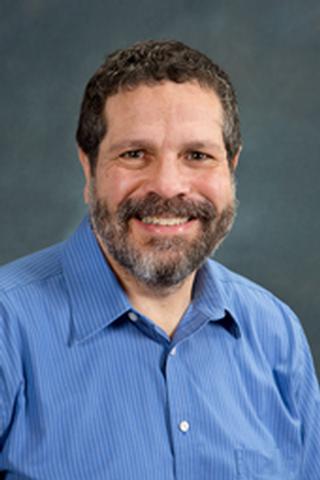
Michel J. Berg, M.D. is a Professor of Neurology (Part-Time) at the University of Rochester School of Medicine and Dentistry, where he has served since 1992. He is certified by the American Board of Psychiatry and Neurology with subspecialty boards in Clinical Neurophysiology and Epilepsy, and by the American Board of Internal Medicine. Dr. Berg served as Director and Chief of the University of Rochester Epilepsy Center from 2016 to 2023. He is a Fellow of both the American Academy of Neurology (FAAN) and the American Epilepsy Society (FAES). Dr. Berg's research interests span multiple areas within epilepsy and neurology, with particular focus on seizure prediction from EEG, medication adherence with smart medication dispensers, establishing equivalence of generic anti-epilepsy drugs, automating MRI analysis, and the genetics of cerebral cavernous malformations. His work combines clinical neurology with technological innovation to improve diagnosis and treatment of neurological conditions. His publications demonstrate significant contributions to understanding brain-responsive neurostimulation for focal epilepsy, bioequivalence of generic antiepileptic medications, and the genetic basis of cerebral cavernous malformations. Dr. Berg has been involved in numerous multicenter clinical trials and has contributed to advancing treatment protocols for medically intractable epilepsy. Scientific Awards and Recognition Epilepsy Pralid Frederick Wagner Lifetime Service Award (2020) Fellow of the American Academy of Neurology (2009) Multiple Neurology Faculty Teaching Awards (2009, 2000, 1994) Volunteer of the Year, Epilepsy Foundation of Rochester and Syracuse Regions (1999) Dr. Berg has demonstrated exceptional commitment to clinical education and patient care, particularly in the field of epilepsy. His work bridges clinical practice, research, and educational initiatives, contributing significantly to both local patient care and broader advancements in neurological science. He has been instrumental in developing protocols for epilepsy management and has contributed to numerous professional guidelines in the field.