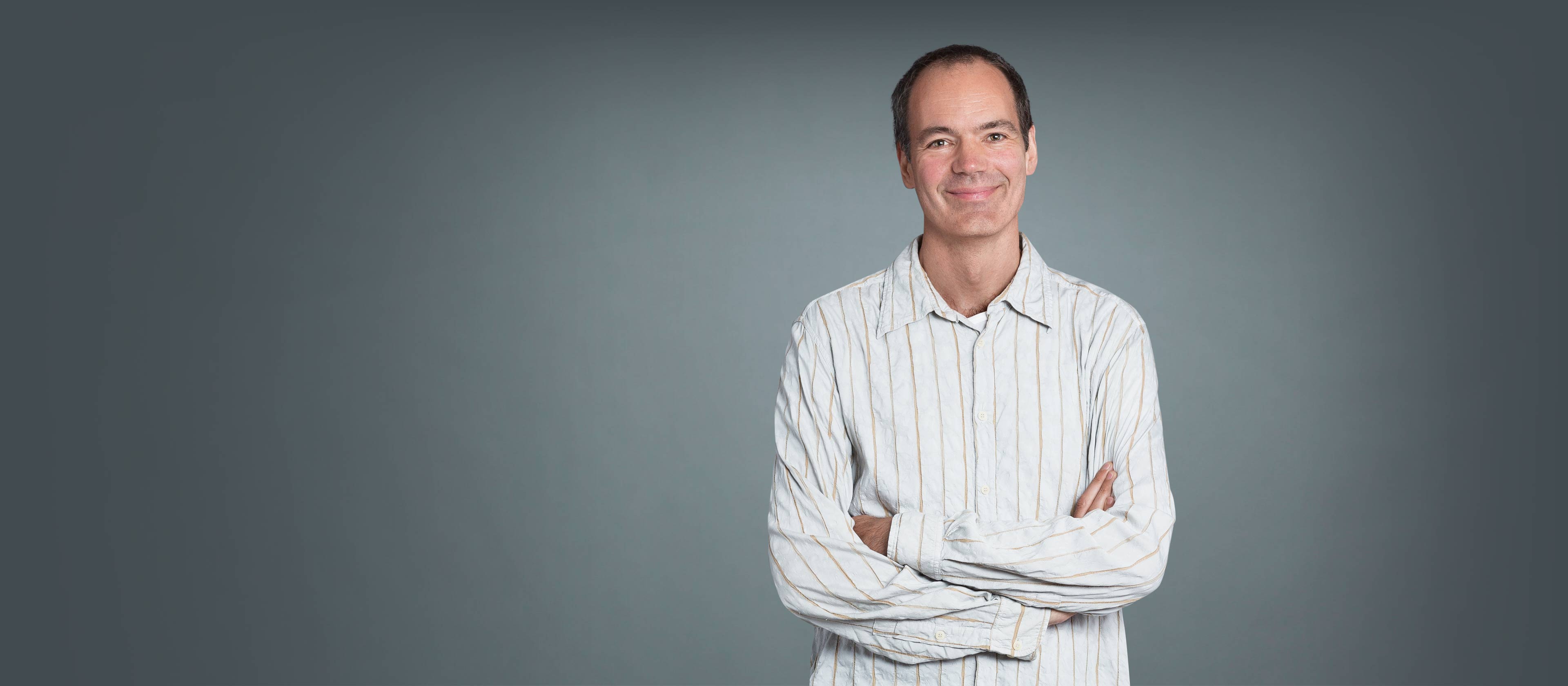
Holger Knaut is an Associate Professor in the Department of Cell Biology at NYU Grossman School of Medicine . His research focuses on understanding the molecular and mechanical mechanisms underlying collective cell migration, tissue morphogenesis, and cytoskeletal dynamics using zebrafish models and quantitative imaging techniques. Key research areas: Collective cell migration, RhoA signaling, focal adhesions, actin polymerization Methodologies: Genetics, live-cell imaging, biomechanical analysis Notable findings: Discovery of rear traction forces in tissue migration, integration of adhesion codes in pattern formation His publications in top journals like Nature Cell Biology and Science demonstrate his expertise in developmental biophysics and cell signaling regulation. Contact: Holger.Knaut@nyulangone.org
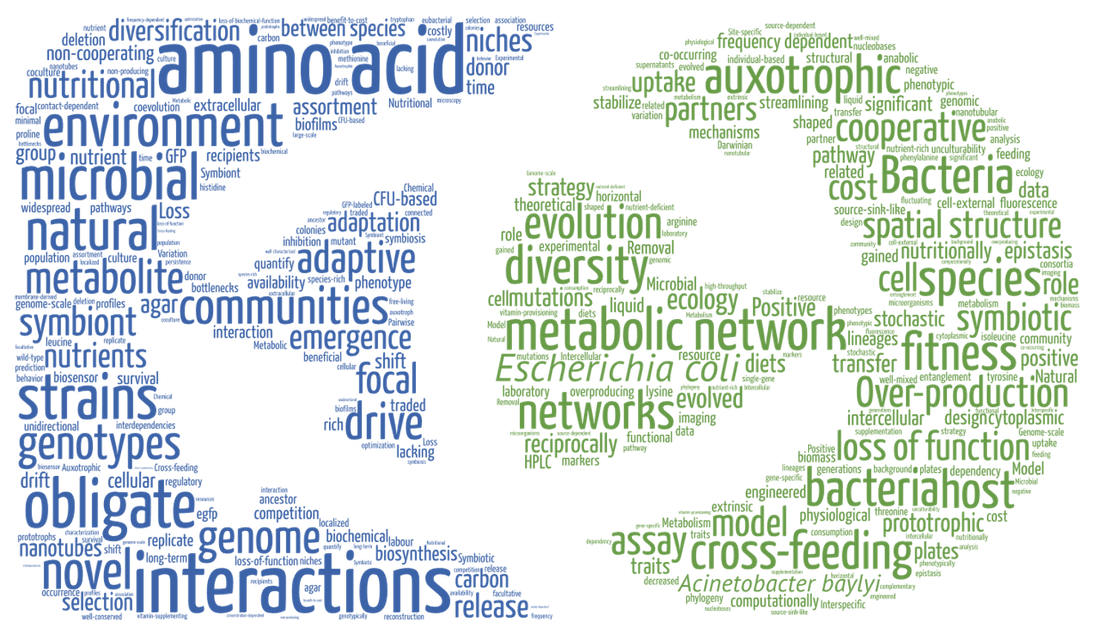
Prof. Dr. Christian Kost is a Professor in the Department of Ecology at the University of Osnabrück. His research focuses on the molecular and ecological mechanisms underlying cooperative interactions between organisms, particularly metabolic cross-feeding in bacteria. He leads the Experimental Ecology and Evolution group, investigating how cooperation evolves and its physiological consequences. Key research topics include the evolution of cooperation, synergistic coevolution, microbial community dynamics, bacterial multicellularity, and phenotypic heterogeneity. Methodologies employed include experimental evolution, synthetic ecology, genomics, microscopy/microfluidics, and theoretical modeling. Recent work highlights obligate cross-feeding’s role in expanding bacterial metabolic niches and the prevalence of reciprocity in mutualistic interactions. Kost’s lab has published influential studies on microbial symbiosis, including landmark papers in Nature Ecology & Evolution and Current Biology . Current projects explore ecological interaction networks, predator-prey dynamics (e.g., ciliate-bacteria), and synthetic microbial communities. The lab actively collaborates with international researchers and employs cutting-edge techniques like omics profiling and individual-based modeling (e.g., McComedy tool development). Recent lab additions include bachelor students Karmen Lohstroh, Pía-Kathleen Habekost, and Finn Dinnus. Kost’s work bridges theoretical and experimental approaches, aiming to define principles governing microbial cooperation and its ecological significance.
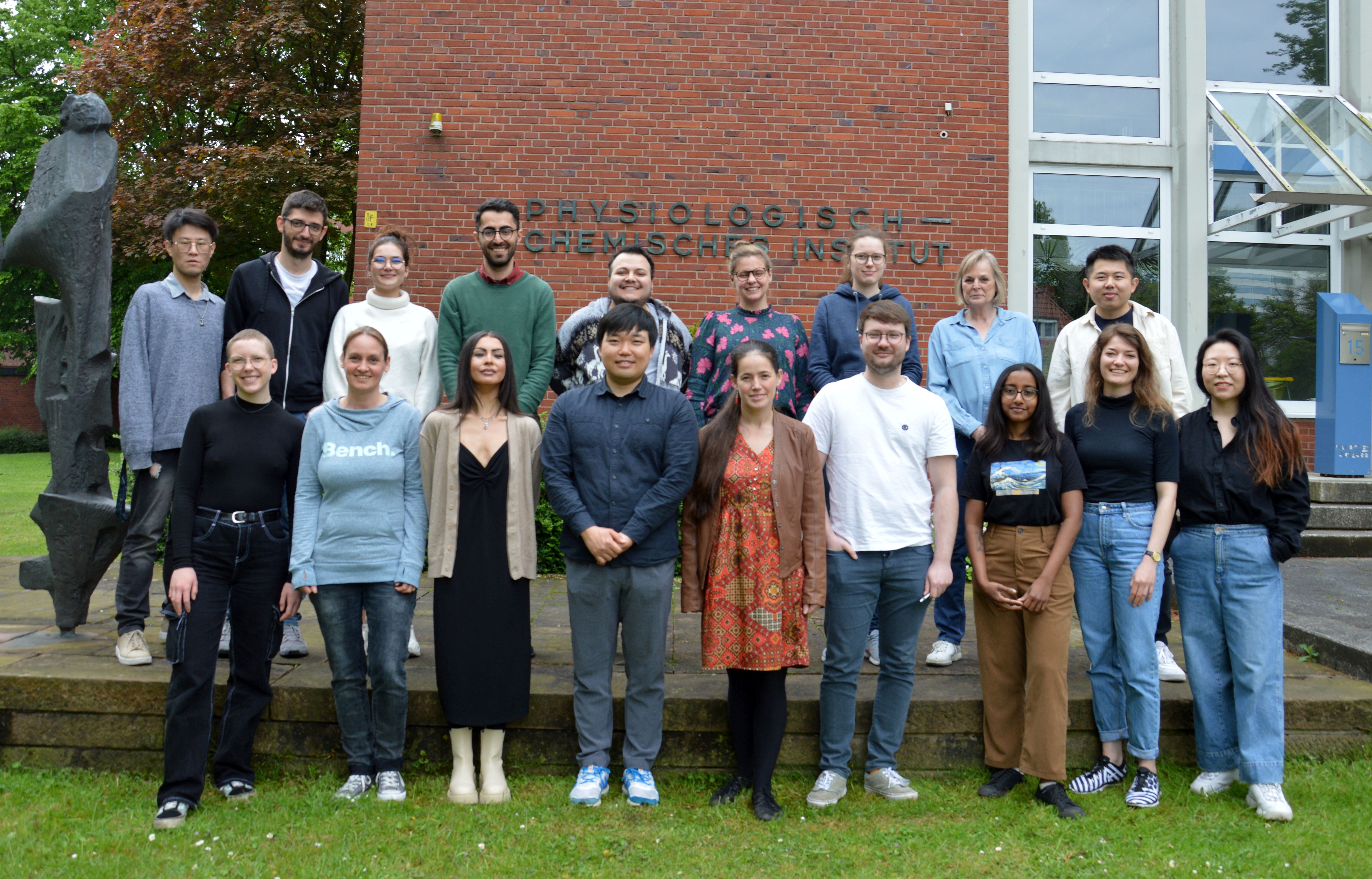
Seraphine V. Wegner is a Full Professor at the Institute of Physiological Chemistry and Pathobiochemistry within the Medical Faculty of the University of Münster. She leads an active research group focused on the spatiotemporal control of cell-material and cell-cell interactions using visible light. Her work bridges synthetic biology, cell biology, and photochemistry to create innovative approaches for tissue engineering and minimal cellular systems. Dr. Wegner's educational background includes a PhD from the University of Chicago (2005-2010) and undergraduate studies at Middle East Technical University in Turkey (2002-2005). Her career path has taken her through prestigious institutions including the Max Planck Institutes in Mainz and Heidelberg, where she established her independent research before joining the University of Münster as a Full Professor in 2019. Her research spans several interconnected areas including light-controlled minimal cellular systems, photoswitchable cell-cell interactions for tissue engineering, light-controlled cell-material interactions, and engineering designer biofilms with light. These research themes share a common thread of using light as a non-invasive tool to precisely control biological processes with high spatial and temporal resolution. Dr. Wegner's publication record shows consistent high-impact output across leading journals in cell biology, synthetic biology, and materials science. Her recent work demonstrates increasing sophistication in multi-color light control systems and applications in both fundamental biological questions and potential therapeutic approaches. ERC Consolidator Grant (2024): LIGHTHOUSE - Light as a signal for nonchemical cell-to-cell communication ERC Starting Grant (2018): ARTIST - Artificial cell-cell interactions for light switchable cell organization and signaling Young Leaders in Science Program, Schering Foundation (2016) MaxSynBio Independent Group Leader, BMBF/MPG (2015) Her research group actively collaborates across disciplines, with projects spanning from fundamental biophysics of cell adhesion to potential medical applications in tissue engineering and bacterial therapeutics. Dr. Wegner has established herself as a leader in the emerging field of optogenetic control of multicellular systems.
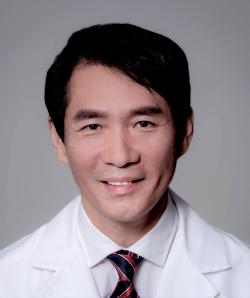
Dr. David Kang is a Professor in the Department of Pathology at Case Western Reserve University School of Medicine, holding the Howard T. Karsner Professorship in Pathology. He also serves as a VA investigator at the Louis Stokes Cleveland VA Medical Center. Dr. Kang earned his PhD in Neuroscience from UC San Diego in 1999 and has held prior academic roles at UCSD, Seoul National University, and the Byrd Alzheimer’s Institute at USF Health. His research focuses on molecular pathways underlying neurodegenerative diseases, particularly Alzheimer’s disease (AD) and related dementias (ADRDs), including Frontotemporal dementia (FTD), Amyotrophic lateral sclerosis (ALS), and Lewy body disorders (LBD). His interdisciplinary approach employs molecular, biochemical, and imaging techniques, alongside animal models (e.g., mice, C. elegans), to study proteinopathies, mitochondrial dysfunction, and autophagy defects. Key areas include APP processing, autophagy regulation, CHCHD10-mediated pathologies, and exosome-based biomarkers. His work is supported by NIH and VA grants, with a focus on translational strategies to treat or prevent ADRDs. Dr. Kang’s lab investigates mechanisms of neurotoxicity, including Aβ production, tau aggregation, and TDP-43 cytoplasmic inclusions. Recent studies explore SSH1 inhibitors, mitochondrial signaling, and exosome-derived biomarkers for early disease detection. Collaborations with institutions like USF Health and VA hospitals underscore his commitment to bridging basic science and clinical applications.
Yoselin Benitez-Alfonso is a Professor of Interdisciplinary Plant Sciences at the School of Biology, Faculty of Biological Sciences, University of Leeds. She leads the Benitez-Alfonso Lab (PD Wall Structural Mechanics) and holds a prestigious UKRI Future Leaders Fellowship. Her research integrates plant biology, biophysics, and materials science to study plasmodesmata and cell wall polymers. Research Interests: Regulation of intercellular communication via plasmodesmata Role of callose and cellulose in cell wall mechanics Plant development and environmental resilience Sustainable biomaterials from plant polymers Diagnostic applications of β-1,3-glucans in fungal infections Her recent work shows strong interdisciplinary trends, combining genetic, molecular, and physical approaches to understand how plant microchannels regulate development and stress responses. Publications reveal a focus on callose metabolism, plasmodesmata proteomics, and innovative applications in biotechnology and materials science. Scientific Awards: UKRI Future Leaders Fellow HEA Fellow She is actively involved in advising postgraduate researchers and securing competitive grants from EPSRC, The Royal Society, Leverhulme Trust, and UKRI. She collaborates with the Department of Physics, Astbury Centre, Braggs Centre, and clinical teams at Leeds Teaching Hospitals. She also founded the ‘Black in Plant Science’ network to promote equity and inclusion. Labs and Teams: The Benitez-Alfonso Lab focuses on cross-disciplinary research in plasmodesmata structural mechanics, with active projects in plant biotech, biomaterials, and diagnostics. The team uses advanced tools including NMR, rheology, and AFM nanoindentation.
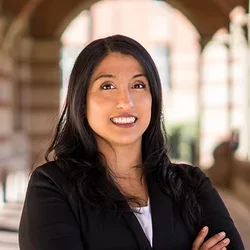
Rosario B. Jaime-Lara is an Assistant Professor at the University of California, Los Angeles (UCLA) School of Nursing. She holds advanced degrees including a PhD in Nursing from the University of Pennsylvania, MSN from Columbia University, and dual BS degrees in Nursing and Biological Sciences from University of Pennsylvania and UC Davis. Her research focuses on neurophysiological mechanisms of eating behavior, nutritional disparities in Mexican-American communities, and chemosensory science. Key themes include obesity research, sensory neuroscience, and translational clinical studies. She employs rodent models and clinical research methodologies to explore taste/smell physiology and metabolic health. Jaime-Lara has received over 17 honors including the 2022 Hommer Memorial Award and multiple diversity fellowships. Her work spans interdisciplinary collaborations in genomics, microbiome research, and health IT interventions for chronic disease management. Recent publications emphasize olfactory dysfunction in coronaviruses, fat taste mediators, and metabolic profiling. Her research bridges basic science and clinical practice, with particular attention to underserved populations.
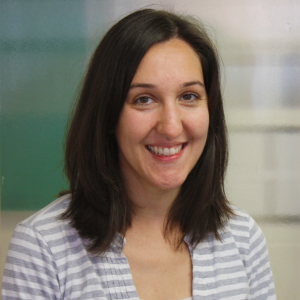
Erin Garcia is an Associate Professor in the Department of Microbiology, Immunology, and Molecular Genetics at the University of Kentucky. Her research focuses on molecular mechanisms governing bacterial interactions in Burkholderia species, particularly through Contact-Dependent Growth Inhibition (CDI) systems and their role in infectious disease. B.S., Central Michigan University (Biology) Ph.D., University of Michigan (Microbiology and Immunology) Postdoc, University of North Carolina Her lab investigates how CDI systems in Burkholderia cepacia complex species mediate bacterial competition, biofilm formation, and toxin delivery. Key areas include BcpA secretion/import mechanisms, gene regulation, and toxin-immunity specificity. Selected publications highlight her work on CDI system dynamics in pathogenesis, including interbacterial signaling, biofilm community structure, and Two-Partner secretion mechanisms. Her research bridges molecular microbiology and microbial ecology in Gram-negative pathogens.
Patrik Rorsman is a Professor of Diabetic Medicine at the University of Oxford, affiliated with Harris Manchester College and the Oxford Centre for Diabetes, Endocrinology and Metabolism (OCDEM). His research focuses on pancreatic islet physiology, particularly the regulation of insulin and glucagon secretion in health and diabetes. He leads a multidisciplinary group studying cellular mechanisms underlying hormone secretion, including metabolic signaling, ion channel function, and intercellular communication within islets. Key research interests include α-cell and δ-cell function, electrical coupling between islet cells, and the pathophysiological defects in diabetes. Notable contributions include discoveries on glucagon regulation by AVP, nicotinic signaling, and somatostatin receptor antagonists. His team employs advanced electrophysiology, imaging, and stem cell models to explore therapeutic targets for diabetes. Awards: Fellow of the Royal Society (FRS) and Fellow of the Academy of Medical Sciences (FMedSci). Grants/Funding: Supported by Wellcome Trust, Diabetes UK, JDRF, and MRC. Collaborations: Prof Frances Ashcroft, Prof Antony Galione, Prof Bernard Thorens. Current projects include investigating α-cell heterogeneity, optogenetic control of δ-cells, and clinical trials (e.g., LEGEND-A study). The Rorsman Group also trains PhD candidates and postdoctoral researchers, emphasizing translational research to improve diabetes treatment.
Dr Astrid Hauge Evans is a Senior Lecturer at the School of Life and Health Sciences, University of Roehampton. Her research focuses on diabetes, particularly the regulation of insulin production from pancreatic beta cells and intercellular communication within pancreatic islets. She is actively involved in PhD student supervision and holds external positions as a Visiting Researcher at King's College London. BSc in Biology from University of Copenhagen, Denmark MSc in Biomedical Sciences from King's College London PhD in Physiology from King's College London Her research explores: Mechanisms of beta cell dysfunction in diabetes Intra-islet communication dynamics Neuroendocrine regulation of insulin secretion Gut microbiota interactions in metabolic disease Wholegrain polyphenols' impact on islet function Sex-specific roles of peptides like LEAP2 Recent article trends show expertise in Diabetes type-specific therapies Cross-disciplinary studies combining nutrition and endocrinology Peptide hormone interactions in islet regulation Microbiome-diet-islet function relationships 3D cell culture models for diabetes research Neuroendocrine modulation of metabolic processes Scientific recognition includes Diabetes UK RD Lawrence Fellowship (2010) University of Roehampton Academic Staff Award (2025) Supervision and funding highlights Primary supervisor for multiple PhD projects on diabetes mechanisms Lead PI on grants from Diabetes Research and Wellness Foundation, Diabetes UK, Society for Endocrinology Collaborations with institutions across UK, Belgium, and Denmark
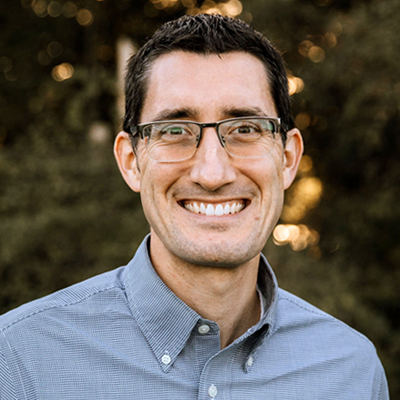
Dr. Benjamin Evans is an Assistant Professor in Computer Science & AI (Informatics) at the University of Sussex , affiliated with the School of Engineering and Informatics . His research integrates computational neuroscience and artificial intelligence, focusing on biologically inspired neural networks. Current Position: Assistant Professor, Department of Informatics, University of Sussex Previous Roles: Research Associate at University of Bristol, University of Exeter, Imperial College London, and University of Oxford Education: DPhil in Computational Neuroscience (University of Oxford), MSc in Intelligent Systems (UCL), BA in Experimental Psychology (Oxford) His research centers on how neural systems self-organize to produce intelligent behavior, studied through both biological and computational modeling. He investigates spiking neural networks , convolutional neural networks , and the role of biological constraints in enhancing AI robustness and human-like perception. He is particularly interested in how spike-based information processing contributes to adaptive cognition in noisy environments. His recent publications reveal a strong trend in evaluating deep neural networks as models of human vision, questioning their biological plausibility while proposing bio-inspired improvements. He also works on optogenetics simulation (e.g., PyRhO platform), developmental biology modeling , and reproducible data science through containerization tools like Docker. His scientific contributions have been recognized through publications in high-impact journals such as Nature Communications , PLoS Computational Biology , and Behavioral and Brain Sciences . EPSRC Grant: "Exploring the multiple loci of learning and computation in simple artificial neural networks" (2023–2024) EPSRC Grant: "Using ant biology and natural environments to enhance models of vision and robot navigation" (2022–2026) Dr. Evans actively contributes to open science through GitHub repositories (e.g., PyRhO, DPE, BioNet) and promotes reproducible research. He has no listed advisees in the provided data, but leads funded research projects involving junior researchers. He is a core member of the Informatics research group at Sussex, contributing to both AI and neuroscience domains.
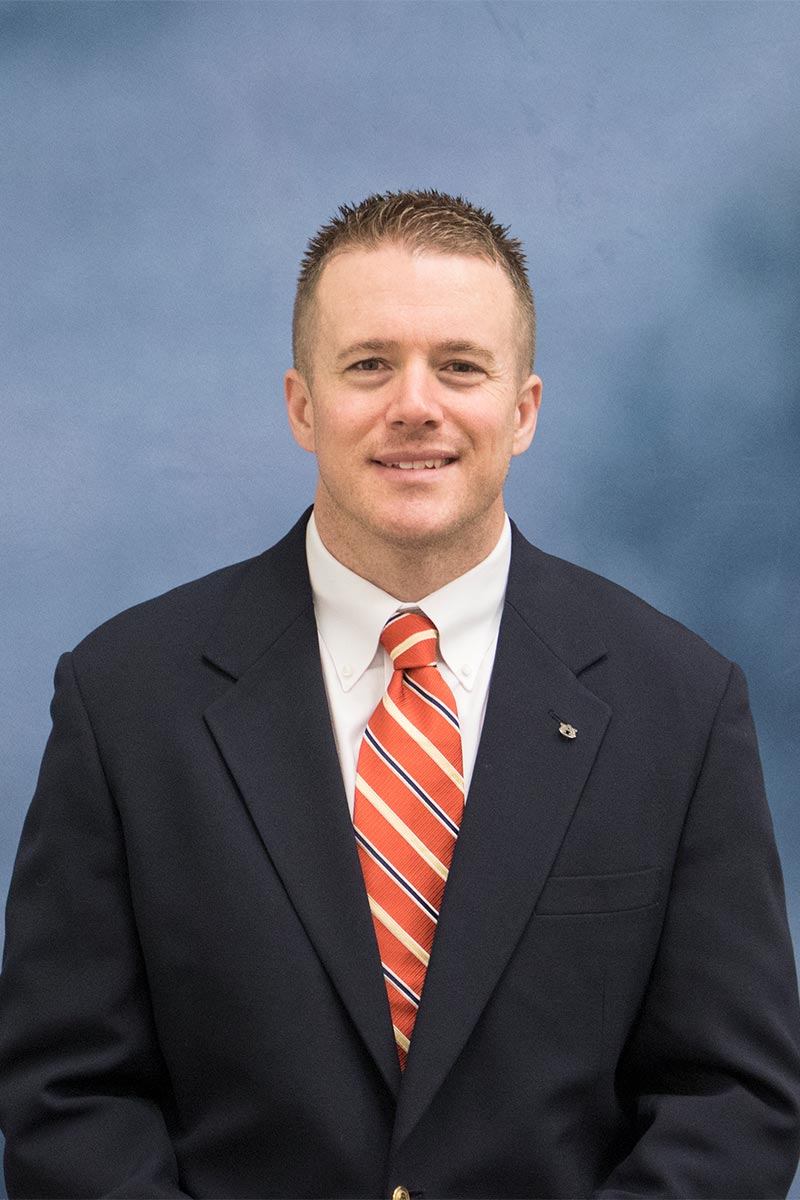
Dr. C. Brooks Mobley is an Assistant Clinical Professor at the School of Kinesiology, Auburn University. He directs the TigerFit Health & Fitness Laboratory and serves as Associate Director of the Nutrabolt Applied and Molecular Physiology Lab. With a Ph.D. in Kinesiology from Auburn University and postdoctoral training at the University of Kentucky, he specializes in skeletal muscle physiology and sports nutrition research. B.S. in Animal & Dairy Sciences (Auburn University) M.Ed. in Exercise Physiology (Auburn University) Ph.D. in Kinesiology (Auburn University) Postdoctoral Fellowship at University of Kentucky's College of Medicine His research explores molecular mechanisms of muscle plasticity, focusing on: Cellular adaptations to exercise training Ergogenic effects of sports supplements Muscle atrophy prevention strategies Mechanisms of skeletal muscle hypertrophy Angiogenesis in recovery scenarios Muscle-bone interaction dynamics Recent publications demonstrate expertise in: Mitochondrial adaptations to resistance training Epigenetic regulation of muscle growth Microbiome-exercise interactions Proteomic responses to disuse atrophy Firefighting occupational physiology Supplement efficacy studies Laboratory Leadership: TigerFit Health & Fitness Laboratory Nutrabolt Applied and Molecular Physiology Lab
Matt Vijayan is a Professor in the Department of Biological Sciences at the University of Calgary, holding the NSERC Canada Research Chair (CRC I) in Environmental Physiology and Toxicology, and serving as Associate Head (Research). His research focuses on cellular and molecular mechanisms of stress tolerance, particularly corticosteroid regulation and environmental toxicant impacts on fish physiology. Education: B.F.Sc. (Fisheries Science, Tamil Nadu Agricultural University, 1982), M.F.Sc. (Fish Production, University of Agricultural Sciences, India, 1984), Ph.D. (Animal Physiology, University of Guelph, 1990), and postdoctoral studies at the University of Ottawa (1993). Research interests include stress signaling pathways, endocrine disruption by contaminants, and developmental programming. Current projects explore maternal stress effects, exosome-mediated intercellular communication, and long-term impacts of pollutants like bisphenol A and venlafaxine on fish growth and behavior. His work employs genomic/proteomic approaches, CRISPR-Cas9 knockout models in zebrafish, and field studies with Alberta native fish species. He teaches courses on energy flow in biological systems and animal physiology. Key contributions include identifying non-genomic cortisol signaling mechanisms, characterizing stress axis gene knockouts, and developing behavioral biosensors for environmental contaminants.
Coleen T. Murphy is the James A. Elkins Jr. Professor in the Life Sciences and Professor of Molecular Biology and the Lewis-Sigler Institute for Integrative Genomics at Princeton University. She serves as Director of the Lewis-Sigler Institute and Director of the Paul F. Glenn Laboratories for Aging Research, highlighting her leadership in aging and genomics research. Her work bridges molecular biology, genetics, and computational approaches to understand aging and age-related decline. Her research focuses on the molecular mechanisms of aging, particularly using the nematode C. elegans as a model organism. Key interests include longevity pathways, insulin/IGF-1 signaling, reproductive aging, neurodegenerative diseases, transgenerational inheritance, and mitochondrial function. Her lab integrates genomic, transcriptomic, and functional screening techniques to identify genes and pathways that regulate aging and healthspan. The recent publications of her lab demonstrate a strong trend in interdisciplinary research combining genetics, neuroscience, and computational biology. Themes include cognitive aging, learned behavior, pathogen avoidance, metabolic regulation, and drug discovery in neurodegenerative models. Her work increasingly employs high-throughput methods and cross-omics analysis to uncover conserved mechanisms relevant to human health. HHMI Faculty Scholar, Howard Hughes Medical Institute (2016) Pioneer Award, National Institutes of Health (2015) Innovation Award, Department of Molecular Biology, Princeton University (2014) Glenn Foundation for Medical Research Award (2012) Dr. Murphy leads a vibrant research group and mentors numerous students and postdoctoral researchers. Her lab has secured significant funding from HHMI, NIH, and the Glenn Foundation, supporting innovative projects in aging and longevity. She also directs major research initiatives, including the Simons Foundation’s SCPAB (Plasticity and the Aging Brain), underscoring her national leadership. The Murphy Lab at Princeton is a multidisciplinary team employing C. elegans to study aging, cognitive decline, and intergenerational signaling. The lab utilizes cutting-edge tools including microfluidics (e.g., CeLab), transcriptomics, and behavioral assays. It is part of the Department of Molecular Biology and the Lewis-Sigler Institute, fostering collaboration across genomics, neuroscience, and computational biology.
Cody J. Smith is the Elizabeth and Michael Gallagher Associate Professor in the Department of Biological Sciences at the University of Notre Dame, with affiliations in the Center for Stem Cells and Regenerative Medicine. His research focuses on the cellular and molecular mechanisms underlying neural development and regeneration. PhD, Cell and Developmental Biology, Vanderbilt University (2012) B.S., Biology, Mercyhurst University (2007) Postdoctoral Fellow, University of Virginia (2012–2016) Dr. Smith’s research lies at the intersection of developmental biology, neuroscience, and regenerative medicine. His lab investigates how stem cells and other neural populations organize during nervous system formation and repair. Key areas include neural development, glial-neuronal communication, axon guidance, microglia dynamics, and cellular coordination in both health and disease. Using zebrafish as a model organism and advanced live imaging techniques, the lab uncovers fundamental principles of neural circuit assembly and regeneration. The recent publications highlight a strong focus on pioneer axon pathfinding, glial cell function, actin dynamics, and regeneration mechanisms. Common themes include cellular tiling, invasion dynamics, and intercellular signaling during development. The research spans molecular, cellular, and behavioral levels, with implications for neurodevelopmental and neurodegenerative disorders. Scientific honors include: Alfred P. Sloan Fellow of Neuroscience (2017) Dr. Smith leads an active research lab that mentors graduate students and postdoctoral researchers. His lab is supported by external funding, as evidenced by sustained publication output and active research projects in neural development and regeneration. The lab emphasizes equity, inclusivity, and collaborative science. Research is conducted through the Smith Lab at Notre Dame, which utilizes cutting-edge intravital imaging and molecular tools to study nervous system organization in living zebrafish. The lab fosters a collaborative and inclusive environment and is actively involved in training the next generation of scientists.
Audrey Gérard is an Associate Professor and Senior Research Fellow of the Kennedy Trust of Rheumatology Research at the University of Oxford, based at the Kennedy Institute of Rheumatology. She leads the Gérard Group, which investigates the spatiotemporal dynamics of T cell responses in infection, vaccination, and cancer. Her educational background includes: Ph.D. at the University of the Mediterranean, Marseille, France, supervised by Jacques Nunes and Daniel Olive, focusing on negative regulation of T cell activation. Postdoctoral training at the Netherlands Cancer Institute with John Collard, studying polarity proteins and T cell migration. Postdoctoral training at UCSF with Matthew Krummel, working on T cell migration in vivo using 2-photon microscopy. Research interests span T cell immunology, with emphasis on molecular mechanisms governing T cell migration, activation, and intercellular communication during immune responses. Her work employs advanced intravital imaging to dissect spatiotemporal T cell behavior in physiological and pathological contexts, including infection, vaccination, and tumor immunity. Recent publications (2023-2025) reveal focus on interferon-gamma modulation of T cell function in tumors, biophysical aspects of TCR engagement, and neuronal guidance molecules like Semaphorin 3A in CD8+ T cell suppression. These studies bridge immunology, biophysics, and cancer therapy development. Scientific awards include: Senior Research Fellow of the Kennedy Trust of Rheumatology Research Dr. Gérard mentors DPhil students through the Kennedy Institute studentship program and DPhil in Cancer Science. Her research is supported by the Kennedy Trust, with open positions indicating active grant funding for T cell dynamics studies. The Gérard Group utilizes cutting-edge imaging and molecular techniques to explore T cell navigation within complex tissue environments, aiming to develop novel immunotherapeutic strategies for cancer and infectious diseases.