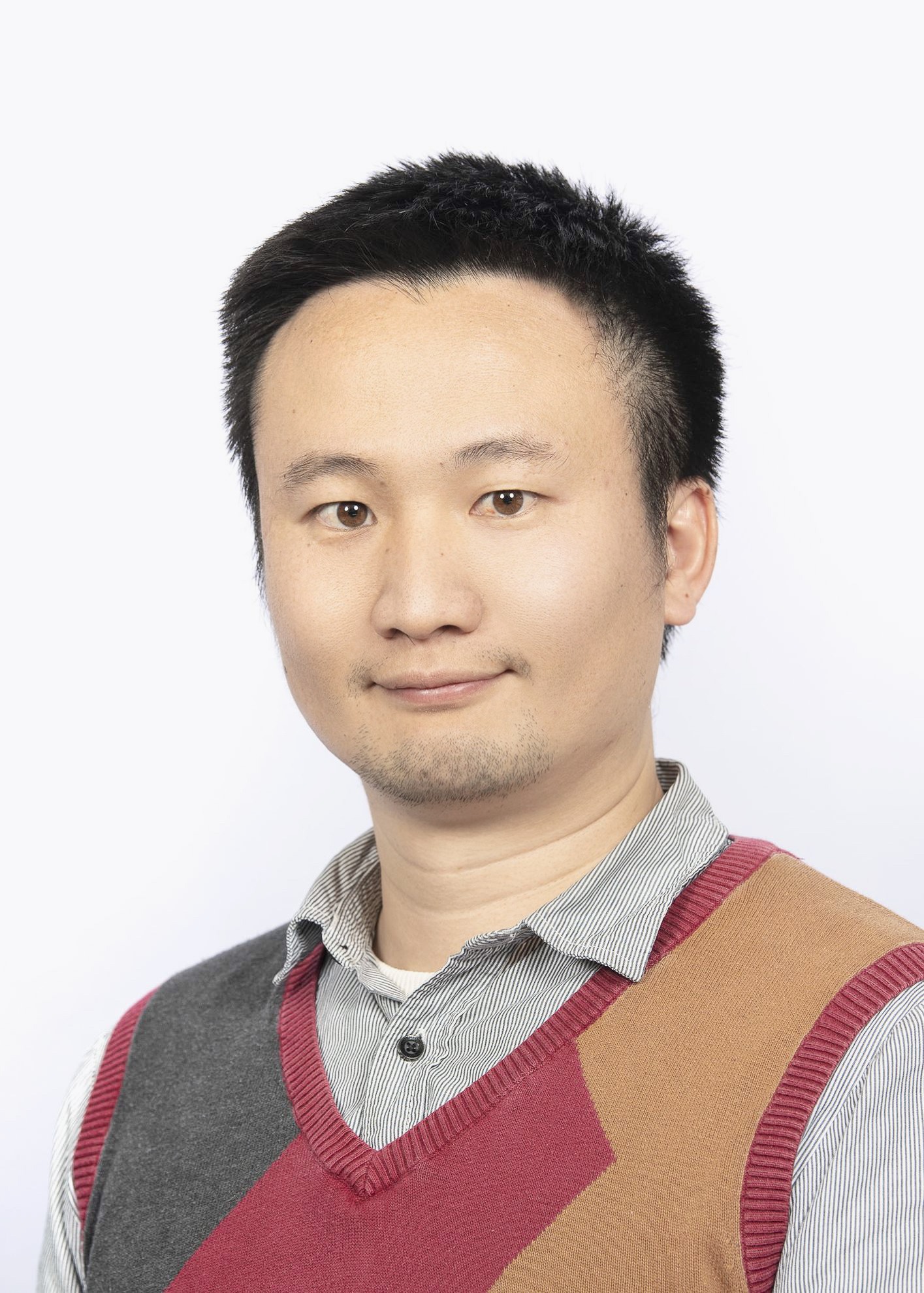
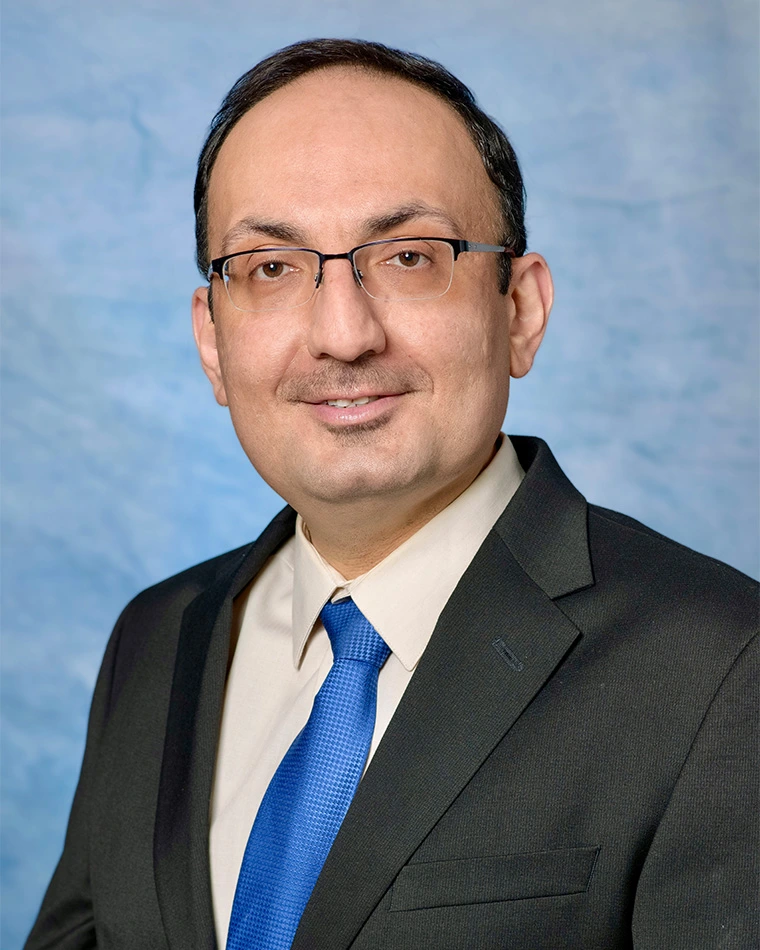
Dr. H.V. Jagadish is a Professor in the Computer Science and Engineering department, focusing on database systems, data science, and ethical AI. He emphasizes mentorship and independence in research, guiding students to become colleagues through collaborative growth. Research Focus His work spans Data integration and fairness in machine learning Query processing and knowledge graph analysis Reproducibility and ethical data management Advising and Research Dr. Jagadish encourages open communication, frequent feedback, and proactive student-driven research. He supports internships and conference attendance, prioritizing SIGMOD and VLDB for presentations.
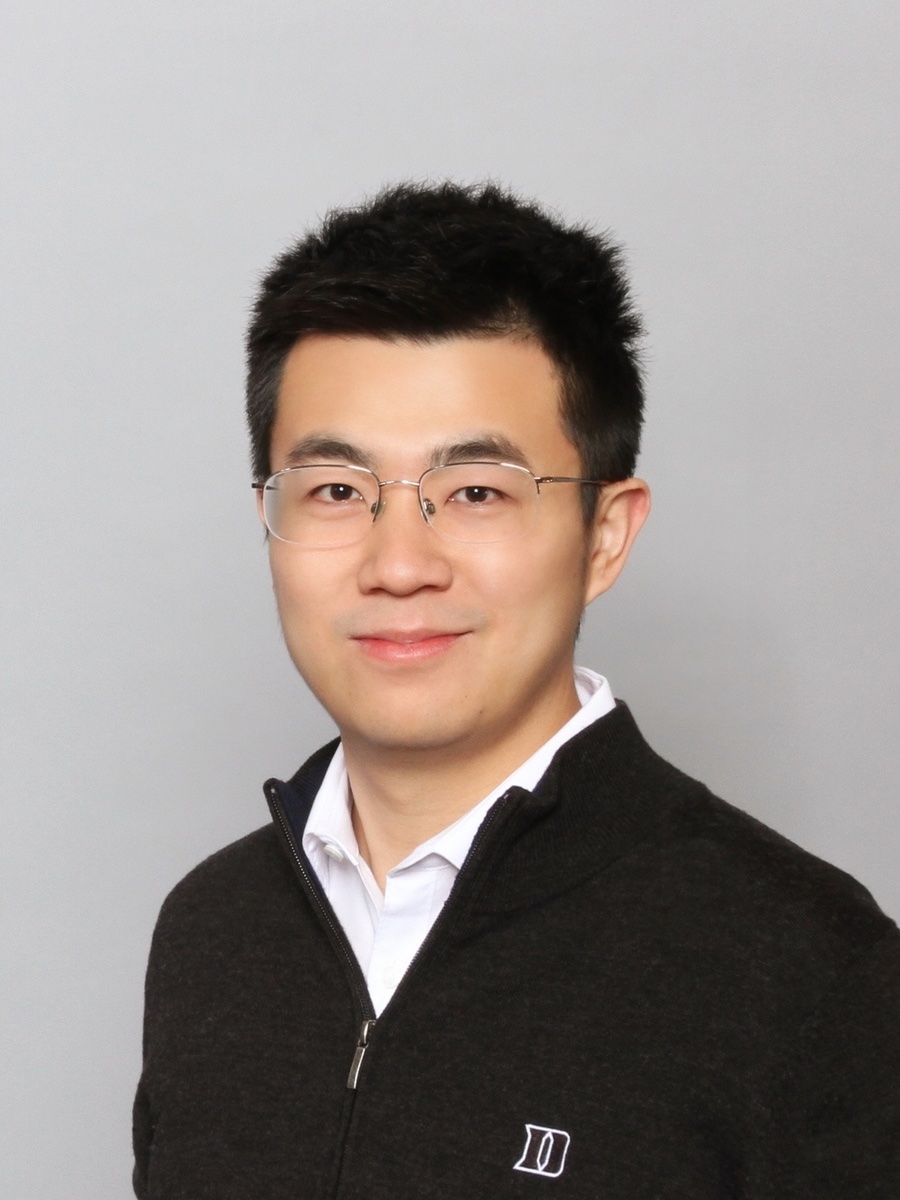
Zhengjie Miao is an Assistant Professor in the School of Computing Science at Simon Fraser University (SFU). His research focuses on data management and artificial intelligence, particularly developing algorithms and tools to enhance data science pipelines. He is part of the SFU Data Science Research Group and previously worked as a Research Scientist at Megagon Labs. Education: PhD in Computer Science from Duke University (advisors: Sudeepa Roy, Jun Yang), M.S. from Columbia University (advisor: Eugene Wu), B.S. from Peking University. Research interests span data management systems, machine learning integration in data science, and human-in-the-loop data preparation. His work emphasizes improving data usability through techniques like data lineage tracking, explainable query systems, and fairness-aware data processing. Recent publications highlight advancements in collaborative annotation with LLMs, automated data standardization, and contrastive learning frameworks for column annotation. Key contributions include the Rotom framework for meta-learned data augmentation, the Watchog system for column annotation, and CAPE for query explanation. His research bridges database theory with practical applications in education and industry.
Prof. Willemijn van Dolen is a Professor in the Section of Marketing at the Faculty of Economics and Business, University of Amsterdam. Her research focuses on consumer behavior, marketing strategies in digital environments, and the psychological impacts of communication in service encounters. She has extensively studied topics such as visual influence in consumer decisions, corporate greenwashing detection, and the role of humor in service interactions. Her academic career includes notable contributions to understanding online consumer behavior through multimodal datasets and AI frameworks. She has published widely on social media analytics, CSR communication, and child helpline effectiveness, bridging psychological insights with practical marketing applications. Prof. van Dolen’s work emphasizes empirical investigations into customer engagement, ethical consumption, and the interplay between digital platforms and human decision-making. Her research demonstrates a consistent focus on real-world applications, from optimizing brand posts on Instagram to analyzing CEO communication during global crises. Her studies often employ interdisciplinary methods, combining marketing theory with data science and behavioral economics. Despite her prolific output (over 50+ publications), no specific scientific awards are highlighted in the provided texts.
Elisa B Schweiger is a Senior Lecturer (equivalent to Associate Professor) in Marketing at King’s Business School, King’s College London. She specializes in retailing, AI applications in marketing, multi-sensory marketing, and pricing strategies. Her research employs behavioral experiments, field studies, and text mining. Education: PhD in Consumer Psychology from the University of Bath. She also holds a background in psychology and marketing. Research Interests: Elisa’s work focuses on retail innovation, AI-driven consumer interactions, luxury branding, and the psychological underpinnings of consumer decisions. She explores how technology (e.g., voice assistants, mixed reality) impacts customer journeys and brand relationships. Her research bridges theory and practice, addressing topics like AI ethics, retail atmospherics, and consumer risk perceptions in energy technologies. Publications: Her work appears in top journals such as the Journal of the Academy of Marketing Science , Journal of Retailing , and Journal of Business Research . Recent topics include voice assistant evaluations, AI in lateral markets, and digital retailing trends. Awards: Recipient of the Dean’s Award for Early Career Researcher of the Year (2022), Journal of Retailing Davidson Best Paper Award Runner-up, and MMA Teaching Excellence Award. Teaching & Engagement: Teaches Marketing Analytics, Retailing, and research methods in graduate and executive programs. She serves on the editorial boards of Journal of Retailing and Journal of Business Research , and reviews for top marketing journals. Labs/Teams: Active in King’s Business School’s marketing research teams, focusing on innovation in retail and AI applications.
Sarah Ita Levitan is an Assistant Professor in the Department of Computer Science at Hunter College, CUNY, and a member of the doctoral faculty in both Computer Science and Linguistics PhD programs at the CUNY Graduate Center. She previously served as a Postdoctoral Research Scientist at Columbia University, where she completed her PhD in Computer Science in 2019 under Dr. Julia Hirschberg. Research Focus: Spoken Language Processing Natural Language Processing Paralinguistic Analysis Trustworthiness and Deception Detection Acoustic-Procedic and Lexical Feature Extraction Online Radicalization and Misinformation Recent Publications demonstrate expertise in analyzing speech and text for trust cues, deception detection, and mental health prediction. Her awards include grants from NSF, Google, and Columbia University fellowships. She leads the Hunter Speech Lab , mentoring PhD, MS, and undergraduate students in computational linguistics research. Scientific Awards and Grants: NSF EAGER Grant (2023) Google Cyber NYC Grant (2023) NSF AI Institute Grant (2023) Air Force Office of Scientific Research Grant (2020) Brown Institute Seed Grant (2020) Knight News Innovation Fellowship (2018) Teaching: Courses include Natural Language Processing (undergraduate/graduate), Computational Linguistics, Computer Theory, and advanced topics in spoken language processing at both Hunter College and Columbia University.
Zaiqiao Meng is a Lecturer (Assistant Professor) at the University of Glasgow's School of Computing Science, affiliated with the Information Retrieval Group and IDA section. He also holds an Affiliated Lecturer position at the University of Cambridge's Language Technology Lab. His research focuses on the intersection of machine learning, knowledge graphs, and NLP, particularly in biomedical applications. Key areas include AI agents, large language models, and healthcare informatics. Current roles include co-leading the Glasgow AI4BioMed Lab, which develops AI solutions for biomedical knowledge extraction. He has extensive postdoctoral and visiting research experience, including at KAUST's MINE lab. Meng has published widely in top conferences like ACL and EMNLP, with over 40 publications since 2019. His work spans topics such as drug-target interaction prediction, clinical summarization, and knowledge graph construction. Teaching includes courses on Recommender Systems and Data Science at both undergraduate and graduate levels. He advises multiple PhD students on projects involving LLMs, biomedical entity representation, and conversational agents.
Dr. Nemanja Stanišić is a Full Professor at Singidunum University's Faculty of Business, with a distinguished academic career spanning over 15 years. He holds a Ph.D. in Corporate Finance from Singidunum University (2010), an MBA in Finance from Lincoln University (2007), and a Bachelor's in Accounting from the University of Belgrade (2005). His expertise focuses on Corporate Finance, Banking, Audit, and Applied Statistical Analysis. His research integrates quantitative methods with economic theory, addressing topics such as audit opinion prediction using AI, tourism destination competitiveness, financial distress dynamics, and air pollution health impacts. He co-authored textbooks including Contemporary Exchange and E-business (2010) and Financial Statement Analysis (2024), and served as Editor-in-Chief of The European Journal of Applied Economics . He teaches courses from Financial Accounting to Advanced Financial Engineering at undergraduate, master's, and Ph.D. levels. The 15 most recent publications highlight his interdisciplinary approach: 7 in Finance/Audit, 5 in Tourism/Hospitality, and 3 in Environmental Health. Key trends include applying machine learning to audit quality (2023), multilevel modeling for hospitality satisfaction (2015-2019), and air pollution mortality analysis (2016). His work appears in high-impact journals like Tourism Management (IF 10.125) and Environmental Health (IF 4.986). He held administrative roles including Rector (2020-2021) and Vice President of Singidunum University. He served as Vice Dean for Student Affairs (2010-2011) and participated in TEMPUS projects for educational reform. He mentors graduate students extensively, advising 100+ bachelor's, 57 master's, and 4 doctoral theses, including international candidates. His visiting professorship at Bangkok's ICO NIDA and teaching in Austria-Singidunum joint programs reflect global engagement. Professional development includes advanced training at Utrecht University (Bayesian Modeling, 2019), Stanford (Mentoring, 2010), and NYU (Valuation, 2012). He reviews for top journals like Annals of Tourism Research and Cornell Hospitality Quarterly , with 1017 Google Scholar citations and 349 Scopus citations. Current research involves the Science Fund of Serbia's TOURCOMSERBIA project evaluating tourism competitiveness models.
Mikael B. Skov is a Vice Dean and Professor at the Technical Faculty of IT and Design of Aalborg University , Denmark. His research spans human-AI interaction, robotics, and user experience, with a focus on trust signaling in clinical AI, swarm robotics, and sound zones for domestic environments. Role: Vice Dean for Research Department: Computer Science Research Interests: Skov investigates how humans interact with AI and robots in healthcare and domestic settings, emphasizing trust calibration, alert design, and acoustic comfort. His work includes developing frameworks for UX maturity in robotics organizations and studying long-term adoption of sound zone systems. Recent Projects: As principal/co-investigator, he leads the HERD project on human-AI collaboration in robot swarms (2021–2025) and supervises Data og Bæredygtig Mad (2020–2023), an HCI perspective on sustainable food systems. Publications: His 2024 work includes studies on AI explanations in clinical training, music applications with intermittent interactions, and multi-robot supervision. Earlier projects (2001–2020) focused on mobile device usability, UX practices, and context-aware computing.
Michael Wheeler is a Professor in Philosophy at the University of Stirling, focusing on cognitive science, phenomenology, and the philosophy of technology. His work bridges existentialist philosophy with modern AI ethics and embodied cognition. Key Research Themes: Extended mind, distributed cognition, and transparency in smart machines. Recent Projects: Explore the societal impact of AI, cognitive change in the arts, and the interplay between aging and cognition. Selected Articles (2024-2019): His publications span topics like creativity and contingency in the arts, transparency in AI, and the evolutionary psychology of reasoning. Notable Contributions: Advocates for integrating phenomenology into cognitive science and challenges representationalist frameworks in AI and robotics.
Yongjoo Park is an Assistant Professor in the Department of Computer Science at the University of Illinois at Urbana-Champaign (UIUC), affiliated with the Grainger College of Engineering. He leads research in data-intensive AI systems as a member of the Data and Information Systems (DAIS) lab, focusing on novel data systems that bridge database theory and practical AI applications. His work emphasizes open-source contributions through GitHub and direct societal impact. Research interests center on systems for data-intensive AI , particularly efficient Retrieval-Augmented Generation (RAG) systems for exploratory AI, data science versioning, and in-storage computing. Key projects include Kishu (the world's first undoable Jupyter notebook with time-travel capabilities), CARE (a causal-relational system for structured/unstructured data), and AirDB/AirIndex (serverless transactions and automatic index optimization). His group develops tools enabling scalable, optimized AI workflows from storage layers to LLM inference. Recent publications reveal a strong focus on interactive data systems (85% of recent work), with significant contributions to notebook environments (Kishu), vector databases (ISCA'25), and RAG optimization. Awards highlight technical innovation, including SIGMOD 2025 Best Demo Award and NSF CAREER funding. His open-source philosophy drives GitHub releases of all major systems. SIGMOD 2025 Best Demo Award (Kishu) NSF CAREER Award (Novel data science systems) SIGMOD'23 Best Artifact Award Honorable Mention (DeepOLA) IBM-Illinois Project Selection (VectorDB/RAG) Mentorship spans 12 current PhD/MS students and 6 graduated advisees, including Supawit Chockchowwat (now Postdoc at Google, future Assistant Professor at CMKL University). He teaches advanced courses like CS511 (Advanced Data Management) and recruits 1-2 new PhD students annually, prioritizing data systems research. His lab emphasizes diversity, individual respect, and concrete outcomes in a collaborative workspace.
Professor Eero Vaara, currently at Saïd Business School, University of Oxford, is a globally recognized expert in organizational theory, strategic change, and institutional dynamics. With 39 publications in Financial Times top 50 journals between 2008-2022, his work explores historical perspectives, discursive processes, and paradoxes in organizational transformations. Affiliation: Saïd Business School, University of Oxford Research Focus: Strategic change, institutional work, narrative theory, and historical embeddedness Eero’s research bridges macro-institutional and micro-practice approaches, emphasizing how unmaterialized decisions, discursive struggles, and temporal dynamics shape organizational trajectories. His work spans multinational corporations, public sector governance, and extreme contexts, with a growing interest in historical analysis and critical discourse studies. His recent publications highlight themes such as strategy-as-practice , national identity , and temporal intentionality . Articles like Near-histories and strategy emergence and Discursive legitimation demonstrate his interdisciplinary approach combining institutional theory, paradox theory, and narrative analysis. Scientific Awards: Academy of Management fellowship Ranked 11th most published management scholar in FT top 50 journals (2008-2022) Eero’s collaborative research style and resilience in the publication process have led to influential contributions in strategic management and organizational studies. His colleague Eric Zhao notes that his work “opens up new ways of thinking about organizations, strategy, and change,” reflecting Oxford Saïd’s commitment to research excellence.
Ehsan Azimi is an Assistant Professor in the Department of Electrical and Computer Engineering and the Department of Computer Science at the University of Arizona, where he is also a member of the Graduate Faculty. His research bridges human-AI interactive systems, extended reality, robotics, and human-centered design, with a strong focus on medical applications. His research interests lie in creating synergistic human-AI systems that enhance medical procedures through advanced technologies. Key areas include extended reality for surgical navigation , robotics in minimally invasive surgery , and intelligent user interfaces . His work has led to innovations in smart glasses calibration, intraocular robotic snakes, needle steering, and digital twins for surgical training, all aimed at improving precision, safety, and learning in medicine. The recent articles highlight a consistent trend in medical robotics , augmented reality in surgery , and human-robot collaboration . These works span from hardware development to AI-driven interfaces, emphasizing real-time interaction, user experience, and clinical applicability across disciplines like ophthalmology, otology, and surgical education. Scientific Awards: Siebel Scholar Provost Postdoctoral Fellowship Link Fellowship Ehsan actively mentors students and scholars in research projects, indicating a strong commitment to academic advising. While specific grant details are not listed, his patented technologies and publication record suggest successful funding and translational research outcomes. His work has been featured in Engineering Magazine and other media, reflecting its impact and innovation. His research is conducted within an interdisciplinary lab environment focused on human-centered AI and medical robotics, integrating expertise from computer science, engineering, and clinical medicine to develop next-generation surgical and training systems.
Krishna Gummadi is a Scientific Director and Professor at the Max Planck Institute for Software Systems (MPI-SWS) in Germany, where he leads the Networked Systems Research Group. He also holds a professorship at the University of Saarland, demonstrating his dual commitment to research and academic instruction in computer science. His educational background includes: Ph.D. in Computer Science and Engineering from the University of Washington (2005) B.Tech. in Computer Science and Engineering from the Indian Institute of Technology, Madras (2000) Gummadi's research spans networked and distributed computer systems with a current focus on social computing systems. His work addresses critical challenges in algorithmic fairness, privacy in social media, trustworthiness of online identities, and information dissemination in social networks. He approaches these problems through interdisciplinary methods combining user-centric studies, data-centric analysis, and systems-centric design to create practical solutions that enhance fairness, transparency, and user control in online platforms. His methodology integrates large-scale observational studies, computational modeling, and system implementation to tackle complex human-computer interaction challenges at societal scale. His recent publications reveal a strong emphasis on fairness in algorithmic decision making, with significant contributions to quantifying and addressing discrimination in machine learning systems. His work bridges computer science, social science, and ethics, creating frameworks for fair classification, understanding media bias, and developing privacy-preserving techniques that maintain functionality while protecting user data. The research demonstrates a progression from technical system design to addressing societal implications of computing systems. Among his notable scientific achievements: ERC Advanced Grant in 2017 for 'Foundations for Fair Social Computing' Test of Time Awards at ACM SIGCOMM and AAAI ICWSM Casper Bowden Privacy Enhancing Technologies (PET) and CNIL-INRIA Privacy Runners-Up Awards IW3C2 WWW Best Paper Honorable Mention Multiple Best Paper awards across prestigious conferences Gummadi has advised numerous PhD students and postdoctoral researchers who have gone on to prominent positions in academia and industry. His ERC Advanced Grant has supported extensive research into fair social computing, while his leadership in major conferences (including serving as General Chair for ICWSM 2016 and Program Chair for WWW 2015) has shaped research directions in the field. His teaching portfolio includes courses on Distributed Systems, Human-Centered Machine Learning, and Social Media Analysis. He leads the Networked Systems Research Group at MPI-SWS, which has developed several publicly available systems including tools for fair classification, privacy risk assessment, trust evaluation in social media, and information diet management. The group's work bridges theoretical advances with practical implementations that address real-world challenges in social computing, with numerous software releases and datasets made available to the research community.
Dr. Anett Hoppe is a research staff member at the Leibniz Information Centre for Science and Technology (TIB) in Hannover, Germany, where she works in the Visual Analytics research group. Her research focuses on the intersection of artificial intelligence, education technology, and information science, with particular emphasis on how people learn through search processes and educational video consumption. Dr. Hoppe completed her academic journey with: Ph.D. in Semantic Web technologies for online user profiles from the University of Burgundy, Dijon, France Her primary research interests span Search as Learning, software-based support for scientific reproducibility, and ethical considerations in computer-based decision making. She investigates how visual elements, reading sequences, and AI technologies impact knowledge acquisition during web search and educational video consumption. Her work bridges human-computer interaction, educational psychology, and information retrieval to create more effective learning experiences, with recent publications examining the role of large language models, vision-language models, and visual complexity in educational contexts. Analysis of her recent publications (2024-2025) reveals a strong interdisciplinary focus combining computer science, educational psychology, and information science. Her research examines video-based learning effectiveness, knowledge gain prediction, educational resource discovery, and the impact of visual elements on learning outcomes. She consistently explores how AI technologies can be leveraged to enhance educational experiences while maintaining attention to ethical considerations and scientific reproducibility. Dr. Hoppe maintains active collaborations with researchers across multiple institutions, with frequent co-authorship patterns indicating strong research partnerships, particularly with Ralph Ewerth and other members of the Visual Analytics group at TIB. Her work supports TIB's mission to advance knowledge infrastructure and scholarly communication through innovative technological solutions while directly addressing practical challenges in educational technology and information retrieval.
Mehran Sahami is the James and Ellenor Chesebrough Professor in the School of Engineering and Tencent Chair of the Computer Science Department at Stanford University. He holds the academic rank of Teaching Professor of Computer Science and is also a Senior Fellow by courtesy at the Freeman Spogli Institute for International Studies. As a Bass University Fellow in Undergraduate Education, he has made significant contributions to computer science education at Stanford. Dr. Sahami earned both his undergraduate and PhD degrees from Stanford University's Computer Science Department. After completing his PhD, he worked as a Senior Engineering Manager at Epiphany before joining Google as a Senior Research Scientist from 2002-2007, while also teaching as a Lecturer at Stanford. In 2007, he joined the Stanford faculty full-time, continuing to consult part-time at Google until 2010. Professor Sahami's primary research interests focus on computer science education, machine learning, and information retrieval on the Web. His work has significantly influenced how computer science is taught globally, particularly through his leadership in the ACM/IEEE-CS Joint Task Force on Computing Curricula 2013 (CS2013). He has pioneered approaches to teaching introductory programming and probability theory for computer scientists, with a particular emphasis on analyzing student performance trends as CS enrollments have grown dramatically. His recent publications demonstrate a strong shift toward educational research while maintaining connections to technical expertise in machine learning and data analysis. Bass University Fellow in Undergraduate Education Professor Sahami serves as the ACM Steering Committee Chair for the CS2013 effort to define international curricular guidelines for undergraduate computer science programs. He is also the founder and first Chair of the Symposium on Educational Advances in Artificial Intelligence (EAAI), an annual meeting for researchers and educators to discuss pedagogical issues in teaching AI. He has received significant grant funding through these initiatives and has been instrumental in shaping national and international computer science curriculum standards. At Stanford, he teaches CS106A: Programming Methodology and CS182: Ethics, Public Policy, and Technological Change, with his educational materials widely distributed through the Stanford Engineering Everywhere initiative. Professor Sahami maintains connections to the startup ecosystem through advisory board positions and has published a book on Text Mining with Ashok Srivastava. His career trajectory from industry researcher to academic educator gives him a unique perspective on practical applications of computer science education.