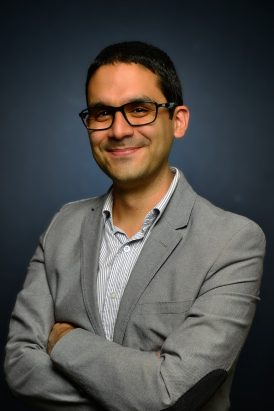
Juan D. Delgado is an Assistant Professor of Sociology at the University of Michigan, affiliated with the College of Literature, Science, and the Arts (LSA). His research focuses on comparative studies of race and ethnicity in Latin America, particularly analyzing long-term social inequality, statistical invisibility, and political organization of African descendant communities in Colombia and Mexico. He employs mixed-method strategies, integrating census data, archival sources, interviews, and ethnography. His current work examines census politics and the categorization of Blackness. His research has been supported by grants from the National Science Foundation (NSF), the Inter-American Foundation (IAF), and the Center for U.S.-Mexican Studies at UCSD. He is based in Room 3115 of the LSA Building in Ann Arbor, Michigan. Education details are not explicitly listed in the provided text. Research interests emphasize global sociological issues, with a focus on historical and structural dimensions of racial stratification. While no specific articles or awards are detailed here, his work bridges theoretical frameworks with empirical analysis in transnational contexts. Advising and grants are noted through institutional support, though specific student advisees or grant titles are not provided. The text does not mention active labs or teams, but his collaborative projects likely align with LSA’s interdisciplinary initiatives.
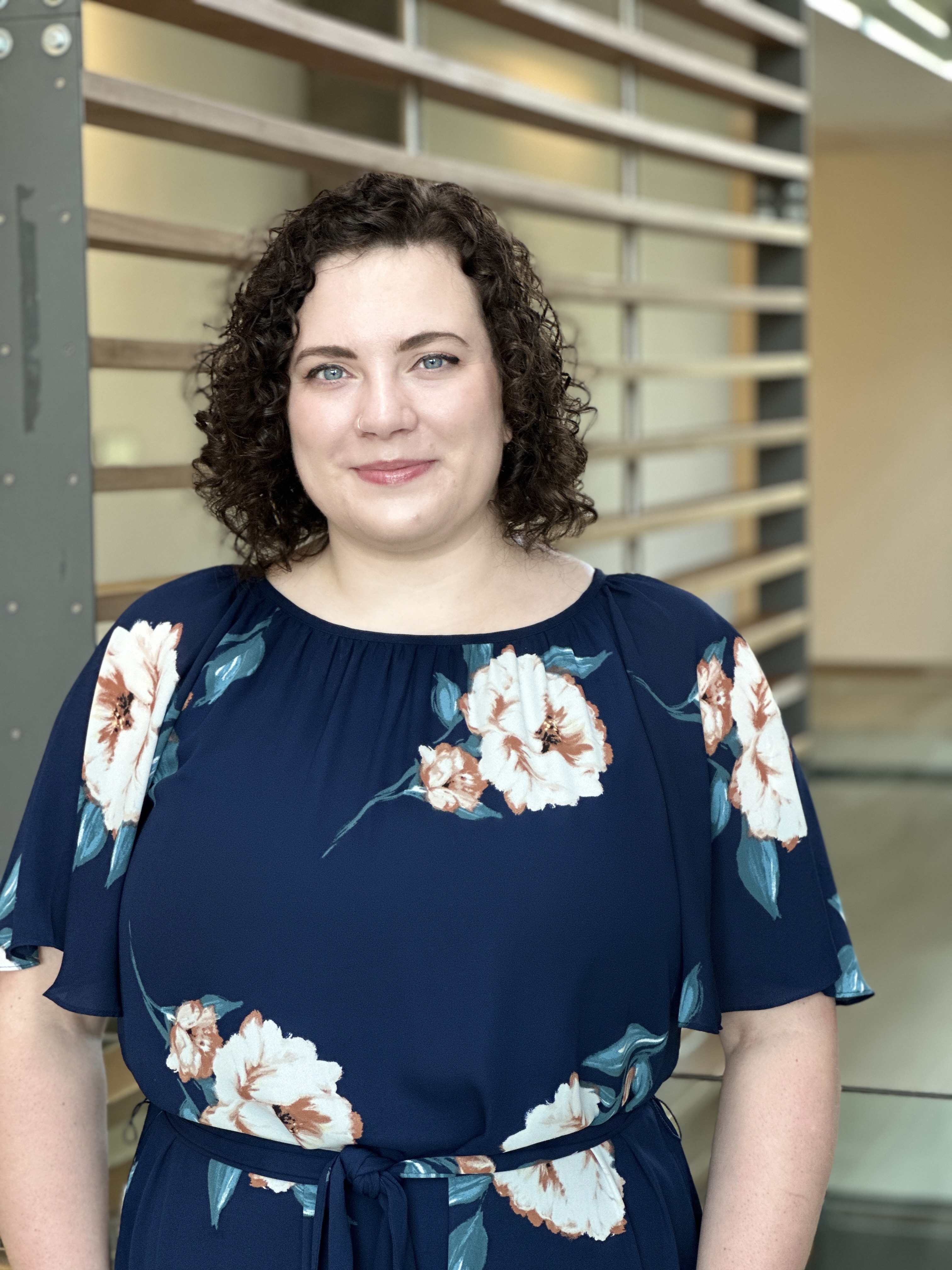
Sierra Petersen is an Associate Professor in the Department of Earth and Environmental Sciences at the University of Michigan, within the College of Literature, Science, and the Arts (LSA). She leads the SCIPP Lab, which focuses on reconstructing past climate and ocean conditions using geochemical signals from fossil materials. Her work integrates cutting-edge isotope analysis and field studies across diverse geological time periods and locations, emphasizing collaboration and methodological innovation. She teaches EARTH 296.066, offering undergraduates a research-based course in paleoclimatology and paleontology. Current lab projects include NSF-funded studies on Last Interglacial climate in the Caribbean and Atlantic, Cretaceous climate dynamics, and improving clumped isotope methodologies. Dr. Petersen holds a B.S. in Geochemistry from the California Institute of Technology (2009) and a Ph.D. in Earth and Planetary Sciences from Harvard University (2014). Her research emphasizes sub-annual climate variability preserved in mollusk shells, ocean-ice sheet interactions, and the role of Deccan Traps volcanism in the end-Cretaceous mass extinction. She collaborates with institutions like Grand Valley State University (GVSU) and maintains the University of Michigan Stable Isotope Lab with co-PIs Lohmann and Cole. Her research interests span clumped isotope applications, biologically driven isotopic fractionations (BioDIFs), and interdisciplinary approaches to paleoclimate reconstruction. Recent work explores seasonal climate patterns in ancient greenhouse climates and technical improvements for clumped isotope measurements. She has advised multiple undergraduates and is actively involved in public climate communication through media interviews and NGO engagements like the Citizens’ Climate Lobby. In advising, Dr. Petersen has engaged with graduate students and postdocs through funded fellowships and NSF grants, though recruitment for 2025 is paused. Her lab’s technical innovations include the ClumpDB standardization project and dual-reservoir techniques for small carbonate samples. Current lab locations include renovated spaces in the North University Building (moved 2019), housing advanced mass spectrometry equipment.
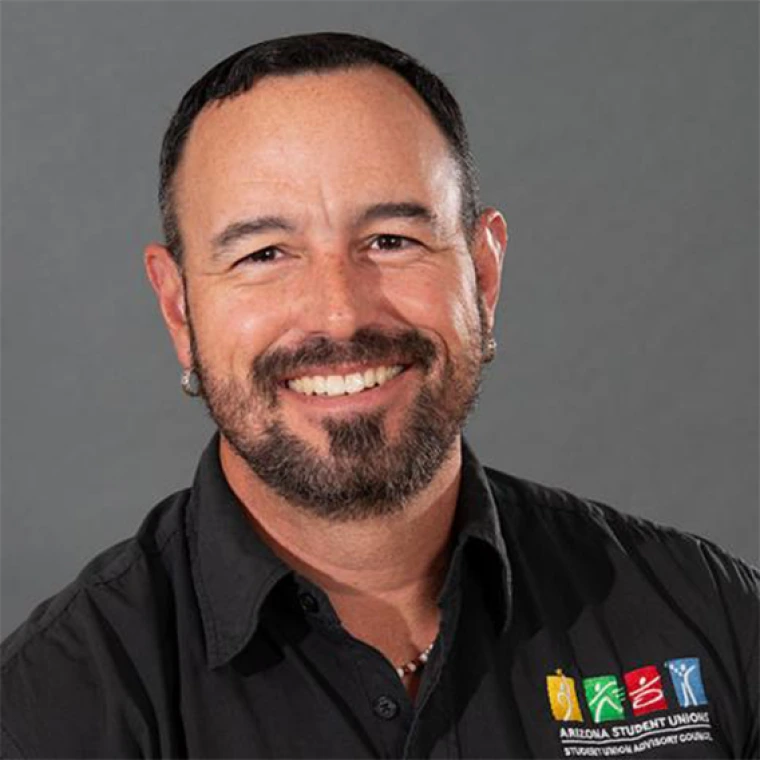
James Sloan is an Honorary Professor in the School of Law at the University of Glasgow. His research focuses on international law, particularly the use of force in UN peacekeeping operations, international criminal law, and the institutional law of the United Nations. He has authored a monograph and edited volumes exploring the militarization of peacekeeping and the role of the International Court of Justice in shaping international legal frameworks. His work has been published in prominent journals such as the Journal of International Peacekeeping and the Leiden Journal of International Law. Dr. Sloan has contributed to debates on the legal implications of an independent Scotland’s sovereignty, analyzed the evolution of UN peacekeeping mandates, and examined challenges in prosecuting violations against peacekeepers. His research spans topics ranging from ICC procedures to the historical concepts of 'civilized nations' in international law. Notable contributions include co-editing The Development of International Law by the International Court of Justice (2013) and publishing The Militarisation of Peacekeeping in the 21st Century (2011). His interdisciplinary approach bridges legal theory with practical challenges in conflict zones and international institutions.
Marcus Seldin, Ph.D., is an Assistant Professor of Biological Chemistry at the University of California, Irvine (UCI), School of Medicine. His research focuses on systems genetics approaches to dissect mechanisms of integrative physiology, particularly inter-organ signaling networks in health and disease. The Seldin Lab integrates population genetics with experimental methods to study genetic and molecular drivers of clinical traits, such as metabolism, endocrine communication, and cardiometabolic disorders. Research Interests: Endocrine communication, myokine signaling, Polycystic Ovary Syndrome (PCOS) pathophysiology, and the role of sex differences in metabolic regulation. Labs/Teams: UCI Systems Genetics Lab, focusing on multi-omics analyses and systems biology approaches. Key Projects: Investigating adipose-tissue signaling in aging, circadian clock disruption in cancer, and genetic architecture of heart mitochondrial function. Publications highlight his work on inter-organ crosstalk, metabolic adaptations to exercise, and genetic determinants of cardiometabolic traits. His lab develops computational pipelines for deconvolution of multi-omics data, emphasizing translational applications in personalized medicine.
Rolf Schwitter is a Senior Lecturer at the School of Computing, Macquarie University. His research focuses on natural and formal language processing, including controlled natural languages, answer extraction, knowledge representation, probabilistic logic programming, and Semantic Web technologies. He holds an h-index of 13 with over 944 citations. His work emphasizes bridging human-readable and machine-processable systems, particularly in legal and technical domains. Key research contributions include developing frameworks like PENG ASP for declarative programming in natural language, smart contract systems, and hybrid explainability tools like HESIP. He leads projects such as Policy Automation: Reconstructing Policy Documents for Objective Decision Making (2018–present) and has collaborated on initiatives like TwitterNews+ for real-time event detection. Research Themes: Controlled Natural Languages, Smart Contracts, Explainable AI, Legal Informatics Notable Projects: User-guided legal document processing, error-free smart contracts, hybrid prediction explanations Received the 2023 Faculty of Science and Engineering Award for Inter-School Collaboration. Active in academic publishing with over 117 research outputs spanning conferences, journals, and book chapters.
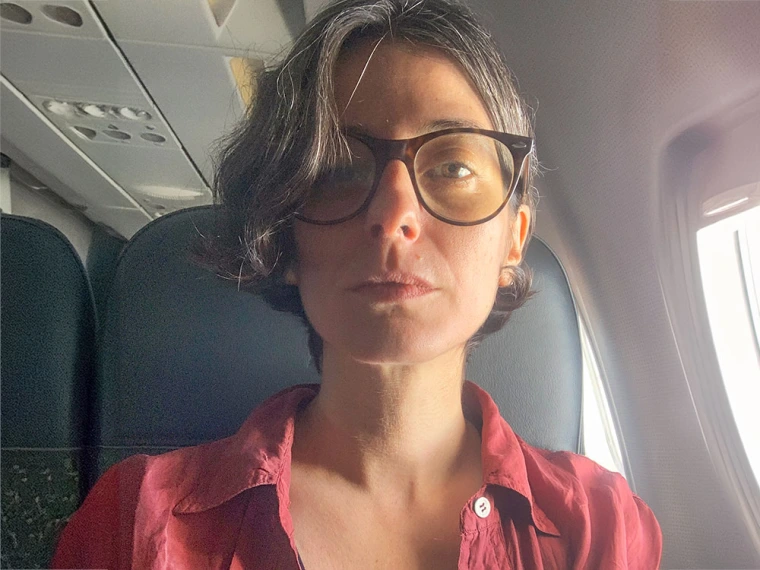
María Torres is a Postdoctoral Research Fellow in the College of Information Science at the University of Arizona. Her work focuses on an alternate history of forensics, emphasizing technological disobedience, contestational biology, and grassroots counter-forensic practices in the context of forced disappearance in Mexico. She collaborates with Buscadora searching groups, human rights advocates, and local scientists to address overlapping political and environmental violence under neoliberal dispossession. Her research integrates social engagement through community-based projects, multimedia art, and activism. Education includes a PhD in Philosophical and Social Studies of Science and Technology from the National Autonomous University of Mexico (UNAM) and an MA in Contemporary Art History and Visual Culture from an inter-institutional program involving Universidad Complutense, Autonomous University, and Museo Nacional Centro de Arte Reina Sofía. Research interests center on the ethics and politics of science and technology representations, particularly their intersections with Latin American social movements and feminist materialisms. Her interdisciplinary approach bridges activism, art, and academic inquiry to challenge systemic injustices. While no specific awards or grants are listed, María’s work is deeply embedded in community partnerships and activist frameworks. Her research contributes to reimagining forensic practices as tools for social justice in contexts of violence and dispossession.
James Watson is a Professor of Anthropology at the University of Arizona and Associate Curator at the Arizona State Museum. His research focuses on bioarchaeology, specifically examining health, disease, and human adaptations in prehistoric populations across deserts like the Sonoran and Andean Altiplano, with an emphasis on agriculture's impact. He teaches courses including Human Osteology and Bioarchaeology seminars. His work integrates dental anthropology, paleopathology, and field archaeology to explore dietary shifts, social structures, and mortuary practices of early farming communities. Recent studies include investigating sex-based health disparities in prehistoric Arizona and the role of female hunters in early American societies. Key research areas span North America, Mesoamerica, and northern Chile, addressing topics such as dental wear patterns, migration, and the origins of agriculture. He leads the La Playa Archaeological Project, examining long-term human adaptation in the Sonoran Desert. Watson collaborates extensively on interdisciplinary projects, combining genetic, isotopic, and archaeological data to reconstruct prehistoric lifeways. His publications emphasize methodological innovations in bioarchaeology and ethical compliance in cultural heritage research.
Thomas Chrystol is an Assistant Professor and Extension Specialist in the Department of Agricultural Economics at Texas A&M University, located in the College of Agriculture and Life Sciences. His office is in AGLS 347. He holds a B.S. in Economics from The University of the West Indies, an M.Phil. in Economics from the same institution, and a Ph.D. in Agricultural Economics from Texas A&M University. Chrystol specializes in Community Economic Development , focusing on Real Estate & Resource Valuation , Finance , Macroeconomics , and Agricultural Policy . His work emphasizes strengthening challenged communities through program development and evaluation. Prior to academia, he worked at the Central Bank of Barbados and the Inter-American Development Bank. His research spans Caribbean economic trends , taxation policy , and development strategies , with notable contributions to VAT system analysis in small economies and the impact of transportation systems on urban poverty. His publications include quarterly bulletins analyzing regional economic indicators and meta-analyses of debt-growth relationships. Chrystol’s work bridges applied economics with community engagement, particularly in underdeveloped regions. While no specific grants or awards are listed, his extension role highlights practical policy implementation.
Dr. Jennifer Leung is an Assistant Professor in the Department of Medicine, specializing in Hematology with a focus on bleeding disorders. She completed her undergraduate medical training and Internal Medicine residency at the University of Saskatchewan, followed by a fellowship in Adult Hematology in Kingston. Her research interests span hematological care and mental health, including forensic treatment evaluations and eating disorder interventions. She has contributed to studies on recidivism, gender dynamics in health behaviors, and cognitive therapy approaches for schizophrenia and OCD. Dr. Leung’s work bridges clinical practice with research, addressing both medical and psychological challenges in patient care. Her recent publications highlight innovative inter-professional care models and group therapy efficacy in eating disorder management. Despite no listed awards, her academic contributions reflect a commitment to advancing treatment strategies in multidisciplinary settings.
Dr. Peter Campbell is a Senior Glaucoma Practitioner at Guy's and St Thomas' NHS Foundation Trust and an academic at City St George's, University of London, where he is affiliated with the School of Health and Psychological Sciences and the Department of Optometry and Visual Sciences. He previously served as Programme Director for Introduction to Optometry at City, University of London. His work bridges clinical optometry and academic research, with a strong focus on glaucoma management and innovative monitoring techniques. Professional Doctorate in Optometry, London South Bank University, 2015 BSc Optometry, City, University of London, 1998 MA, University of Cambridge, 1994 Postgraduate Diploma in Academic Practice, City, University of London Dr. Campbell’s research centers on glaucoma, visual field testing, intraocular pressure measurement, and the feasibility and acceptability of home-based and digital monitoring technologies in ophthalmic care. He has extensively studied patient adherence to glaucoma medication, inter-optometrist variability in IOP measurement, and the implementation of telemedicine solutions such as tablet-based visual field tests (e.g., Eyecatcher). His work often involves qualitative assessments of patient experiences and usability of new technologies. His recent publications (2020–2024) demonstrate a consistent trend toward evaluating digital health tools for chronic eye disease management, particularly glaucoma and age-related macular degeneration. These studies emphasize patient-centered design, real-world feasibility, and the integration of remote monitoring into existing healthcare systems. Key themes include patient empowerment, data accessibility, concerns about replacing face-to-face care, and the need for user-friendly interfaces with clear feedback mechanisms. Member, College of Optometrists (1999–present) Dr. Campbell has collaborated on multiple research projects involving pop-up health screenings in public spaces, assessing the feasibility of measuring blood pressure and intraocular pressure in shopping centers. These initiatives reflect a broader interest in expanding access to preventive eye care. While no specific grants or advising roles are mentioned in the text, his involvement in funded studies (e.g., UKRI Healthy Ageing Catalyst Award) indicates active grant-supported research. He teaches undergraduate modules in Visual Optics and Clinical Skills, as well as a postgraduate module in Glaucoma. He is involved in several research labs and teams focused on vision science and digital health, particularly those associated with City, University of London, including collaborations with the Royal Free Clinical Research Facility. His future work is likely to continue exploring the role of technology in democratizing eye care, improving patient adherence, and reducing the burden on hospital services through validated, patient-acceptable remote monitoring solutions.
Professor Maggie O'Neill is a prominent sociologist and criminologist at University College Cork (UCC), serving as Director of ISS21 (Institute for Social Science in the 21st Century) and UCC Futures: Collective Social Futures. Previously, she held chairs at the University of York and Durham University, including roles as Principal of Ustinov College. Her work centers on inter-disciplinary research, particularly participatory action research, arts-based methods, and social justice advocacy. She earned her PhD in Sociology in 1996, exploring feminist participatory action research with sex workers. Her research focuses on migration, carceral systems, gendered violence, and marginalized communities. Notable projects include the East London Project evaluating sex worker safety and the WalkCreate initiative using walking methodologies for social change. She is an elected member of the Royal Irish Academy, a Fellow of the Academy of Social Sciences, and a Fellow of the Royal Society of Arts. O'Neill actively contributes to academic governance, serving on the Executive Committee of the European Sociological Association and leading roles in research networks like RN3 'Biographical Perspectives on European Societies'. She also engages in policy advocacy through roles at the Global Human Dignity and Humiliation Studies Network and Irish Sex Work Research Network. Her methodologies emphasize creative and embodied practices, including participatory theatre, walking interviews, and visual ethnography. Recent work addresses transformative justice in education, racialized migrant experiences, and resistance to hostile environment policies. Over 150 publications span criminology, sociology, and cultural studies, advocating for socially engaged scholarship. In teaching and leadership, she promotes prison-university partnerships and pedagogical innovation. Her work intertwines academic rigor with community-driven research, aiming to create equitable social futures through interdisciplinary collaboration and methodological creativity.
Zane Weissman is an Assistant Teaching Professor in the Department of Electrical and Computer Engineering at Worcester Polytechnic Institute (WPI). She holds a Ph.D. in Electrical and Computer Engineering from WPI (2024), following B.S. (2019) and M.S. (2019) degrees in the same field. Her teaching focuses on computer engineering with an emphasis on hands-on laboratory work and collaborative project-based learning. Her research explores microarchitectural security vulnerabilities in FPGA-CPU systems and cloud infrastructure, with publications in peer-reviewed journals and a book chapter. She also contributed to environmental studies on sound pollution in national parks. Education Ph.D., Electrical and Computer Engineering, WPI (2024) M.S., Electrical and Computer Engineering, WPI (2019) B.S., Electrical and Computer Engineering, WPI (2019) Research Interests Her research bridges hardware security and cloud computing, investigating vulnerabilities in FPGA-CPU co-designs and serverless platforms. She explores mitigations for microarchitectural attacks like rowhammer and IOTLB-SC leaks, while maintaining a secondary interest in environmental acoustics. Her work emphasizes practical defenses for modern computing systems. Publications Recent work includes analysis of high-frequency bit flip impacts (2025), Firecracker VMM security (2024), and FPGA-driven rowhammer attacks (2019). Earlier environmental studies on sound pollution (2017) reflect a multidisciplinary approach to research. Labs/Teams No specific lab affiliations listed, though her teaching emphasizes collaborative project work in WPI's lab facilities.
Goran Lj. Djordjevic is a Professor at the Department of Electronics, Faculty of Electronic Engineering, University of Nis, Serbia. Appointed full professor in 2009 after progressive promotions from assistant professor (1999) to associate professor (2004), he represents a cornerstone of the institution where he completed all academic degrees. His three-decade career exemplifies deep institutional commitment and scholarly excellence in electronic engineering. His academic foundation was built entirely at the University of Nis: Diploma Engineer in Electronics (1989) Master of Science in Electronics (1994) Doctor of Philosophy in Electronics (1998) Professor Djordjevic's research forms three interconnected pillars: Networks-on-Chip (NoC) innovation with breakthroughs in deflection routing and port allocation; UWB localization systems solving multipath challenges in complex indoor environments through multi-algorithm fusion; and error control coding for storage systems with applications in optical media. His work consistently bridges theoretical rigor and practical implementation, evidenced by 22 impact-factor journal publications spanning VLSI design, wireless communications, and parallel computing. Analysis of his publication timeline reveals strategic evolution: recent work (2021-2022) focuses on real-world NoC optimization and robust indoor positioning, mid-career research (2015-2005) established CDMA bus architectures and fault-tolerance frameworks, while foundational contributions (2001, 1996) in constraint coding and task scheduling underpin his later breakthroughs. This trajectory demonstrates exceptional continuity in advancing communication reliability across hardware and software domains. Scientific recognition includes: No formal awards documented in source materials Regarding academic mentorship, while specific students aren't listed, his sustained research output implies active graduate supervision. Project funding shows zero current national grants, though international collaborations remain unspecified. His 22 impact-factor publications across IEEE, Elsevier, and Springer journals demonstrate consistent productivity through completed research initiatives, with recent work indicating ongoing laboratory activity in wireless and NoC domains.
Roberta Romano is a University Researcher at the Department of Experimental Medicine, University of Salento. Her work focuses on cell biology, molecular mechanisms, and neurogenetics, with a particular emphasis on mitochondrial-lysosomal communication, neurodegenerative diseases, and cellular biotechnologies. She teaches General and Cellular Biology (2.0 credits) to Nursing students and contributes to Cellular Biotechnologies (9.0 credits) for Medical Biotechnology and Nanobiotechnology Master's Degree students. Current affiliations: Department of Experimental Medicine, Department of Biological and Environmental Sciences and Technologies Her research spans mitochondrial dynamics, neurodegeneration, and cancer biology, with recent publications on chemoresistance in ovarian cancer and antisense therapy for neurodegenerative disorders. She collaborates with Prof. Cecilia Bucci on laboratory courses involving mammalian cell transfection, immunofluorescence, and lipid droplet analysis. Key publications highlight her expertise in: Mitochondrial-lysosomal communication in disease Antisense therapy development Role of intermediate filaments in neuropathies Extracellular vesicle mechanisms She works at the Ecotekne Research Center (Lecce, Italy), with a teaching office on the ground floor. Contact: roberta.romano@unisalento.it
Benjamim Fonseca is an Assistant Professor with Habilitation at the University of Trás-os-Montes and Alto Douro (UTAD), affiliated with the Department of Engineering. He is also a researcher at INESC TEC and co-founder/CEO of 4ALL Software, a UTAD spin-off focused on innovative software development. His research spans collaborative systems, mobile accessibility, and immersive technologies, with over 100 publications in conferences, journals, and books. Fonseca actively contributes to scientific event organization and peer review, emphasizing human-AI collaboration, scientometrics, and educational technology. His work integrates hybrid human-AI systems, crowdsourcing frameworks, and educational tools like virtual labs and exergames. Notable projects include the Online-Gym multiuser virtual environment and SOSPhone , a mobile emergency app for deaf users. Fonseca’s research also explores the ethical and practical dimensions of AI in fields like music composition and entrepreneurship education through platforms like BIZZY and PLAYER . Key themes in his publications include scientometric analysis of CSCW (Computer-Supported Cooperative Work), taxonomies for crowd-machine interaction, and the application of reinforcement learning in scheduling. His interdisciplinary approach bridges computer science, education, and social inclusion, with a focus on leveraging technology for equitable access and collaborative innovation.