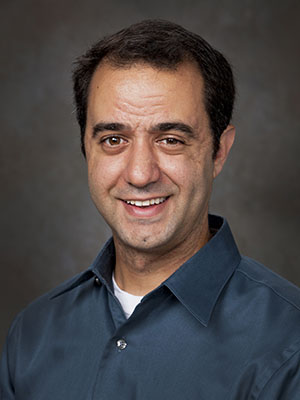
Bobak Mortazavi is an Associate Professor in the Department of Computer Science & Engineering at Texas A&M University. His research focuses on medical analytics, machine learning, wearable sensors, and cyber-physical systems. He leads interdisciplinary projects in healthcare technology, including AI-driven diagnostics and predictive modeling for cardiovascular diseases. He has received notable awards such as the Best Demonstration Award at IEEE EMBS 2012 and the Best Paper Award at the Fourth International Conference on Data Analytics 2015. His work bridges machine learning with clinical applications, emphasizing practical solutions for healthcare challenges. Recent research includes developing AI tools for aortic stenosis detection, electrolyte estimation via ECG, and real-time patient monitoring systems. He collaborates with industry and academic partners to advance telemedicine and wearable health technologies. Key contributions include the SMART-LV project for smartphone-based cardiac diagnostics and the ArterialNet framework for blood pressure reconstruction using wearable sensors. His work is published in top journals like IEEE Journal of Biomedical and Health Informatics and Elsevier's Pervasive and Mobile Computing.
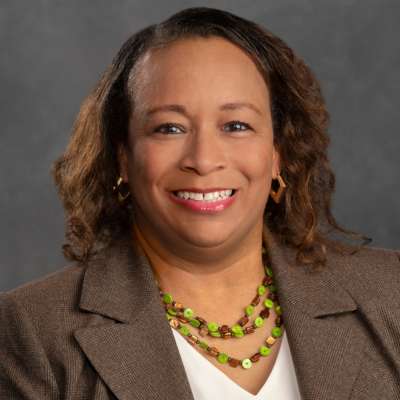
Jessica Illuzzi is the Deputy Dean for Education and Harold W. Jockers Professor of Medical Education at the Yale School of Medicine, where she is also a Professor in the Department of Obstetrics, Gynecology, and Reproductive Sciences. She plays a pivotal role in medical education leadership, curriculum development, and accreditation efforts, while maintaining an active research program in maternal and neonatal health. Harvard University, AB in Biochemical Sciences (1994) Harvard Medical School, MD (1998) Yale School of Graduate Studies, MS in Epidemiology (2006) Residency in Obstetrics and Gynecology, Yale-New Haven Hospital (2002) Her research focuses on the impact of obstetric interventions on maternal and neonatal outcomes, especially among low-risk women. Key areas include cesarean section, vaginal birth after cesarean (VBAC), group B streptococcus prophylaxis, and innovative maternity care models. She has led studies on labor management, health disparities, and quality improvement in obstetric care. Recent publications highlight trends in racial and ethnic disparities in maternal outcomes, validation of VBAC prediction tools, neonatal resuscitation guidelines, and integrated maternal-child care models in Haiti. Her work spans clinical epidemiology, health services research, and digital health interventions in obstetrics. Hellman Award (2017) Leah Lowenstein Award (2010) Roy M. Pitkin Award (2010) Bohmfalk Award (2007) Association of Professors of Gynecology and Obstetrics Teaching Award (2006) Dr. Illuzzi has been a strong advocate for medical education reform and student mentorship. She previously served as clerkship director and curriculum director, and has played key roles in Yale’s curriculum redesign and LCME reaccreditation. She has also led quality improvement initiatives in labor care and contributed to national guidelines on neonatal resuscitation. Her collaborative research network includes frequent co-authors such as Xiao Xu and Katherine Harper Campbell.
Zach Shahn is an Assistant Professor in the Department of Epidemiology and Biostatistics at the CUNY School of Public Health. He holds a PhD in Statistics from Columbia University and a BA in Mathematics from Stanford University. His research focuses on causal inference methods applied to healthcare data, particularly time-varying treatment effects and critical care applications. He has conducted postdoctoral work at Harvard School of Public Health and previously worked at IBM Research in Healthcare and Life Sciences. Education: PhD in Statistics and Probability, Columbia University BA in Mathematics, Stanford University Research interests include developing causal inference frameworks for evaluating treatment efficacy in dynamic healthcare settings, with a focus on critical care outcomes and methodological innovations. Recent work explores applications of causal diagrams, instrumental variables, and machine learning in healthcare decision-making. His studies often involve large-scale healthcare datasets to assess interventions' real-world impacts. Key trends in his articles include advancements in causal effect estimation under complex treatment regimes, bias analysis in observational studies, and methodological contributions to difference-in-differences and N-of-1 trial designs. His work bridges statistical theory with practical healthcare challenges, emphasizing reproducibility and policy relevance. No scientific awards are listed, though his contributions to causal inference methodologies are notable in academic circles. He has advised on healthcare data projects and published extensively without explicitly listed grants. His professional network includes collaborations with institutions like Harvard and IBM. He is affiliated with CUNY's public health programs and actively engages in academic discourse via Twitter and LinkedIn. His lab or team details are not explicitly mentioned in available materials.
Dr. Audrey Roberson is an Assistant Professor at Virginia Commonwealth University School of Nursing, serving as Concentration Lead for Nursing Leadership and Organizational Science. With over 30 years of nursing experience spanning bedside care, education, and management, she focuses on critical care mobility and pulmonary rehabilitation research. Her research examines the mobility of mechanically ventilated patients and pulmonary-focused verticalization therapy. Clinical interests include leadership development and evidence-based practice implementation. Publications demonstrate consistent focus on critical care outcomes, infection prevention, and rehabilitation protocols in intensive care settings. Professor Roberson teaches graduate courses in evidence-based practice, quality improvement, and healthcare leadership through the Nursing Leadership program.
Marita Dale is a Senior Lecturer in the Discipline of Physiotherapy at the University of Sydney and an Early Career Researcher affiliated with the Charles Perkins Centre. She specializes in cardiorespiratory physiotherapy, focusing on exercise interventions for chronic respiratory and cardiac diseases, particularly asbestos-related and dust-related conditions. Her work emphasizes improving accessibility to pulmonary rehabilitation services and leveraging mHealth technologies for patient care. Education: PhD in Physiotherapy (2016, University of Sydney). Her research interests include optimizing pulmonary rehabilitation through mobile health platforms, such as the m-PR™ app, and investigating pediatric burn injury rehabilitation, including orthosis use and scar prevention. She also explores multimorbidity management and simulation-based learning in healthcare education. Recent studies have highlighted her contributions to COPD care protocols, telehealth implementation during the pandemic, and qualitative analyses of patient experiences. Major awards: Sydney School of Health Sciences Teaching Citation (2022), Ashurst Prize for Outstanding Oral Presentation (2015), Helga Pettitt FHS Postgraduate Study Award (2010). Marita supervises Honours, Masters, and PhD students, including Mitchell Taylor on airway clearance in bronchiectasis. Her teaching spans undergraduate and postgraduate programs in cardiopulmonary and musculoskeletal physiotherapy. She collaborates on projects like the Lung Support Service, a nationwide text message program for chronic respiratory patients during the pandemic, and contributed to the commercialization of the Perx-R app for pulmonary rehab. Labs/teams: Active member of the Charles Perkins Centre, focusing on interdisciplinary chronic disease research and healthcare innovation.
Dr. Suman Adhikari is a Conjoint Lecturer at the School of Clinical Medicine , University of New South Wales (UNSW), focusing on Infectious Diseases , Antimicrobial Stewardship , and Clinical Pharmacology . He has contributed to advancements in antibiotic management, sepsis diagnostics, and e-learning tools for healthcare professionals. University: University of New South Wales School: School of Clinical Medicine Email: suman.adhikari@unsw.edu.au Research Interests: Dr. Adhikari’s work spans antimicrobial stewardship in tertiary care, therapeutic drug monitoring of antibiotics like linezolid, and educational technology for vancomycin use. He also explores pharmacokinetics in parasitic infections and contributes to sepsis pathway optimization . Publication Trends: His recent articles (2017–2023) highlight antibiotic safety , digital education , and infection control . Notable studies include multimodal stewardship in ICU, qSOFA criteria validation, and e-learning tool efficacy for vancomycin training. Contact: Phone: 0411817996 | Location: Gray Street, Kogarah 2217 NSW
Cathryn Crowle serves as a Clinical Senior Lecturer at the School of Health Sciences within the Faculty of Medicine and Health at The University of Sydney. Her clinical specialty is Paediatrics, with active roles spanning teaching, research, and clinical practice focused on infant and child health across the lifespan. Her research centers on Paediatrics and Child Health with specific emphases in Growth & Development, Infant care, and Translational Research. Key investigations include cerebral palsy early detection using General Movements Assessment and Motor Optimality Score-Revised (MOS-R), neurodevelopmental outcomes in neonatal surgical populations, and interventions for infants in Neonatal Intensive Care Units (NICU). Her work bridges clinical practice and research through knowledge translation initiatives. Analysis of her 14 publications (2015-2025) reveals consistent focus on predictive tools for neurodevelopmental disorders, particularly cerebral palsy in high-risk Australian infant cohorts. Her methodology combines longitudinal assessment (HINE, Bayley scales), clinical translation, and multidisciplinary collaboration to address gaps in early diagnosis and intervention. Dr. Crowle currently supervises Victoria Norris on music therapy applications in NICU settings. Her research involves extensive collaboration with cerebral palsy experts including Iona Novak, Nadia Badawi, and Catherine Morgan across institutions, with projects like the Knowledge Translation of Early Cerebral Palsy (KiTE CP) study demonstrating implementation science approaches. She contributes to teams focused on neonatal neurodevelopment through the Cerebral Palsy Alliance Research Institute, participating in prospective cohort studies examining autism risk in NICU graduates and neurodevelopmental outcomes in ECMO survivors. Her clinical work integrates assessment protocols for infants with congenital anomalies requiring surgery.
Michael S.D. Agus, M.D. is the Constantine Anast, MD Professor of Pediatrics at Boston Children's Hospital, which is affiliated with Harvard Medical School. He serves in the Department of Pediatrics with a focus on critical care and endocrinology. Dr. Agus is a prominent researcher in pediatric critical care medicine, with particular expertise in glycemic control, diabetic ketoacidosis, and sepsis management in critically ill children. Dr. Agus's research interests center around optimizing care for critically ill children, with a strong focus on glucose management in pediatric intensive care settings. His work has significantly contributed to understanding the optimal blood glucose ranges for critically ill children, the management of diabetic ketoacidosis in pediatric patients, and the role of corticosteroids in pediatric septic shock. He has led several major NIH-funded clinical trials including the HALF-PINT (Heart and Lung Failure-Pediatric INsulin Titration) trial and the SHIPSS (Stress Hydrocortisone In Pediatric Septic Shock) study. Dr. Agus has been instrumental in developing clinical guidelines for glycemic control in critically ill children, as evidenced by his contributions to the Society of Critical Care Medicine Guidelines. His research employs advanced methodologies including transcriptomics to identify subclasses of pediatric septic shock, potentially enabling more personalized treatment approaches. His work bridges the gap between critical care medicine and endocrinology, focusing on how metabolic management affects outcomes in critically ill children. Dr. Agus has received significant recognition for his research, with numerous high-impact publications in leading medical journals including Critical Care Medicine , Pediatric Critical Care Medicine , and The Lancet Child & Adolescent Health . His work on glycemic control has been particularly influential in shaping clinical practice for critically ill children with diabetes or hyperglycemia. As a principal investigator on multiple NIH grants, Dr. Agus leads a robust research program focused on improving outcomes for critically ill children. His work extends beyond direct patient care to include healthcare systems research, examining optimal staffing models in pediatric intensive care units and building global collaborative research networks in pediatric critical care. He is actively involved in translating research findings into clinical practice through guideline development and educational initiatives.
Katherine Elizabeth Chetta, M.D., serves as an Assistant Professor of Pediatrics in the College of Medicine at the Medical University of South Carolina (MUSC), practicing neonatology at Shawn Jenkins Children's Hospital in Charleston. Her clinical focus centers on critically ill newborns in the Neonatal Intensive Care Unit (NICU), with specialized expertise in preterm infant care and nutritional management. Dr. Chetta completed her educational journey with a B.S. in Chemistry (Honors) from the University of Kansas (2005), followed by her M.D. from Baylor College of Medicine (2009) where she earned Alpha Omega Alpha (AOA) distinction and High Honors. She completed Pediatrics Residency (2013) and Neonatology Fellowship (2016) at Baylor College of Medicine and the University of Texas Health & Science Center in Houston. Her research program investigates critical aspects of neonatal nutrition, particularly the biochemical properties of human milk and its role in preventing gastrointestinal disorders. Key focus areas include necrotizing enterocolitis (NEC) pathogenesis, free fatty acid metabolism in preterm milk, maternal vitamin D impacts on infant immunity, and quality improvement initiatives for human milk utilization. Collaborations span the Digestive Disease Research Center Core and Darby Children's Research Institute at MUSC, integrating laboratory science with clinical epidemiology. Analysis of her 15 most recent publications reveals dominant research trajectories: (1) Human milk composition and storage effects on infant outcomes, (2) NEC risk stratification through clinical/laboratory markers and imaging, (3) Social determinants of growth in preterm infants, and (4) Microbiome interactions with milk components. Her work bridges basic science (in vitro cytotoxicity studies) with clinical implementation (NICU quality improvement). Scientific recognition includes: Induction into Alpha Omega Alpha (AOA) Honor Medical Society Dr. Chetta actively collaborates with multidisciplinary teams across MUSC's research infrastructure, though specific grant details aren't provided in source materials. Her mentorship extends to medical trainees within the neonatology division, focusing on translational research methodologies. Current projects emphasize standardizing NEC diagnostic protocols and optimizing human milk feeding systems for vulnerable infants. She contributes to laboratory-based investigations at the Darby Children's Research Institute, particularly studying HAMLET complexes in human milk and their effects on intestinal cell metabolism. Her clinical work directly informs ongoing quality improvement initiatives aimed at increasing mother's own milk usage rates in the NICU.
Joo Heung Yoon, MD is an Assistant Professor of Medicine in the Division of Pulmonary, Allergy, Critical Care, and Sleep Medicine at the University of Pittsburgh School of Medicine. His research develops machine learning models for predicting hemodynamic instability in critical care settings, with applications extending to space medicine environments. His educational background includes: MD from Catholic University of Korea, Seoul, South Korea (2002) Internal Medicine Internship at Maimonides Medical Center - SUNY Downstate (2007) Internal Medicine Residency at New York Medical College (2009) Research Fellowship at Massachusetts General Hospital / Harvard Medical School (2011) Research Fellowship at Beth Israel Deaconess Medical Center / Harvard Medical School (2014) Fellowship in Pulmonary and Critical Care Medicine at University of Pittsburgh School of Medicine (2017) Dr. Yoon specializes in identifying hidden pathologic patterns through machine learning, developing prediction models for shock, hemorrhage, and tachycardia using large-scale clinical data. His work bridges critical care medicine with AI, focusing on real-world ICU implementation through alert systems and user interfaces. He actively explores microgravity applications, aiming to create feasible prediction algorithms for resource-constrained space missions where timely high-stake decisions are critical. His publication trend (2018-2020) reveals consistent advancement in hemodynamic prediction models, transitioning from theoretical frameworks to practical implementation strategies. These works integrate supervised ML and deep neural networks to address circulatory shock, hemorrhage identification, and instability surrogates, demonstrating strong interdisciplinary collaboration between clinical medicine and engineering. Notable awards include: SCCM Gold Snapshot Award (2019) ATS Abstract Award (2018) Excellence in Clinical Service Award (2010) Partners in Excellence Award (2009) Richard D. Levere Teaching Award (2008) As Principal Investigator for NIH K23 grant GM138984 (2020-2025), Dr. Yoon leads research on machine learning-driven shock prediction models. He mentors medical students and house staff daily in the ICU, specializing in cardiopulmonary physiology teaching. His grant portfolio focuses on therapeutic strategies for circulatory shock in critically-ill patients, with strong industry-academic partnerships. Based at UPMC Montefiore, Dr. Yoon collaborates with Carnegie Mellon University's Machine Learning School and Pitt Engineering to develop clinical decision support systems. His team is designing graphic user interfaces for spaceflight applications where resource limitations demand highly efficient predictive analytics for hemodynamic crises.
Margaret G.K. Parker, MD, MPH is a Professor at UMass Chan Medical School in the Department of Pediatrics and also holds a position in the Department of Population and Quantitative Health Sciences at the T.H. Chan School of Medicine. She practices at UMass Memorial Medical Center in Worcester, Massachusetts, where she focuses on neonatal care, breastfeeding support, and addressing health disparities among vulnerable populations. Dr. Parker received her BS in Biochemistry & Cell Biology from the University of San Diego, her MPH from Harvard University School of Public Health, and her MD from Albert Einstein College of Medicine. Her educational background has prepared her for a career focused on the intersection of clinical care, public health, and health equity. Dr. Parker's research primarily focuses on neonatal care, breastfeeding practices, health disparities, and social determinants of health. She has conducted extensive research on racial and ethnic disparities in mother's milk provision among mothers of preterm infants, communication practices for non-English speaking families in neonatal care units, and interventions to support vulnerable populations including low-income mothers and those with opioid use disorder. Her work often examines how social factors impact infant health outcomes and how healthcare systems can better address these challenges through quality improvement initiatives and policy changes. Her publication trends reveal a consistent focus on health equity in neonatal care, with growing emphasis on social determinants of health screening and intervention in the NICU setting. Recent work shows increased attention to financial support programs for low-income families, communication barriers for non-English speakers, and specialized care approaches for infants exposed to substances prenatally. Dr. Parker has been involved in numerous interdisciplinary research collaborations across pediatrics, public health, and social services to address complex challenges in infant care. Her work has been cited extensively, demonstrating significant impact in her field, particularly in the areas of breastfeeding disparities and safe sleep practices. She leads research teams focused on quality improvement in neonatal care, with particular attention to equity and addressing disparities. Her recent projects include evaluating the CuddleCard protocol for financial support to low-income mothers of preterm infants and developing communication strategies for non-English speaking families in the NICU.
Vegard Sletten Ek is an Assistant Professor at the Department of Health and Nursing Science, University of Agder, focusing on critical care and patient safety. He is affiliated with the institution's nursing education programs and provides clinical follow-up in hospital settings. His research interests emphasize practical challenges in intensive care units (ICUs), particularly medication safety protocols and qualitative methodologies. His 2022 study on medication double-checking highlights systemic issues in ICU nursing practices. The keywords from his recent work span Nursing Science, Critical Care, and Patient Safety, with sub-fields including Medication Safety, Qualitative Research, and Pediatric Nursing. No scientific awards or student advisements are documented in the provided texts.
Simon Colreavy Donnelly is an Associate Professor in the Department of Computer Science & Information Systems at the University of Limerick. He is a member of the Interaction Design Centre and focuses on interdisciplinary research at the intersection of artificial intelligence, educational technology, and healthcare informatics. His work spans machine learning applications in medical data analysis, virtual reality (VR) and extended reality (XR) for inclusive education, and deep learning techniques in chemical analysis and spectroscopy. Research Interests: His primary areas of investigation include generative AI for education equity, semisupervised learning algorithms, virtual learning environments design, and the ethical deployment of immersive technologies in healthcare and palliative care. He also explores NMR spectroscopy analysis using deep learning and develops tools for nutritional content estimation through image processing. Collaborations: His recent collaborations span international teams addressing challenges in toxicity-free online discourse (PAN 2024), semisupervised learning distribution mismatches, and VR applications for post-pandemic blended learning. His work integrates computational methods with real-world applications in education, healthcare, and chemical analysis. Labs/Teams: Active within the Interaction Design Centre at UL, his research group develops practical solutions for accessibility in digital education and healthcare systems, emphasizing user-centered design principles for extended reality applications.
Lisa Broussard serves as Associate Professor and Dean of the College of Nursing & Health Sciences at the University of Louisiana at Lafayette, holding the Acadian Ambulance Emergency Nursing Professorship. With faculty service since 1992 and administrative leadership since 2011, she directs academic operations while maintaining active research in nursing education and clinical practice. Her educational qualifications include: Bachelor of Science in Nursing (1985) from University of Southwestern Louisiana Master of Science in Nursing (1991) from LSU Medical Center Doctor of Nursing Practice (2006) from LSU Health Sciences Center Dr. Broussard specializes in Nursing Education Administration, focusing on School Nursing, Neonatal Care Quality Improvement, Simulation-Based Training, and Online Learning methodologies. Her work addresses critical gaps in inclusive educational environments, antibiotic stewardship in NICUs, and emergency response systems in school settings through evidence-based interventions. Recent publications reveal consistent emphasis on practical healthcare education solutions, particularly quality improvement in neonatal sepsis management, simulation accreditation frameworks, academic coaching efficacy in virtual nursing programs, and implementation science for school-based AED programs. Her professional recognition includes: Leadership Lafayette Class XXXV UL Lafayette Faculty Representative for University of Louisiana System Management Institute (2019-2020) Fellowship in Louisiana State Nurses Association (2019) As an active contributor to nursing advancement, she engages with Louisiana State Nurses Association, Sigma Theta Tau International Honor Society (Delta Eta Chapter), Louisiana Council of Administrators in Nursing Education, and Louisiana Simulation Medical Training Council. Her collaborative work spans student research in online nursing education, school health initiatives, and nursing administration best practices.
Sunita Mathur is an Associate Professor in the School of Rehabilitation Therapy at Queen's University, affiliated with the Faculty of Health Sciences. She holds a cross-appointment as Associate Director of the School of Rehabilitation Therapy. Her research focuses on improving skeletal muscle function in chronic diseases, including COPD, cystic fibrosis, and critical illness, using non-invasive techniques like MRI, ultrasound, and dynamometry. She co-founded CAN-RESTORE to promote exercise in solid organ transplant recipients and leads the Canadian Donation and Transplantation Research Program (CDTRP) Theme 5. Education: BSc Physiotherapy (Dalhousie University), MSc Rehabilitation (Dalhousie), PhD Human Kinetics (University of British Columbia), and a postdoc at the University of Florida. She supervises students in AGHE PhD and RHBS MSc/PhD programs. Research interests span sarcopenia, muscle dysfunction in chronic illness, and rehabilitation strategies. Her work integrates clinical and translational approaches to enhance patient outcomes through tailored exercise programs and advanced imaging. Key contributions include studies on ICU-acquired weakness, lung transplant rehabilitation, and the role of exercise in improving post-transplant outcomes. She has collaborated on international initiatives like the RECOVER Program to address long-term outcomes of critical illness survivors.