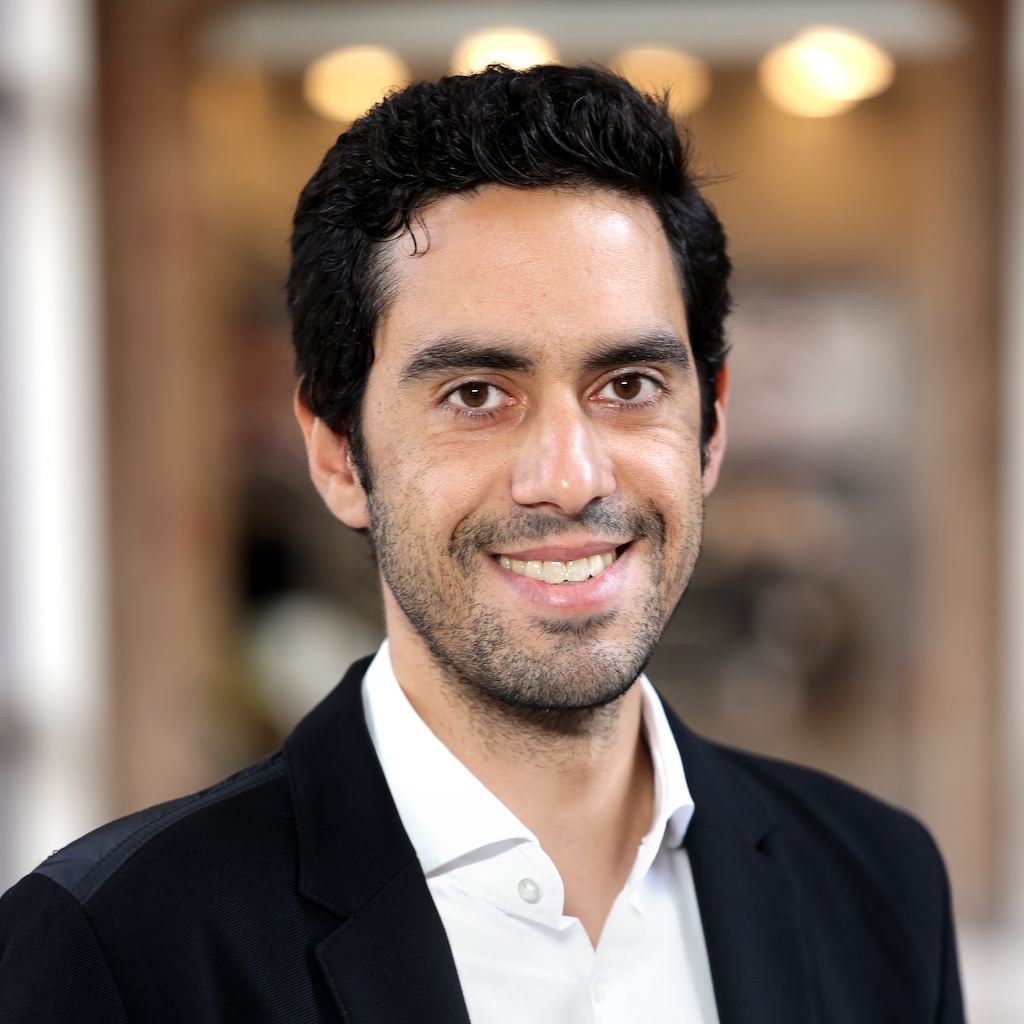
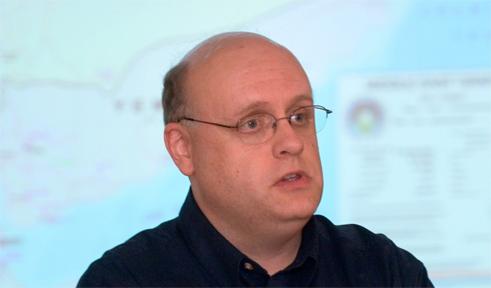
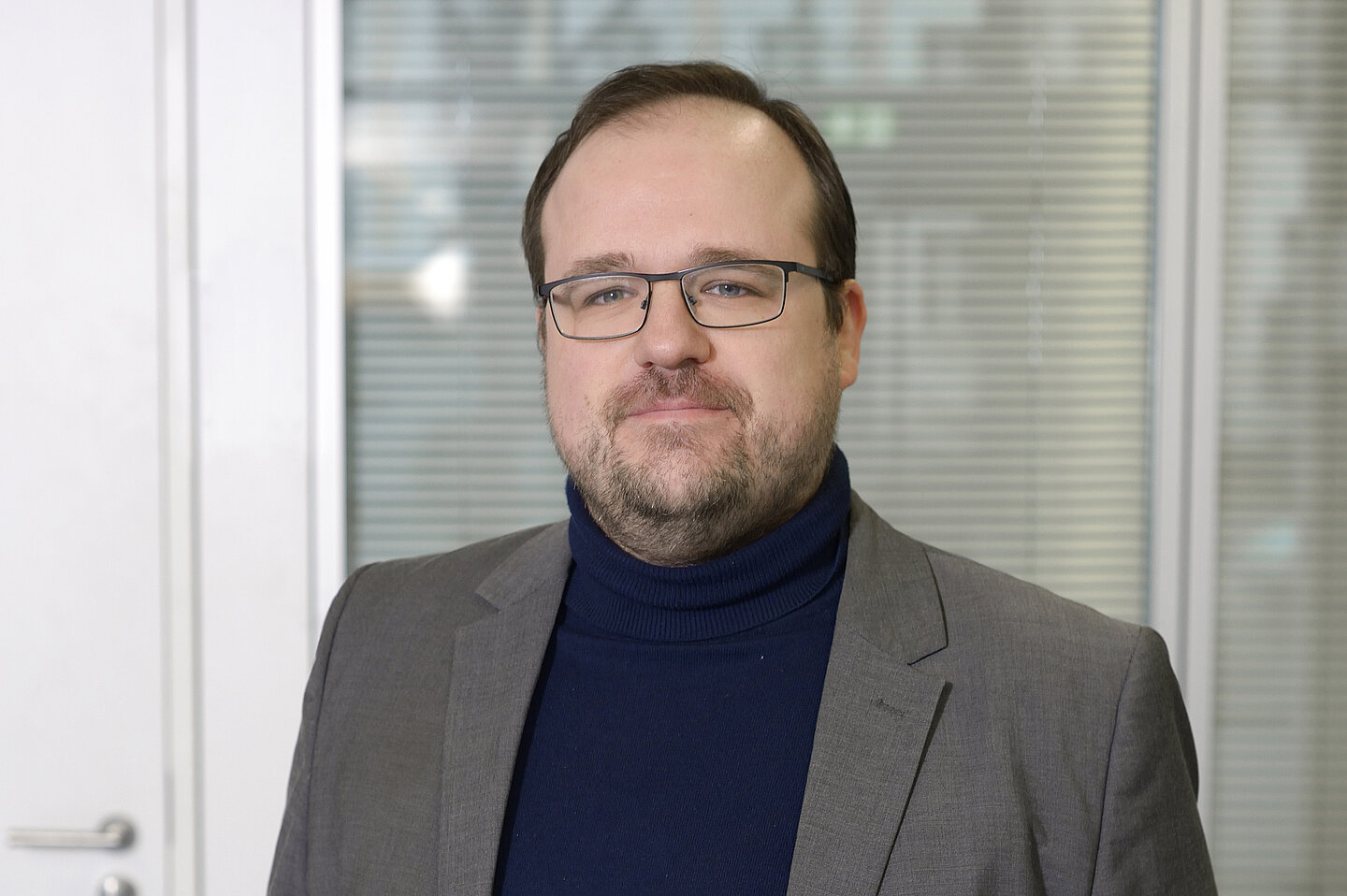
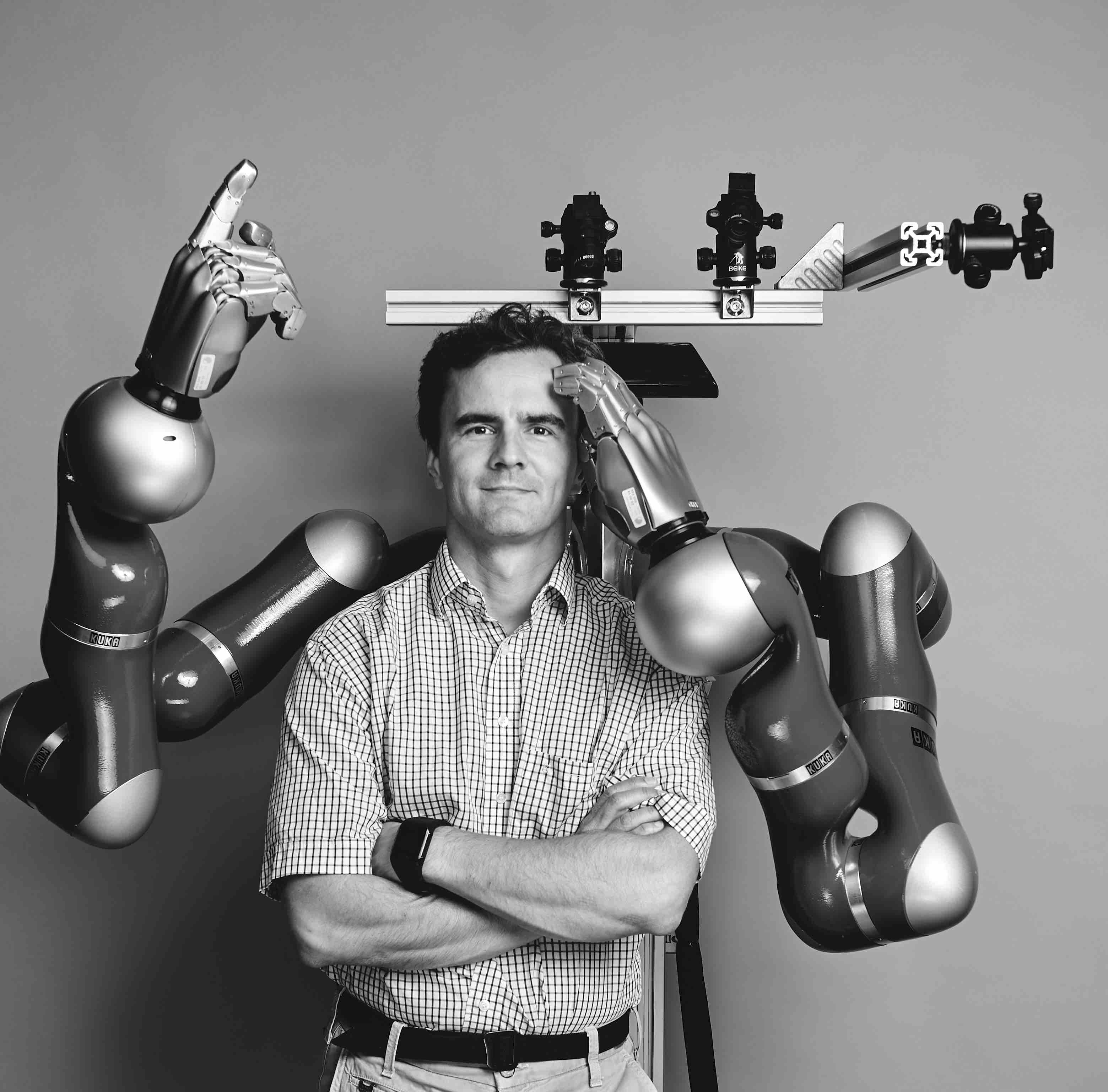
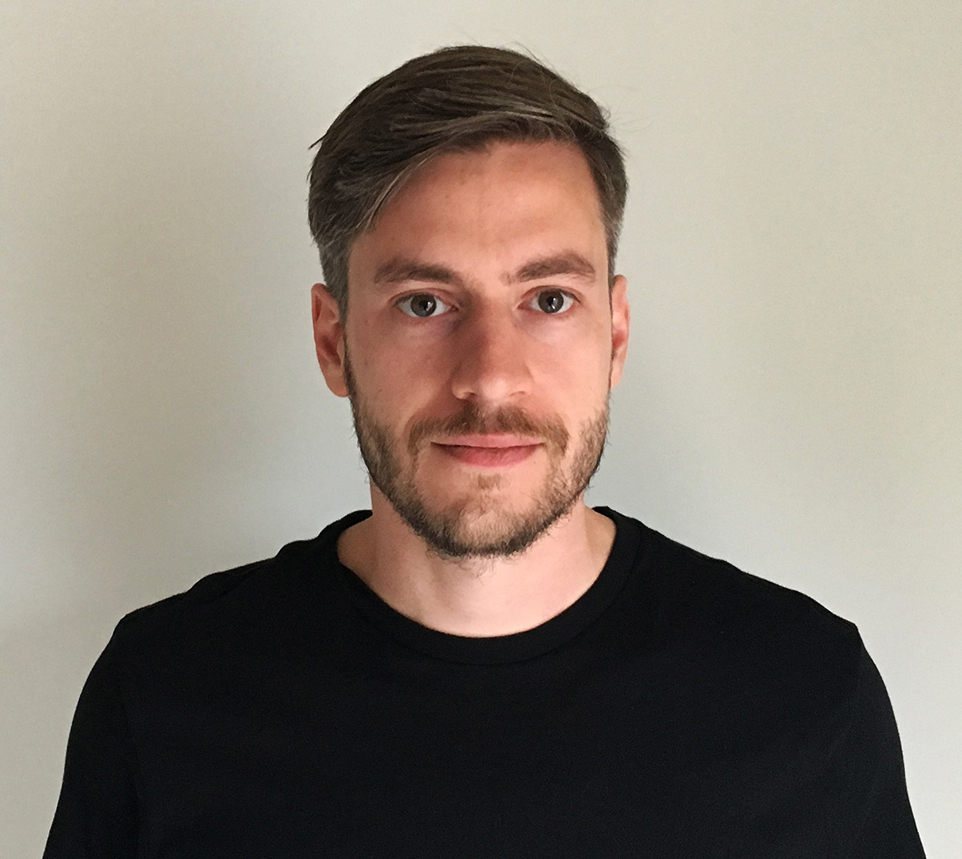
Lars O. Nord is a Professor in the Department of Energy and Process Engineering at NTNU, specializing in thermal energy systems, CO2 capture technologies, and dynamic process modeling. He holds a PhD from NTNU (2010) and a Master's from Virginia Tech (2001). His research focuses on power cycles, turbomachinery optimization, and decarbonization strategies for energy systems. Nord has led projects such as DEXPAND and InnCapPlant, addressing CO2 capture under variable loads and expander efficiency in renewable systems. Current roles: Head of the Thermal Energy research group and teaches courses like Engineering Thermodynamics. Research highlights include thermal energy storage integration, moving bed adsorption processes, and offshore hybrid energy systems. His work spans over 80 publications, emphasizing CO2 capture dynamics, turbine design, and control strategies for flexible power plants. Notable collaborations include SINTEF and Aker Solutions. Nord advises multiple PhD candidates and has mentored alumni now leading roles in industry and academia.
Jiri Srba is a Professor at Aalborg University's Department of Computer Science, part of the Technical Faculty of IT and Design. He leads research in the Distributed, Embedded and Intelligent Systems group and contributes to projects like "ControLing wAter In an uRban Environment" and "Collective Adaptive System SynThesIs using Non-zero-sum Games". His office is located at Selma Lagerløfs Vej 300, 9220 Aalborg Øst, Denmark. Contact him at +4599409851 or srba@cs.aau.dk. His core research focuses on formal methods and applied computer science: Model checking and verification of concurrent systems Petri nets and their applications Network protocol verification and synthesis Distributed system correctness Automated reasoning for industrial systems His publication record shows strong emphasis on network verification, model checking optimization, and applying formal methods to environmental systems. Recent work integrates computer science with sustainable engineering, particularly in water management systems and energy control.
Jesper Rindom Jensen is an Associate Professor in the Department of Electronic Systems at Aalborg University, Denmark, under the Technical Faculty of IT and Design. He is the Head of the Audio Analysis Lab, a leading research group in audio signal processing, since 2023. His work bridges theoretical signal processing and practical applications in artificial intelligence and audio systems. Full Name: Jesper Rindom Jensen Institution: Aalborg University School: The Technical Faculty of IT and Design Department: Department of Electronic Systems Research Lab: Audio Analysis Lab Email: jrj@es.aau.dk Office: Fredrik Bajers Vej 7B, B5-206, 9220 Aalborg Øst, Denmark Education: M.Sc. in Electronic Systems, Aalborg University (cum laude, 2009) Ph.D. in Signal Processing, Aalborg University (2012) Research Interests: Jesper Rindom Jensen's research centers on audio signal processing, with a strong emphasis on artificial intelligence, speech enhancement, noise reduction, beamforming, and multichannel systems. His work applies to diverse domains including robot and drone audition, spatial audio, and active noise control. He develops novel filtering techniques, including variable span linear filters and harmonic beamformers, to improve speech quality and intelligibility in noisy and reverberant environments. Publication Trends: His recent publications (2023–2025) show a strong trend toward integrating deep learning with classical signal processing, particularly in direction-of-arrival estimation, underwater acoustics, and robust multichannel systems. There is a clear focus on real-world applications, including sound zone control, active noise control, and limited-data scenarios using knowledge distillation. His work consistently emphasizes robustness, efficiency, and practical deployment. Scientific Awards and Recognition: AAU Talent for emerging research leaders Recipient of a competitive postdoc grant from the Danish Independent Research Council Advising and Grants: Jesper has supervised multiple PhD and master’s students, including Nørholm, Karimian-Azari, Zhang, and Wang. He has led significant research projects such as 'Sound Processing for Robots and Drones' (2018–2020) and participated in others related to joint audio-visual tracking and speech enhancement. His research has been supported by national funding bodies, reflecting its innovation and impact. Labs and Teams: He is a founding and core member of the Audio Analysis Lab at Aalborg University, which focuses on cutting-edge audio signal processing and AI-driven solutions. The lab fosters interdisciplinary collaboration and has produced numerous publications, datasets, and real-world applications. Jensen’s leadership since 2023 underscores his pivotal role in shaping the lab’s research direction.
Alastair F. Donaldson is a Professor and Director of Research in the Department of Computing at Imperial College London, where he leads the FastPL research group. His work bridges formal methods, software testing, and programming languages, with a focus on enhancing the reliability of high-performance and parallel software systems. He has held key roles including Director of Research (since 2023) and previously served as Lecturer (2011–2014), Senior Lecturer (2014–2017), and Reader (2017–2020) before being promoted to Professor in 2020. His research interests include formal verification, compiler testing, GPU programming, concurrency, and fuzzing. He has made significant contributions to the verification of GPU kernels, metamorphic testing of graphics drivers, and the development of tools like GPUVerify and GraphicsFuzz. His work combines theoretical rigor with practical impact, demonstrated by the acquisition of his startup GraphicsFuzz by Google in 2018 and his subsequent roles as Senior Software Engineer and Visiting Researcher at Google. His recent publications reflect a sustained focus on compiler and system reliability, with trends in fuzzing, formal specification, and automated testing of complex systems such as WebGPU, CXL cache coherence, and large language models for code generation. His work increasingly integrates empirical validation with formal techniques to uncover subtle bugs in real-world systems. Scientific awards and recognitions include: 2017 BCS Roger Needham Award EPSRC Early Career Fellowship Fellow of the British Computer Society Best Paper awards at EuroSys 2024, MET 2021, IISWC 2019, IWOCL 2019, and ICST 2016 Best Industry Paper at ICST 2024 ACM SIGSOFT Distinguished Paper at ISSTA 2023 ACM SIGPLAN Most Influential OOPSLA Paper Award (2012 paper), awarded in 2022 Best Student Paper at PPoPP 2014 He has advised numerous PhD students and leads a vibrant research group. He has secured significant research funding and collaborates extensively with industry and academia. His service includes leadership roles such as General Chair of PLDI 2020, PC Chair of ECOOP 2019, and Steering Committee Chair of PLDI (2022–2025). He also serves on the advisory board of PACM-PL and on program committees for top venues including POPL, OOPSLA, PLDI, ICSE, and ISSTA. He leads the FastPL research group, which focuses on the design and implementation of programming tools and techniques for reliable software. The group conducts cutting-edge research in compiler testing, formal methods, and high-performance systems, fostering collaboration across academia and industry.
Christoforos Mavrogiannis is an Assistant Professor of Robotics at the University of Michigan, leading the Fluent Robotics Lab within the Department of Robotics. He holds a Ph.D. and M.S. from Cornell University and a Diploma in Mechanical Engineering from the National Technical University of Athens. His research focuses on enabling robots to seamlessly integrate into dynamic, unstructured environments through advancements in human-robot interaction, shared autonomy, multiagent systems, and navigation algorithms. Education: Ph.D. and M.S., Cornell University Diploma in Mechanical Engineering, National Technical University of Athens Research Interests: His work spans human-robot interaction , shared autonomy , and multiagent systems . He develops algorithms for navigating dynamic environments , decentralized control , and behavior prediction , with applications in robotic manipulation and collaborative transport . Recent projects include the HOUND off-road robot and pixel-art generation with mobile robots. Awards: Best paper award at the RSS Social Navigation Workshop (2024) Grants & Advising: He advises the Fluent Robotics Lab and contributes to organizing conferences like ICRA and HRI. His lab focuses on human-centered robotics and socially competent navigation . Labs & Teams: Fluent Robotics Lab at the University of Michigan, collaborating on projects like the HOUND platform and electrostatic brake systems for manipulation.
John Brobst is an Associate Professor in the Department of History and International Studies at Ohio University's College of Arts and Sciences. His academic work centers on modern imperial and strategic history, with a focus on the British Empire, maritime power, and intelligence affairs. Education: Ph.D. in History, University of Texas at Austin M.A. in History, University of Texas at Austin B.A. in History and Geography, University of Kansas His research explores the intersections of geopolitics, grand strategy, and naval history, particularly in the Indian Ocean region during the 20th century. He has published on topics including the Great Game, Cold War maritime competition, and British imperial decline. His book The Future of the Great Game examines post-colonial defense strategies in Asia, and he continues to work on a new project analyzing great power rivalry and maritime strategy during the Cold War. His recent publications reflect a consistent focus on strategic geography, naval limitations, and international security dynamics, especially in South and Southwest Asia. These works span journals such as Geopolitics , Middle Eastern Studies , and The Journal of Military History , demonstrating interdisciplinary engagement across history, political science, and strategic studies. Dr. Brobst teaches undergraduate courses including History of Sea Power since 1890 , Secret Intelligence: Great Game to Five Eyes , and Decline and Fall of the British Empire , reflecting his expertise in maritime empires, intelligence history, and global power transitions. He has contributed articles and reviews to several academic journals, including Commonwealth and Comparative Politics , Orbis , and edited volumes on European-American relations in the Middle East. While no formal awards or fellowships are listed, his sustained scholarly output indicates active participation in the academic community. Dr. Brobst advises students in historical research and international studies, though specific advisees are not named. He is currently working on a book project examining Cold War maritime strategy in the Indian Ocean, signaling continued scholarly productivity. He is affiliated with no named research labs or teams, but his work aligns closely with strategic and imperial history research communities.
Helge Langseth is a Professor at the Department of Computer Technology and Informatics , within the Faculty of Information Technology and Electrical Engineering at the Norwegian University of Science and Technology (NTNU). His research focuses on Artificial Intelligence , Machine Learning , and Probabilistic Graphical Models , particularly Bayesian Networks and their applications in Decision Support Systems . Langseth's work addresses Explainable AI (XAI) , Reinforcement Learning , and Recommender Systems . He has contributed to Bayesian Optimization , Probabilistic Modeling , and Robotic Control in oceanic environments. His recent publications emphasize transparency , fairness , and scalability in AI systems, with applications spanning maritime trade, migraine diagnosis, and power grid management. He is affiliated with the Intelligent Systems Research Group at NTNU and actively mentors doctoral and master's students. Co-authored works with Yanzhe Bekkemoen , Sverre Herland , and Jørgen Hanssen reflect his role in advising the next generation of AI researchers.
Prof. Dr. Oliver Crönertz serves as Dean and Professor of Business Administration and IT-Supported Business Processes at the Faculty of Digital Transformation , HTWK Leipzig. His work bridges digital transformation with business management, focusing on interdisciplinary project management, digital business models, and sustainability. Current roles: Dean, supervising professor for HTWK Robots/nao Team Research areas: Digital Transformation, Business Analytics, Industry 4.0, Stoffstrommanagement Research Trends : Recent publications emphasize digital solutions for environmental management, business process optimization, and smart urban logistics. His work connects Industry 4.0 with financial sustainability and societal impacts of digitalization. Projects : Leads Mittelstand-Digital Zentrum Leipzig-Halle, involved in EXIST-Potentiale, Future Parking, and FAssMII (Feedback-based E-Assessment in STEM).
Jan Peters is a full professor (W3) at the Computer Science Department of Technische Universität Darmstadt and serves as the department head of the Systems AI for Robot Learning (SAIROL) at the German Research Center for AI (DFKI) . He is also a founding faculty member of the Hessian Centre for Artificial Intelligence . Peters holds a Ph.D. in Computer Science from the University of Southern California (2007) and dual master’s degrees in Computer Science and Electrical Engineering from USC and TU Munich respectively. Research Themes : Robot Learning, Reinforcement Learning, Imitation Learning, Tactile Sensing, Human-Robot Interaction, and Safe AI. Recent Article Trends : Focus on deep reinforcement learning (Iterated Q-Networks, Adaptive Q-Networks), safe robot foundation models , tactile-enhanced imitation learning , and physics-informed machine learning . Scientific Recognition : Recipient of the Dick Volz Best PhD Thesis Award , ERC Starting Grant , IEEE Fellow , and Amazon Research Award . Leadership : Founder of the IEEE RAS Technical Committee on Robot Learning and editor for journals including Autonomous Robots and IEEE Transactions on Robotics .
Hannu Toivonen is a Full Professor of Computer Science at the University of Helsinki, affiliated with the Faculty of Science and the Department of Computer Science. He leads the Discovery Research Group and is part of the Helsinki Institute for Information Technology (HIIT) and the Finnish Center for Artificial Intelligence (FCAI). He obtained his PhD in Computer Science from the University of Helsinki in 1996 and has held his professorship since 2002. His research spans Artificial Intelligence , Data Science , Computational Creativity , and Data Mining , with applications in generative art, automated journalism, and bioinformatics. His research focuses on: Developing AI systems for creative tasks (e.g., poetry, music, and art generation) Cross-lingual natural language processing and unsupervised learning Ethical and societal implications of AI in media and labor Analysis of his 15 most recent publications (2021–2025) reveals a strong emphasis on computational creativity and AI-driven content generation , with interdisciplinary applications in digital humanities, journalism, and biology. Trends include ethical AI frameworks, human-AI collaboration, and innovative evaluation methods for generative systems. Scientific Awards & Honors: Knight, First Class, Order of the White Rose of Finland (2019) Best Applied Research Award, IEEE ICDM (1998) Honorary Member of TKO-äly (2010) Member of Finnish Academy of Science and Letters He has supervised over 20 doctoral theses and secured ~7 MEUR in grants (e.g., EU projects: Embeddia , Newseye ). He leads the Discovery Research Group and collaborates with institutions like VUB (Belgium) as a Francqui International Professor (2025).
Satadru Dey serves as an Assistant Professor in the Department of Mechanical Engineering at Penn State University, where he leads research at the intersection of energy infrastructure and smart city systems. His work spans battery technology, transportation networks, and cyber-physical security, with institutional affiliations including the Integrated Energy Systems and Equitable Communities research initiatives. His primary research focuses include battery safety and security (covering fault diagnosis, thermal management, and fast charging protocols), second-life applications for batteries/supercapacitors, secure autonomous transportation systems, and socio-technical traffic modeling. He employs advanced control theory, machine learning, and physics-based modeling to address critical challenges in energy storage and urban mobility infrastructure. Analysis of his 15 most recent publications (2022-2024) reveals a consistent trajectory toward cyber-physical security in battery and transportation systems, with 60% of works addressing battery fault detection and 40% focused on transportation security. His methodologies increasingly integrate partial differential equations, reinforcement learning, and socio-technical data fusion across electrical engineering, mechanical engineering, and computer science domains. Scientific Awards: No awards or fellowships were documented in the source material. Advising and grant activities are not explicitly detailed in the provided information, though his editorial leadership for the 2024 Special Issue on Energy in Smart Infrastructures indicates academic service responsibilities. The absence of student listings suggests either early-career status or non-publication of advising relationships. Dr. Dey directs a specialized research laboratory focused on integrated energy systems within smart city frameworks, with documented projects spanning battery management, transportation security, and equitable infrastructure development. His lab maintains active collaborations across mechanical engineering, electrical systems, and urban planning disciplines as evidenced by multi-departmental publication venues.
Federico Miretti is an Assistant Professor at the Polytechnic University of Turin, affiliated with the Department of Energy and the interdepartmental center Cars@PoliTo. His research focuses on hybrid and electric vehicles, with emphasis on energy management strategies, battery state estimation, and sustainable transport solutions. PhD in Energetics from Polytechnic University of Turin Research areas include: Optimization-based Energy Management Strategies for hybrid propulsion systems Simulation and digital twinning of hybrid systems Thermal management for electrified vehicles Techno-economic assessment of mobility solutions Recent publications highlight advancements in battery temperature anomaly detection, wireless power transfer feasibility, and control algorithms for energy efficiency. His work aligns with SDGs 7 (Clean Energy) and 9 (Innovation). Teaching roles include: Fluid Machinery (2019-2025) Energy Management in Hybrid/Electric Vehicles (2021-2025) Projects: PRoSIT (2025): Predictive thermal management demonstrator Consulting contract with MIDAC SpA (2025): Battery Digital Twin development EBOAT project (2025-2026): Technical support for Vulkan
Remus Teodorescu is a Professor at AAU Energy , Aalborg University , specializing in Power Electronics System Integration and Materials . His work bridges Lithium-Ion Batteries , Modular Multilevel Converters , and Smart Battery Systems . Education : Not explicitly mentioned in the text. Research Interests focus on Battery Management Systems , AI-Driven Energy Optimization , and Power Electronics for renewable energy integration. Key projects include Digital Twin for Lithium-Ion Batteries and BMS-DC for Data Centers . Recent Publications (2025) emphasize Finite Set MPC , Gradient Descent Optimization , and AI in Battery Parameter Estimation . His 2024 work explores Physics-Informed Neural Networks and Fault-Tolerant Converters . Scientific Awards : Villum Foundation Grant (313 million kroner, 2021) Named world's best in electrical engineering (2023) Advising includes supervising PhD projects on AI-Accelerated Battery Twins and Data-Driven SOH Estimation . Collaborations span Energy Cluster Denmark and Villum Fonden .
David Lindlbauer is an Assistant Professor at the Human-Computer Interaction Institute (HCII) within Carnegie Mellon University's School of Computer Science. He leads the Augmented Perception Lab and co-directs the CMU Extended Reality Technology Center (XRTC) . His research bridges Human-Computer Interaction, Computer Graphics, and Computer Vision to create adaptive interfaces that enhance human-digital interaction. Education : PhD (summa cum laude) from Technische Universität Berlin , MSc and BSc from University of Applied Sciences Upper Austria Previous Affiliation : Postdoctoral Researcher at ETH Zurich (2018-2020) David's research focuses on understanding human perception of digital information and developing computational approaches to optimize AR/VR interface usability. Key areas include: Context-aware adaptive interfaces Visual saliency and attention modeling Spatial audio-haptic systems Optimal placement algorithms Object manipulation in Remixed Reality Diminished/ambient MR interfaces His 15 most recent publications (2024-2025) span topics in adaptive XR interfaces, multimodal notifications, haptic systems, and spatial cognition. These works appear at venues like ACM CHI, ACM UIST, IEEE VR, and Frontiers in VR. Common themes include: Machine learning for interface adaptation Human factors in XR design Real-time environment analysis Privacy-aware display systems Collaborative MR interfaces Accessibility enhancements Scientific Recognition : Best Paper Honorable Mention Award (ACM CHI 2024) Best Paper Award (ACM ISS 2023) ETH Zurich Postdoctoral Fellowship Multiple best paper recognitions at CHI, UIST, and IEEE VR Teaching & Leadership : Course developer for CMU's "Interactive Extended Reality" Mentor for NASA SUITS Challenge team Co-chair roles at CHI and UIST Overseeing PhD students and research interns
René Jr Landry is a full Professor in the Department of Electrical Engineering at École de technologie supérieure (ETS), Université du Québec, specializing in Global Navigation Satellite Systems (GNSS), avionics, and wireless communication technologies. His academic journey includes a B.Ing. from Polytechnique Montréal, M.Sc. from University of Surrey (UK), and Ph.D. from SupAréo in Toulouse. He maintains active research leadership through two key laboratories: LASSENA (Laboratory of Space Technologies, Embedded Systems, Navigation and Avionics) and LACIME (Communications and Microelectronic Integration Laboratory). His research spans critical aerospace navigation domains including GNSS signal processing, inertial navigation systems, software-defined radio for avionics, radio frequency interference mitigation, and indoor positioning technologies. Landry's work addresses real-world challenges in satellite navigation robustness, precision positioning in urban/denied environments, and next-generation avionic system security. His current projects focus on blockchain-enhanced IoT security, AI-driven GNSS disruption analysis, and adaptive RF front-ends for multi-band avionics applications. Analysis of his recent publications reveals strong emphasis on resilient positioning systems through multi-constellation integration (particularly Iridium-NEXT), blockchain applications for navigation security, and explainable AI techniques for GNSS signal quality assessment. His work increasingly bridges traditional navigation engineering with cutting-edge security and machine learning paradigms. 2014 Prix d'excellence du c.a. pour les services à la collectivité Landry has supervised over 100 graduate students across doctoral, master's, and research projects since 2005, with current supervision extending through Summer 2025. His research funding supports multiple industry partnerships focused on avionics certification, software-defined radio implementations, and next-generation navigation systems. The LASSENA laboratory under his leadership develops certified avionic products from open-source SDR platforms and advances multi-sensor fusion techniques for challenging navigation environments. His research infrastructure includes specialized facilities for GNSS signal simulation, avionics hardware testing, and multi-sensor integration. Current work emphasizes flight-tested validation of RF front-end technologies, blockchain-secured navigation data, and real-time interference mitigation systems for aviation applications.