- Neuroscience
- Cell Biology
- Dementia Research
- +۴ مورد دیگر
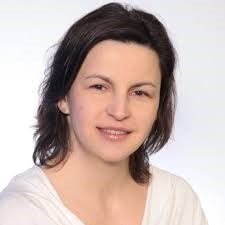
Edward Avezov serves as a Professor and Group Leader in the Department of Clinical Neurosciences at the University of Cambridge's School of Clinical Medicine. He is affiliated with the UK Dementia Research Institute and Cambridge Neuroscience, focusing on neuronal cell biophysics within the research themes of Neurons, Circuits and Networks, Beyond the Neuron, and Lifelong Brain Development and Brain Ageing. His research investigates endoplasmic reticulum (ER) structure-function relationships in neuronal physiology and dementia pathogenesis. Avezov's laboratory employs advanced techniques including super-resolution microscopy, genetically encoded biosensors, iPS cell models, and computational modeling to study organelle interactions, cellular neurophysiology, and protein homeostasis. Key clinical conditions under investigation include Alzheimer's disease, hereditary spastic paraplegia, and motor neurone disease. Analysis of Avezov's publication record reveals a consistent focus on ER dynamics in neurodegeneration. His work demonstrates how ER morphology regulation (e.g., via RTN4), luminal transport mechanisms, and stress responses contribute to neuronal dysfunction in dementia. Recent publications highlight innovative methodological developments like ERnet for quantitative ER topology analysis and discoveries regarding ER-mitochondria crosstalk, calcium signaling limitations, and stress-induced protein disaggregation. Avezov maintains active collaborations with leading Cambridge researchers including Michele Vendruscolo, Cahir O'Kane, John Skidmore, Clemens Kaminski, Gabriele Kaminski Schierle, David Rubinsztein, and David Klenerman. His laboratory actively participates in neuroscience community events such as NeuroBioUK and CellBio conferences, as evidenced by their social media presence.