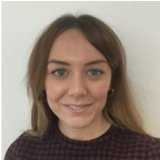
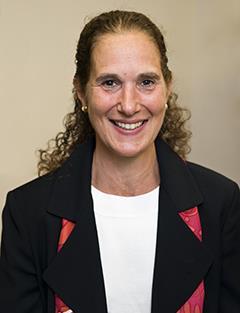
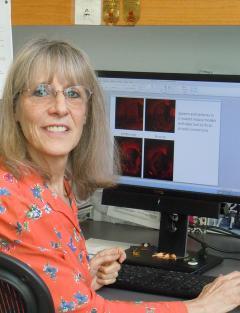
Dr. Janine Smith is a Lecturer in the Paediatrics & Child Health department at the University of Sydney , affiliated with the Children's Hospital, Westmead . Her research focuses on genetic diseases , musculoskeletal diseases , and reproductive, maternal, and child health . She has contributed extensively to studies in mitochondrial disorders , congenital heart disease , and genomic medicine . Key themes in her work include Healthy Ageing , Lifespan , and clinical genetics . Her publications span high-impact journals such as New England Journal of Medicine and Nature Genetics , emphasizing genotype-phenotype correlations , epigenetic biomarkers , and genetic diagnostics . Recent articles highlight advances in long-read sequencing and whole-genome analysis for complex conditions like intellectual disability and retinal dystrophies . Contact: janine.smith@sydney.edu.au
Dr. Darragh P. Devine serves as Professor and Director of the Behavioral and Cognitive Neuroscience program within the Department of Psychology & Neuroscience at the University of Florida's College of Liberal Arts and Sciences. His research focuses on the neurobiological mechanisms underlying self-injurious behavior (SIB) in neurodevelopmental disorders, with particular emphasis on autism spectrum disorders, Lesch-Nyhan syndrome, and Prader-Willi syndrome. Dr. Devine's educational background includes: Post-Doctoral Research Fellowship at the University of Michigan's Mental Health Research Institute under Huda Akil and Stanley J. Watson Ph.D. in Psychology from Concordia University's Center for Studies in Behavioral Neurobiology M.A. in Psychology from Carleton University B.Sc. in Psychobiology from Concordia University D.E.C. in Social Sciences from Dawson College His research investigates dopaminergic insufficiency and stress-responsive phenotypes as key factors in SIB vulnerability, utilizing a pemoline-induced rodent model that demonstrates individual differences in susceptibility. He examines neurochemical, hormonal, and gene regulatory changes associated with SIB, bridging clinical observations with biological mechanisms through convergent evidence from animal models, post-mortem analyses, and pharmacological interventions. Analysis of Dr. Devine's publication record reveals consistent focus on neurobehavioral mechanisms of SIB across neurodevelopmental conditions, with increasing integration of molecular neuroscience techniques. His work demonstrates strong continuity in exploring stress-dopamine interactions while expanding into environmental enrichment effects, neuroplasticity, and translational applications for autism research. Dr. Devine's scientific contributions have been recognized through: Two-time recipient of Teacher of the Year for the College of Liberal Arts and Sciences (2003, 2012) HHMI Distinguished Mentor award (2012) Governor General of Canada's Gold Medal Colonel Allen R. and Margaret G. Crow Term Professorship (2010-2011) He mentors a diverse research team including doctoral candidates, master's students, and undergraduates who gain expertise in behavioral pharmacology, neurochemistry, and molecular neuroscience techniques. His laboratory receives substantial funding from the National Institute on Child Health and Human Development, National Science Foundation, Autism Speaks, and Congressionally-Directed Medical Research Programs, supporting investigations into stress-pathology relationships and therapeutic interventions. Dr. Devine directs a collaborative research environment involving postdoctoral associates from pediatrics and public health disciplines, focusing on translational applications of basic neuroscience findings to clinical populations with neurodevelopmental disorders.
Dr. Janelle Weise is a Researcher at UNSW Sydney, specializing in intellectual disability healthcare, health policy, and disability policy. She holds a PhD in intellectual disability health, alongside a Bachelor of Applied Science in Occupational Therapy (Honours) and a Master of Public Health. Her work bridges clinical, service delivery, and managerial roles to address healthcare inequities faced by people with intellectual disabilities and other vulnerable groups. Dr. Weise focuses on improving access to preventive health services, healthcare policy reforms, and quality-of-care frameworks. Her research spans health services accessibility, mental health workforce capacity, and patient safety in hospital settings. Notable projects include developing core competency frameworks for mental health professionals and analyzing the Disability Royal Commission’s recommendations. She collaborates with institutions like the Department of Developmental Disability Neuropsychiatry (3DN) and contributes to initiatives such as the Intellectual Disability Mental Health Connect (IDMH Connect). Key themes in her work include healthcare system redesign (e.g., 'Hub and Spokes' models), autism-related burnout, and barriers to cancer screening for people with disabilities. Her multidisciplinary approach integrates qualitative studies, policy analysis, and consensus-building methods to drive evidence-based solutions.
Gareth Morgan is a Clinical Psychologist, Senior Clinical Tutor, and Honorary Associate Professor at the University of Leicester’s School of Psychology and Vision Sciences. He works part-time as Youth Lead for the Climate Psychology Alliance and co-chairs the Association of Clinical Psychologists’ Climate Action Network. His research focuses on climate and ecological emergencies, challenging individualized approaches to psychology, and exploring socio-political contexts influencing mental health. He emphasizes the role of clinical psychology in addressing environmental collapse and advocating systemic change. Morgan holds a Chartered Clinical Psychologist qualification and teaches on the Clinical Psychology training program at Leicester. His work integrates the Power Threat Meaning Framework (PTM) to analyze issues like childhood adversity, parenting challenges, and gender identity negotiation. He advocates for public health campaigns addressing climate change and emphasizes wellbeing strategies amid ecological crises. Key research areas include climate distress, mental health diagnoses critiques, and the intersection of autism and gender. He has published extensively on topics such as boarding school impacts, asylum seeker mental health, and qualitative methodologies like Q-Methodology. His interdisciplinary approach bridges clinical practice, environmental advocacy, and social justice.
Esther Lindström (she/her) is an Associate Professor in the Department of Special Education at the University of Illinois Chicago. Her research focuses on improving instructional practices for students with disabilities, particularly those with extensive support needs. She serves as Principal Investigator on grants from the Institute of Education Sciences (IES) and the Autism Science Foundation, addressing teachers' knowledge, perceptions, and expectations in reading instruction for students with intellectual and developmental disabilities (IDD). Dr. Lindström is also an Associate Editor for Assessment for Effective Intervention and sits on the editorial boards of Learning Disability Quarterly and Intervention in School and Clinic . Her research emphasizes evidence-based strategies for reading instruction, teacher preparedness, and equitable access to education for students with disabilities. Key themes include rural special education challenges, the role of teacher expectations in instructional quality, and the validation of assessment tools for IDD populations. Dr. Lindström’s work spans over 20 years, with recent articles focusing on intervention efficacy, observational research adaptation, and open-access publishing in special education. She advocates for methodological rigor in single-case design studies and collaborative approaches to improving IEP writing through online professional development.
Joanne Tarver is a Lecturer at the School of Psychology, Aston University. She contributes to the Applied Health Research Group and Aston Institute of Health & Neurodevelopment, focusing on mental health assessment tools for individuals with autism and intellectual disability, and parent support programmes for neurodevelopmental conditions. She is currently accepting PhD students. BSc in Psychology (University of Birmingham, 2009) PhD in Psychiatry and Applied Psychology (University of Nottingham, 2015) Her research spans neurodevelopmental disorders , behavioral measurement , and parent-led interventions . Recent work includes developing the Clinical Anxiety Scale for People with Intellectual Disabilities (ClASP-ID), systematic reviews of behavioral assessment tools, and studies on challenging behaviors in SATB2-associated syndrome. She integrates psychometric testing , qualitative service access analysis , and syndromic autism research . Notable scientific awards include the Autistica Future Leaders Award and Baily Thomas Charitable Fund Grant . She supervises PhD students and contributes to clinical training through modules like Introduction to Clinical Psychology and Developmental and Social Psychology.
Henri Gerrit Brunner is a Dutch medical geneticist and Professor at Radboud University Nijmegen Medical Center, where he has served as Head of the Department of Human Genetics since 1998. His research focuses on elucidating genetic causes of birth defects, intellectual disability, and behavioral disorders, bridging clinical and molecular genetics. Education includes medicine at the University of Groningen (1975-1984) and board certification in Clinical Genetics (1988). He earned his PhD with research on myotonic dystrophy. Research interests span Linking clinical observations to molecular mechanisms in rare diseases Development of genomic arrays for intellectual disability diagnosis Behavioral genetics (notably the first behavioral mutation in humans) Phenomics and genotype-phenotype correlations COGNOMICS interdisciplinary research on cognition's molecular basis Article trends reveal a focus on genomic approaches to neurodevelopmental disorders, including de novo mutations in schizophrenia/autism, chromatin modifiers like KANSL1, and disease gene discovery via exome sequencing. His work connects clinical genetics to molecular pathogenesis in rare congenital syndromes. Scientific awards include Stanley Davidson Endowed Lecture (2012) Frank Greenberg Memorial Lectureship (2009) Ben ter Haar Award (1995) Dutch Neuromuscular Research Prize (1994) Radboud Science Award (2011) Academic leadership includes serving as Chancellor for Human Genetics, Pediatrics, and Medical Psychology (2004-2008) and advisory roles in European and international genetics societies. He co-founded COGNOMICS, a multidisciplinary initiative studying cognition's genetic basis.
Professor Karen McKenzie is a faculty member at Northumbria University's Psychology Department, specializing in intellectual disabilities, learning disabilities, and child psychology. She holds a DPhil in Clinical Psychology from 2014. Her research focuses on developing and validating screening tools for intellectual disabilities in educational and healthcare settings, with a particular emphasis on mainstream schools and homeless populations. She has published widely on topics including questionnaire design, stakeholder engagement in disability identification, and the psychological well-being of marginalized groups. Education: 2014: DPhil in Clinical Psychology (Northumbria University) Research Interests: Intellectual disability screening methodologies Inclusive education policies Emotion recognition in neurodiverse populations Staff retention in social care Mindfulness interventions for individuals with disabilities Recent Trends in Articles: Recent work emphasizes the validation of screening tools (e.g., CAIDS-Q, LD-SQ) across diverse populations, including children, homeless individuals, and autistic people. Her studies often combine qualitative stakeholder insights with quantitative analyses of intervention effectiveness. Grants & Advising: Supervised 2 graduate students (details unspecified). Her research has been cited in news outlets and widely shared on academic platforms like Mendeley and ResearchGate. Labs/Teams: Collaborates with interdisciplinary teams on projects involving healthcare policy, educational equity, and neurodiversity advocacy.
Aviva Must holds the Morton A. Madoff, M.D., M.P.H., Professorship in Public Health and Community Medicine at Tufts University School of Medicine. Her roles include Professor in Public Health and Community Medicine, and former Dean of Public Health and Professional Degree Programs (2009–2023). She earned a PhD from Tufts University Friedman School of Nutrition Science and Policy (1991), an MS from Tufts (1987), and a BA from NYU (1976). Research focuses on obesity epidemiology across the lifespan, particularly in children and adolescents. Key interests include bidirectional associations between child mental health and obesity, effects of early obesity on tooth eruption, and health promotion for children with special needs. She co-directs the Healthy Weight Research Network (HRWN), funded by HRSA/Maternal and Child Health Bureau. Recent work addresses disparities in obesity among populations such as children with autism, underserved immigrant families, and those with intellectual disabilities. Funded projects include exergaming interventions for autistic youth (GamerFit-ASD), community-based obesity prevention programs for immigrant mothers, and studies on dietary resemblance in families with children with disabilities. Grants come from NIH, HRSA, and others. Professional activities include journal editorships, advisory roles at the Public Health Museum, and leadership in translational research initiatives.
Dr. Paraskevi Triantafyllopoulou is a Senior Lecturer in Intellectual and Developmental Disabilities at the Tizard Centre, University of Kent’s School of Social Sciences. She holds multiple leadership roles, including Director of Studies for postgraduate programs in Autism Studies and Intellectual and Developmental Disabilities, and chairs the Tizard ethics committee. Her expertise spans health interventions, online safety, autism diagnostics, and dementia care in disabled populations. Education: BA, BSc, MSc (MRes), and PhD in Clinical Psychology of Intellectual Disabilities from the Tizard Centre, University of Kent. Research focuses on participatory methods and includes projects like Safer Online Lives , exploring internet use among adults with intellectual disabilities, and vaccination attitudes in this population. Current research also addresses autism diagnostic pathways in primary schools and gaps in social care for individuals with epilepsy and intellectual disabilities. She leads teaching innovation initiatives, including co-production efforts with disabled communities in medical education. Dr. Triantafyllopoulou has secured significant research and consultancy funding. Her work emphasizes interdisciplinary collaboration, with publications spanning health policy, criminal justice reform, and sensory experiences in autism. Supervised PhD students investigate topics like care relationships in residential settings and pandemic impacts on disabled youth. Labs/Teams: Tizard Centre (specializing in learning disabilities and autism), Safer Online Lives research initiative. Future projects include expanding participatory research methodologies and advocating for inclusive healthcare policies.
Michele Jacob is a Professor of Neuroscience at the Tufts University School of Medicine, specializing in neurodevelopmental disorders such as autism spectrum disorders (ASD) and intellectual disabilities (ID). Her research focuses on the molecular mechanisms underlying these conditions, particularly the role of the APC protein and β-catenin signaling pathways in synaptic maturation and plasticity. Dr. Jacob holds a PhD from Yale University (1978) and a BS from the City University of New York (1972). Her work has led to the development of novel mouse models with mutations in the APC/β-catenin pathway, which exhibit ASD-like behaviors, cognitive impairments, and chronic seizures. These models are critical for identifying therapeutic targets and testing potential treatments. Her research integrates behavioral analysis, molecular biology, and pharmacological approaches to study synaptic dysfunction. Key contributions include identifying APC as a key regulator of excitatory synapses and demonstrating how its deletion disrupts hearing, learning, and neural circuitry. Recent studies explore pharmacological interventions targeting GSK3 and cGMP pathways to ameliorate symptoms. Dr. Jacob has secured significant funding from the NIH, CURE Epilepsy, and private foundations, supporting her work on CTNNB1 syndrome and infantile spasms. She has also contributed to educational initiatives, including a remote undergraduate research program in neuroscience. Her professional activities include serving on NIH review panels, organizing epilepsy-focused conferences, and editorial roles at Frontiers in Synaptic Neuroscience . Her interdisciplinary approach bridges basic science and translational medicine, advancing therapies for neurodevelopmental disorders.
Paras Patel is a Research Fellow at the Yale School of Medicine, Yale University. His research focuses on understanding the role of the CASK gene in neurological disorders, particularly its impact on cerebellar function, ataxia, and optic nerve development. He employs both human clinical studies and animal models to explore genetic and molecular mechanisms underlying neurodevelopmental and neurodegenerative conditions. Key research areas include X-linked intellectual disability, synaptic dysfunction, and the non-cell autonomous effects of genetic mutations. Patel contributes to translational research bridging basic science and clinical outcomes, with a focus on CASK-related disorders. His work spans disciplines such as Neuroscience, Genetics, and Molecular Biology, with a strong emphasis on uncovering therapeutic targets for CNS disorders. No scientific awards or advising roles are publicly listed.
David Most is an Associate Professor in the Department of Biostatistics & Informatics at the Colorado School of Public Health, University of Colorado. His expertise spans statistical methodology, longitudinal data analysis, and the philosophical foundations of statistical inference. Dr. Most holds a Ph.D. in Social Research Methodology/Applied Statistics from UCLA, an M.A. in Sociology from Johns Hopkins, an M.S. in Biostatistics from UNC Chapel Hill, and a B.A. in Political Science from Columbia College. His research focuses on advancing statistical techniques for observational studies and addressing critical questions in public health through rigorous quantitative methods. Notable contributions include work on ritual therapeutics in global mental health and the sociological factors influencing graduate program enrollment. Education: Ph.D., Social Research Methodology/Applied Statistics, UCLA M.A., Sociology, Johns Hopkins University M.S., Biostatistics, UNC Chapel Hill B.A., Political Science, Columbia College Dr. Most has been recognized with the 2022 Best Teacher Award from the Colorado State University Alumni Association, reflecting his dedication to education. His work bridges statistical theory with real-world applications, addressing issues ranging from dietary interventions to the cultural dimensions of healthcare. Recent research trends show a focus on interdisciplinary topics such as the impact of ritual practices on mental health, the interpretation of statistical evidence in clinical contexts, and the methodological rigor required for observational study designs. His publications span epidemiology, biostatistics, and social sciences, demonstrating a commitment to diverse research frontiers. Key Awards: 2022 Best Teacher Award, Colorado State University Alumni Association Dr. Most's advisory and grant activities are centered on advancing statistical methodologies in public health research, though specific grant details are not detailed here. His work contributes to both academic and applied contexts, emphasizing the translation of statistical insights into actionable public health strategies.
Professor Douglas Boer is a clinical psychologist specializing in forensic psychology at the University of Canberra. He has extensive experience working with offenders, particularly those with intellectual disabilities, and focuses on sexual offenders, risk assessment, and clinical supervision. Prior to academia, he worked for the Correctional Service of Canada and the University of Waikato (New Zealand). He serves on editorial boards for journals like the Journal of Intellectual and Developmental Disability and remains active as a clinician. Research Interests: Professor Boer’s work centers on forensic clinical psychology, including adult and juvenile sexual offenders, risk assessment methodologies, and offenders with intellectual disabilities. His recent projects explore internet-related child abuse material offenders and decolonizing psychology curricula. He emphasizes practical clinical applications alongside academic research. Teaching & Supervision: He teaches in the Masters in Clinical Psychology programme and supervises PhD students globally, requiring active scholars to publish annually. His supervisory focus spans forensic and correctional psychology topics. Projects: ‘Life-death-life’ (2023): Explored restorative approaches to mortality in healthcare. Certificate 2 Skill Evaluation (2017): Developed vocational assessment tools. Professional Contributions: Active in editorial roles and clinical practice, Boer bridges academic research with real-world clinical challenges in offender rehabilitation and forensic evaluation.
R. Frank Kooy is a Full Professor in Cognitive Genetics at the University of Antwerp, Belgium, holding this position since 2017. Previously, he served as Professor (2014-2017), Associate Professor (2001-2014), and Assistant Professor (1997-2001) in the same field at the same institution. He has also held postdoctoral positions in Human Genetics at the University of Groningen (1991-1994) and University of Utrecht (1995-1997). As chair of Cognitive Genetics and promotor of GENOMED center of excellence, he leads research into the genetic basis of cognitive disorders. Established Fragile X syndrome research leading to clinical trials Defined molecular basis of FRA2A fragile site Discovered ADNP-related autism syndrome (Helsmoortel-Van der Aa syndrome) Developed novel methodologies for identifying new genetic syndromes His recent work focuses on CGG repeat expansions in autism and neurological diseases, with publications in Nature Genetics , Genome Research , and Neuron . The research group participates in international networks like E-Rare "IMPACT" and coordinated ERA-NET Neuron grants. Their functional studies in fragile X syndrome have translated to clinical trials using GABA agonists. Scientific Awards and Contributions: Methusalem grant recipient (2020) Coordinator of "AUTISYN" (2016-2018) and "ADNPinMED" (2019-2022) networks Editor of authoritative book on fragile X syndrome (2017) Editorial board member of leading autism journal Panel chair for University of Antwerp grant review (since 2021) As a reviewer for top journals including Nature Genetics and Science , and consultant for drug development companies, he bridges academic research and translational applications. His work has been recognized through advisory roles for major international foundations.