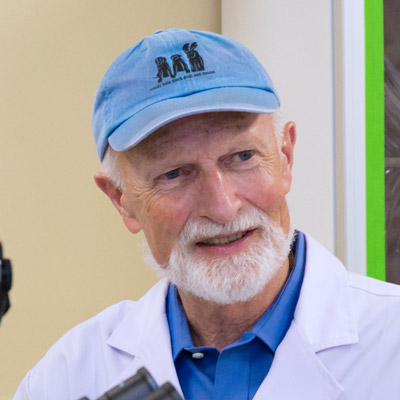
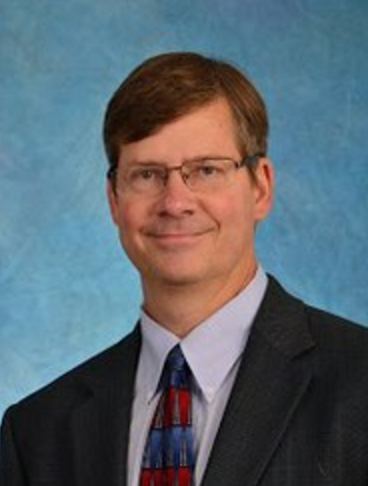
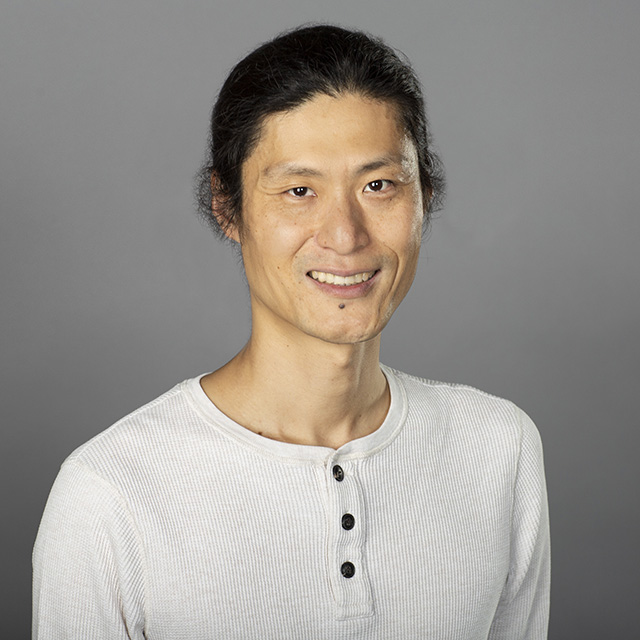
Behrouz Zandieh Doulabi is a Researcher at the Academic Centre for Dentistry Amsterdam (ACTA) and a Visiting Professor at the University of Tehran since 2013. He is affiliated with the Department of Oral Cell Biology, focusing on interdisciplinary research at the intersection of cell biology, biomaterials, and tissue engineering. His primary research interests include osteosarcoma, stem cell applications, and nanomedicine, with a strong emphasis on bone biology and cell differentiation mechanisms. Dr. Doulabi has been actively involved in collaborative research projects, including studies on bone growth under microgravity conditions and the effects of biomaterials on osteoblast/osteoclast behavior. He holds ancillary academic roles at the University of Tehran, where he contributes to the Research Center for New Technologies in Life Sciences Engineering as a member since 2013. His recent work explores the impact of fluid shear stress on bone cell signaling and the role of paracrine factors in osteoclastogenesis. He has supervised five PhD theses and maintains an active publication record in high-impact journals such as npj Microgravity and Current Issues in Molecular Biology . Contact: bzandiehdoulabi@acta.nl | ORCID
Stephen Dewhurst, Ph.D., is Vice President for Research and Chief Research Officer at the University of Rochester (UR) and Vice Dean for Research at the UR School of Medicine and Dentistry (SMD). He holds a professorship in the Department of Microbiology and Immunology (SMD). His administrative roles include former department chair (2009–2021), SMD Senior Associate Dean for Basic Research (2007–2009), and codirector of UR’s Center for AIDS Research (2008–2020). Dr. Dewhurst’s research focuses on virology, with 30+ years’ experience including HIV neuropathogenesis, vaccine development, and innate immune responses. He leads NIH-funded programs in graduate education and Deaf postdoctoral training. His mentorship has guided 29 Ph.D. students, 16 postdoctoral fellows, and >100 undergraduates, earning awards like the William H. Riker Award (2008) for graduate education. Key scientific contributions include HIV humanized mouse models, antiviral therapeutics, and MLK inhibitors for neuroinflammation. His patents span viral vectors, integrin-binding monobodies, and influenza vaccines. Awards include membership on NIH study sections (e.g., HIV Immunopathogenesis) and editorial roles in virology journals.
Yoshihiro Kawaoka is a Professor in the Department of Pathobiological Sciences at the School of Veterinary Medicine, University of Wisconsin–Madison. His research focuses on the molecular mechanisms of interspecies transmission and pathogenesis of influenza and Ebola viruses, with significant contributions to understanding pandemic risks and viral evolution. His research interests include: Molecular pathogenesis of influenza in poultry and mammals Interspecies transmission of influenza viruses Role of viral proteins in Ebola virus replication and pathogenesis Development of reverse genetics systems for RNA viruses Host receptor specificity and viral adaptation The recent publications highlight a strong focus on influenza A virus (particularly H5N1 and H9N2 strains) and Ebola virus, with recurring themes in viral entry, host adaptation, glycoprotein function, and pathogenicity determinants. The work integrates molecular virology, structural analysis, and host-pathogen interactions. Notable scientific contributions include: Elucidating the molecular basis of high virulence in H5N1 influenza viruses Developing plasmid-based systems for generating infectious influenza viruses Characterizing the role of Ebola virus glycoprotein in cell entry and immune modulation Demonstrating receptor specificity differences in avian and mammalian hosts Kawaoka has advised numerous students and mentored researchers in virology, though specific names are not listed. His lab has secured funding for Ebola vaccine and antiviral research, as evidenced by public appeals for donations. He teaches Veterinary Virology, a clinically oriented course covering pathogenesis, diagnosis, and management of viral diseases in animals. His team operates within the Department of Pathobiological Sciences, contributing to both basic and applied virology research with implications for global health and pandemic preparedness.
Jitesh Pratap is an Associate Professor in the Department of Anatomy & Cell Biology at Rush Medical College, Rush University. He earned his PhD from Panjab University in India and conducts research on bone metastasis in advanced cancers, focusing on cellular and molecular interactions between cancer and bone cells. Research Focus: Growth factor signaling (e.g., IGF-1R) and cancer cell metabolism in bone metastasis Grants: Metavivor Foundation and American Society of Bone and Mineral Research Laboratory: https://www.rushu.rush.edu/research/departmental-research/cell-molecular-medicine-research/laboratory-jitesh-pratap-phd Pratap's work explores how transcription factors like Runx2 regulate metastatic cancer cell survival in the bone microenvironment. His studies integrate genetics, molecular biology, and bio-imaging to analyze paracrine signaling networks and metabolic stress responses. His research has been cited in publications related to bone neoplasms, autophagy, and cell movement. Collaborators include researchers such as Carl Maki, Lei Duan, and Jeffrey Borgia in Rush University's Anatomy & Cell Biology Department.
Christopher Woodman is an Associate Professor in the Department of Health and Kinesiology at Texas A&M University and Director of the Vascular Biology Laboratory. He joined Texas A&M in 2006, specializing in vascular aging and exercise physiology. His research focuses on how aging and exercise affect skeletal muscle blood vessels, particularly mechanisms underlying cardiovascular disease risk in the elderly. Education: Ph.D., Physiological Sciences, University of Arizona (1995) M.S., Exercise Science, University of Arizona (1989) B.A., Biology, Colgate University (1986) Research Interests: Dr. Woodman investigates aging’s impact on vascular function, including arterial stiffness, endothelial dysfunction, and how exercise mitigates these effects. His lab uses mouse models and human studies to explore integrin signaling, smooth muscle mechanics, and exercise-induced adaptations. Articles Trends: Recent work highlights aging’s effects on integrin-mediated contractility, genetic influences on vasomotor function, and exercise’s role in reversing endothelial dysfunction. Key themes include mechanotransduction, vascular stiffness, and genotype-specific vascular responses. Scientific Awards: Association of Former Students Distinguished Teaching Award (2021) Collins Faculty Fellow (2011) NIH Research Career Development Award (2001) Advising & Grants: Advised five doctoral students since 2010. Active grants include NIH-funded studies on vascular smooth muscle aging (2017–2022) and integrin function in aged arteries (2019–2021). Collaborates on projects exploring exercise’s mechanical benefits and genetic influences on vascular health. Labs/Teams: Leads the Vascular Biology Laboratory, focusing on arterial aging mechanisms and exercise interventions. Collaborates with researchers at the Texas A&M Health Science Center and the American Heart Association.
Dr. Matthew Torres is an Associate Professor of Biological Sciences at the Georgia Institute of Technology and an Adjunct Faculty member. He leads the Torres Lab , where his team integrates mass spectrometry , bioinformatics , and yeast genetics to decode how post-translational modifications (PTMs) regulate G protein and MAP-Kinase signaling systems. His work spans from developing machine learning tools like SAPH-ire for PTM prediction to experimental validation of PTM roles in stress adaptation and signal transduction. Education: B.S. in Biology, Humboldt State University (1997) Ph.D. in Biochemistry, University of North Carolina at Chapel Hill (2007) Research Interests: His lab focuses on four major areas: Coordinated PTM-based regulation of dynamic signaling complexes Identification of novel signaling PTMs PTM networks in stress adaptation Technology development for regulatory PTM detection Scientific Awards: K99/R00 NIH Pathway to Independence Award (2010–2016) IBB Above and Beyond Award (2016) ASPET Early Career Award (2022) Lab and Mentorship: Dr. Torres has mentored over 20 graduate students and postdocs, many of whom have gone on to prestigious positions at institutions like Genentech, UCSF, MD Anderson, and Harvard. His lab is also involved in outreach programs including Project ENGAGES for high school students and science education for elementary and middle schools. Research Tools and Facilities: He is co-director of the Systems Mass Spectrometry Core (SYMS-C) at Georgia Tech, which supports advanced proteomics research across the university.
Dr. Sharon Campbell is a Gary F. Liebscher Distinguished Professor of Biochemistry and Biophysics at the UNC School of Medicine, University of North Carolina at Chapel Hill, and a member of the UNC Lineberger Comprehensive Cancer Center. Her research focuses on structural and functional studies of RAS oncoproteins, RAS superfamily members, heterotrimeric GTPases, and cell adhesion proteins vinculin/metavinculin, linking their regulation to cancer, cardiovascular, and neurological disorders. Education : PhD, MS in Biochemistry/Biophysics Key Methods : Multidisciplinary structural (X-ray, NMR, computational), biophysical, biochemical, and cell biology approaches Research Interests include: Elucidating RAS/GTPase recognition by regulatory proteins and effectors Investigating how mutations/post-translational modifications alter GTPase activity Identifying inhibitors for aberrant GTPase functions in disease Understanding vinculin-actin force-dependent 'catch bonds' in cell adhesion Exploring RAS protein radical-based regulation by reactive species Recent Article Trends span structural biology, redox signaling, GTPase dynamics, and cancer mechanisms, with subfields like RAS isoform specificity, ubiquitination, mechanobiology, and platinum drug interactions. Scientific Awards : 2023: OGE Mentoring Award 2014: Battle Distinguished Cancer Research Award 2001: Hettleman Award 1998: Jefferson-Pilot Award Advising highlights mentorship of students securing positions at Eli Lilly and receiving prestigious fellowships. Lab achievements include publications in Nature , Science Signaling , and organizing symposia on RAS pathobiology.
Wolfgang Bergmeier, PhD, is a Professor in the Department of Biochemistry and Biophysics at the University of North Carolina at Chapel Hill. He is a member of the UNC Lineberger Comprehensive Cancer Center and the UNC Blood Research Center, where he leads research on the signaling mechanisms regulating megakaryocyte and platelet function in health and disease. His laboratory employs a multidisciplinary approach including biochemistry, cell and molecular biology, immunology, cutting-edge microscopy, and animal models to investigate platelet biology and its implications for human disease. Dr. Bergmeier's research focuses on understanding small GTPase signaling in platelets, particularly Rap1, and its role in hemostasis, thrombosis, and cancer. His work has made significant contributions to our understanding of how platelets secure vascular integrity, how they contribute to cancer progression and treatment complications, and how platelet function can be optimized for therapeutic purposes. His laboratory has developed novel mouse models and intravital imaging platforms to study platelet function in real-time. Analysis of Dr. Bergmeier's recent publications reveals a strong focus on platelet signaling mechanisms, particularly Rap1 and other small GTPases, and their implications for hemostasis, thrombosis, and cancer. His research spans from fundamental molecular mechanisms to translational applications, including development of novel antithrombotic strategies, optimization of platelet transfusion therapy, and understanding the complex relationship between platelets and cancer progression. Dr. Bergmeier has received numerous awards including the Outstanding Investigator Award from the National Heart, Lung and Blood Institute (NIH) in 2019, the American Heart Association ATVB Special Recognition Award in Thrombosis in 2016, and the Established Investigator Award from the American Heart Association in 2014. He has served as Chair of the 9th Symposium of Hemostasis in Chapel Hill (2018) and Vice Chair of the Gordon Research Conference on the Cell Biology of Platelets and Megakaryocytes (2017). He is also an Associate Editor for the Journal of Thrombosis and Hemostasis. His laboratory actively collaborates with clinical researchers at UNC, particularly with Dr. Nigel Mackman on cancer-related platelet research and with Drs. Flick and Wolberg on the interplay of platelets and the coagulation system. The Bergmeier Lab is part of the UNC BCBP Green Lab initiative, demonstrating a commitment to sustainability in research practices.
Laura Rijns is a Postdoctoral Fellow at Stanford University co-advised by Professors Zhenan Bao and Karl Deisseroth, developing innovative (opto)genetic, electrical, and chemical tools for neural modulation in vitro and in vivo. Her work bridges biomaterials engineering with neuroscience to create next-generation platforms for cellular and tissue engineering. Education PhD in Biomedical Engineering, cum laude (2023), Eindhoven University of Technology (TU/e), Netherlands, under Professors Patricia Dankers and E.W. (Bert) Meijer, focusing on supramolecular hydrogels as extracellular matrix mimics for organoid development. MSc in Biomedical Engineering (2019), Eindhoven University of Technology (TU/e), researching supramolecular assemblies in Professor Meijer's laboratory. BSc in Biomedical Engineering (2017), Eindhoven University of Technology (TU/e). Her research centers on designing dynamic supramolecular hydrogels that replicate extracellular matrix complexity to control cellular behavior. Key interests include tunable mechanical properties for mechanobiology studies, ligand presentation strategies for directing cell polarity, and engineering biomaterials for renal organoid development and neural interfaces. She integrates principles from polymer chemistry, cell biology, and bioengineering to create responsive platforms that bridge synthetic materials with biological systems, with particular emphasis on translating fundamental material properties into functional tissue engineering outcomes. Analysis of her 15 most recent publications (2021-2024) reveals a cohesive research trajectory focused on supramolecular hydrogels for tissue engineering. Dominant themes include stress-stiffening mechanics, cell-adhesive motif engineering, and dynamic control of hydrogel-cell interactions. Her work demonstrates consistent innovation in renal tissue models (glomerulogenesis, tubulogenesis) and neural applications, with increasing sophistication in material design—from basic supramolecular polymers to multi-dynamic systems that mimic extracellular complexity. This progression highlights her unique interdisciplinary approach combining biomaterials science with regenerative medicine. No scientific awards were documented in the provided materials. Laura has no listed advisees or grant funding in the available information. She operates within Stanford's collaborative ecosystem, leveraging resources from both Professor Bao's chemical engineering lab (focusing on biomaterials and electronics) and Professor Deisseroth's neuroengineering group (pioneering optogenetics), creating a powerful synergy for developing neural modulation tools.
Dr. Olaf Bodamer is Associate Chief for Genetics and Genomics at Boston Children's Hospital and faculty at Harvard Medical School. He leads a translational research laboratory focused on rare genetic disorders, including Kabuki syndrome and lysosomal storage diseases. He directs the Boston Children’s Lysosomal Storage Disease (BoLD) Program and the Roya Kabuki Program. MD, University of Heidelberg, Germany (1989) PhD, University of Saarland, Germany Pediatric Residency, Great Ormond Street Hospital, London Fellowship in Clinical and Biochemical Genetics, Baylor College of Medicine, USA Dr. Bodamer's research integrates systems biology and multi-omics to understand disease mechanisms and improve diagnostics. His work spans newborn screening, exome sequencing, metabolomics, and animal models. He focuses on phenotype expansion, biomarker discovery, and therapeutic development for rare diseases, particularly those affecting neurodevelopment and metabolism. His recent publications highlight trends in precision medicine, undiagnosed diseases, and genotype-phenotype correlations in Kabuki and lysosomal disorders. He has contributed significantly to clinical guidelines and diagnostic protocols for rare metabolic conditions. Member, Editorial Board: Molecular Genetics and Metabolism Scientific Advisor: All Things Kabuki, OAA Director, Medical Genetics Laboratories (former, University of Miami) Dr. Bodamer mentors junior researchers and collaborates across clinical specialties. His work is supported by institutional and collaborative grants, focusing on translational applications in pediatric genetics. He has played a key role in establishing rapid diagnostic pipelines for critically ill neonates and advancing newborn screening for lysosomal disorders. He leads research teams in the Intellectual and Developmental Disabilities Research Center and the Manton Center for Orphan Disease Research, fostering interdisciplinary collaboration in rare disease research.
Michael Sheetz is a Professor at the Department of Biochemistry & Molecular Biology, University of Texas Medical Branch (UTMB Health), and Founding Director of the Mechanobiology Institute (MBI) at the National University of Singapore (NUS), where he served for 10 years as its leader. He is a key figure in mechanobiology, focusing on how cells generate and respond to forces during processes like cancer metastasis and brain function. PhD, California Institute of Technology His research explores cell adhesion , cell-substrate interactions , and mechanotransduction , with a focus on integrins, focal adhesions, and the development of tools to measure molecular-level forces. Recent studies involve integrin clustering, membrane mechanics, and the role of proteins like FHL2 and HER2 in mechanosensing. Recent publications highlight advances in nanopatterning for cell-matrix studies, biophysical modeling of adhesion dynamics, and signaling feedback mechanisms in receptor networks. His work bridges cell biology , materials science , and biophysics . Lab Members: Kashish Jain (PhD Student)
Dr. Richard F. Loeser, Jr. is the Joseph P. Archie, Jr. Eminent Professor of Medicine and Director of the UNC Thurston Arthritis Research Center at the University of North Carolina School of Medicine. His research focuses on osteoarthritis (OA) mechanisms, particularly the role of oxidative stress, aging, and cellular signaling in joint degeneration. He has pioneered studies on redox regulation of chondrocyte signaling and integrin function, using both in vitro and rodent models. Education: Undergraduate: Virginia Tech Medical School: West Virginia University Residency/Fellowship: Wake Forest Baptist Medical Center Research interests include OA biomarkers, exercise interventions, and gut microbiota's role in joint health. His clinical work emphasizes translating basic science discoveries into therapeutic strategies, including weight loss and exercise programs for knee OA patients. He leads multidisciplinary teams studying OA phenotypes and metabolomics. Publications reflect a blend of clinical trials (e.g., START trial on strength training) and mechanistic studies on cellular senescence and Sirt6 pathways. He holds leadership roles in arthritis research and has contributed to major reviews defining OA as a systemic joint disease.
Christine F. Wildsoet is a Professor of Optometry and Vision Science at the School of Optometry, University of California, Berkeley. Her research focuses on eye growth regulation, refractive development, and myopia, utilizing molecular biology, neurobiology, and advanced imaging techniques. School of Optometry, University of California, Berkeley Center for Eye Disease and Development NEI Summer Research Training Program Director, Oxyopia Seminars Her research addresses the complex etiology of myopia, integrating genetic and environmental factors, with implications for public health. She employs animal models, particularly chicks, to study visual experience, defocus signaling, and ocular growth mechanisms. Recent publications highlight applications of bioengineering and molecular profiling in myopia research, including studies on scleral gene expression, choroidal responses to defocus, and optical interventions. Collaborations span national and international institutions in myopia and ocular health domains. Teaching includes Optometry 226: Systemic Disease and Optometry 236: Ocular Manifestations of Systemic Disease , emphasizing pathophysiology, pharmacology, and clinical management. Labs/teams: UC Berkeley Myopia Research Group Center for Eye Disease and Development
Professor Francesco Dell’Accio is a clinical rheumatologist and scientist at Queen Mary University of London, affiliated with the William Harvey Research Institute (Faculty of Medicine and Dentistry) and the Department of Experimental Medicine & Rheumatology. His research focuses on regenerative medicine and osteoarthritis, with a particular emphasis on understanding molecular mechanisms underlying cartilage repair and identifying therapeutic targets. He leads a multidisciplinary team investigating signaling pathways in cartilage injury and disease progression, aiming to develop pharmacological interventions to restore cartilage integrity and alleviate osteoarthritis pain. His research group includes senior members like Prof. Shafaq Sikandar and Dr. Suzanne Eldridge, as well as postdoctoral researchers and PhD students such as Aida Barawi, Sabah Bharde, and Melody Deniz. Collaborations span institutions like Oxford, Harvard, and international partners in Germany and Scotland. Funding sources include Versus Arthritis, the Medical Research Council, and industry partners like UCB. Key research themes include the role of agrin in cartilage regeneration, ROR2 signaling blockade for osteoarthritis therapy, and neutrophil-derived extracellular vesicles in joint protection. His work integrates molecular biology, preclinical models, and clinical translation, with a focus on pain mechanisms and disease-modifying osteoarthritis drugs (DMOADs). The ReGen Lab (@TheReGenLab) is at the forefront of developing novel strategies to address cartilage defects and arthritis-related pain.
Jung Hwan Kim is an Assistant Professor in the Department of Biology at the University of Nevada, Reno . He earned his Ph.D. in Life Science from Pohang University of Science and Technology (2015) and conducted postdoctoral training at the University of Michigan, Ann Arbor . Education Ph.D., Life Science, Pohang University of Science and Technology (2015) M.S., Life Science, Pohang University of Science and Technology (2000) B.S., Agricultural Chemistry, Korea University (1998) Research Interests focus on cell biology of the nervous system , including mechanisms of subcellular protein localization in axonal development and the molecular roles of yippee-like genes in synapse formation. His lab employs Drosophila (fruit flies) as a model system with advanced genetics and biochemical techniques. Publications highlight work on dual leucine zipper kinase , Dscam expression , and synaptic circuit regulation , with recent studies on Rab11-mediated stress signaling suppression and YPEL3 mutations affecting sensory circuits. Teaching includes courses like BIOL 315 - Cell Biology and BIOL 395 - Laboratory in Genetics and Cell Biology .