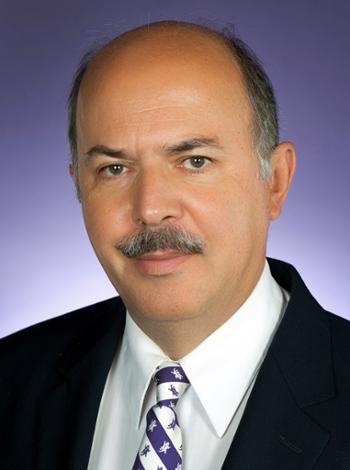
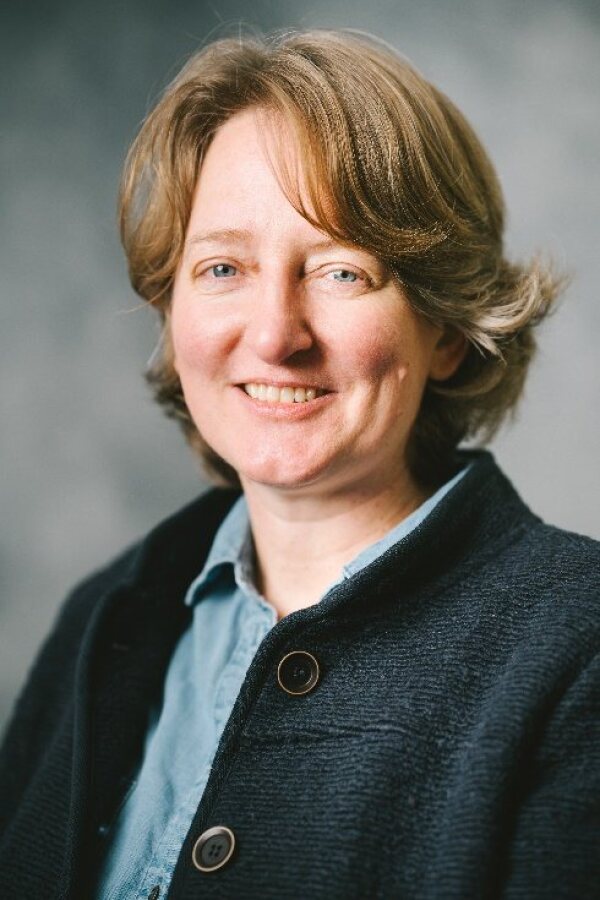
Qianxi (Emily) He is a Faculty Lecturer at McGill University, specializing in advanced materials processing and machining technologies. Her research focuses on optimizing cutting tool performance through innovative coating strategies and understanding wear mechanisms in extreme machining conditions. She has contributed to studies involving PVD coatings (e.g., AlCrN, AlTiN), tribology, and the machining of challenging materials like titanium alloys and super duplex stainless steel. Her work frequently addresses practical applications such as improving tool longevity, reducing machining-induced defects, and enhancing surface integrity. Key topics include thermal stability of coatings, stress corrosion cracking mitigation, and the impact of heat treatment on material properties. Dr. He’s publications highlight a strong emphasis on empirical validation through controlled experiments, often comparing different coating compositions or machining parameters. Her research is grounded in both theoretical material science principles and industrial manufacturing challenges. Notable contributions include studies on SiAlON ceramic inserts for high-speed milling, novel edge design approaches to delay tool wear, and the role of austempering in steel microstructure evolution.
Sarah C. Hull, MD, MBE is an Associate Professor of Medicine (Cardiology) at Yale School of Medicine, where she serves as Associate Director of the Program for Biomedical Ethics and Cardiology Course Director. She is affiliated with the Department of Internal Medicine, Cardio-Oncology Program, Cardiovascular Imaging Program, and Yale Cancer Center. Education: AB, Biochemical Sciences, Harvard University (2003) MD, University of Pennsylvania School of Medicine (2008) MBE, University of Pennsylvania School of Medicine (2008) Residency, Hospital of the University of Pennsylvania (2011) Fellowship, Yale University School of Medicine (2014) Her research and scholarly work focus on bioethics in cardiology and public health, with key interests in end-of-life care, LVAD deactivation, shared decision-making in cardio-oncology, nutrition ethics, vaccine ethics, and reproductive health ethics. She advocates for integrating ethical frameworks into clinical cardiology practice and medical education. Her work often addresses moral uncertainty, physician-patient communication, and systemic inequities in healthcare access. Recent publications highlight trends in cardioethics , exploring AI's role in moral agency, ethical boundaries in medicine, and curriculum development for ethics training in cardiology. She also contributes to cardio-oncology research, particularly in predicting cardiovascular outcomes in cancer survivors using advanced imaging. Scientific Awards: Bohmfalk Prize for Teaching in Basic Sciences (2021) Sarah C. Hull is actively involved in medical education and ethics leadership. She advises on clinical ethics policy and collaborates with interdisciplinary teams across Yale. She has no listed advisees or grants in the provided text, but her role as Associate Director suggests mentorship and program leadership. She is part of research teams in cardio-oncology and ethics, contributing to collaborative publications. Labs and Teams: She collaborates with researchers in the Cardio-Oncology Program and the Program for Biomedical Ethics, and is a frequent co-author with experts in cardiology, neurology, and oncology at Yale.
Roland Ludwig is an Associate Professor at the Institute of Food Technology, Department of Food Science and Technology, University of Natural Resources and Life Sciences, Vienna (BOKU). He is also the current Senate Chairman at BOKU, demonstrating strong institutional leadership. His research is centered on enzyme technology, biocatalysis, biosensors, and electrochemistry, with a particular focus on oxidoreductases such as cellobiose dehydrogenase (CDH) and lytic polysaccharide monooxygenases (LPMOs), which are crucial in biomass degradation and bioenergy applications. His research interests span food biotechnology, enzyme technology, biocatalysis, biosensors, process engineering, electrochemistry, and nanobiotechnology. He investigates the molecular mechanisms of electron transfer in redox enzymes, their application in biosensors and biofuel cells, and their role in the depolymerization of lignocellulosic biomass. His work integrates biochemical, electrochemical, and structural approaches to understand and engineer enzyme function. The recent publication trends highlight a strong focus on LPMOs and CDHs, with studies on their kinetics, substrate specificity, domain dynamics, electron transfer mechanisms, and engineering for improved stability and activity. These works frequently appear in high-impact journals such as ACS Catalysis and Bioelectrochemistry, reflecting the significance and innovation of his research in biocatalysis and bioelectrochemistry. International DropSens Award for Applied Electroanalytical Chemistry Medal of Honour, Faculty of Food Technology and Biotechnology, University of Zagreb RIZ Genius Award for Innovative Sensor Technology Austrian APART Fellowship INiTS Award 2007 (Life Science) Förderpreis der Österreichischen Gesellschaft für Biotechnologie Roland Ludwig actively supervises students and leads multiple externally funded research projects from FWF and EU, including grants focused on electron transfer in oxidoreductases and the kinetic analysis of oxidative biomass-degrading enzymes. He collaborates with international research groups and is a frequent speaker at major scientific conferences. His research contributes to sustainable bioprocesses, green chemistry, and the development of novel bio-based technologies. He is involved in research teams and collaborative projects such as the FWF-funded Doktoratskolleg "Biomolecular Technology of Proteins" and participates in interdisciplinary initiatives bridging food technology, biotechnology, and materials science. His lab focuses on enzyme characterization, protein engineering, and the development of bioelectrochemical devices.
Ellen Kuhl serves as the Catherine Holman Johnson Director of Stanford Bio-X and the Walter B. Reinhold Professor in the School of Engineering at Stanford University. She holds dual appointments as Professor of Mechanical Engineering and, by courtesy, Bioengineering, leading interdisciplinary research at the convergence of physics, computation, and biology. Her academic credentials include: Habil., TU Kaiserslautern (2004) Ph.D., University of Stuttgart (2000) M.S., Leibniz University of Hanover (1995) B.S., Leibniz University of Hanover (1993) Kuhl pioneers Living Matter Physics , developing computational frameworks that integrate physics-based modeling with machine learning to simulate biological systems across scales. Her work spans cardiovascular dynamics (including the 400-member global Living Heart Project), neurodegenerative disease progression (Alzheimer's tau pathology), and sustainable food systems (mechanics of plant/fungi-based meats). Recent innovations focus on automated model discovery using constitutive neural networks to democratize simulation tools for soft matter systems, with applications in precision medicine and climate-resilient food innovation. Her lab actively bridges engineering fundamentals with urgent societal challenges in healthcare and planetary health. Her publication trajectory reveals accelerating integration of AI with biomechanics, particularly in automated constitutive modeling for diverse tissues and food materials. Key trends include uncertainty quantification in neural networks, physics-informed machine learning for digital twins, and democratization of simulation tools for non-experts – reflecting her commitment to accessible computational science. Major recognitions include: National Science Foundation Career Award (2010) Humboldt Research Award (2016) ASME Ted Belytschko Applied Mechanics Award (2021) ERC Advanced Grant (2024) Fellowships in ASME and AIMBE As Bio-X Director, Kuhl orchestrates major interdisciplinary initiatives connecting engineering with life sciences, securing substantial funding including the 2024 ERC Advanced Grant. Her leadership extends to the US National Committee on Biomechanics and World Council of Biomechanics, while her Living Heart Project demonstrates exceptional translational impact through industry/medical partnerships across 24 countries. The Living Matter Lab operates as a nexus for high-impact research, developing computational tools that transform cardiovascular medicine, decode neurodegenerative mechanisms, and engineer sustainable food alternatives. Current projects leverage AI to accelerate plant-based meat development, model elephant-trunk-inspired soft robotics, and personalize cardiac simulations – all unified by her vision of physics-driven machine learning for global challenges.
Martin Prince is a Professor of Epidemiological Psychiatry at King’s College London, where he serves as Director of the King’s Global Health Institute and Assistant Principal (Global Health) . He is a leading figure in global mental health, with a focus on low- and middle-income countries (LMIC) , dementia, and integrated health systems. His career spans over two decades of coordinating the 10/66 Dementia Research Group and contributing to WHO guidelines, including the mhGAP clinical guidelines and Integrated Care for Older People (ICOPE) . Education: MA, University of Cambridge MD (Epidemiology), University of Cambridge MS (Epidemiology), London School of Hygiene and Tropical Medicine His research bridges mental and physical health , emphasizing task-shifting care to non-specialists in LMIC. Key projects include the NIHR Global Health Research Unit on Health System Strengthening and the ATHLOS project for measuring healthy ageing. His work has informed the UK National Dementia Strategy and WHO’s World Dementia Report . Recent publications highlight depression detection in Ethiopia , dementia risk prediction , and integrated surgical care . He also explores intrinsic capacity and frailty as predictors of dependence and mortality in ageing populations. Scientific Awards: ADI Award (2014) International Psychogeriatric Association Distinguished Service Award (2011) John Mackey Award for Excellence in Dementia Care (2012) Prince leads teams such as the ASSET consortium and HOPE programme on homelessness and severe mental illness in Africa, while advocating for evidence-based policy and equitable healthcare access .
Professor Isabel Dziobek is a distinguished academic at Humboldt University of Berlin, holding a W3 Professorship in Clinical Psychology of Social Interaction within the Institute of Psychology, Faculty of Life Sciences. She serves as Head of the University Outpatient Clinic for Psychotherapy and Psychodiagnostics and leads the Special Outpatient Clinic for Social Interaction. As Academic Director of the Center for Psychotherapy at Humboldt University and Principal Investigator at the German Center for Mental Health, she plays a pivotal role in shaping mental health research and clinical practice in Germany. Her educational background includes a Diploma in Psychology from Ruhr University Bochum (2000), a Dr. rer. nat. summa cum laude from University of Bielefeld (2006), and Habilitation in Psychology from Free University of Berlin (2014). She obtained her license to practice as a psychological psychotherapist in 2015. Professor Dziobek's research focuses on bio-psycho-social mechanisms of social interaction disorders across autism spectrum disorders, social anxiety disorders, and personality disorders. Her work integrates neurobiological approaches (fMRI, EEG, psychophysiology, eye-tracking, neuromodulation) with the development of diagnostic and intervention procedures including cognitive behavioral therapy, e-mental health, and social robotics. She has pioneered research on therapeutic mechanisms through focused short-term programs involving movement synchronization, social competence training, and brain stimulation augmentation. Analysis of her recent publications reveals a strong emphasis on empathy assessment in autism and personality disorders, development of innovative assessment tools like the Simulated Interaction Task for Children (Kids-SIT), and exploration of novel therapeutic approaches including psychedelic-assisted therapy. Her work increasingly incorporates participatory research methods and cross-cultural validation of assessment tools, reflecting a commitment to making research clinically relevant and accessible. 2016: Teaching Award of the Faculty of Life Sciences, Humboldt University of Berlin 2016: Antistigma-Preis der Deutschen Gesellschaft für Psychiatrie und Psychotherapie 2014: Charlotte- und Karl-Bühler-Preis, Deutsche Gesellschaft für Psychologie 2011: 2nd Place in Brain-Art Competition 2011 2007: Dissertation Award of University of Bielefeld 2007: 1st Prize at Canadian Film Festival "Picture This" Professor Dziobek serves in numerous leadership roles including Spokesperson for Charité Mental Health, Fellow of the Max Planck School of Cognition, and Board Member of Charité Mental Health. She directs the DZPG-funded research group and participates in the Cluster of Excellence Neurocure III. Her lab, the Dziobek Lab (dziobek-lab.org), focuses on developing and evaluating interventions for social interaction disorders while maintaining strong clinical connections through the University Outpatient Clinic.
Christy M.K. Cheung serves as Chair Professor in Information Systems and Digital Innovation Management at Hong Kong Baptist University's Department of Management, Marketing and Information Systems within the School of Business. She also holds the prestigious position of Director of the Research Office at HKBU and serves as Editor-in-Chief of Internet Research . As President of the Association for Information Systems (AIS-Hong Kong Chapter), she demonstrates significant leadership in her academic community. Professor Cheung's research focuses on Digital Wellness and Safety, Digital Health and Well-Being, and Workplace Diversity, Equity, and Inclusion (DEI). Her work explores the complex relationship between technology use and human well-being, examining how digital environments impact both professional and personal lives. She investigates social media dynamics, data analytics applications, and information systems security from a human-centered perspective, with particular attention to ethical implications and social justice considerations. Her publication record shows a consistent focus on technostress, cyberdeviance, social media activism, and digital well-being. Recent work examines the episodic nature of technostressors and their effects on workplace behavior, social justice implications of doxing during political protests, and the interplay between technology use and work-family dynamics. These publications appear in top-tier journals including MIS Quarterly , Information Systems Research , and Information Systems Journal , reflecting her standing as a leading scholar in the field. Emerald Literati Network Award for Excellence (2007) Emerald Literati Network Award for Excellence (2016) Best Paper Award at International Conference on Information Systems (2003) Excellence in Reviewing Honorable Mention (2018) Best Reviewer in Journal of Association for Information Systems (2020) President's Award for Outstanding Performance in Scholarly Work (HKBU, 2021/22) President's Award for Outstanding Performance in Research Supervision (HKBU, 2019/20) Professor Cheung has successfully supervised three PhD students who now hold positions at prestigious institutions including Leicester University, Manchester University, and the University of Auckland. She has secured over HK$15 million in research funding through more than 25 competitive grants from sources including the General Research Fund, UGC Additional Funding, and the National Natural Science Foundation of China. Her RGC Senior Research Fellow award provided HK$7.8 million for a 60-month research program. As Director of the Research Office at HKBU, Professor Cheung plays a key role in advancing the university's research mission while maintaining her own vigorous research program. Her leadership extends to editorial roles for major journals and organizational positions within the Association for Information Systems.
Prof. Dr. Hüseyin Yapıcı is a faculty member in the Department of Mechanical Engineering at Başkent University . His research focuses on Nuclear Energy Systems , Accelerator Technology , and Thermodynamics . Nuclear Reactor Design Energy Systems Optimization Heat Transfer Analysis His work involves numerical simulations , neutronic analysis , and nuclear waste transmutation . Recent publications highlight three-dimensional power density modeling in accelerator-driven systems and tritium production studies. Prof. Yapıcı has supervised numerous students, including Gizem Bakır , Alper Buğra Arslan , and Büşra Durmaz , across diverse projects from fusion-fission hybrids to renewable energy systems .
Efstathios (Stathis) Michaelides is the W.A. "Tex" Moncrief, Jr. Founding Chair of Engineering at Texas Christian University (TCU). He holds a Ph.D. and M.S. in Engineering Science from Brown University (1980, 1979) and a B.A. in Engineering Science and Economics from Oxford University (1977). His research focuses on advanced energy systems, multiphase flow, and renewable energy transitions. Ph.D. , Engineering Science, Brown University, 1980 M.S. , Engineering Science, Brown University, 1979 B.A. , Engineering Science and Economics, Oxford University, England, 1977 Michaelides' work spans energy conversion , geothermal systems , nanofluidics , and particle-fluid dynamics . His recent publications analyze energy storage requirements for renewable transitions, drag force correlations in complex flows, and thermodynamic implications of carbon sequestration. His research trends include decarbonization strategies , nanoparticle-enhanced phase transitions , and smart microfluidic systems . He has also contributed to foundational texts like Particles, Bubbles and Drops (2006) and the Multiphase Flow Handbook (2017).
Nathan Davies is a Professor of Ageing and Applied Health and Care Research at Queen Mary University of London (QMUL) and Co-Lead for the Centre for Psychiatry and Mental Health. He holds additional roles as an Honorary Professor at University College London (UCL) and Adjunct Professor at Griffith University, Brisbane, Australia. His work focuses on integrated dementia care, palliative care, and clinical decision-making frameworks. Doctor of Philosophy, University College London Master of Science, University of Swansea Bachelor of Science, University of Exeter Recognised Fellow by the Higher Education Academy (HEA), 2019 Davies' research spans ageing, dementia, palliative care, social care, and clinical decision-making . His projects include evaluating eHealth tools for dementia care, analyzing end-of-life care models, and exploring pharmacist-led interventions. Funded by Marie Curie, Alzheimer’s Society, ESRC, and NIHR with over £33 million, his rule-of-thumb guidelines for end-of-life care have been adopted in care homes, NHS trusts, and training programs. Recent publications highlight his focus on digital decision aids, pandemic impacts on dementia care, enteral feeding risks, and inclusive care models . His 2025 articles examine pharmacist roles in dementia management and rural healthcare partnerships. Dementia Research Leaders Award (Alzheimer’s Society, 2019) NIHR School for Primary Care Research Post-Doctoral Fellowship Alzheimer’s Society Junior Fellowship (2017) Yvonne Carter Award for Outstanding New Researcher (RCGP, 2017) He supervises 8 active PhD students in psychiatry, neurology, and palliative care, with 6 completed doctorates. His teams at QMUL, UCL, and Griffith University collaborate on projects like the Alzheimer’s Society Doctoral Training Centre for Integrated Dementia Care (ICare-DTC), a £3.1 million, 8-year initiative training 29 future dementia research leaders.
Jennifer Lilgendahl is an Associate Professor of Psychology at Haverford College, specializing in narrative identity development across adolescence and adulthood. Her research explores how individuals construct life stories to connect past experiences with present self-concept, particularly focusing on difficult events in midlife and emerging adults' identity formation within sociocultural contexts. B.A. from University of Chicago Ph.D. from University of California, Berkeley Her work includes: Examining bicultural identity integration through narrative analysis Investigating deviation from cultural master narratives Longitudinal studies on marginalized social identities Leading the Identity Pathways Project on college students' narrative development Research trends in her recent publications include: Contextualized narrative identity development in college transitions Quantitative-qualitative analysis of STEM major choices among underrepresented students Stability patterns in autobiographical reasoning over four years Impact of academic/romantic experiences on mental health trajectories
Prof. Dr. Helen Baykara-Krumme is a full-time Professor of Sociology with a focus on Migration and Participation at the Institute of Sociology, University of Duisburg-Essen since March 2019. She serves as Managing Director of the Institute of Sociology (2020-2022), Chair of the Faculty of Humanities Ethics Committee since 2020, and Chair of the InZentIM Board since 2024. Her research spans migration, transnationalization, integration, and participation, with specialized focus on family processes in migration contexts, life course analysis, aging in migration contexts, migration-related organizational change, migration-disability intersections, and urban research methodologies. Education: Sociology, Statistics, and Agricultural Sciences (1995-2002, Free University & Humboldt University Berlin); PhD in Philosophy (2007, Free University Berlin); Habilitation (2017, Chemnitz University of Technology) Research Leadership: Coordinated BMBF-funded ZOMiDi project on civil society responses to migration diversity; edited Organisationaler Wandel durch Migration? (2022); contributed to the Ninth Family Report of the Federal Government (2016-2021) Methodological Expertise: Quantitative survey methods, intergenerational solidarity analysis, urban ethnography, and intersectional frameworks Awards: Fellow of the International Max Planck Research School LIFE (2002-2006) Teaching: Supervises final theses, leads courses on migration and globalization, and maintains regular consultation hours
Prof. Dr. Ulrich Rosar has held the Chair of Sociology II at the Institute of Social Sciences, Heinrich Heine University Düsseldorf , since 2010. He served as Dean of the Faculty of Philosophy at HHU Düsseldorf (2015–2019) and was re-elected as Deputy Spokesperson of the Düsseldorf Institute for Internet and Democracy (DIID) in December 2023. His academic work bridges political sociology , sociological inequality analysis , and empirical social research methods . Research Focus: Political sociology (candidate attractiveness, voting behavior, media influence); inequality analysis (implicit biases in electoral outcomes, structural disparities); empirical methods (ALLBUS data, longitudinal studies). Publications: Recent work examines physical attractiveness in elections (2005–2021 German federal elections), digital campaigning trends , and social media’s impact on electoral success (2023–2025). Earlier studies include ALLBUS data analysis (2020) and historical political discourse (2018).
Brian A. Catlos is Professor of Religious Studies at the University of Colorado Boulder and Research Associate in Humanities at the University of California Santa Cruz. He serves as Director of the CU Mediterranean Studies Group and Co-Director of The Mediterranean Seminar, an international scholarly forum with over 1,900 members worldwide. His academic appointments span multiple disciplines including Religious Studies, History, Ethnic Studies, Asian Languages and Civilizations, and Jewish Studies. Dr. Catlos specializes in Christian-Muslim-Jewish relations, Medieval Mediterranean history, and ethno-religious minorities in pre-modern contexts. His research focuses on the complex dynamics of religious and ethnic identity in medieval Europe and the Islamic world, particularly in the Iberian Peninsula. He explores how religious minorities navigated political power structures while maintaining cultural and religious identities under majority rule. His publications reveal a consistent focus on challenging simplistic narratives about religious conflict in medieval Mediterranean societies. Rather than portraying these societies as defined primarily by religious division, his work emphasizes the practical accommodations, economic interdependencies, and complex identities that characterized daily life across religious boundaries. His research demonstrates how religious identity often functioned alongside other social markers like language, profession, and regional affiliation. Catlos has received numerous prestigious awards including the Medieval Academy of America's Charles Homer Haskins Medal (2018), the Middle East Studies Association's Albert Hourani Book Prize (2014), and a 2024 Guggenheim Fellowship. His books have been translated into numerous languages including Spanish, German, Polish, Korean, Russian, and Chinese. 2024 Guggenheim Fellow Medieval Academy of America's Charles Homer Haskins Medal (2018) Middle East Studies Association's Albert Hourani Book Prize (2014) American Historical Association's James A. Rawley Prize American Historical Association's Premio del Rey Boulder Faculty Association Award for Excellence in Research (2015) As an educator, Catlos mentors MA students interested in Mediterranean Studies and Christian-Muslim-Jewish relations, with recent students securing fully-funded PhD positions at Princeton, Brown, and Rochester. He has received multiple teaching and leadership awards from the Boulder Faculty Association. His current research includes 'An Age of Convergence: Christians, Muslims and Jews in the Pre-Modern Mediterranean' and 'James the Conqueror: A Crusader King in an Age of Faith and Reason.'
Katie Headrick Taylor is an Associate Professor at the University of Washington College of Education , Department of Learning Sciences & Human Development . Her work focuses on reimagining public education through digitally mediated, intergenerational learning initiatives that prioritize equity and collaboration across diverse communities. Research Interests: Digital Literacies Equity Studies Learning Sciences & Human Development Qualitative Research Methods Technology in Teaching and Learning Her recent publications explore themes such as locative literacies , community technology mapping , and equity-driven STEM collaboration , emphasizing mobile and geospatial technologies. Theoretical frameworks center race, class, culture, gender, and place in learning processes.