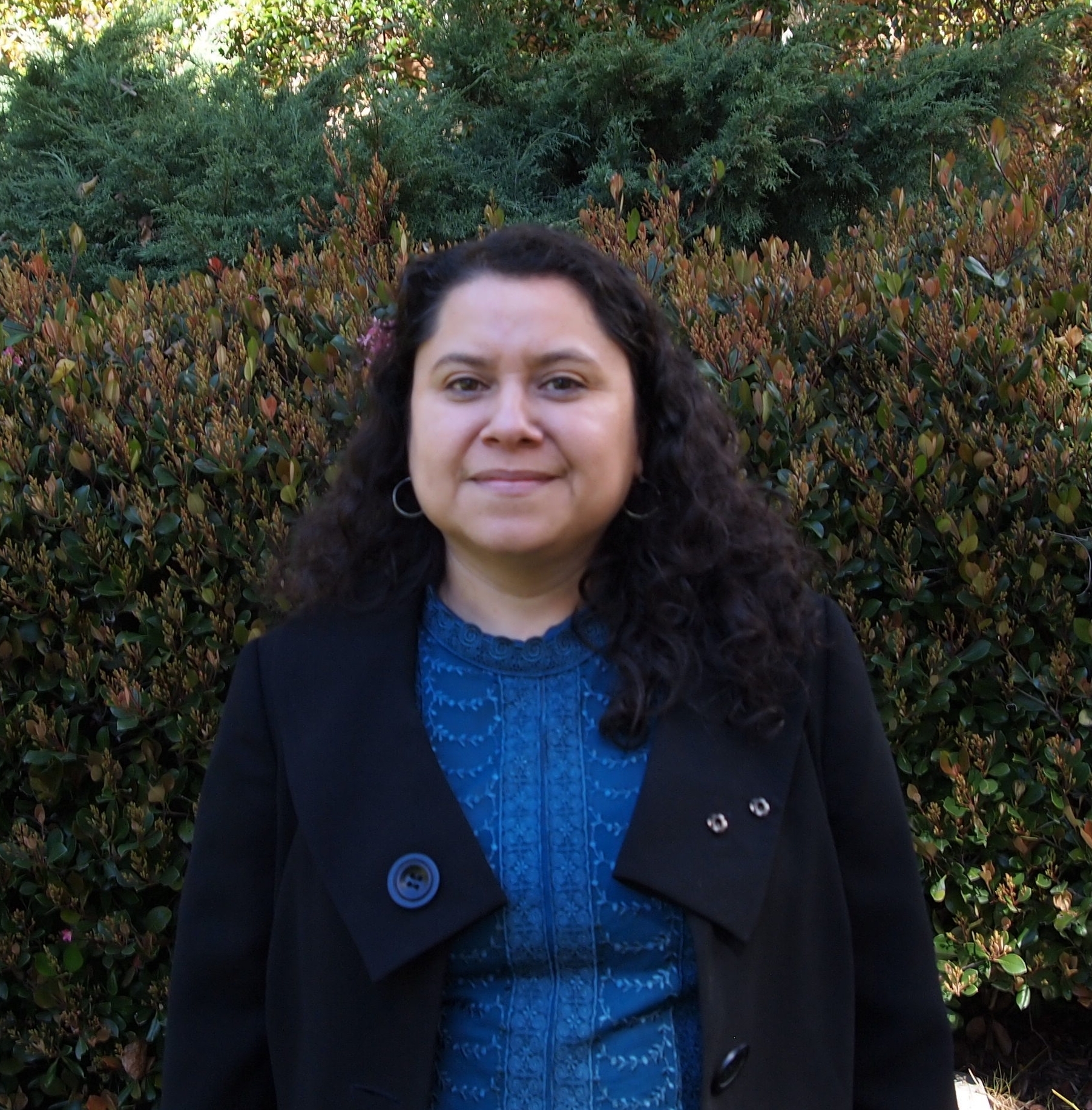
Dr. Terri Weaver is a Professor in the Clinical Psychology Program at Saint Louis University's Department of Psychology. She holds a Ph.D. from Virginia Tech and completed clinical training at Medical University of South Carolina. Her research examines interrelationships between traumatic life events (particularly interpersonal violence) and physical/mental health outcomes, with focus on PTSD, body image disturbances, and depression. Key research areas include: Trauma-informed healthcare approaches Body shame in abuse survivors Cross-cultural manifestations of trauma She directs the Violence and Traumatic Stress Laboratory and teaches graduate/undergraduate courses including Psychopathology, Psychology of Trauma, and Feminist Research Methods. Current projects investigate trauma sequelae in diverse populations including military veterans and marginalized communities. Her publications (2017-2025) explore intimate partner violence, mindfulness interventions, and health disparities. Recent work emphasizes embodied trauma experiences and integrated treatment models.
Abhishek Santra is a Senior Lecturer in the Department of Computer Science and Engineering at The University of Texas at Arlington. He holds a PhD in Computer Science from UT Arlington (2020), and earlier degrees from the University of Delhi (BS 2011, MS 2013). His research focuses on multilayer networks, graph mining, and data analysis, with contributions to complex data modeling and visualization tools like MLN-geeWhiz and ModViz. He is also a Post-Doctoral Research Scholar in the Information Technology Lab (ITLab), led by Dr. Sharma Chakravarthy. Teaching interests include Discrete Structures, Database Systems, and DBMS Models. He has advised numerous students on research projects and thesis work, such as substructure discovery in multilayer networks and video content analysis. Recent grants include REU-funded projects for dashboard development (2022–2025). His service roles include committee memberships in the CSE department and organizing technical workshops like QVC and MLN-DIVE. Key research areas involve analyzing multi-source data through multilayer network frameworks, with applications in healthcare monitoring, big data analytics, and visualization systems. Publications span conferences like BDA, IC3K, and IEEE BigDataService, emphasizing algorithmic innovation for network-centric data problems.
Aidan M Wong is a full-time Assistant Professor of Urban Studies (Education) at the College of Integrative Studies, Singapore Management University. He also serves as Programme Co-Director for the Master of Sustainability (MST) program and holds the Urban Fellow position at the SMU Urban Institute. His work bridges urban studies, economic geography, and sustainability education through interdisciplinary research and teaching. PhD : Queen Mary University of London (2014) MSc : National University of Singapore (2010) BSc : National University of Singapore (2008) Wong's research explores intersections of urban sustainability, active citizenship, and labor dynamics. His publications demonstrate expertise in: Broad Disciplines : Urban Studies, Environmental Science, Economic Geography Key Themes : E-waste regulation, informal labor networks, urban heritage preservation, and circular economy implementation He contributes to educational initiatives through courses like 'Big Questions', 'Urban Cultures', and 'Singapore: Imagining the Next 50 Years', while coordinating the 'Cultures of the Modern World' basket in the MST program.
Professor Mehmet Demirbag serves as Deputy Dean of Essex Business School and Professor of International Business at the University of Essex. Previously, he held significant leadership roles including Vice Dean (Internationalisation) and Head of Department of Strategy and Organisation at Strathclyde Business School, and Chair in International Business at the University of Sheffield Management School. His extensive academic career spans over a decade in UK higher education institutions with specialized expertise in international business strategy. Dr. Demirbag completed his Master's degree in Business Analysis at the University of Leicester and earned his PhD at the University of Bradford Management School. His educational background established the foundation for his research focus on international business phenomena, particularly regarding emerging economies and multinational enterprises. His research interests center around internationalisation of R&D activities, offshore R&D, FDI location choice, product and regional diversification strategies of MNEs, multinationals from emerging countries, international mergers and acquisitions, and reverse knowledge transfer by emerging country MNEs. These interconnected research streams examine how firms navigate global markets, particularly focusing on the strategic behavior of emerging market multinationals and their interactions with developed economies. Analysis of his recent publications reveals consistent thematic patterns across international business, strategic management, and human resource management domains. His work demonstrates particular emphasis on emerging market multinationals, cross-border knowledge transfer mechanisms, international strategic decision-making in uncertain environments, and the institutional contexts shaping multinational enterprise behavior. The interdisciplinary nature of his research bridges theoretical frameworks from international business, strategic management, and organizational studies. Professor Demirbag maintains active editorial roles as consulting editor of the Journal of International Management and advisory editor of Eurasian Business Review. He has co-guest edited special issues for numerous prestigious journals including British Journal of Management, Human Resource Management, Journal of World Business, and International Business Review, among others. His editorial contributions span research areas related to emerging market MNEs, MNEs in emerging markets, transitional periphery contexts, and human resource management in uncertain environments. As an educator, Professor Demirbag teaches International Business and International Strategic Management at undergraduate, postgraduate, and executive levels. His supervision portfolio includes doctoral candidates such as Selman Alisan Gemuhluoglu and previously guided Koushik Das Sarma to completion of their PhD in Business Administration. His research has received funding from various sources including the European Commission, and his work on FDI and SMEs has contributed to REF impact cases at both the University of Bradford and the University of Sheffield.
Dr. Laurel Young is a Professor in the Department of Creative Arts Therapies at Concordia University, specializing in music therapy with a focus on gerontology, palliative care, and neurodiverse populations. She holds certifications in the Bonny Method of Guided Imagery and Music (FAMI) and has over 23 years of clinical experience across geriatrics/dementia, oncology, HIV care, and developmental disabilities. Her roles have included Professional Leader of Creative Arts Therapies at Sunnybrook Health Sciences Centre and teaching positions at Wilfrid Laurier University and Temple University. Dr. Young’s research spans multicultural competence in therapy, ethical frameworks, and the intersection of music with health and well-being. Key themes include end-of-life care for dementia patients, singing groups for autistic adults, and bereavement support through music. She has published extensively in peer-reviewed journals and books, including editorial leadership for Barcelona Publishers’ Qualitative Inquiries in Music Therapy Monograph Series (2012–2013). Her work emphasizes bridging research and clinical practice, with a focus on marginalized groups such as older adults, individuals with disabilities, and those facing chronic illnesses. Awards include the 2014 CAMT Research & Publications Award and teaching accolades from Wilfrid Laurier and Temple Universities. Current projects explore AI-assisted therapeutic technologies and community-based music interventions.
Dana Sajdi is an Associate Professor of History at Boston College, affiliated with the Morrissey College of Arts and Sciences. She holds a B.A. from the American University in Cairo and a Ph.D. from Columbia University. Her research focuses on premodern social and cultural history of the Arabic-speaking Eastern Mediterranean, with a current project, In Defense of Damascus , exploring the city’s history through local descriptions from the 12th to 20th centuries. She pioneered the Podcasting the Ottomans course, establishing a History Department Pod Studio, enabling undergraduates to produce scholarly podcasts. This initiative has been featured on the Ottoman History Podcast. Her work bridges academia and public engagement, emphasizing interdisciplinary approaches to history. Key publications include analyses of Syrian sacred landscapes (2022), responses to historical theory (2021), and studies on Ottoman Levant literacy and urban life (2020). Her scholarship integrates textual analysis, spatial history, and cultural critique, reflecting her commitment to innovative historical methodologies.
John J. Curtin is a Professor in the Department of Psychology at the University of Wisconsin-Madison, where he directs the Addiction Research Center. His work bridges clinical psychology, computer science, and engineering to develop innovative digital solutions for mental health and addiction treatment. Dr. Curtin's research focuses on digital therapeutics and personal sensing technologies for substance use disorders and mental illness. His laboratory develops software applications that provide evidence-based interventions, treatment management tools, and enhanced communication with care providers. He specializes in algorithm development for moment-to-moment psychiatric risk prediction and just-in-time personalized interventions that adapt to both patient characteristics and their current context. His research program is highly interdisciplinary, collaborating with the Center for Health Enhancement Systems Studies, computer science, geography, and electrical and computer engineering departments. Dr. Curtin's work combines machine learning approaches with novel data streams from geolocation, cellular communications, social media activity, and wearable biosensors to create more effective and personalized treatment approaches. Dr. Curtin has secured continuous funding from the National Institutes of Health (NIAAA, NIDA, NCI and NIMH) since 1998. His current research examines machine learning-assisted precision medicine for smoking cessation, contextualized daily prediction of lapse risk in opioid use disorder, and dynamic real-time prediction of alcohol use lapse using mobile health technologies. His laboratory has produced numerous publications advancing the field of digital mental health interventions, with a particular focus on using technology to deliver precisely tailored treatments at the right moment for individuals struggling with substance use disorders.
Anastasios P. Vassilopoulos is an Adjunct Professor and Head of the Composite Mechanics Group (GR-MEC) at the École Polytechnique Fédérale de Lausanne (EPFL) within the School of Architecture, Civil and Environmental Engineering (ENAC). He holds additional roles as Director of the Doctoral Program in Civil and Environmental Engineering (EDCE) and is affiliated with multiple research groups and committees at EPFL. His expertise spans composite materials, structural adhesives, and offshore renewable energy systems. Education: PhD in Mechanical Engineering, University of Patras, Greece (2001) Dipl. Mechanical Engineer, University of Patras, Greece (1995) Erasmus Exchange, University of Bristol, UK (1994–1995) Research Interests: Offshore renewables, particularly wind turbine blade materials and joints Fatigue analysis of composite materials and adhesive joints Experimental and analytical methods for composite structures Design of composite constructions and structural integrity His work emphasizes practical applications in engineering, including wind energy systems and fiber-reinforced polymer (FRP) composites. Teaching & Labs: Teaches courses on structural mechanics, advanced composites, and floating offshore renewables Leads the GR-MEC lab, focusing on composite mechanics and joint behavior Supervised over 15 PhD students at EPFL Grants & Projects: Swiss National Science Foundation-funded projects on bonded composite structures and wind turbine blade materials Research on fire-resistant composite bridge decks and lightning effects on composite structures
Anthony D. Ong is a Professor of Psychology in the College of Human Ecology at Cornell University and Director of the Center for Integrative Developmental Science and Human Health Labs. He also holds a research appointment at Weill Cornell Medicine as a Professor of Gerontology in Medicine. He earned his Ph.D. in developmental psychology from the University of Southern California and completed postdoctoral training in adult development and aging at the University of Notre Dame. His research focuses on lifespan dynamics of vulnerability and adaptation, integrating perspectives from affective science, developmental psychology, and behavioral medicine. Key themes include positive emotions and health, neurobiological mechanisms of cultural experiences, social determinants of aging, and resilience processes. He is currently on sabbatical for the 2025–2026 academic year. Educational Background Ph.D. in Developmental Psychology, University of Southern California Postdoctoral Training in Adult Development and Aging, University of Notre Dame Research Interests Ong’s work examines how psychological, social, and biological factors interact to influence health and well-being across the lifespan. He investigates topics such as the role of positive emotions in mitigating disease, the impact of social isolation and loneliness in later life, the neurobiology of cultural experiences, and the buffering effects of positive experiences against genetic risks for depression. His studies often employ advanced statistical methods and longitudinal designs to capture dynamic processes. Labs and Collaborations He directs the Human Health Labs and the Center for Integrative Developmental Science, fostering interdisciplinary research on human development and health. His collaborations span institutions like Weill Cornell Medicine, emphasizing translational research in gerontology and behavioral health.
A/Prof HO Han Kiat is an Associate Professor in the Department of Pharmacy and Pharmaceutical Sciences at the National University of Singapore. His research focuses on chronic liver disease progression (from fatty liver to cancer) and drug-induced liver injury mechanisms. He explores nanomaterial applications in disease modification and drug delivery, using techniques like high-throughput sequencing and preclinical collaborations with clinicians. His work bridges cancer biology and toxicology, emphasizing clinical relevance through patient sample correlations. He teaches courses such as PR4207 Applied Pharmacokinetics & Toxicokinetics and FSC4203 Forensic Toxicology & Poisons. His lab’s vision involves developing molecular interventions for liver disorders through in vitro/vivo models. Notable interests include nanomaterial toxicity, hepatoprotective strategies, and cytokine profiles in cognitive impairment post-chemotherapy. Recent articles highlight studies on BDNF biomarkers, gold nanoparticle vascular targeting, and therapeutic hypothermia for hepatotoxicity. His research integrates genetic polymorphism analysis (e.g., CYP7A1) with drug metabolism studies, emphasizing personalized medicine approaches. HO’s work also addresses educational innovations in pharmacy curricula and assessment design, reflecting his dual focus on clinical research and pedagogy.
Leisy J. Abrego is a Professor in Chicana/o Studies at the University of California, Los Angeles (UCLA). A first-wave Salvadoran immigrant to Los Angeles in the 1980s, her research examines Central American immigration, Latina/o families, gender inequalities, and the production of 'illegality' through U.S. immigration laws. PhD in Sociology, UCLA (2008) MA in Sociology, UCLA (2002) BA in Spanish, Pomona College (1997) Her award-winning scholarship explores legal consciousness, immigration policy impacts, and mixed-status family dynamics. She co-authored Immigrant Families (Polity, 2016) and authored Sacrificing Families (Stanford, 2014). Recent work analyzes DACA-era family experiences and legal violence. Scientific awards include national recognition for her work on immigration policy and legal consciousness. She actively supports refugees through editorials and pro-bono asylum declarations. Courses taught include Central American Migration, Latina/o Families, and Qualitative Methods.
Sijia Geng is an Assistant Professor in the Department of Electrical and Computer Engineering (ECE) at Johns Hopkins University (JHU) and a core researcher at the Ralph O’Connor Sustainable Energy Institute (ROSEI). She directs the Power and Energy Network Systems Analysis (PENSA) Laboratory and co-leads the NSF-funded Electric Power Innovation for a Carbon-free Society (EPICS) Center as co-PI. Her research focuses on integrating control theory, mathematical analysis, and optimization to enhance renewable energy utilization and grid resiliency. Education: Ph.D. and M.S. (ECE & Mathematics) from the University of Michigan-Ann Arbor (2016–2022), B.S. in Automation from Harbin Institute of Technology (2016). Postdoctoral work at MIT (2022) and visiting scholar roles at Purdue University (2015) and Pacific Northwest National Lab (2018). Research Interests: Dynamic analysis of inverter-based power systems, nonlinear control theory, data-driven decision-making, and multi-energy systems. Her work emphasizes achieving autonomous, resilient energy systems through advanced computational tools and theoretical frameworks. Awards: Best Paper Award at MIT/Harvard Applied Energy Symposium (2022), MIT Rising Stars in EECS (2021), Barbour Scholarship (2021), Towner Prize (2018), and Gerald and Esther Forrest Fellowship (2016). She is active in IEEE and INFORMS, organizing sessions at PES General Meeting and CISS conferences. Grants & Collaborations: Funded by NSF, DOE, MIT Energy Initiative, and industry. Leads global initiatives through EPICS, collaborating with UK, Australian, and international stakeholders. Co-leads ROSEI’s Grid pillar to advance fossil-free energy systems. Labs & Teams: Directs PENSA Lab, affiliated with JHU’s Data Science and AI Institute, Applied Mathematics & Statistics, and Computer Science departments.
Dr. Grace Kim is an Associate Professor in the Department of Occupational Therapy at New York University's Steinhardt School of Culture, Education, and Human Development. She holds a PhD in Occupational Therapy from NYU (2016), an MA in Occupational Therapy from Columbia University, and a BA in Psychology from UC Davis. She is a clinician-researcher affiliated with the Rehabilitation Medicine department at New York Presbyterian/Weill Cornell Medical Center, specializing in upper extremity robotics, outcome measurement, and stroke rehabilitation. Education: Bachelor's in Psychology: University of California, Davis Master's in Occupational Therapy: Columbia University PhD in Occupational Therapy: New York University (2016) Research Focus: Intersection of technology and neurorehabilitation Client-centered care for stroke survivors Wearable/mobile technology applications Shared decision-making approaches Awards/Grants: Mitchell Leaska Dissertation Grant (2014) Steinhardt Faculty Challenge Grant (2017) NYU Provost Mega-Seed Grant (2018) American Occupational Therapy Foundation Grant (2021) Dr. Kim teaches courses in Evidence-Based Practice, Neurorehabilitation, and Ethics at NYU Steinhardt. She mentors students in Occupational Therapy, Rehabilitation Science, and the R25 Research Education in Cardiovascular Conditions program at NYU's Rory Meyers School of Nursing. Her work emphasizes affordable technology solutions to improve real-world outcomes for stroke patients, including remote self-training programs and home-based interventions.
Alexander Hollberg is an Associate Professor in the Division of Building Technology at Chalmers University of Technology, within the School of Architecture and Civil Engineering. His academic role focuses on Computational Sustainable Design, emphasizing the development of digital tools for sustainable building and urban design. He holds a PhD in Parametric Life Cycle Assessment (2016) from Bauhaus University Weimar, an MSc in Architectural Engineering (2011), and a BSc in Civil Engineering (2008) from Technical University of Munich (TUM). His research interests include Sustainable Design Optimization, Stakeholder Interaction, Artificial Intelligence, and Life Cycle Assessment (LCA). He co-founded CAALA, a software and consulting startup in Munich, Germany, advancing tools for real-time environmental performance evaluation in early design stages. Recent work includes studies on digital twins for urban planning, robust renovation strategies, and AI-driven facade optimization. Hollberg was promoted to Docent (Associate Professor) in Computational Sustainable Design in 2022, focusing on bridging computational methods with sustainable environmental transitions. His collaborative projects address tool development for stakeholder engagement, BIM integration, and circular economy frameworks in construction. Key Projects: Development of Bombyx and Twinable tools for real-time LCA and urban simulation Leading the Nordic Build-LCA PhD forum and BIM-based LCSA applications Contributions to IEA EBC Annex 72 guidelines on life cycle environmental impacts Education Background: PhD in Parametric Life Cycle Assessment, Bauhaus University Weimar, 2016 MSc in Architectural Engineering, Bauhaus University Weimar, 2011 BSc in Civil Engineering, Technical University of Munich, 2008 His research outputs prioritize early design-stage decision support through parametric modeling and AI, with a focus on carbon neutrality and material circularity in construction.
Miguel Castillo is an Associate Professor in the Crop and Soil Sciences Department at North Carolina State University (NC State), leading the Forage & Grassland Program and serving as Grassland Science Specialist. He holds a Ph.D. in Agronomy from the University of Florida and an MBA from NC State. His work focuses on improving ecosystem services in agricultural and pasture-based livestock systems through integration of silvopasture, agroforestry, and advanced technologies like near infrared spectroscopy (NIRS) for management decisions. Dr. Castillo's education includes a B.S. in Plant and Animal Sciences from Zamorano University (2006), followed by M.S. and Ph.D. in Agronomy from the University of Florida (2009, 2013). His research spans international collaborations in tropical/sub-tropical environments, with expertise in forage crop management, bioenergy grasses, and sustainable livestock systems. He is fluent in Spanish and Portuguese. Research Interests: Forage-Livestock Systems Optimization Silvopasture Development Bioenergy Crop Production NIRS Applications in Agriculture Pasture-Based Livestock Management Climate Resilient Forage Crops Recent work emphasizes NIRS for rapid forage quality analysis, evaluating new bermudagrass cultivars, and advancing silvopasture systems in the southeastern U.S. and Peruvian Amazon. His publications address topics like poultry litter impacts, switchgrass management post-freeze, and frost-seeding clover into tall fescue pastures. Grant-supported research includes USDA-funded projects on forage conservation techniques and bioenergy crop development. He advises graduate students on forage systems and collaborates with industry partners on applied agronomic solutions. Labs/Teams: Directs the Forage & Grassland Program at NC State, collaborating with USDA and international research networks. Active in extension programs, publishing guides on forage management, hay production, and silvopasture implementation.